
Technology Center, Las Vegas, NV, USA
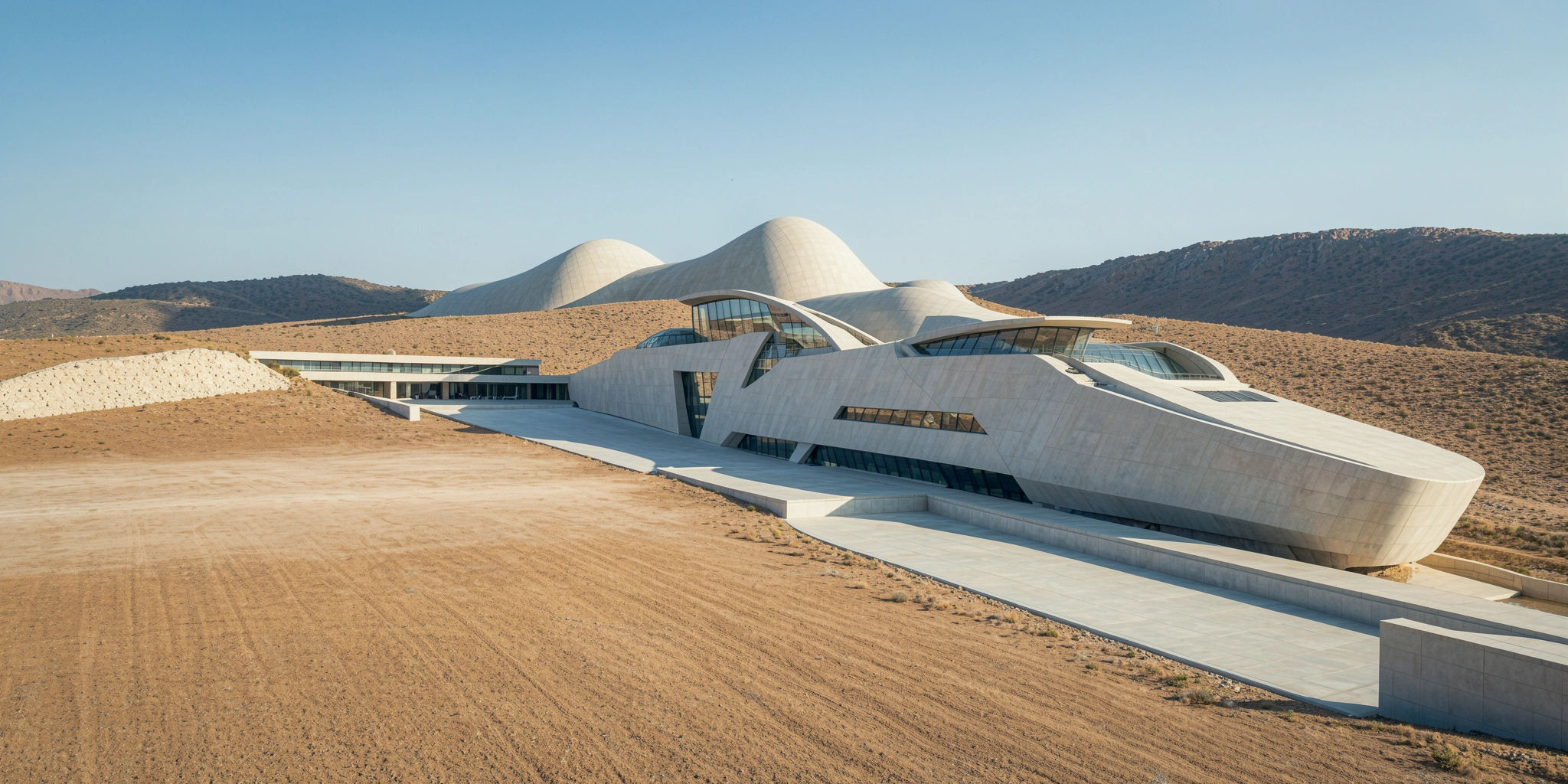
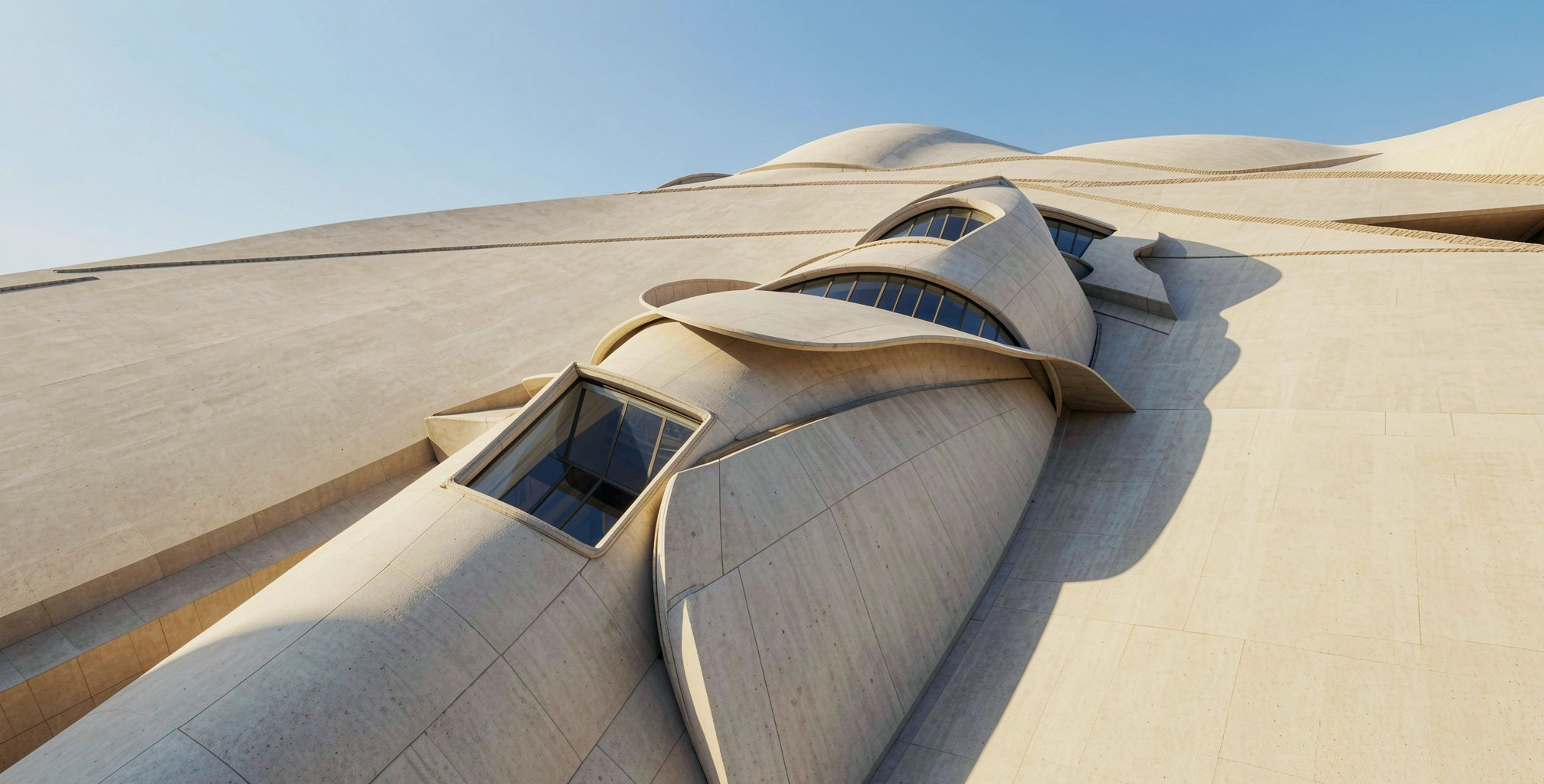
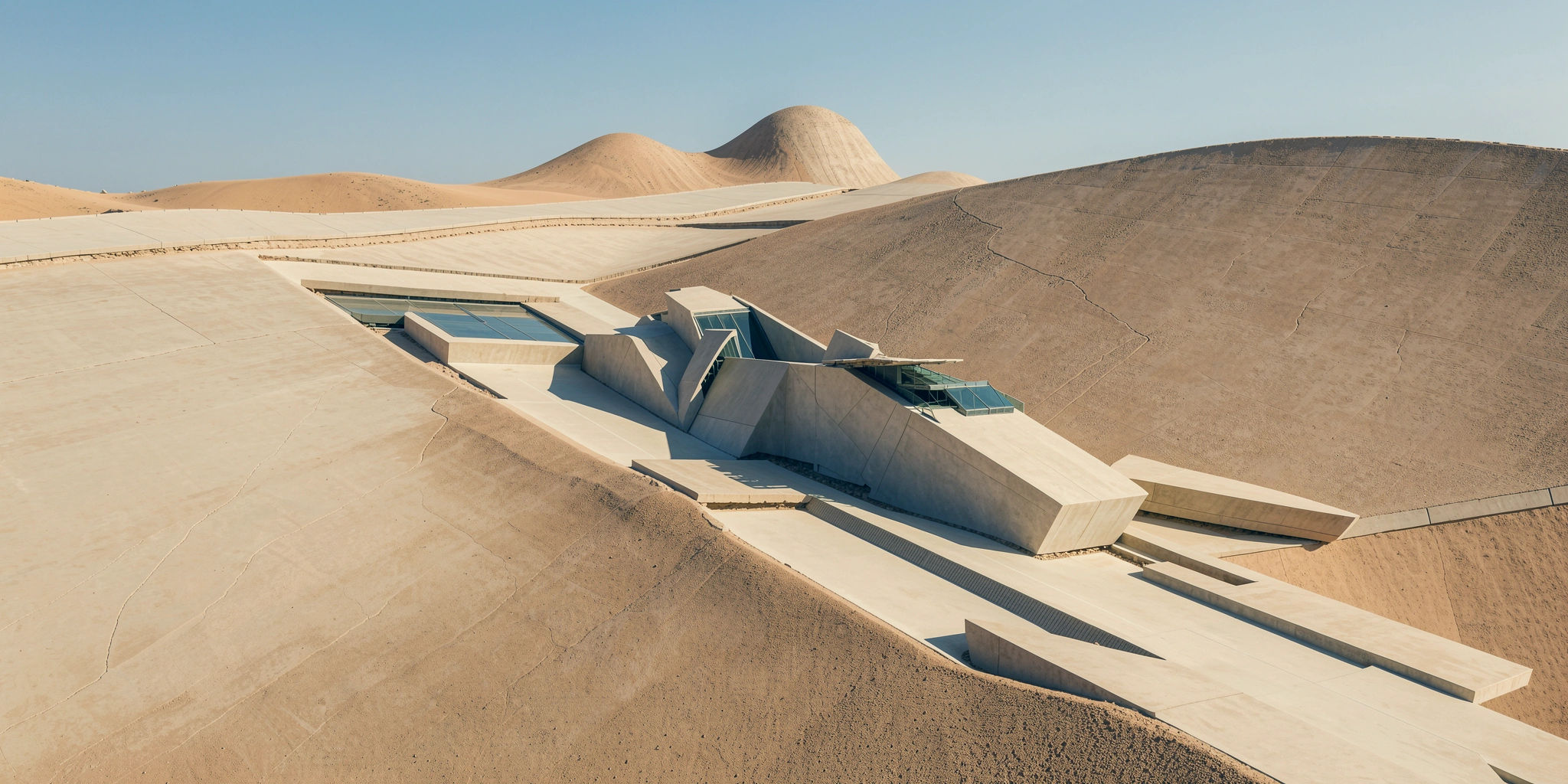
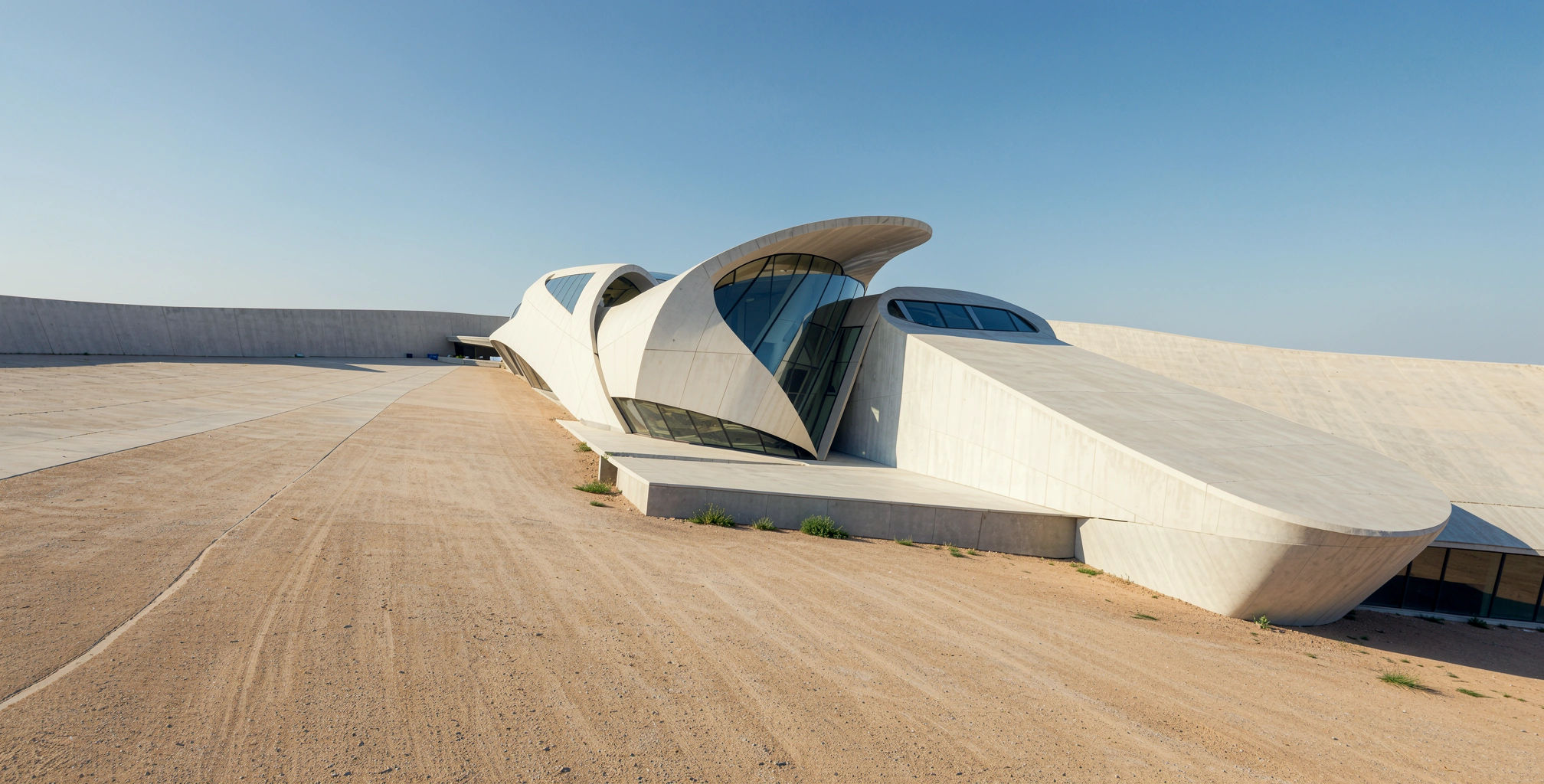
Further information and case study for this project can be found at the De Gruyter Birkhäuser Modern Construction Online database
The following architectural case study is not available at Modern Construction Online
Technology Center — Adaptive Architecture for the Desert
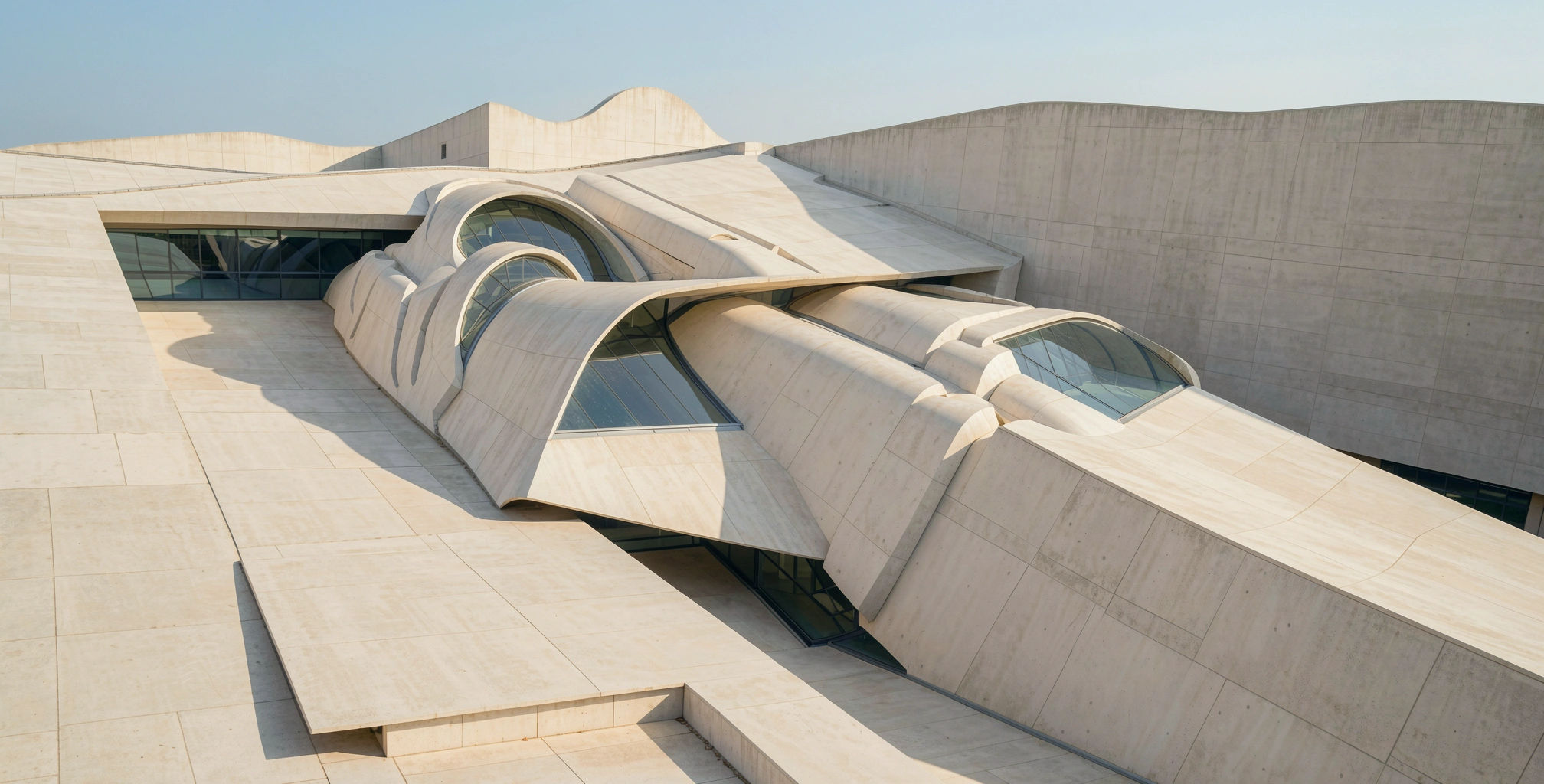
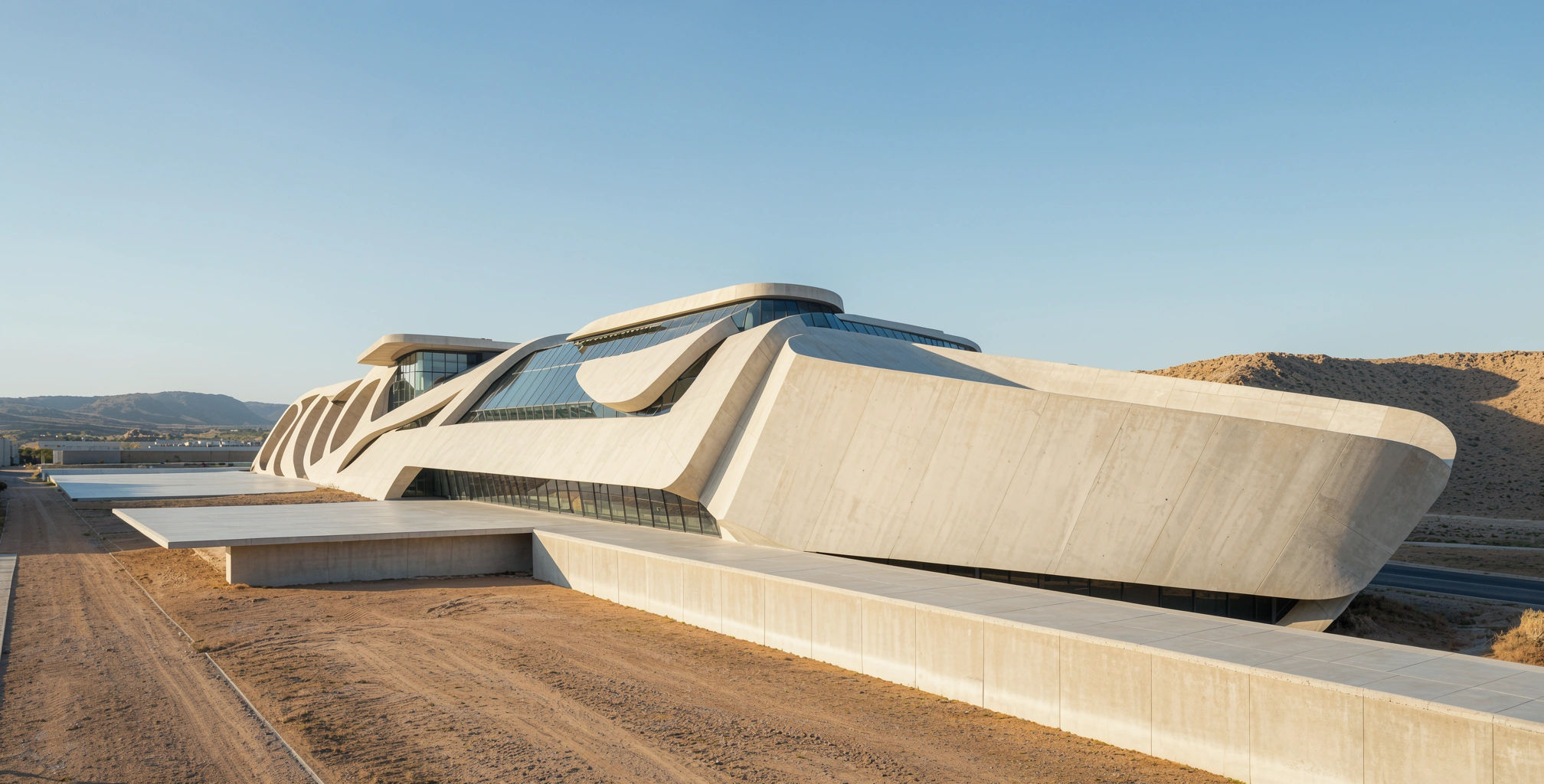
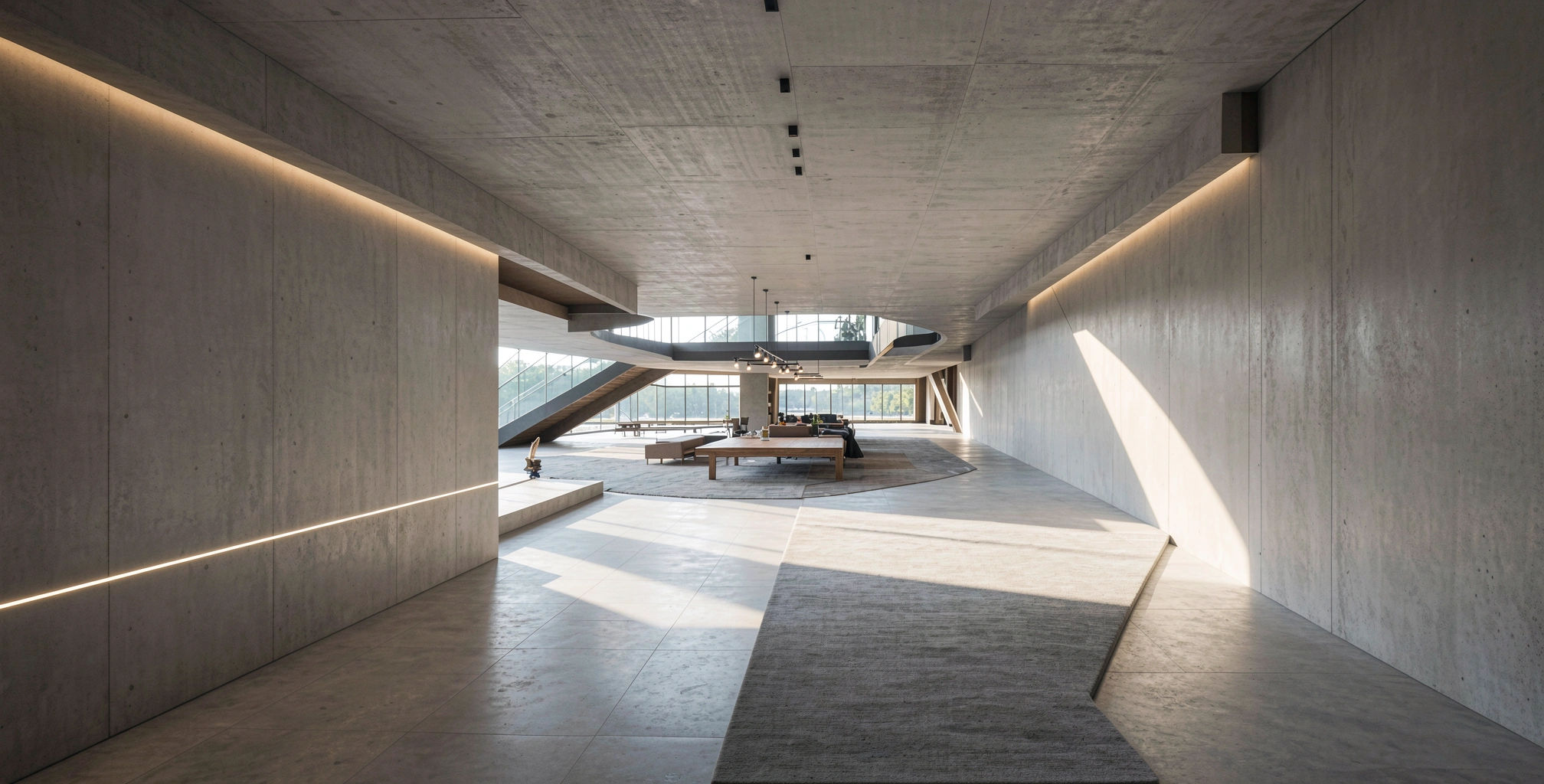
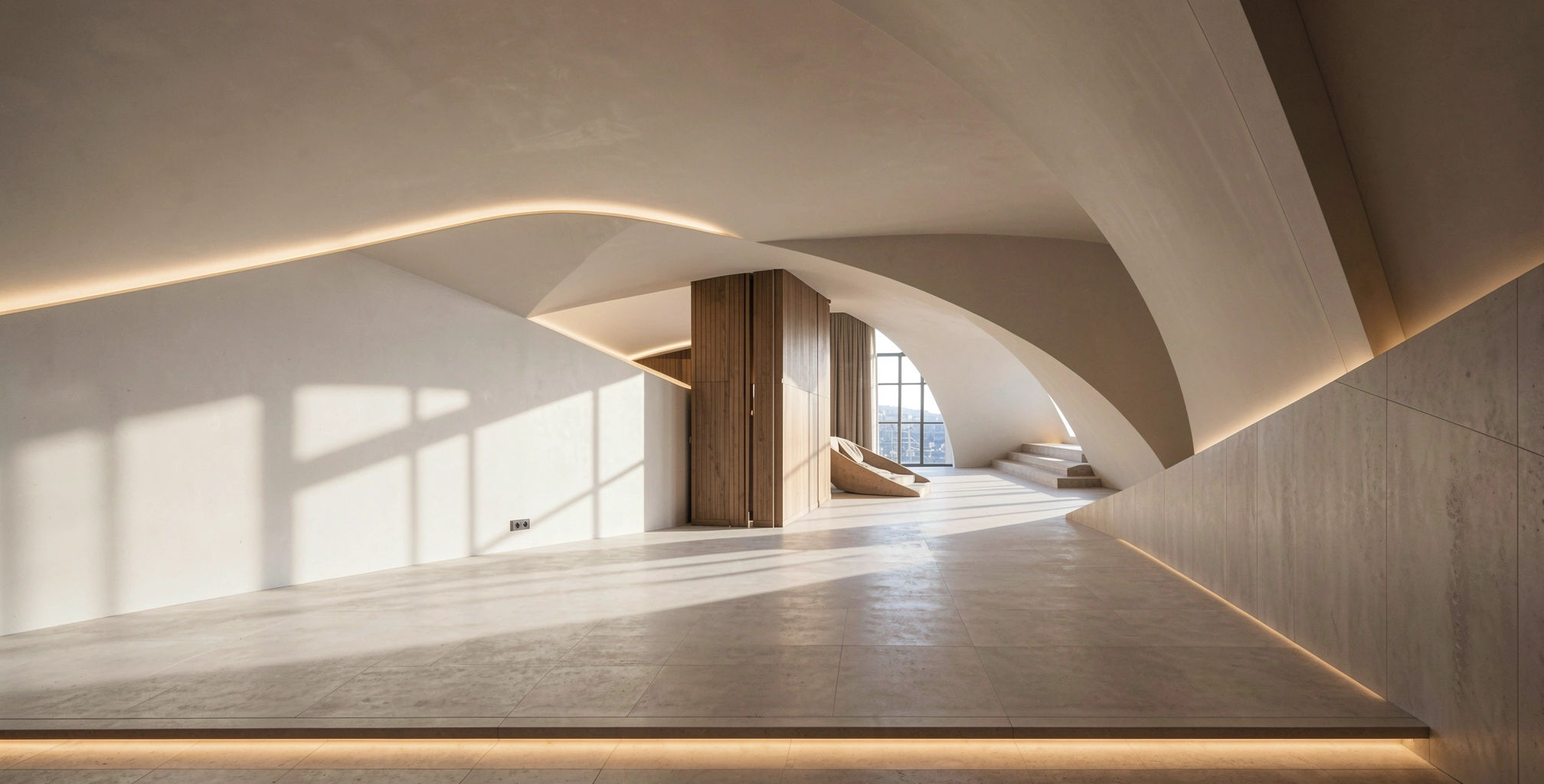
This project explores how architecture can respond intelligently to changing environmental conditions through the integration of adaptive systems within the building envelope itself. Located in the Nevada desert, the building is defined by a series of retractable canopies that provide dynamic control of solar exposure, daylight and environmental comfort while maintaining a clear and unified architectural form.
Designed for a demanding desert climate, the project must accommodate significant variations in temperature, solar intensity and daylight throughout the day and across the seasons. The retractable canopy system provides a flexible environmental response, adjusting levels of shading and solar protection to improve occupant comfort while reducing reliance on mechanical cooling systems.
A central ambition of the project is the seamless integration of environmental performance and architectural expression. The canopies are not conceived as separate technical devices added to an otherwise static building. Instead, they form part of a unified architectural system in which structure, enclosure and environmental control operate together. The resulting architecture is defined not by the visibility of its technology but by the intelligence of its response to climate.
The adaptive elements are incorporated within the building envelope itself, allowing the architecture to respond continuously to changing environmental conditions without altering its overall identity. Movement occurs quietly and precisely, providing environmental moderation while preserving the clarity of the building's form. The architecture remains stable in appearance while remaining highly responsive in performance.
The design is informed by the efficiency of natural systems, where adaptation is achieved through coordination rather than excess. Like an organism responding to changes in its environment, the building adjusts its behaviour according to external conditions while maintaining internal stability and comfort. Environmental responsiveness therefore becomes an inherent characteristic of the architecture rather than an applied layer of technology.
Advanced engineering and fabrication techniques are central to the project's realisation. The retractable elements, supporting structure and external envelope are developed as a coordinated system in which individual components perform multiple roles simultaneously. Shading, enclosure, structural support and environmental moderation are integrated within the same architectural framework, reducing complexity while improving overall performance.
This emphasis on multifunctionality extends throughout the project. Rather than treating structure, architecture and environmental systems as separate disciplines, the design seeks opportunities for overlap and integration. Individual elements contribute to multiple aspects of building performance, allowing architectural expression and technical function to emerge from the same design decisions.
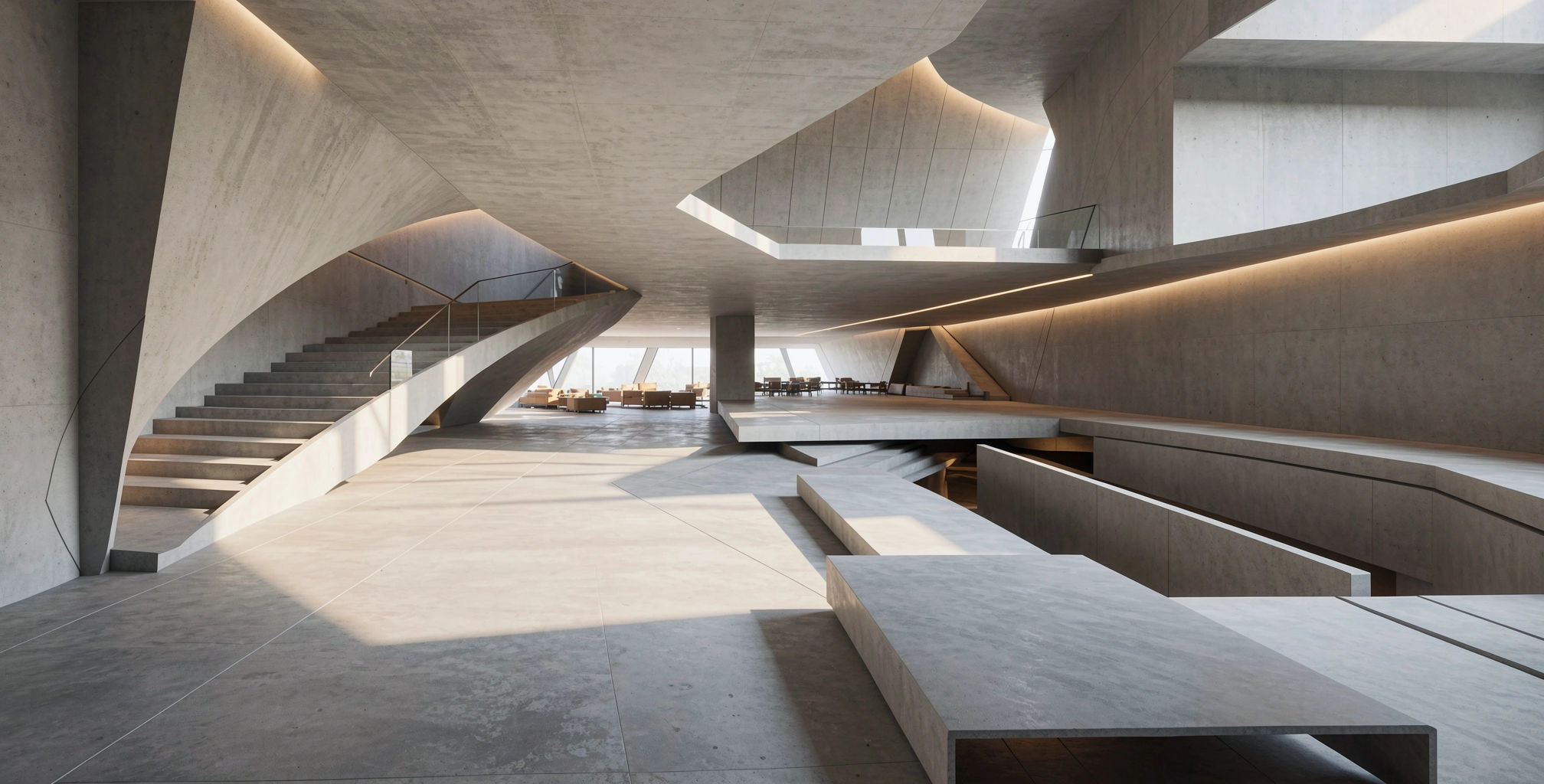
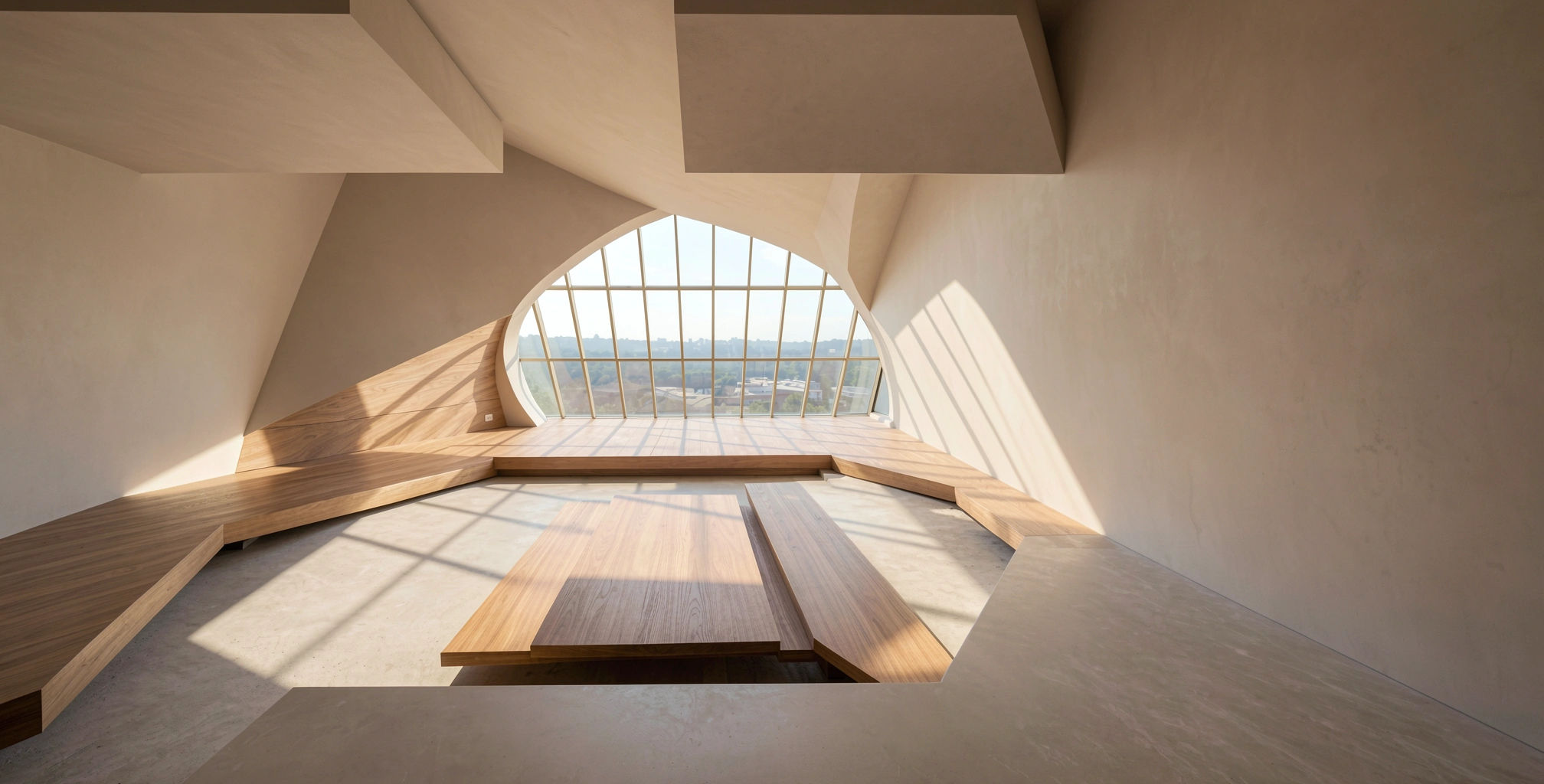
The building operates as an environmental interface between occupants and the surrounding desert landscape. Instead of relying solely on static enclosure, it actively moderates solar exposure, daylight and thermal conditions through a responsive architectural system. Environmental performance becomes part of the spatial experience of the building, influencing light, comfort and atmosphere throughout the day.
Flexibility is also embedded within the design. As environmental conditions change across seasons and years, the building is capable of adjusting its behaviour without requiring fundamental alteration. This adaptability extends the useful life of the architecture while supporting long-term environmental performance.
This project demonstrates how responsiveness can be embedded within architecture without becoming a visual spectacle. By integrating adaptive environmental systems directly into the fabric of the building, it proposes an approach to sustainable design that is both technologically sophisticated and architecturally restrained. The result is a building whose intelligence lies not in what it displays, but in how effectively it performs.