
E-Sports Gaming Centre — Structure, Atmosphere and Adaptive Reuse
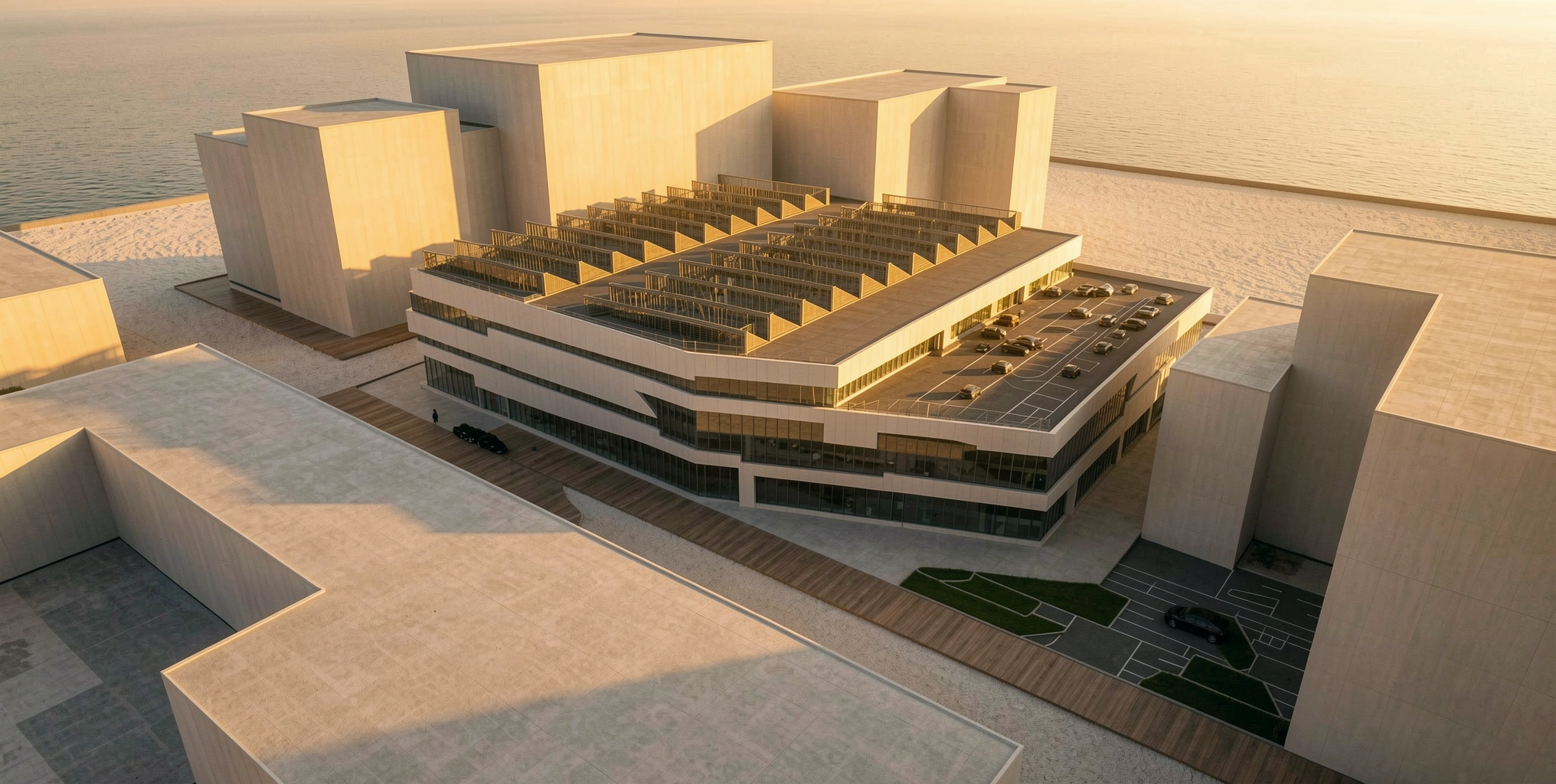
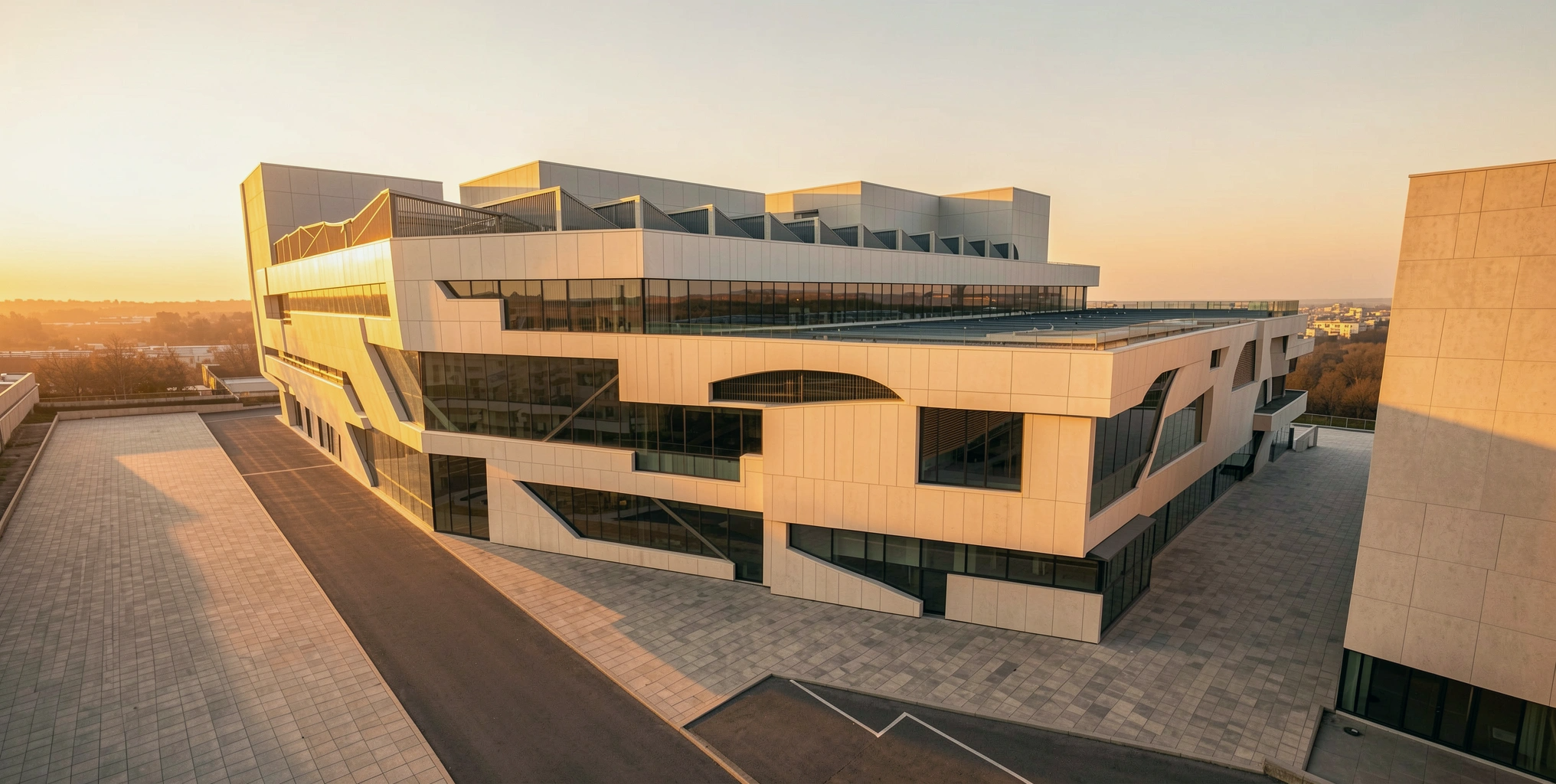
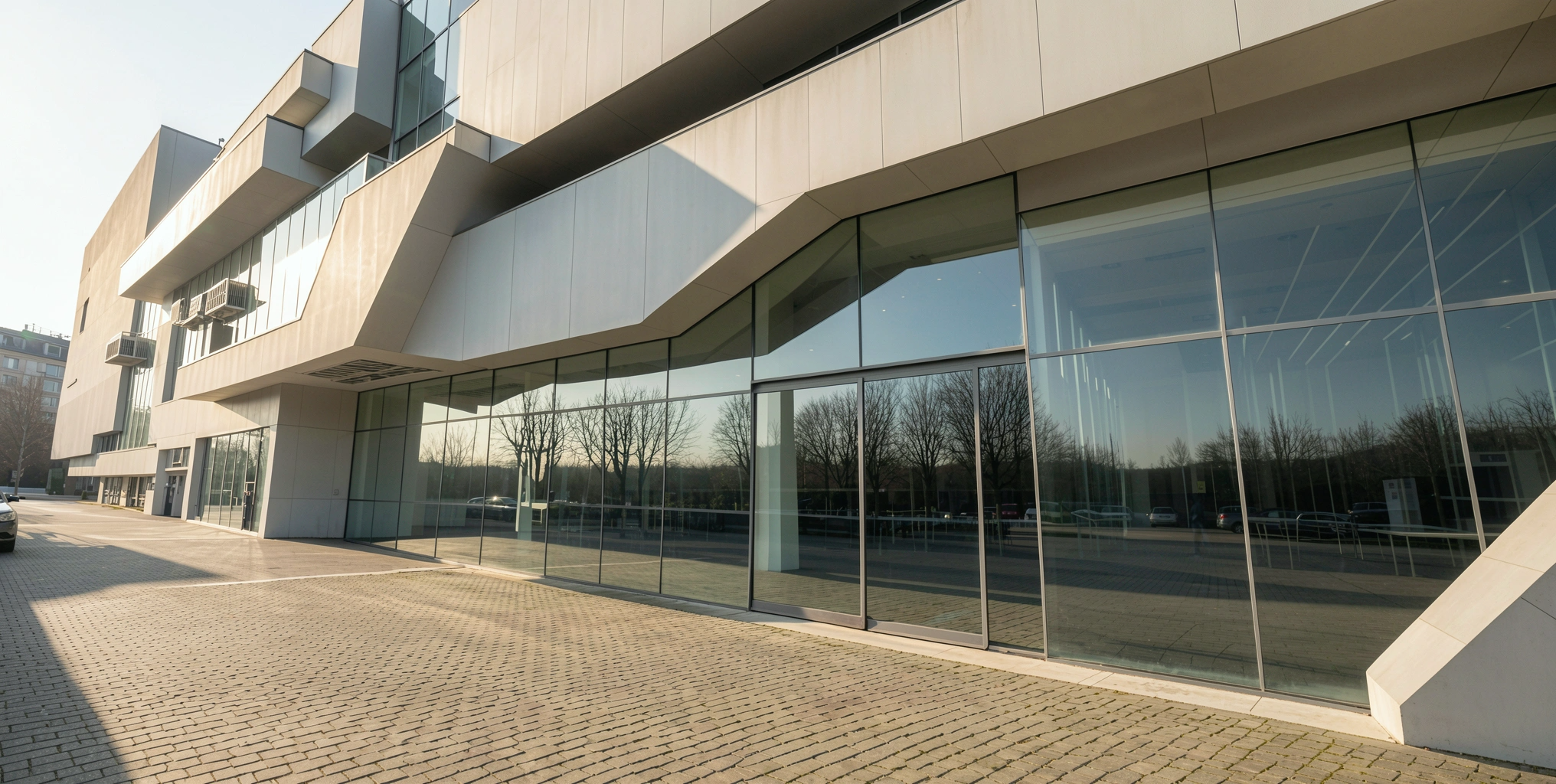
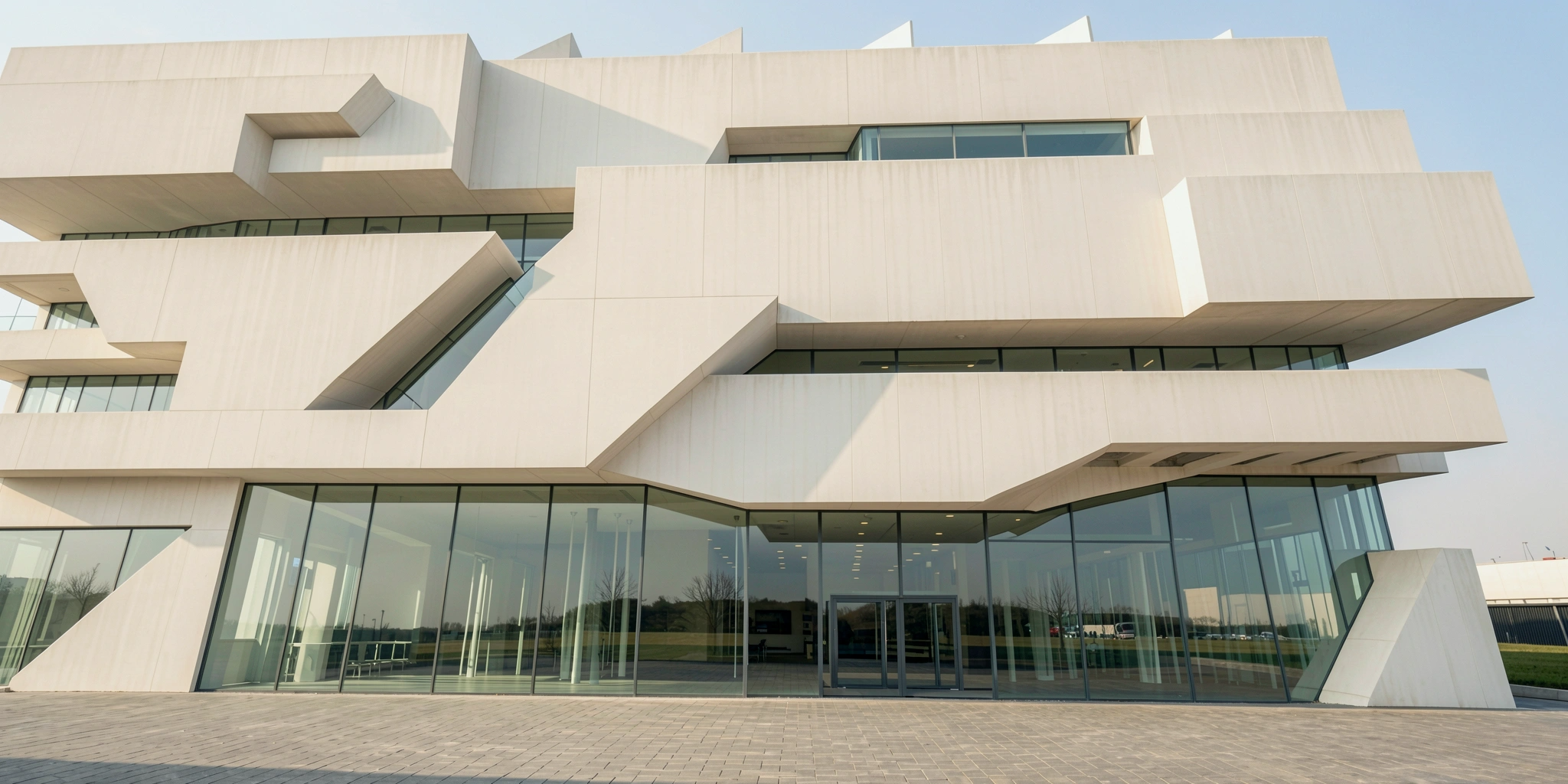
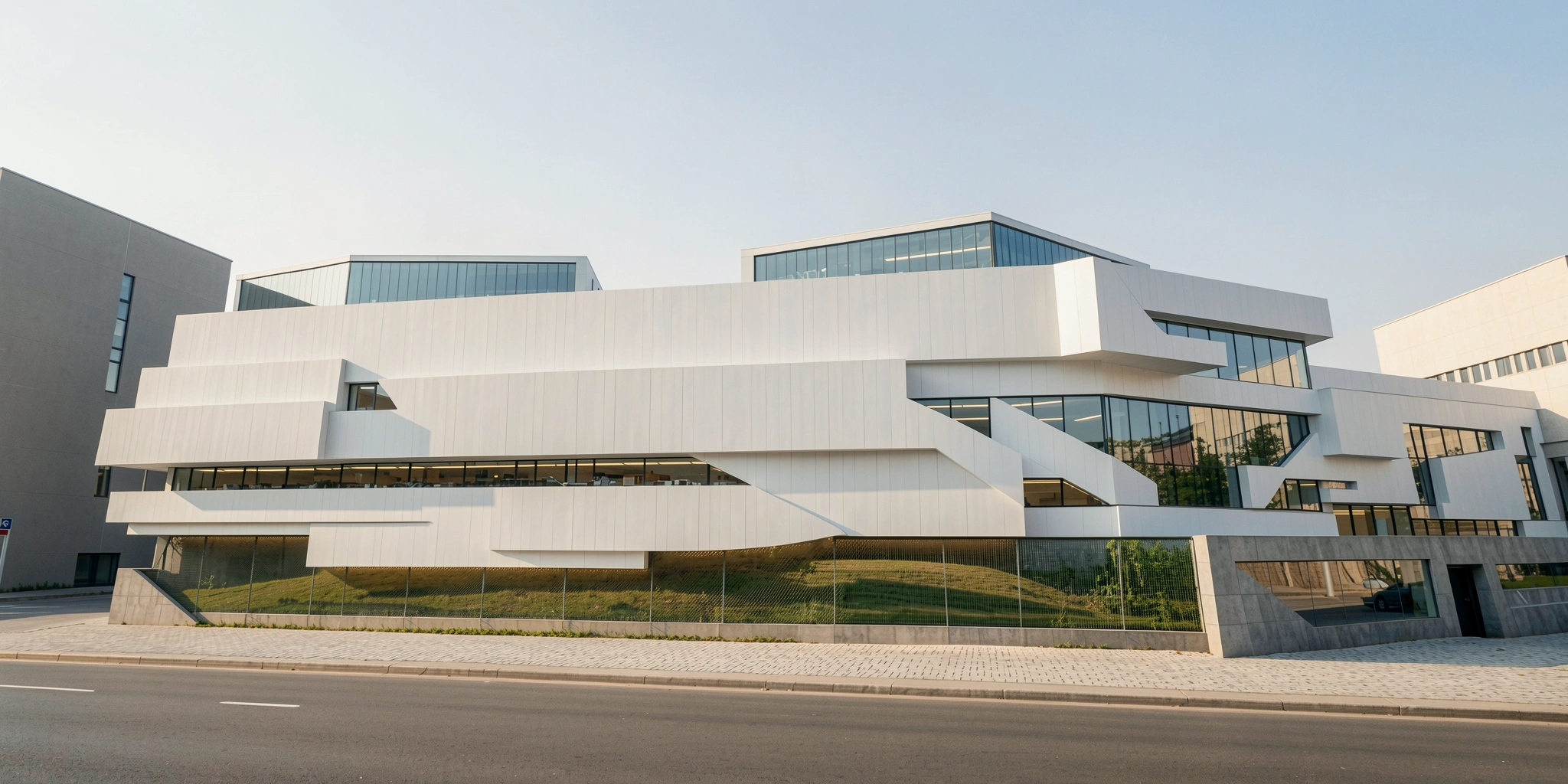
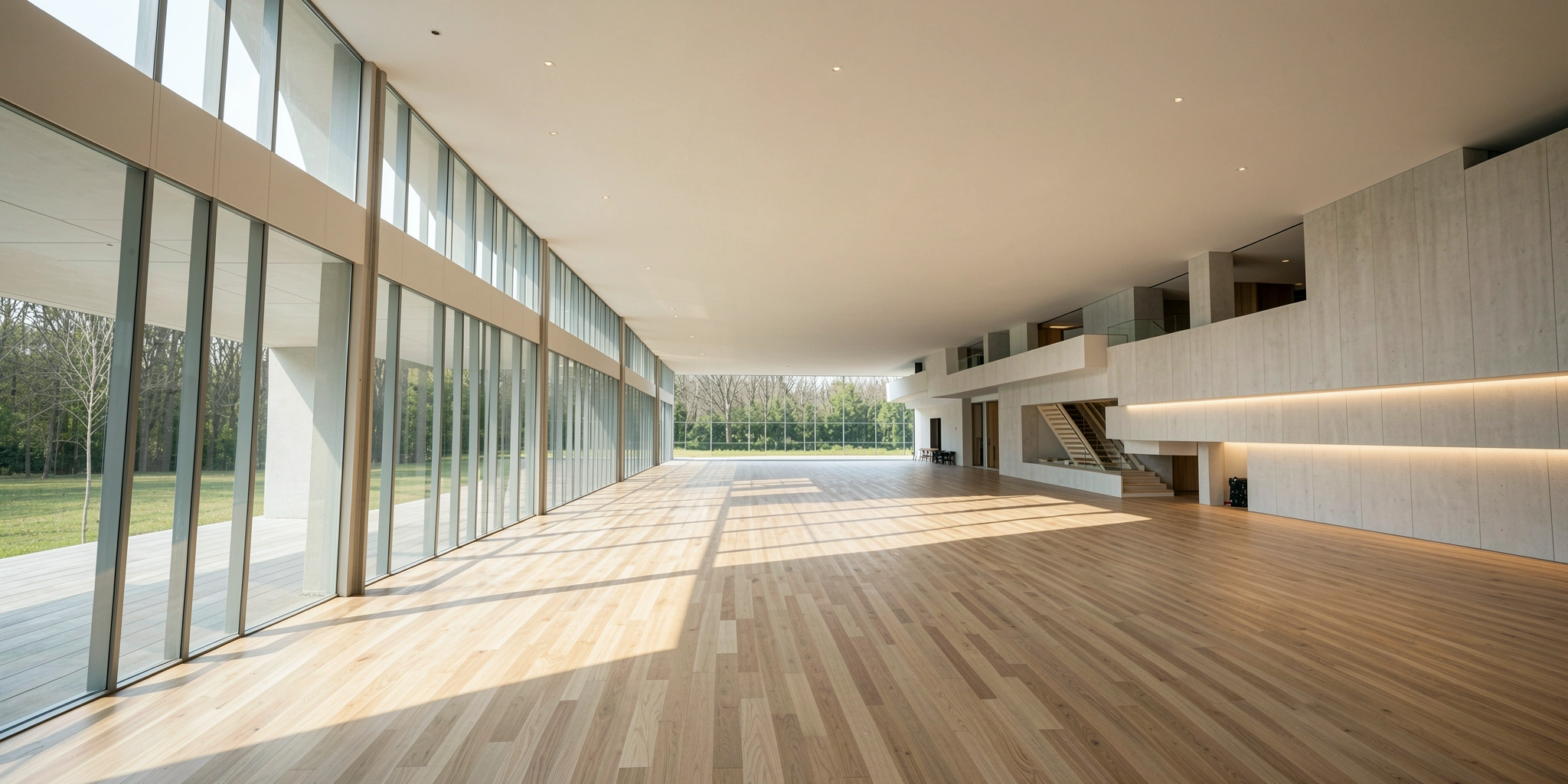
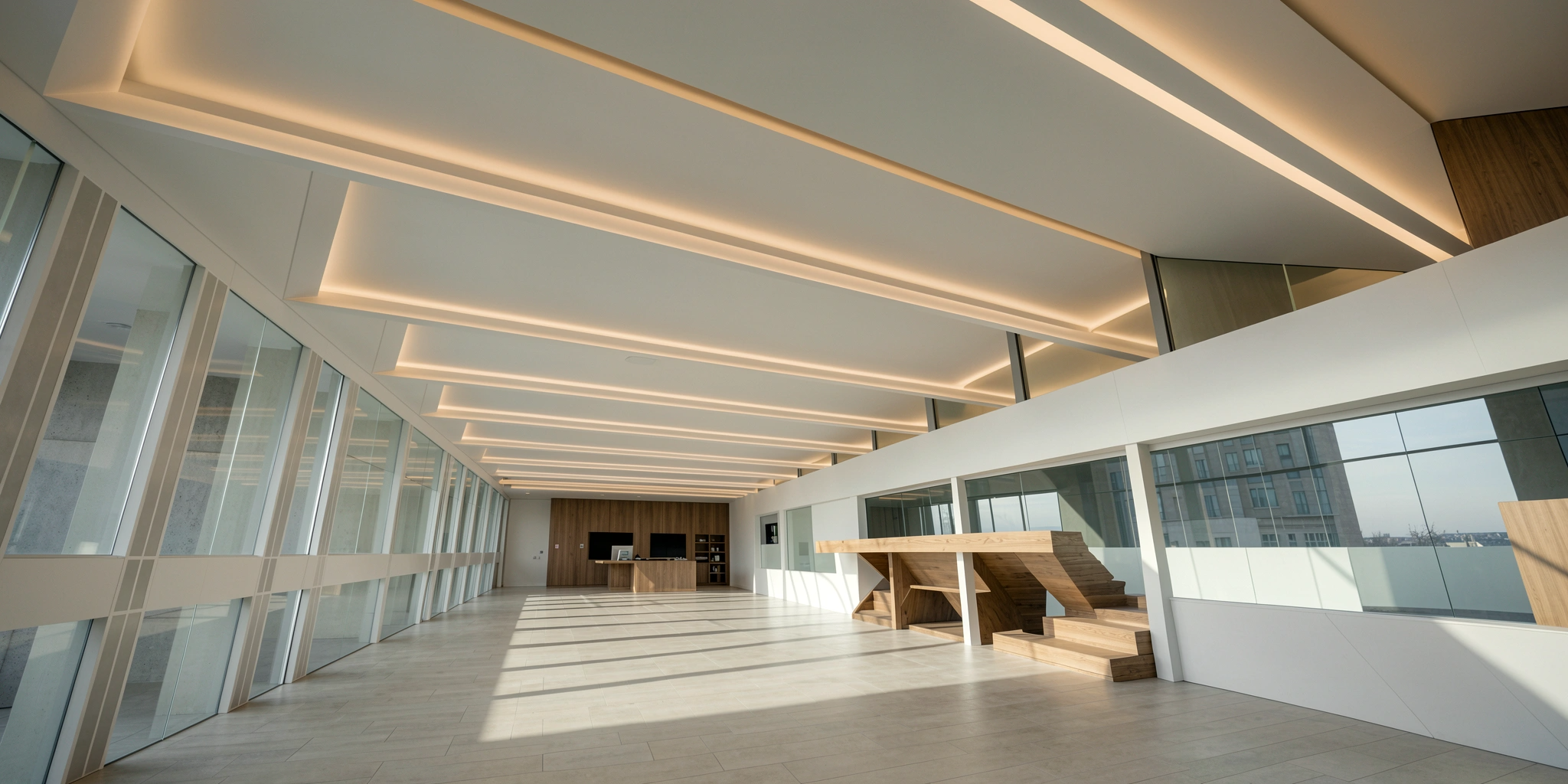
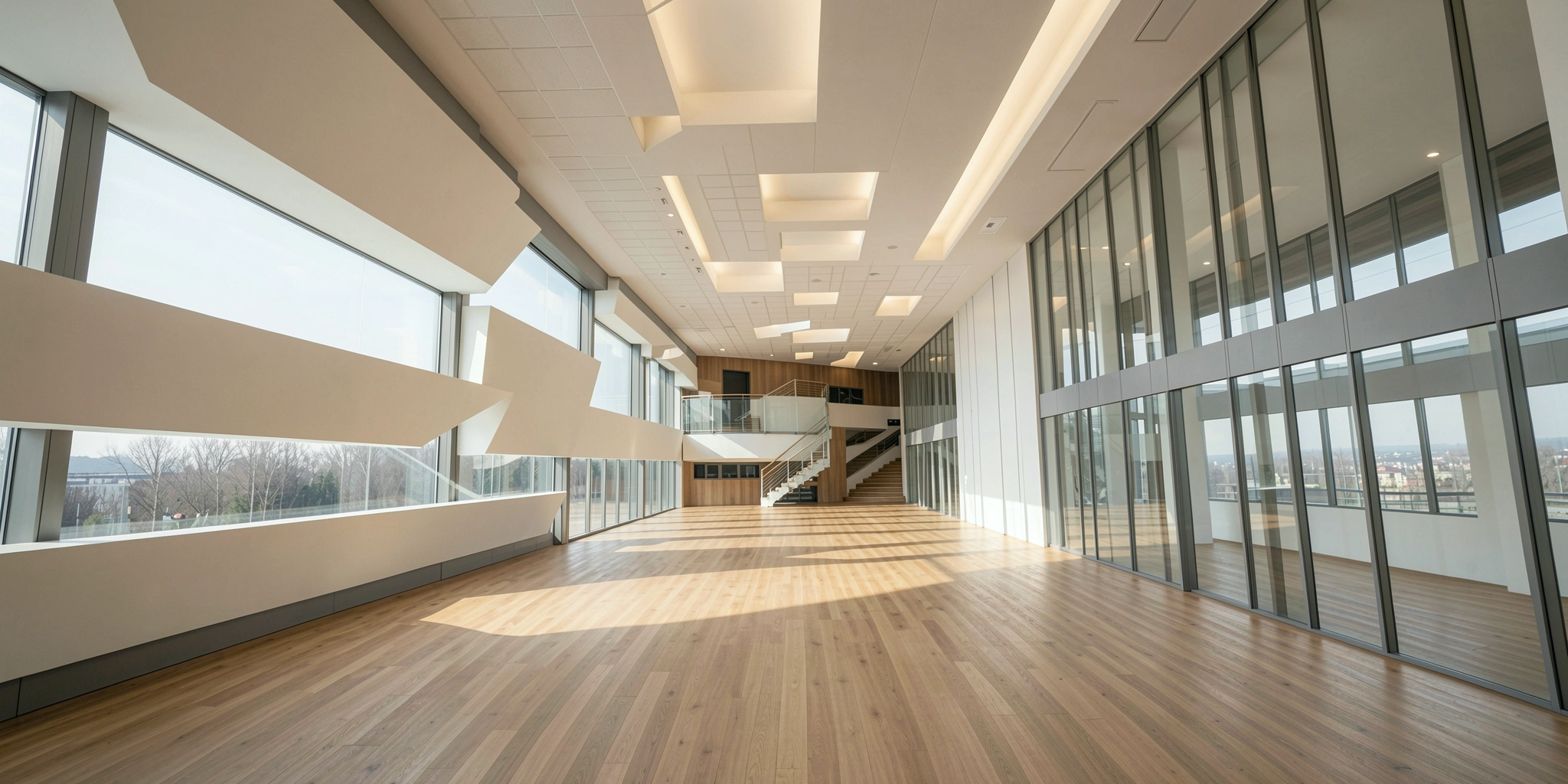
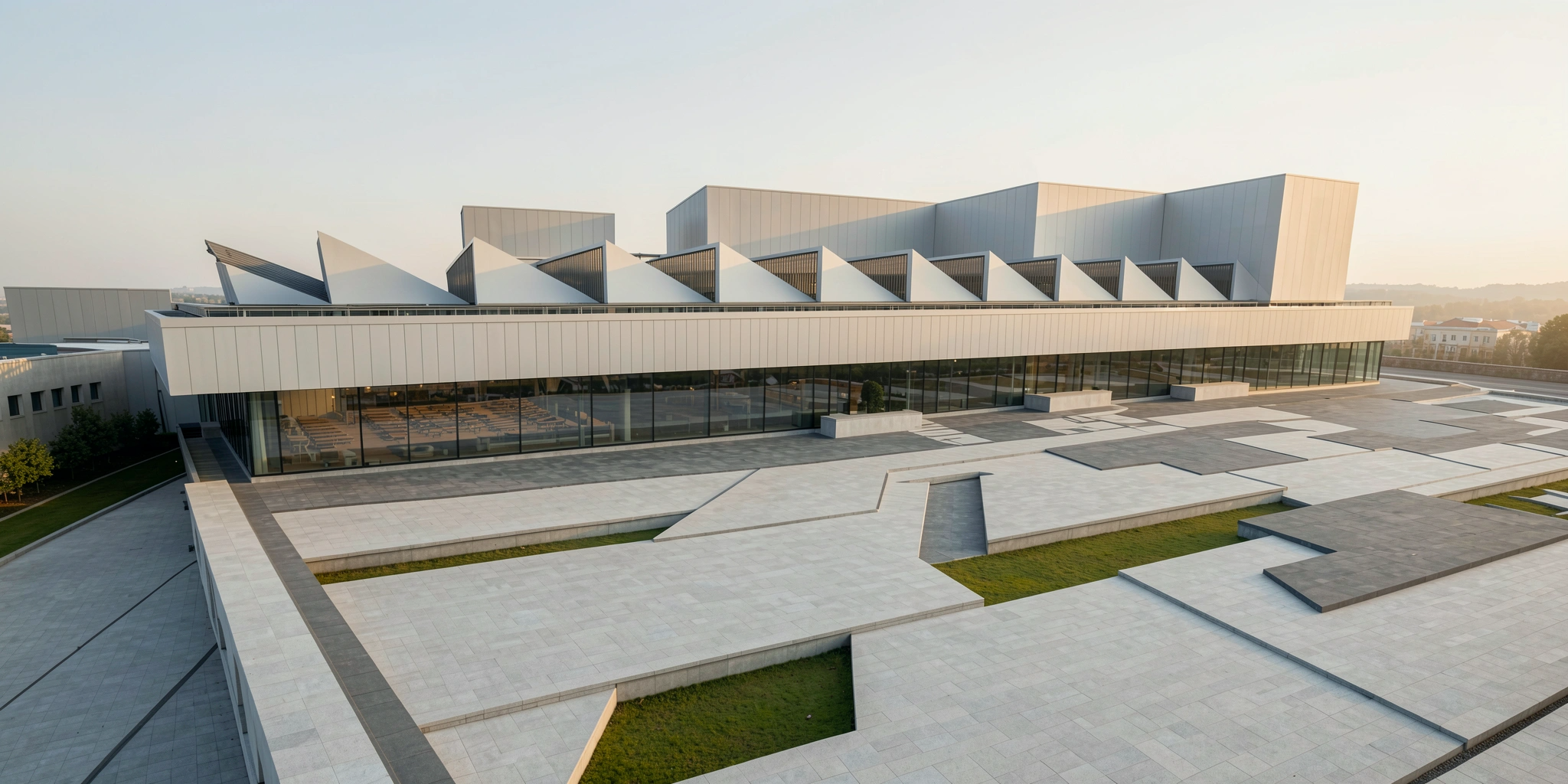
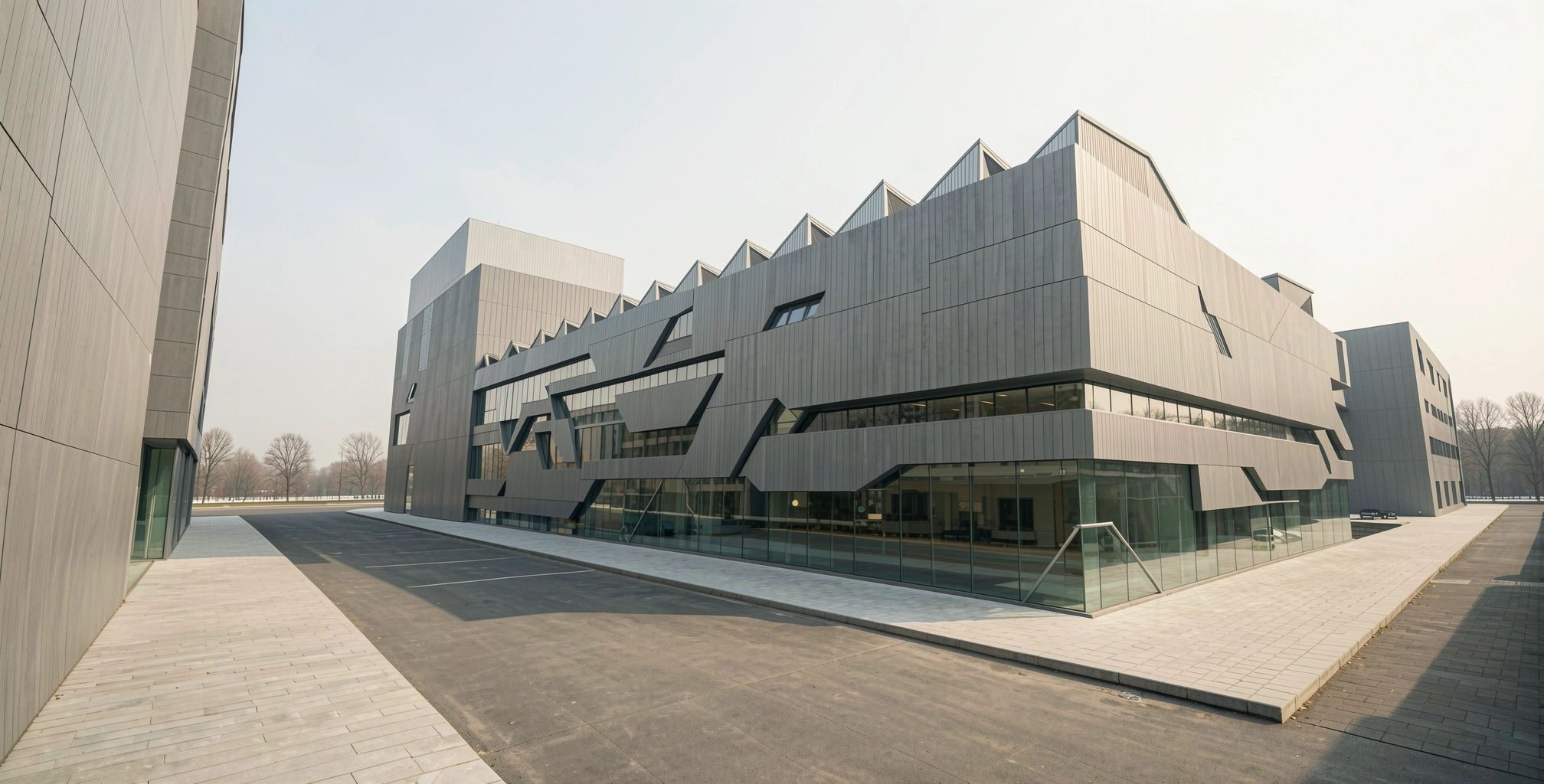
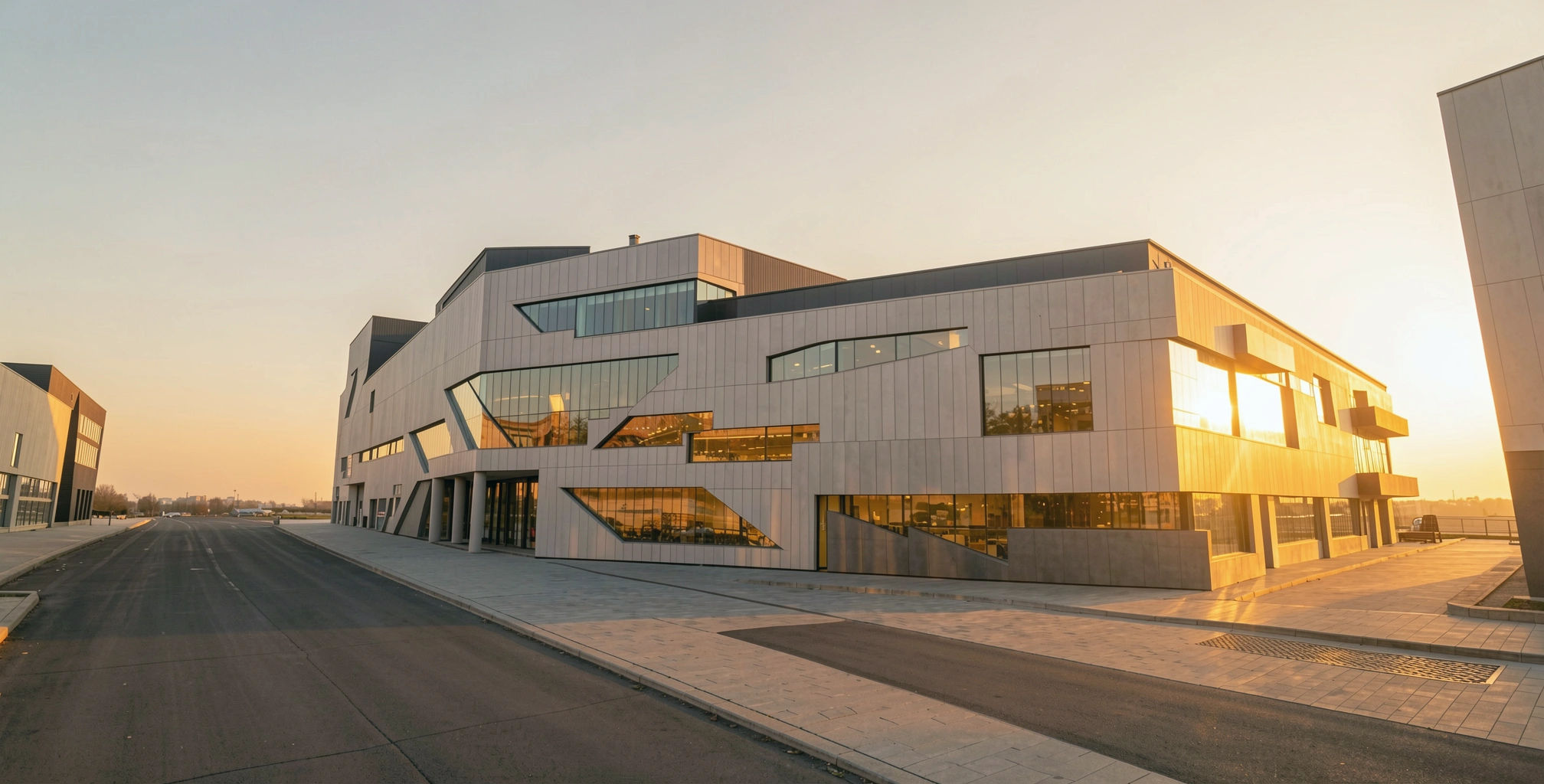
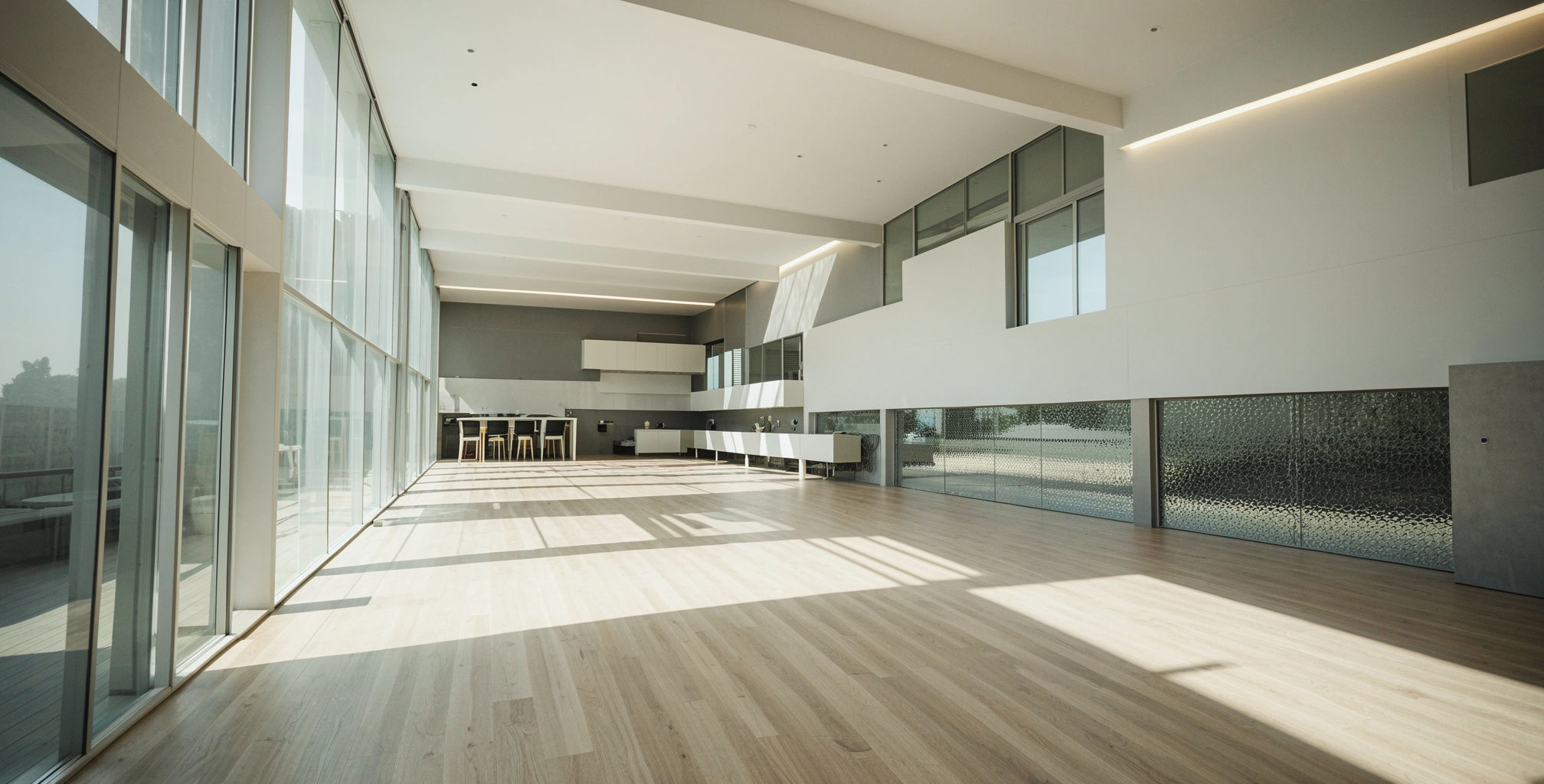
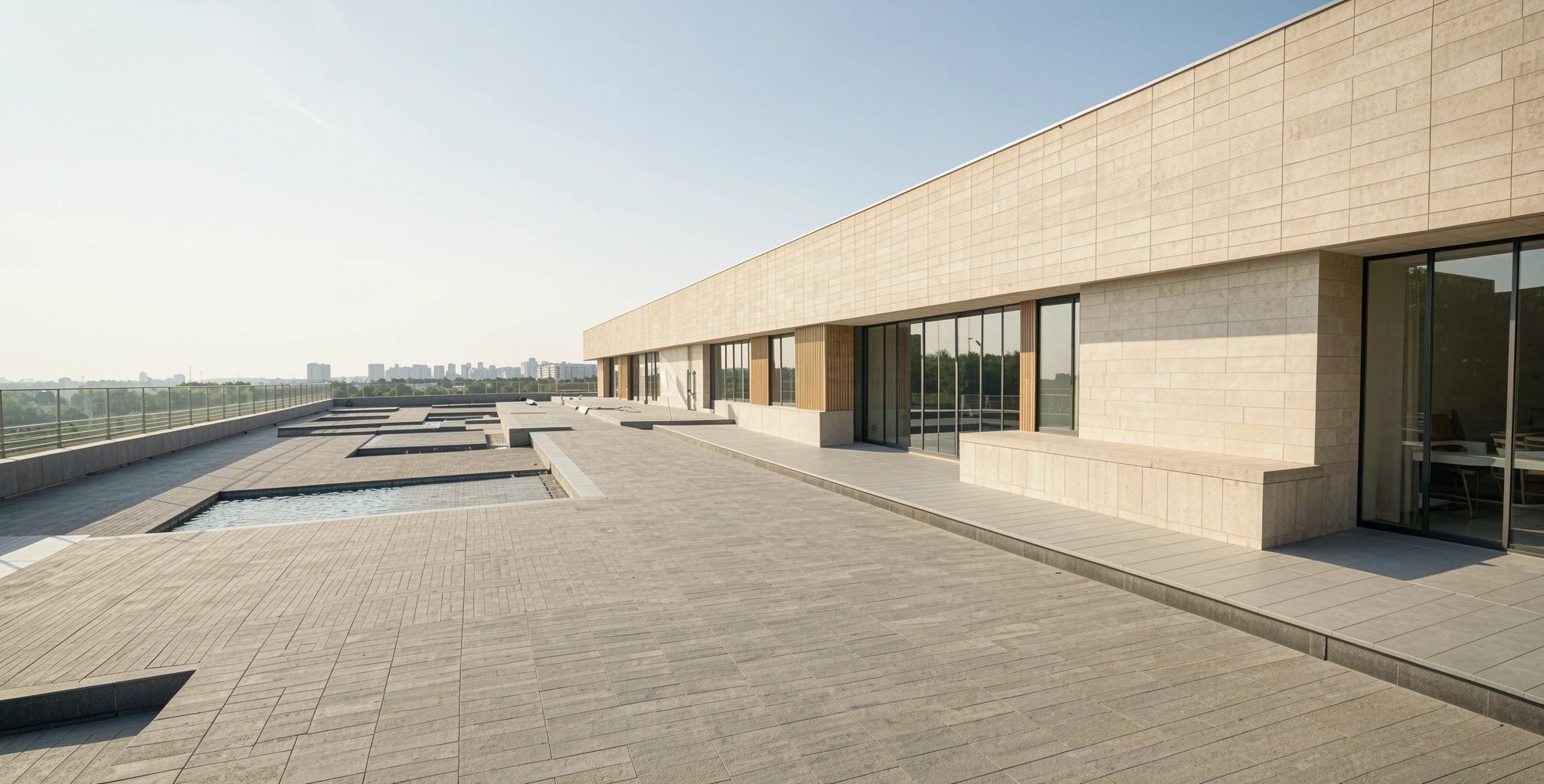
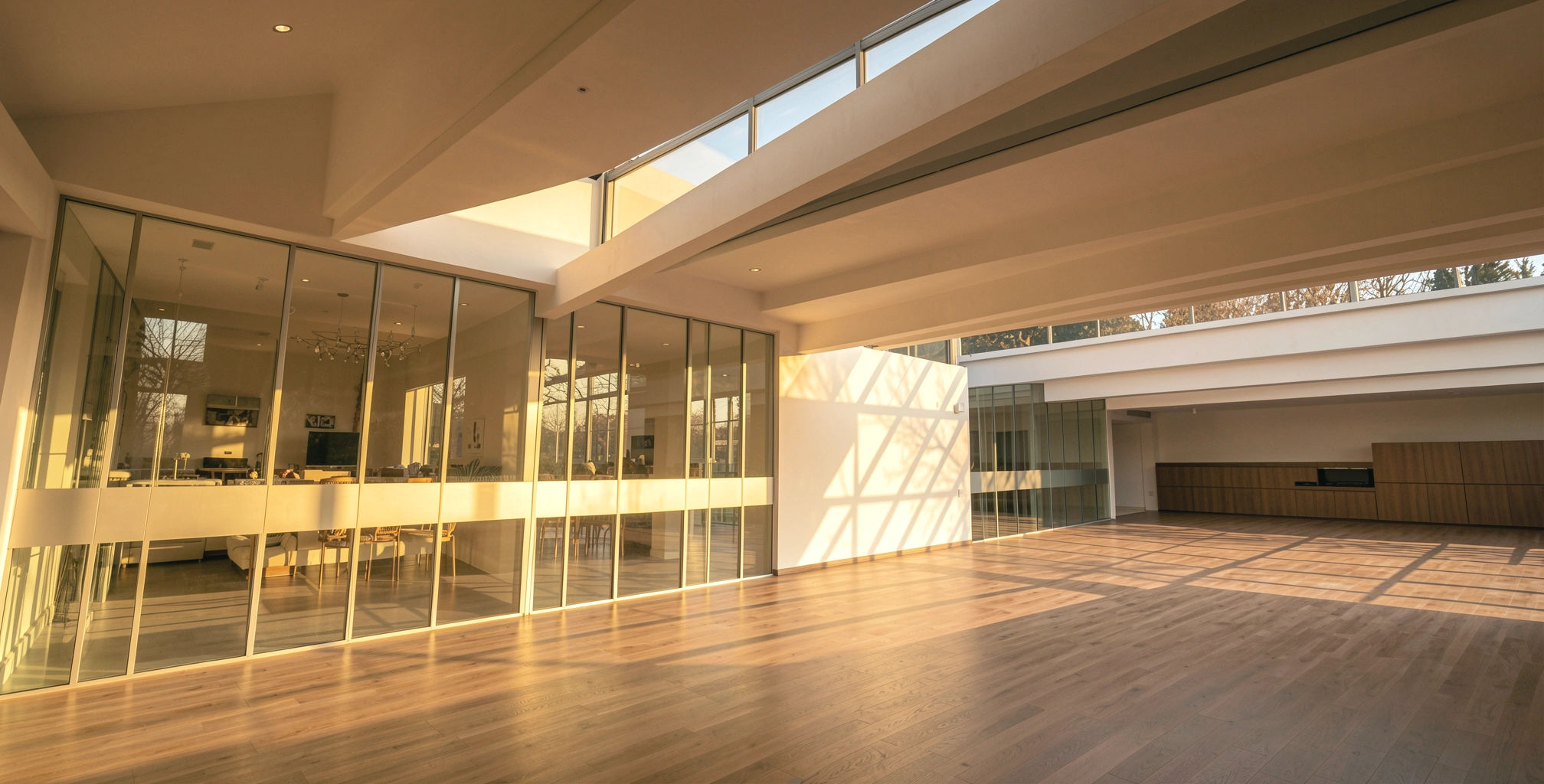
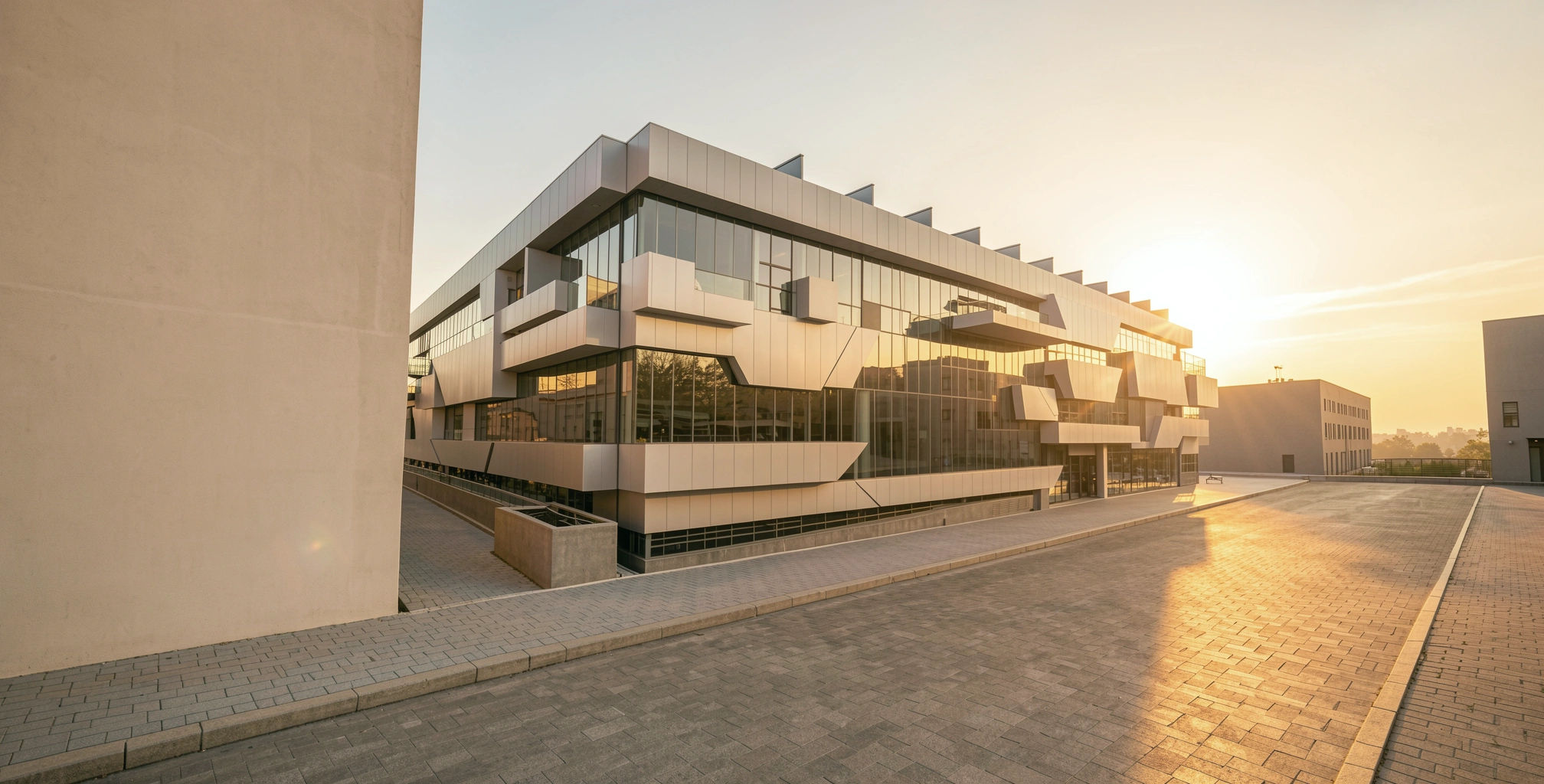
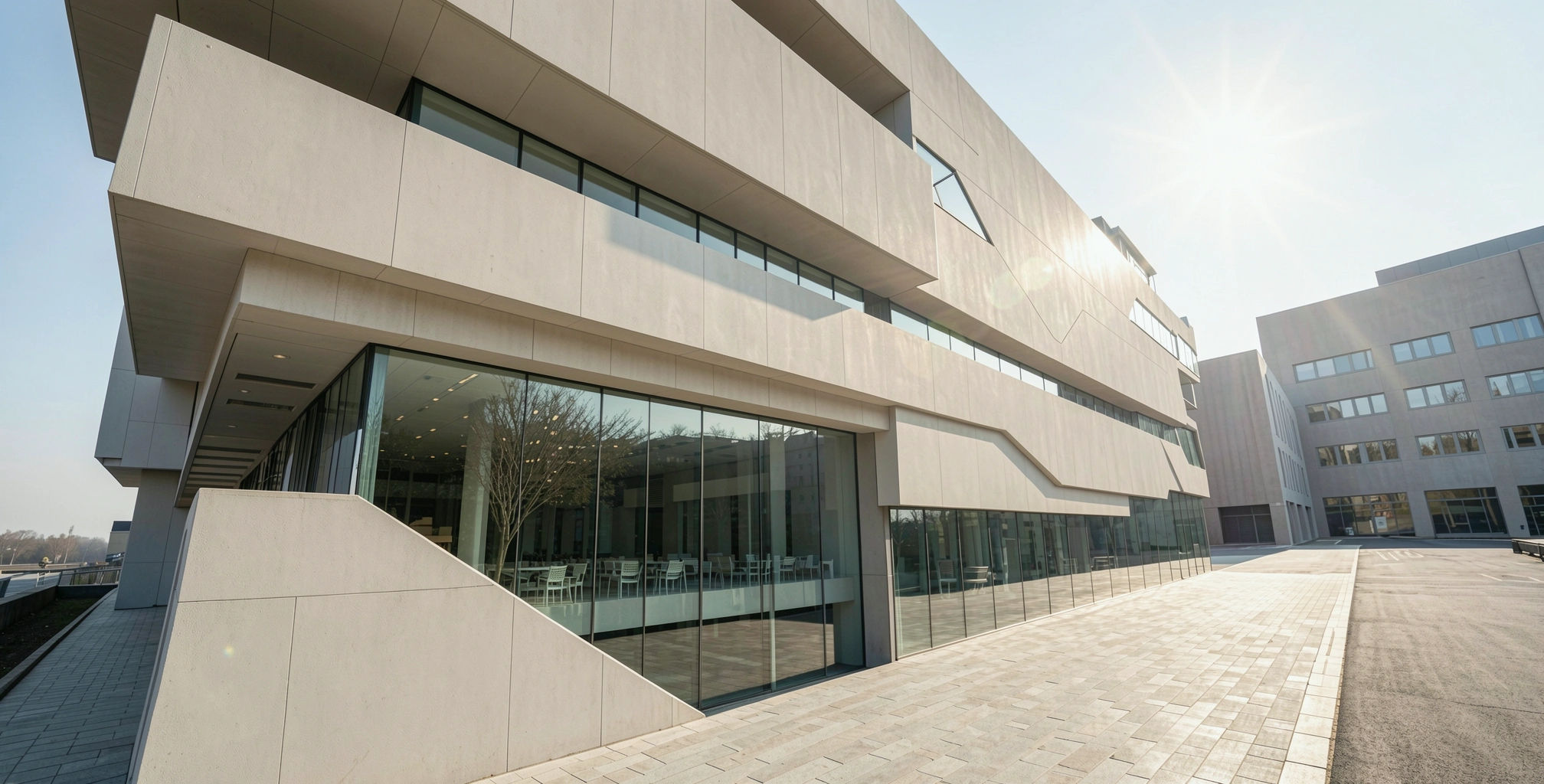
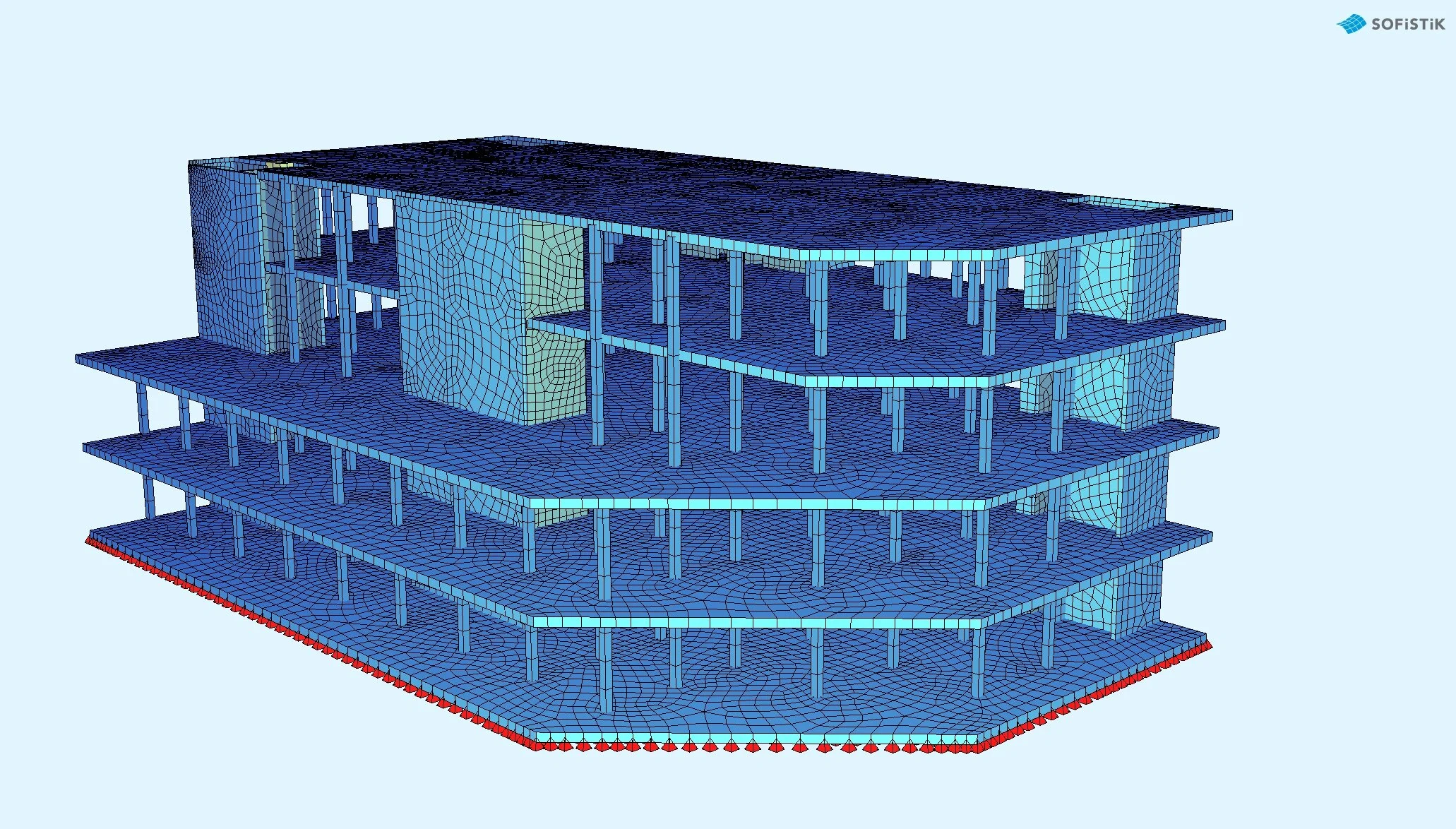
This project transforms an existing urban building into a contemporary e-sports venue through a strategy of adaptive reuse, lightweight construction and integrated design. Rather than demolishing and replacing the existing structure, the project introduces a new independent steel framework capable of supporting the large-span gaming environments, technical infrastructure and environmental systems required by a modern digital entertainment venue.
The structural strategy is developed to accommodate large-span gaming areas, suspended equipment, broadcast facilities and variable audience arrangements. Clear internal space is required to support multiple forms of occupation while maintaining flexibility for future change. A steel frame is employed to provide long spans, minimise additional loading on the retained structure and allow efficient fabrication and assembly. The primary structure comprises steel columns and beams arranged to define open volumes, with secondary members introduced to support lighting rigs, acoustic systems, digital displays and other technical installations.
Primary beams establish the main structural order of the building, while secondary elements provide support for the equipment and environmental systems required by the gaming environment. This creates a clear hierarchy between load-bearing structure and supporting systems. Structural spacing is coordinated with circulation, seating and event layouts, ensuring that load paths align with spatial organisation and do not interrupt key areas of use.
Material behaviour informs the development of the structural system. Steel members are sized according to span and loading requirements, resulting in controlled variation across the building. Deeper sections are introduced where spans are greatest or loads are concentrated, while lighter members are employed where demands are reduced. Connections are formed as bolted steel assemblies, allowing fabrication to be standardised and construction to proceed through a clear sequence of prefabricated components. Tolerances are accommodated through adjustable connections, enabling alignment between primary and secondary systems while supporting future adaptability.
The distinctive roof structure combines structural and environmental functions. Long-span roof trusses create unobstructed internal spaces while accommodating daylight, ventilation and technical systems within their depth. Rooflights introduce controlled natural light into circulation and social spaces, while integrated environmental systems contribute to occupant comfort throughout the building. The roof therefore operates as both a structural framework and an environmental moderator.
Environmental performance is addressed through the coordinated integration of structure, services and enclosure. Acoustic performance is achieved through the depth and spacing of structural members together with secondary elements supporting acoustic panels and baffles. Ventilation, lighting and technical services are organised within the structural depth, allowing distribution systems to be integrated without the need for extensive suspended ceilings or additional support structures. The building section therefore combines structure, services and enclosure within a single coordinated framework.
Internally, the architecture balances openness with immersion. Exposed steelwork, carefully controlled lighting and integrated technical systems create an environment suited to contemporary gaming culture while maintaining flexibility for multiple forms of use. The spatial separation between structure and enclosure allows the façade to be developed independently, supporting environmental performance, visual identity and future adaptation without compromising structural clarity.
The project embraces the direct expression of construction. Variation in member size and spacing corresponds to structural demand, environmental requirements and technical performance. Repetition establishes order, while controlled variation responds to the specific needs of different spaces and activities. Architectural character therefore emerges directly from the organisation of structure, materials and systems rather than from applied form-making.
This project demonstrates how adaptive reuse, lightweight construction and integrated design can create new forms of urban entertainment infrastructure. By bringing together structure, environment, technology and occupation within a coherent architectural framework, the building transforms an existing urban asset into a flexible and engaging destination for contemporary digital culture.