
Arthouse Cinema — Climatic Mediation and Collective Experience
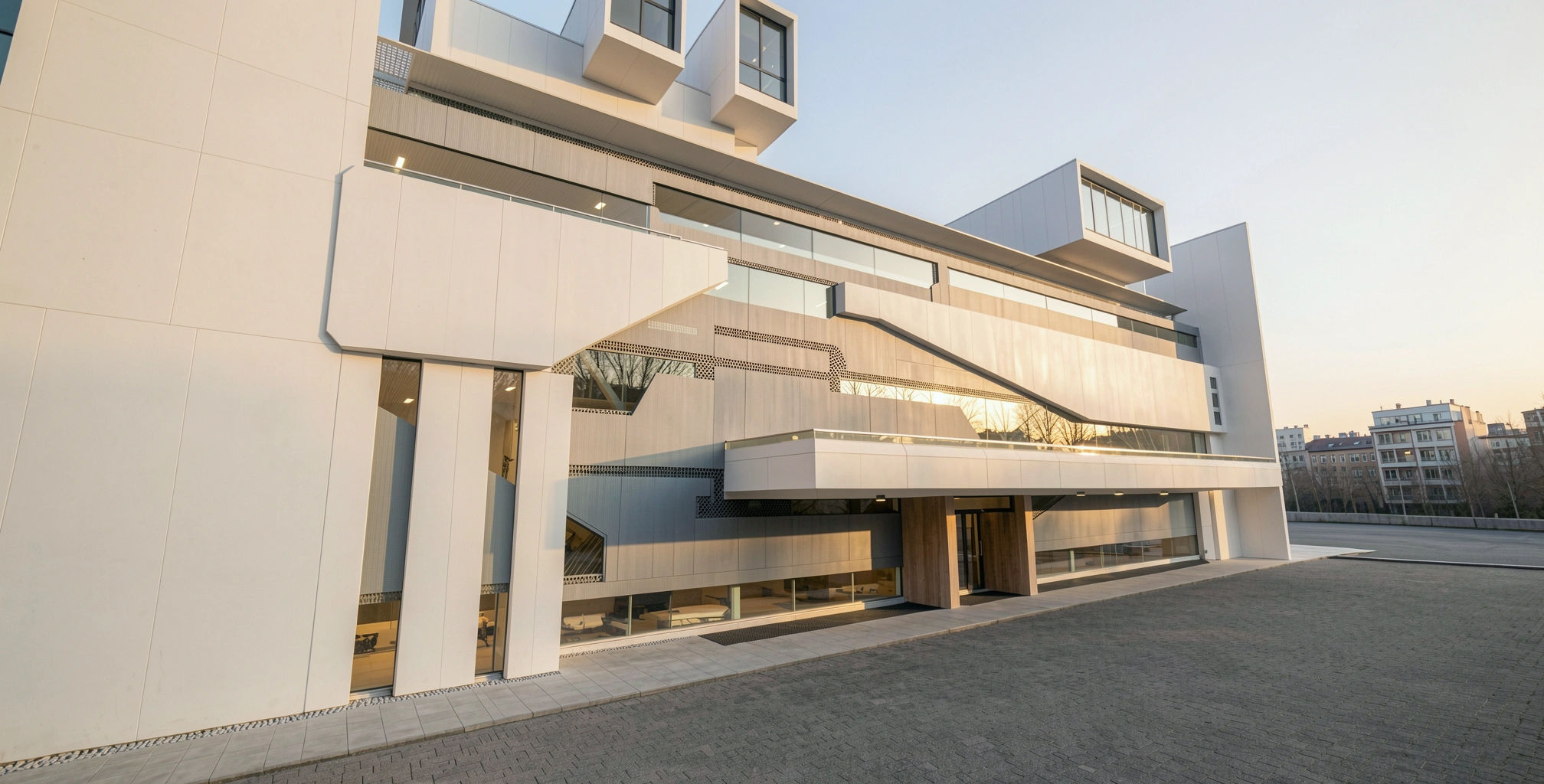
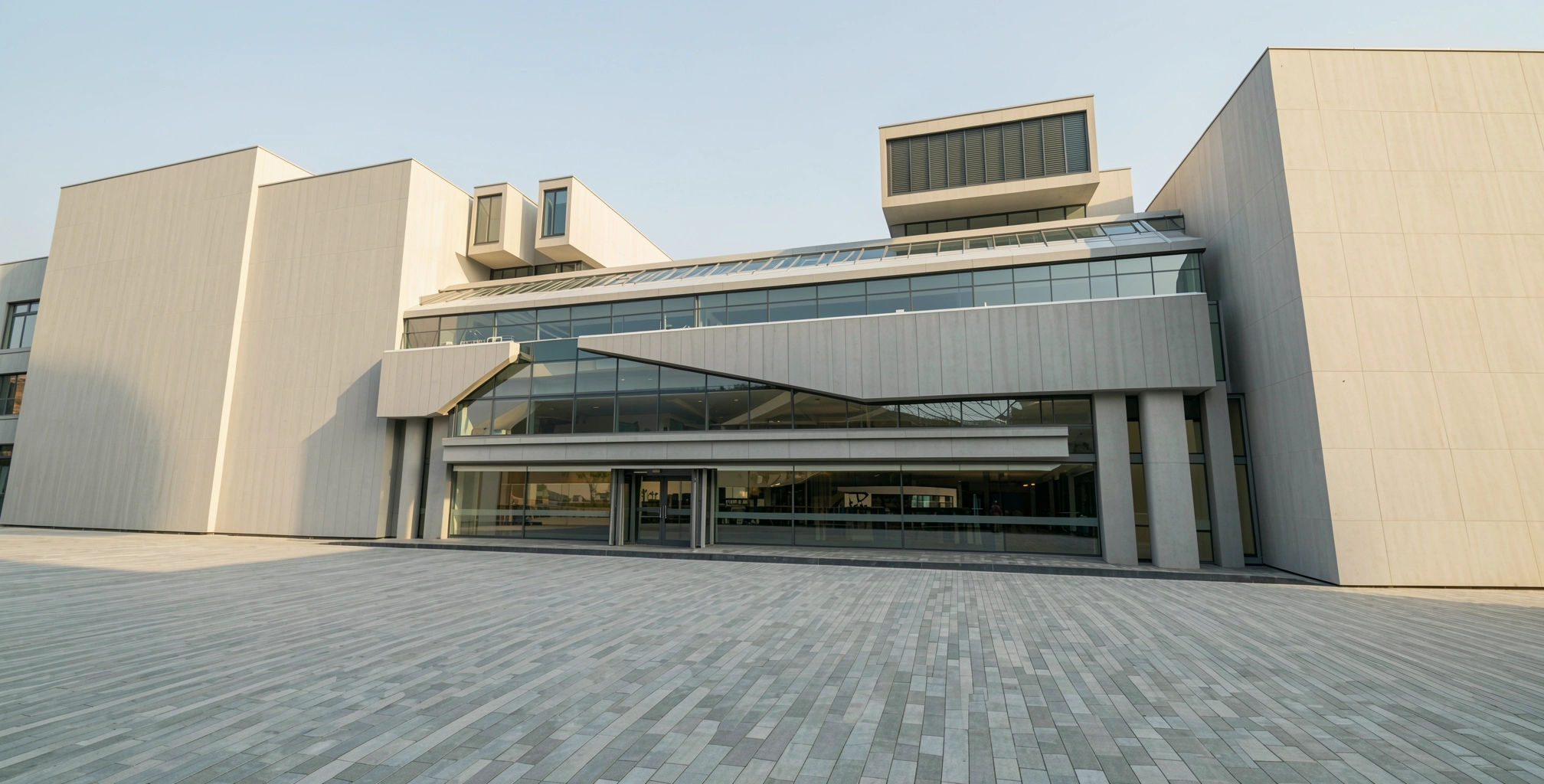
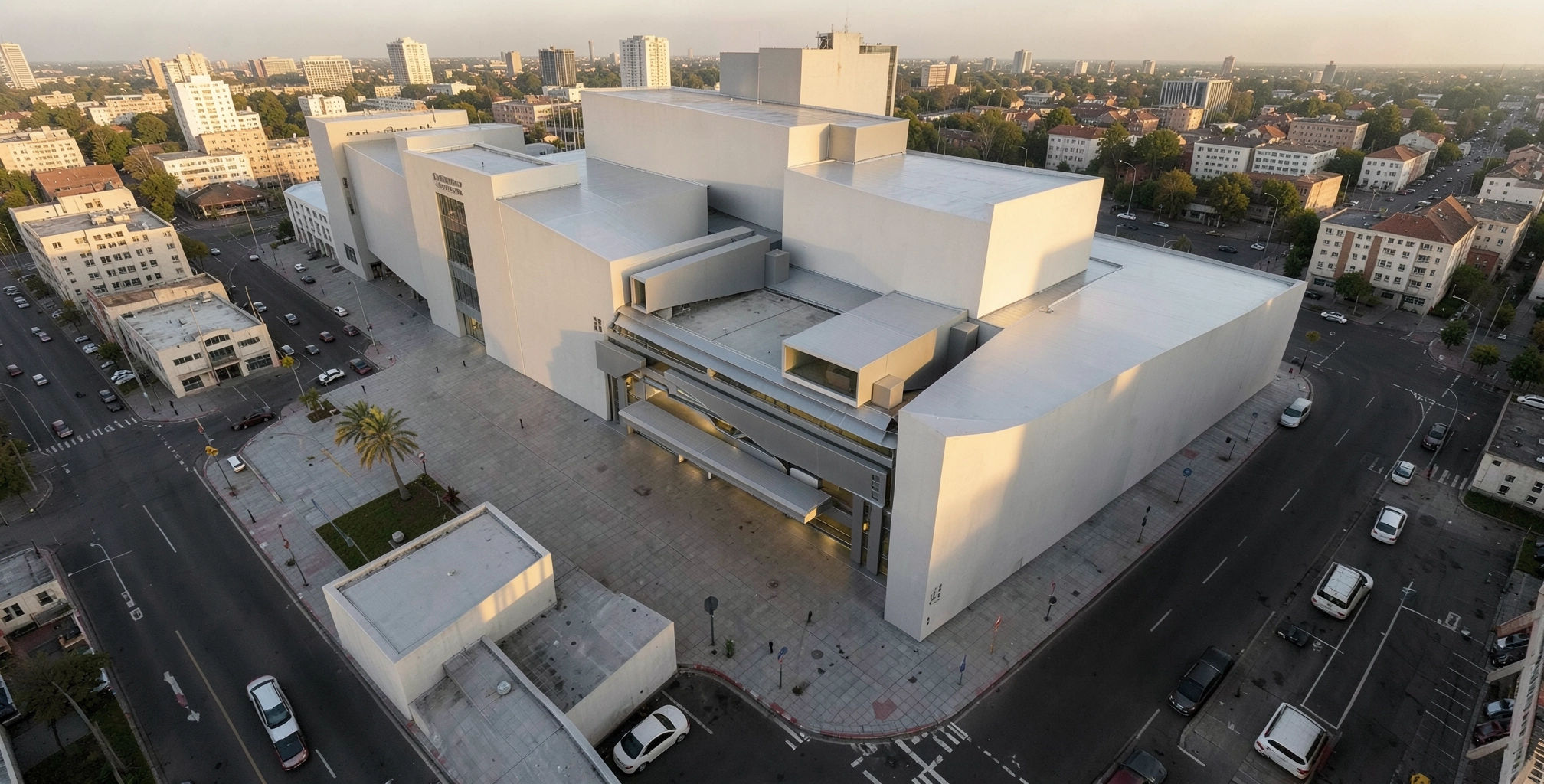
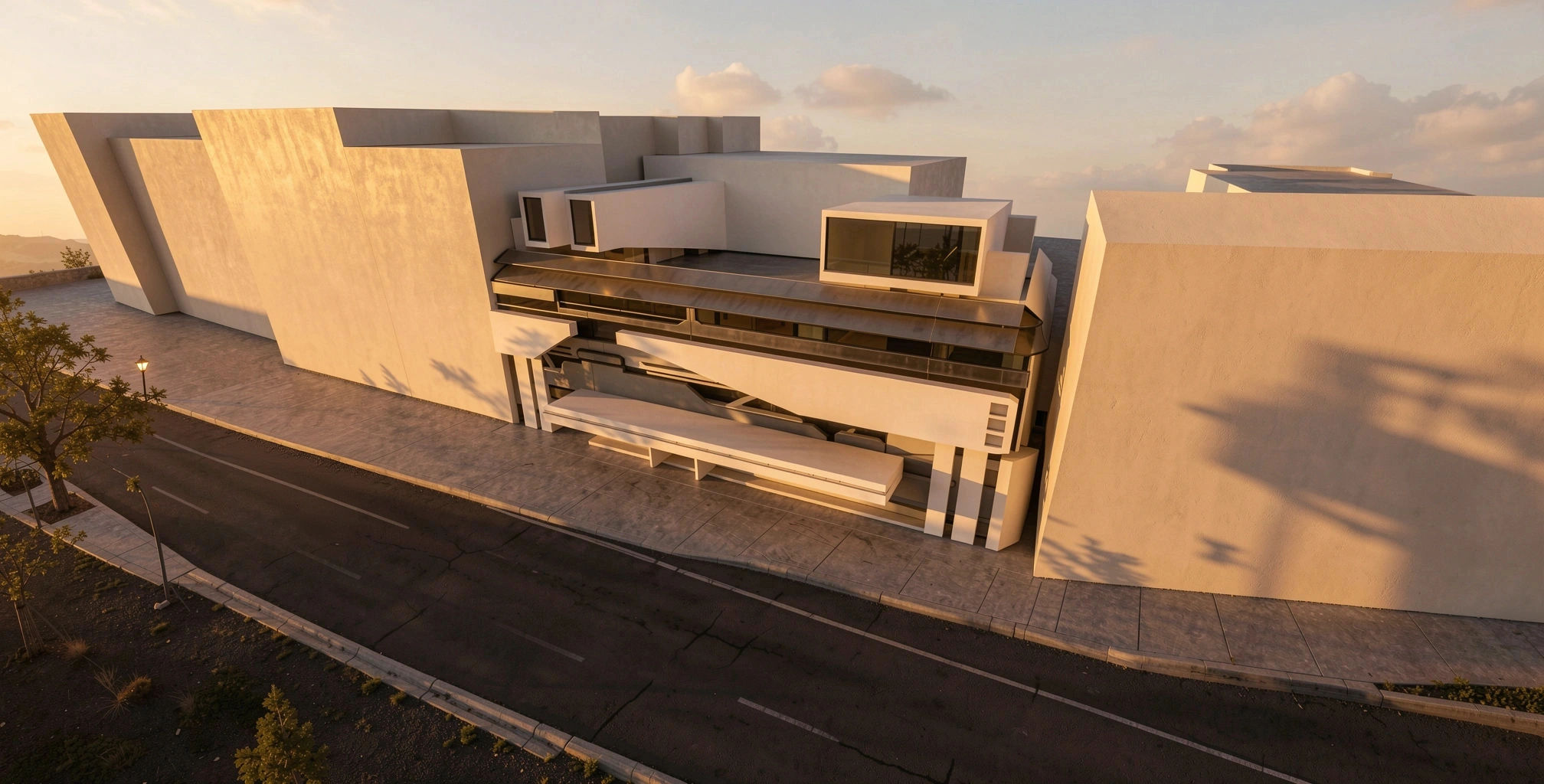
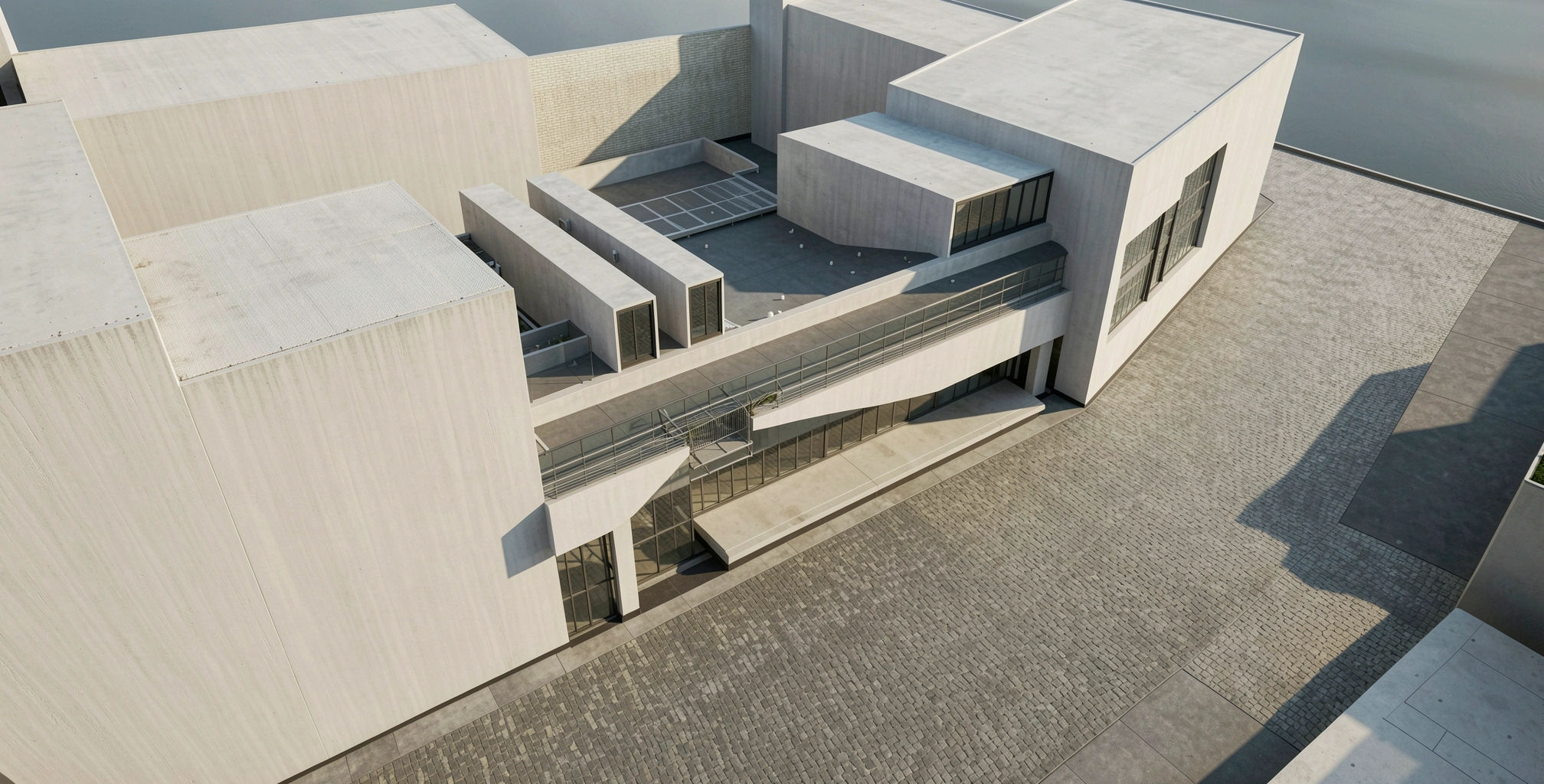
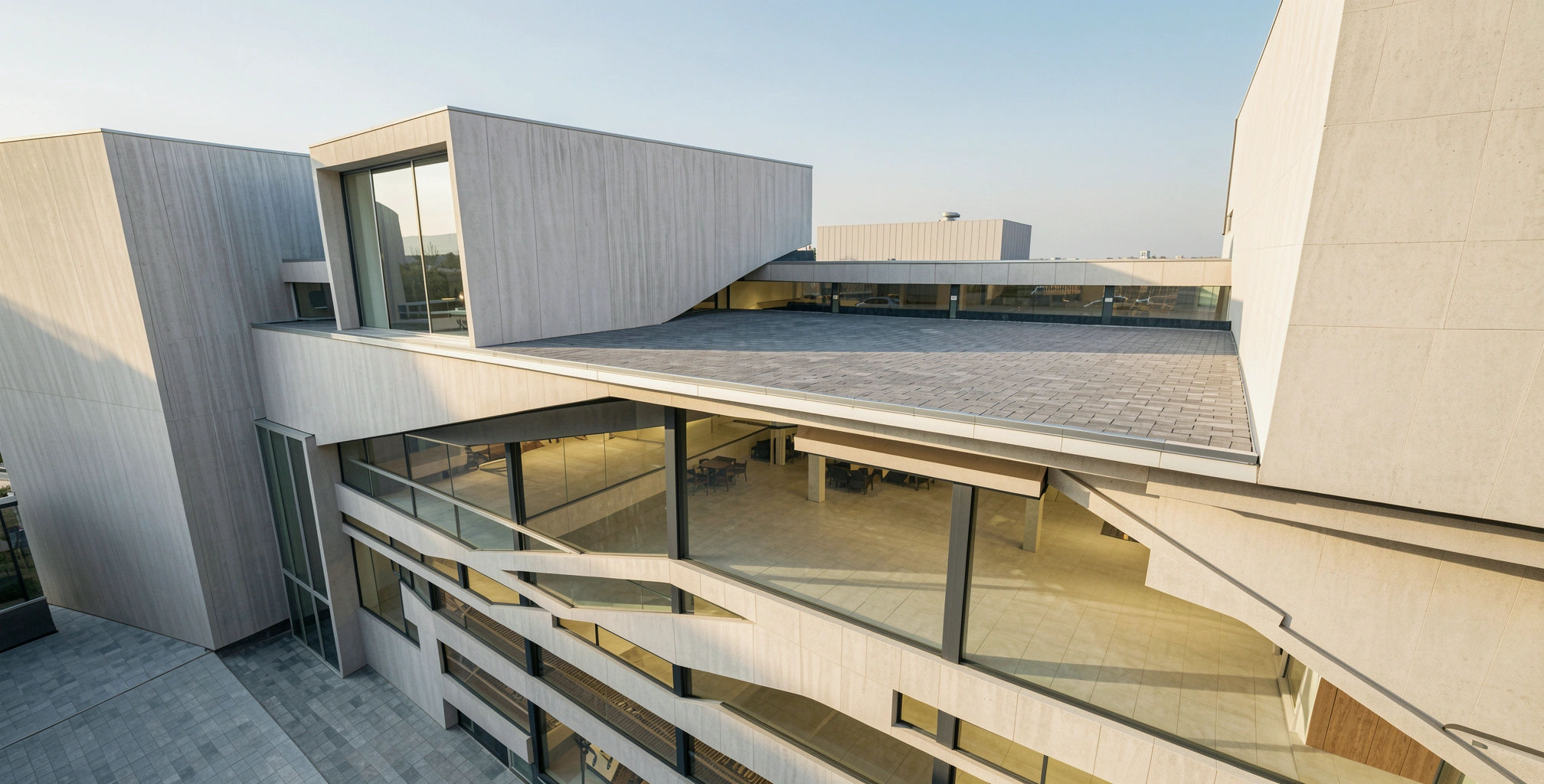
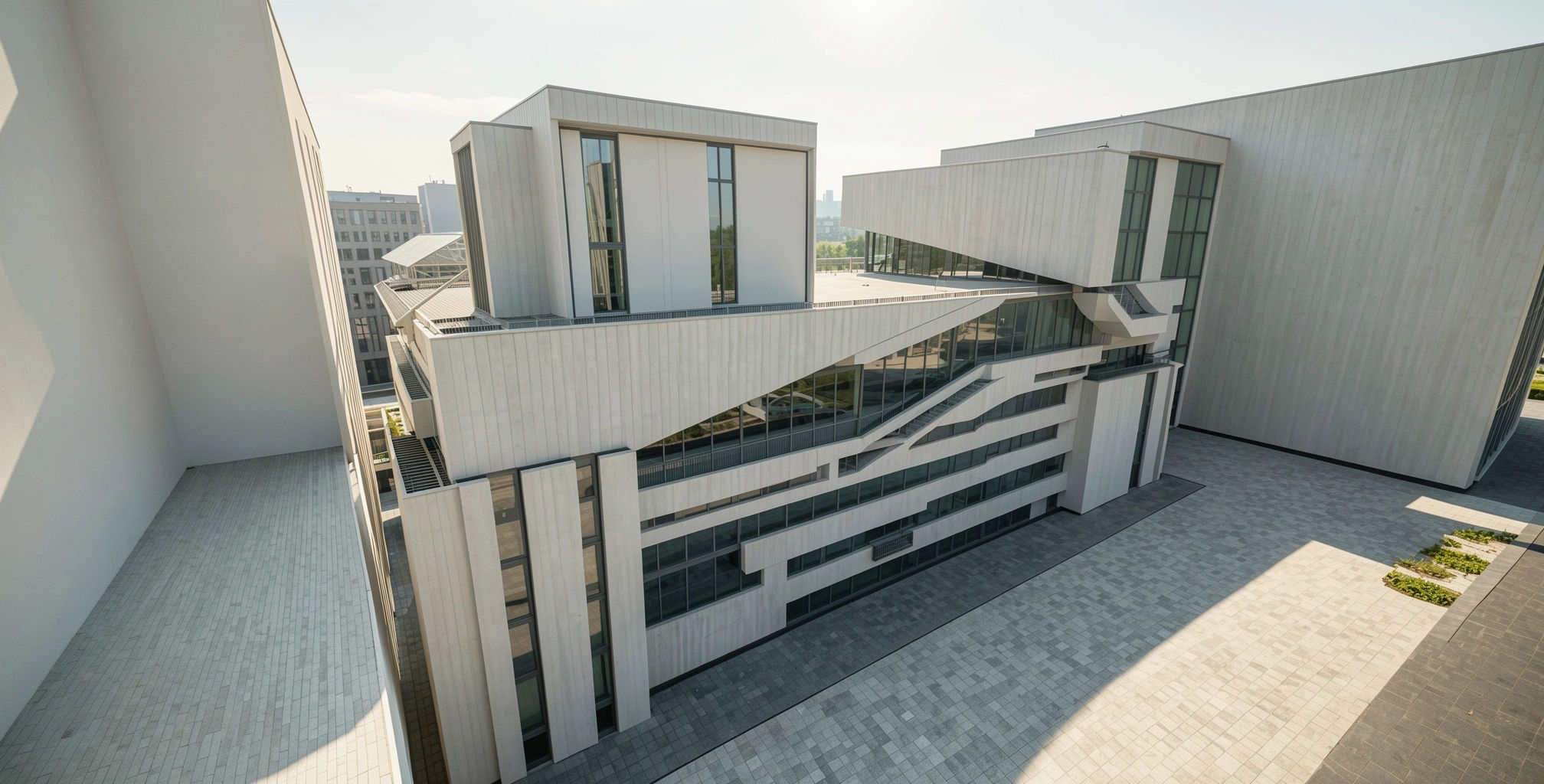
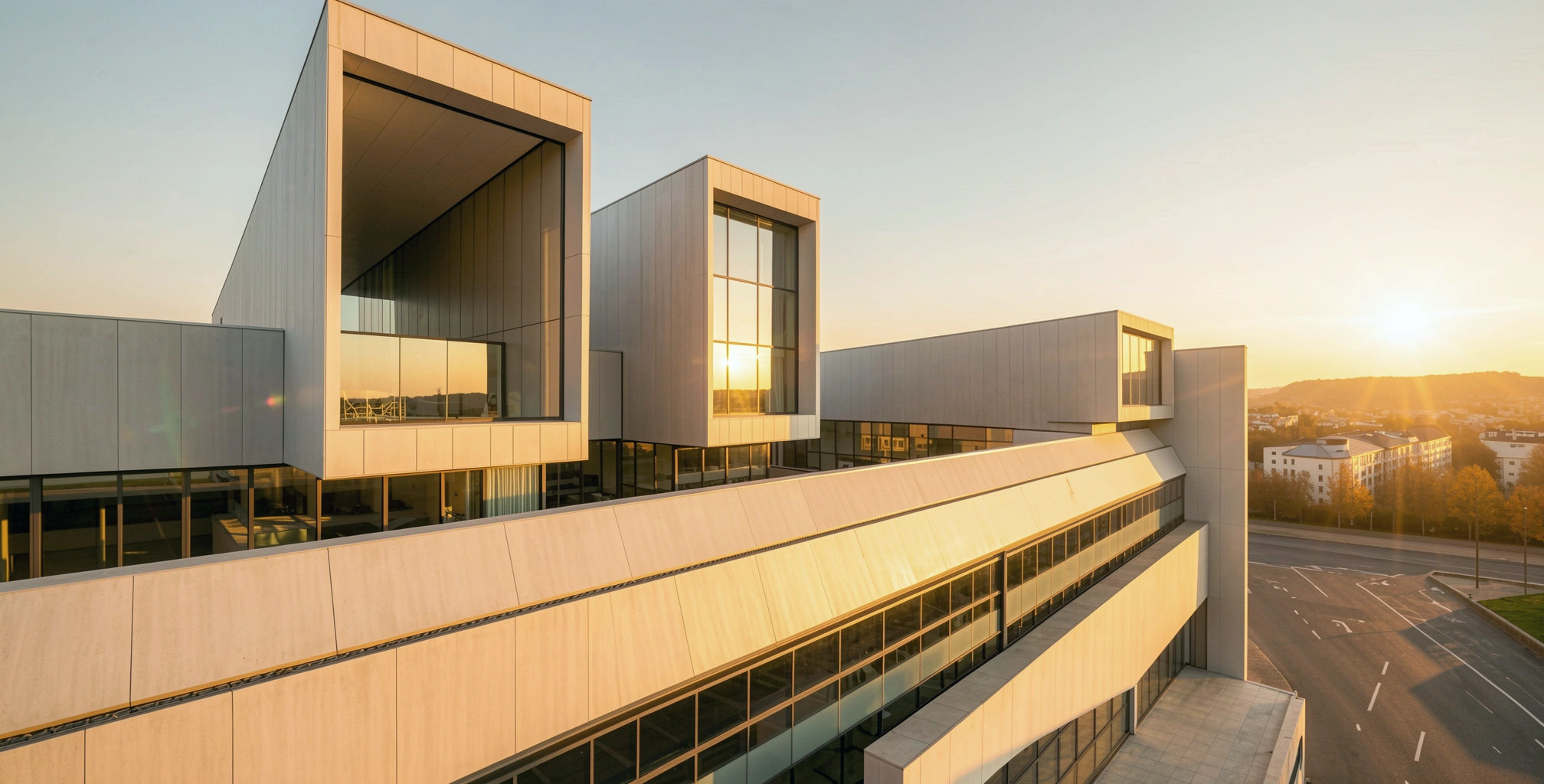
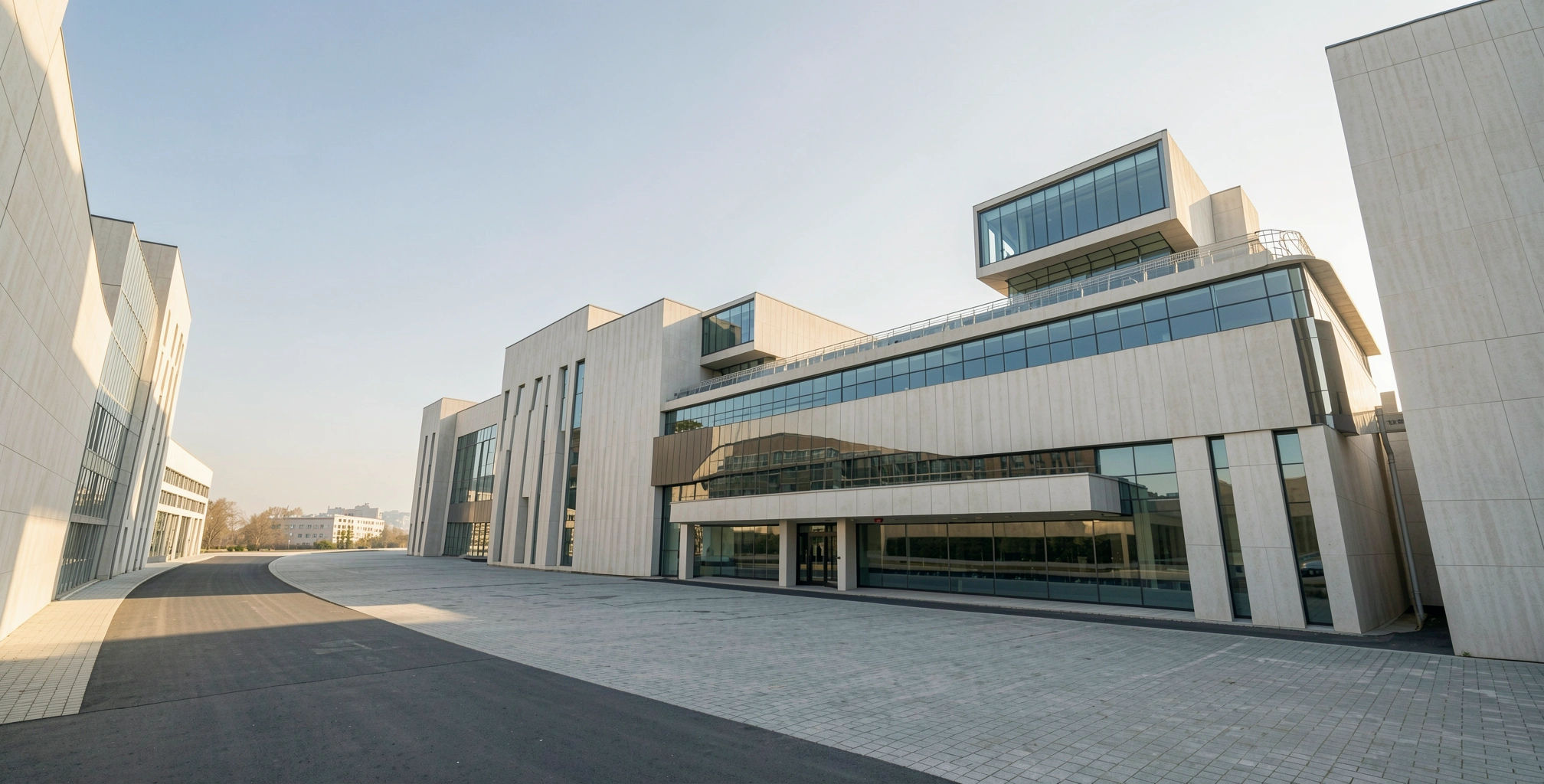
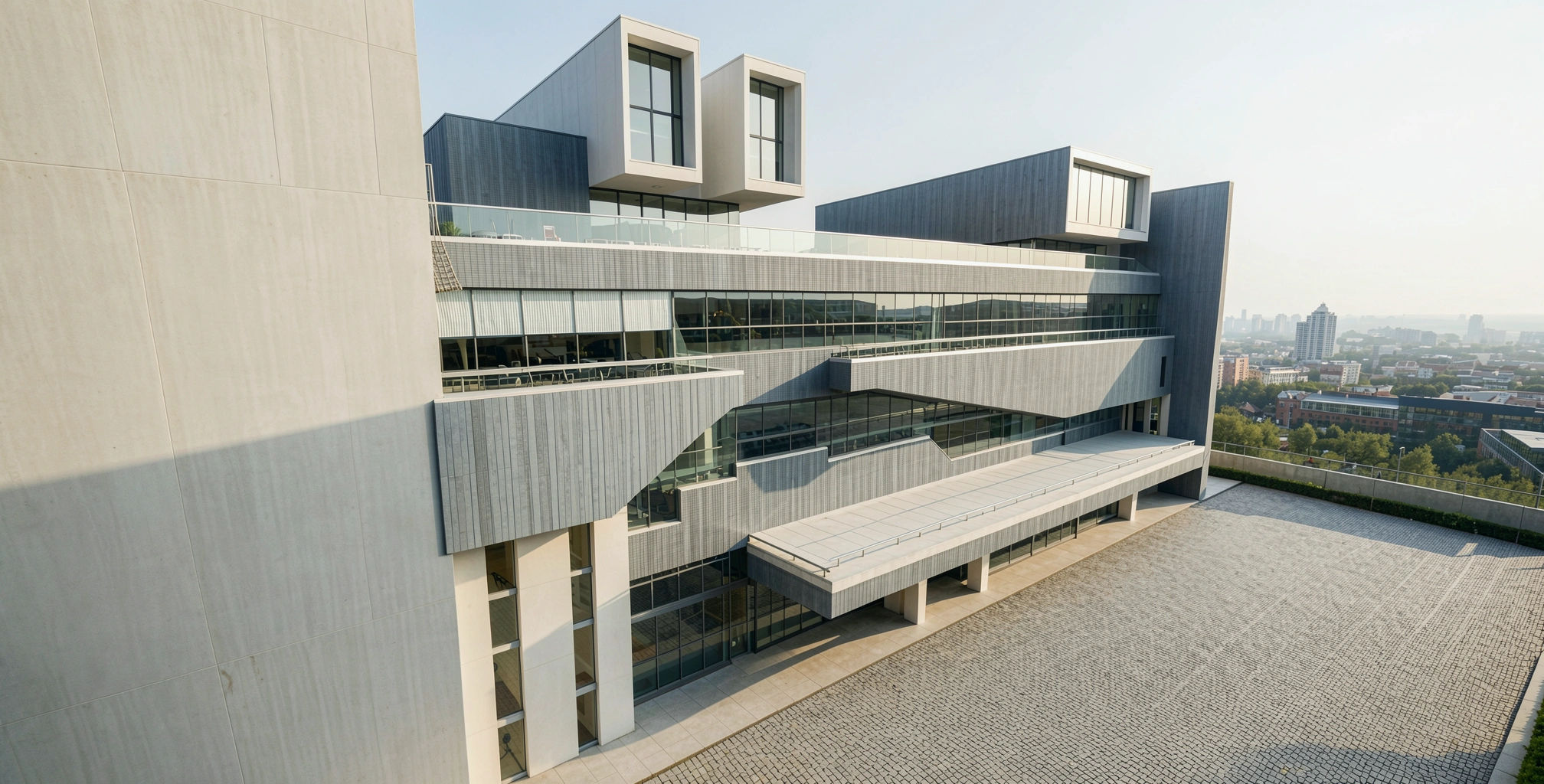
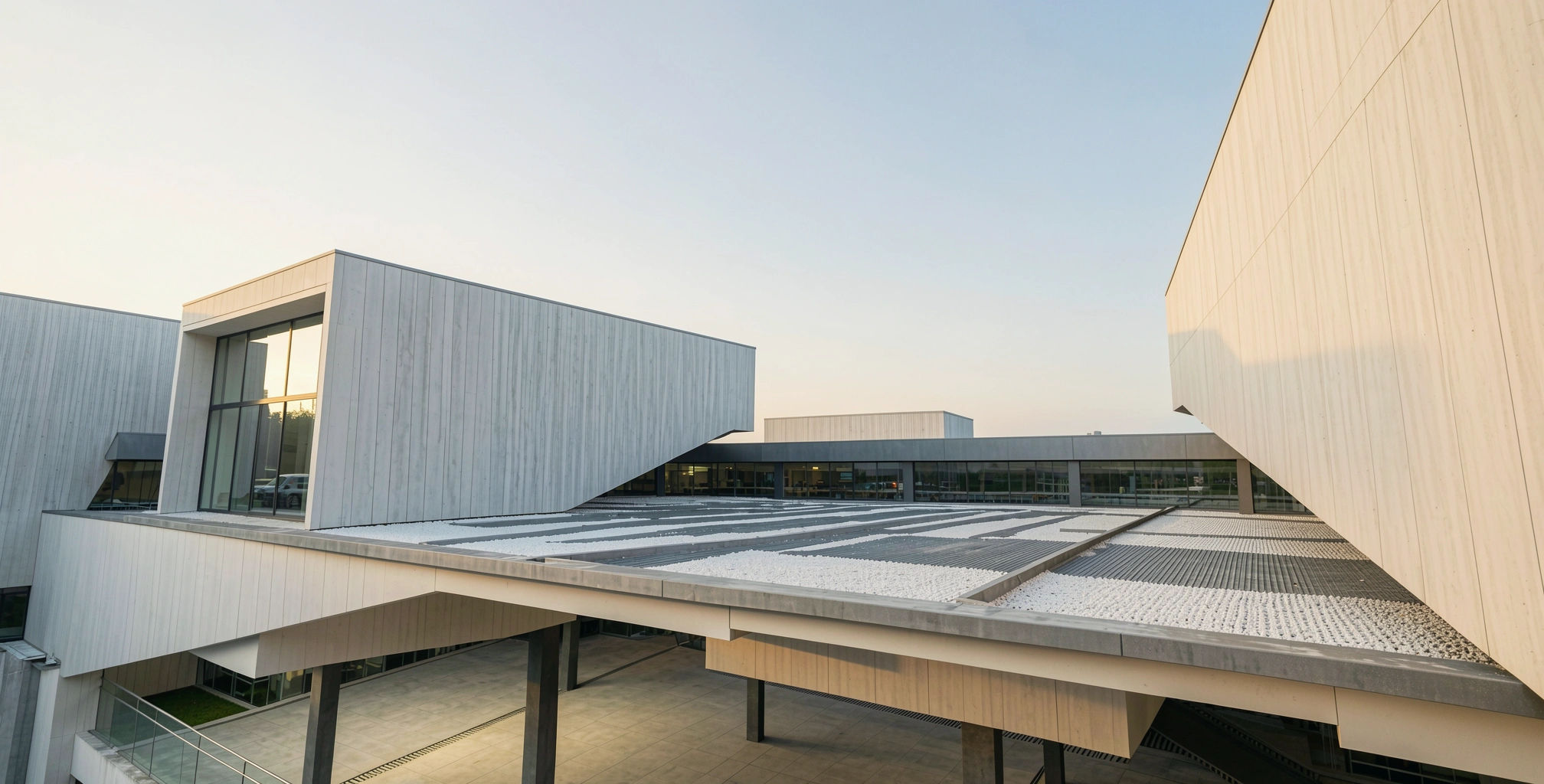
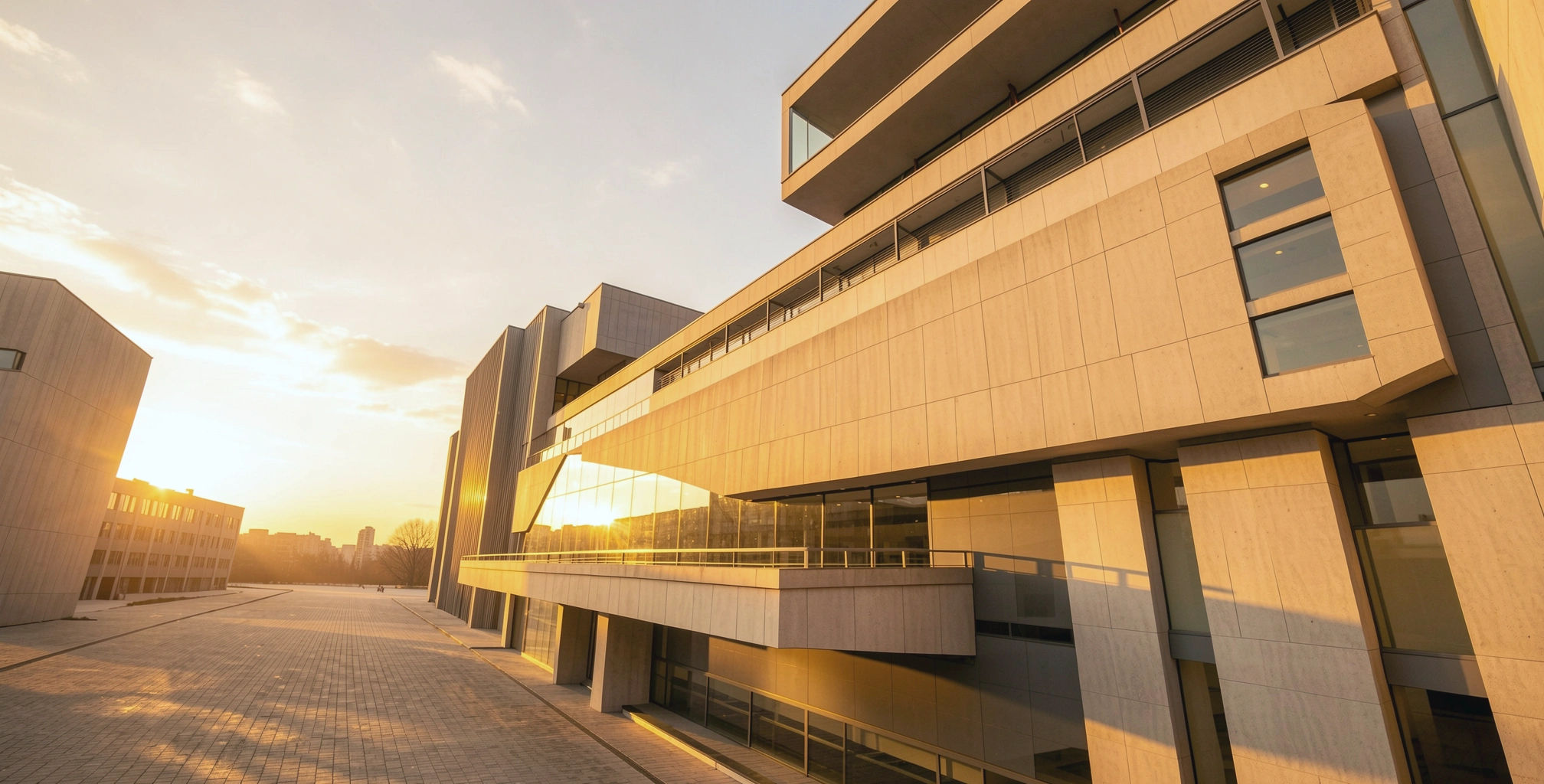
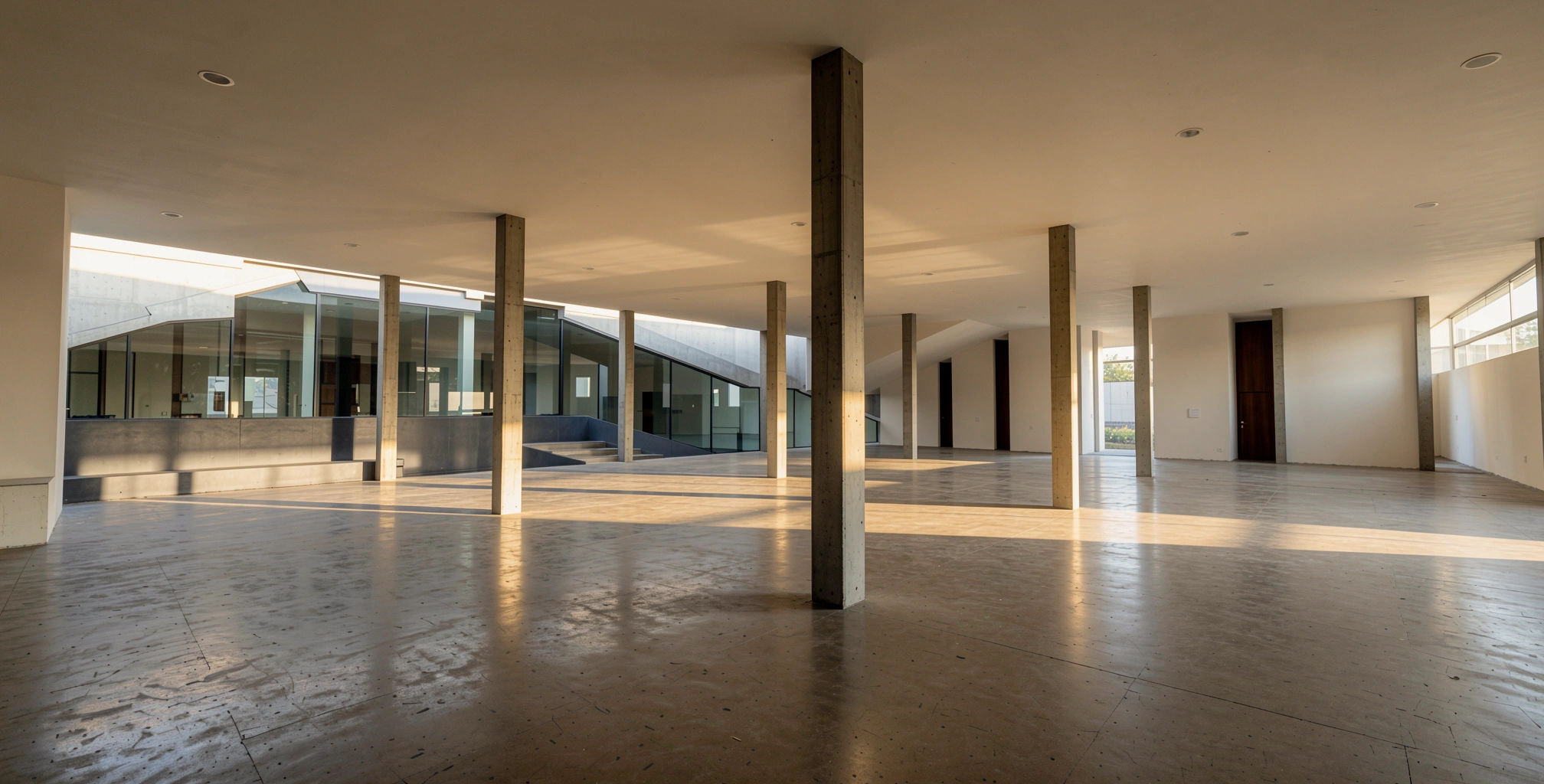
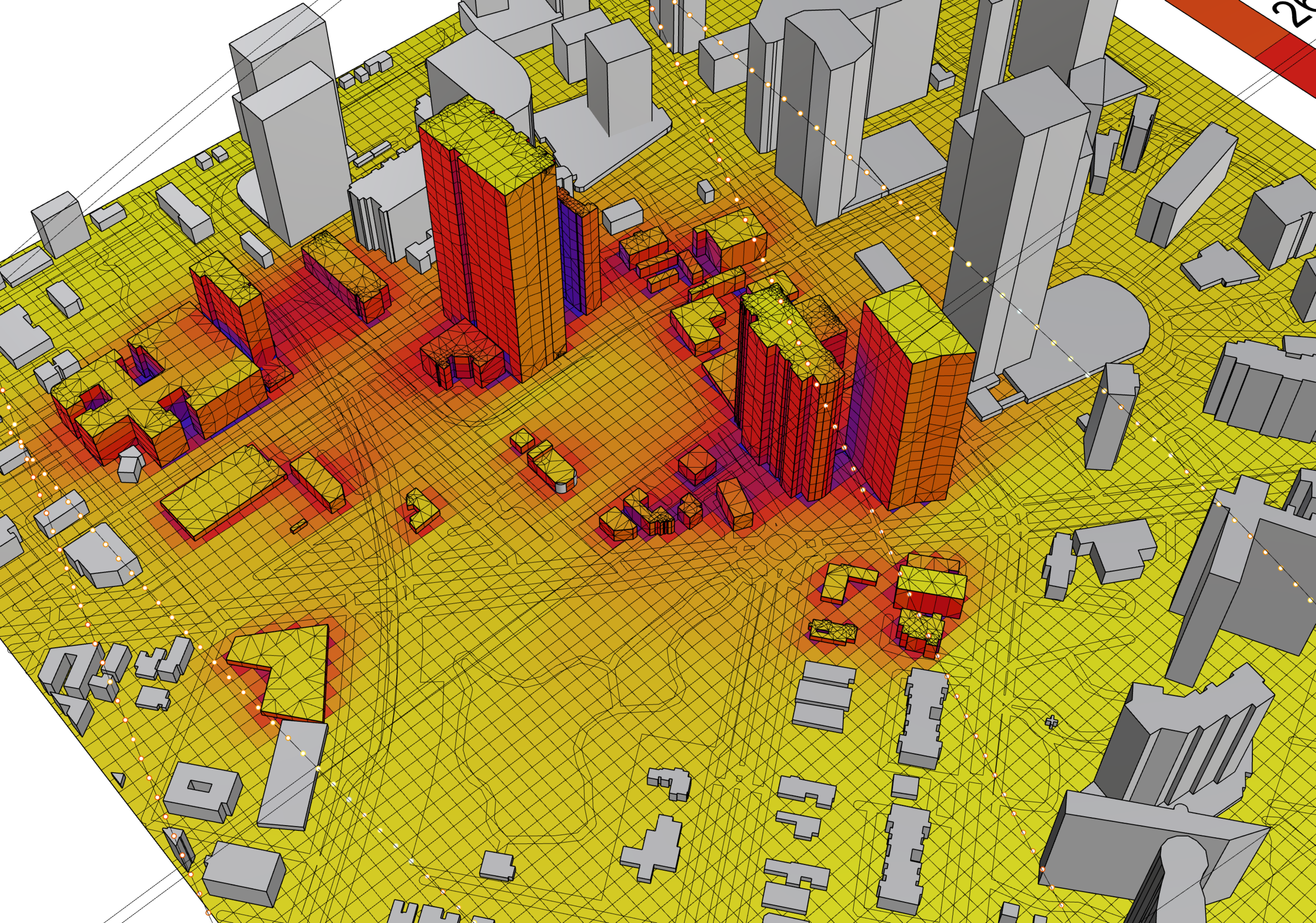
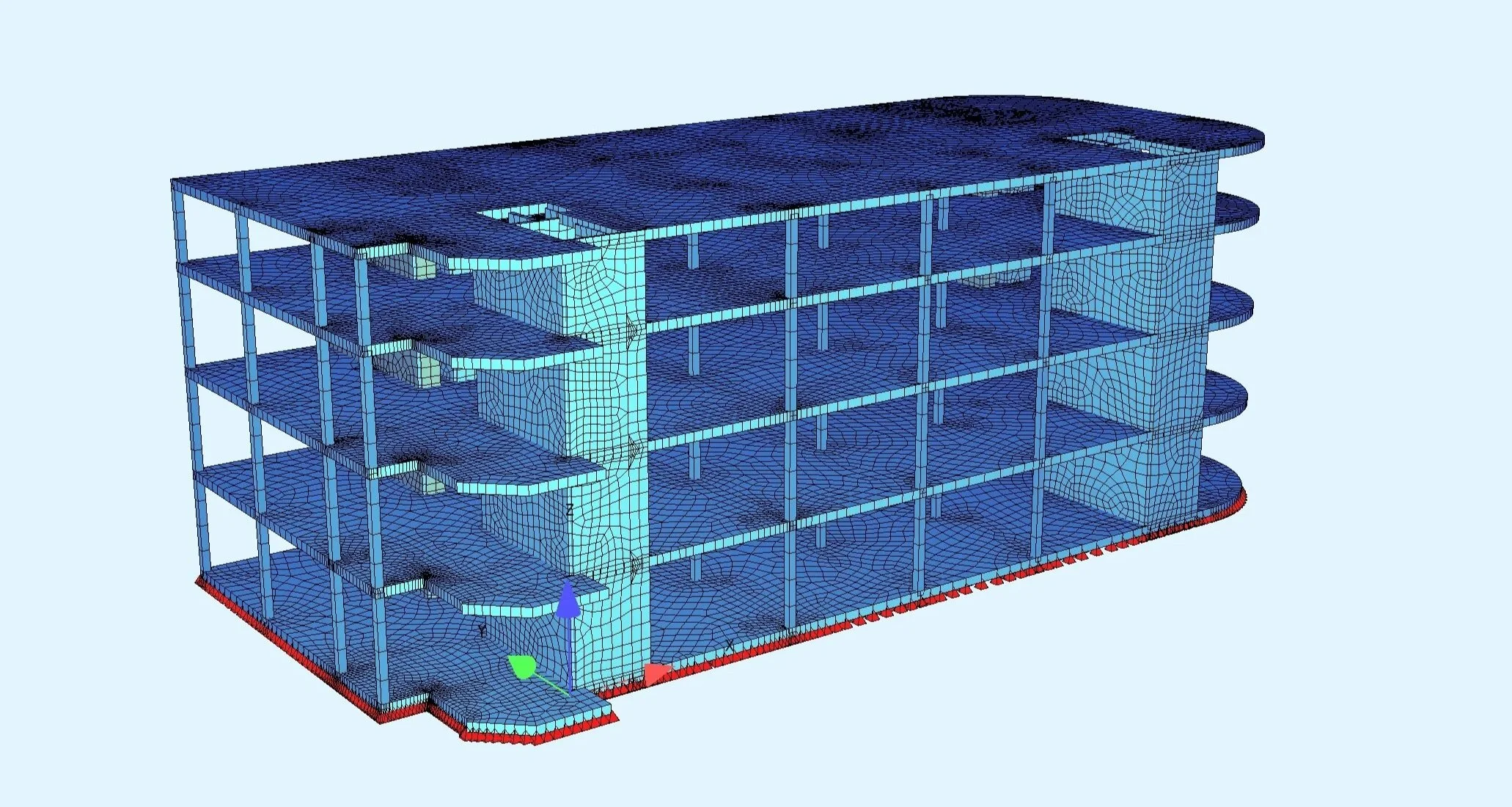
This project explores how environmental performance can be integrated within the organisation of collective cultural space. The design is based upon a clear relationship between a centrally located cinema auditorium and a surrounding sequence of ancillary spaces that mediate between the controlled internal environment and external climatic conditions. Rather than treating environmental systems as separate technical installations, the project develops environmental performance through the arrangement of structure, enclosure and occupation.
At the heart of the building is the principal cinema auditorium. This large-volume space requires carefully controlled environmental conditions to support audience comfort, acoustic performance and projection quality. The auditorium therefore forms the environmental core of the project, enclosed within a protective layer of circulation, exhibition, social and support spaces. This arrangement creates a gradual transition between exterior and interior conditions, reducing environmental loads while enriching the experience of arrival and occupation.
The structural strategy is organised around a regular framework that supports both the long-span cinema volume and the smaller ancillary spaces surrounding it. The primary auditorium requires large unobstructed spans, achieved through deep beams or trusses that transfer loads to perimeter supports. Secondary spaces are accommodated within smaller spans using the same structural system, maintaining continuity of construction and structural order throughout the building.
Material behaviour contributes directly to environmental performance. Structural members are proportioned according to span and loading requirements, with deeper elements introduced over the cinema halls and lighter sections employed within circulation and support spaces. Materials are selected to provide durability, thermal stability and acoustic separation within the enclosed cinema volume while supporting more open and environmentally responsive conditions in surrounding areas.
The project is organised as a sequence of environmental zones. The central auditorium operates as a highly controlled internal environment, while circulation areas, exhibition spaces, winter gardens, terraces and social areas form progressively less conditioned spaces around it. These intermediate zones act as environmental buffers, reducing heat gain, moderating temperature variation and supporting natural ventilation before environmental loads reach the central volume.
Natural light and ventilation are introduced into the peripheral spaces through carefully positioned openings, terraces and semi-external areas. The fragmented arrangement of ancillary accommodation avoids the limitations of deep-plan buildings, allowing daylight and fresh air to penetrate throughout much of the building. Roof projections, structural depth and shaded external areas further moderate solar exposure while creating comfortable spaces for gathering and social interaction.
This environmental zoning also provides flexibility over time. Different parts of the building can operate independently according to patterns of use, allowing spaces to be adapted, extended or reconfigured without disrupting the operation of the central cinema. The organisation of environmental systems therefore supports both operational efficiency and long-term adaptability.
The architectural expression of the project emerges directly from this environmental order. The solid and enclosed volume of the cinema auditorium is clearly distinguished from the lighter and more open spaces that surround it. Structural depth, enclosure and material treatment vary according to environmental requirement, making the organisation of climate, occupation and structure legible within the architecture itself.
The result is a building in which environmental performance, spatial organisation and collective experience are developed together. Rather than relying solely upon mechanical systems, the project uses structure, space and climatic mediation to create comfortable and adaptable environments. Architecture emerges through the coordination of environmental conditions and patterns of occupation, allowing the building to function simultaneously as a cultural venue, social destination and environmental system.