
Art Gallery — Integration of Structure, Enclosure and Light
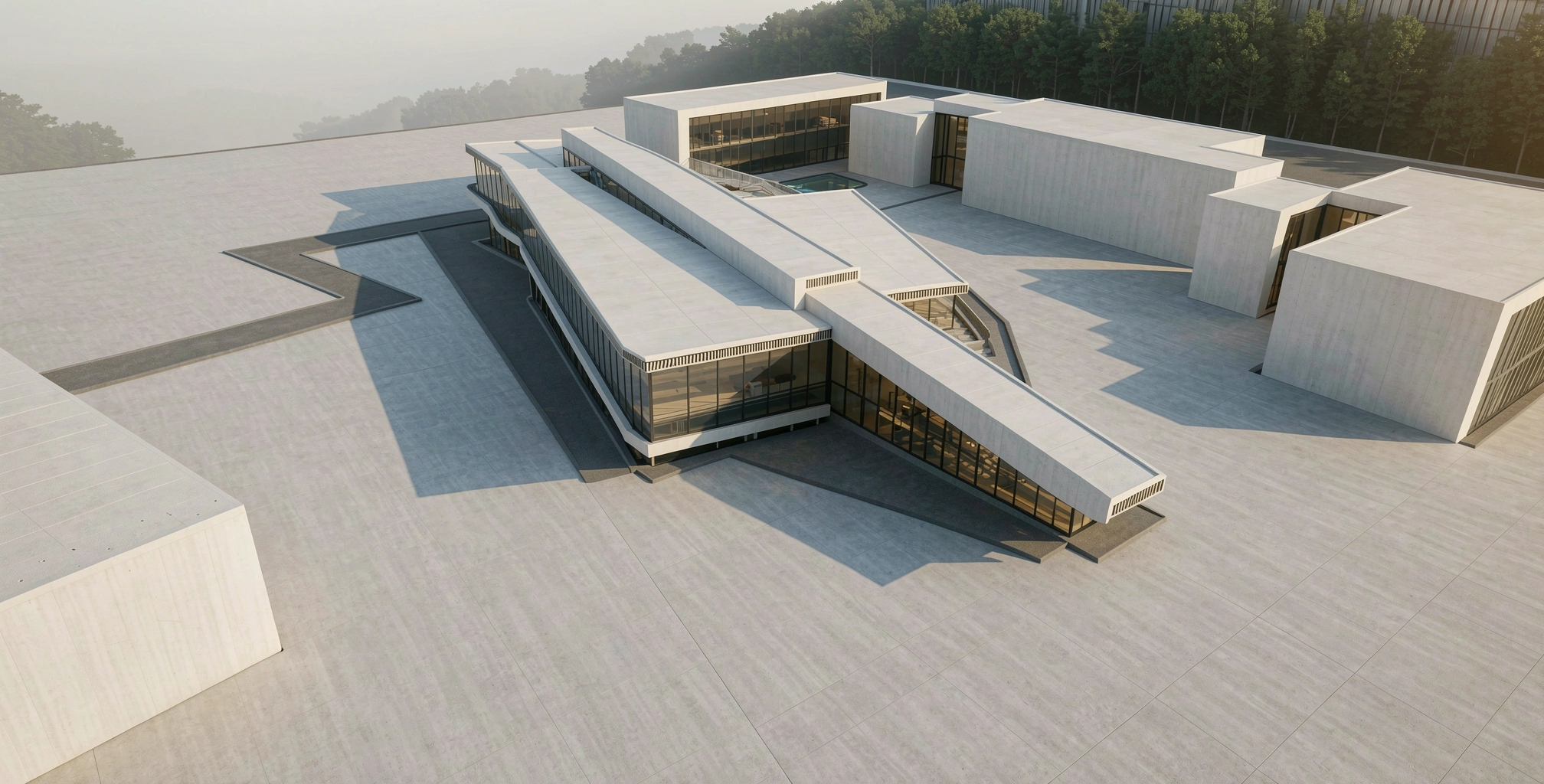
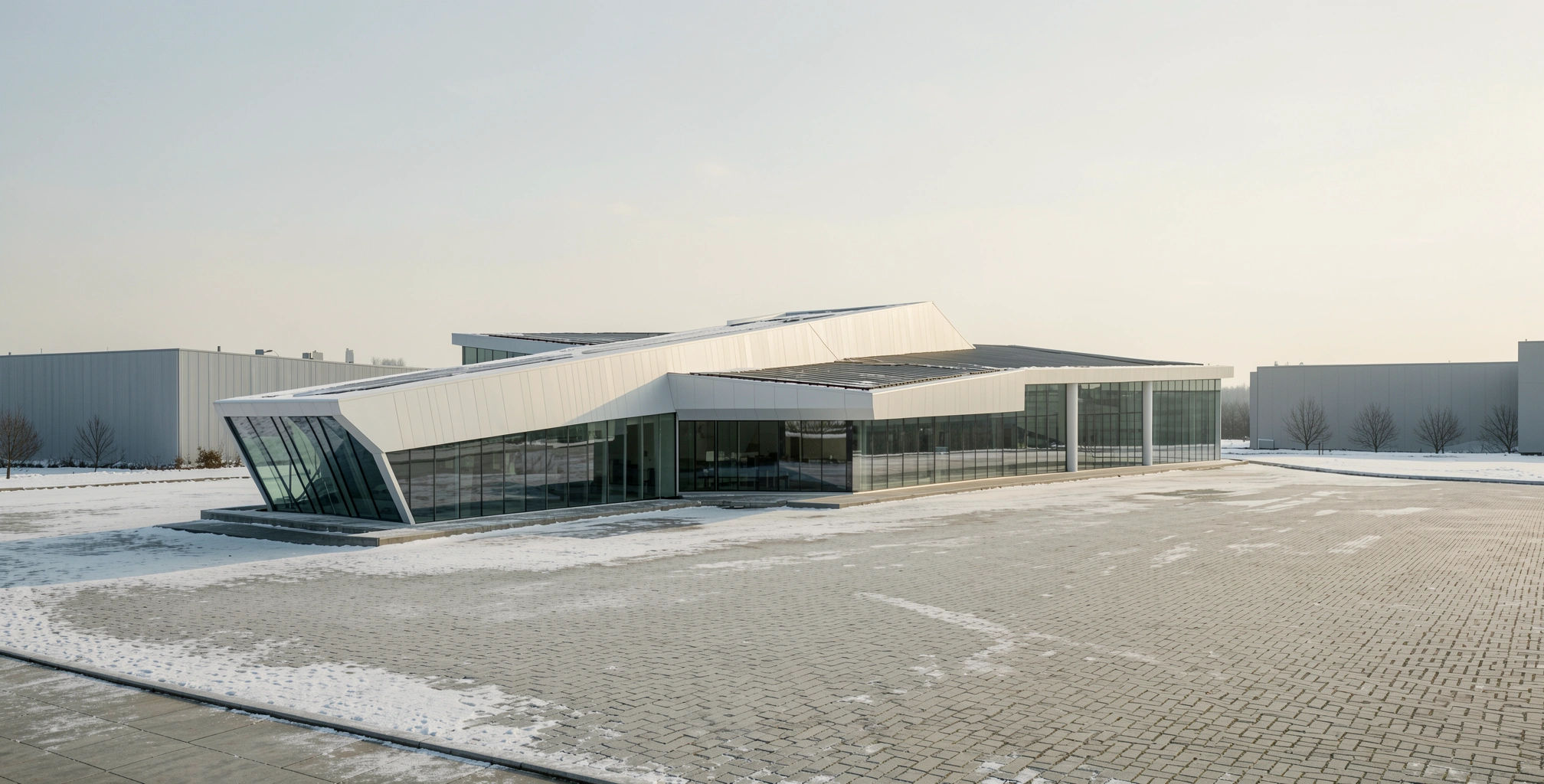
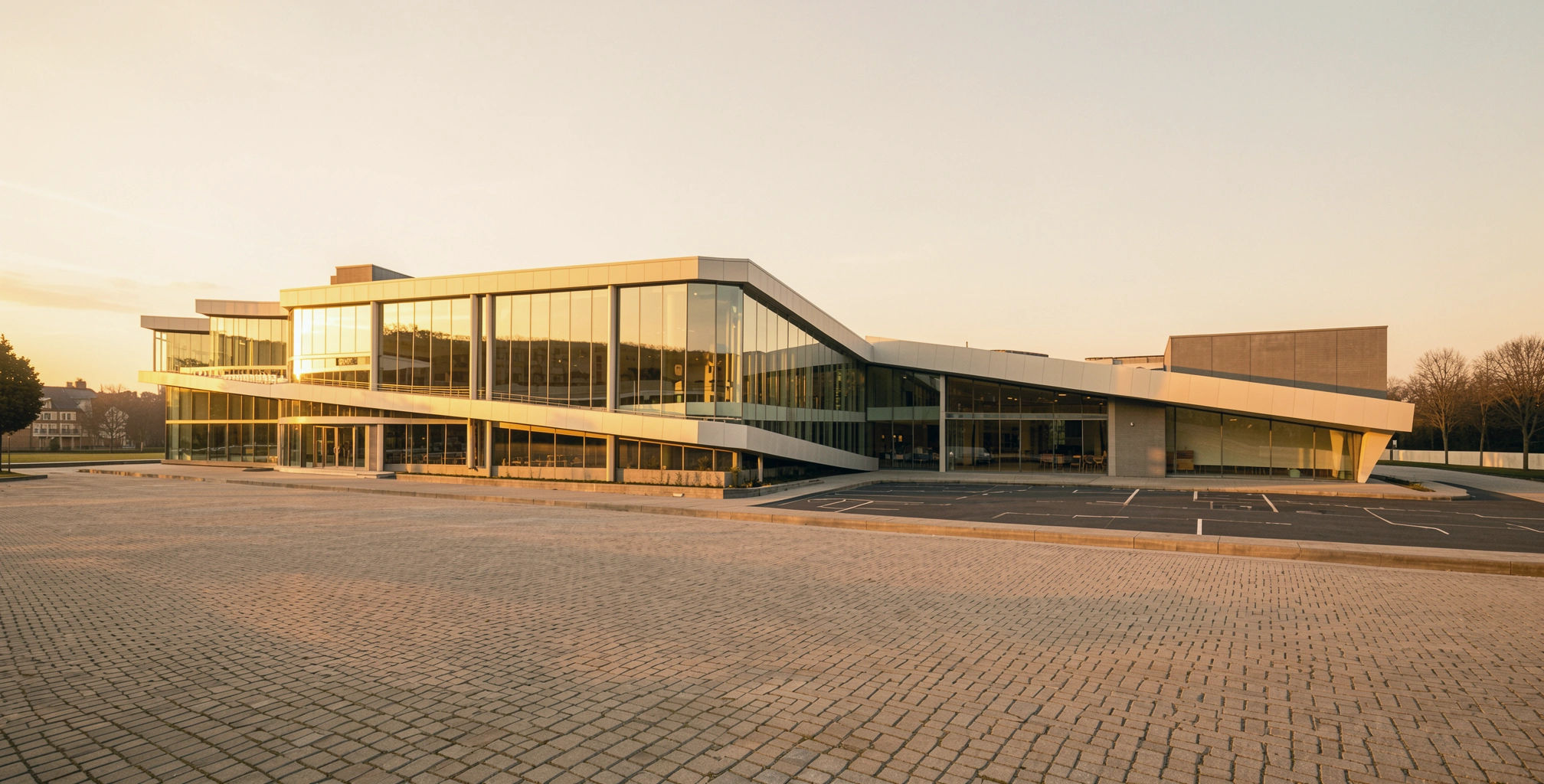
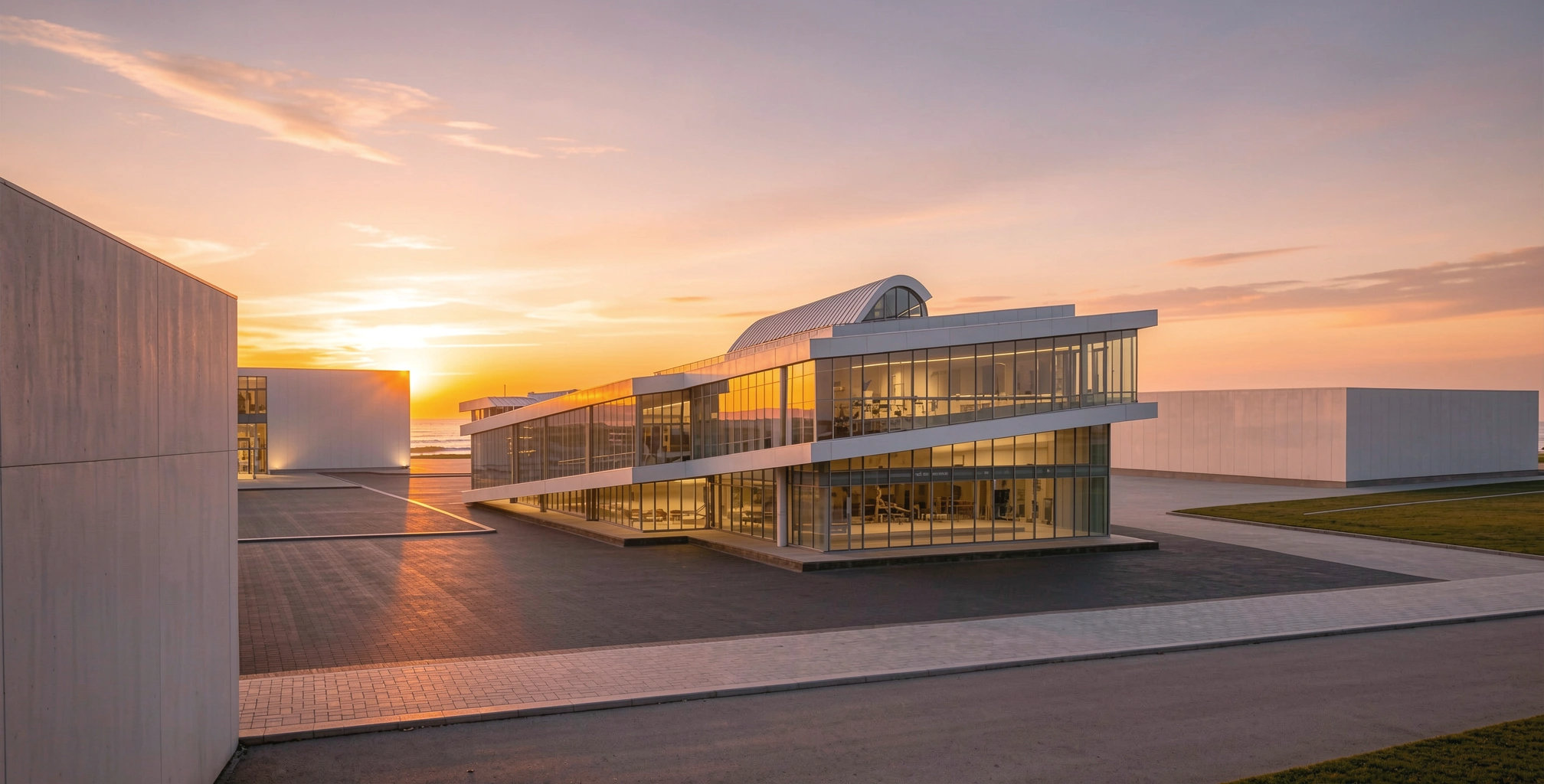
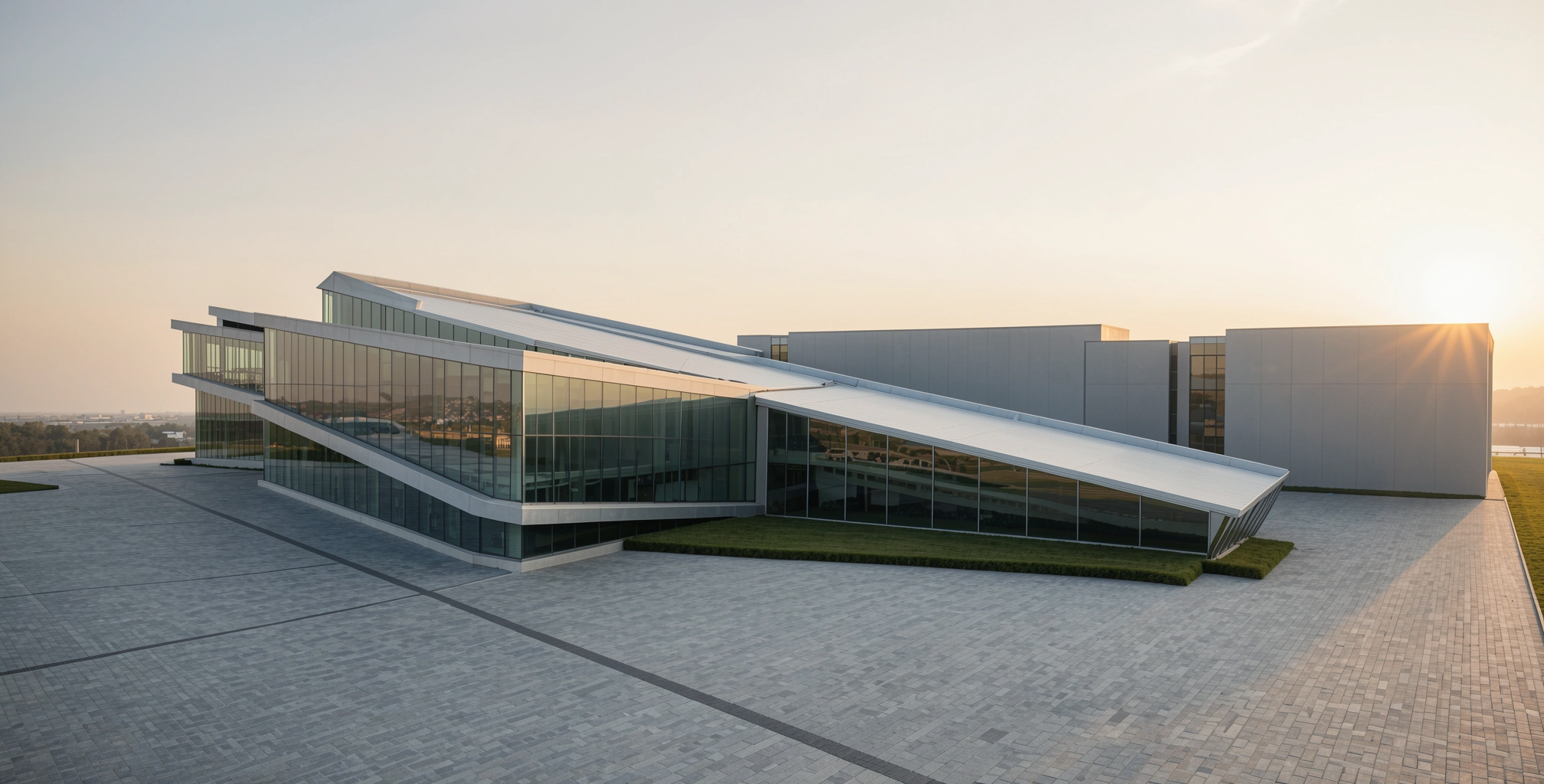
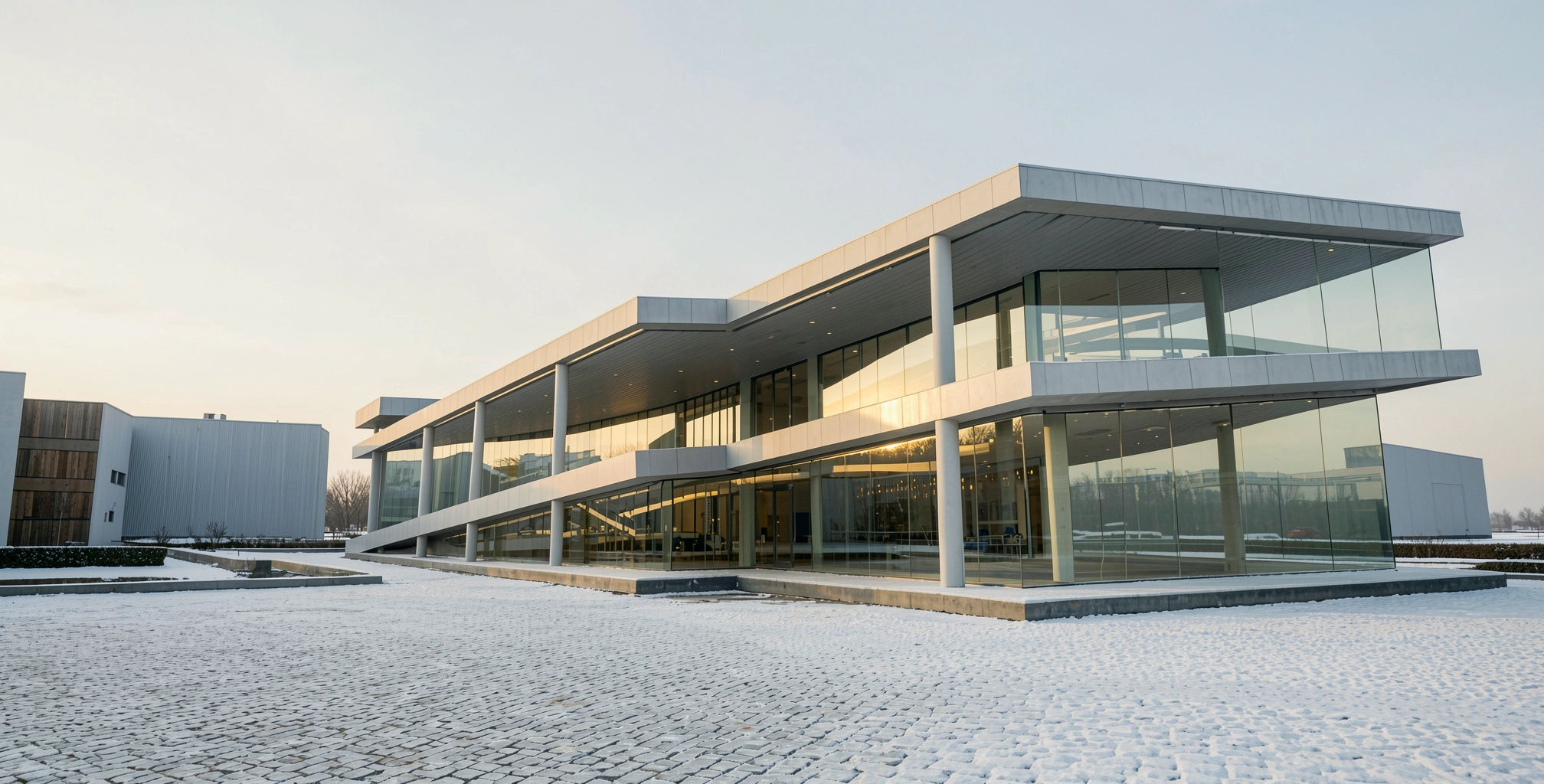
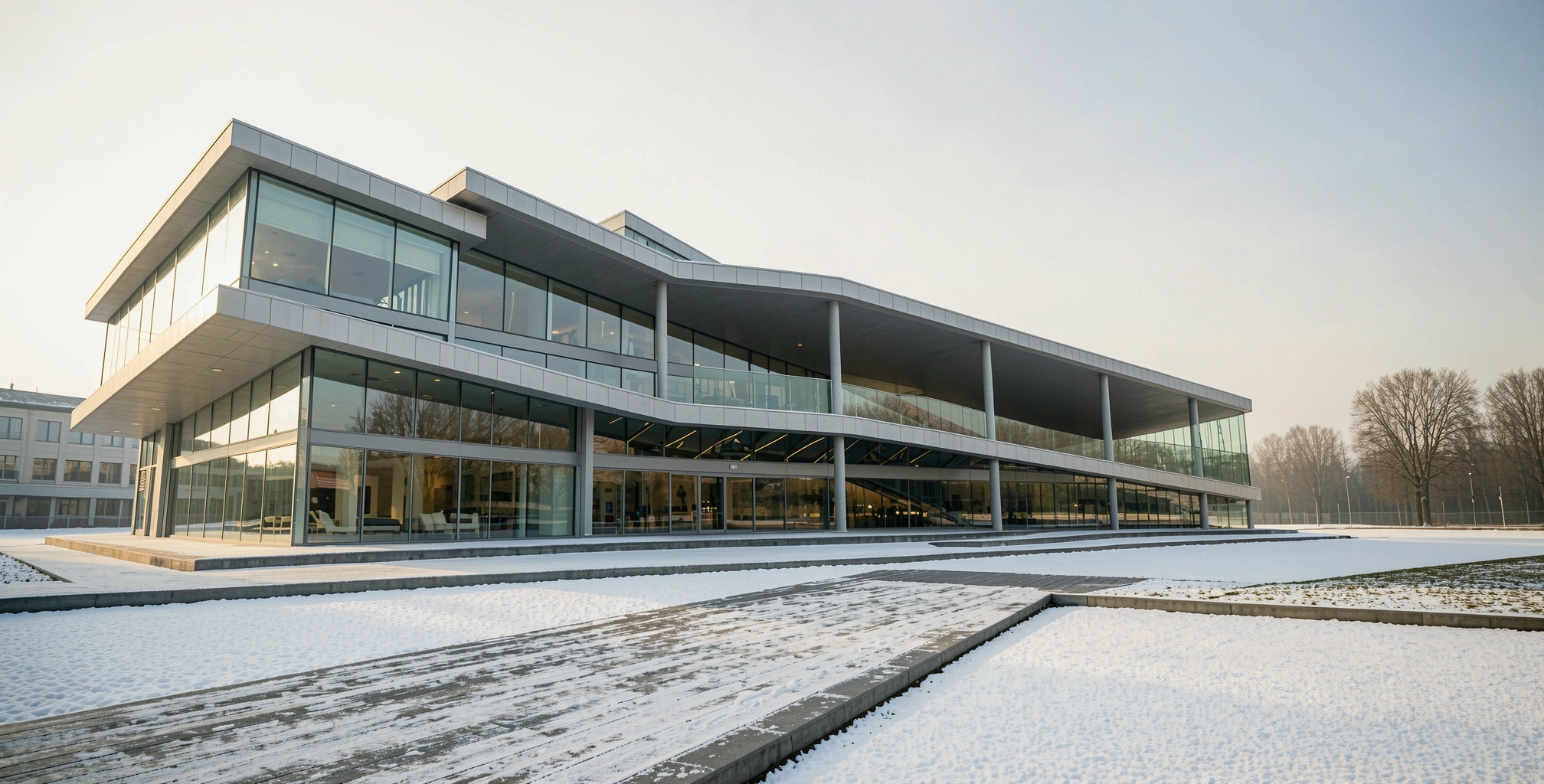
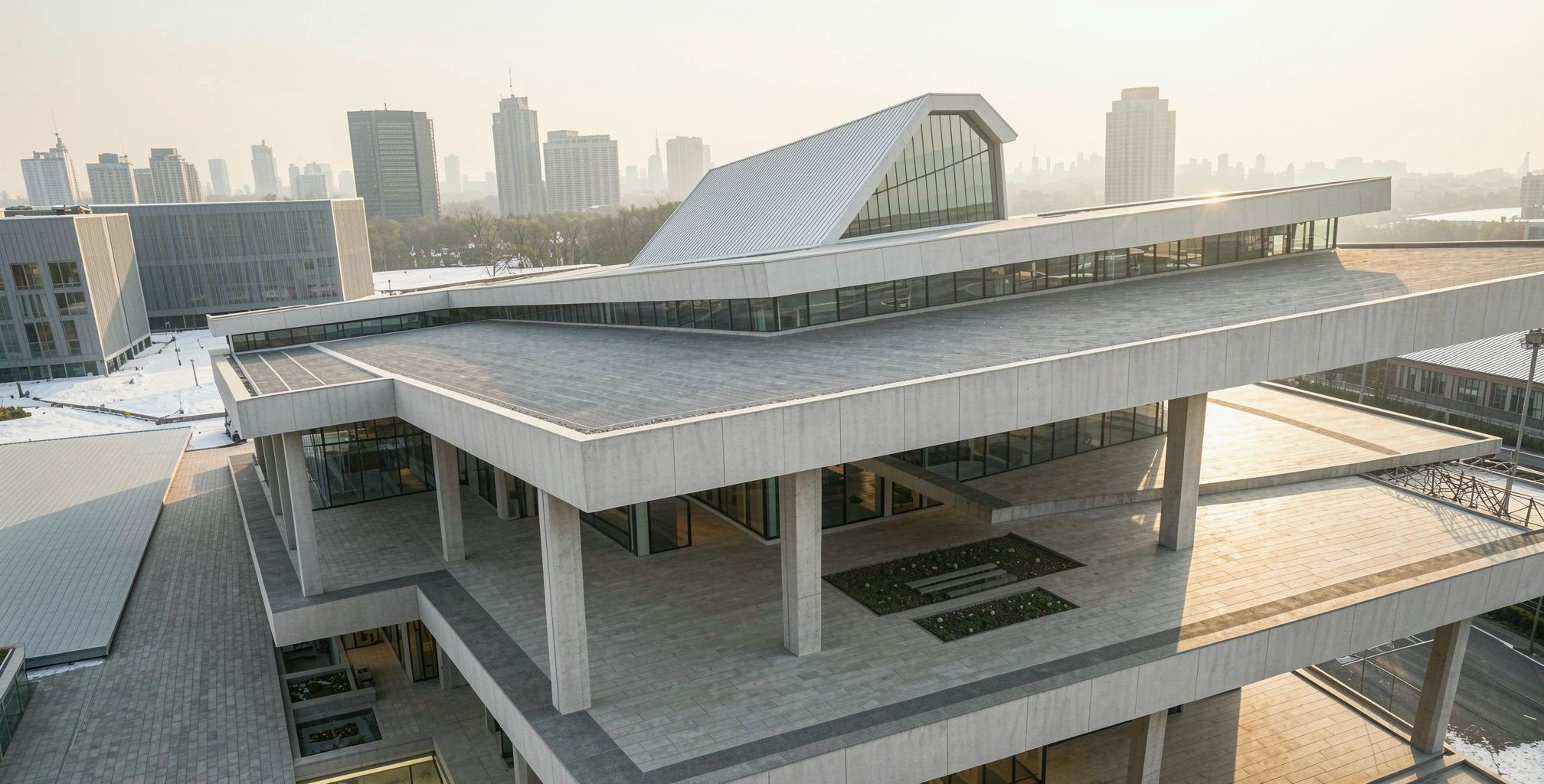
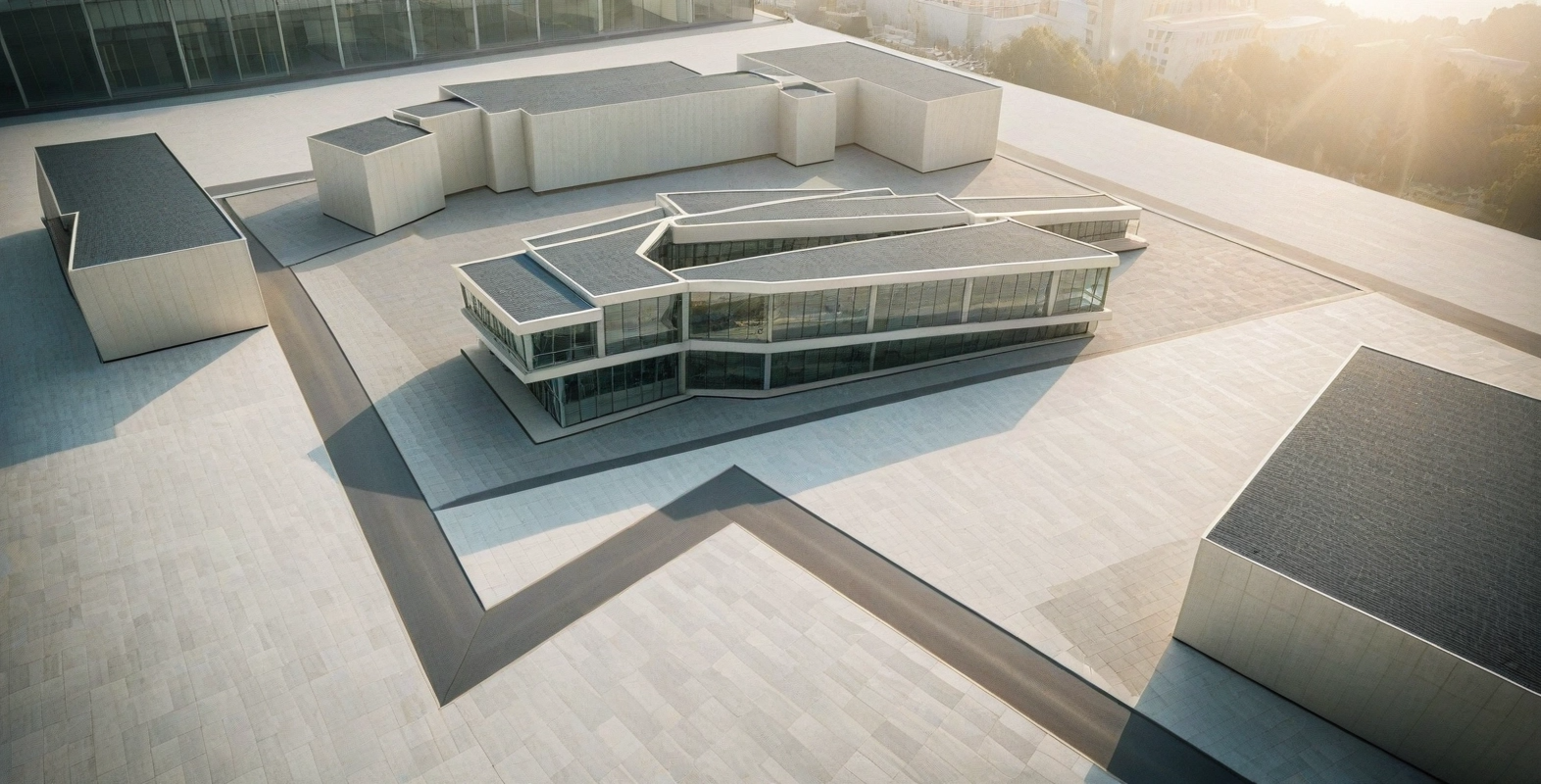
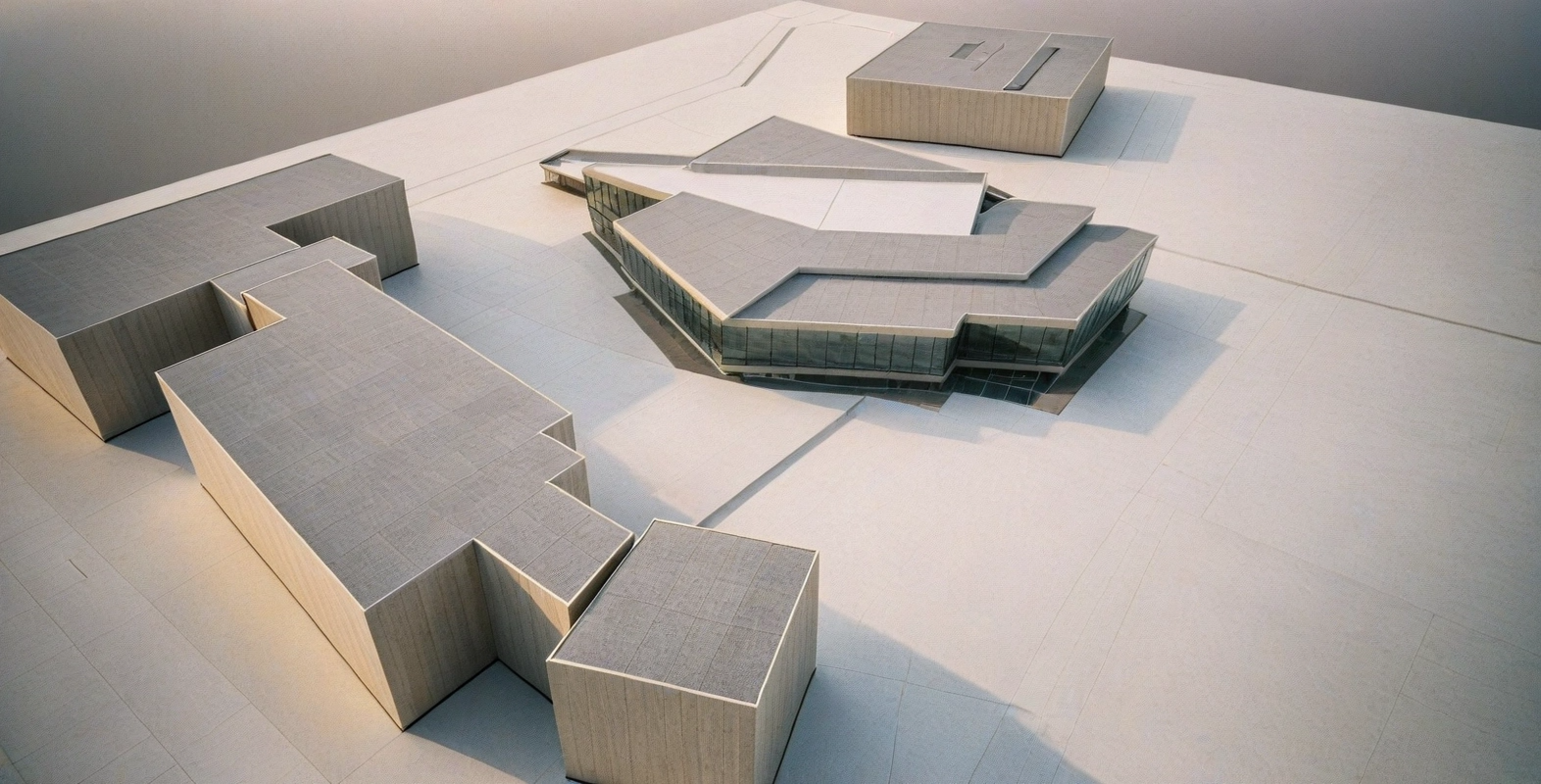
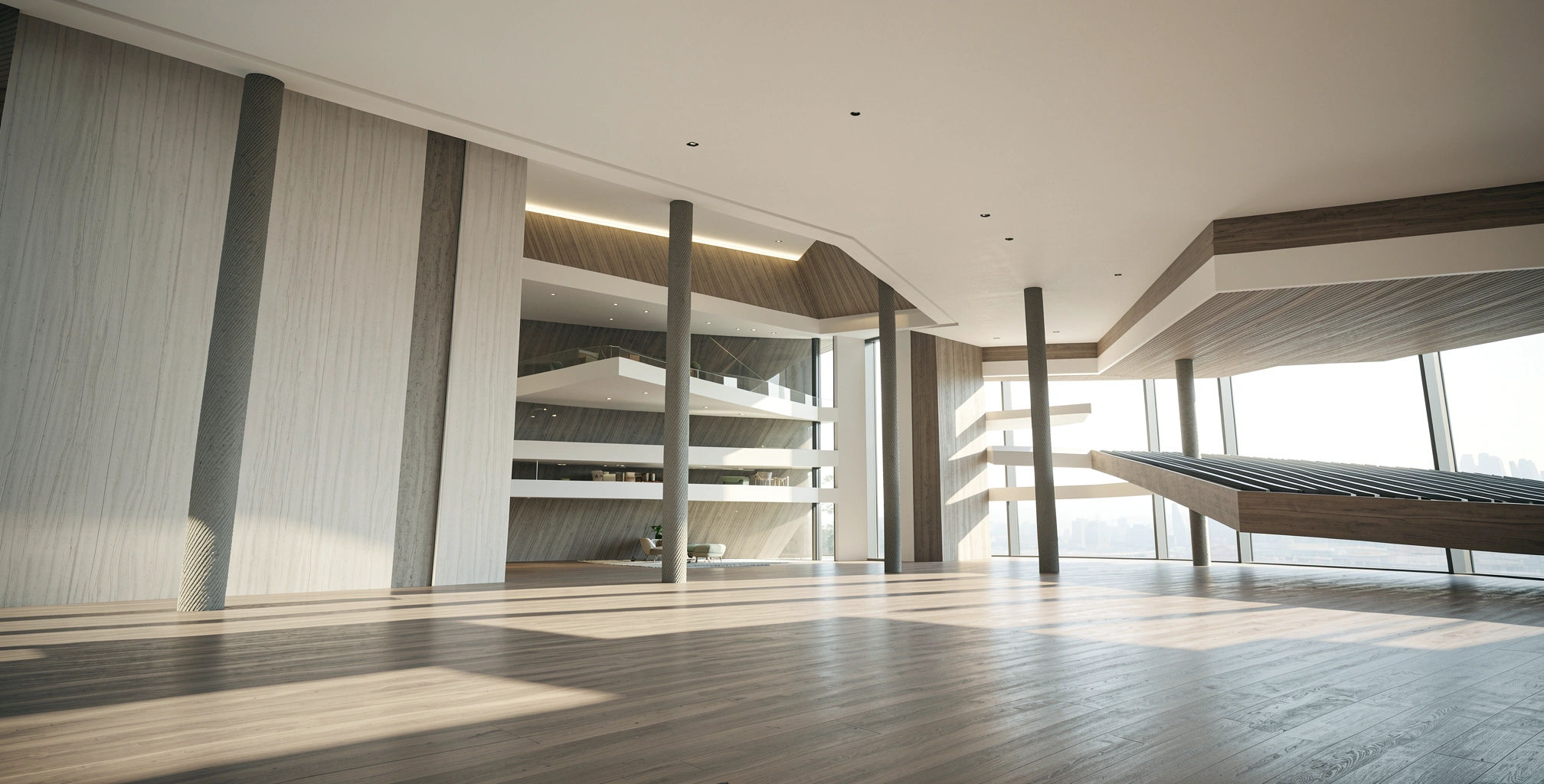
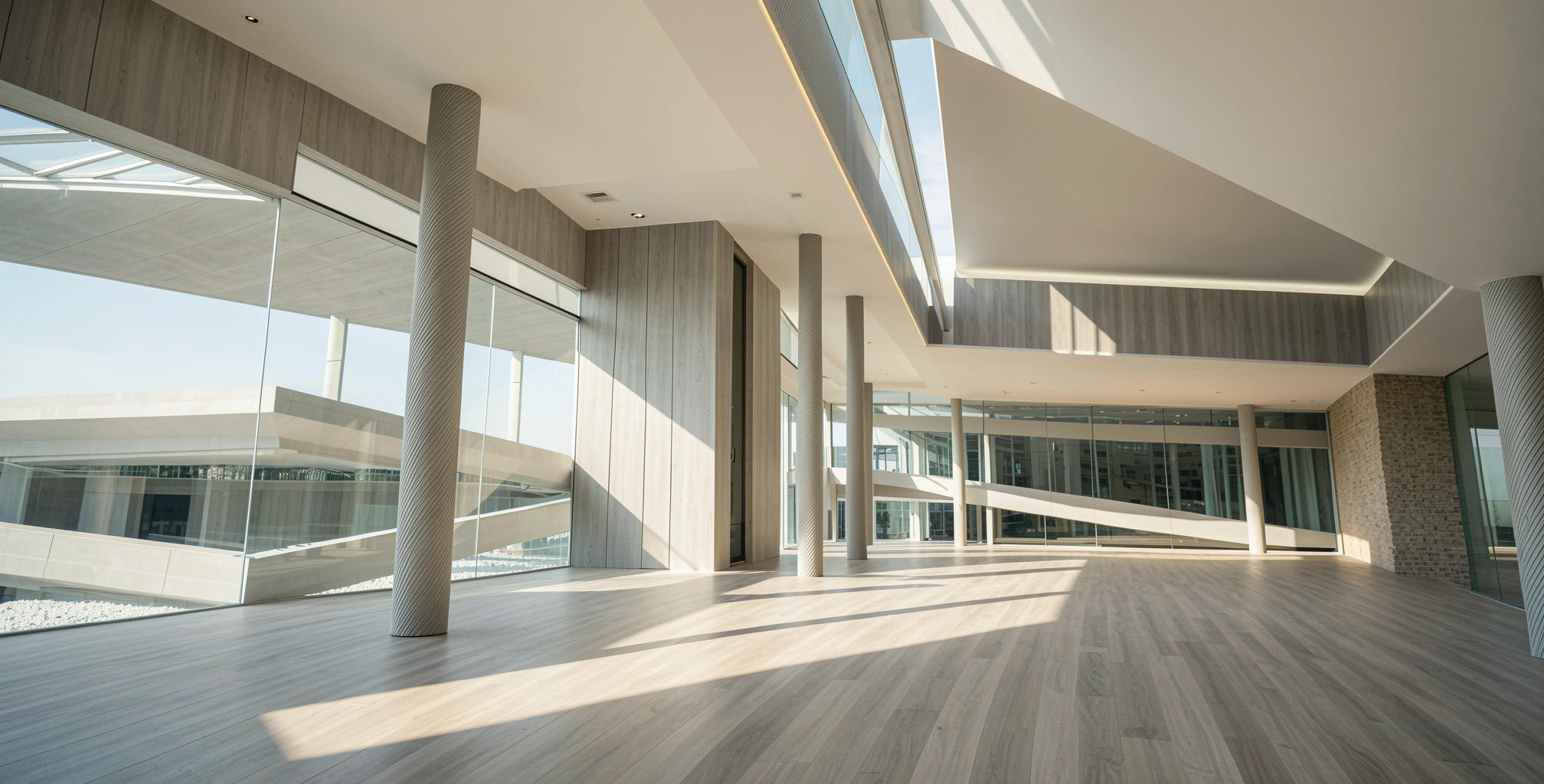
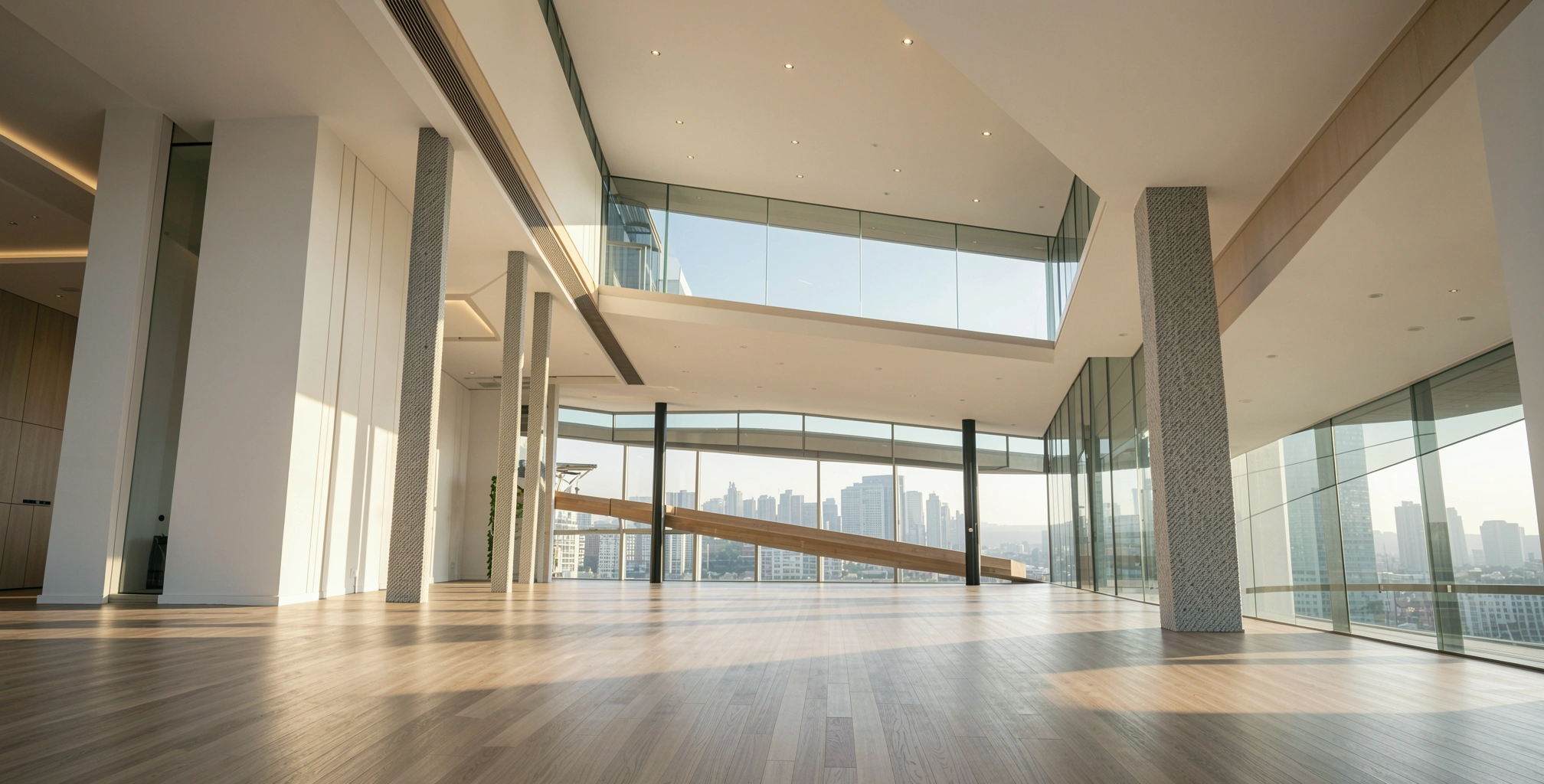
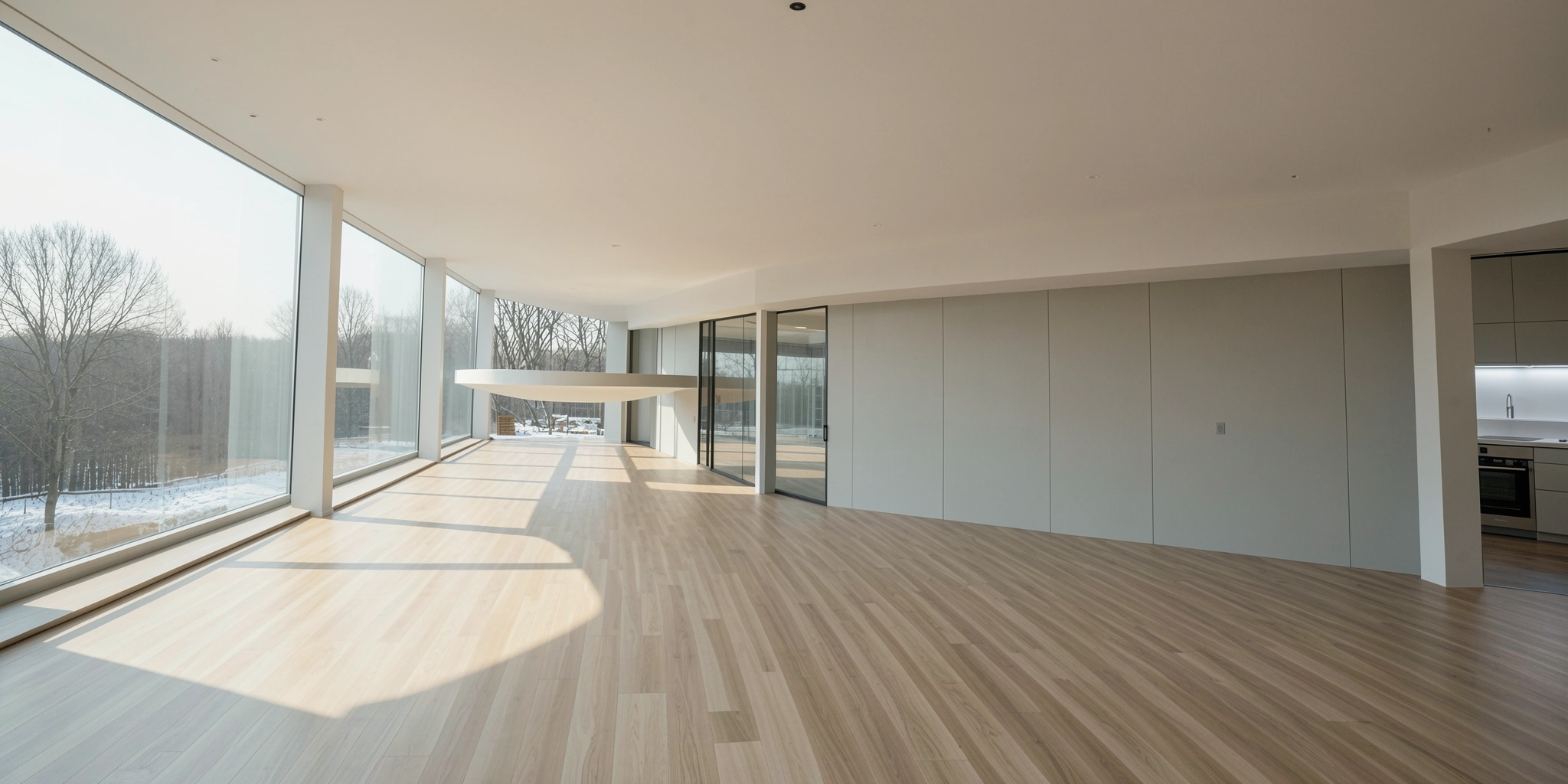
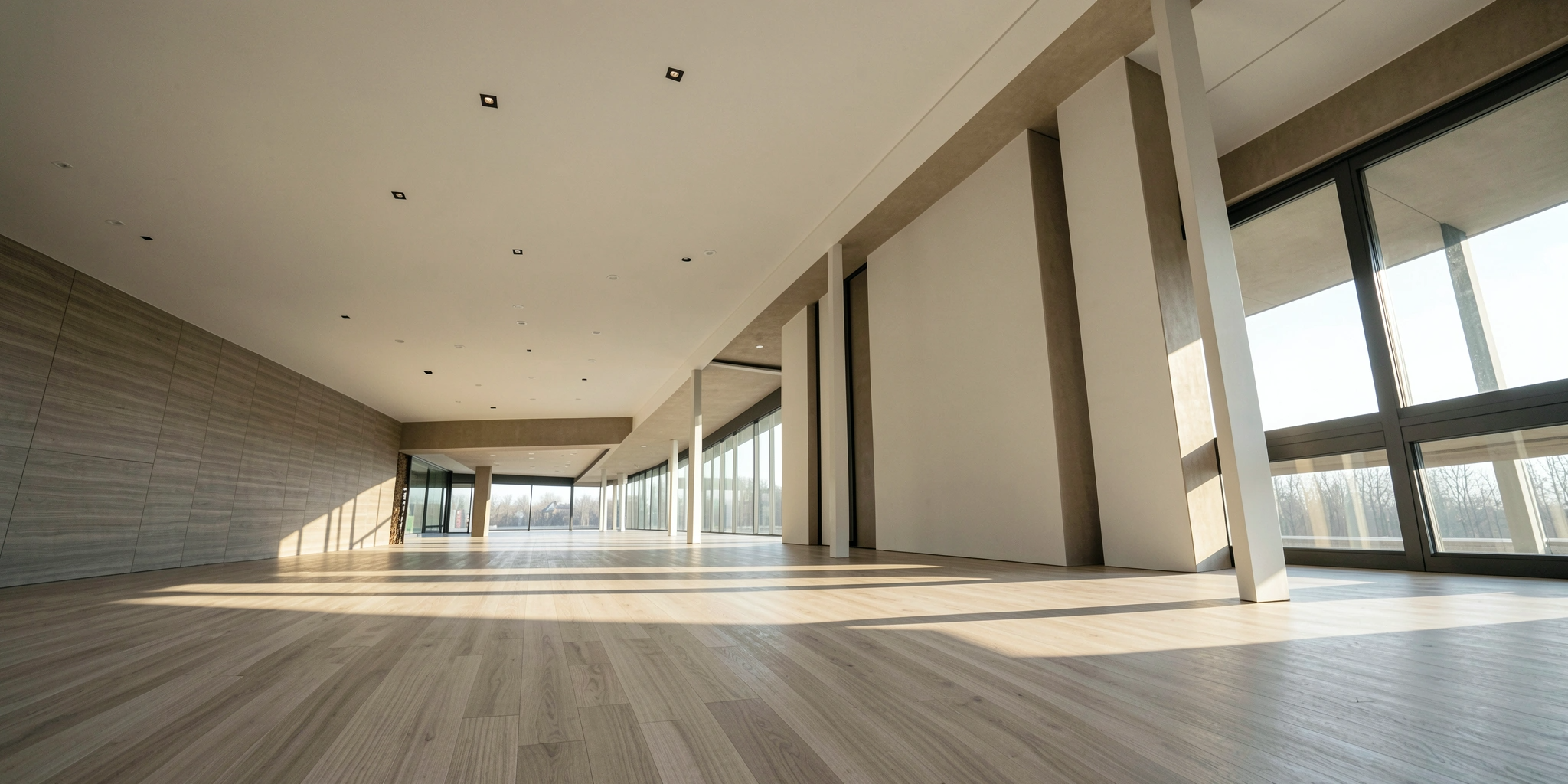
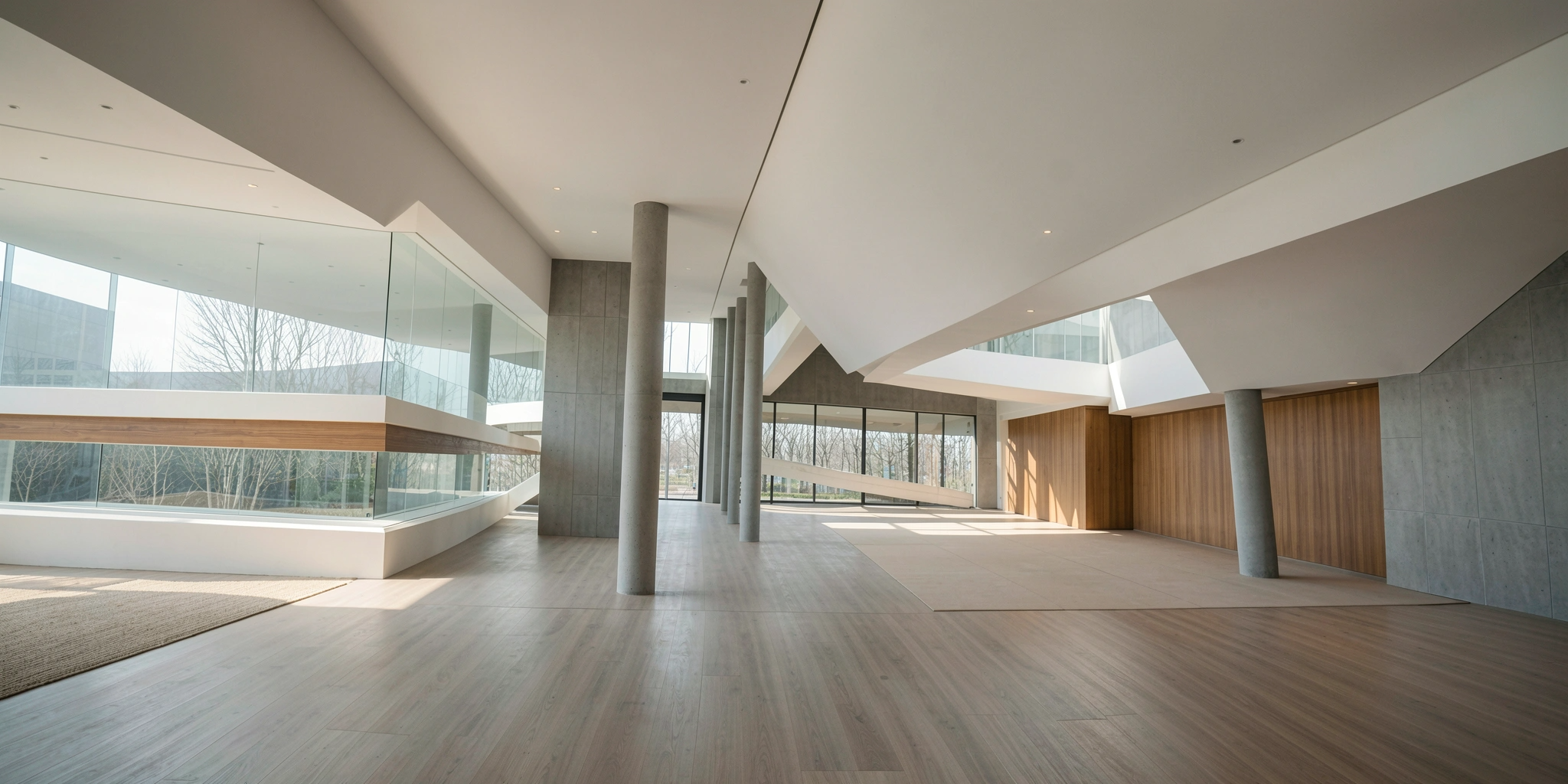
This project explores the relationship between structure, enclosure and daylight through the design of a contemporary art gallery in a dense urban environment. Rather than treating these systems as separate layers, the project develops them as parts of a single architectural framework in which structural order, environmental performance and spatial experience are closely aligned. The building is conceived as a flexible setting for art, where architecture provides clarity and character while remaining adaptable to changing curatorial requirements.
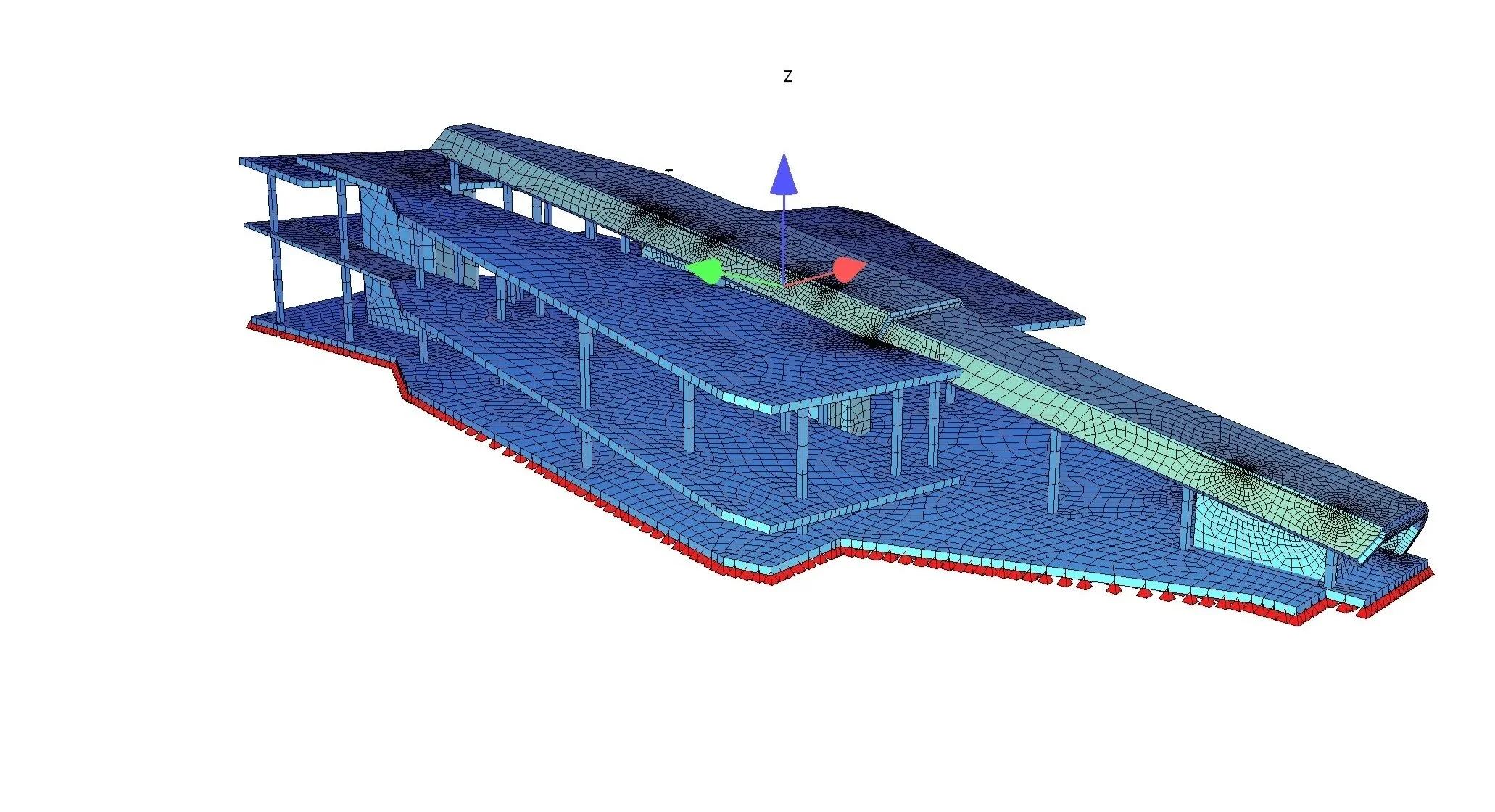
The gallery is organised around a primary structural grid that establishes span, support locations and load transfer across the plan. Vertical loads are carried through a regular arrangement of columns and beams, creating a clear structural order capable of accommodating a wide variety of exhibition layouts. This framework supports large uninterrupted gallery spaces while maintaining flexibility for future reconfiguration. Structure therefore becomes both an organisational system and a means of creating adaptable environments for display, installation and public engagement.
A defining feature of the project is its folded roof structure, which performs both structural and environmental roles. The folded geometry provides stiffness and spanning efficiency while creating opportunities to introduce carefully controlled natural light into the galleries below. Rooflights are integrated within the folds of the roof, allowing daylight to be distributed evenly across exhibition spaces while minimising glare and direct solar exposure. The roof therefore contributes simultaneously to structural performance, environmental control and spatial atmosphere.
The structural frame extends to the perimeter of the building, where it establishes the order of the enclosure system. Façade elements are positioned directly within the structural grid, creating a close relationship between load-bearing structure and architectural enclosure. Openings, solid panels and glazed elements are coordinated with structural bays so that the building envelope emerges from the same system that organises the building itself. This approach eliminates the need for an independent façade framework and strengthens the relationship between construction and architectural expression.
Material behaviour plays an important role in the integration of structure and enclosure. Structural members are proportioned according to span and loading requirements, while connections between structural and façade components are designed to accommodate thermal movement and construction tolerances. Fixing systems allow different materials to expand, contract and move independently while maintaining weather protection, alignment and visual continuity. The building therefore achieves robustness through coordination rather than through redundancy.
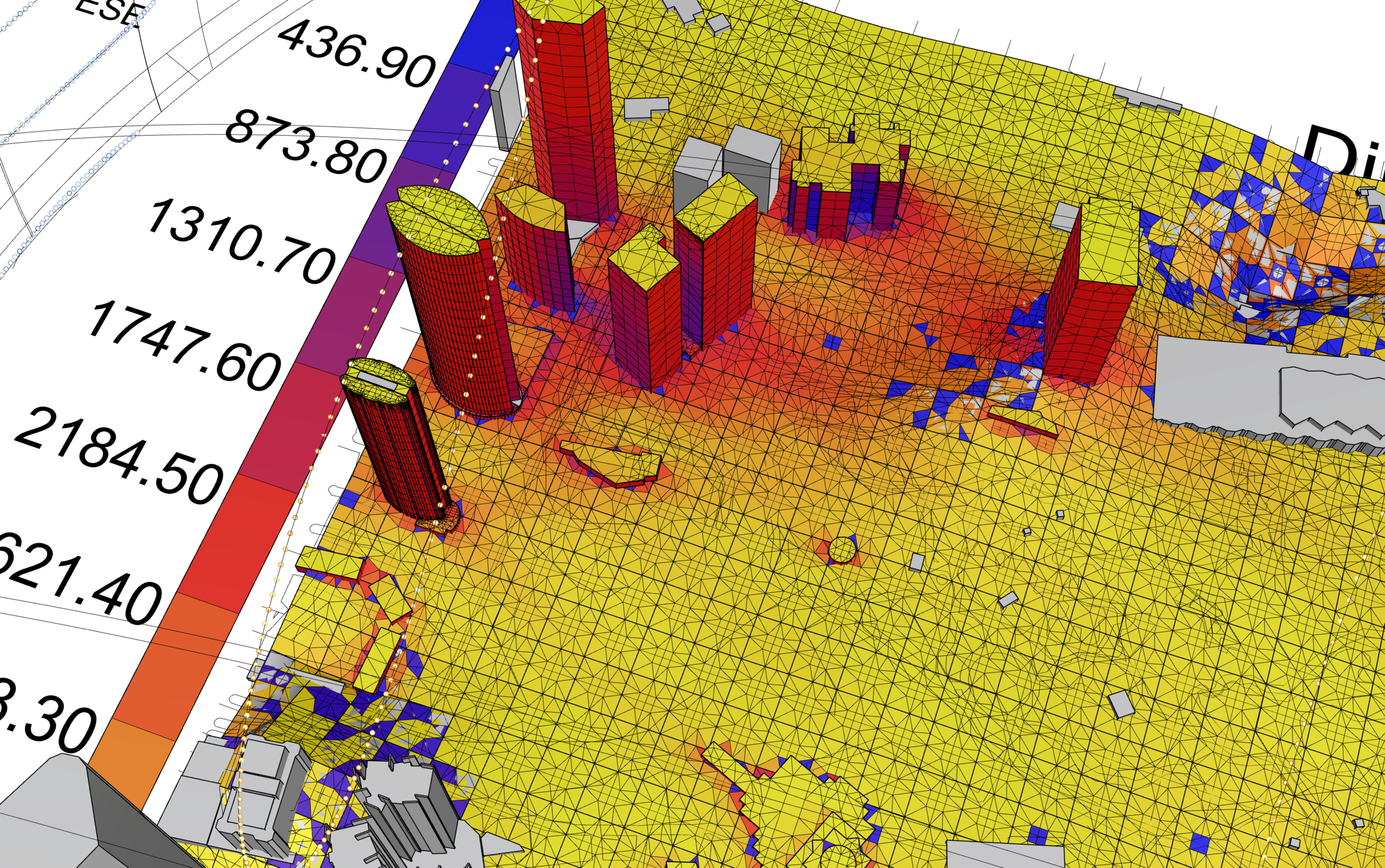
Environmental performance is achieved through the organisation of the structural and enclosure systems. Daylight enters through rooflights and carefully positioned façade openings, providing illumination appropriate to exhibition spaces while reducing reliance on artificial lighting. Structural depth at the perimeter contributes to passive shading, helping to moderate solar gain and improve occupant comfort. Solid elements within the enclosure provide thermal buffering, while glazing is proportioned to balance daylight, views and environmental control. Environmental performance is therefore embedded within the architectural framework rather than applied as a separate technical layer.
The project is designed to accommodate change over time. Large-span spaces allow exhibitions of different scales and formats to be installed without structural constraint, while the regular grid provides a robust framework capable of supporting future adaptation. Services, lighting systems and display infrastructure can be reconfigured as curatorial needs evolve, allowing the building to support a broad range of cultural activities throughout its lifespan.
Architectural expression emerges directly from the integration of structure, enclosure and light. The rhythm of the structural frame defines the order of the façade, while the folded roof establishes the character of the gallery spaces below. Daylight, structure and enclosure operate together to create an architecture whose appearance is inseparable from its construction and performance. Expression is therefore not applied to the building but arises from the way loads are carried, light is controlled and space is organised.
This project demonstrates how structure can extend beyond its conventional role as a means of support to become a generator of environmental performance, spatial quality and architectural identity. Through the coordinated development of structure, enclosure and daylight, the gallery provides a flexible and enduring setting for art while revealing the constructive logic through which architecture is realised.