
Sports Science University Teaching Building — Structure, Space and Adaptability
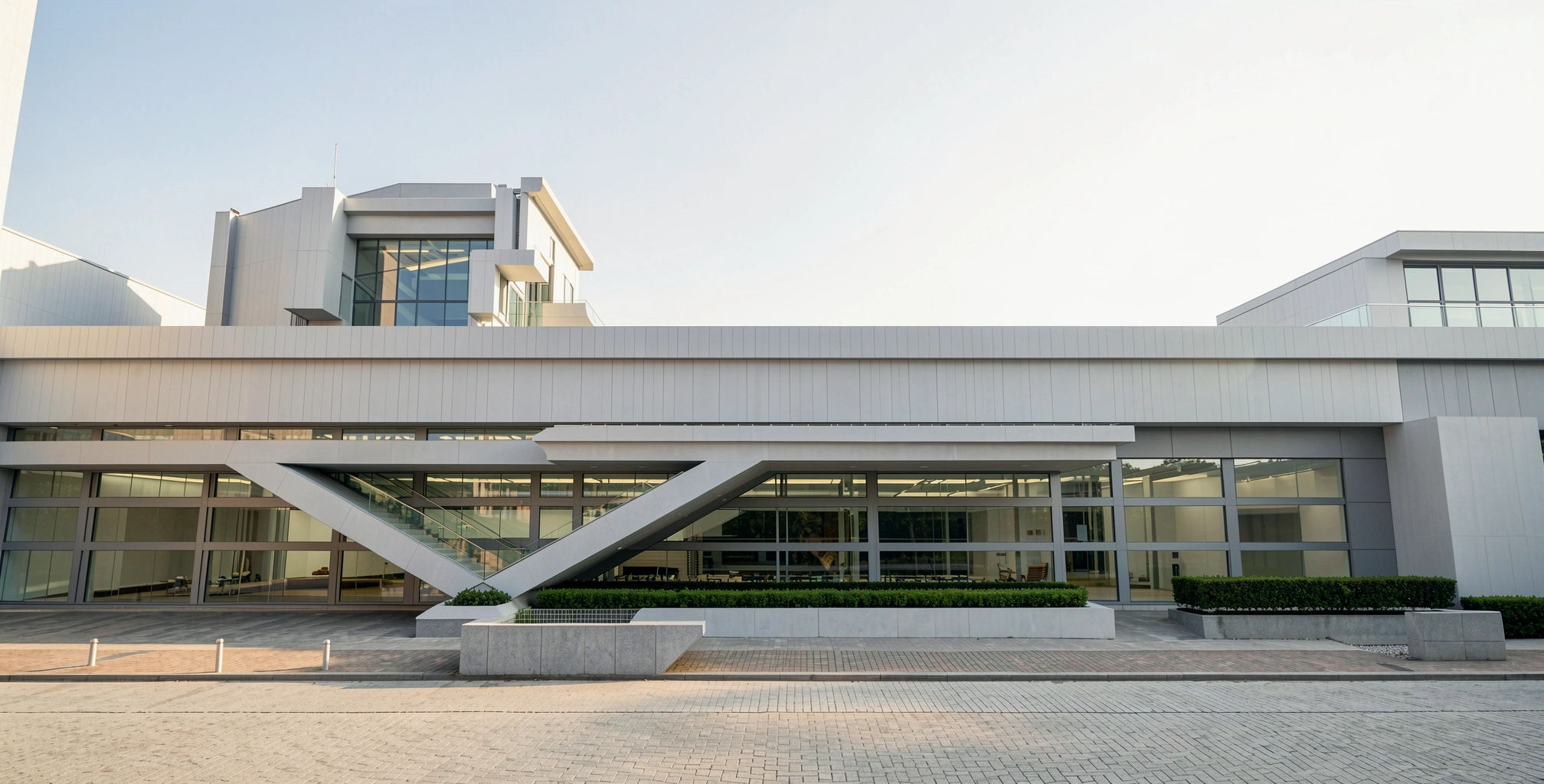
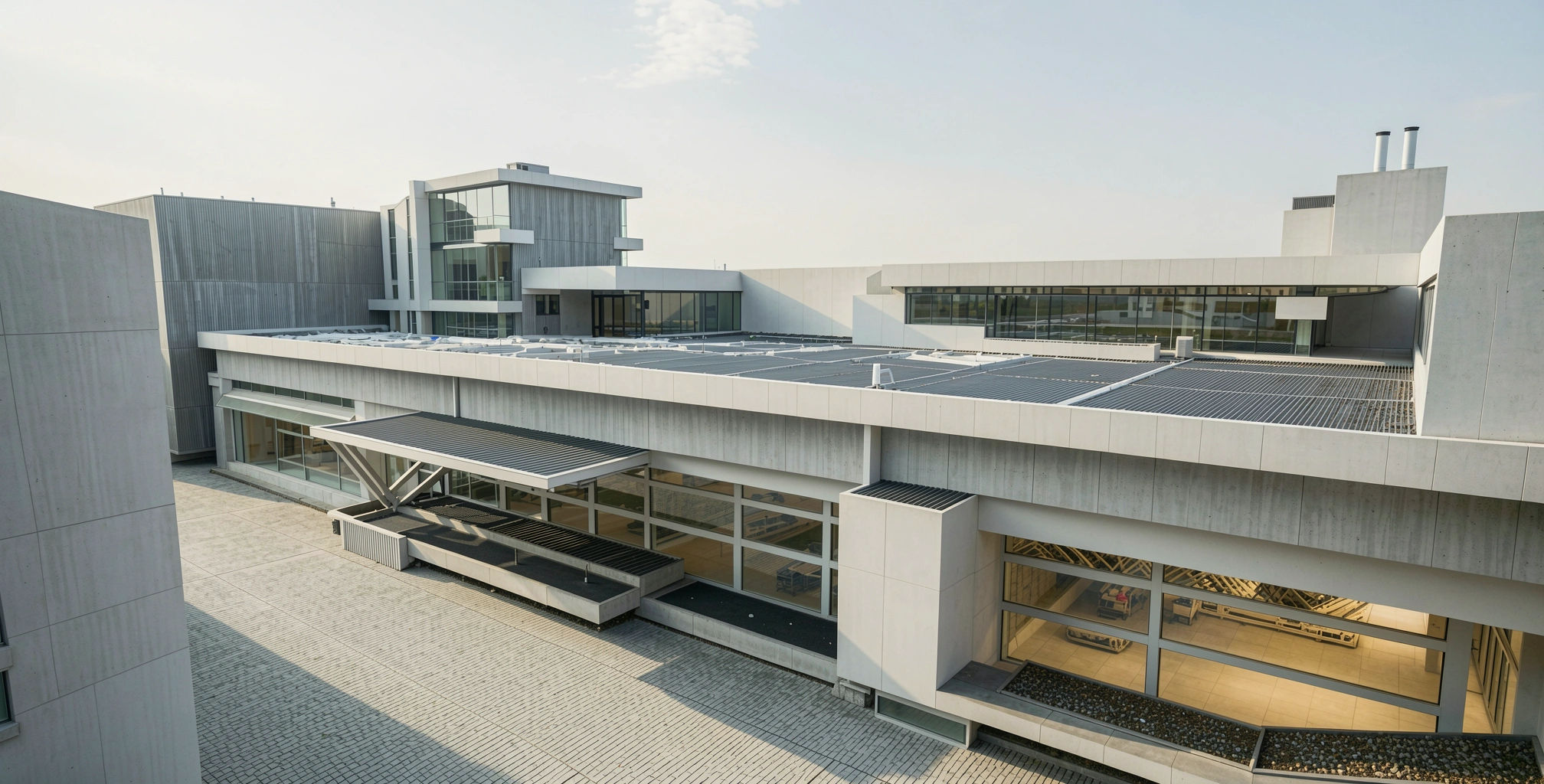
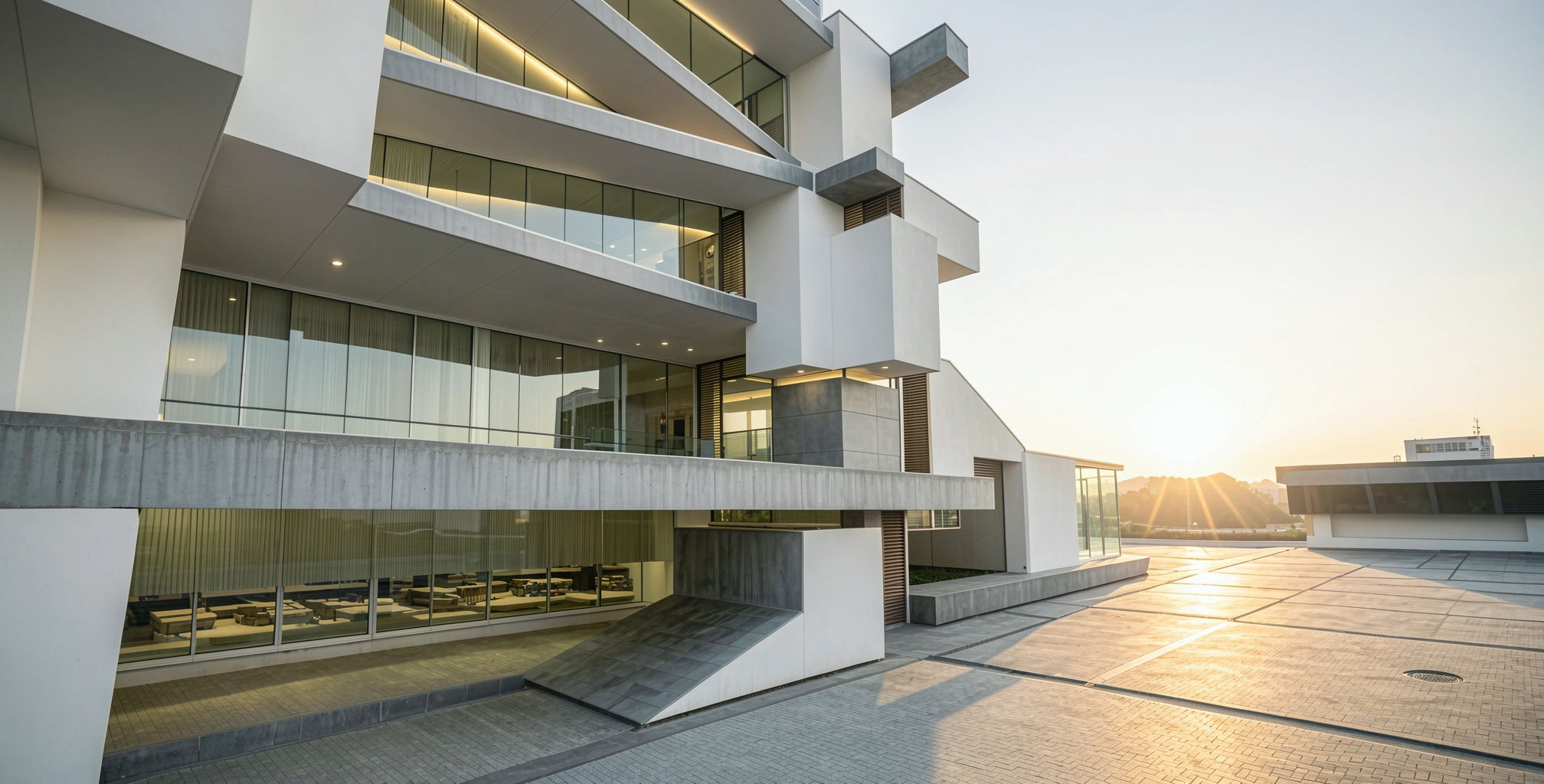
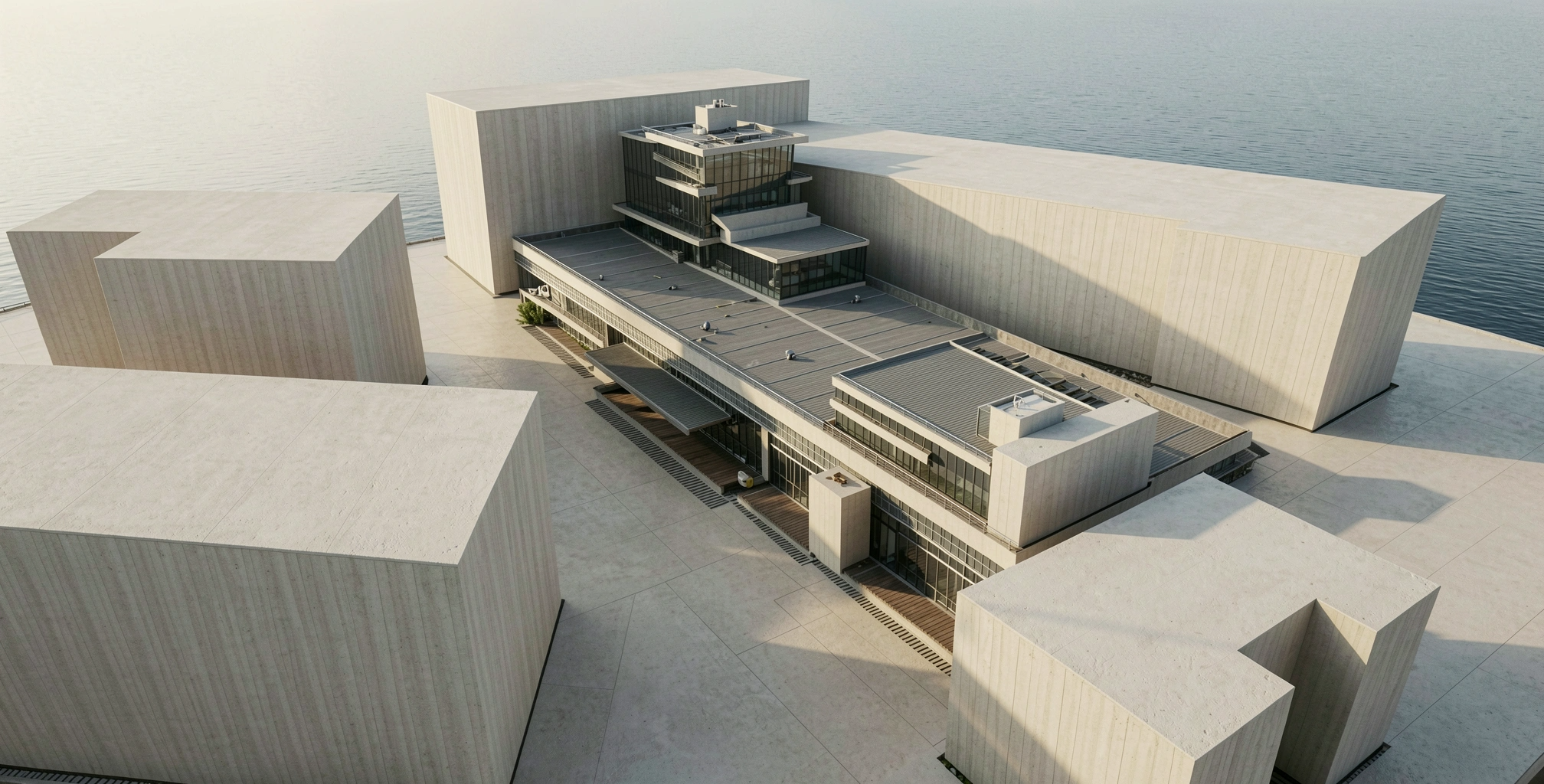
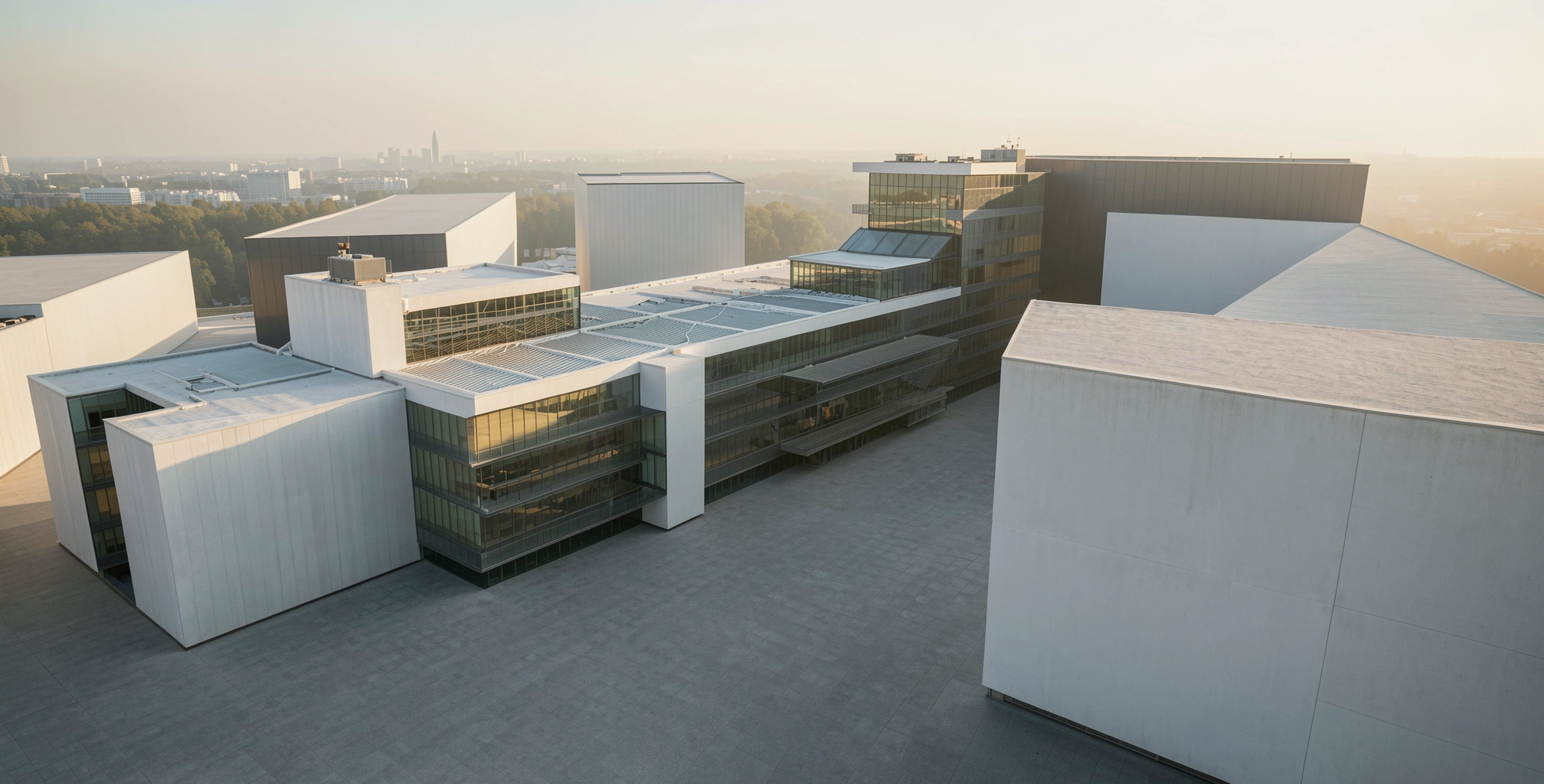
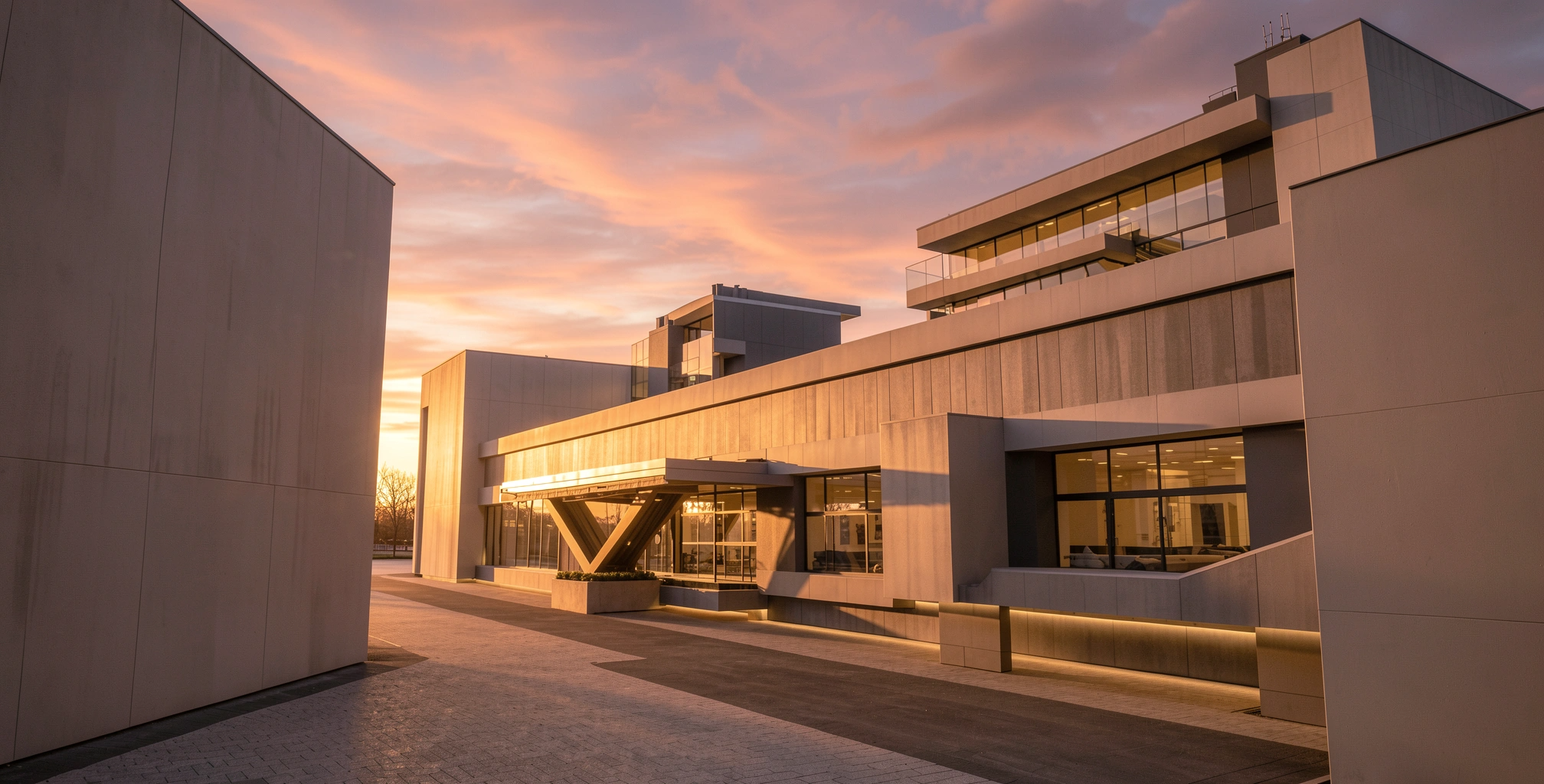
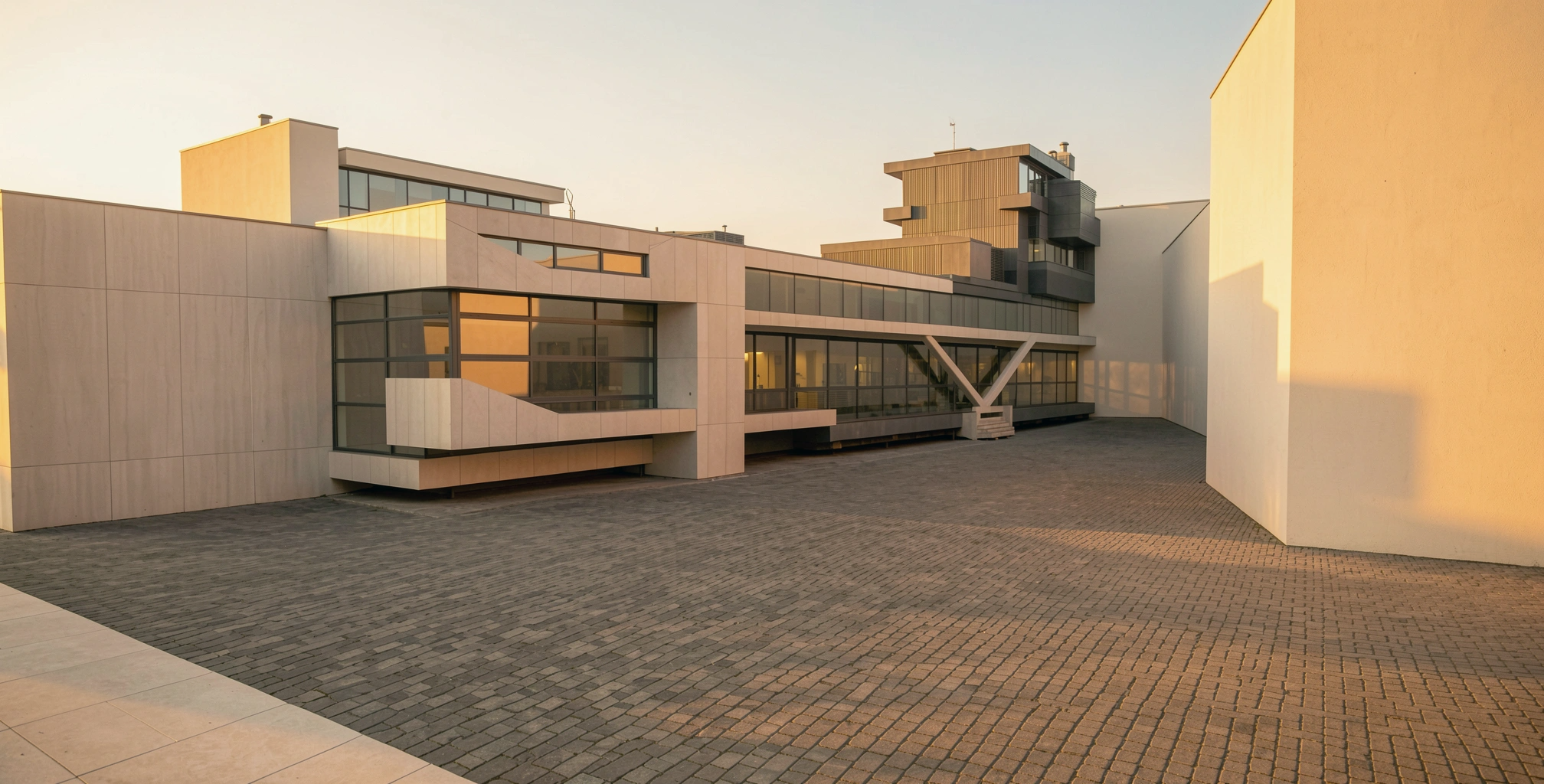
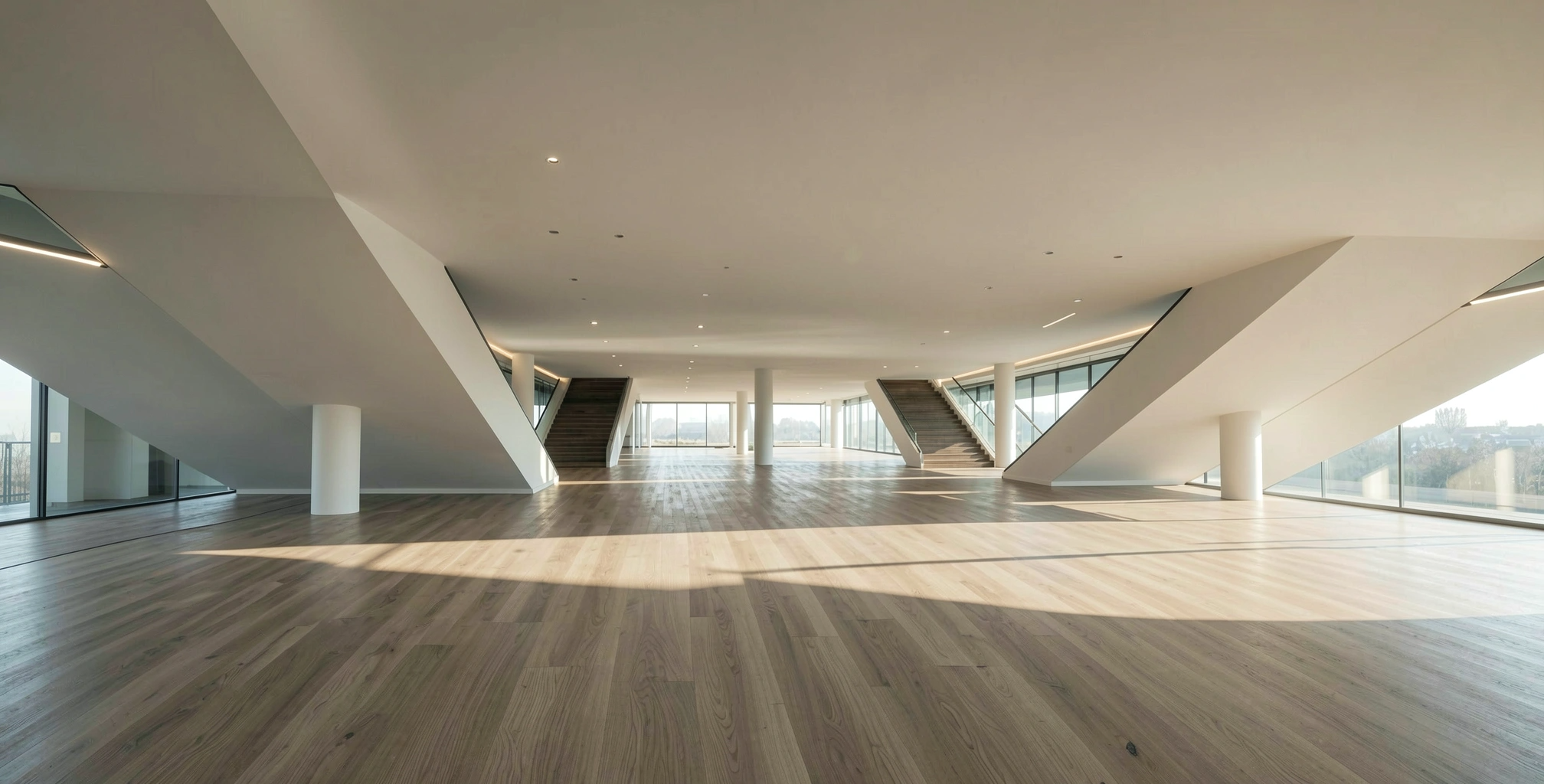
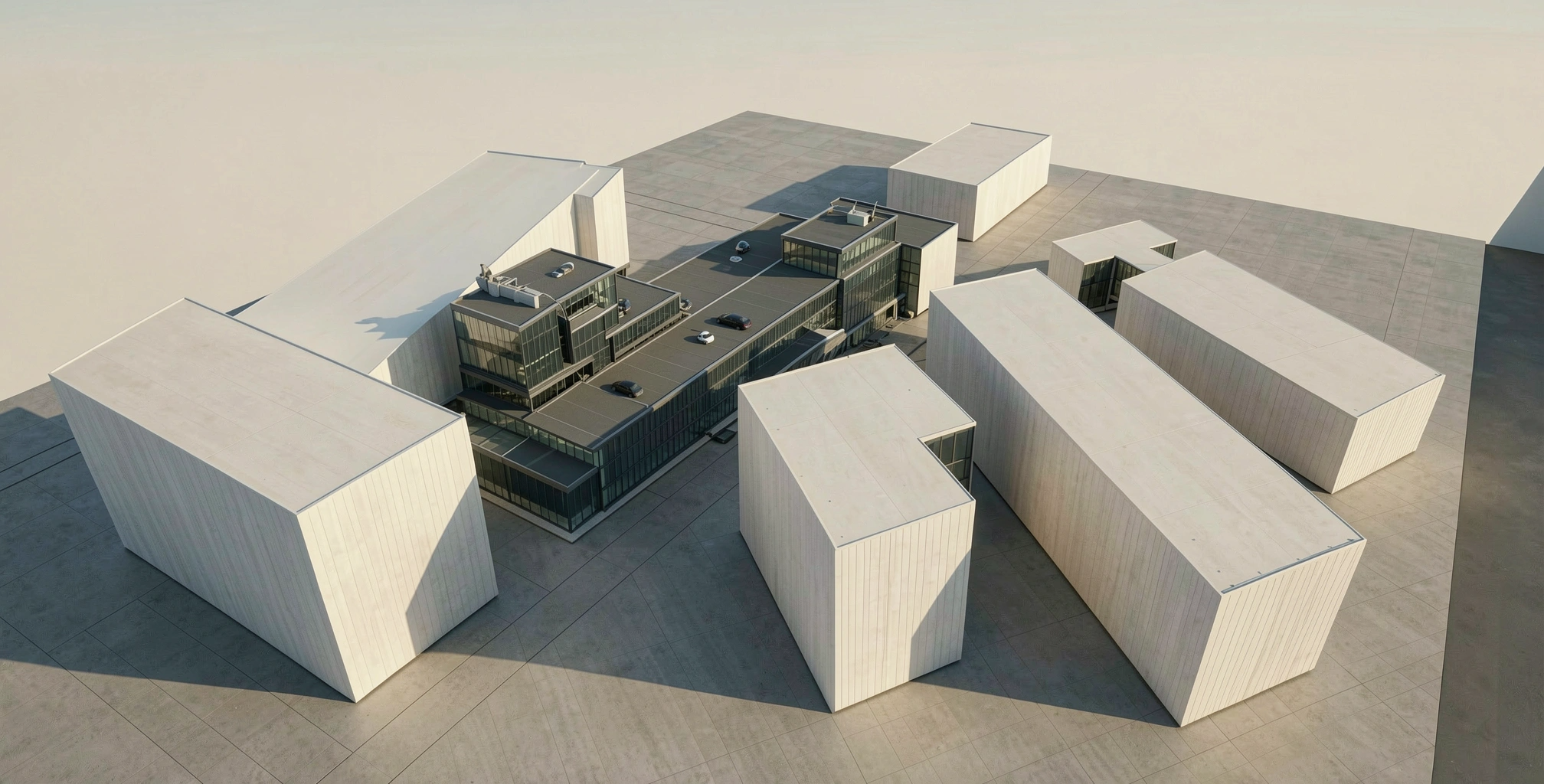
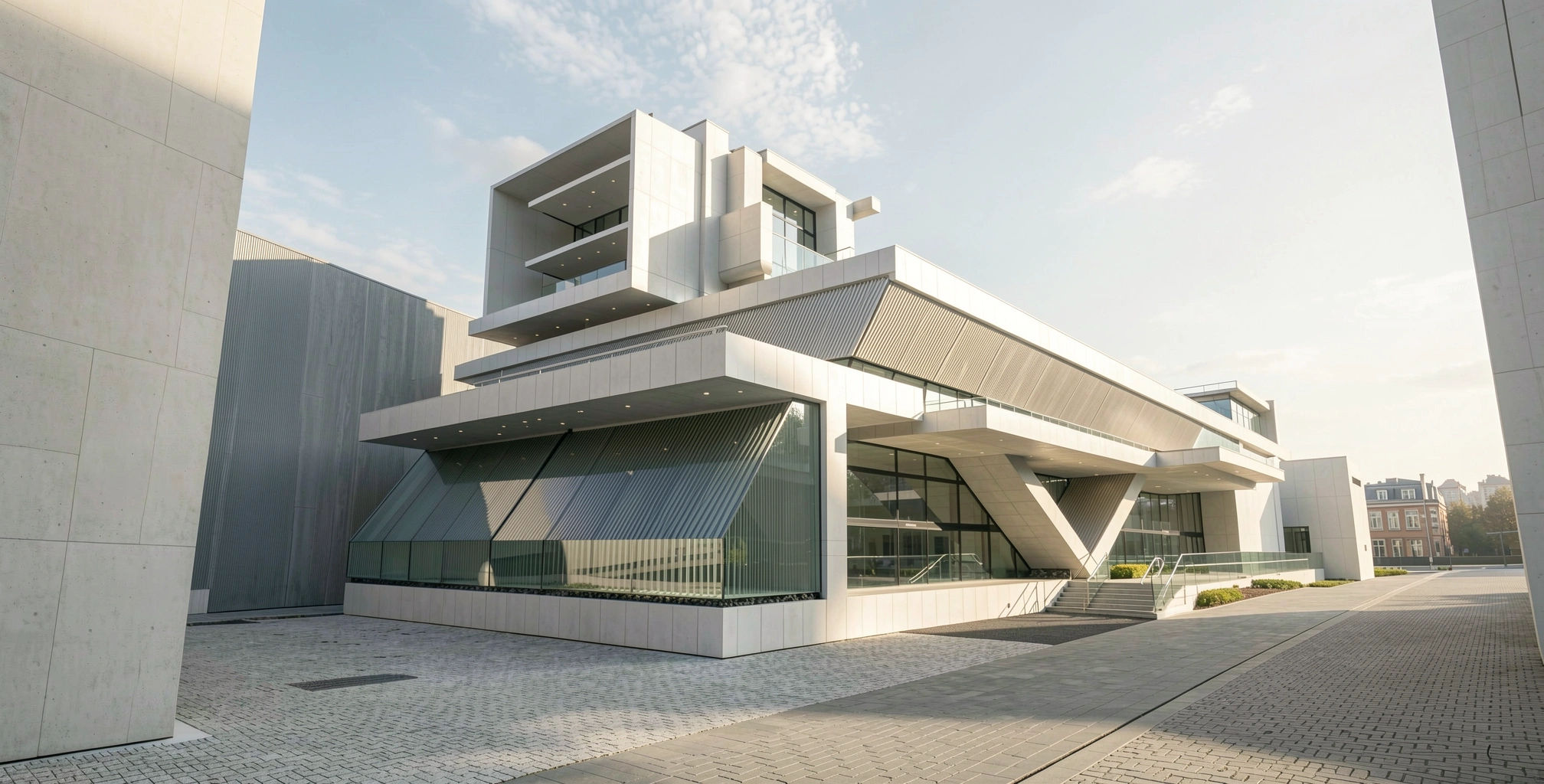
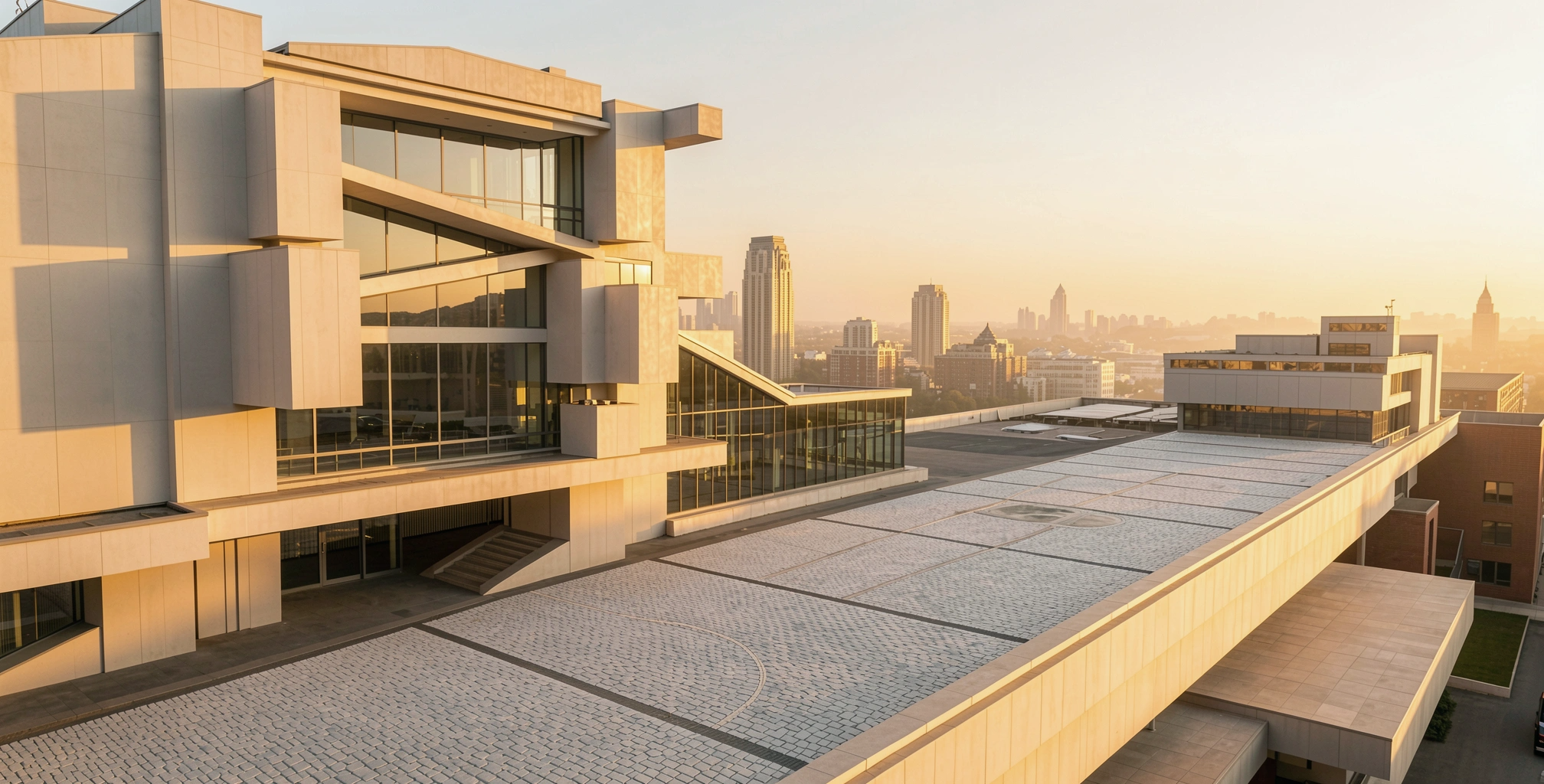
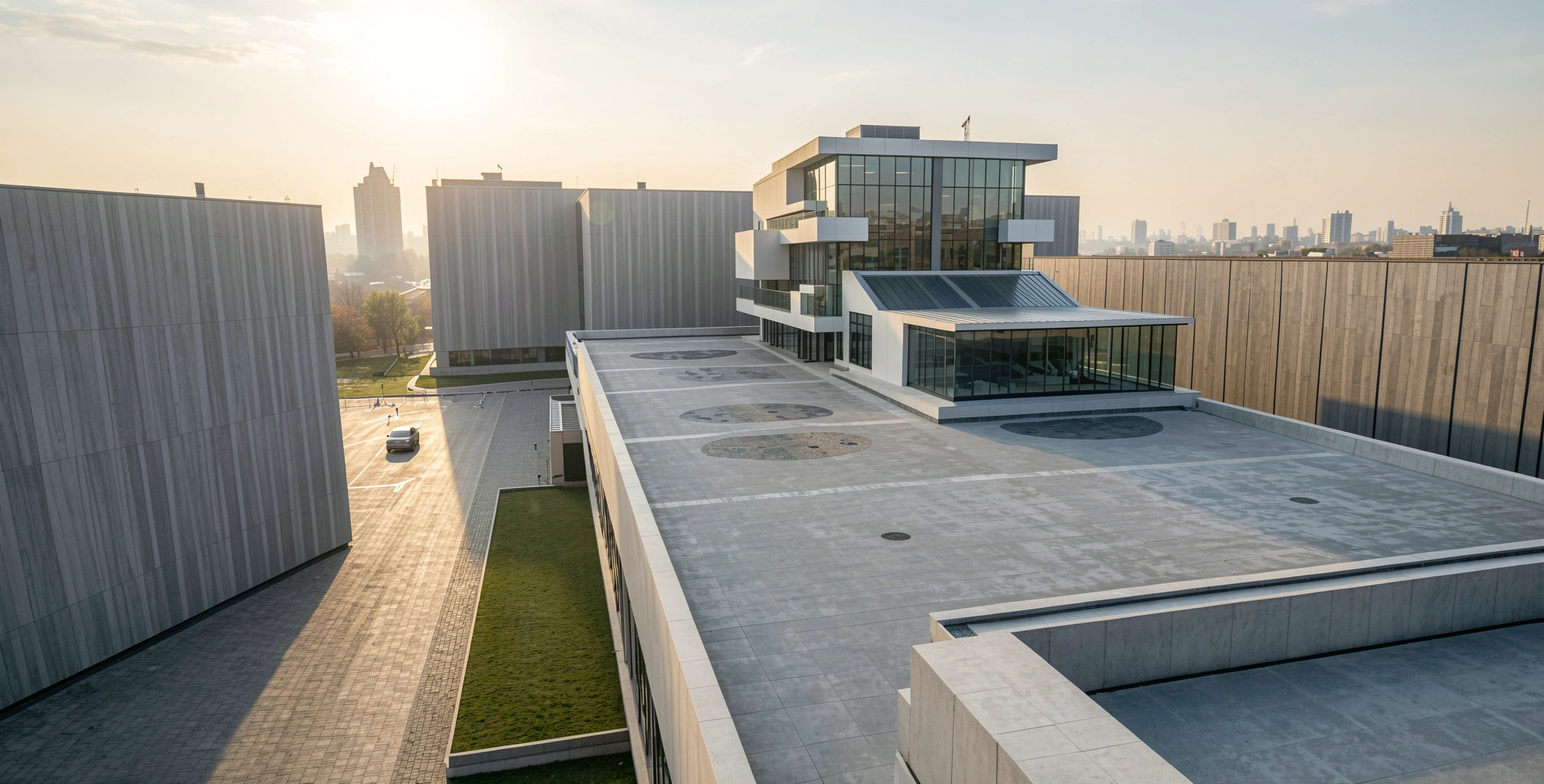
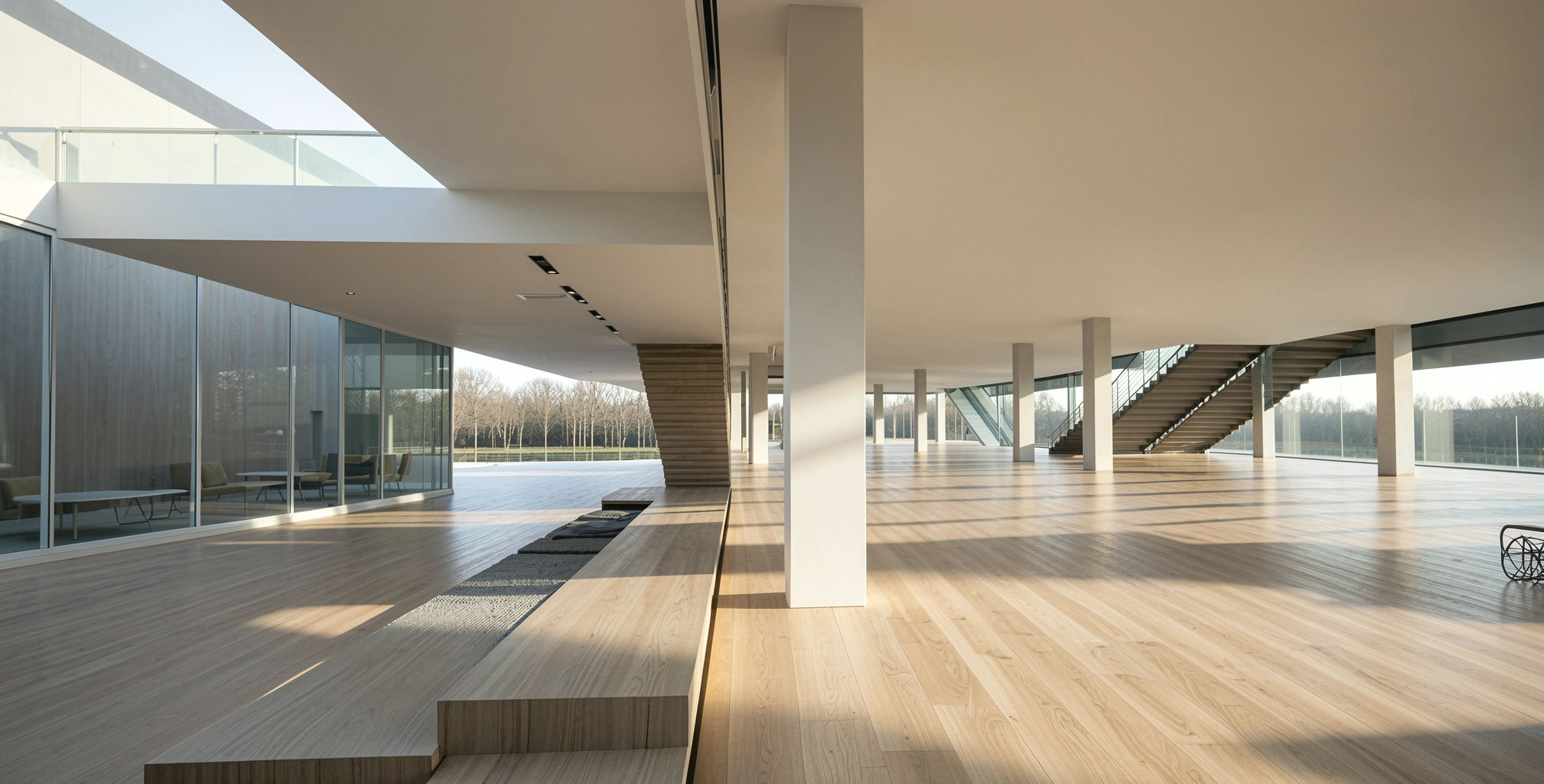
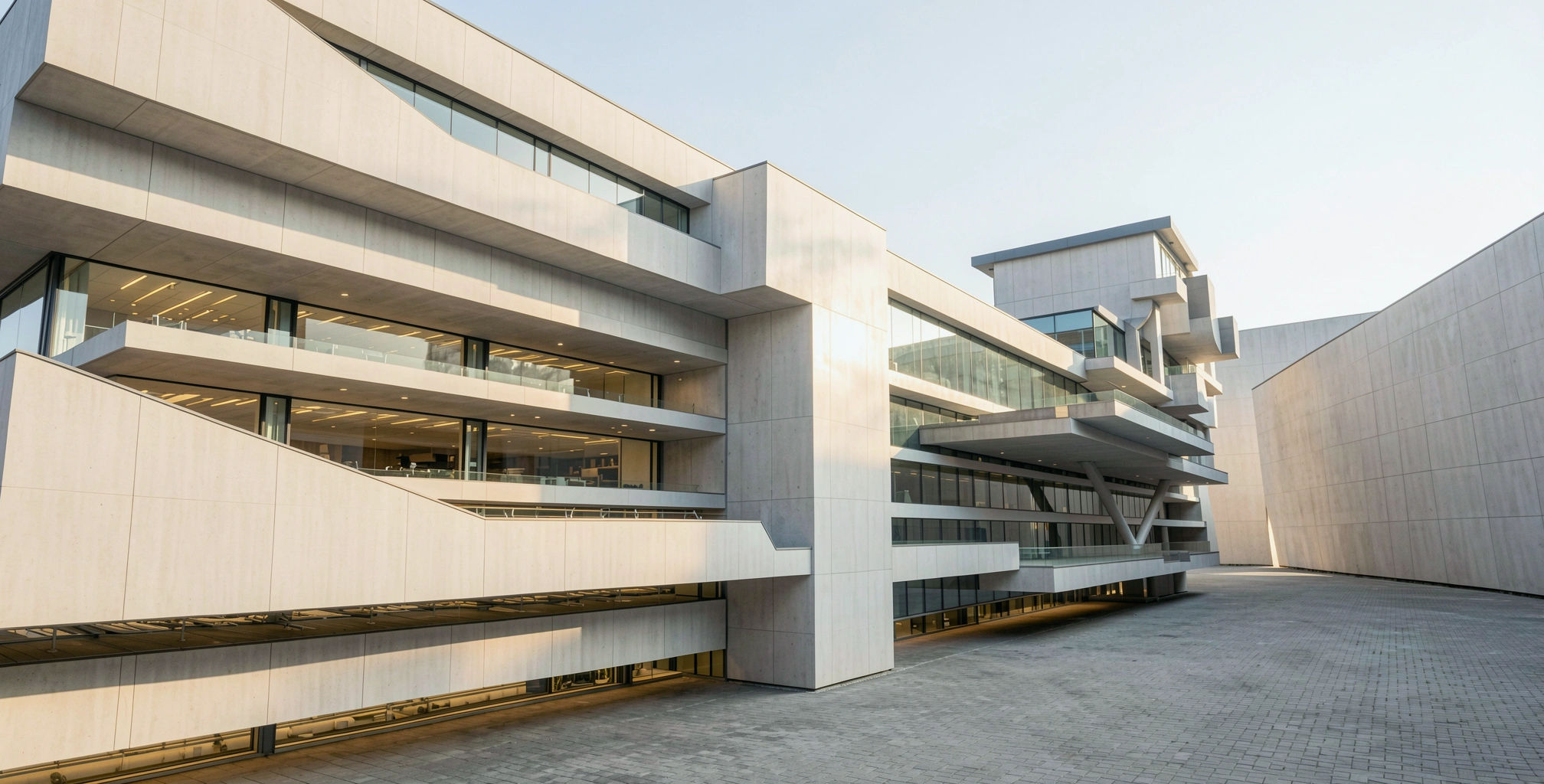
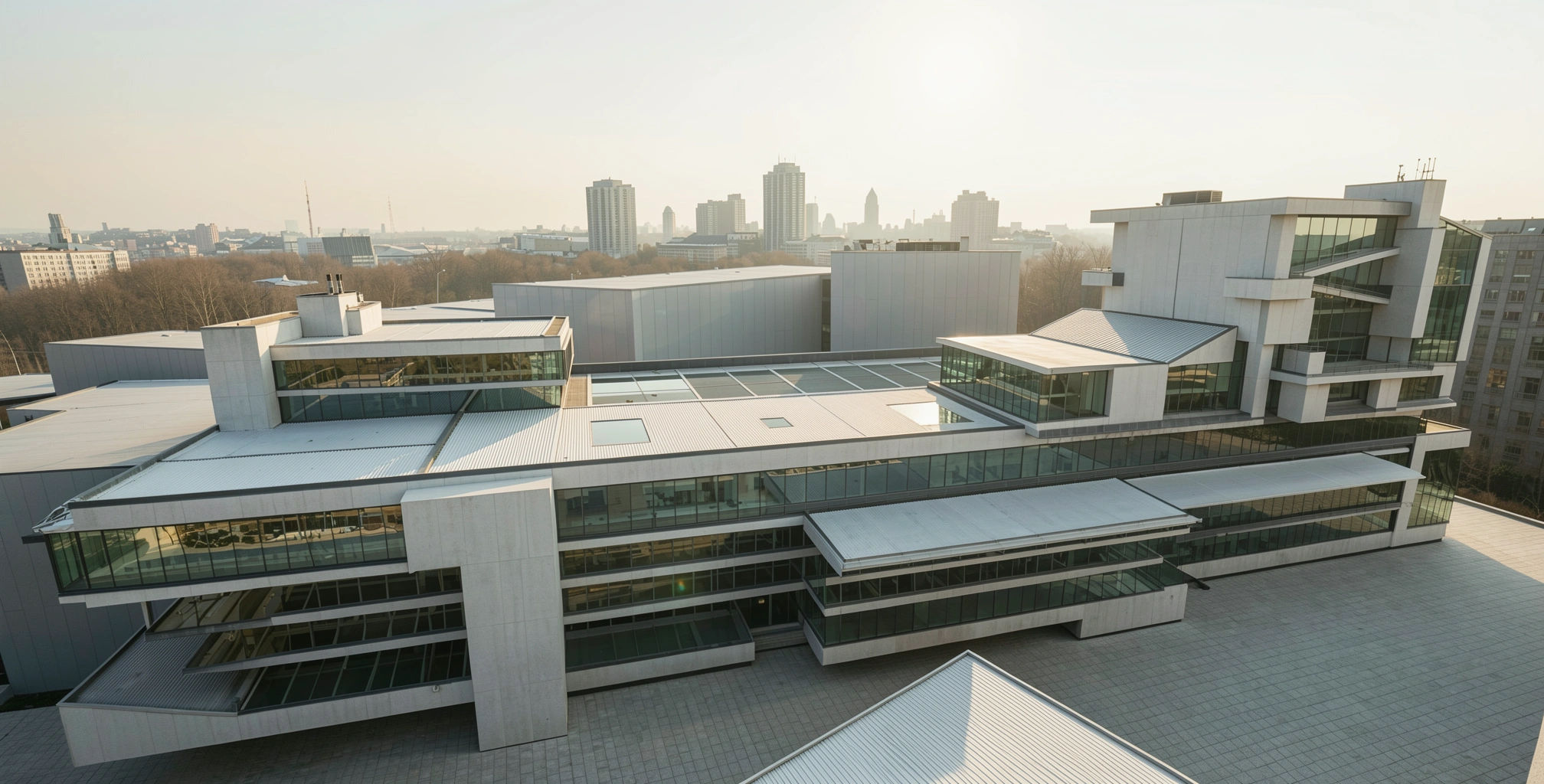
This project explores how structural organisation can support flexible learning environments while contributing directly to environmental performance and architectural expression. Designed for a university sports science faculty, the building accommodates a diverse range of activities, including teaching spaces, laboratories, specialist learning environments, offices and sports-related facilities. The project responds to these varied requirements through a structural strategy that prioritises adaptability, spatial clarity and long-term flexibility.
A central challenge of the project is the provision of large, uninterrupted teaching and learning spaces capable of supporting changing educational practices over time. Conventional arrangements of internal columns and load-bearing walls would restrict future adaptation and limit the ability of spaces to accommodate evolving patterns of teaching, research and collaboration. The structural strategy therefore seeks to maximise freedom within the interior while maintaining a clear and efficient system of load transfer.
The primary structure is positioned at the perimeter of the building, establishing an external structural frame that supports floors and roof elements while providing lateral stability. By moving the principal structure outside the occupied spaces, the interior is released from structural interruption and can operate as a continuous and adaptable field of learning environments. Teaching spaces can be reconfigured, subdivided or combined without compromising the integrity of the structural system.
Floor loads are transferred through perimeter beams into the external frame and carried directly to the foundations. The same structural system provides resistance to lateral forces, eliminating the need for major internal stabilising elements. Structure therefore performs multiple roles simultaneously, supporting the building while also defining the organisational framework through which flexibility is achieved.
The depth of the external structure creates an intermediate zone between enclosure and occupation. This space accommodates façade systems, shading devices, ventilation openings and maintenance access while contributing to the environmental performance of the building. Rather than treating structure and environmental systems as separate disciplines, the project brings them together within a coordinated architectural framework.
Environmental moderation is achieved through the relationship between structure and enclosure. The external frame provides solar shading, reducing direct heat gain while allowing controlled daylight to enter teaching spaces. Ventilation openings are integrated within the structural order, allowing environmental systems to align with the same organisational logic that governs load transfer and spatial arrangement. The building envelope therefore emerges as part of a broader system in which structure, climate and occupation operate together.
Adaptability is further supported through the organisation of the building into a series of interconnected volumes capable of responding independently to changing requirements. Teaching spaces, research environments and support facilities can evolve over time without requiring fundamental changes to the primary structure. The building is therefore designed not only for its initial use but also for future patterns of learning, technology and occupation that cannot yet be fully anticipated.
The project demonstrates how a single structural strategy can address multiple architectural objectives simultaneously. The decision to externalise structure resolves issues of span, flexibility, environmental performance and spatial organisation through one coordinated system. Architectural form is not imposed independently of these requirements but emerges through their integration.
Expression arises directly from construction. The external frame reveals the way the building stands, shades, ventilates and organises itself. Structural order, environmental performance and spatial flexibility become visible aspects of the architecture, allowing the building to communicate its purpose through the logic of its assembly.
This project proposes an approach to educational architecture in which structure is more than a means of support. It becomes a framework for learning, adaptation and environmental performance, demonstrating how architectural quality can emerge through the coordinated development of structure, space and climate.