
Research & Development Building — Structure as a Framework for Change
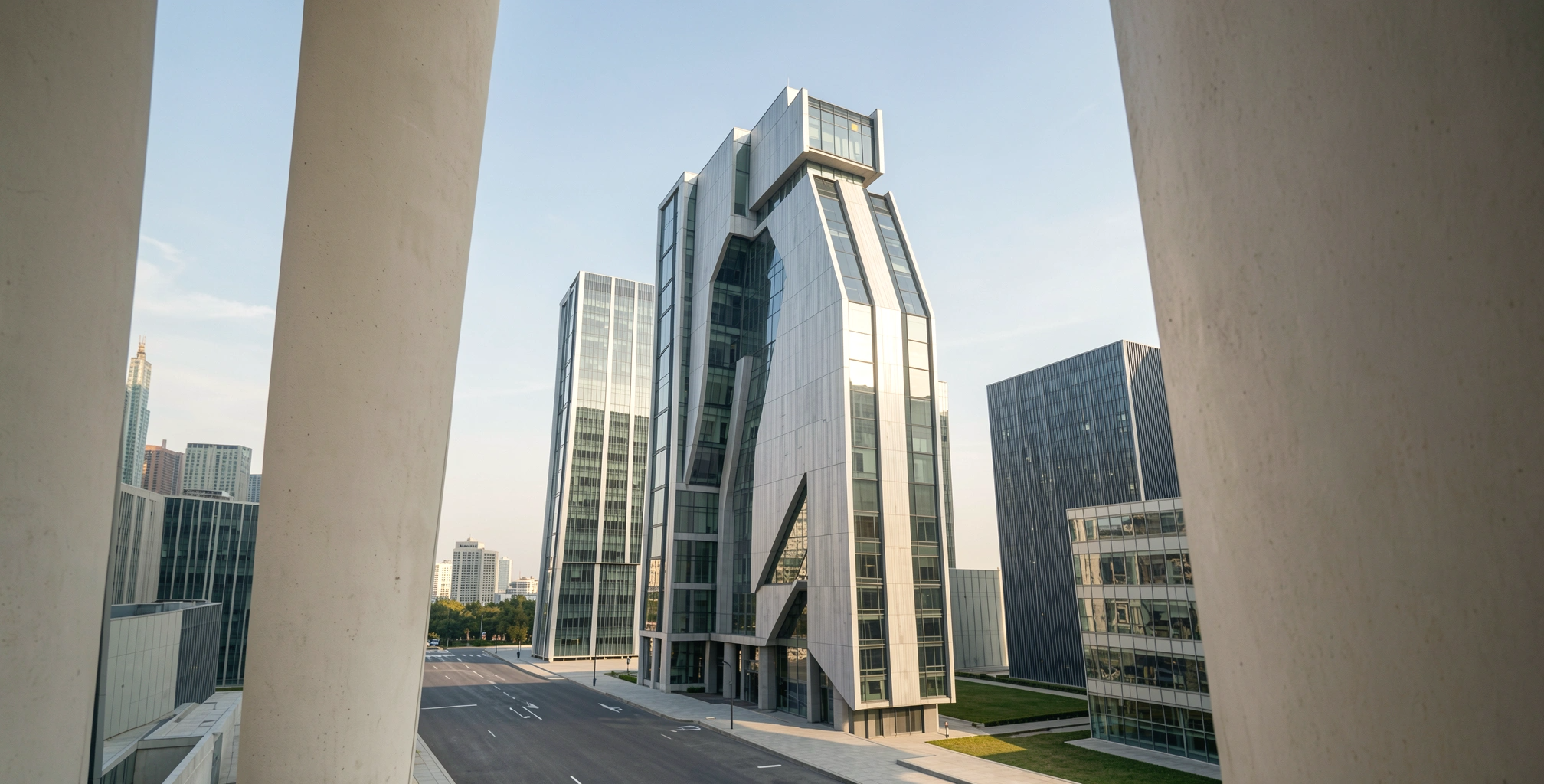
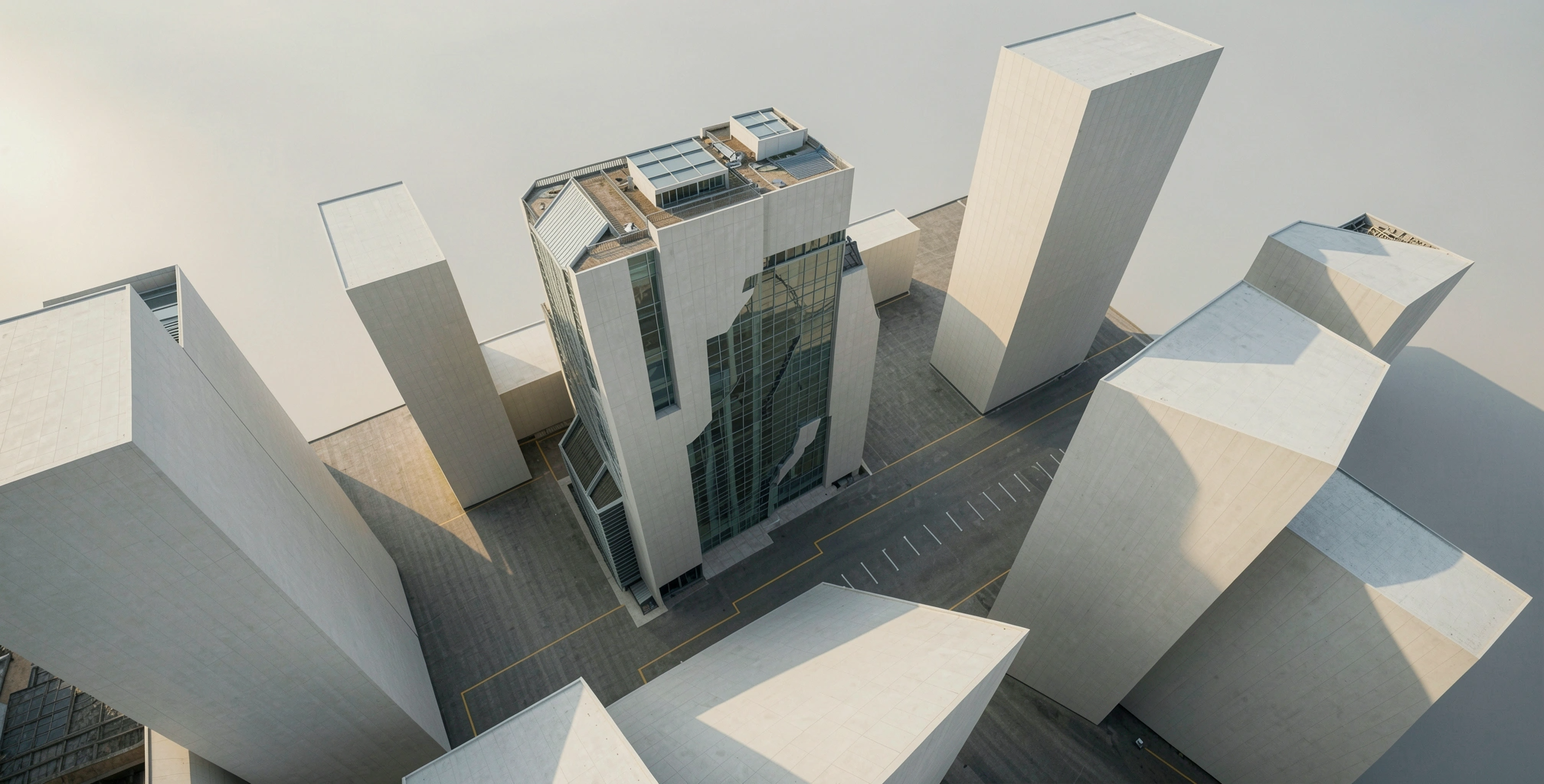
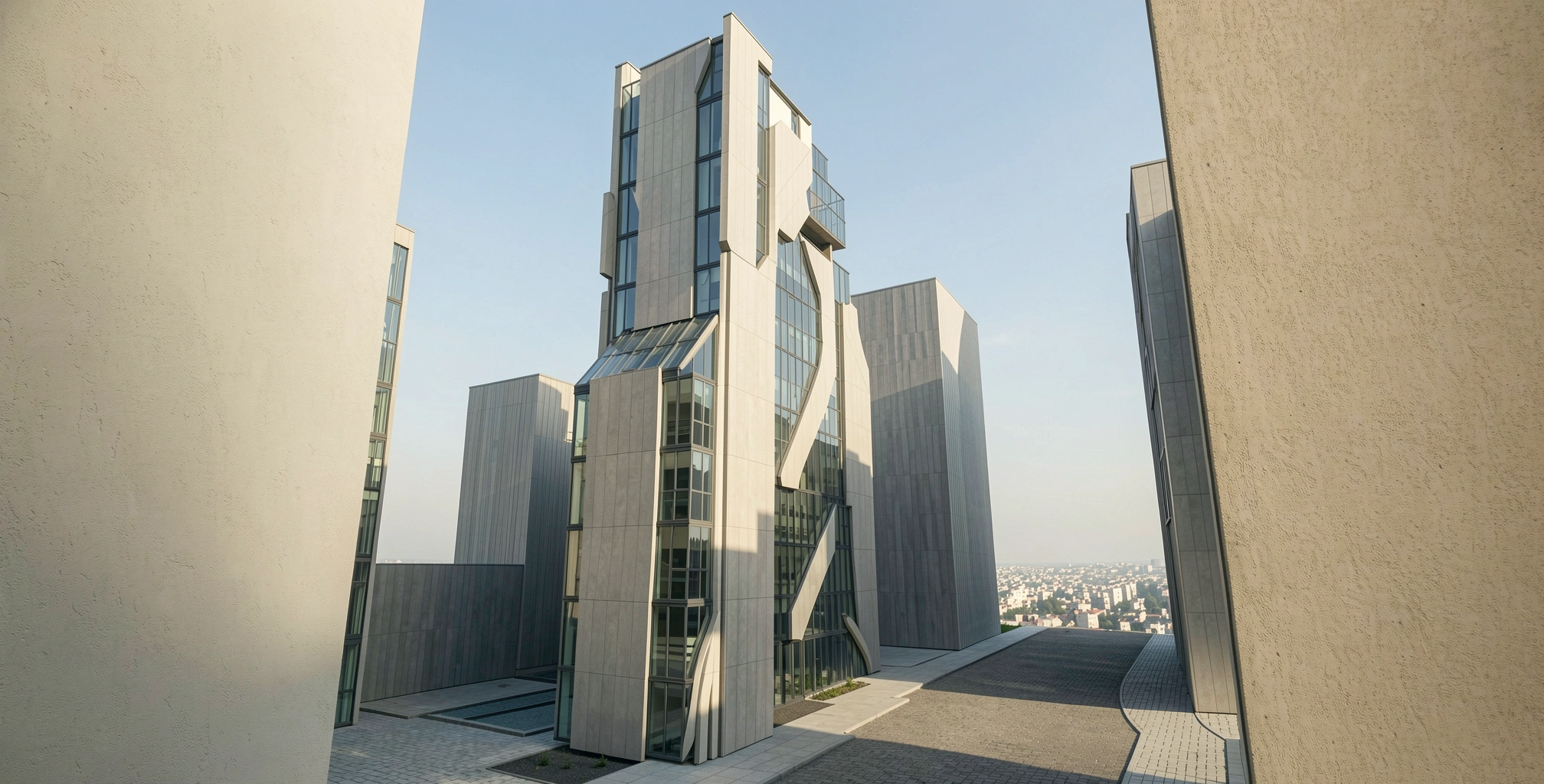
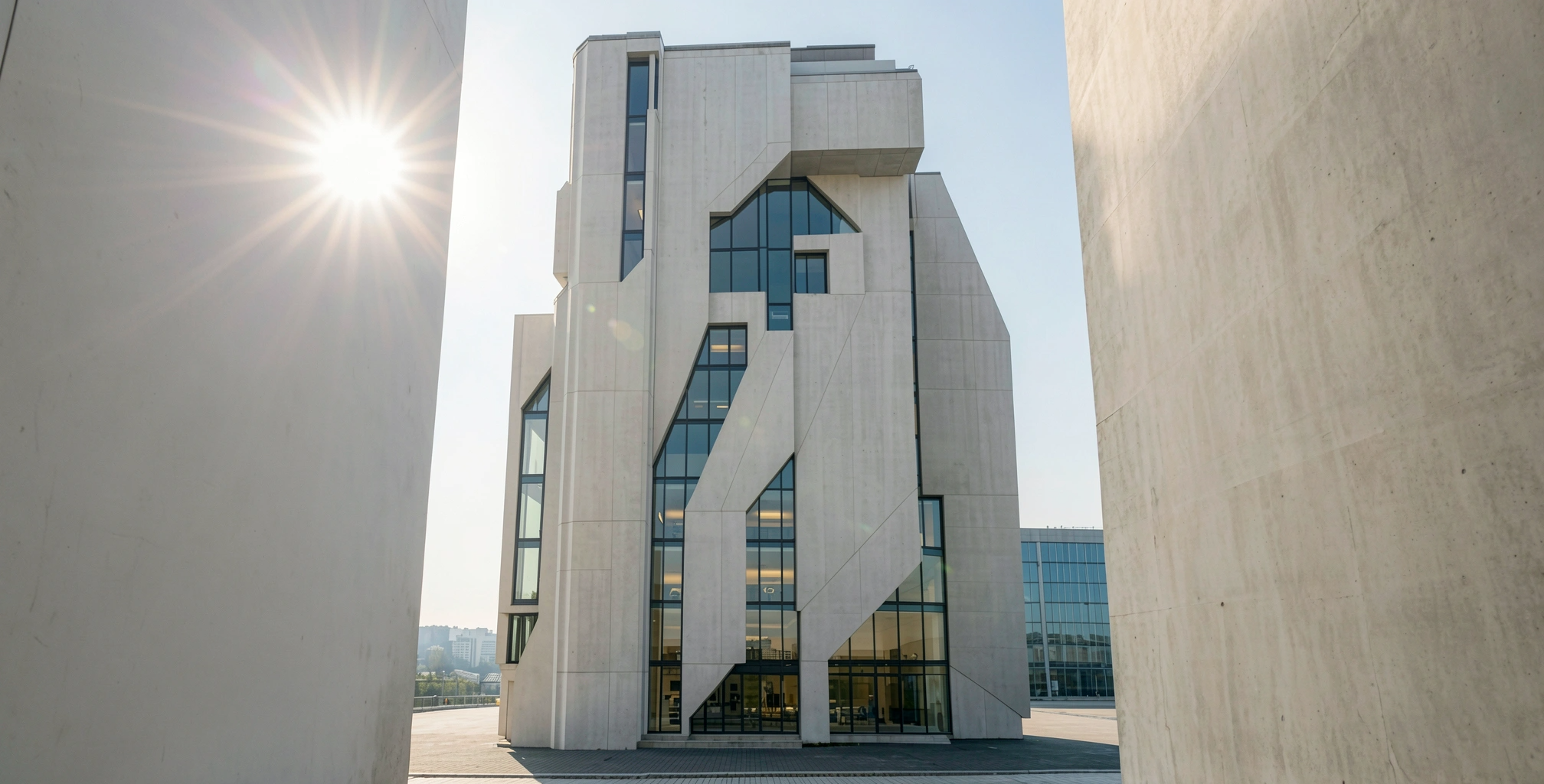
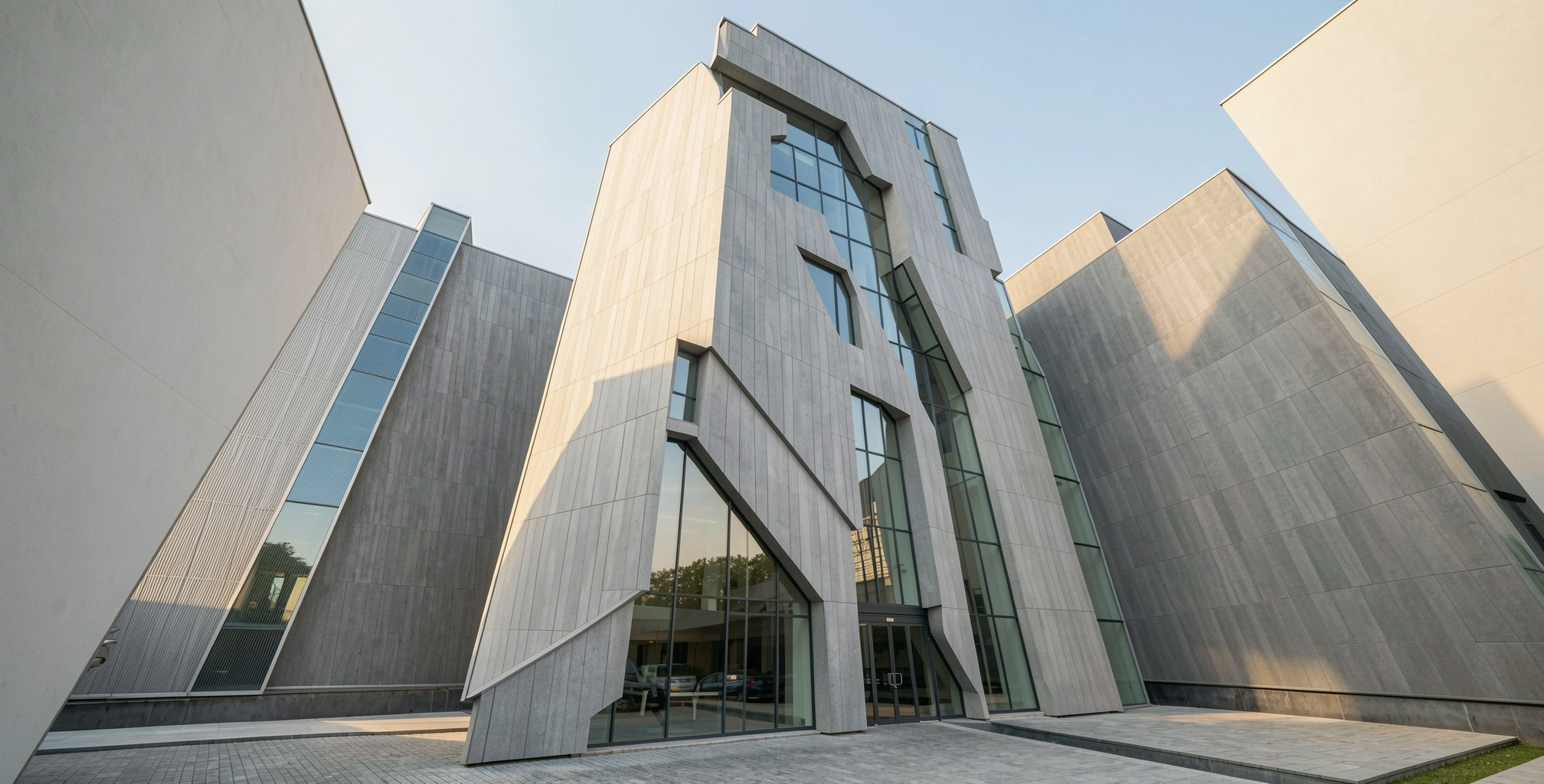
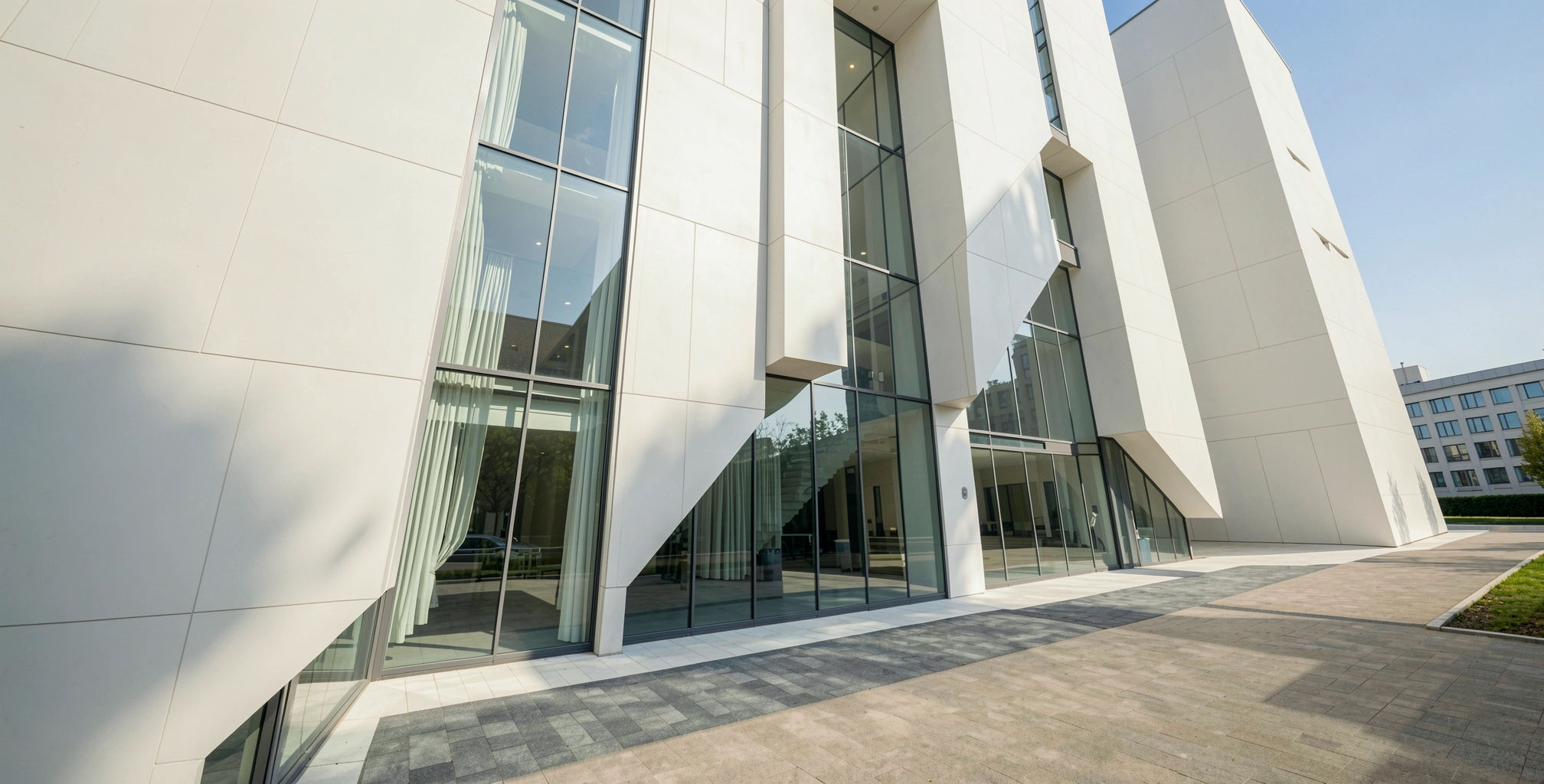
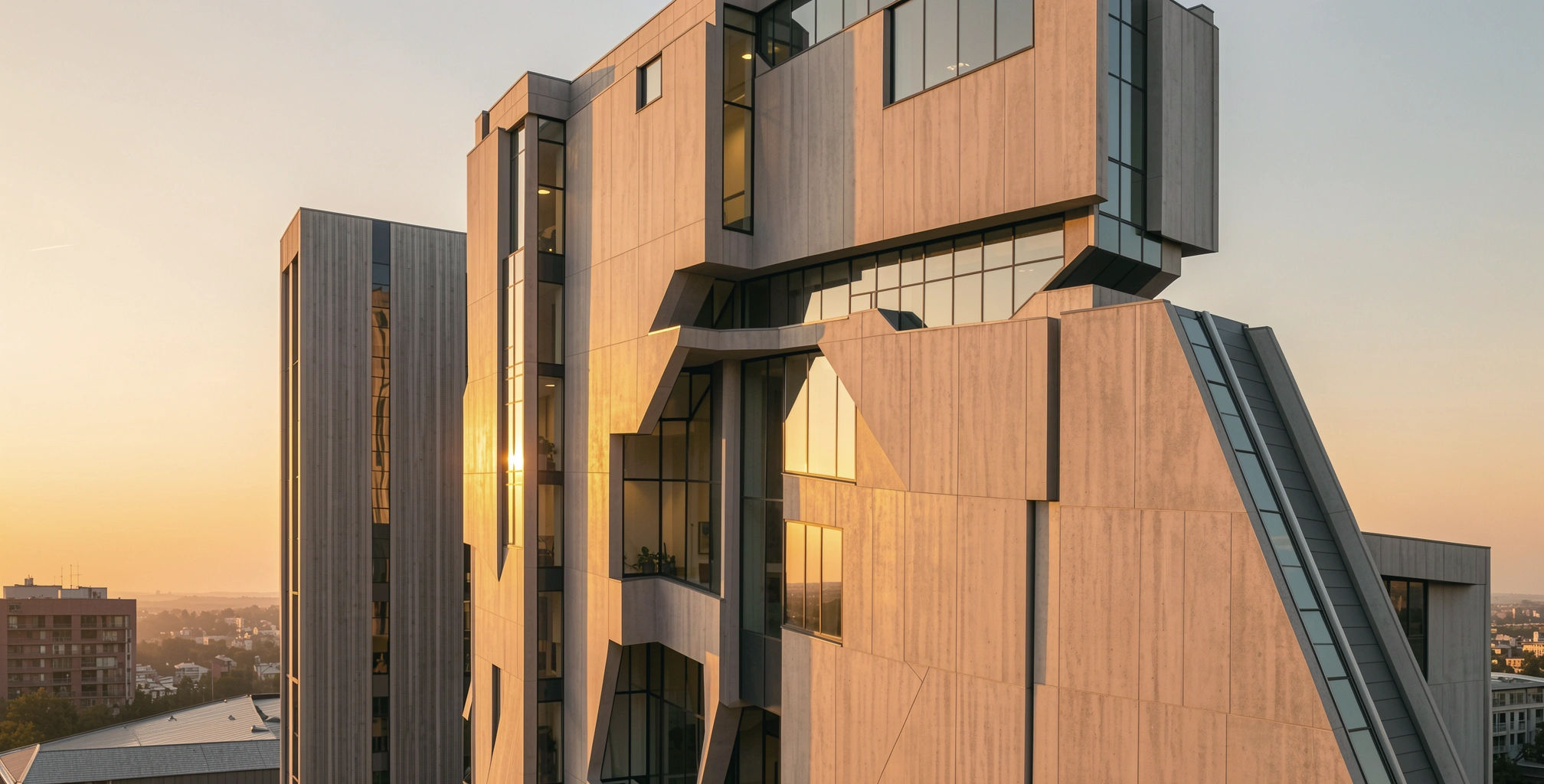
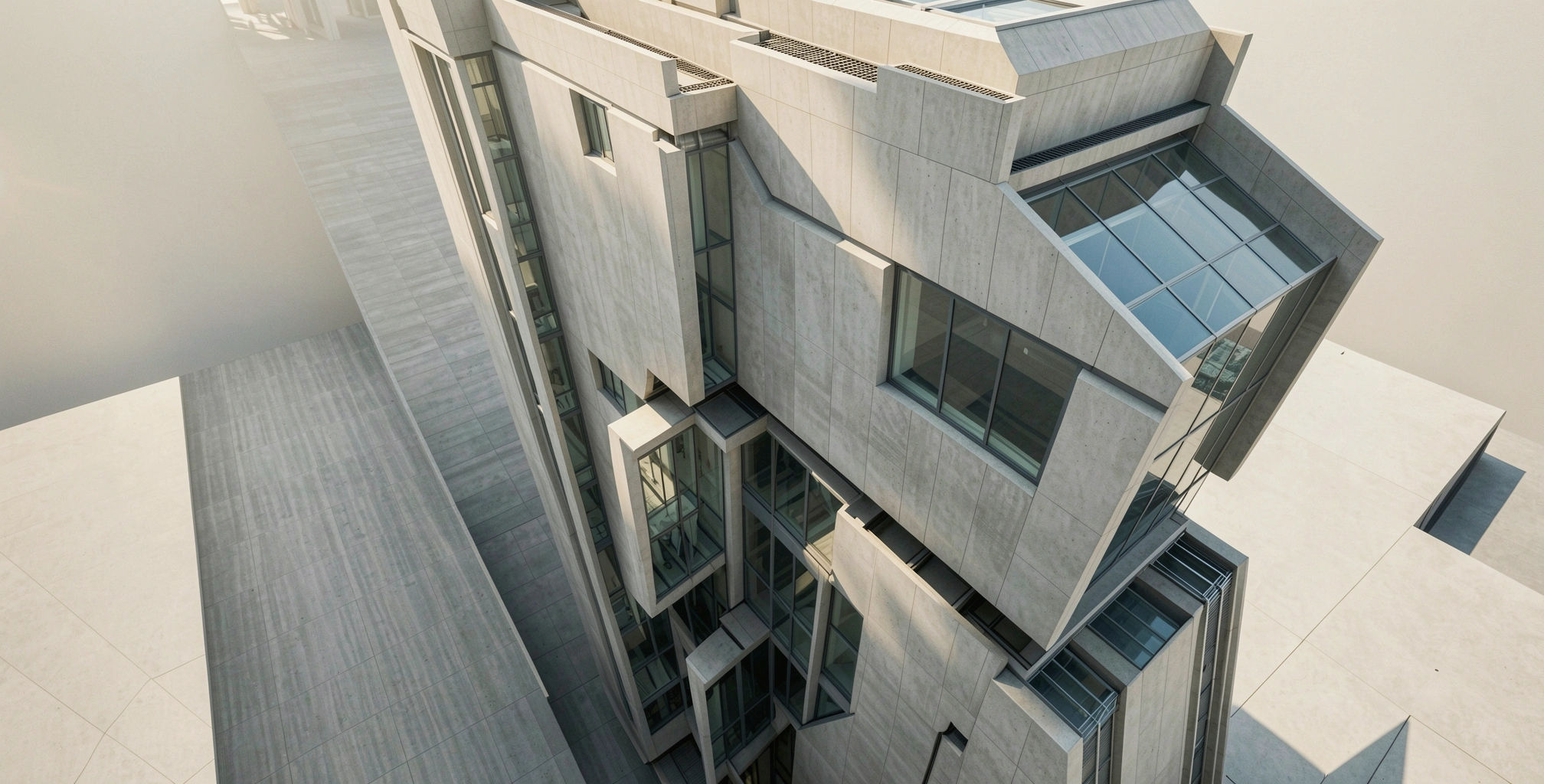
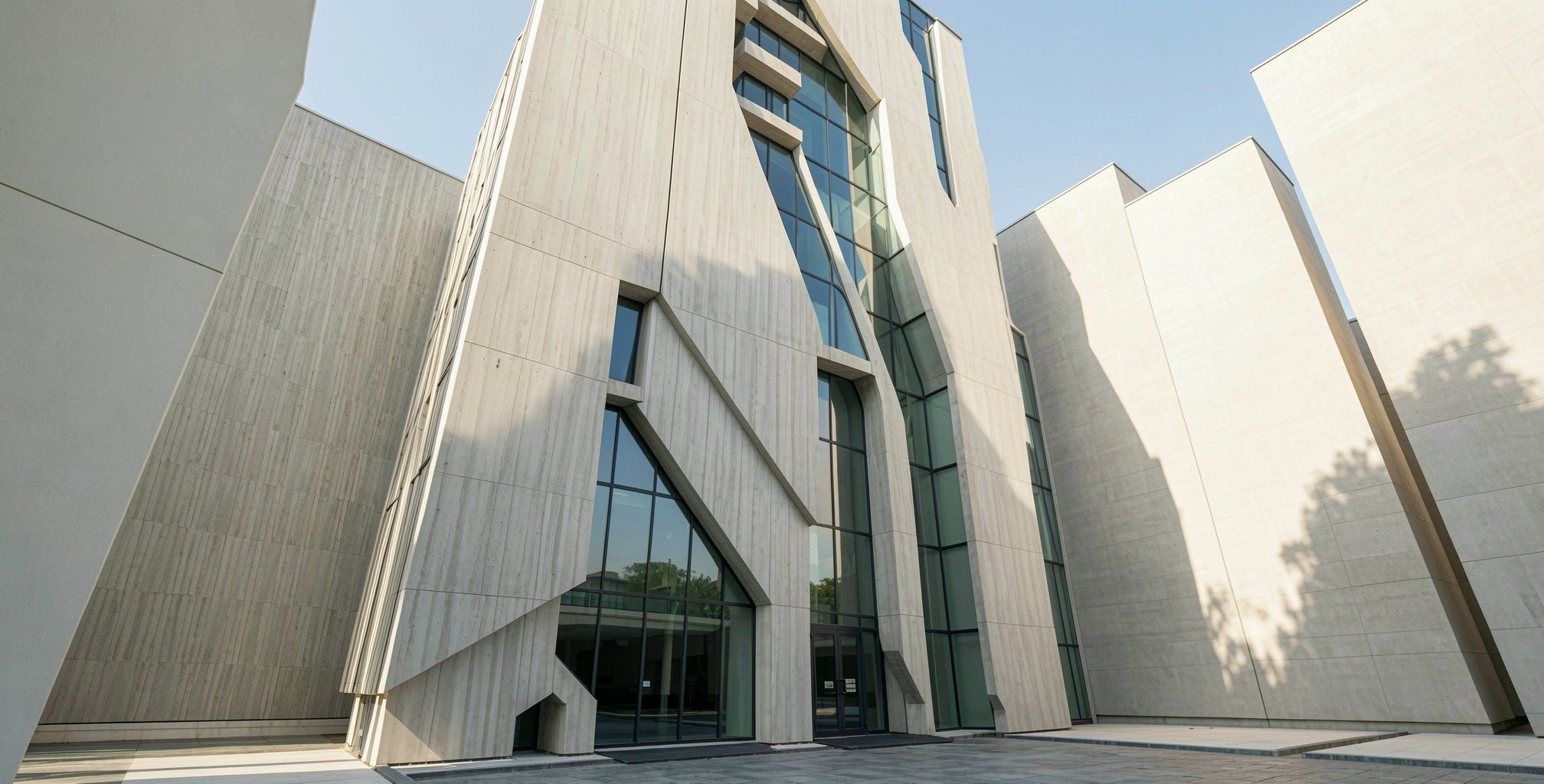
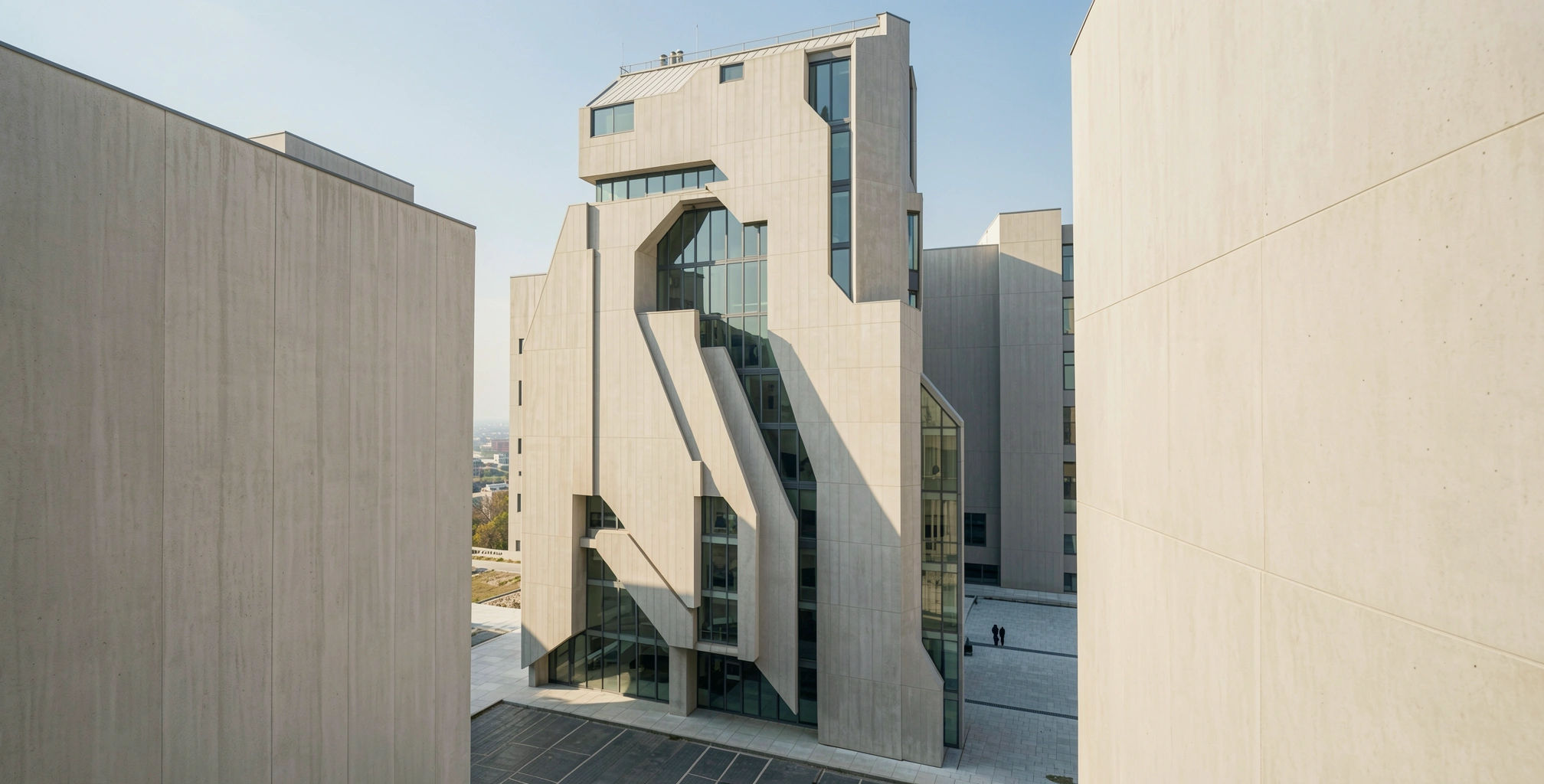
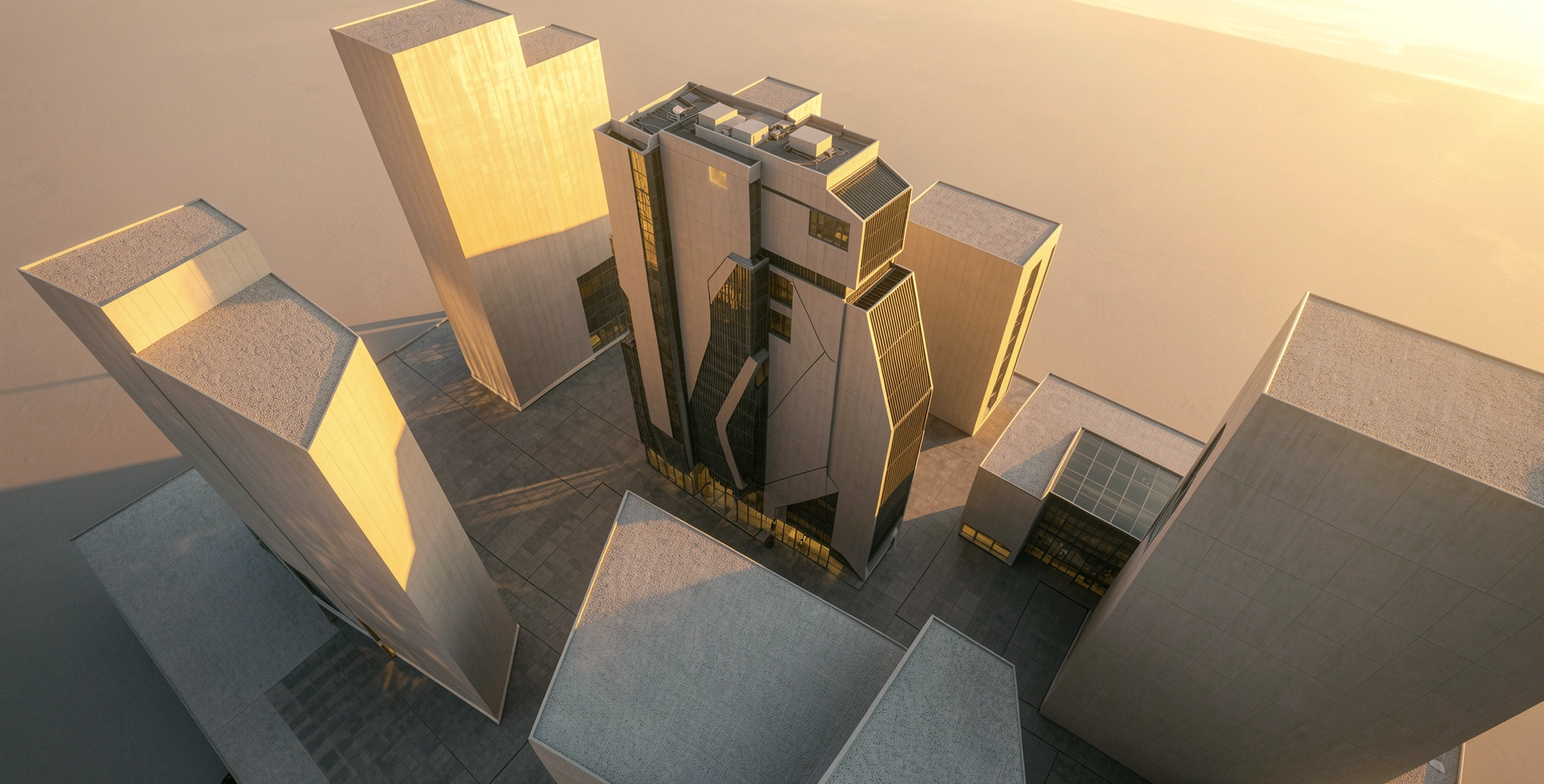
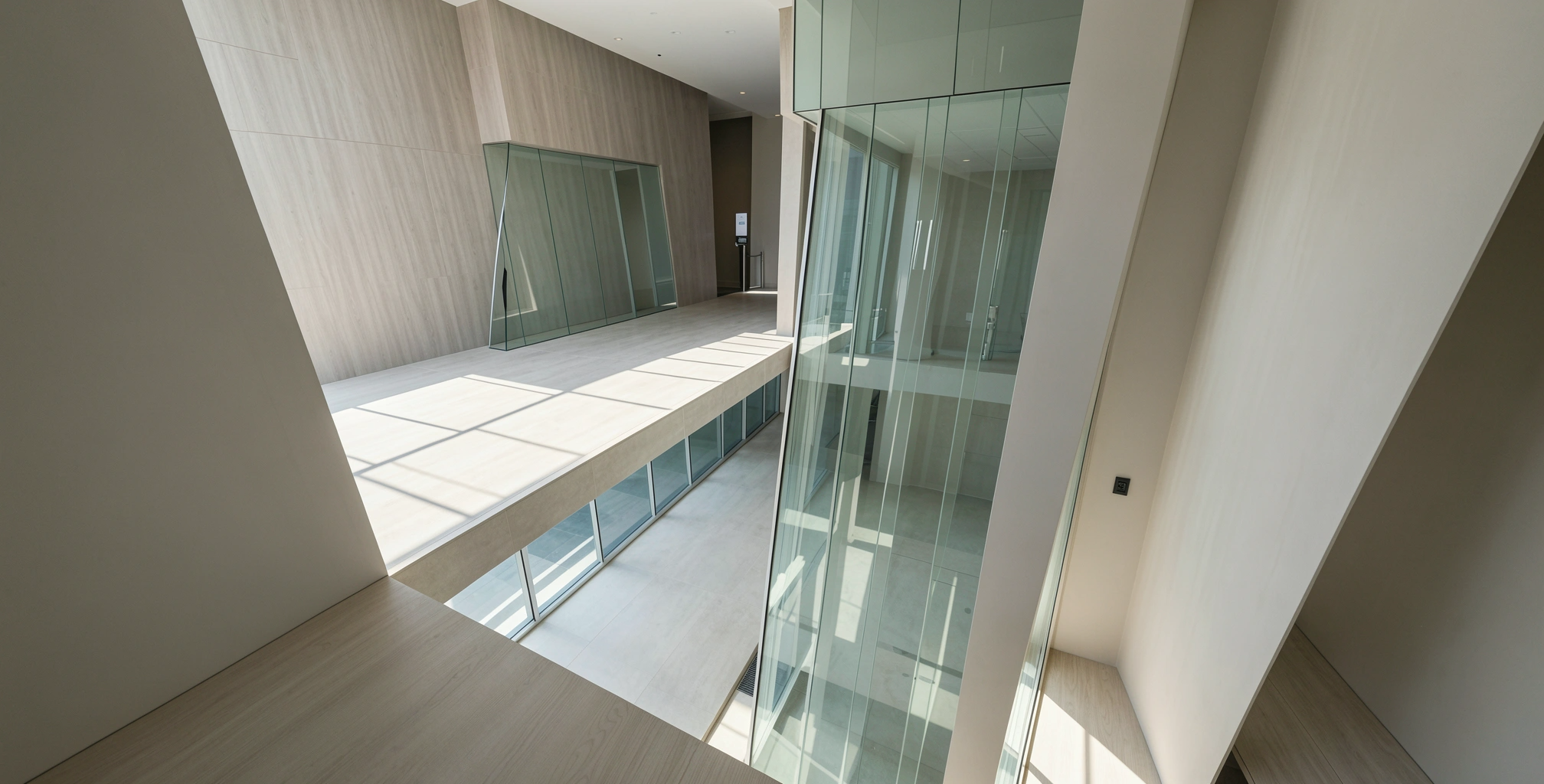
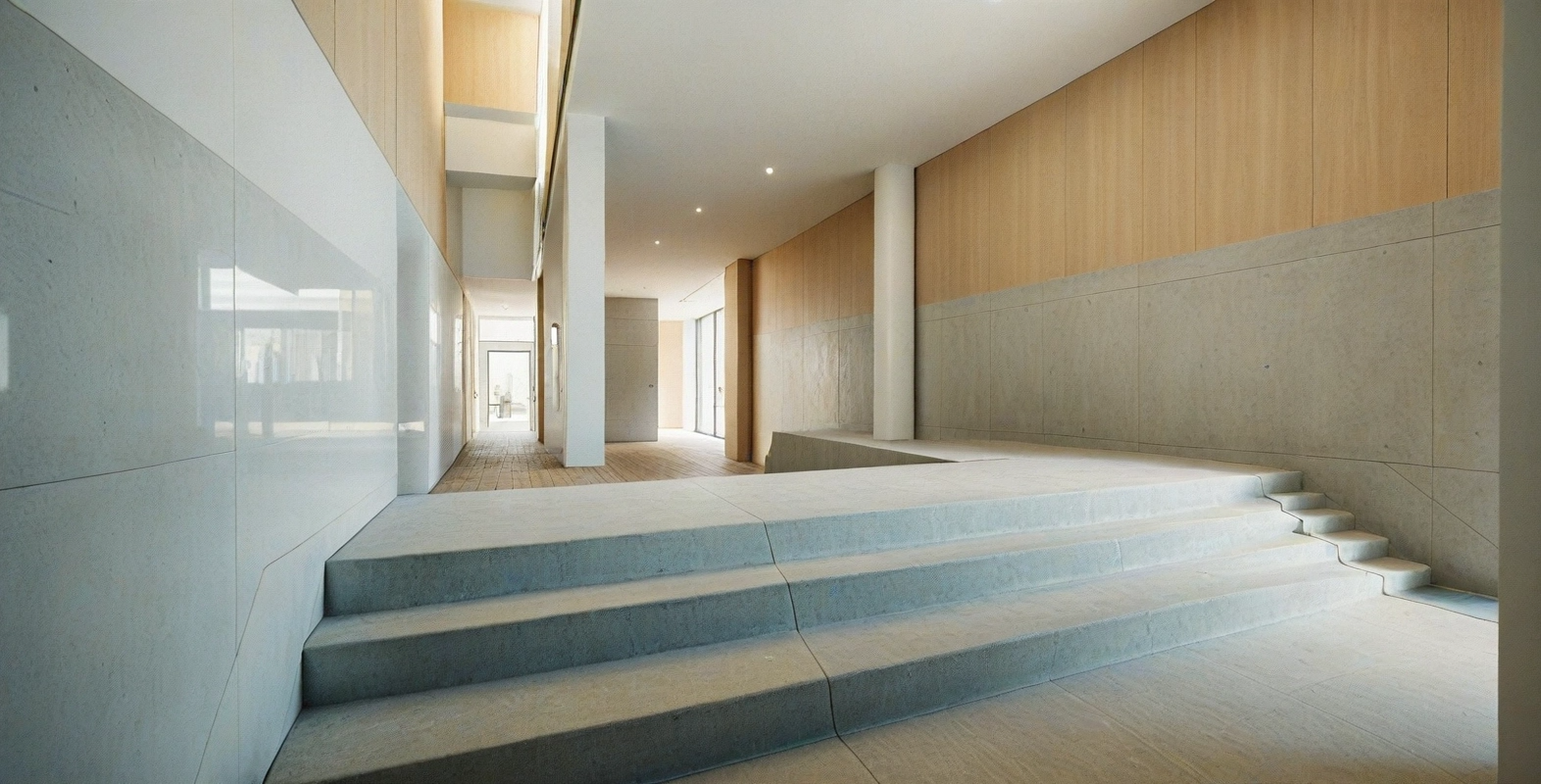
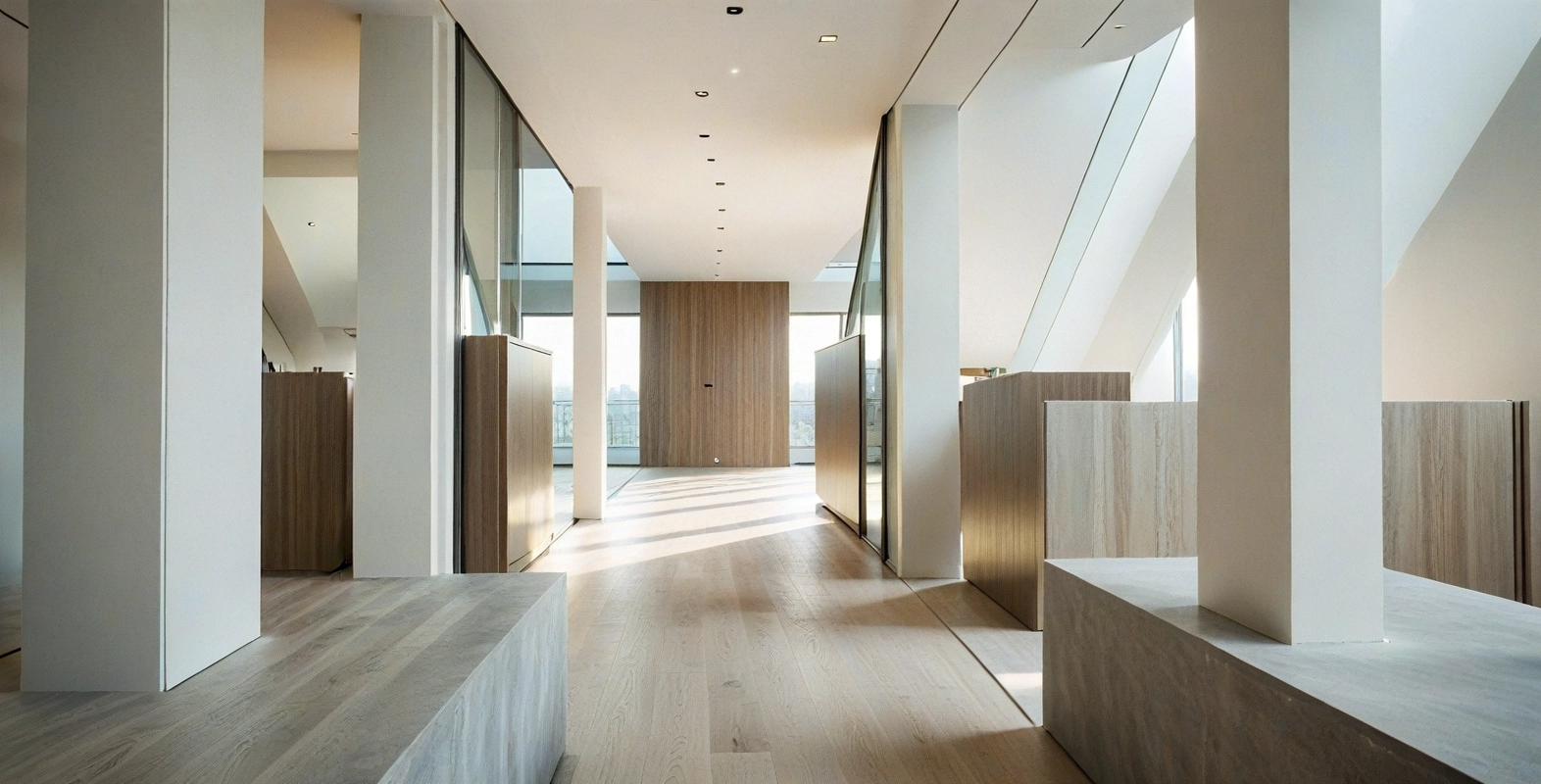
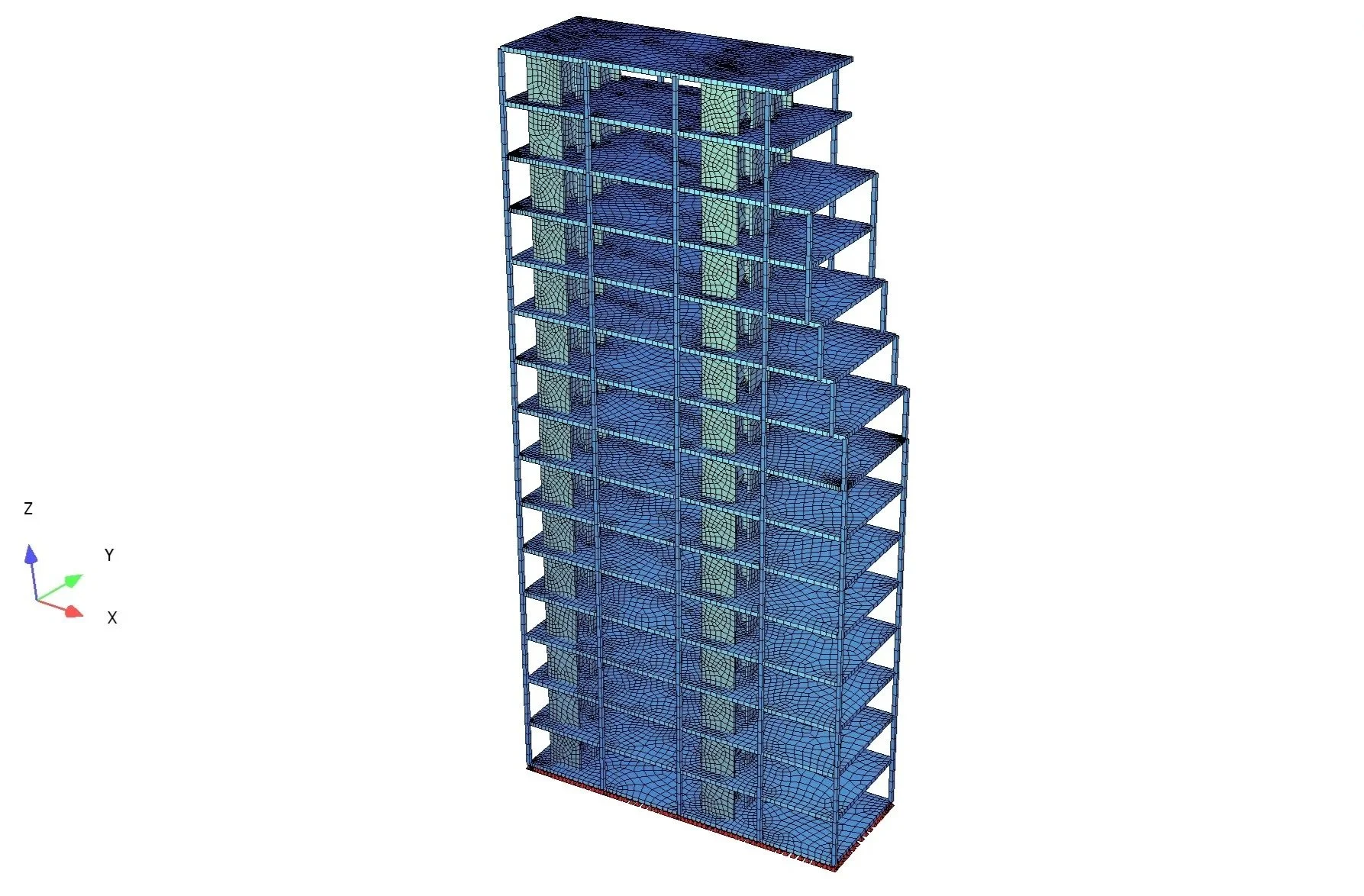
This project explores how architecture can support innovation by creating environments capable of adapting to changing technologies, research processes and patterns of collaboration. Designed as a vertically integrated research and development facility, the building brings together laboratories, prototyping spaces, offices and collaborative work environments within a single organisational framework. Rather than treating these activities as separate programmes, the project seeks to create a continuous relationship between research, experimentation and production.
At the heart of the design is the recognition that research environments are subject to continual change. Technologies evolve, methods of working develop and organisational structures adapt over time. The building is therefore conceived not as a fixed arrangement of spaces but as a framework capable of accommodating future transformation without requiring fundamental alteration to its primary structure.
The structural system establishes this framework through a regular and adaptable organisational order. A clear structural grid provides long-term flexibility, allowing spaces to be reconfigured as requirements evolve. Laboratories may expand, prototyping facilities may be re-equipped and office environments may be reorganised while the underlying structural framework remains constant. Structure therefore acts as a stable platform upon which changing patterns of occupation can occur.
A key aspect of the project is the separation of primary and secondary systems. The main structural framework provides support, stability and spatial order, while internal modules, partitions and specialist facilities can evolve independently. This layered approach allows different parts of the building to respond to change at different rates. The architecture acknowledges that structure, services, enclosure and occupation each operate over different timescales and should therefore be capable of adaptation without requiring wholesale replacement.
The building accommodates a range of activities that require different spatial conditions. Open prototyping spaces support experimentation, fabrication and testing, while more enclosed environments provide settings for focused research and office-based work. Rather than isolating these activities, the project brings them together within a shared organisational system that encourages interaction and knowledge exchange. Researchers, designers, engineers and technicians remain visually and physically connected through a network of shared circulation and collaborative spaces.
Material systems are selected to support this strategy of flexibility and adaptation. Structural elements are dimensioned to provide generous spans and robust load-bearing capacity, allowing future reconfiguration without compromising performance. Connections between systems are designed to accommodate adjustment, replacement and extension as technologies develop. The building therefore supports change not through redundancy but through coordinated adaptability.
Environmental performance is integrated within this organisational framework. The separation of structure and enclosure allows the façade to respond independently to environmental requirements while maintaining the stability of the primary frame. Daylight, shading, ventilation and thermal control are coordinated through the building envelope, enabling environmental systems to evolve as performance standards and technologies change. Environmental responsiveness is therefore embedded within the architecture rather than added as a separate layer of technical equipment.
The building's organisation also reflects its position between industrial production and knowledge-based research. Spaces for making and spaces for thinking are brought together within a single architectural environment. Prototyping facilities, workshops, laboratories and offices operate as interconnected parts of a continuous process of innovation. The architecture supports the movement of ideas into physical form while encouraging collaboration across disciplines.
Architectural expression emerges from this relationship between stability and change. The structural framework provides a legible and enduring order, while the activities it accommodates remain capable of continual evolution. The building communicates not a fixed image but a capacity for adaptation. Its identity is defined by the relationship between permanent structure and changing occupation.
This project demonstrates how architecture can support innovation by embracing uncertainty rather than resisting it. Through the coordinated development of structure, space, environment and occupation, the building becomes a framework for research, experimentation and technological advancement. Architecture emerges not as a static object but as an adaptable system capable of supporting change over time.