Theoretical Basis of an Environmental Strategy for a Research and Development Facility
Log in to Modern Construction Online for project case study
A zoning-based approach
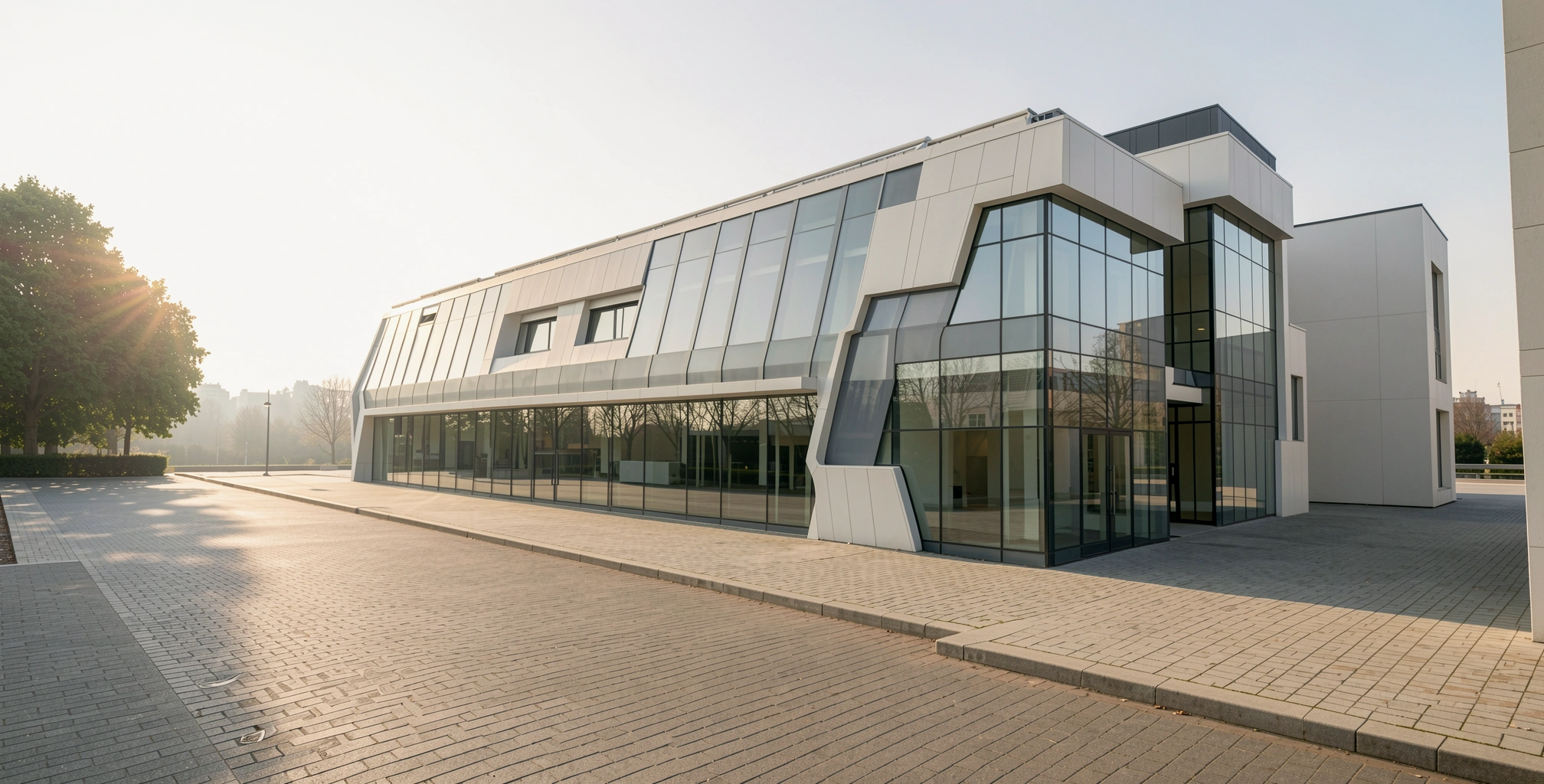
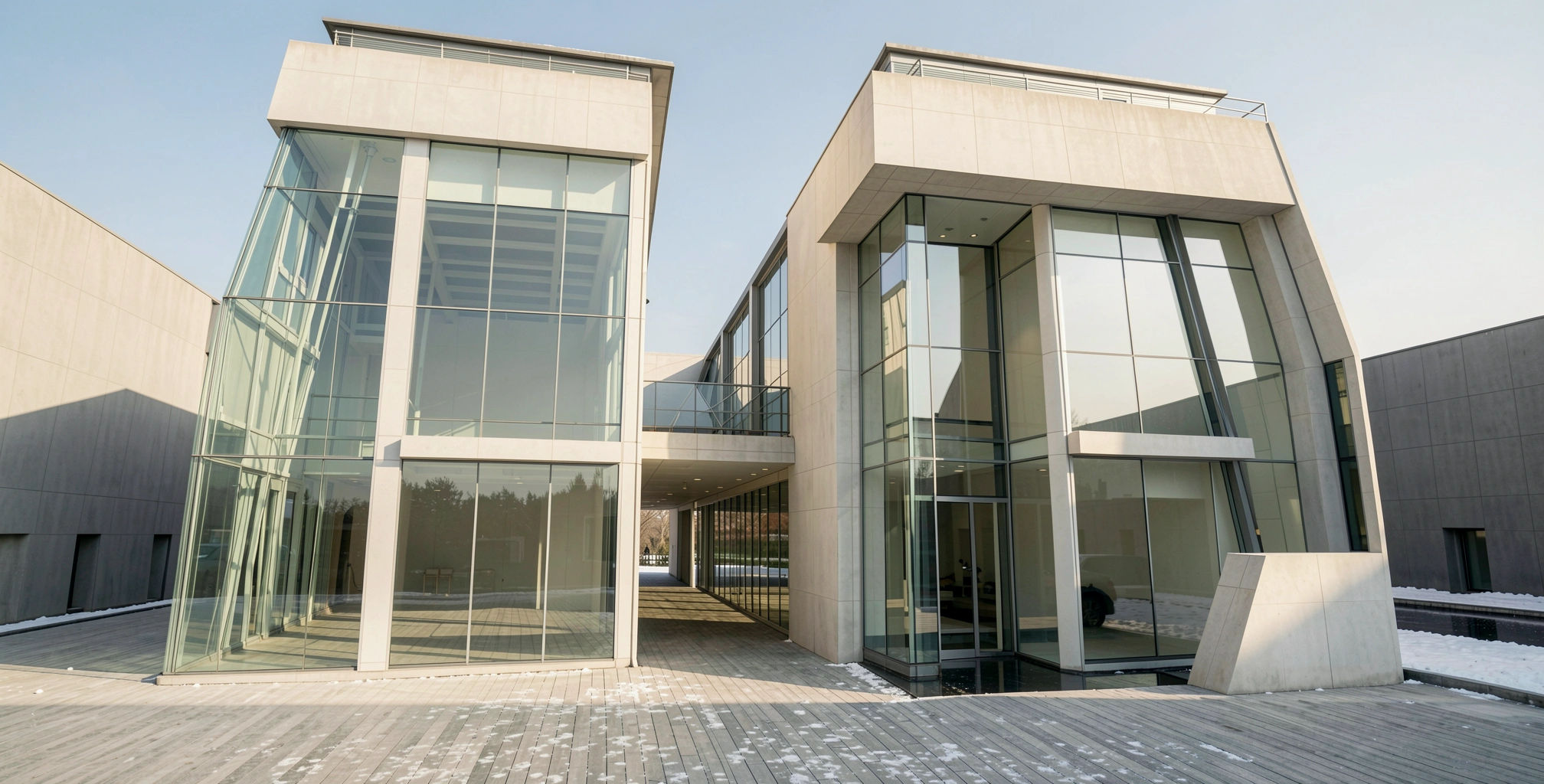
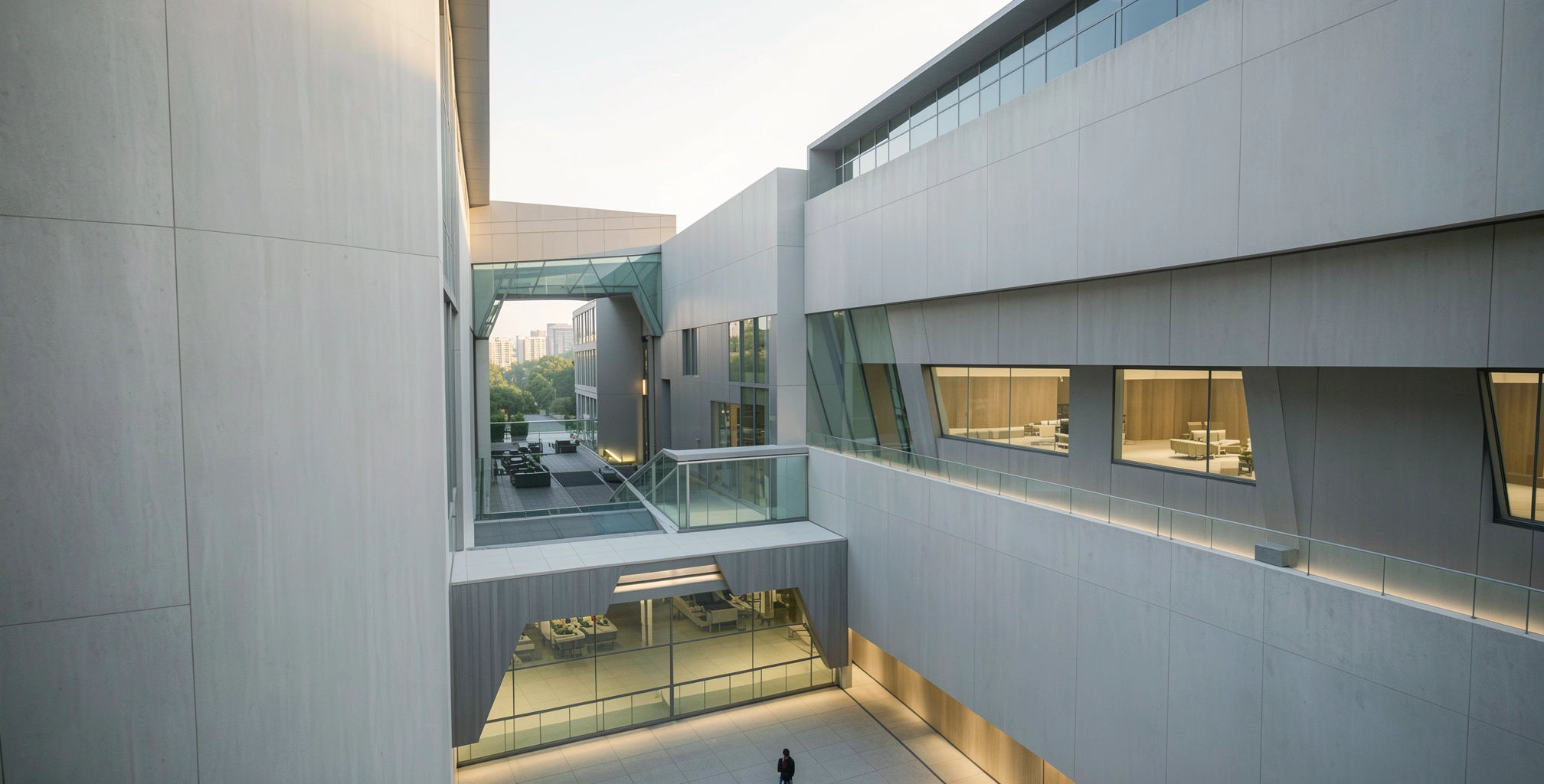
The environmental design strategy of this research and development facility is underpinned by a zoning-based approach that enables tailored thermal and ventilation responses across a diverse set of spaces—garages, fabrication workshops, testing laboratories, and design studios. Located in a temperate climate, the building uses both passive and active systems to maintain thermal comfort, improve energy efficiency, and enhance operational flexibility. Key design strategies include heat recovery, zonal separation, top-down access with rooftop servicing, and a combination of natural and mechanical ventilation.
Reuse of Internal Heat Gains: A Closed-Loop Thermal Ecosystem
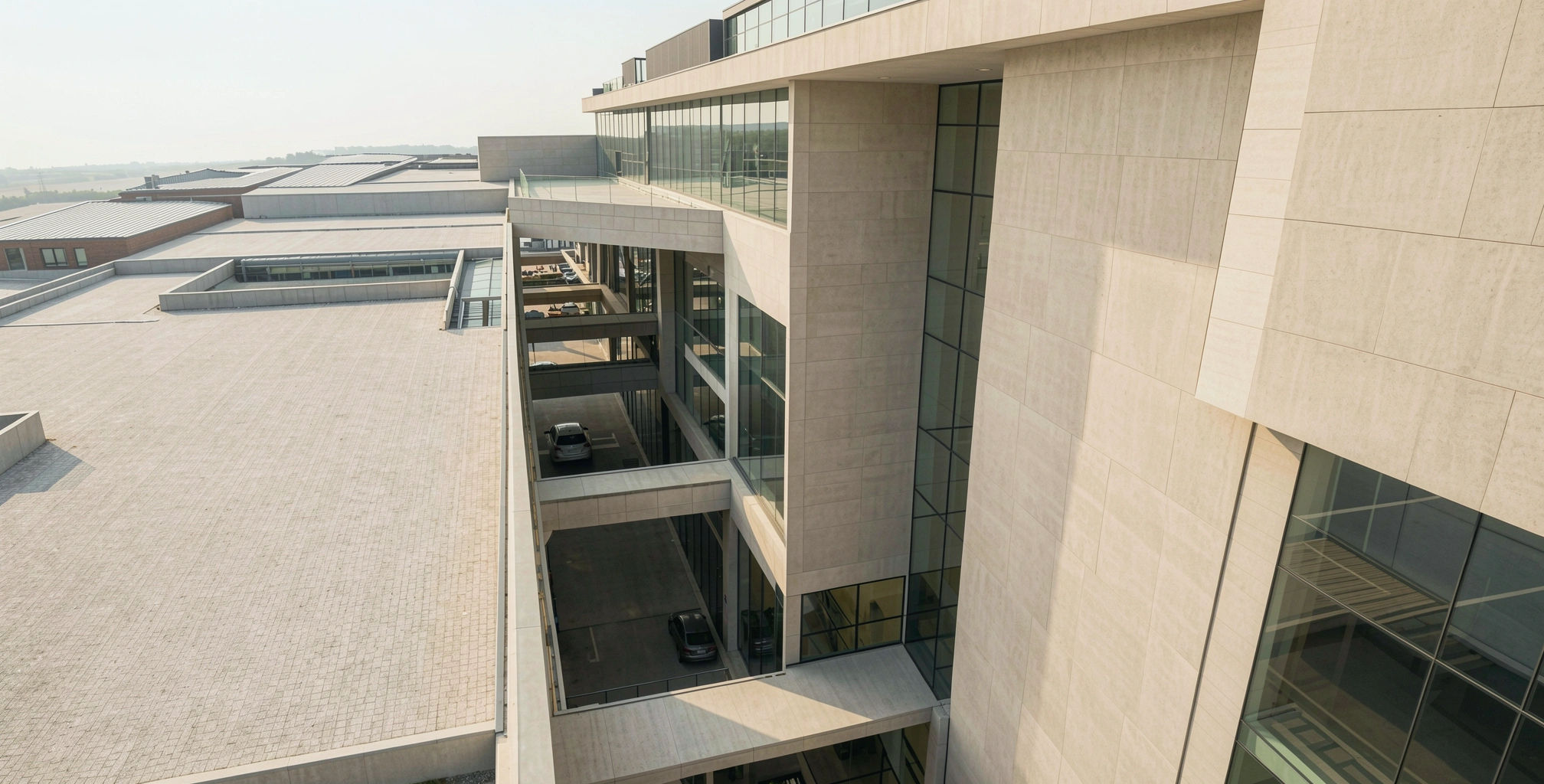
At the core of the environmental strategy is a closed-loop thermal recovery system where excess heat generated in the fabrication workshop is recycled via heat exchangers to warm garage spaces below. This is particularly significant because garage doors are often open, exposing the space to outdoor conditions. By rerouting excess thermal energy, the design reduces reliance on conventional heating and cooling systems and optimises internal energy use (Hyde, 2000; Givoni, 1998). This approach reflects the principles of low-exergy design, in which waste heat is captured and reused at appropriate thermal grades, rather than dissipated (Schmidt, 2004). It also aligns with energy cascading strategies, where energy is sequentially reused in spaces with lower performance thresholds, reducing overall energy demand (Lechner, 2015; CIBSE, 2015).
Environmental Zoning for Climatic Responsiveness and Operational Efficiency
The facility is organised into four discrete environmental zones: garages, fabrication workshops, mechanical testing laboratories, and the design studio. This zoning strategy allows each space to be serviced and conditioned independently based on functional and environmental needs—a crucial feature in mixed-use industrial buildings where occupancy, thermal loads, and air quality requirements vary widely (Clements-Croome, 2004; Szokolay, 2008). Garages operate at lower temperature thresholds and benefit from proximity to heat recovery systems. Fabrication workshops are inwardly focused, with controlled lighting and reduced daylight exposure—minimising glare and optimising energy use for high-precision manufacturing. Mechanical testing laboratories require tight thermal and humidity control, often with greater ventilation rates to manage emissions and dust. Design studios, by contrast, benefit from high levels of daylight and natural ventilation, providing a healthier, more stimulating work environment (Steemers, 2003; WHO, 2010). This zoned layout not only enhances comfort and air quality but also enables scalable environmental control systems that can adapt to evolving space usage patterns.
Rooftop Servicing: Accessibility and Environmental Performance
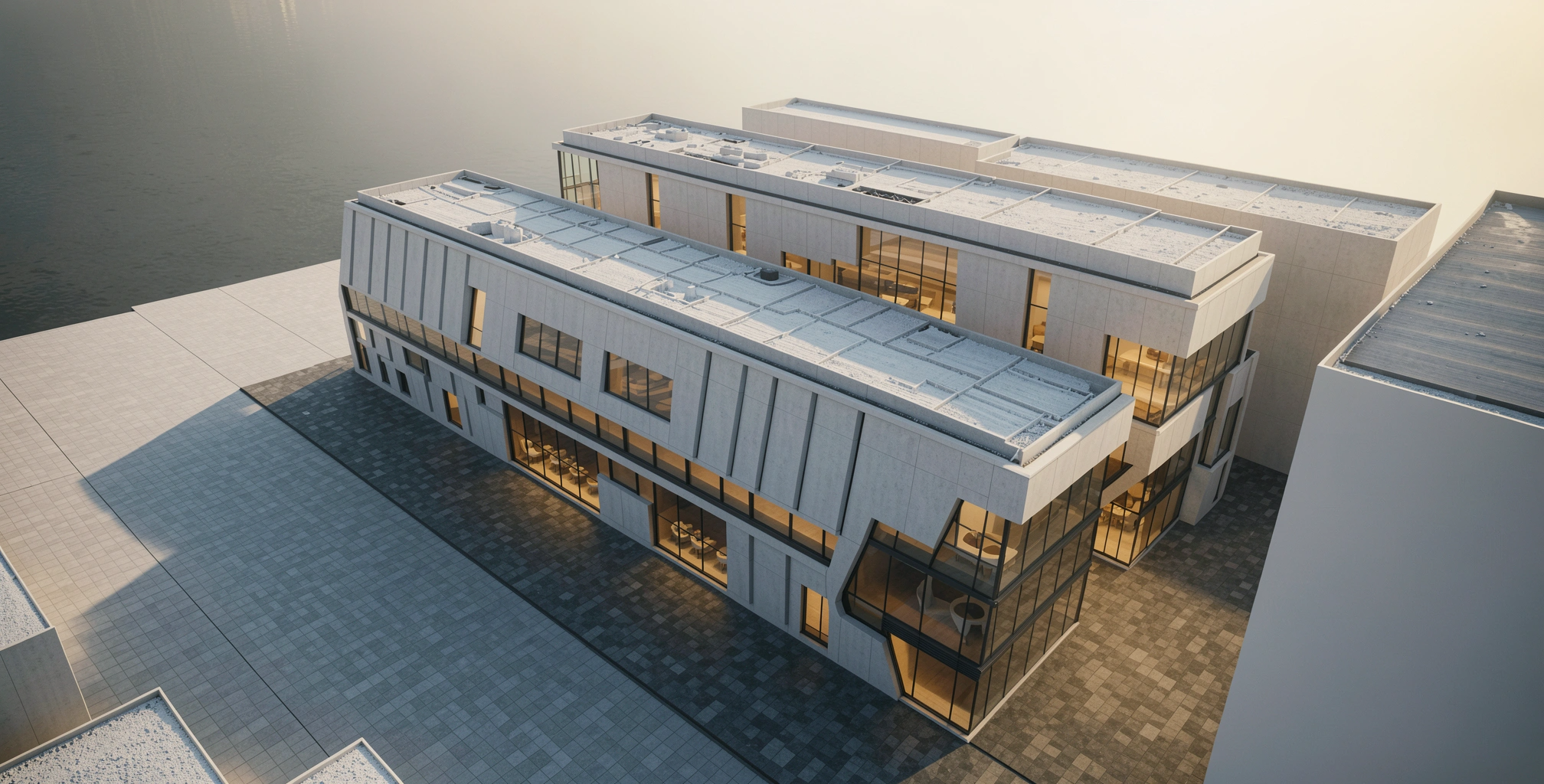
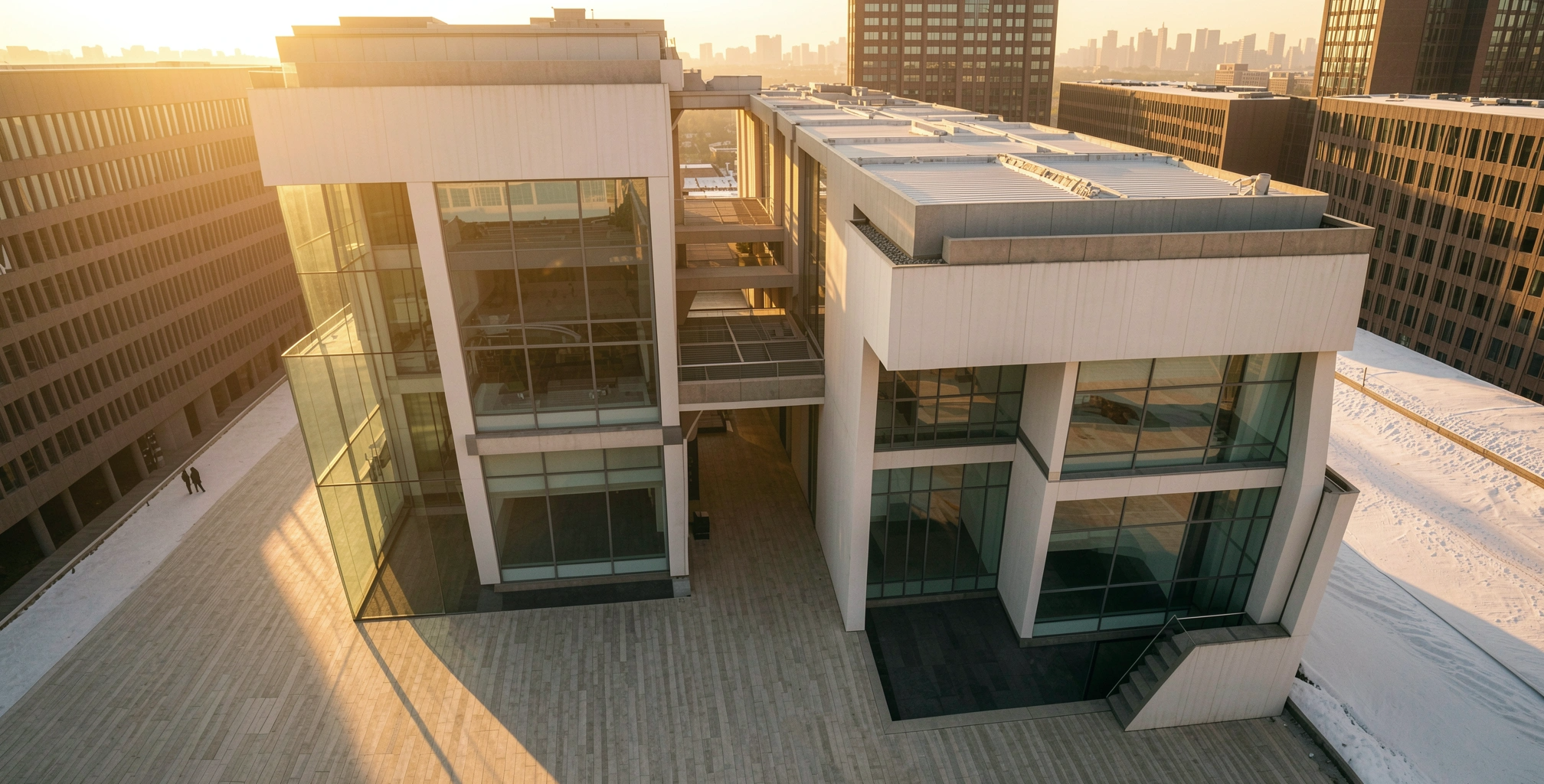
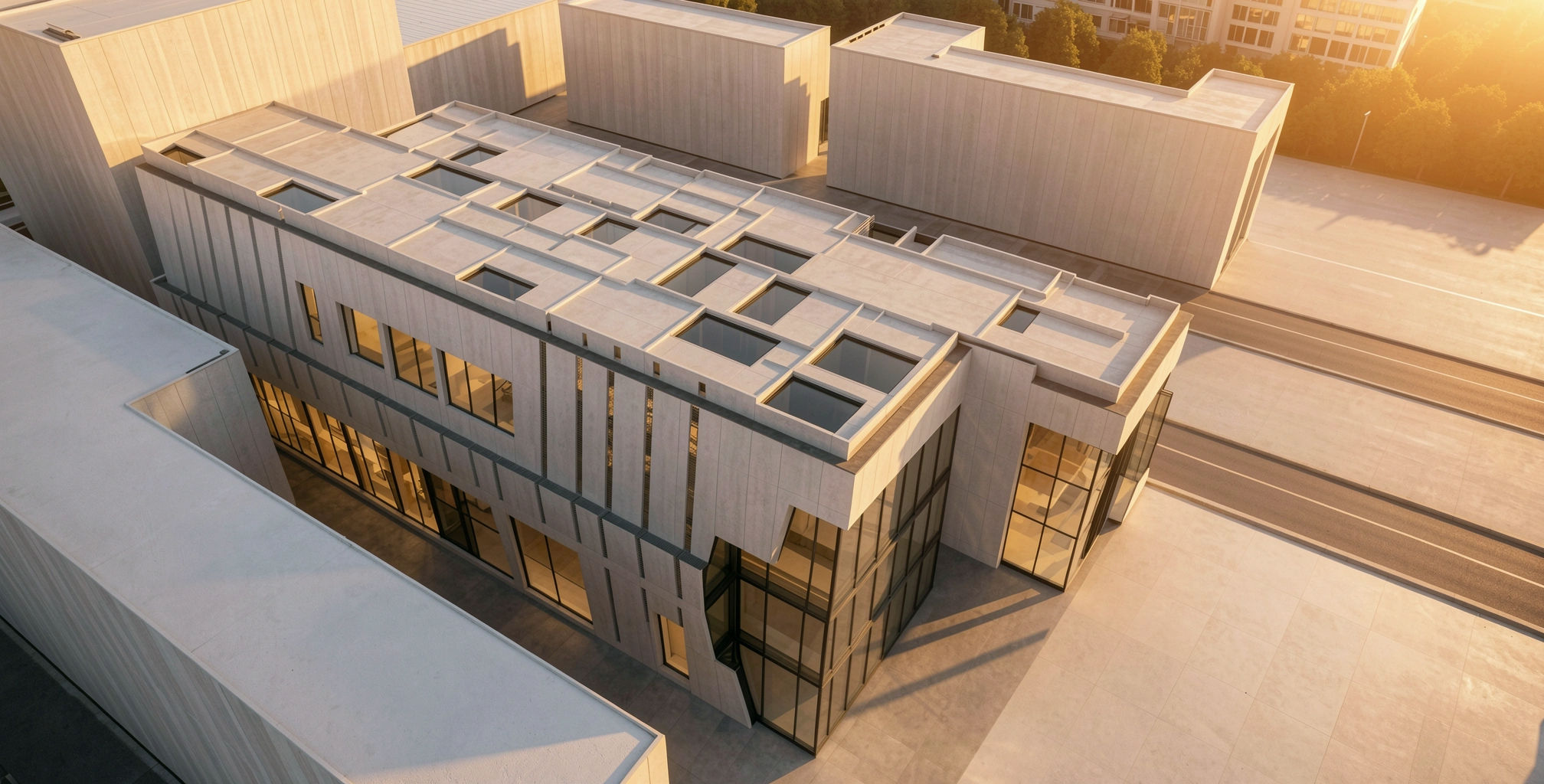
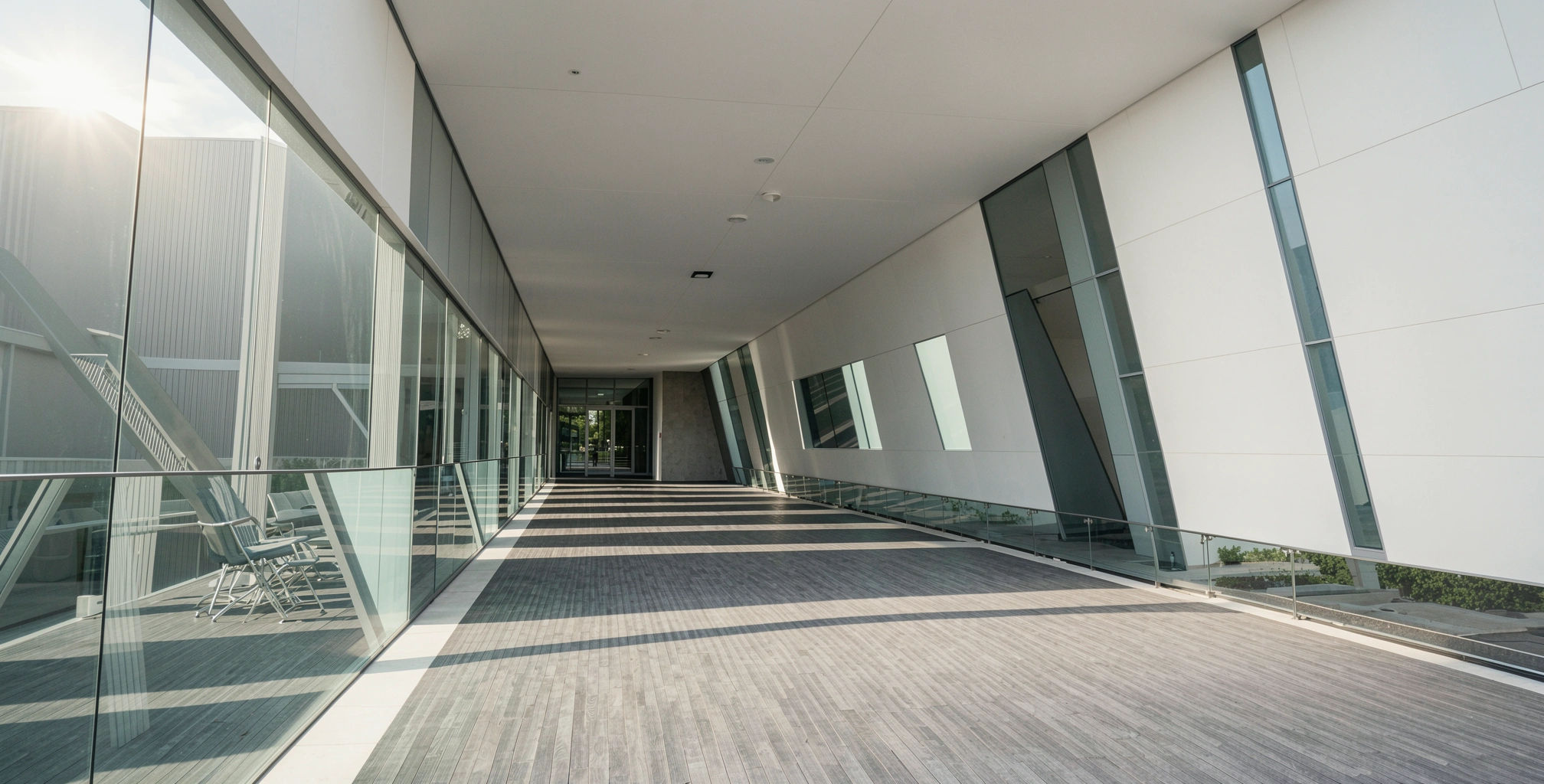
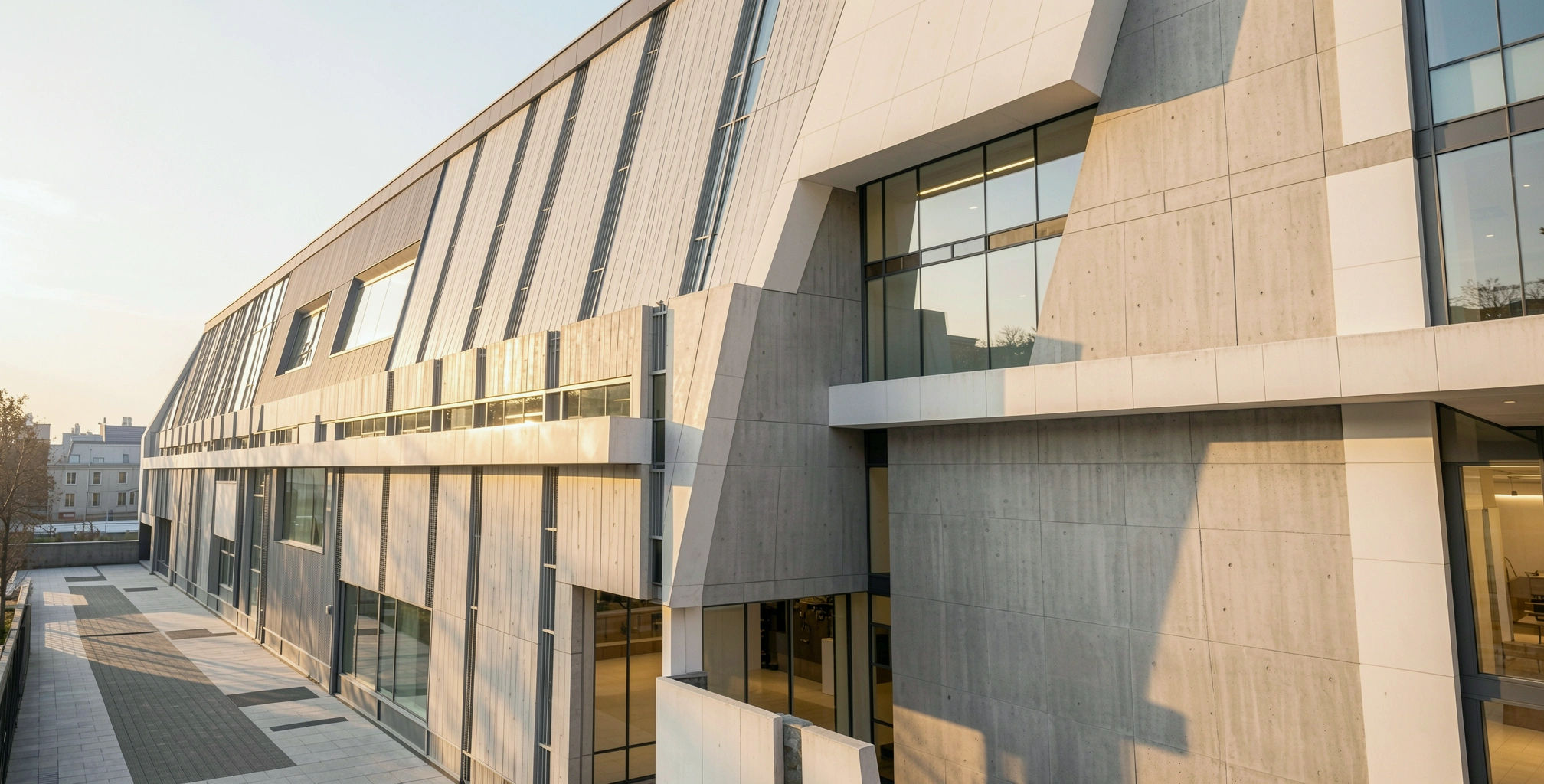
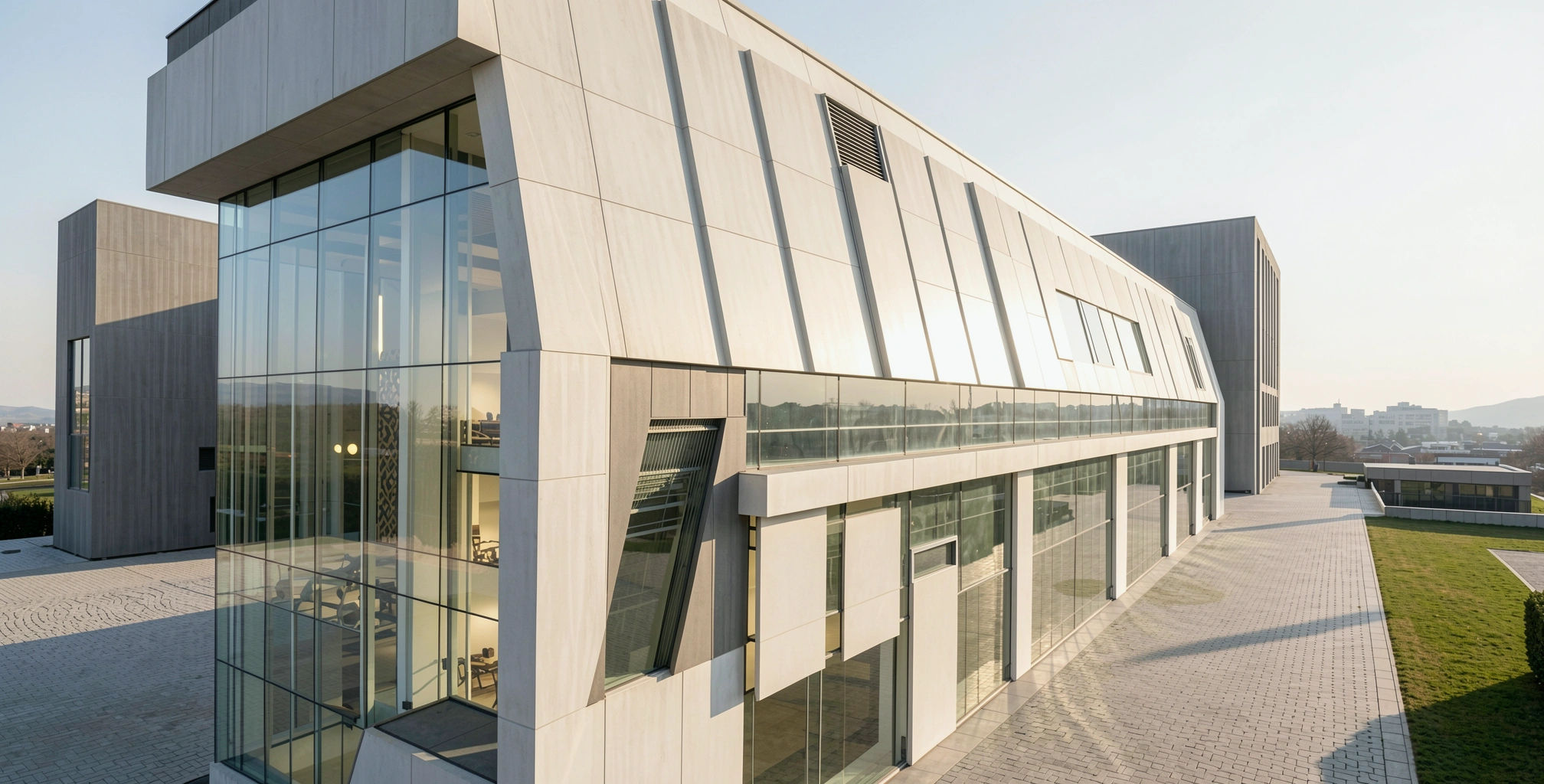
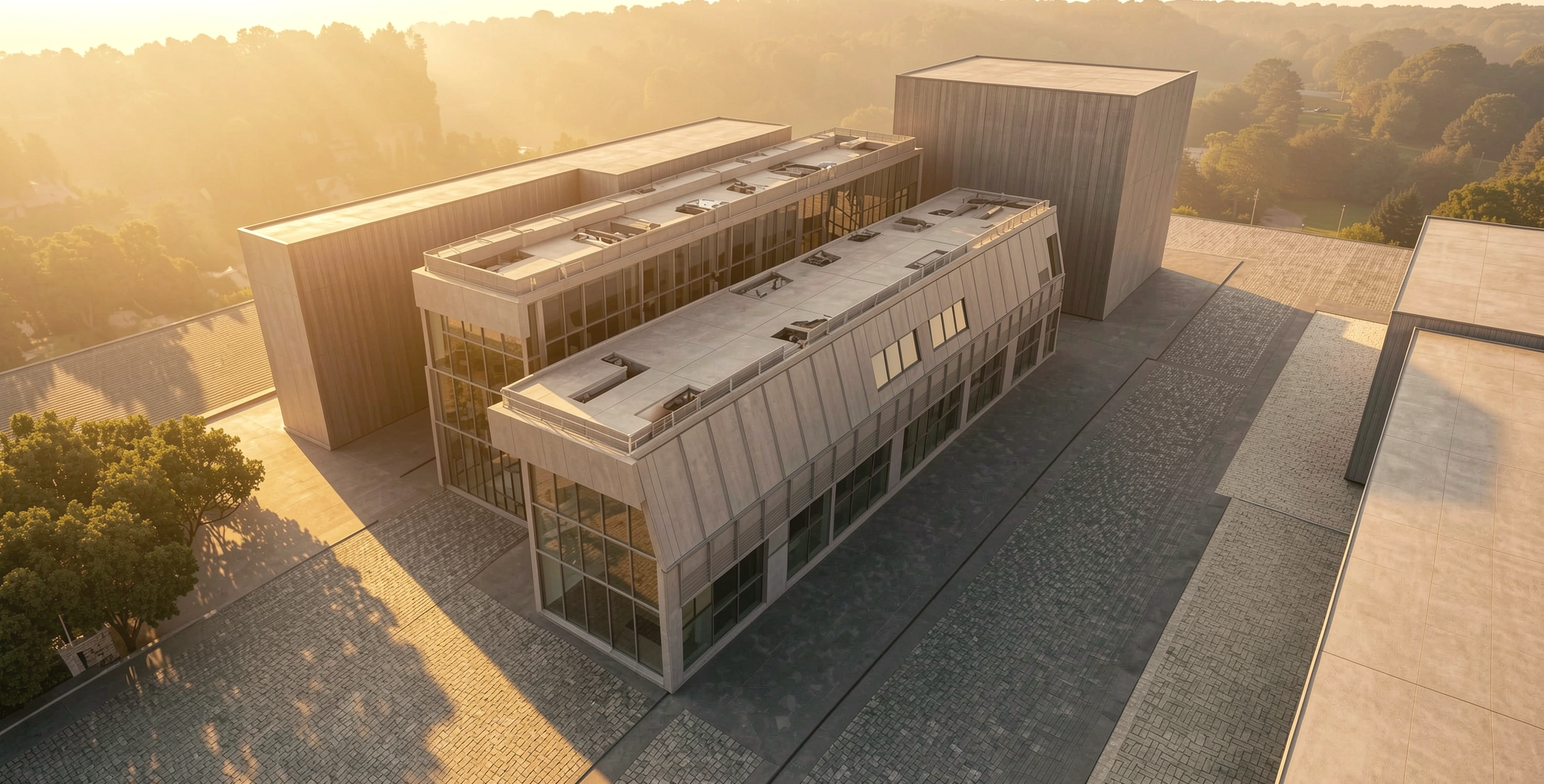
The project uses the roof as an infrastructural platform, with services arranged in the manner of a ‘circuit board’—a visible and legible diagram of building systems. This layout enhances maintainability and legibility, reducing service interruptions and encouraging a "design for maintenance" philosophy (Guy & Farmer, 2001; Kieran & Timberlake, 2004). By locating mechanical and electrical plant at roof level, Air distribution paths are shortened, reducing fan energy use. Equipment is physically separated from sensitive activities, reducing acoustic and vibrational interference. System upgrades and maintenance can be performed without disruption to building occupants—a key operational advantage. Moreover, the roof also hosts support and entry spaces, reversing the conventional ground-floor entry logic. The glazed entrance deck at roof level offers solar gain during cooler months while enabling stack-based natural ventilation strategies when combined with open stairwells or vertical atria (Baker & Steemers, 2000).
Light and Ventilation: Natural Systems Augmented by Controls
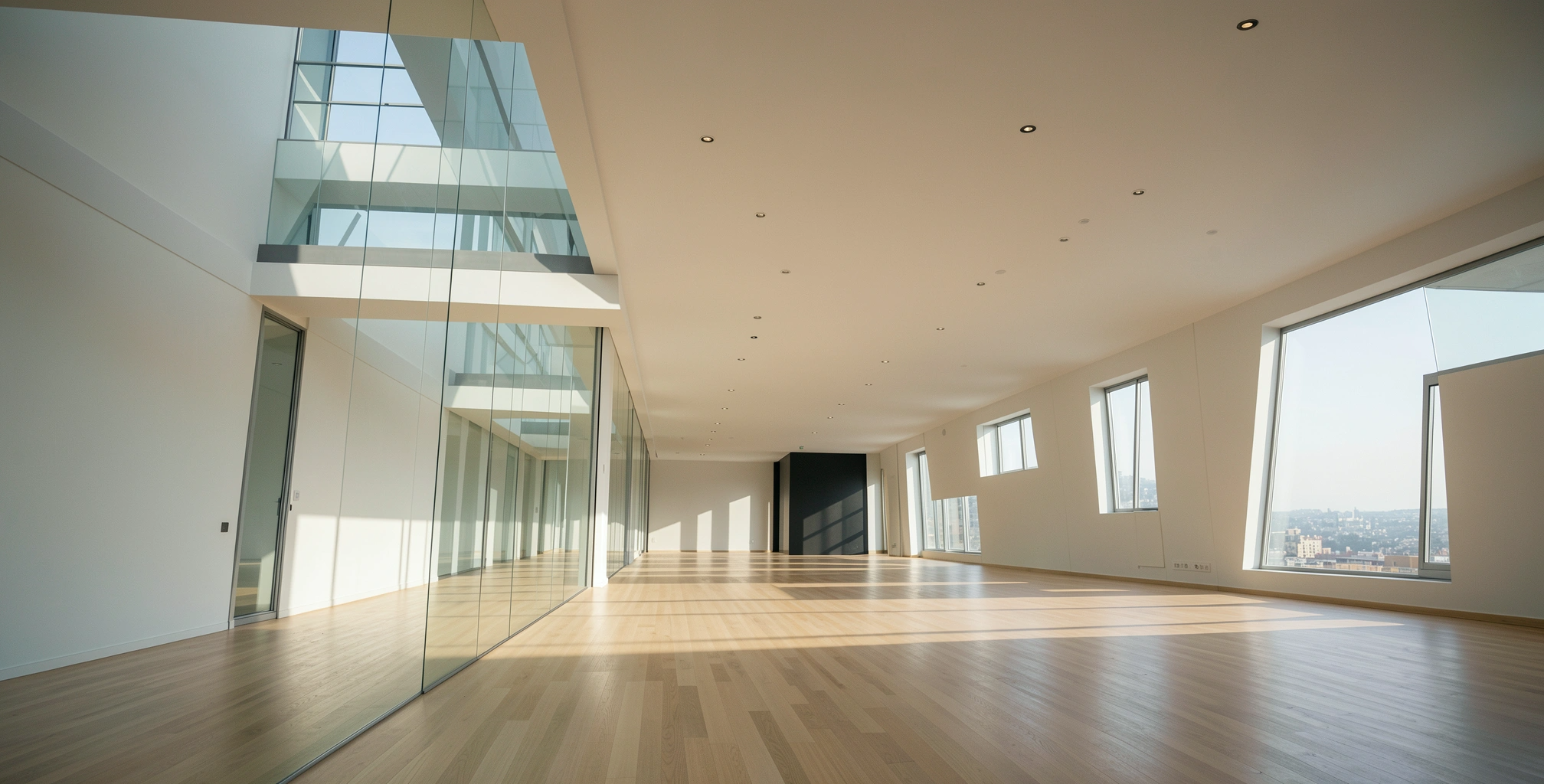
The design distinguishes between zones with natural daylighting potential (studios, meeting rooms) and those requiring controlled artificial lighting (fabrication, testing). Studio spaces benefit from large windows with daylight control blinds, enabling glare reduction and thermal regulation. Night-time natural ventilation, reducing indoor pollutants and enabling thermal flushing in shoulder seasons (Emmanuel, 2005). Mixed-mode ventilation during the day, integrating mechanical systems only when required (CIBSE, 2015). Fabrication and lab zones incorporate north-light rooflights and horizontal clerestory windows, admitting diffused, evenly distributed light that reduces visual strain and minimises solar heat gain. These strategies are rooted in the daylight factor approach, which prioritises balanced illumination over raw illuminance levels (Lechner, 2015).
Option-Specific Environmental Design Opportunities
Option 1: Lateral Zoning with Vertical Flexibility
Here, the fabrication space is served from one side by a continuous service spine, separating environmental services from work areas. Above, a mezzanine hosts meeting rooms and support functions. Double-height studio volumes allow for future infill, offering adaptability in both programmatic and environmental terms. This approach aligns with the loose-fit principle, enabling spatial reconfiguration with minimal environmental system disruption (Brand, 1994; Till & Schneider, 2007).
Option 2: Centralised Support Spine and Independent Systems
This strategy places a support spine at the centre of the plan, enabling shorter service runs and facilitating independent environmental control for adjacent zones. Each environmental zone has its own ducted supply and return system, enabling responsive environmental control as usage evolves. This is an application of distributed services design, which provides redundancy and resilience in complex buildings (Addington & Schodek, 2005).
Option 3: Vertical Porosity and Roof-Mounted Infrastructure
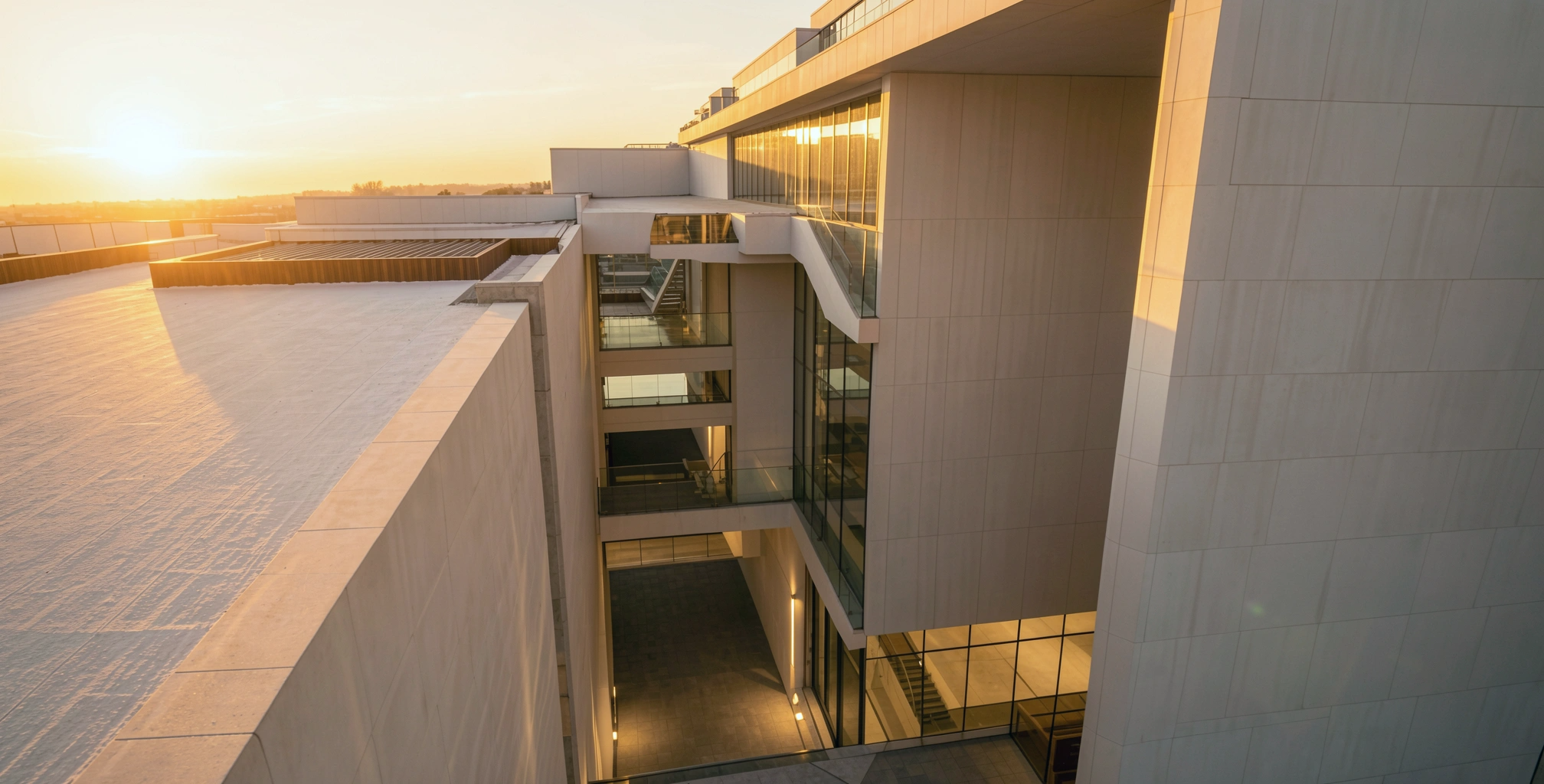
Option 3's vertical stacking allows for naturally lit studio spaces above fabrication zones, while maintaining roof-mounted services. This supports high ceilings in workshops for equipment clearance and allows maintenance activities to proceed without interrupting fabrication workflows. A ‘porous’ boundary between studio and fabrication spaces encourages interdisciplinary collaboration, while also permitting shared ventilation and lighting strategies in semi-connected zones (Knaack et al., 2007). Openings in floor slabs offer reconfigurability of services, creating the potential for adaptive reuse of spaces—an essential quality for research facilities operating under evolving technological and operational conditions.
Flexibility and Lifecycle Environmental Design
Flexibility is embedded in the environmental strategy through modular services infrastructure that supports programmatic changes, re-routable service paths through floor slab openings and independent environmental zones that can be adjusted for load, temperature, humidity, and lighting independently. Such design enables long-term adaptability while minimising the energy and material costs of future renovations. It reflects the principles of environmental resilience, which prioritise durability, adaptability, and low lifecycle impacts (Guy & Farmer, 2001; Schmidt et al., 2010).
Environmental Design for High-Performance Flexibility
This facility exemplifies a layered environmental strategy tailored to a temperate climate, in which spatial and mechanical flexibility supports long-term performance. Through a combination of heat recovery, decentralised zoning, roof-mounted services, and daylight-sensitive layouts, the building minimises energy use while supporting complex research and development processes. The design reflects contemporary best practices in environmental architecture: it is modular, resilient, and low-impact, while also enabling a high degree of occupant and operational flexibility across its life cycle.
References
Addington, D.M. & Schodek, D.L., 2005. Smart Materials and New Technologies: For the Architecture and Design Professions. Oxford: Architectural Press.
Baker, N. & Steemers, K., 2000. Energy and Environment in Architecture: A Technical Design Guide. London: E & FN Spon.
Brand, S., 1994. How Buildings Learn: What Happens After They're Built. New York: Viking Press.
CIBSE, 2015. Guide A: Environmental Design. London: Chartered Institution of Building Services Engineers.
Clements-Croome, D., 2004. Intelligent Buildings: Design, Management and Operation. London: Thomas Telford.
Emmanuel, R., 2005. An Urban Approach to Climate-Sensitive Design: Strategies for the Tropics. London: Spon Press.
Givoni, B., 1998. Climate Considerations in Building and Urban Design. New York: Wiley.
Guy, S. & Farmer, G., 2001. Reinterpreting Sustainable Architecture: The Place of Technology. Journal of Architectural Education, 54(3), pp.140–148.
Hyde, R., 2000. Climate Responsive Design: A Study of Buildings in Moderate and Hot Humid Climates. London: E & FN Spon.
Kieran, S. & Timberlake, J., 2004. Refabricating Architecture: How Manufacturing Methodologies Are Poised to Transform Building Construction. New York: McGraw-Hill.
Knaack, U., Klein, T. & Bilow, M., 2007. Façades: Principles of Construction. Basel: Birkhäuser.
Lechner, N., 2015. Heating, Cooling, Lighting: Sustainable Design Methods for Architects. 4th ed. Hoboken: Wiley.
Schmidt, D., 2004. Low Exergy Systems for Heating and Cooling of Buildings. ASHRAE Transactions, 110(2), pp.12–24.
Schmidt, R., Eguchi, T., Austin, S. & Gibb, A., 2010. What Is the Meaning of Adaptability in the Building Industry?. Automation in Construction, 19(4), pp.491–498.
Steemers, K., 2003. Energy and the City: Density, Buildings and Transport. Energy and Buildings, 35(1), pp.3–14.
Szokolay, S.V., 2008. Introduction to Architectural Science: The Basis of Sustainable Design. Oxford: Architectural Press.
Till, J. & Schneider, T., 2007. Flexible Housing. Oxford: Architectural Press.
World Health Organization (WHO), 2010. WHO Guidelines for Indoor Air Quality: Selected Pollutants. Geneva: WHO Press.