
Research & Development Facility — Adaptation as Environmental Strategy
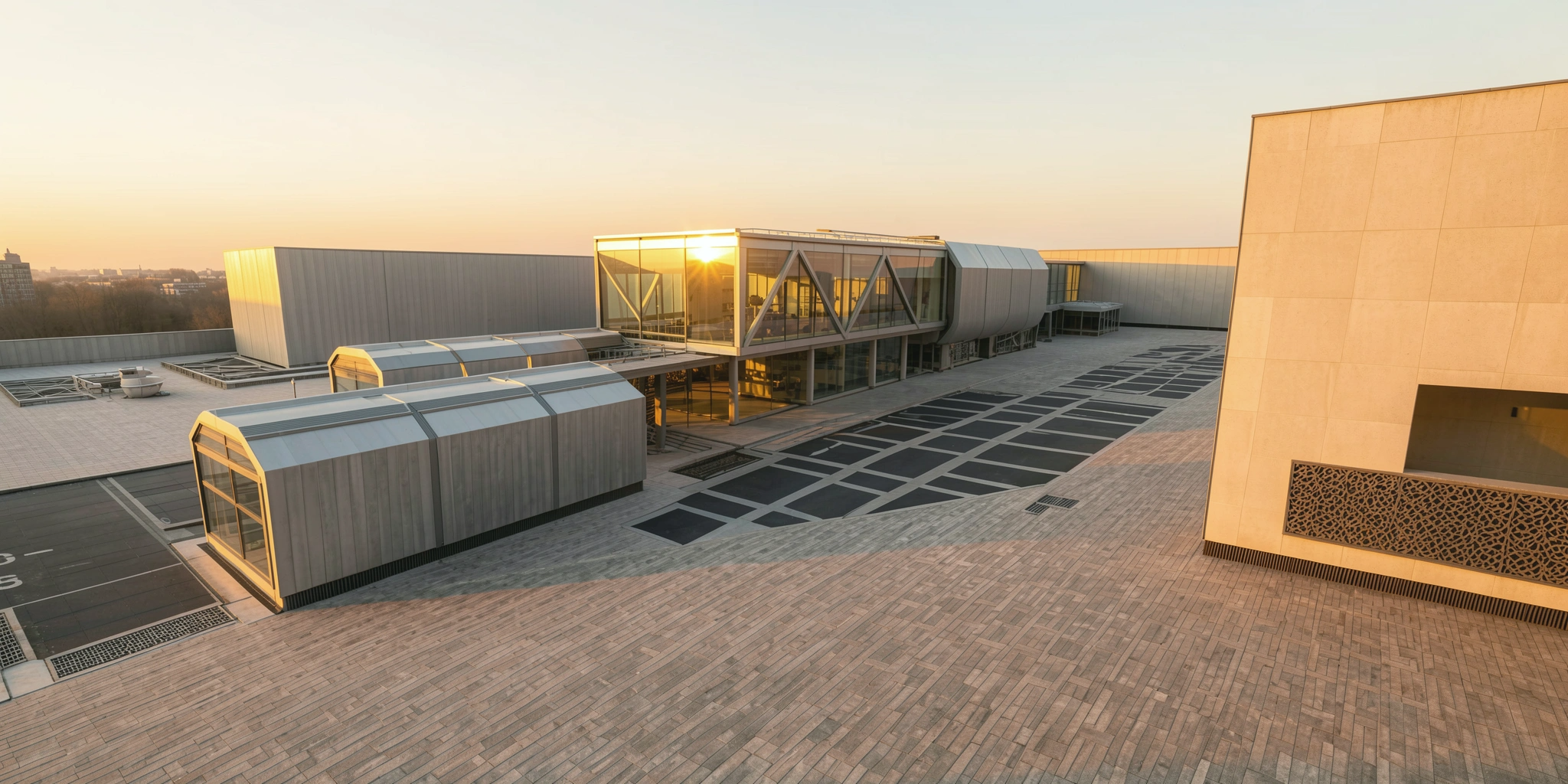
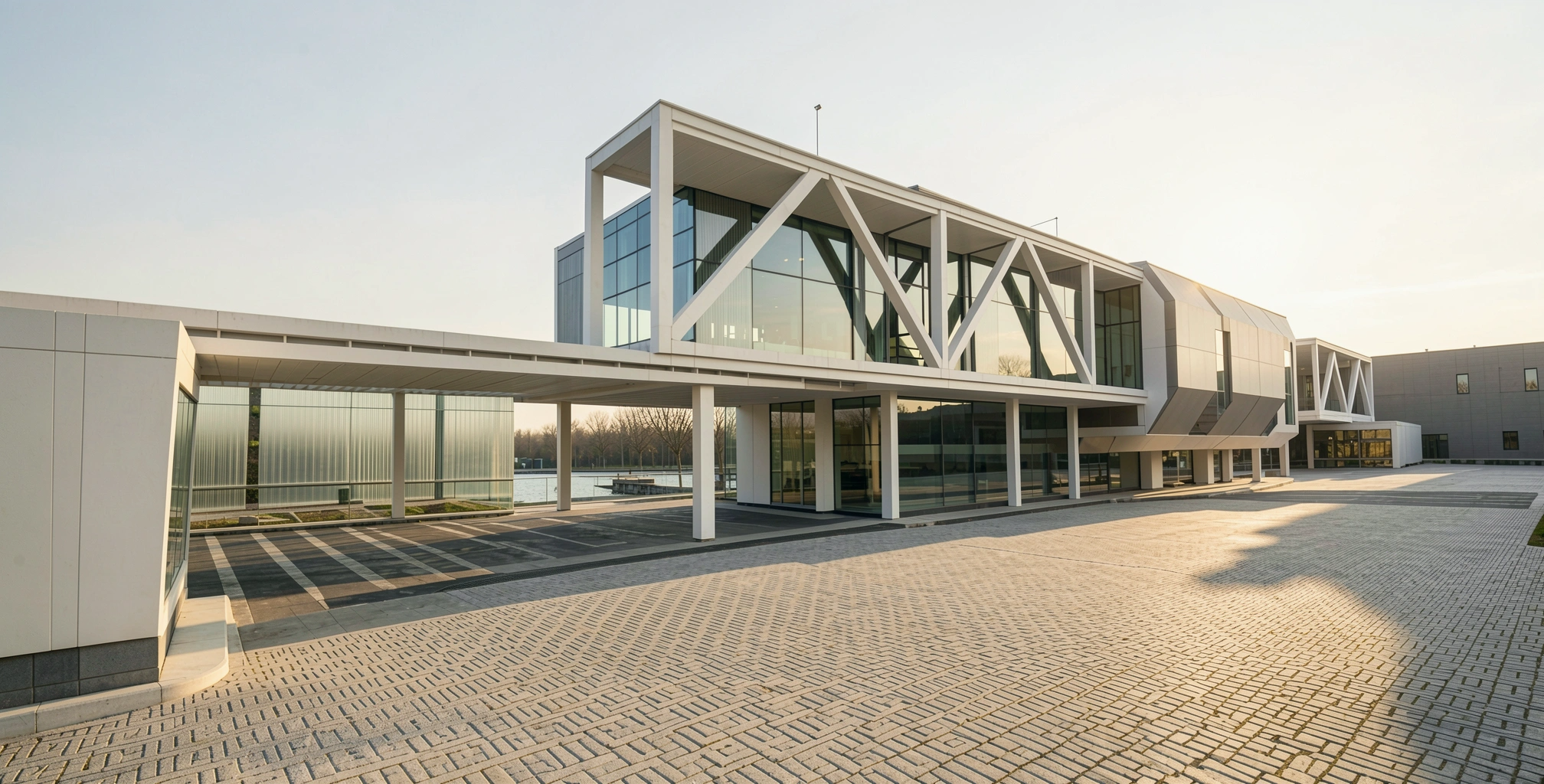
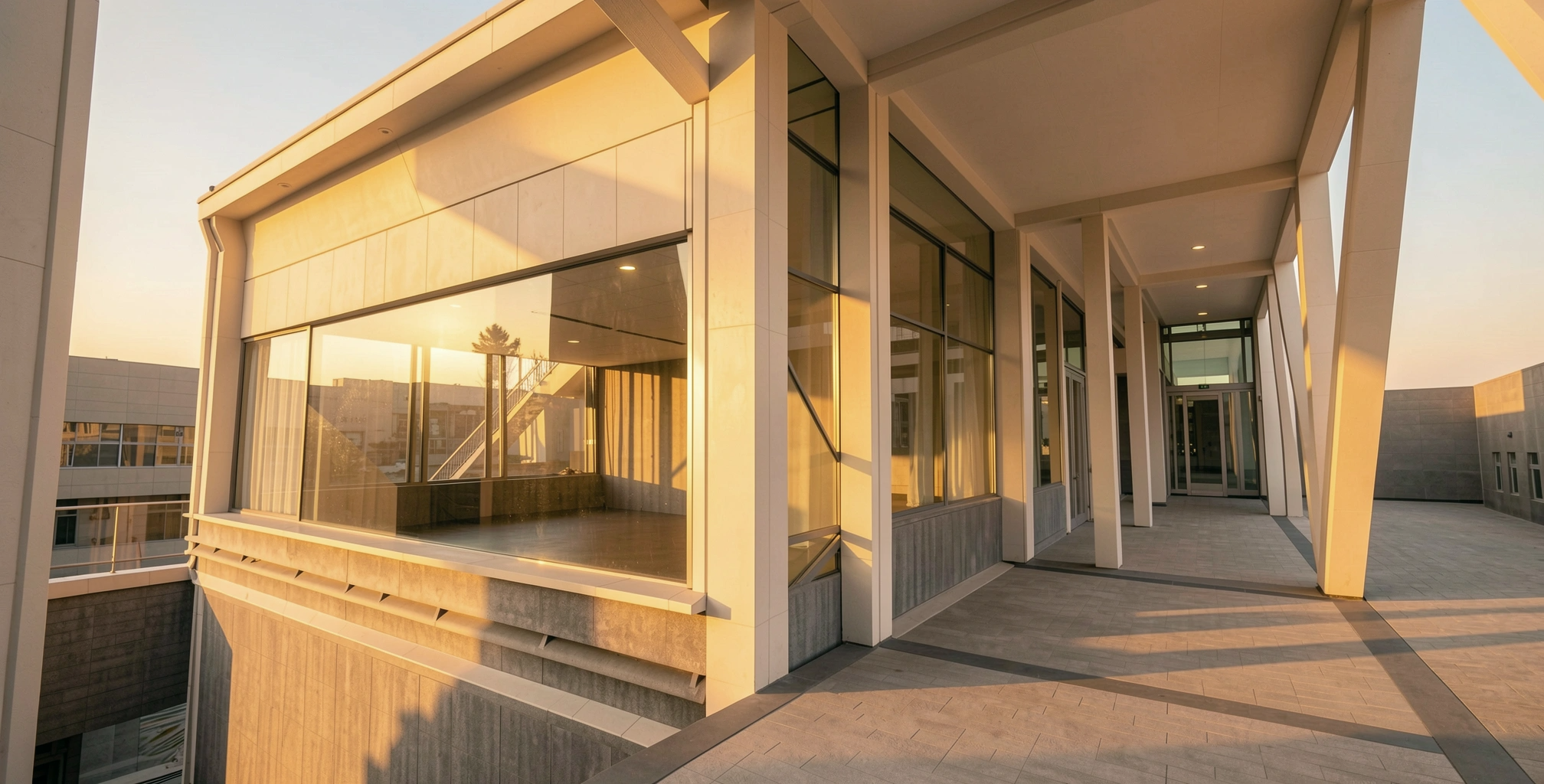
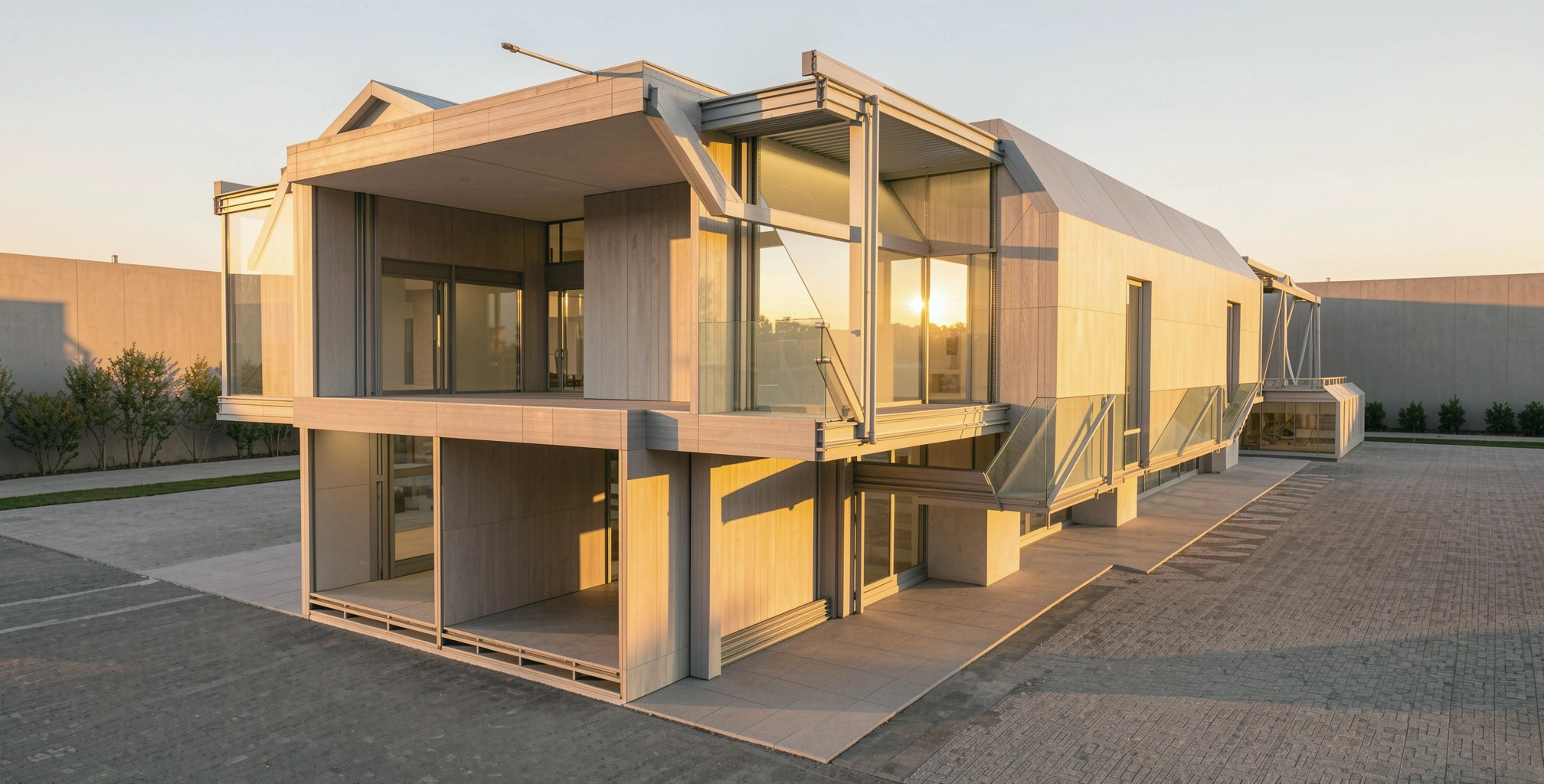
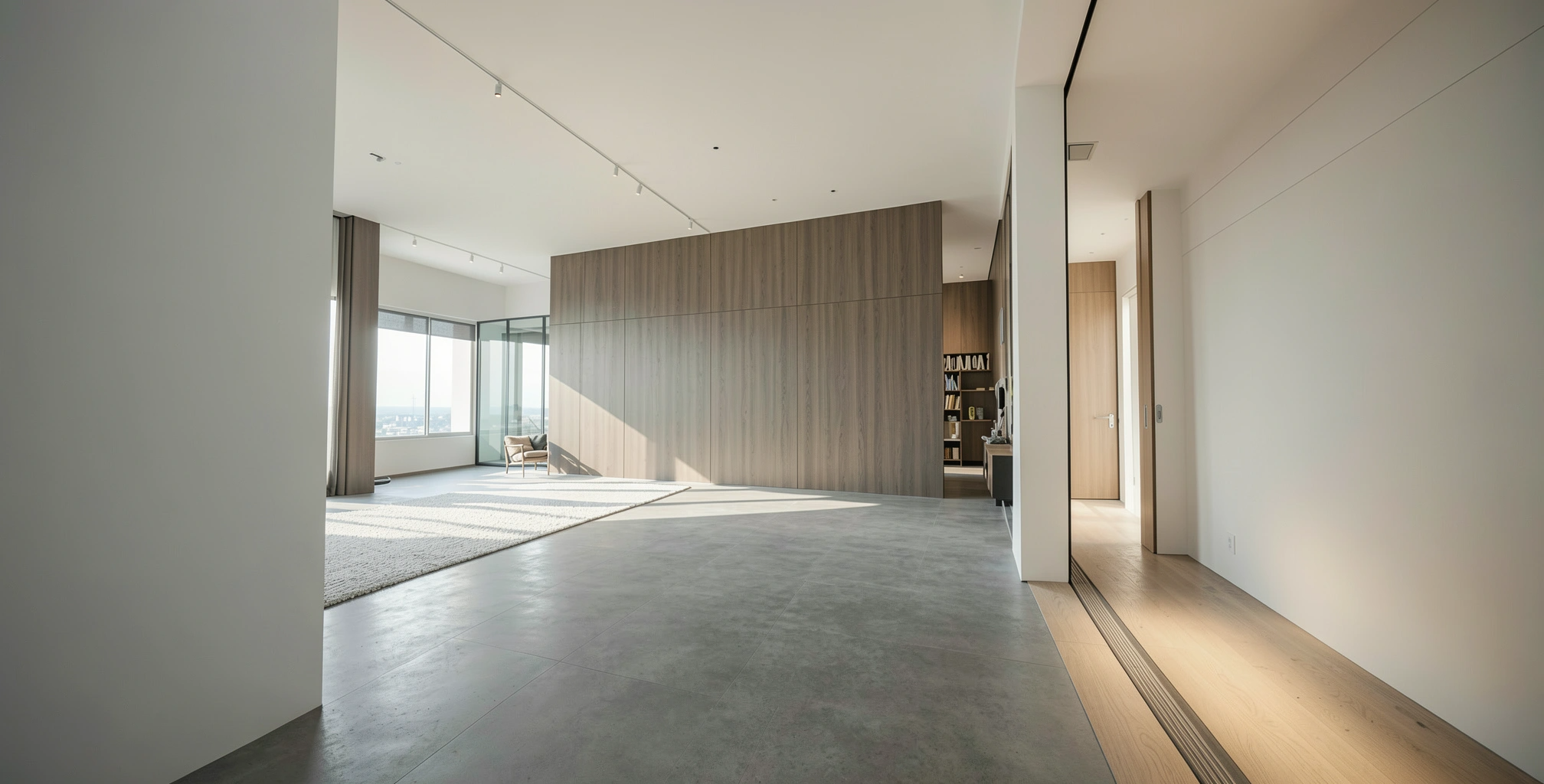
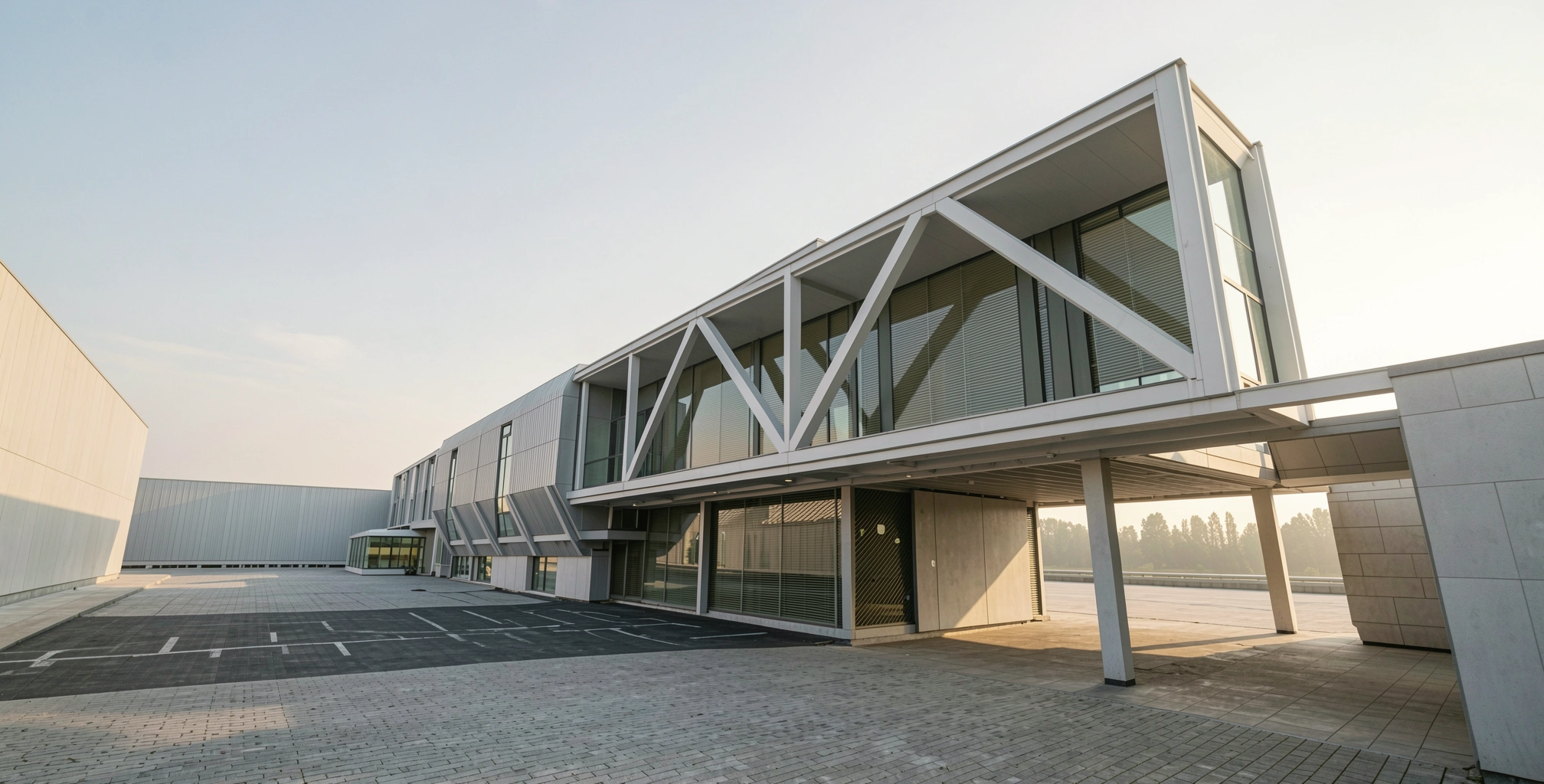
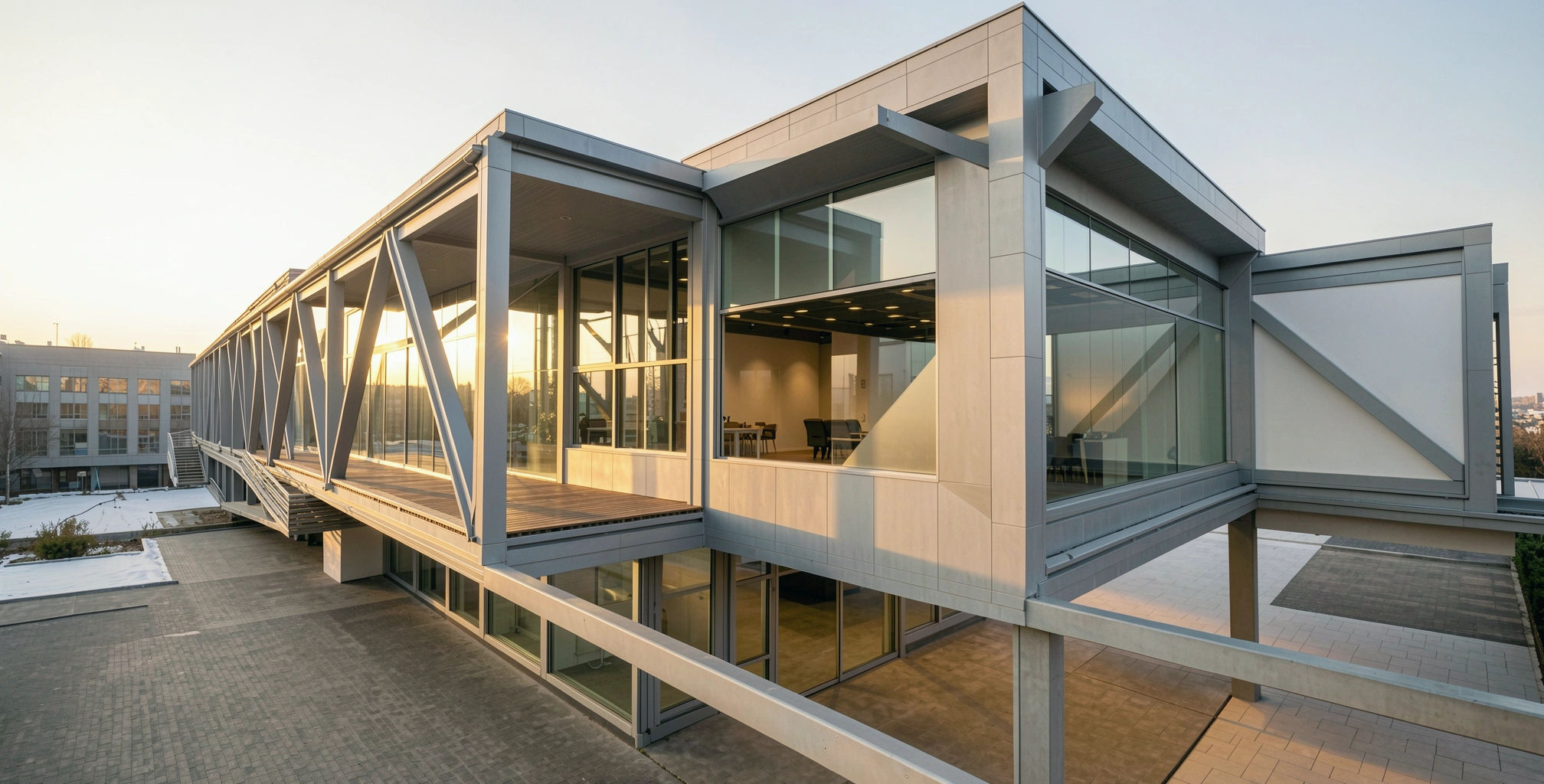
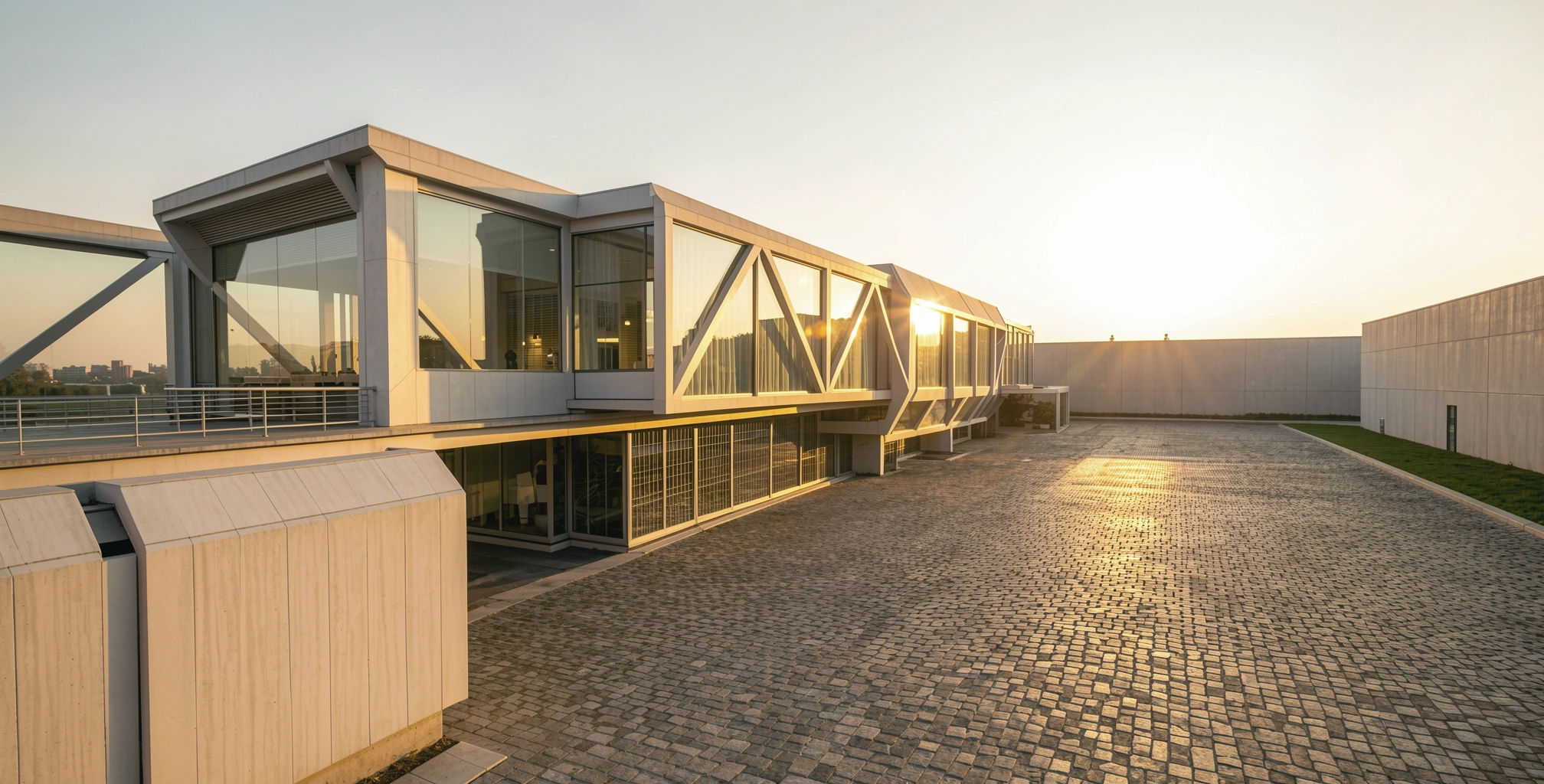
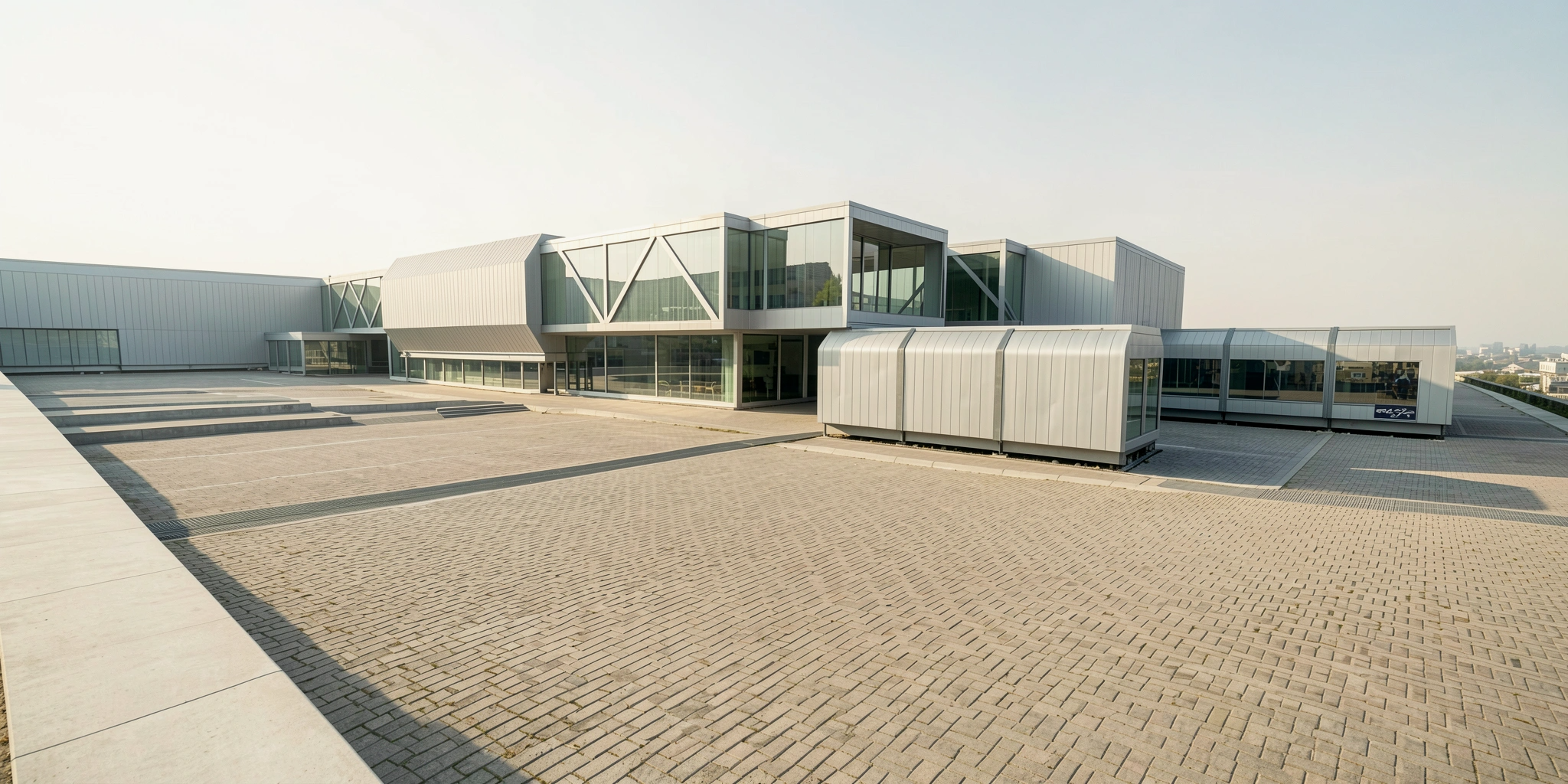
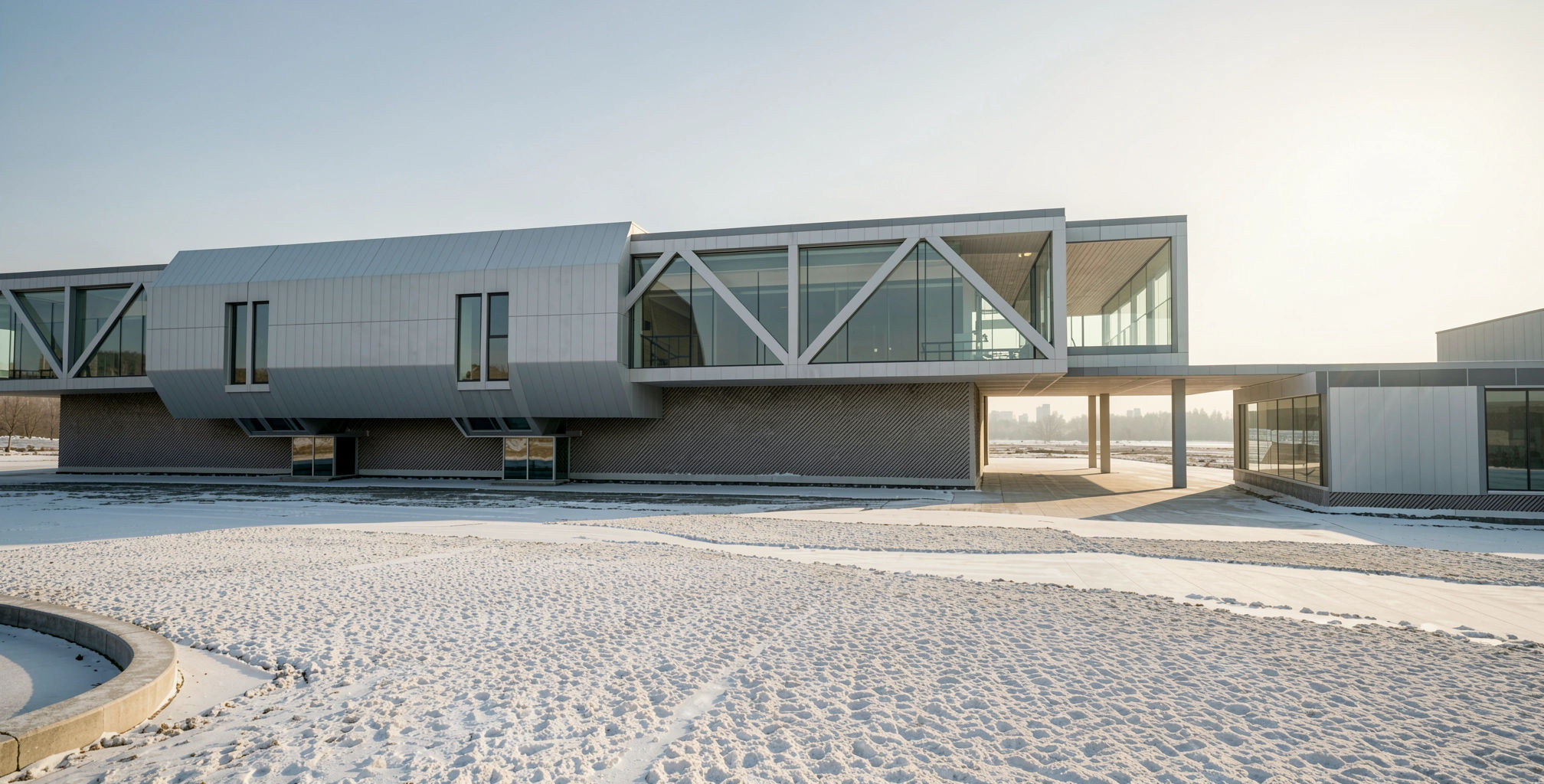
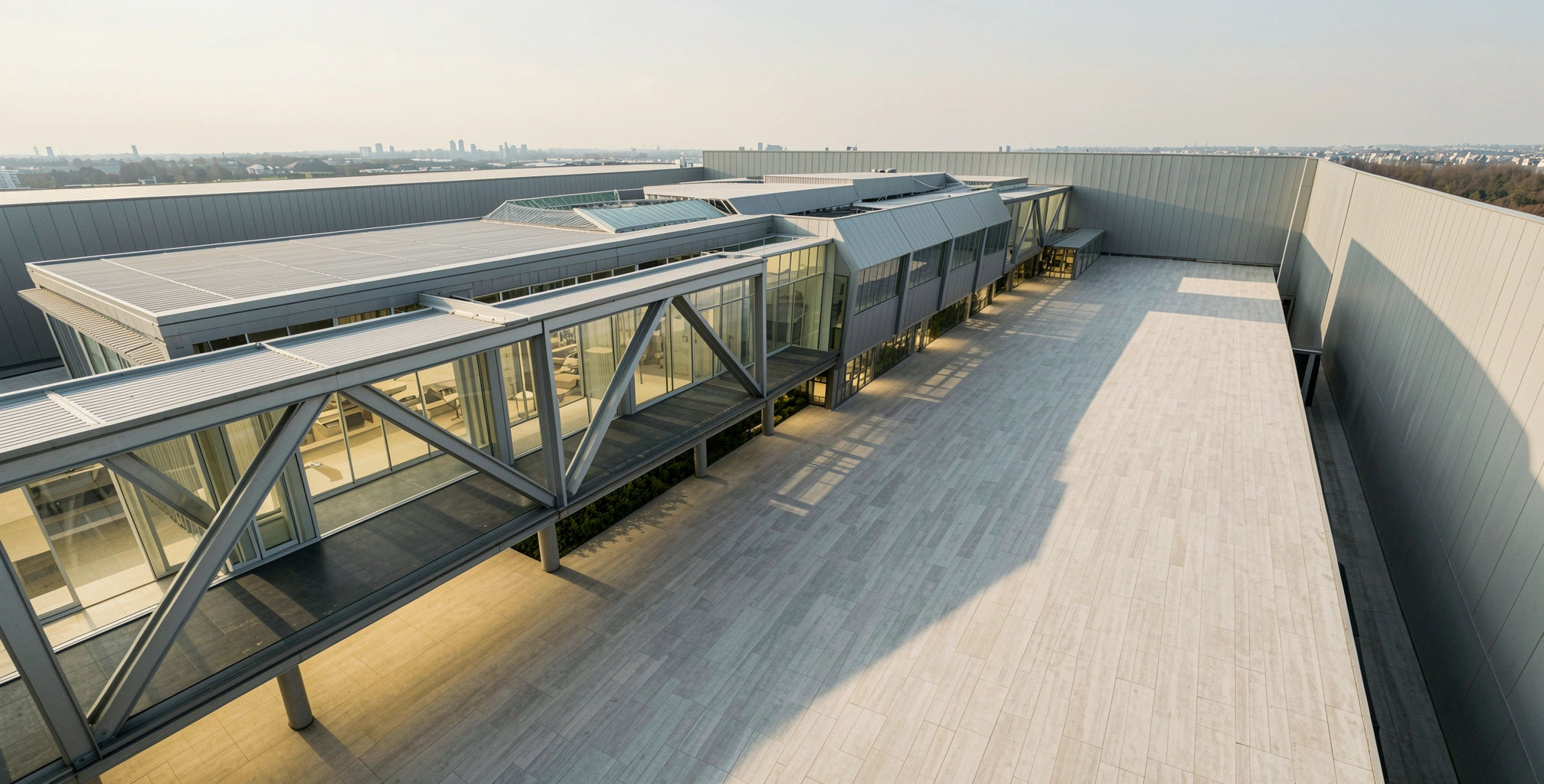
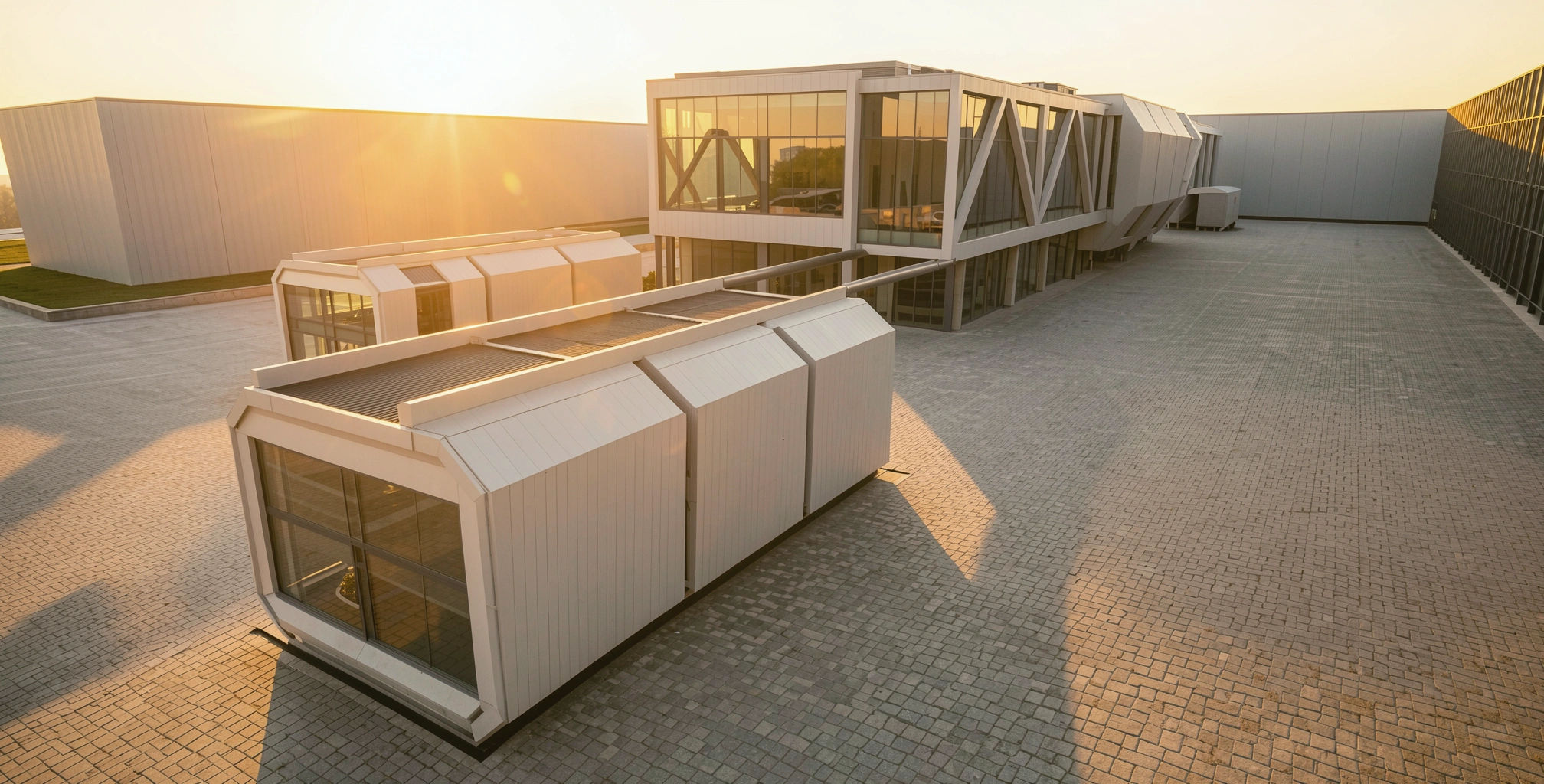
This project explores how environmental performance can be embedded within a building's organisational framework rather than treated as a fixed technical system. Designed as a flexible research and development facility, the building accommodates changing patterns of innovation, collaboration, testing and production. The architecture therefore prioritises adaptability, allowing spaces, environmental systems and modes of occupation to evolve over time without requiring fundamental alteration to the primary structure.
The building is organised around a clear structural framework that provides long-term stability while supporting multiple forms of use. Research spaces, laboratories, meeting environments, workshops and demonstration areas are arranged within a system that allows environmental conditions to be adjusted according to changing requirements. Rather than conditioning the entire building uniformly, environmental performance is tailored to the needs of different activities, improving both efficiency and operational flexibility.
A key principle of the design is the separation of structure, enclosure and environmental services. The primary structural system establishes a durable and adaptable framework, while the building envelope and servicing systems are developed as independent layers capable of modification, replacement or upgrading over time. This approach allows environmental performance to evolve in response to changing technologies, organisational requirements and environmental standards without disrupting the underlying architecture.
Environmental zoning plays a central role in the organisation of the building. Spaces requiring tightly controlled conditions are concentrated within the core of the plan, while perimeter zones operate with greater environmental openness and flexibility. Natural ventilation, controlled daylight and mixed-mode environmental strategies are employed wherever appropriate, reducing dependence on mechanical systems while improving occupant comfort and connection to external conditions.
The façade acts as an active environmental moderator rather than a simple enclosure. Layers of glazing, shading and environmental buffering are integrated to regulate heat gain, daylight and ventilation. Environmental control is achieved through the coordinated relationship between enclosure, structure and occupation, allowing the building to respond to seasonal variation while maintaining a consistent architectural identity.
Flexibility extends beyond the permanent accommodation. The project incorporates the capacity for temporary expansion through adaptable spaces that can be enclosed, serviced and occupied when required. Conference areas, exhibition zones and collaborative environments can expand or contract in response to changing patterns of use, allowing the building to support a wider range of activities without increasing its permanent environmental load.
The organisation of environmental services reinforces this adaptability. Mechanical and electrical systems are arranged within accessible service zones that simplify maintenance, upgrading and reconfiguration. Environmental infrastructure is treated as an active component of the building's long-term operation rather than a concealed technical layer. This approach allows systems to evolve alongside the activities they support while minimising disruption to ongoing use.
The project demonstrates how environmental performance can emerge from the relationship between structure, enclosure and occupation rather than from technological complexity alone. A stable structural framework supports changing patterns of environmental control, spatial organisation and programme. Adaptation becomes an inherent characteristic of the architecture rather than an exceptional condition.
Through the integration of environmental zoning, adaptable infrastructure and long-life structural order, the building establishes a framework capable of supporting continual change. Architecture emerges through the coordinated organisation of environmental systems, structure and programme over time, creating a research environment that remains resilient, flexible and responsive throughout its life.