
Residential Units — Environmental Gradation and Adaptive Enclosure
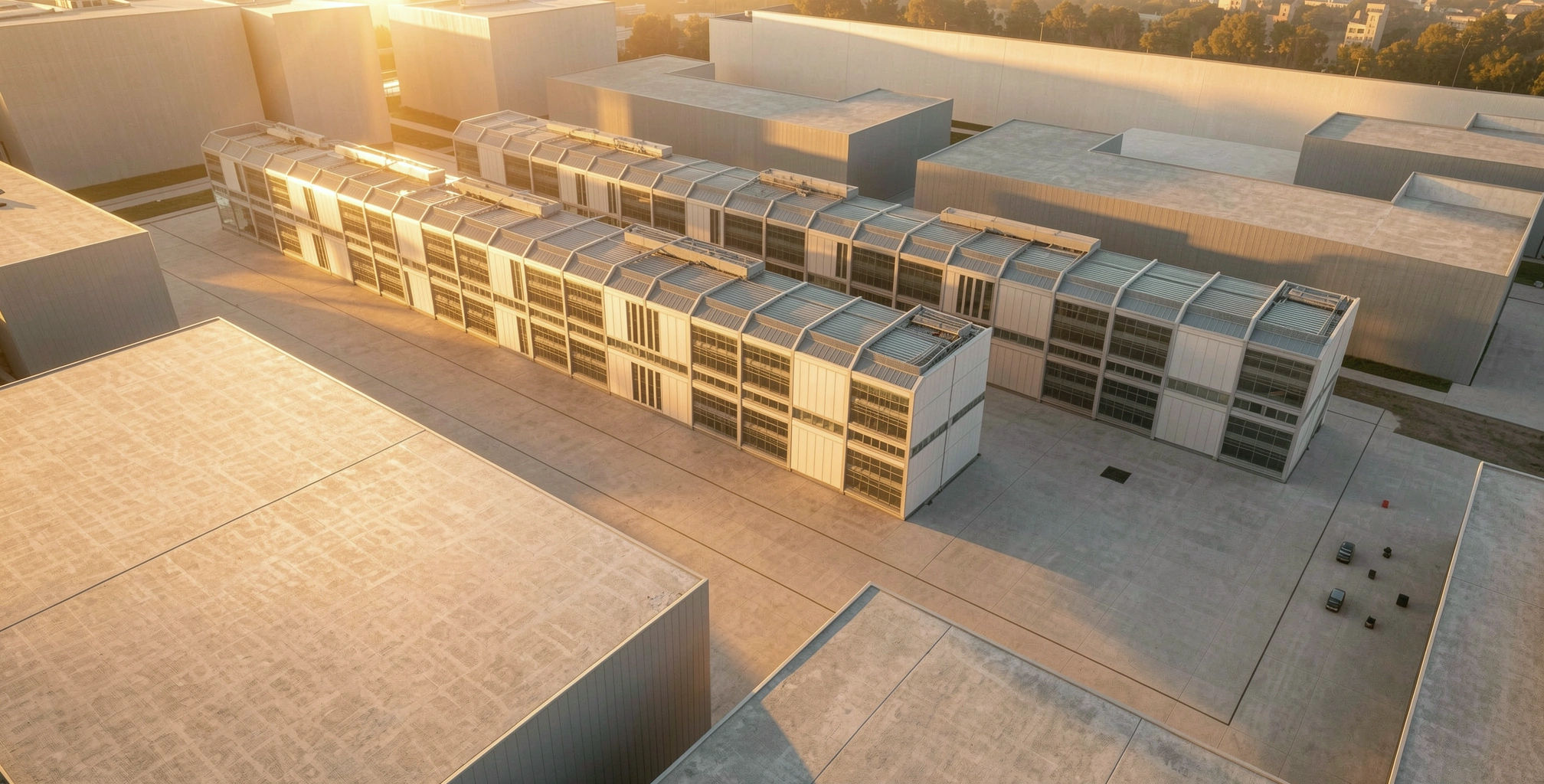
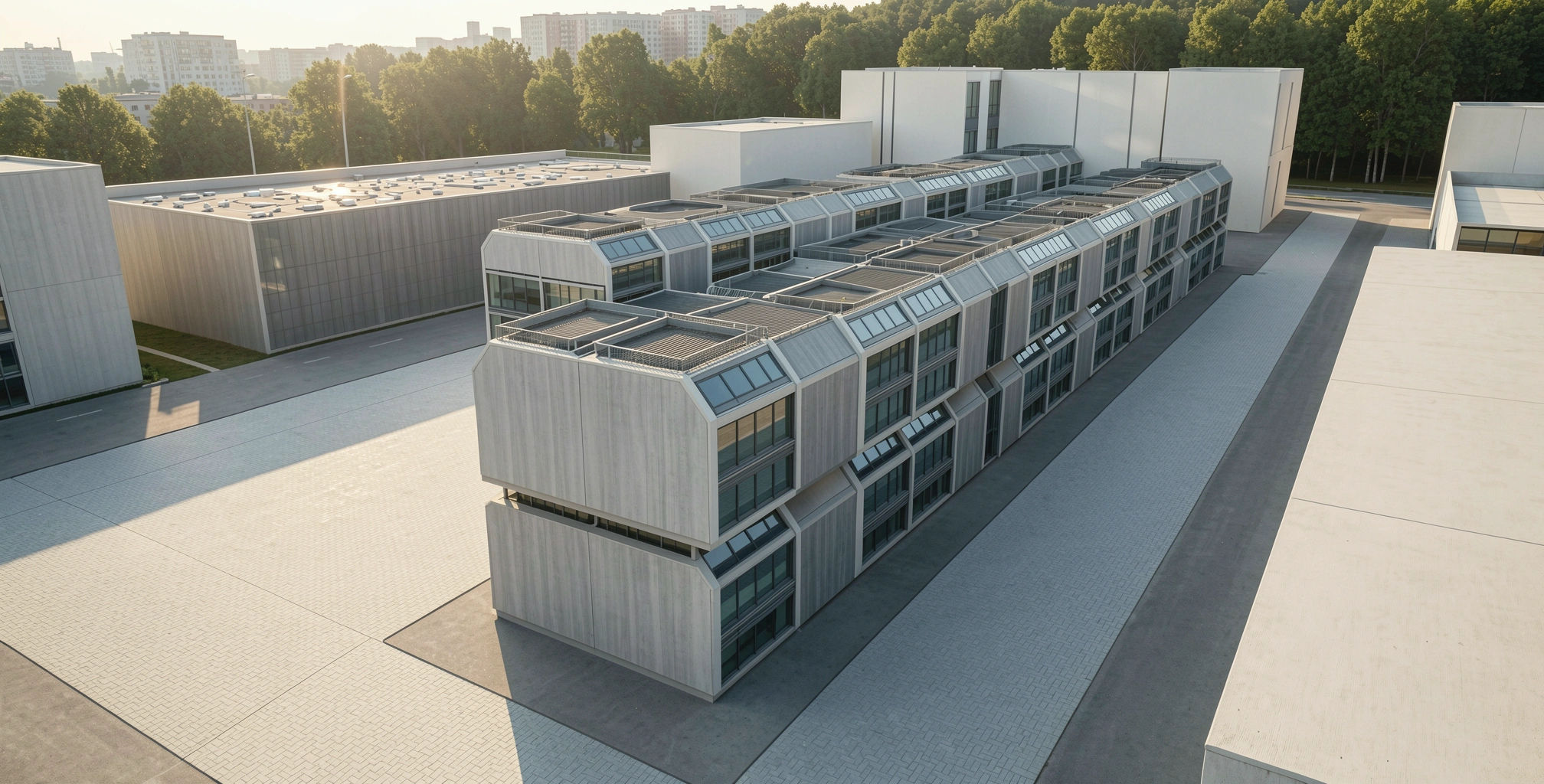
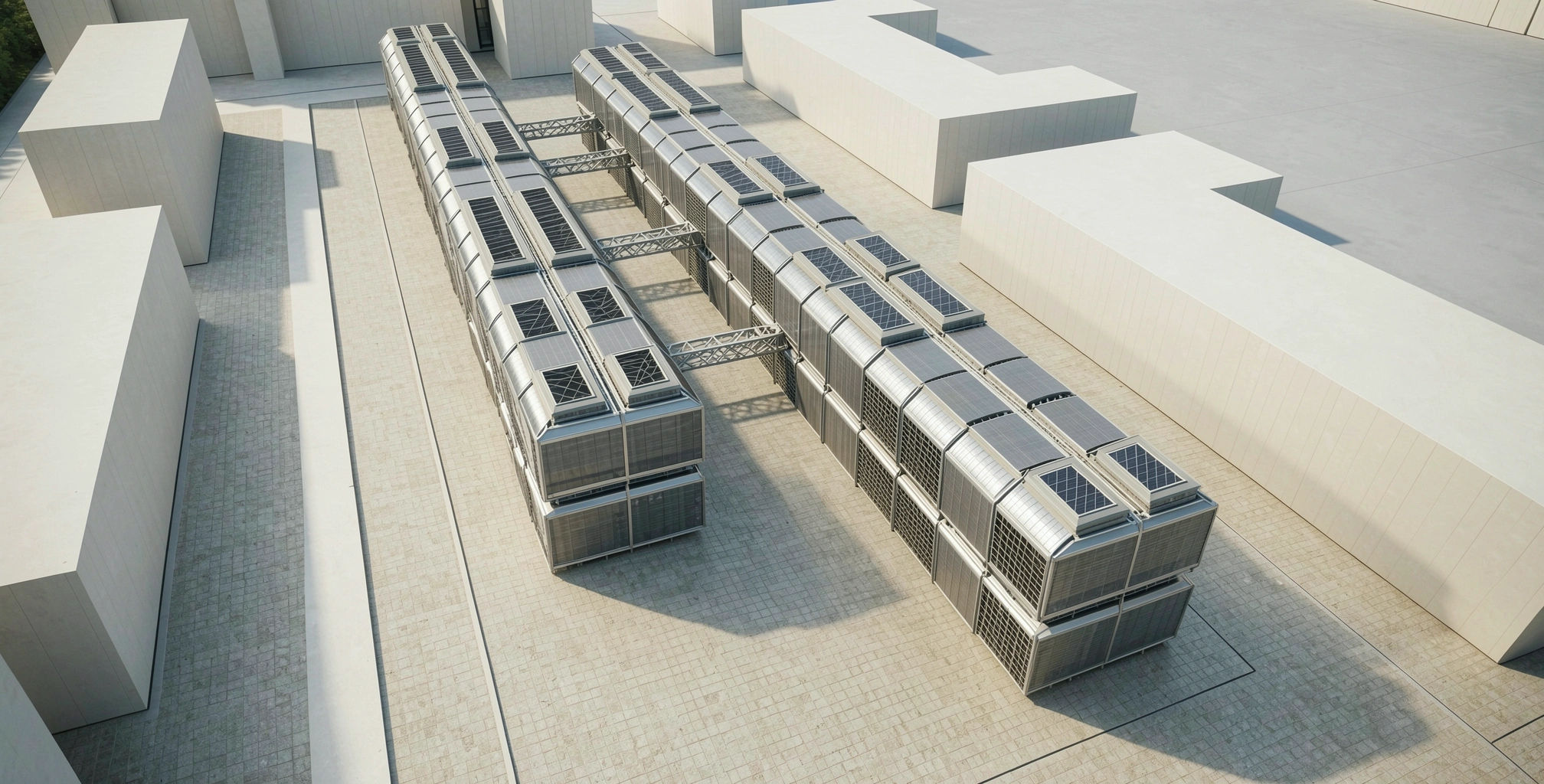
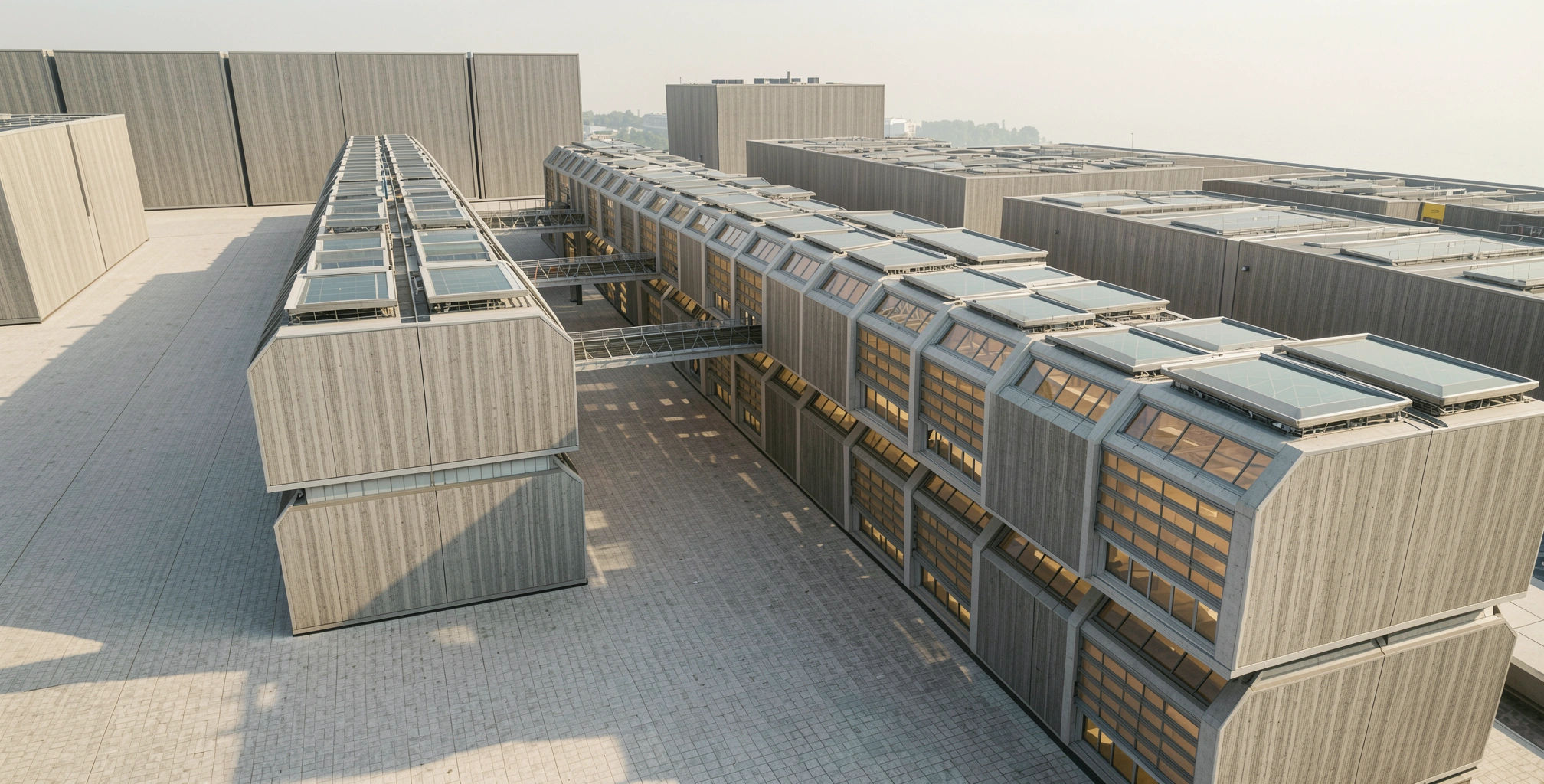
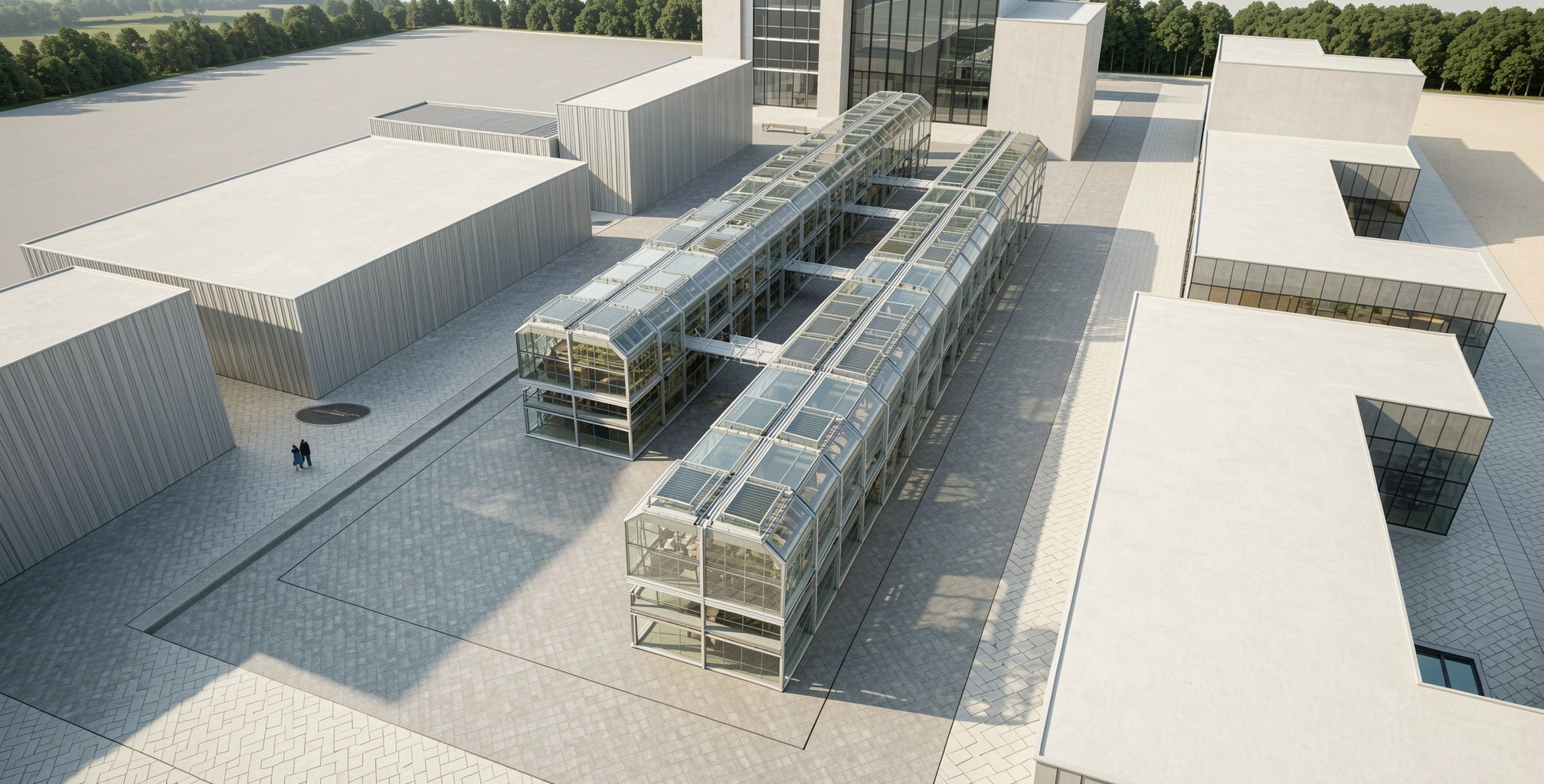
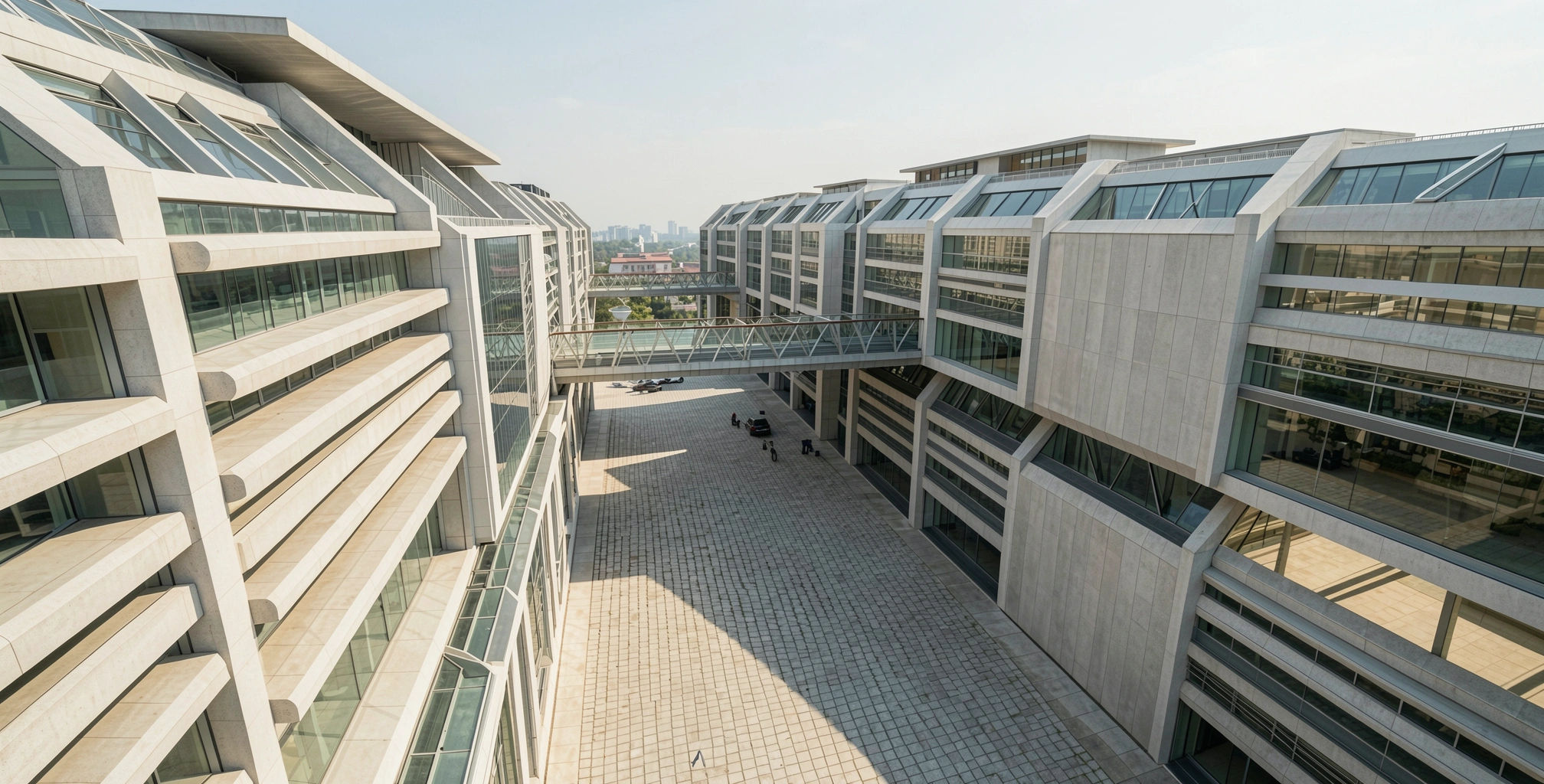
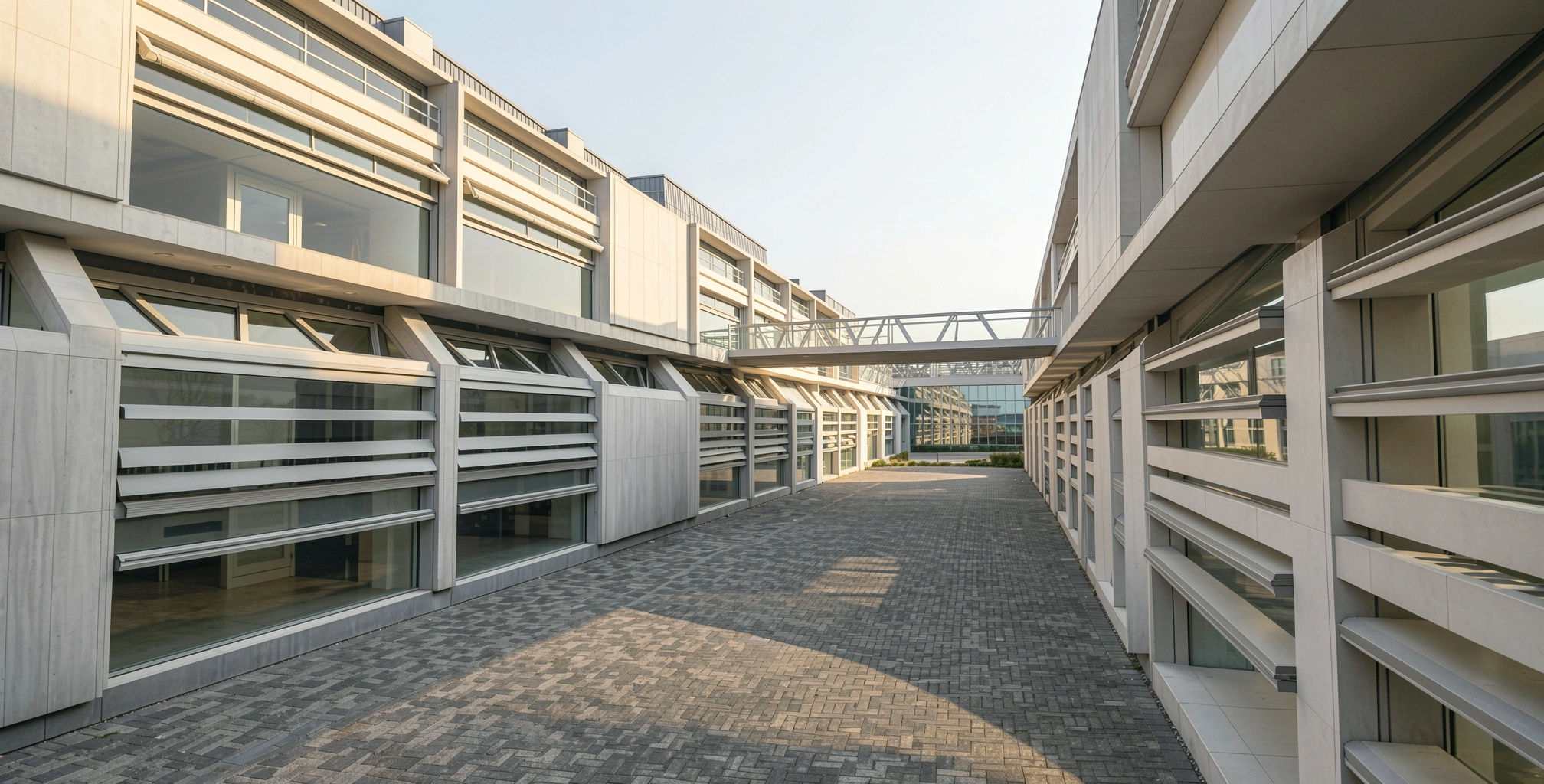
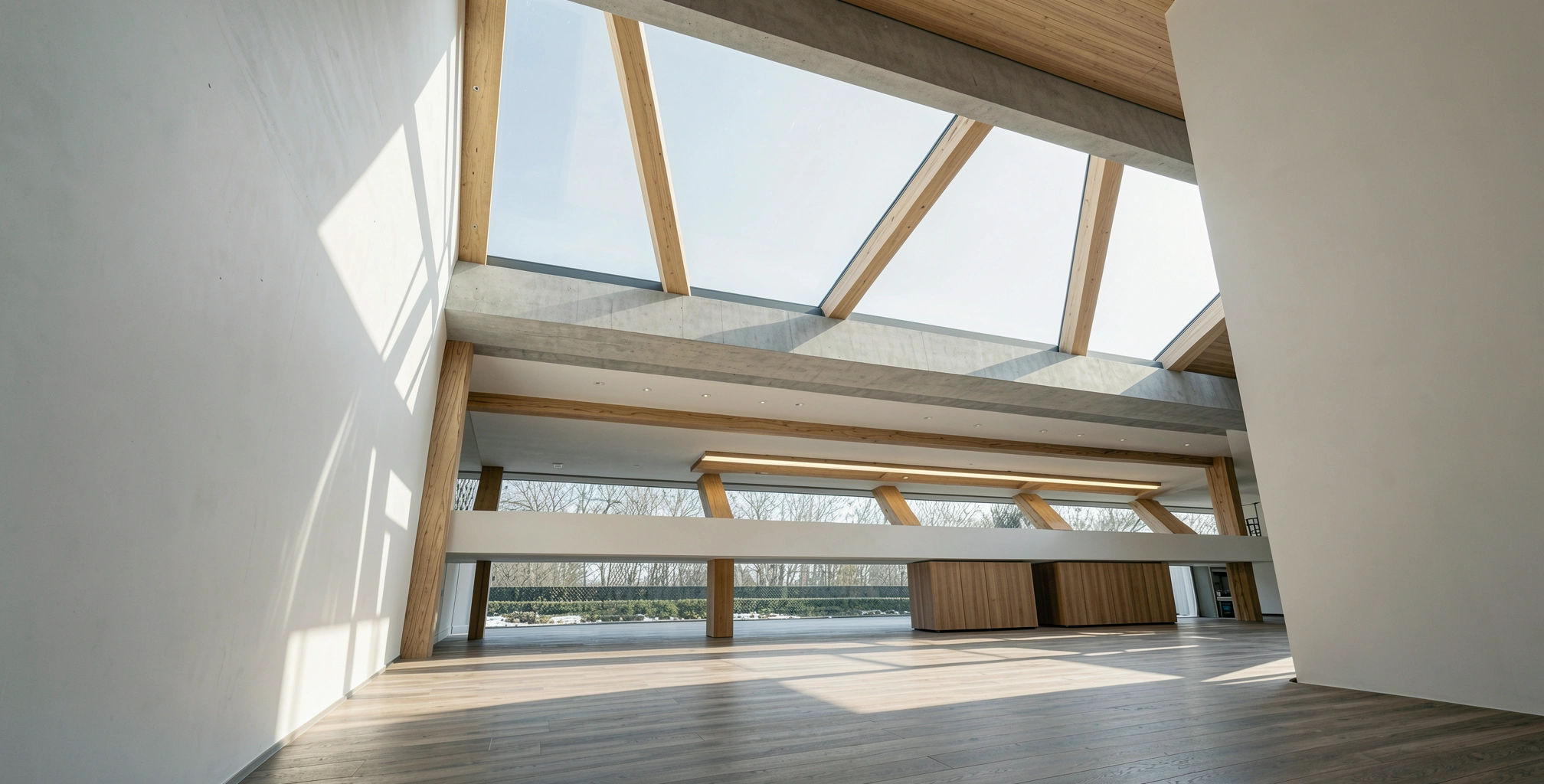
This project explores how residential architecture can respond to changing patterns of occupation, climate and use through the integration of environmental zoning and adaptive enclosure systems. Rather than treating the dwelling as a uniformly conditioned volume, the design organises accommodation as a sequence of environmental conditions that support different forms of habitation throughout the year.
The building is structured around a clear spatial framework in which highly conditioned living spaces are complemented by areas that operate under more variable environmental conditions. Enclosed rooms provide thermal stability and protection during periods of climatic extremes, while adjacent spaces can function as naturally ventilated extensions of the dwelling during milder seasons. The architecture therefore creates a gradual transition between interior and exterior conditions rather than a single environmental boundary.
A key aspect of the design is the adaptive building envelope. Large glazed openings, insulated sliding panels and adjustable environmental screens allow the balance between daylight, ventilation, solar gain and thermal protection to change in response to external conditions. The enclosure can operate as a highly insulated protective layer during colder periods or become more open and permeable when natural ventilation and daylight are desirable. Environmental performance is therefore achieved through adaptation rather than through fixed conditions alone.
The organisation of space supports this environmental flexibility. Living, working and social areas are arranged according to their environmental requirements, allowing different parts of the dwelling to operate independently when appropriate. Spaces requiring greater thermal stability are positioned within more protected zones, while areas capable of accommodating environmental variation benefit from direct access to daylight, fresh air and outdoor conditions.
Natural light and ventilation are fundamental to the architectural strategy. Openings are positioned to promote daylight penetration and support cross-ventilation throughout the building. Rooflights, glazed walls and controlled openings create a layered environmental system that brings light deep into the plan while encouraging natural air movement. The result is a living environment that remains closely connected to seasonal and daily changes in climate.
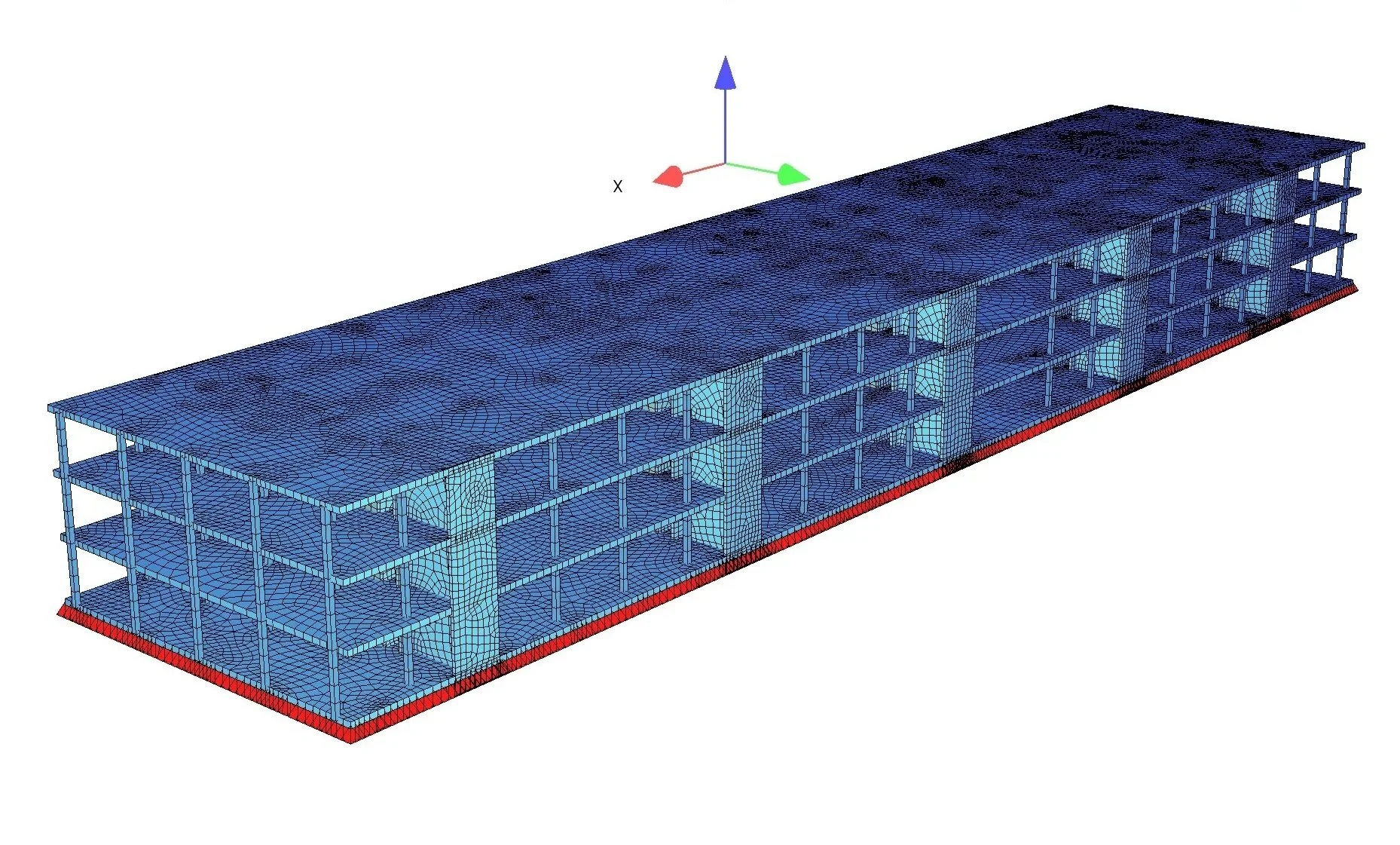
The building's structural framework provides a stable and adaptable order within which these environmental conditions can evolve. Structure, enclosure and services are coordinated as complementary systems rather than independent layers. Environmental components can be modified, upgraded or adjusted over time without disrupting the primary organisation of the building, allowing the architecture to respond to changing technologies and patterns of use.
Service infrastructure is arranged within clearly defined zones that simplify maintenance and future adaptation. Mechanical systems supplement natural environmental strategies where required, but the primary objective is to allow the building itself to contribute actively to environmental performance through its organisation, orientation and enclosure. Environmental control emerges from the relationship between space, structure and climate rather than from mechanical systems alone.
The project demonstrates how residential architecture can move beyond conventional distinctions between inside and outside, conditioned and unconditioned space. By establishing a spectrum of environmental conditions and incorporating adaptable enclosure systems, the building supports a richer and more responsive pattern of occupation. Habitation becomes an active engagement with changing environmental conditions rather than a retreat from them.
Through the integration of environmental zoning, adaptive enclosure and long-term flexibility, the project proposes a model of housing that is both resilient and adaptable. Architecture emerges through the careful organisation of relationships between climate, enclosure, structure and occupation, creating a dwelling capable of responding to change while maintaining coherence and continuity over time.