
University Science Teaching Building — Environmental Zoning as Organising Framework
University Science Teaching Building — Environmental Zoning as Organising Framework
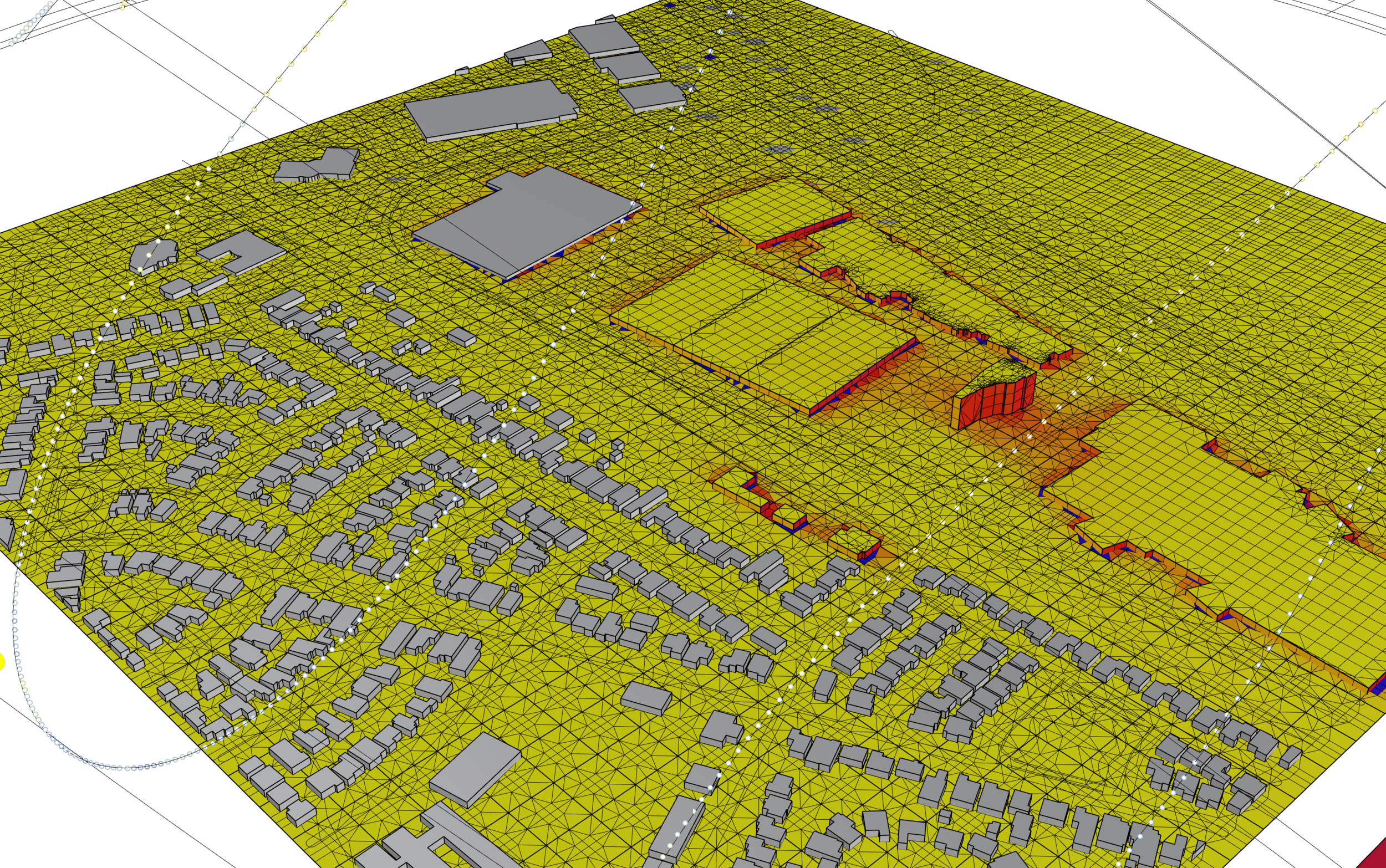
The University Science Teaching Building is conceived as an environment for learning, experimentation and discovery in which environmental performance becomes a primary generator of architectural form. Rather than treating ventilation, daylight and environmental control as technical systems applied to a completed design, the project integrates these considerations into the organisation of space itself.
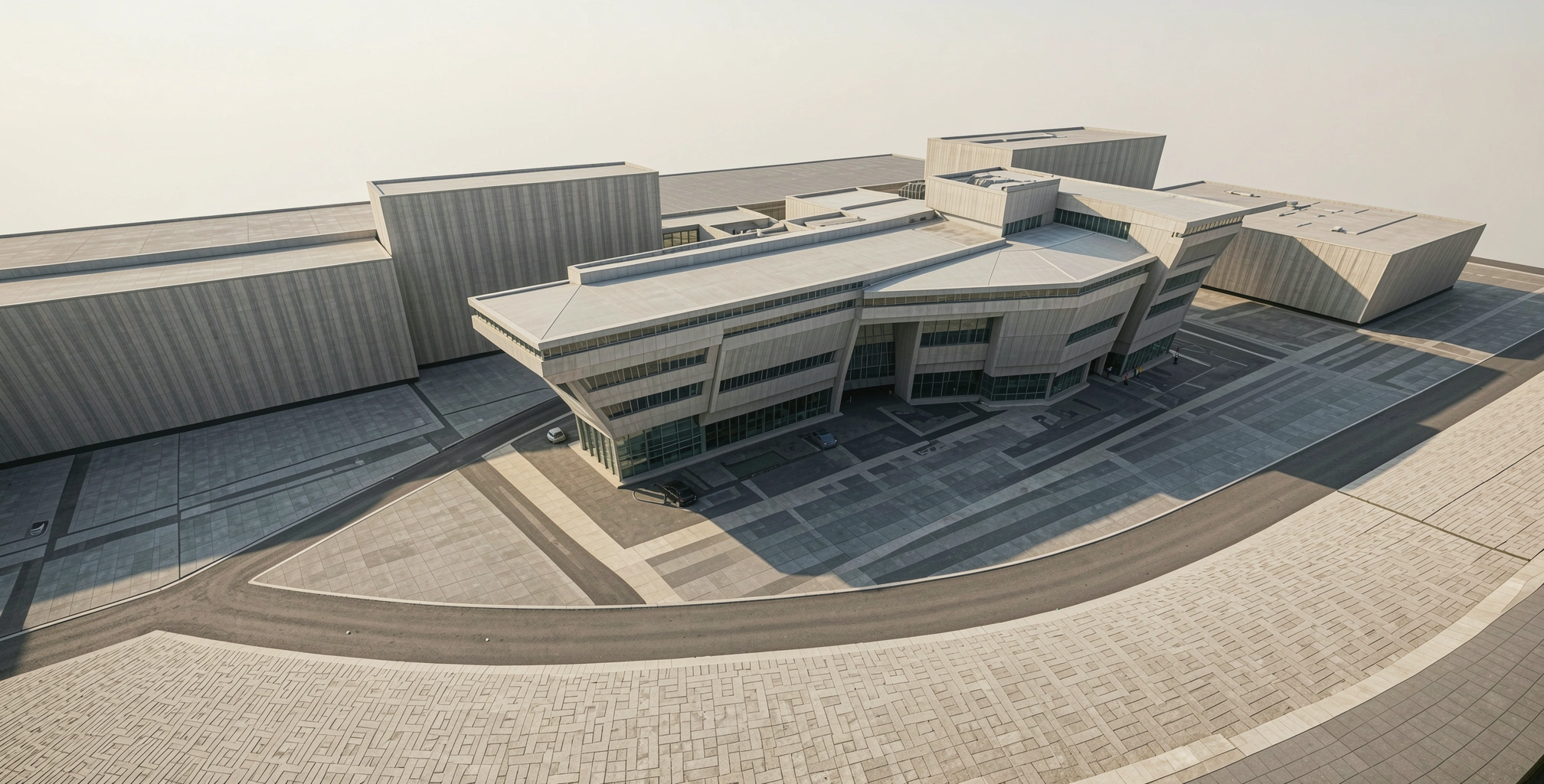
The building accommodates a diverse range of teaching environments, including laboratories, specialist learning spaces, seminar rooms and informal areas for collaboration. Each of these activities requires different environmental conditions. The project responds by organising the building as a series of interconnected environmental zones, allowing spaces to be tailored to their specific requirements while remaining part of a coherent architectural framework.
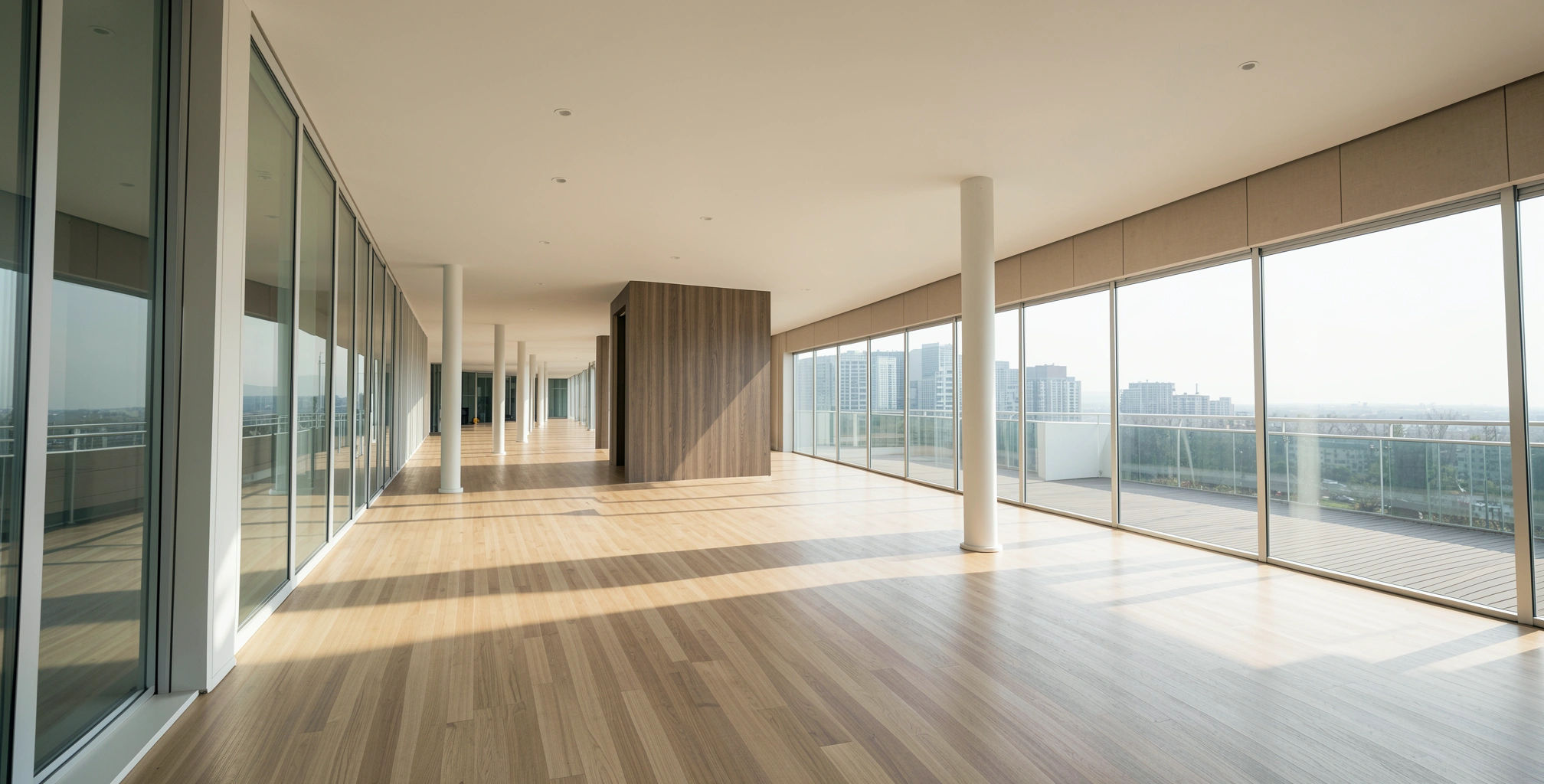
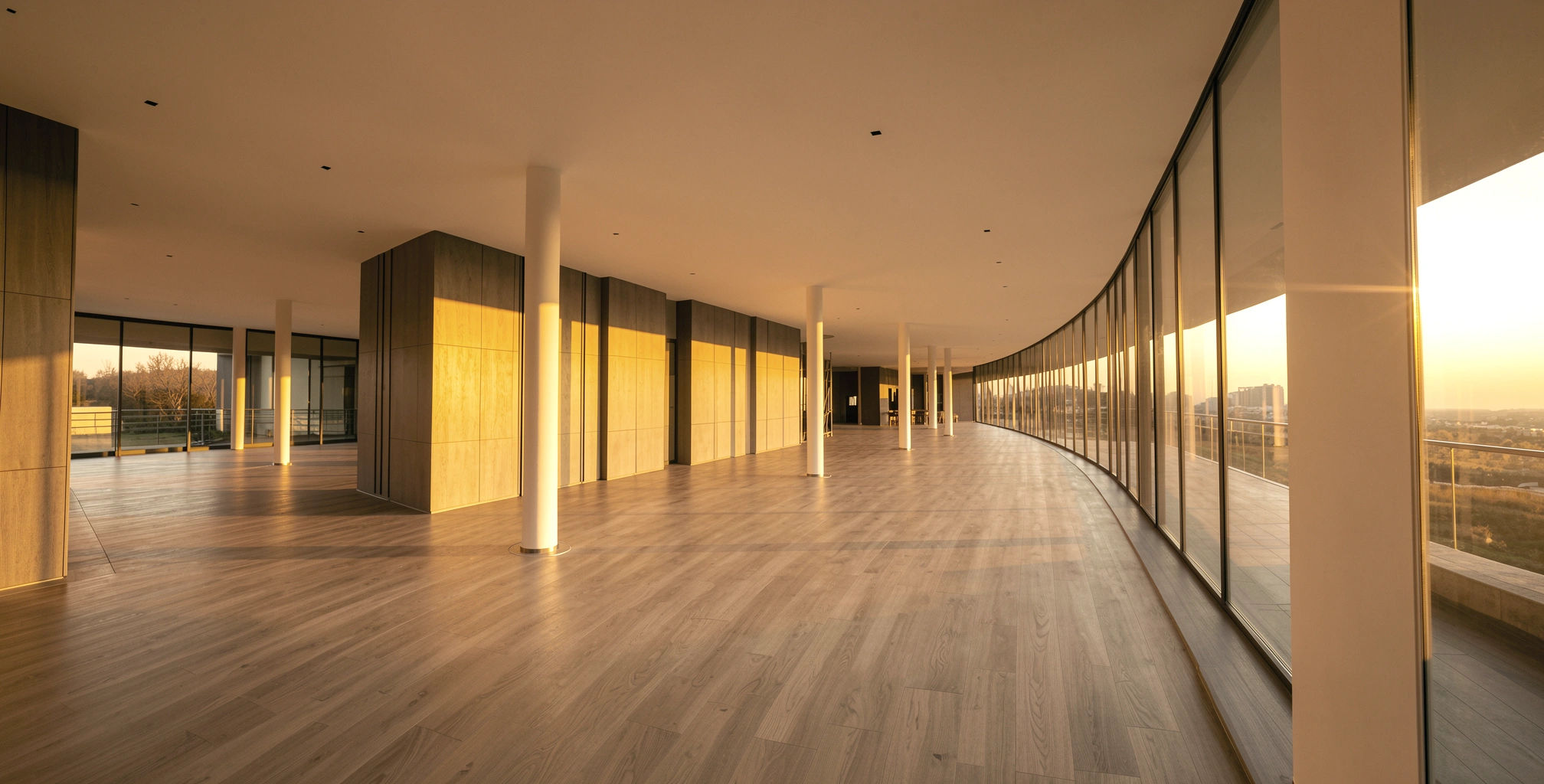
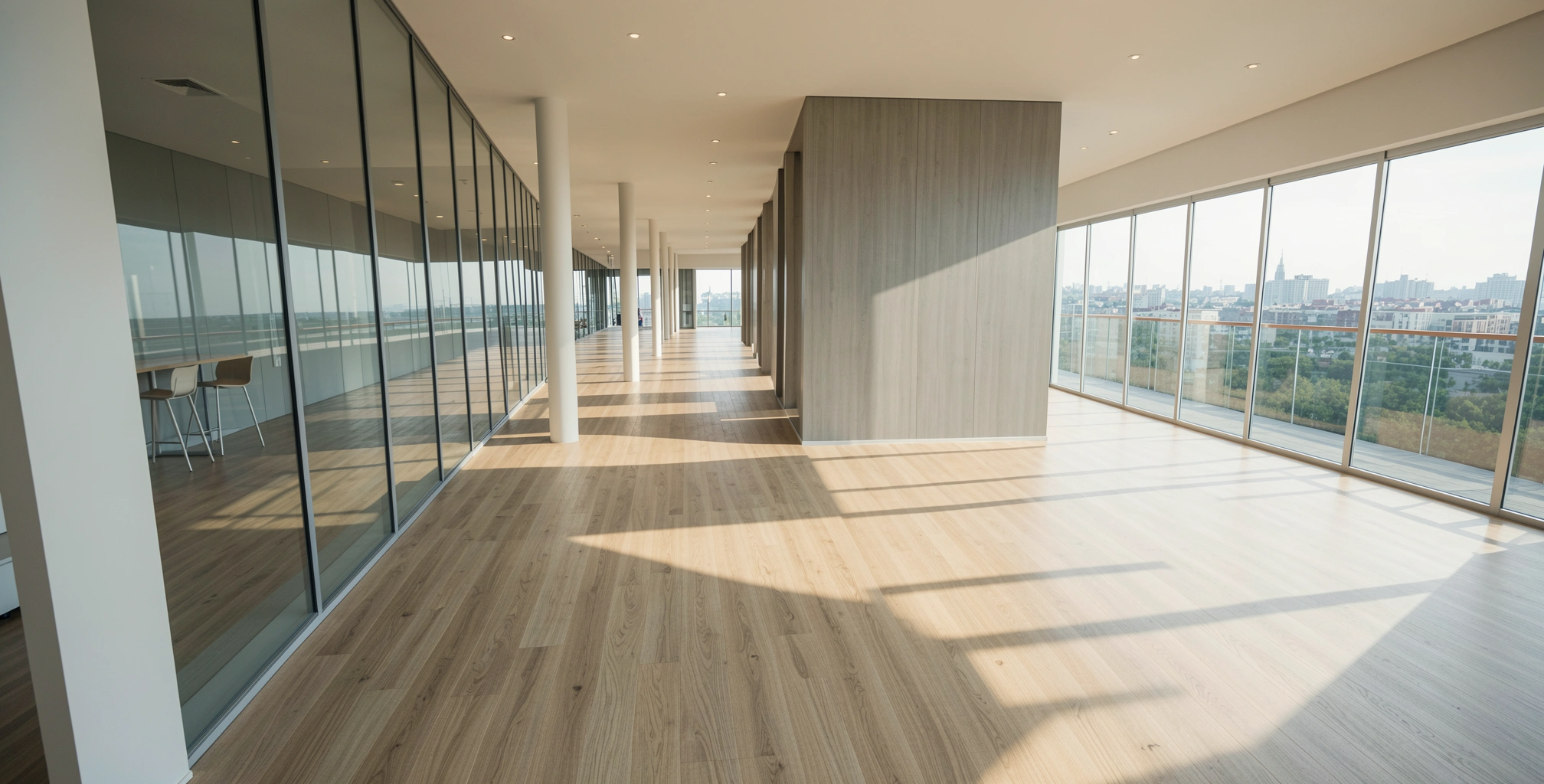
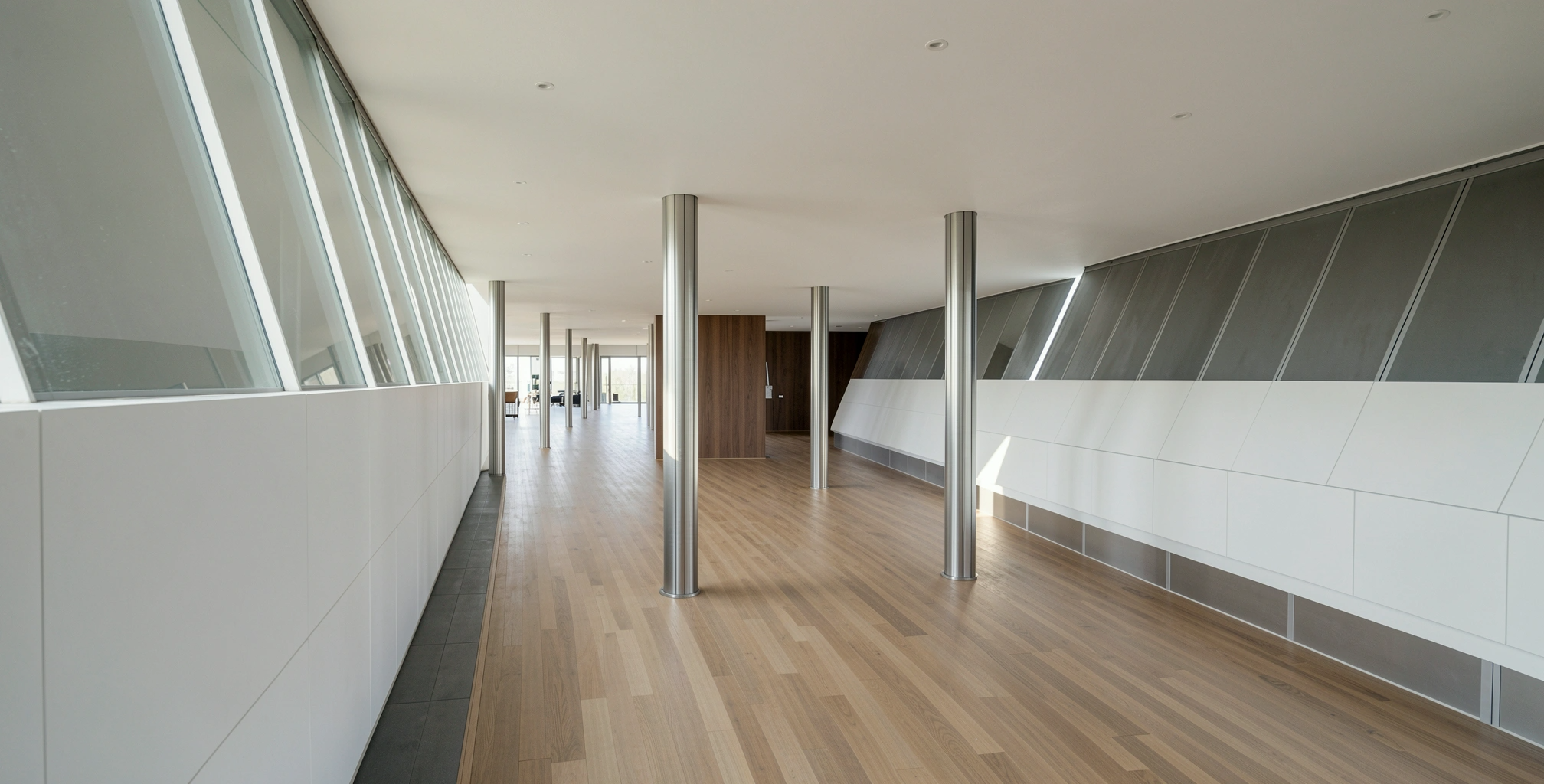
A defining feature of the design is the use of carefully positioned openings, courts and linear voids that bring daylight and natural ventilation deep into the building. These spaces separate teaching volumes while maintaining visual and physical connections between them. The resulting arrangement creates opportunities for cross-ventilation, improves access to daylight and establishes a more varied and engaging learning environment than would be possible within a conventional deep-plan building.
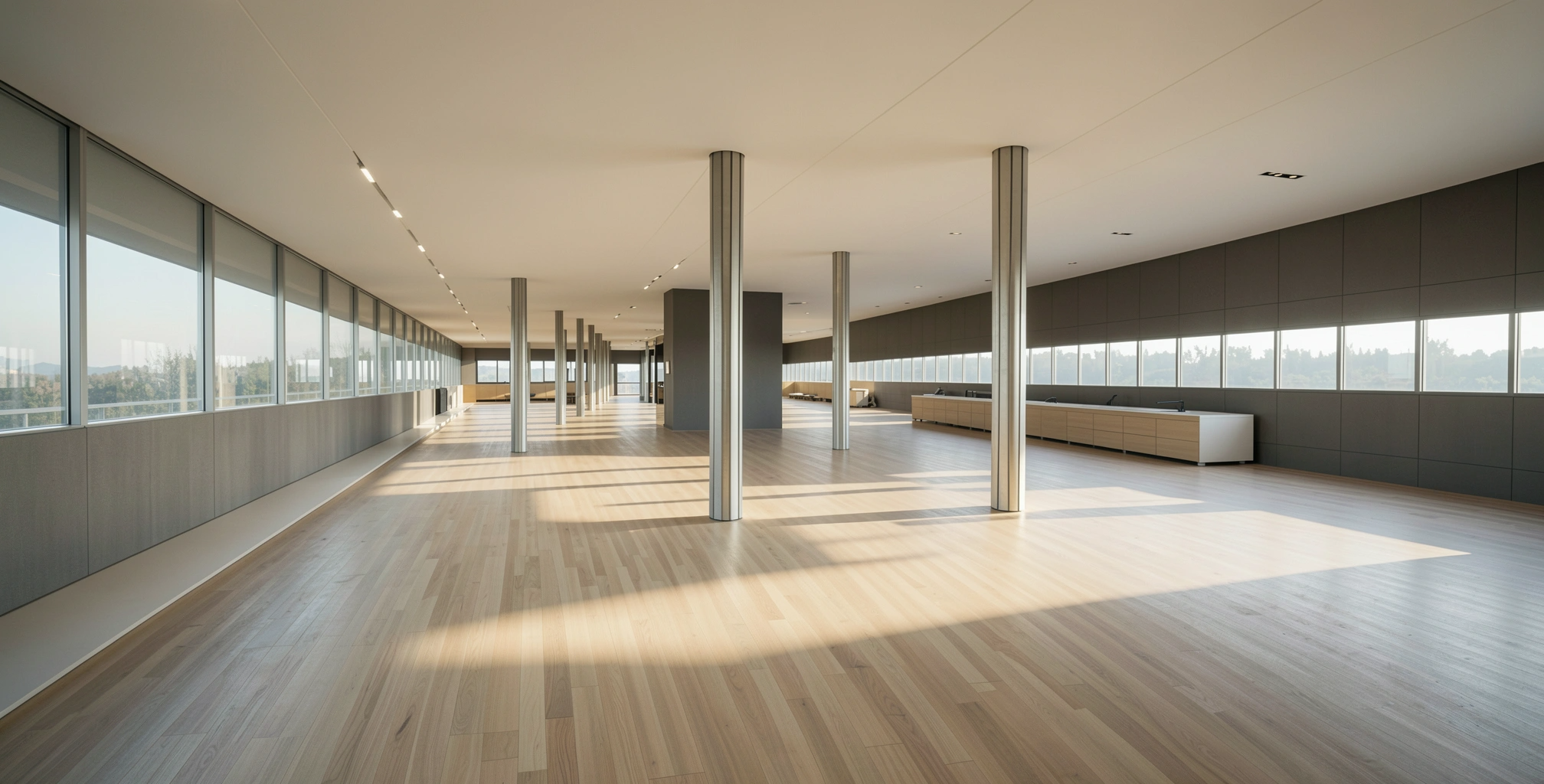
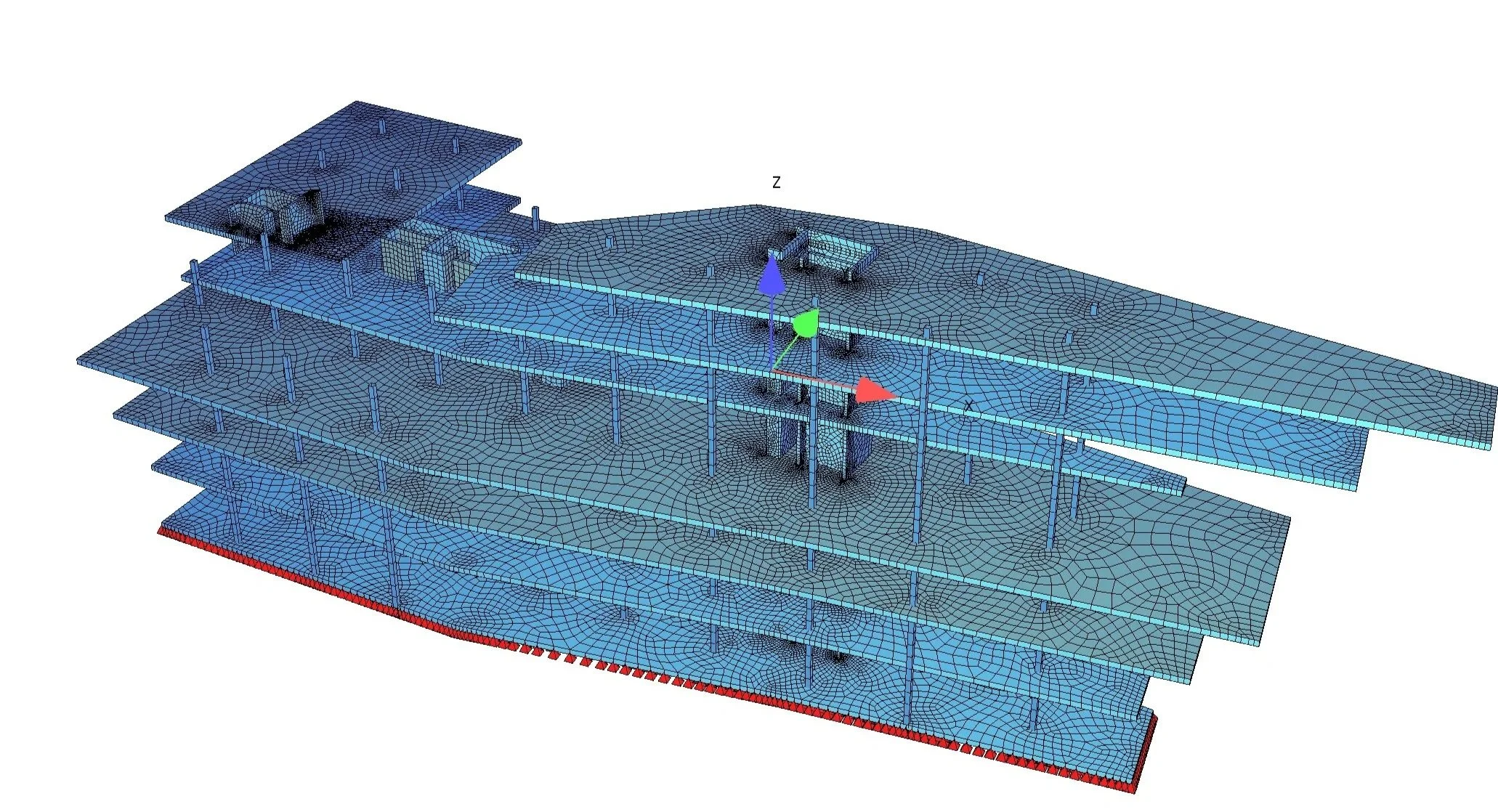
The building is organised through a regular structural and servicing grid that coordinates laboratories, teaching spaces, circulation routes and environmental systems. This shared organisational framework allows structure, services and environmental performance to develop together, reducing complexity while maintaining flexibility for future adaptation. Laboratories requiring more controlled environmental conditions are positioned within areas of greater enclosure, while teaching and circulation spaces benefit from increased access to natural light and ventilation.
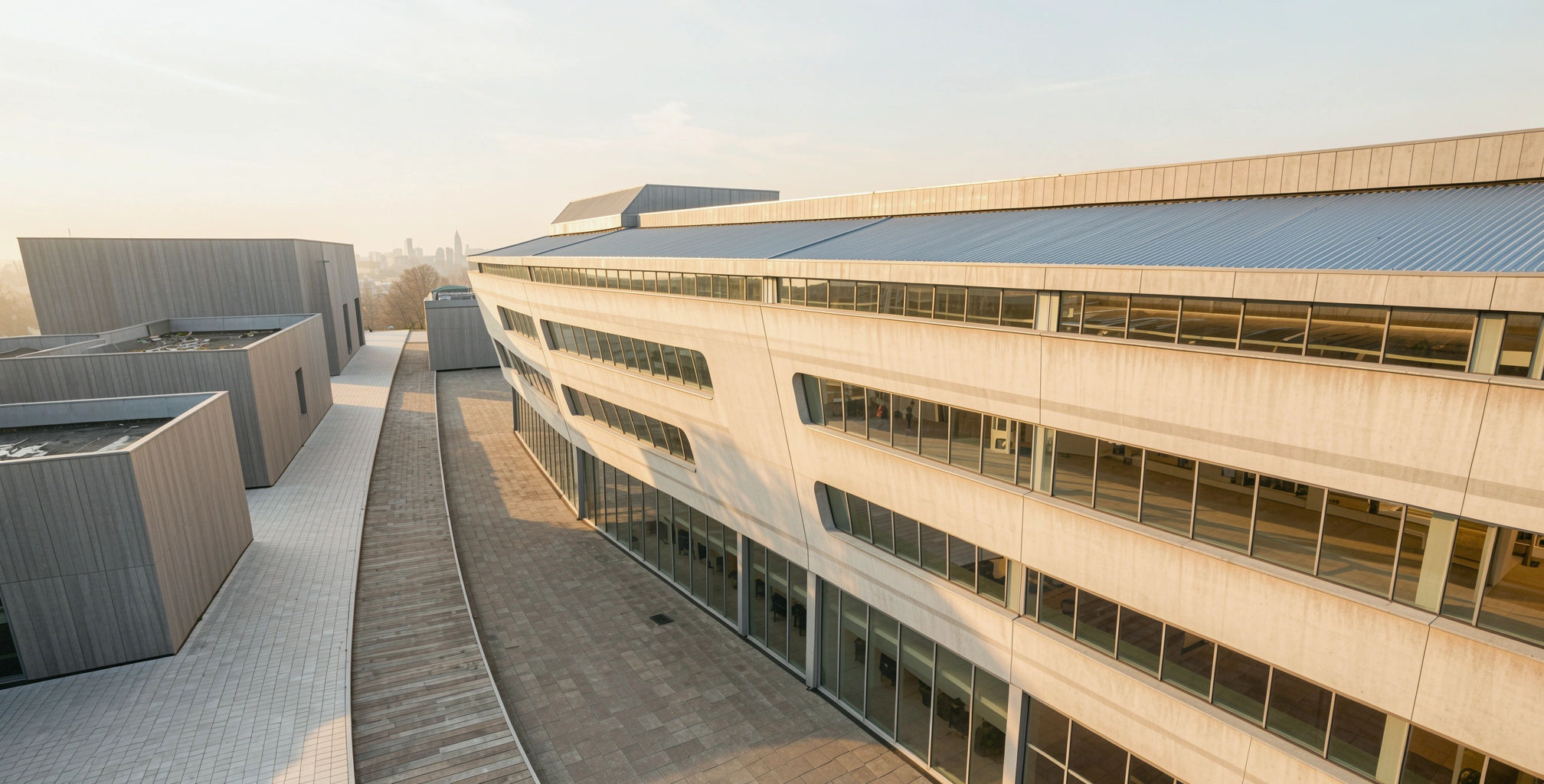
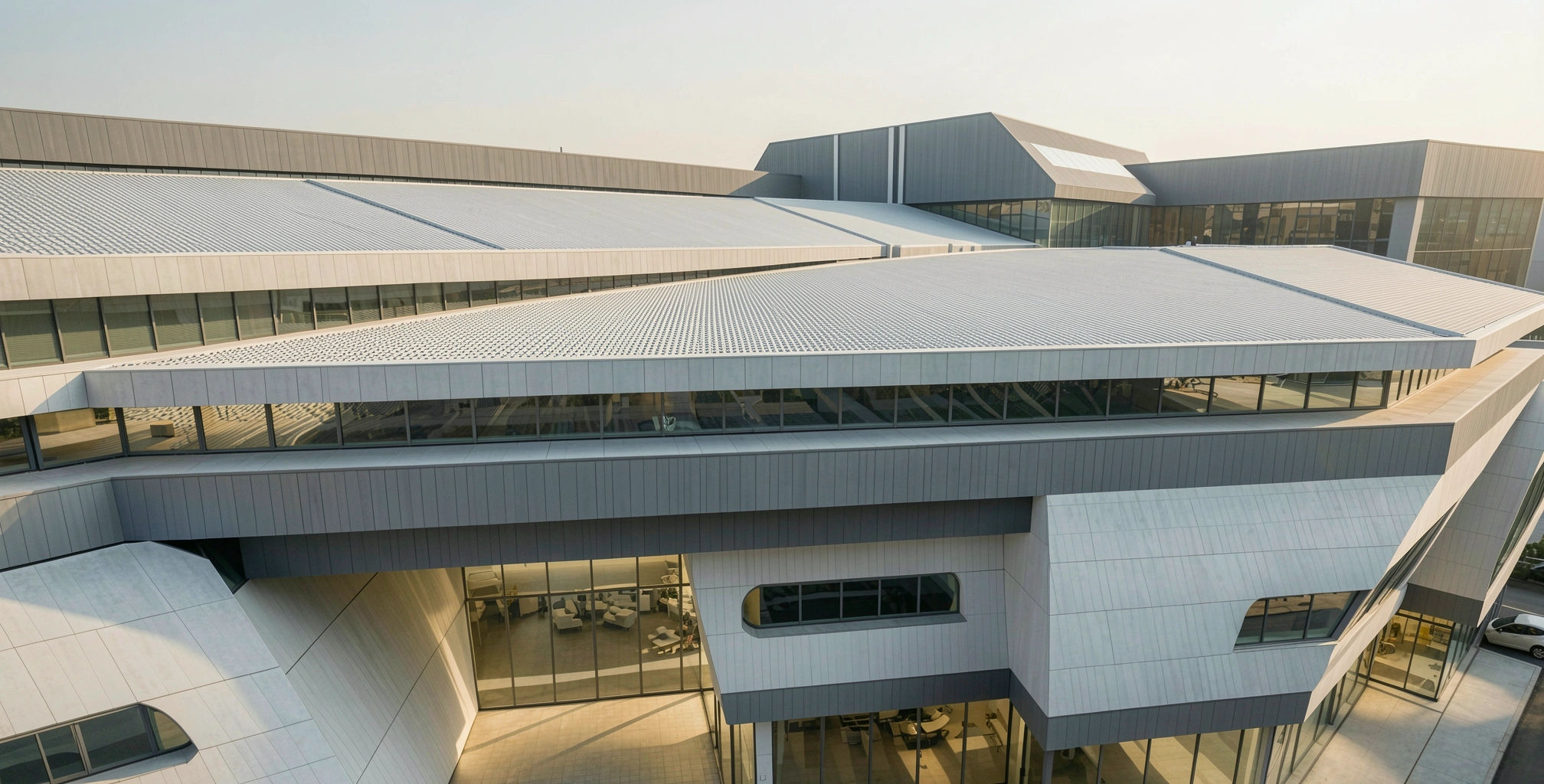
Bridges connecting different parts of the building play an important architectural and environmental role. Rather than functioning solely as circulation routes, they operate as transitional spaces that mediate between internal and external conditions. Daylight, views and air movement become part of the experience of moving through the building, reinforcing awareness of the wider environmental organisation of the project.
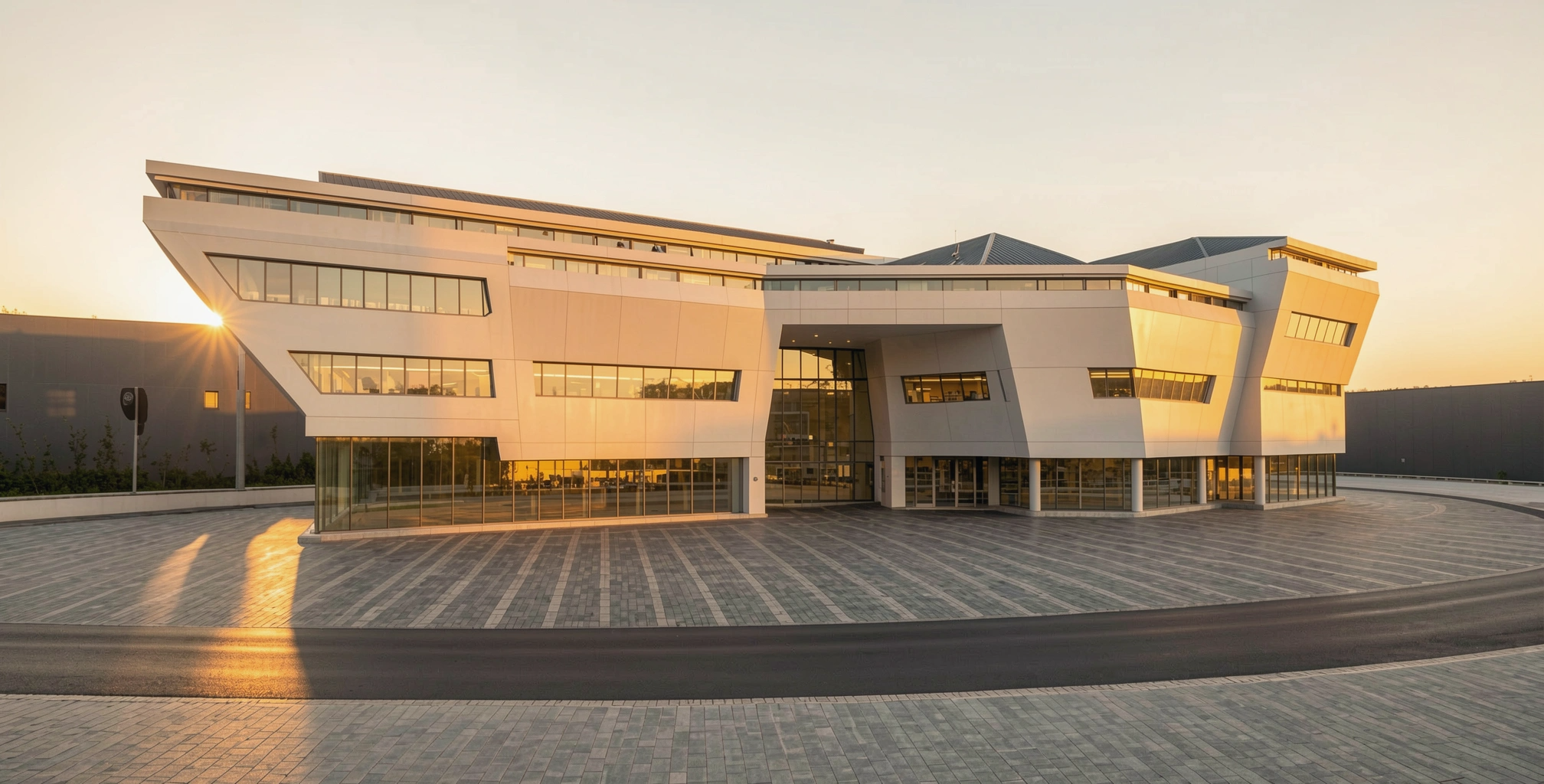
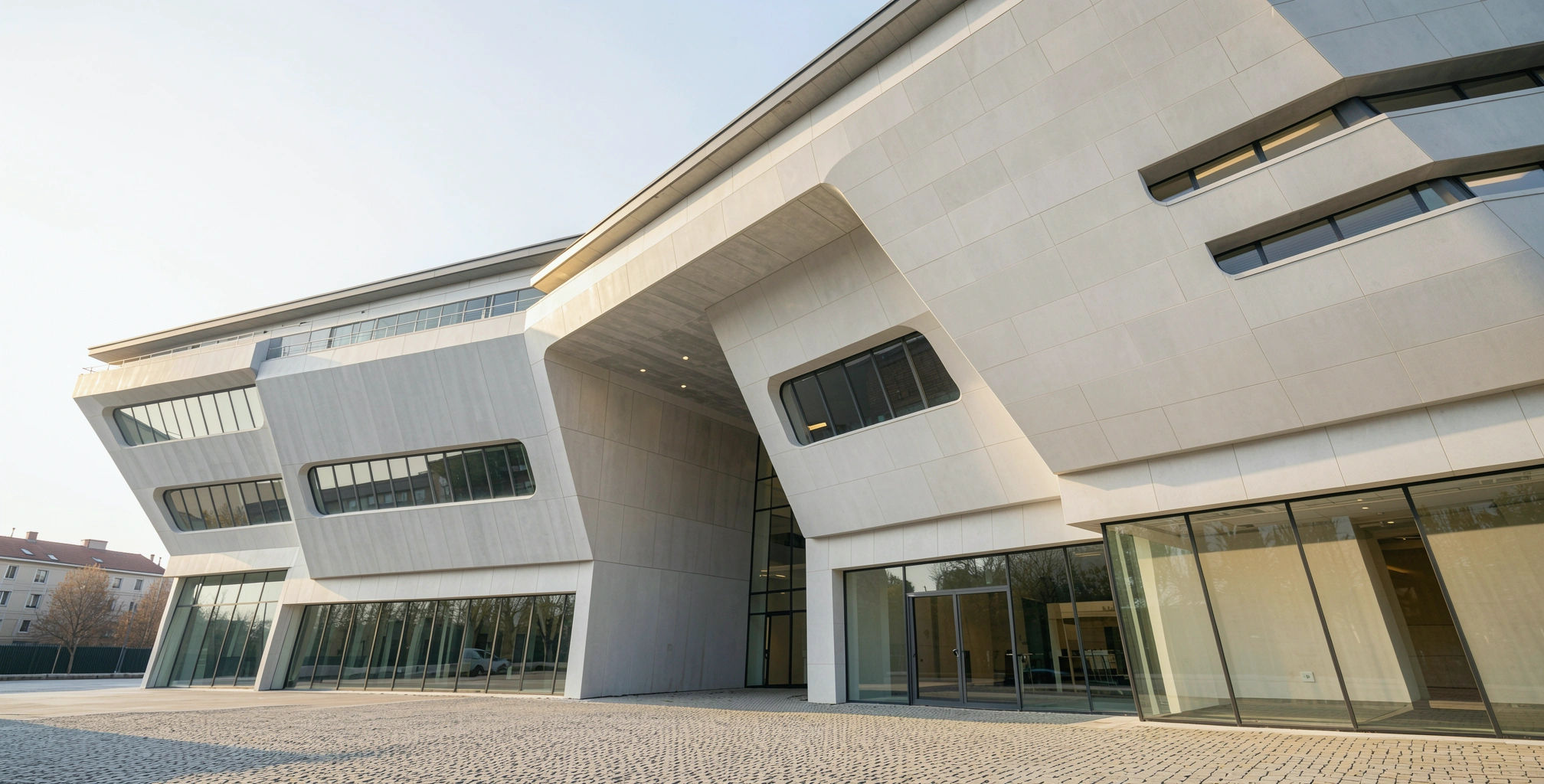
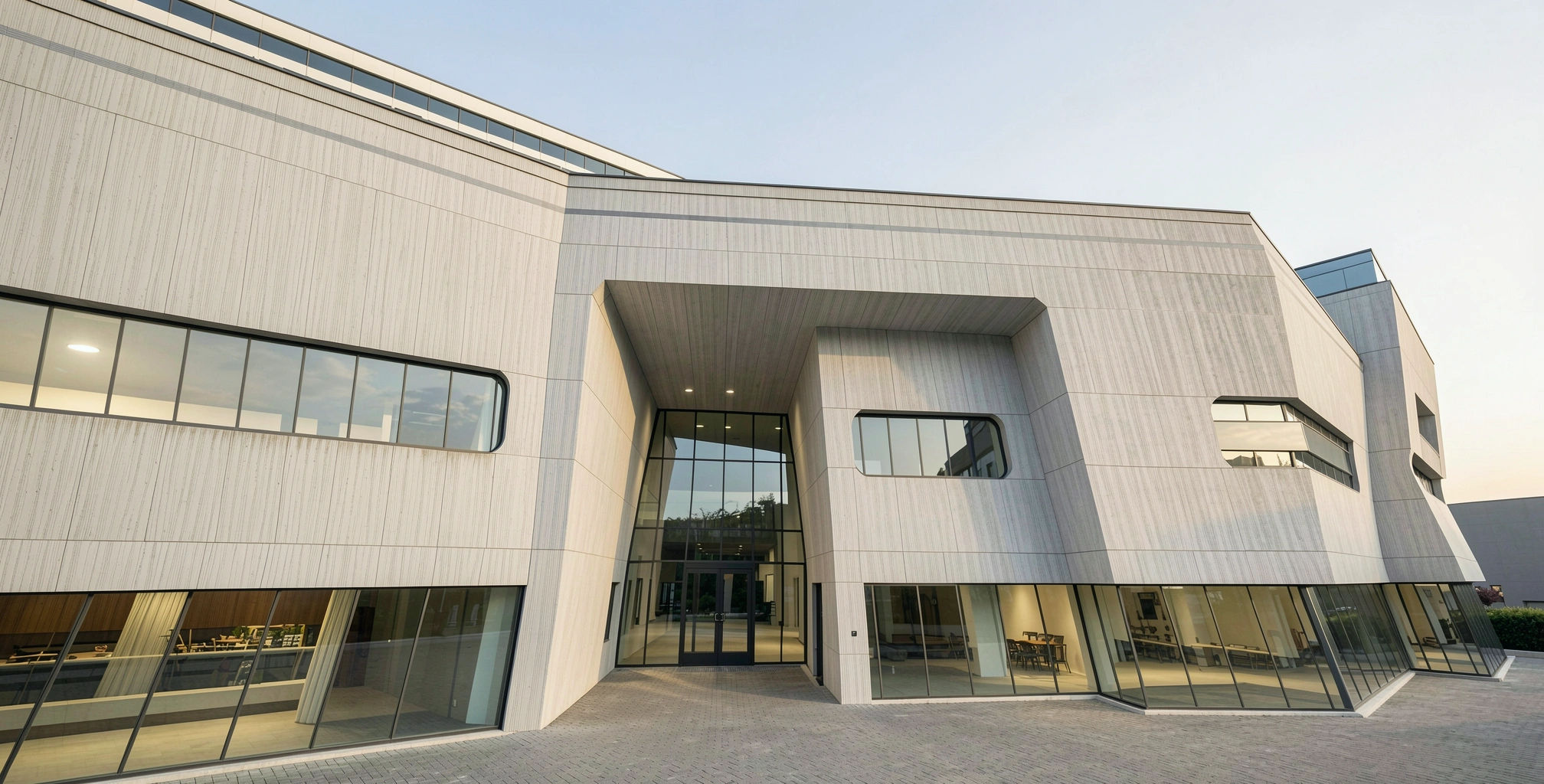
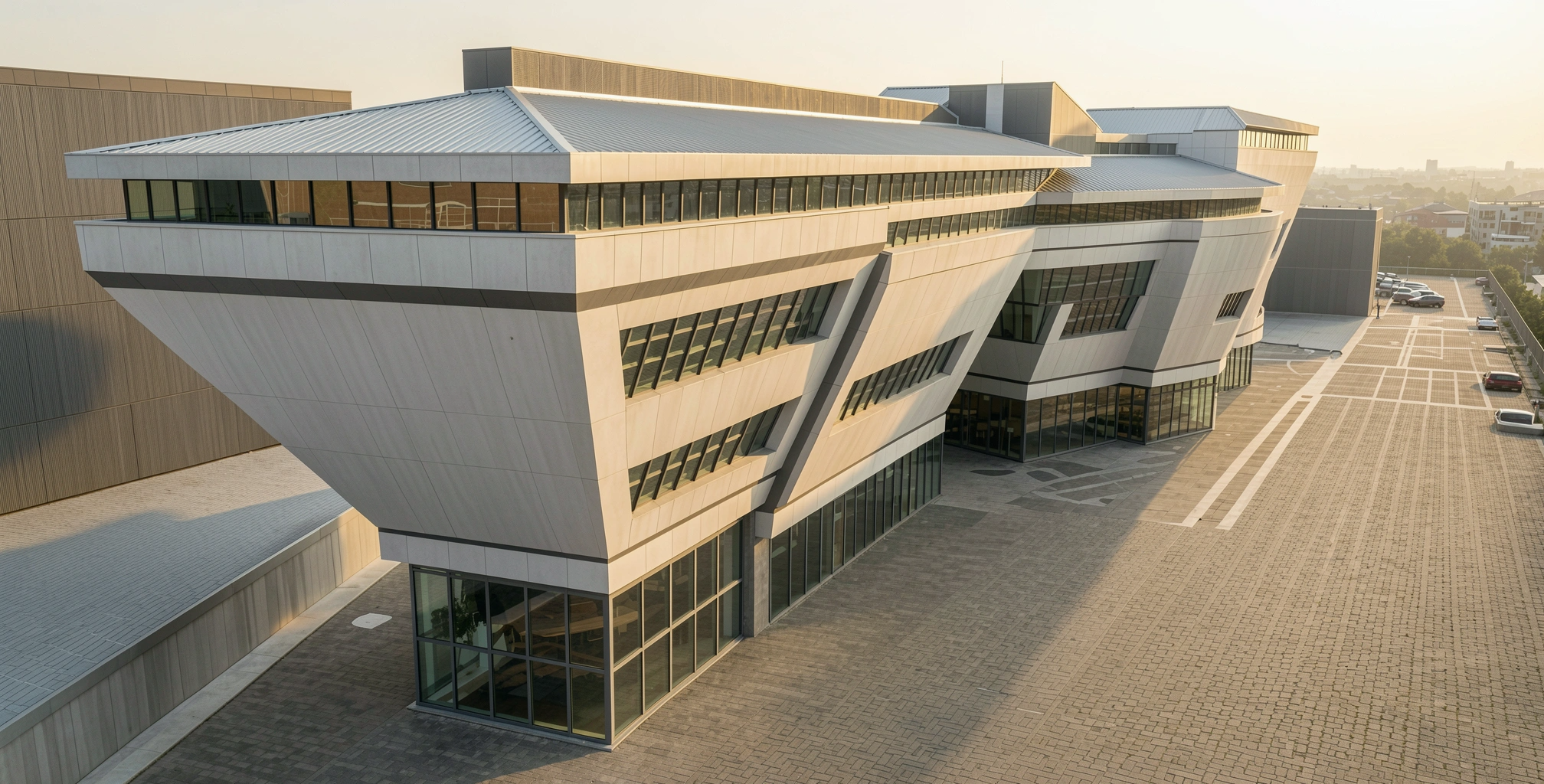
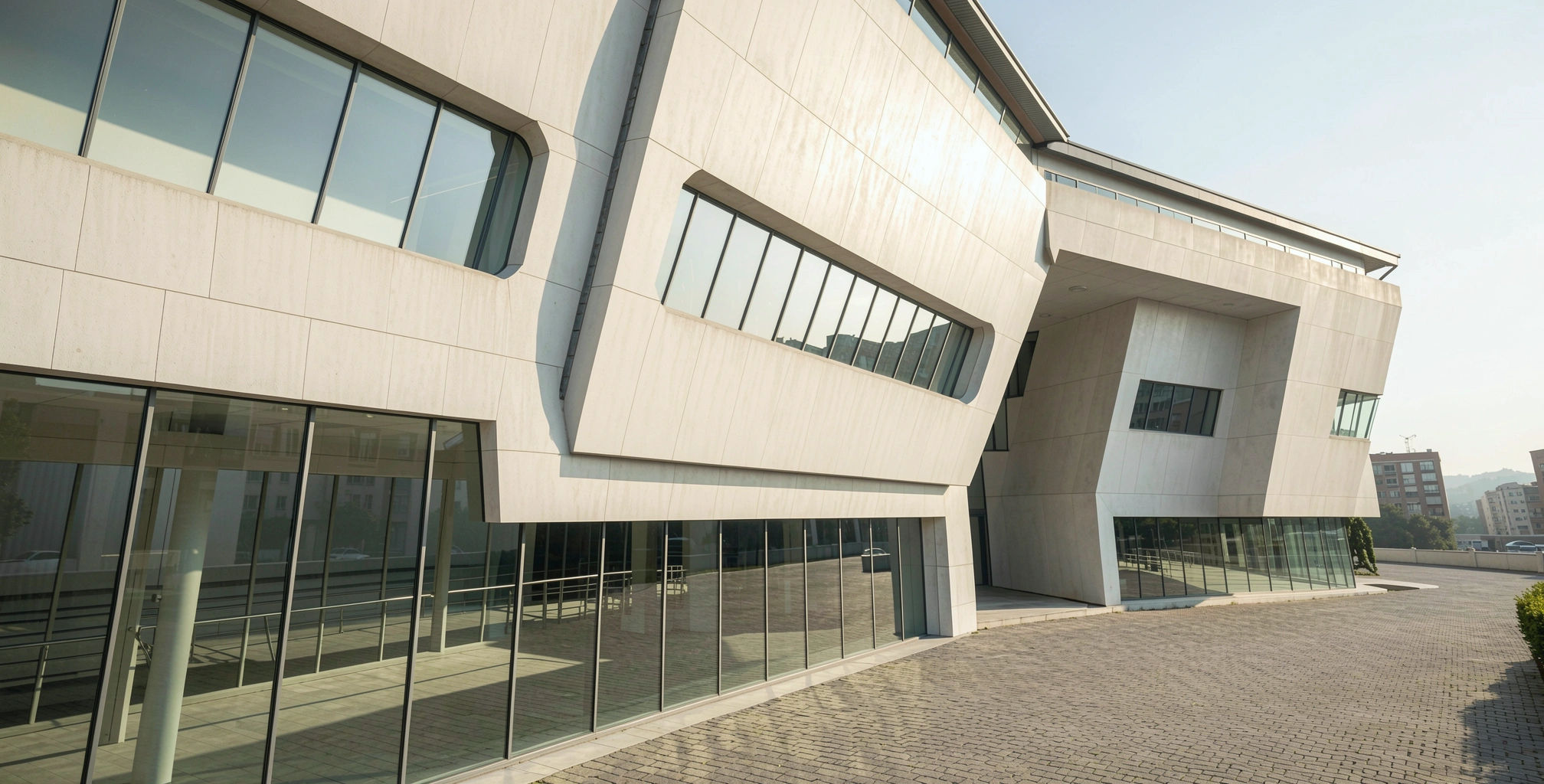
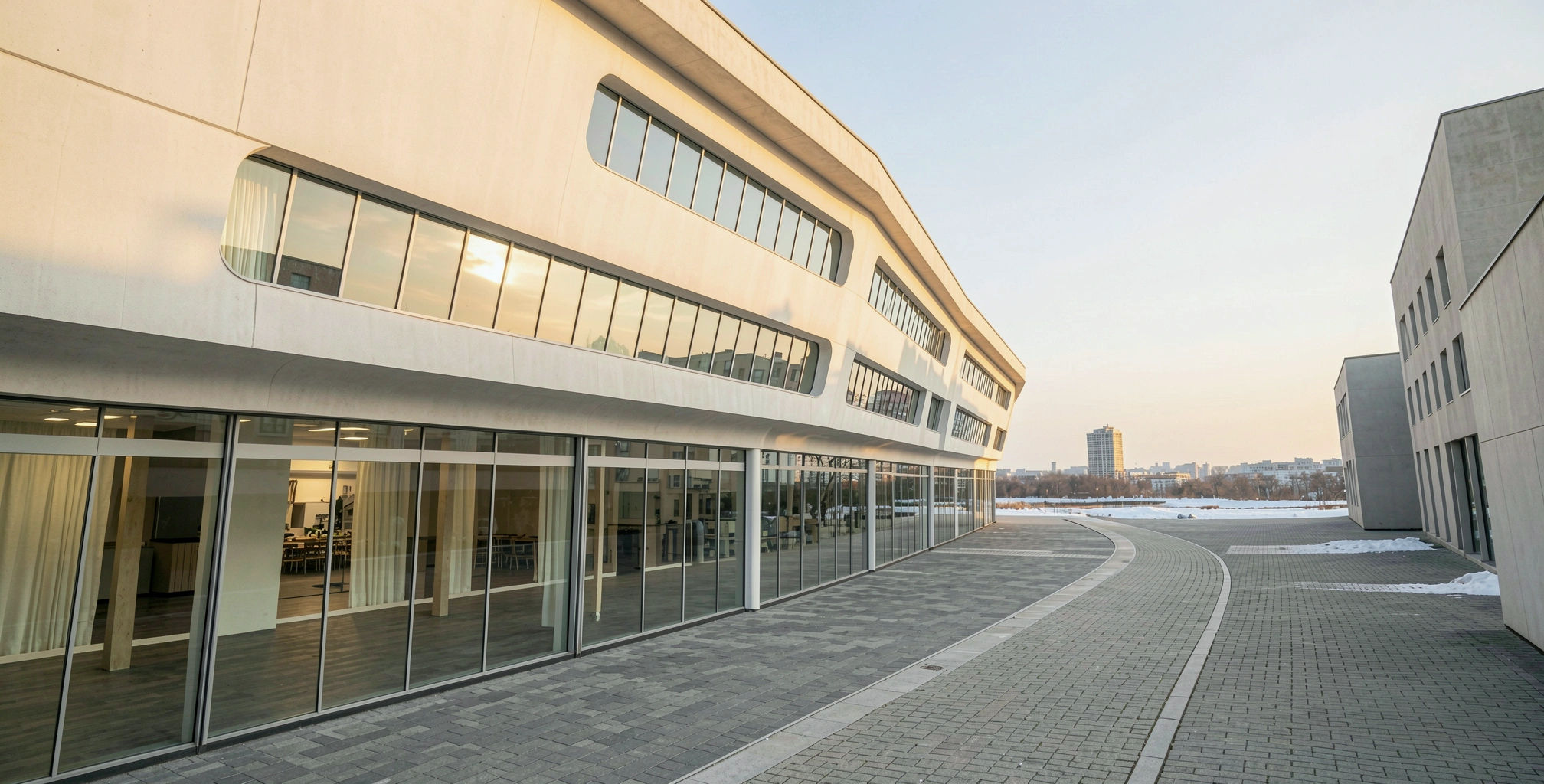
Environmental performance is further supported through the careful modulation of façade depth, glazing and shading. Openings are varied according to orientation and programme, allowing solar gain, daylight penetration and ventilation to be balanced across the building. The façade therefore reflects differences in environmental requirement while maintaining an overall architectural coherence.
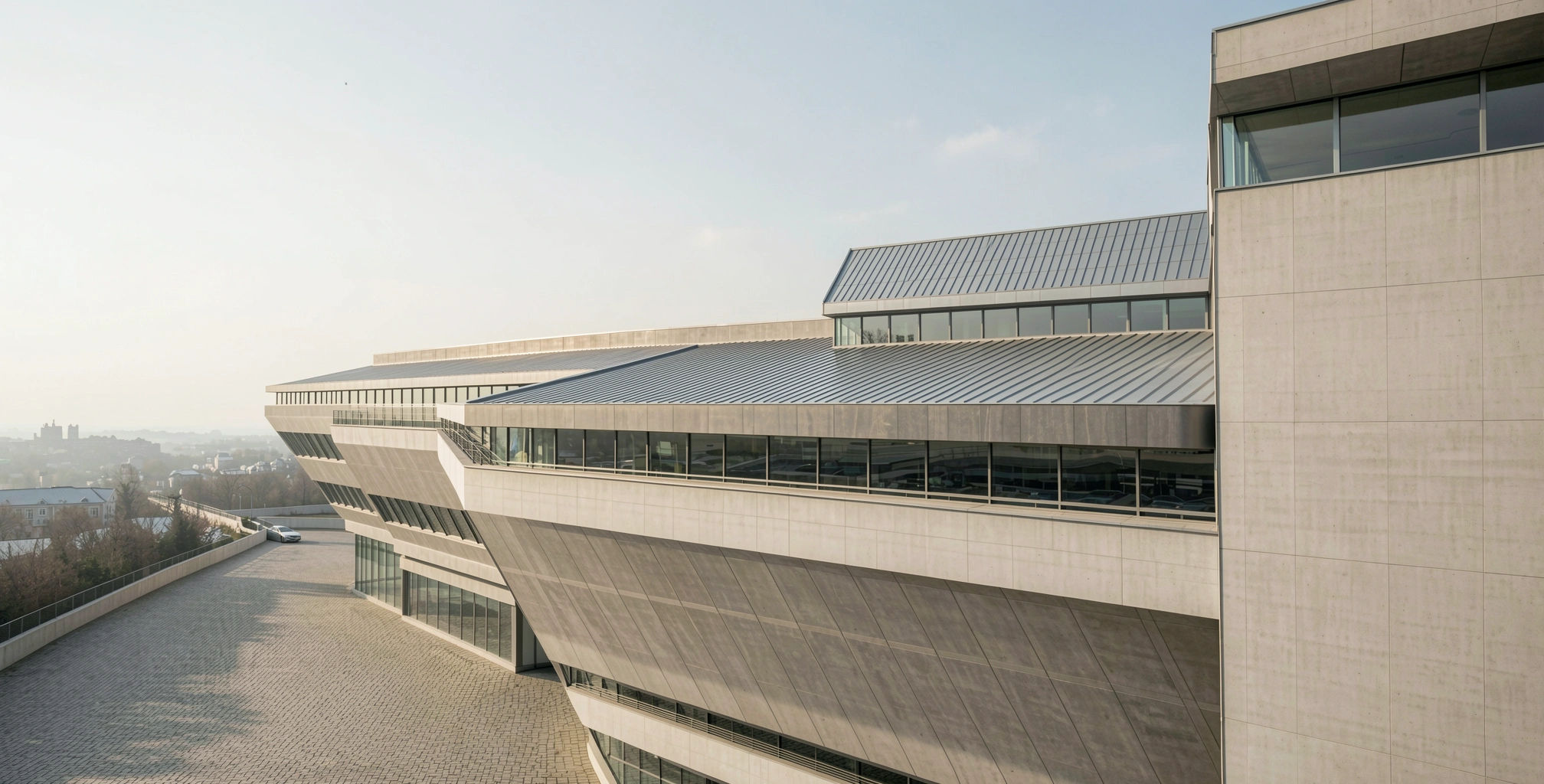
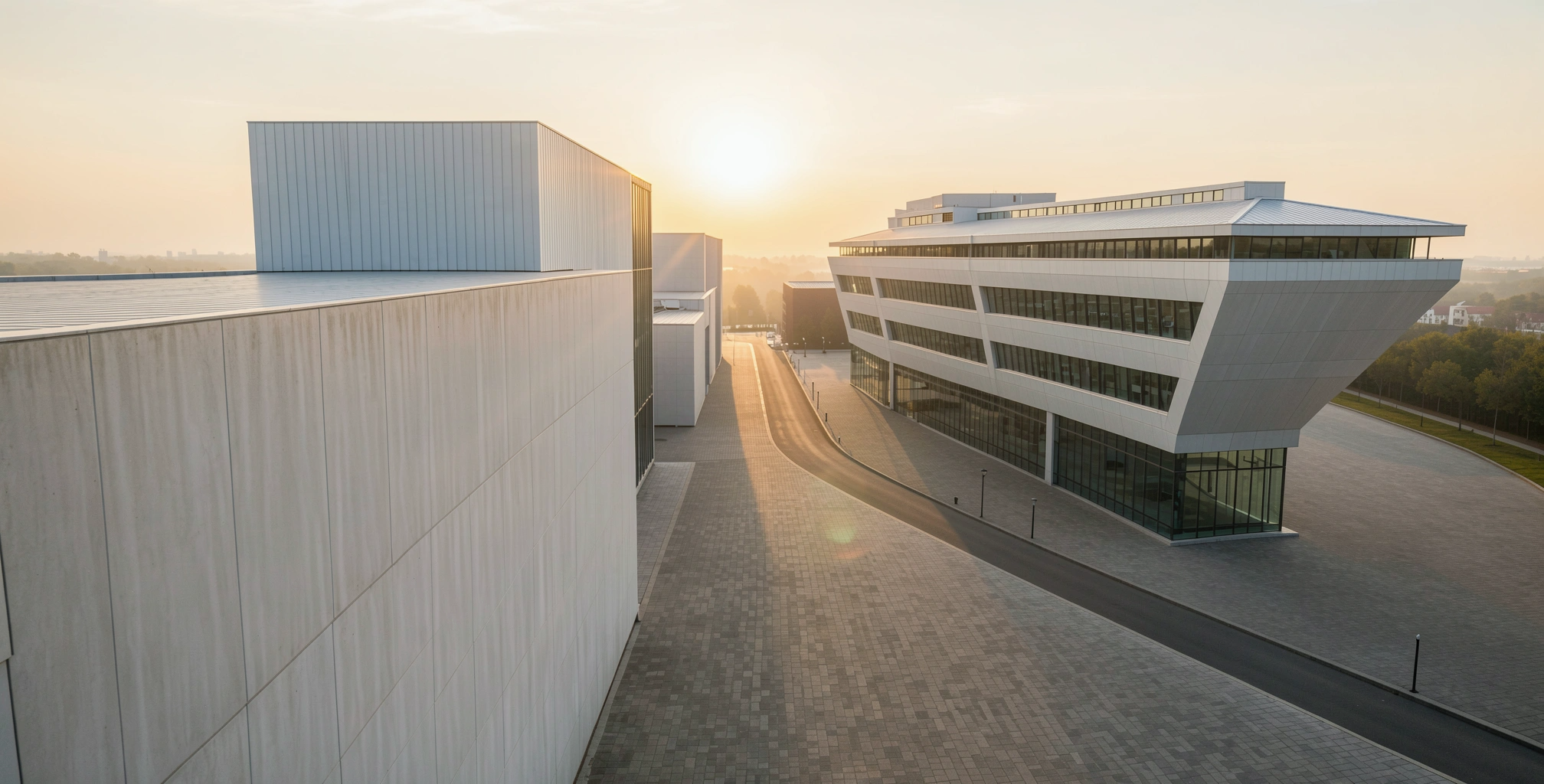
The sectional organisation of the building contributes significantly to its environmental strategy. Variations in height and volume encourage the movement of air through the building, while allowing daylight to penetrate into spaces that would otherwise depend upon artificial lighting. Environmental systems are therefore embedded within the geometry of the architecture rather than concealed behind it.
Flexibility is an important aspect of the proposal. Scientific teaching methods, equipment and technologies continue to evolve, and the building is designed to accommodate change over time. The coordination of structure, services and environmental systems within a common framework allows laboratories and teaching spaces to be adapted while preserving the overall logic of the building.
This project demonstrates how environmental performance can become an organising principle for educational architecture. By integrating daylight, ventilation, structure and spatial organisation within a single architectural framework, the building creates a learning environment that is efficient, adaptable and closely connected to its climatic context. Architectural expression emerges directly from the relationship between environmental performance and spatial organisation, producing a building whose identity is shaped by the way it supports learning, experimentation and human comfort.