
Factory Building — Envelope as Environmental Field
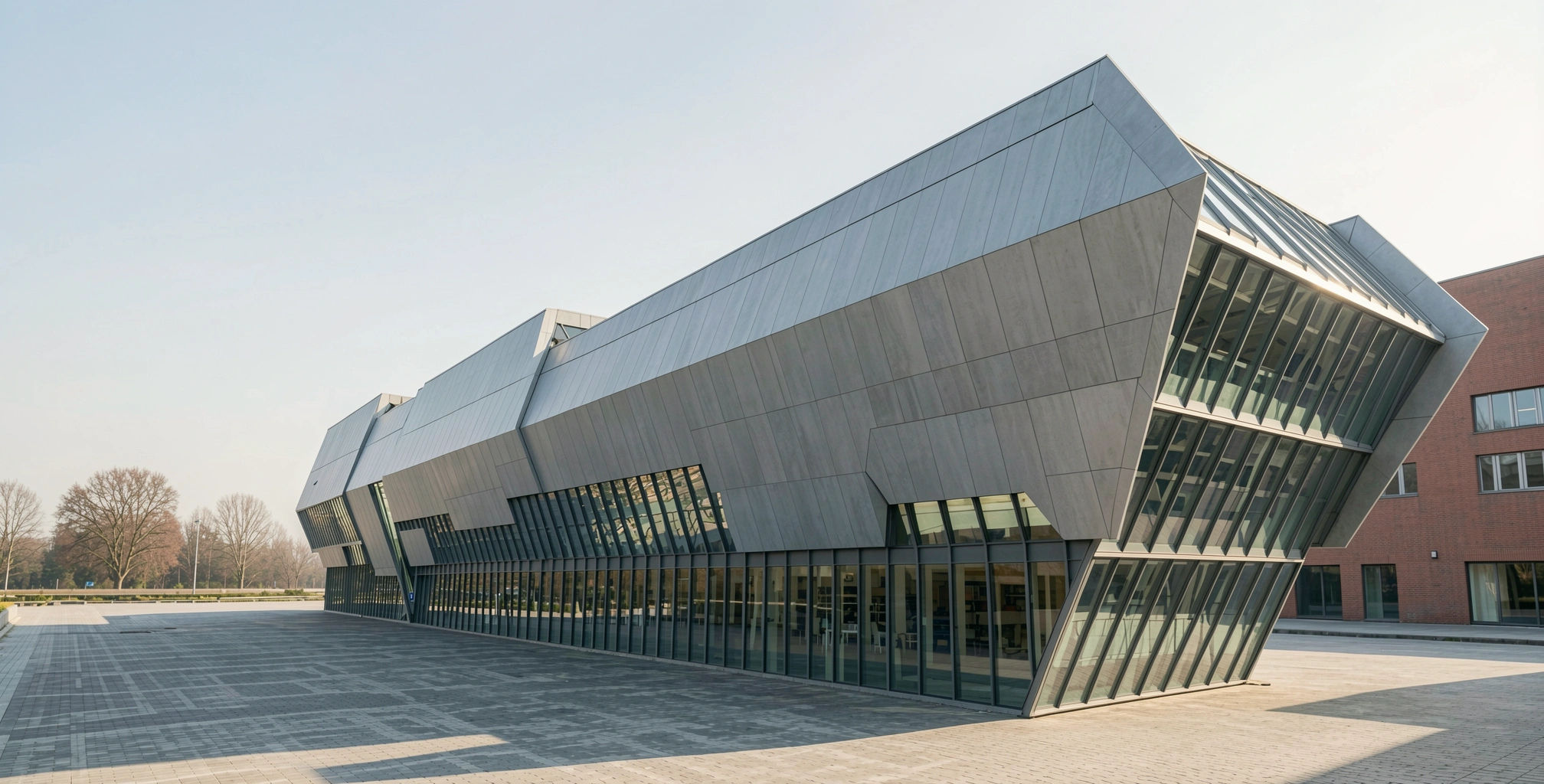
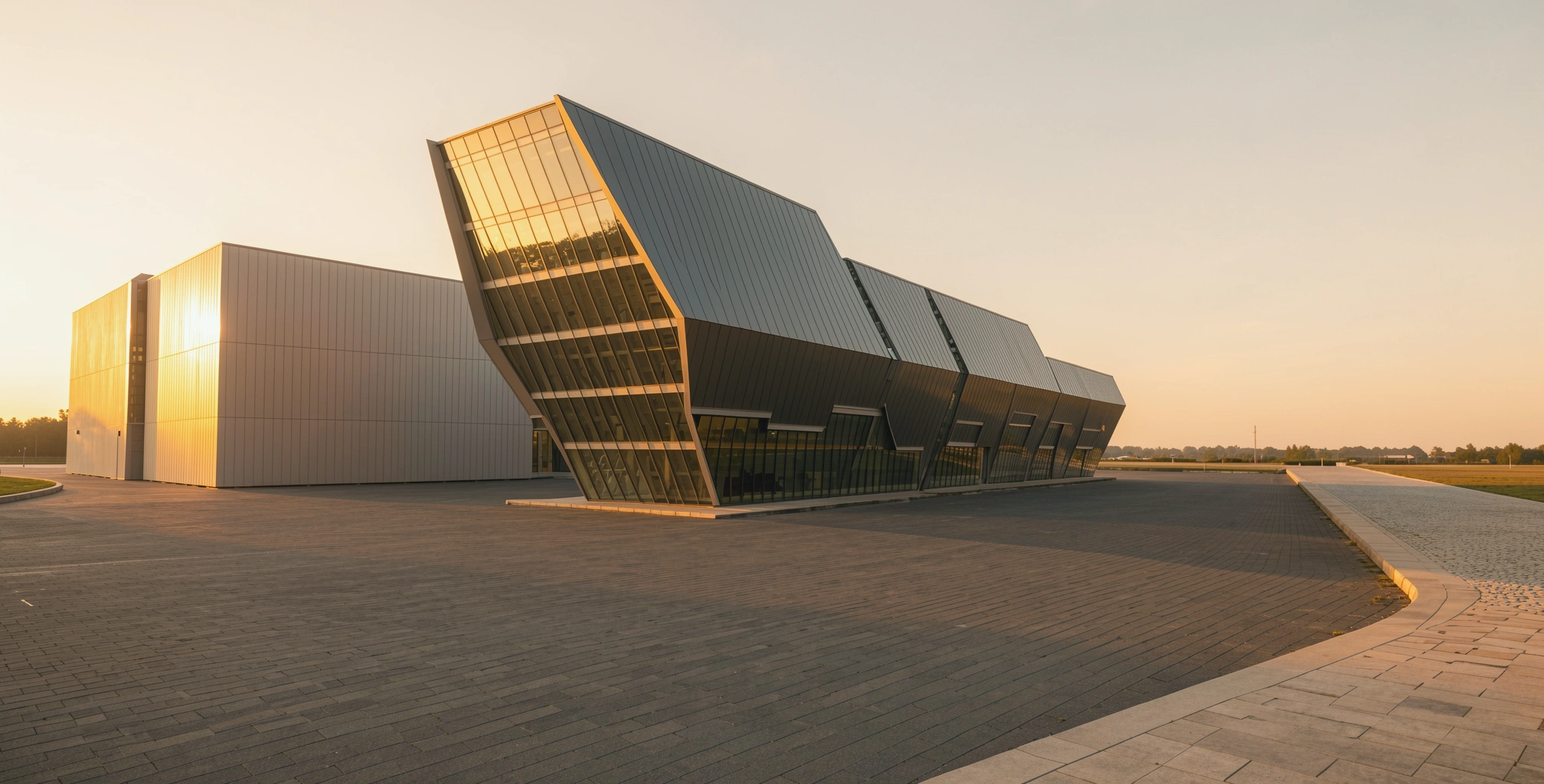
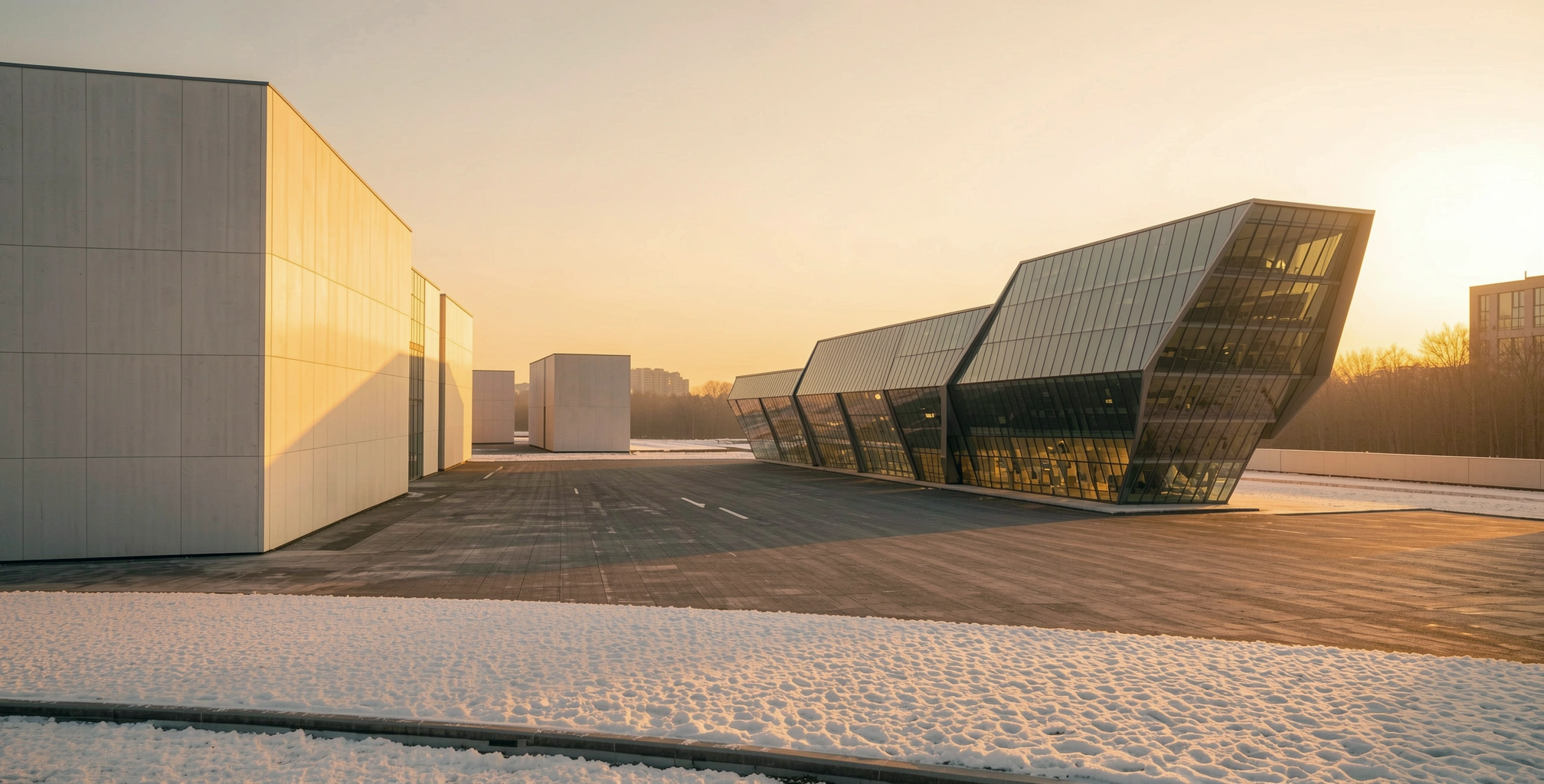
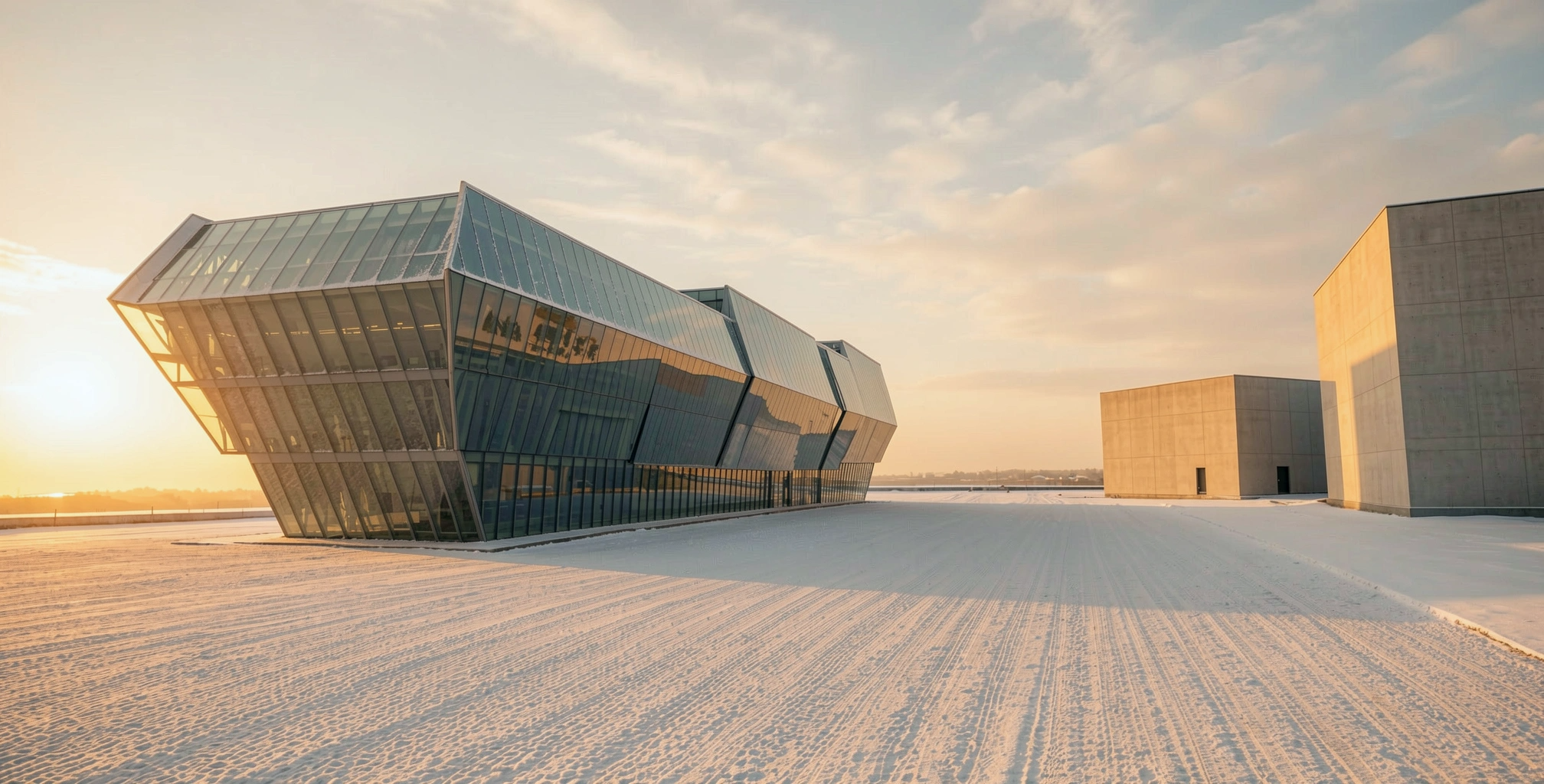
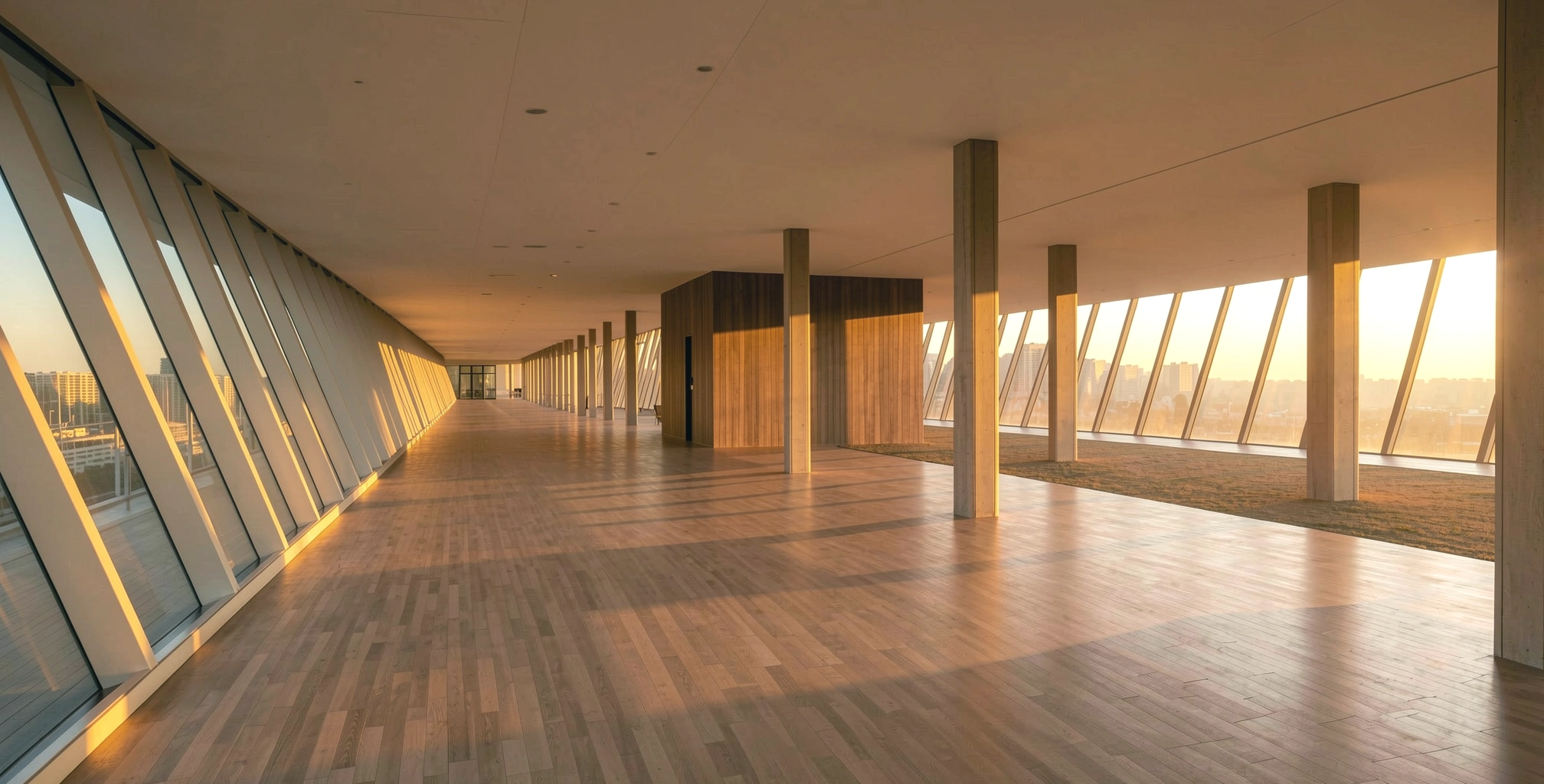
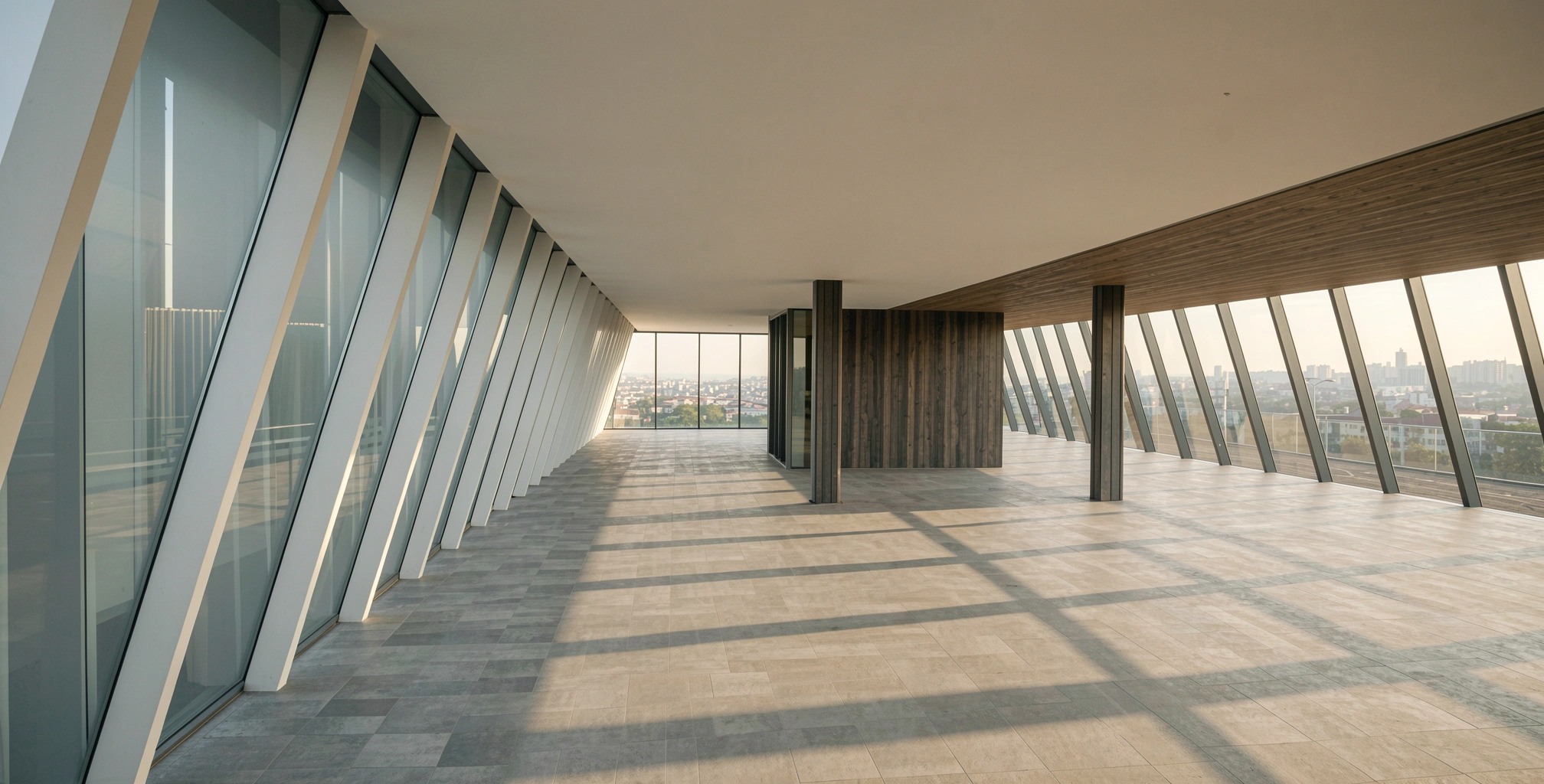
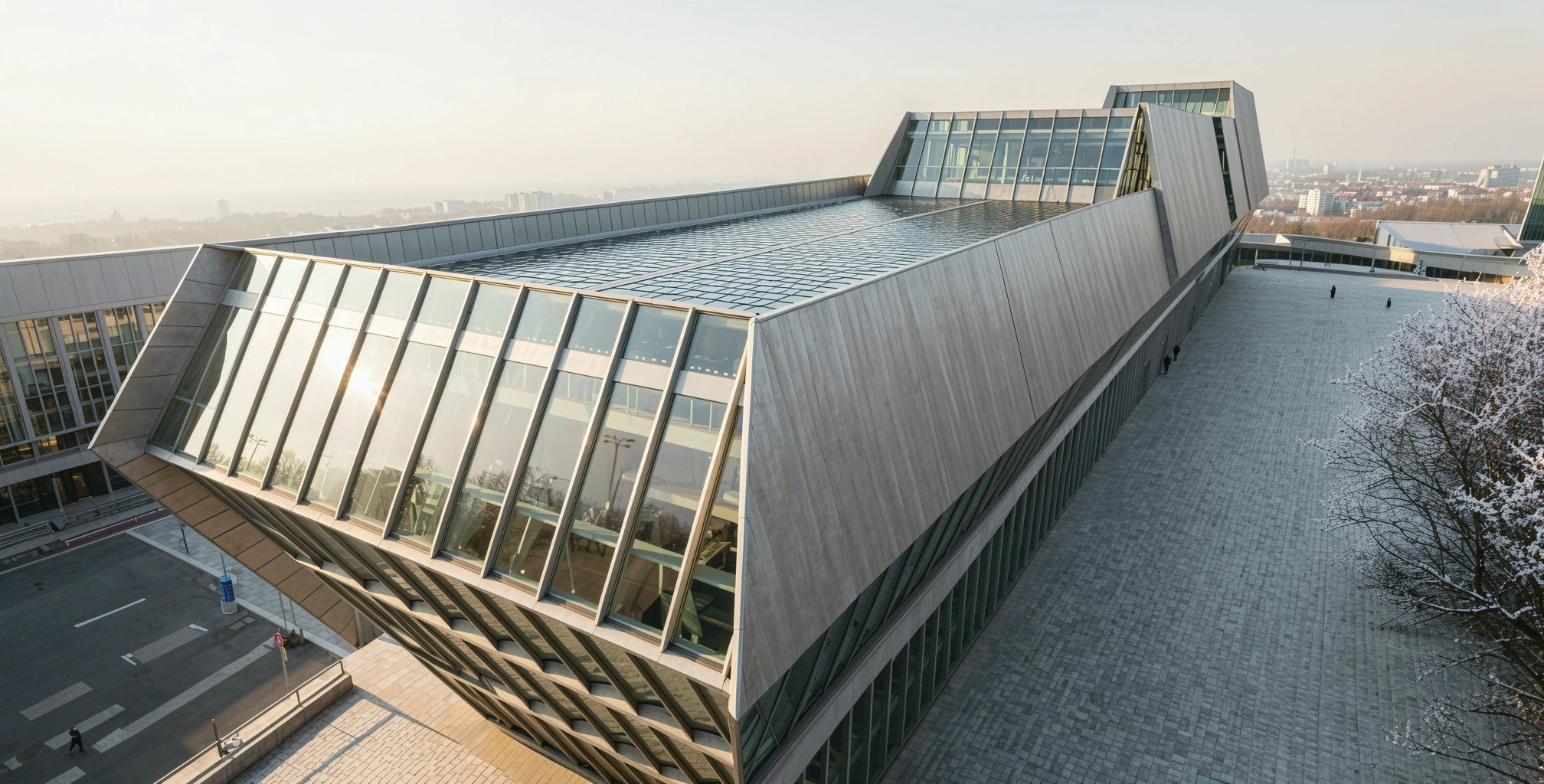
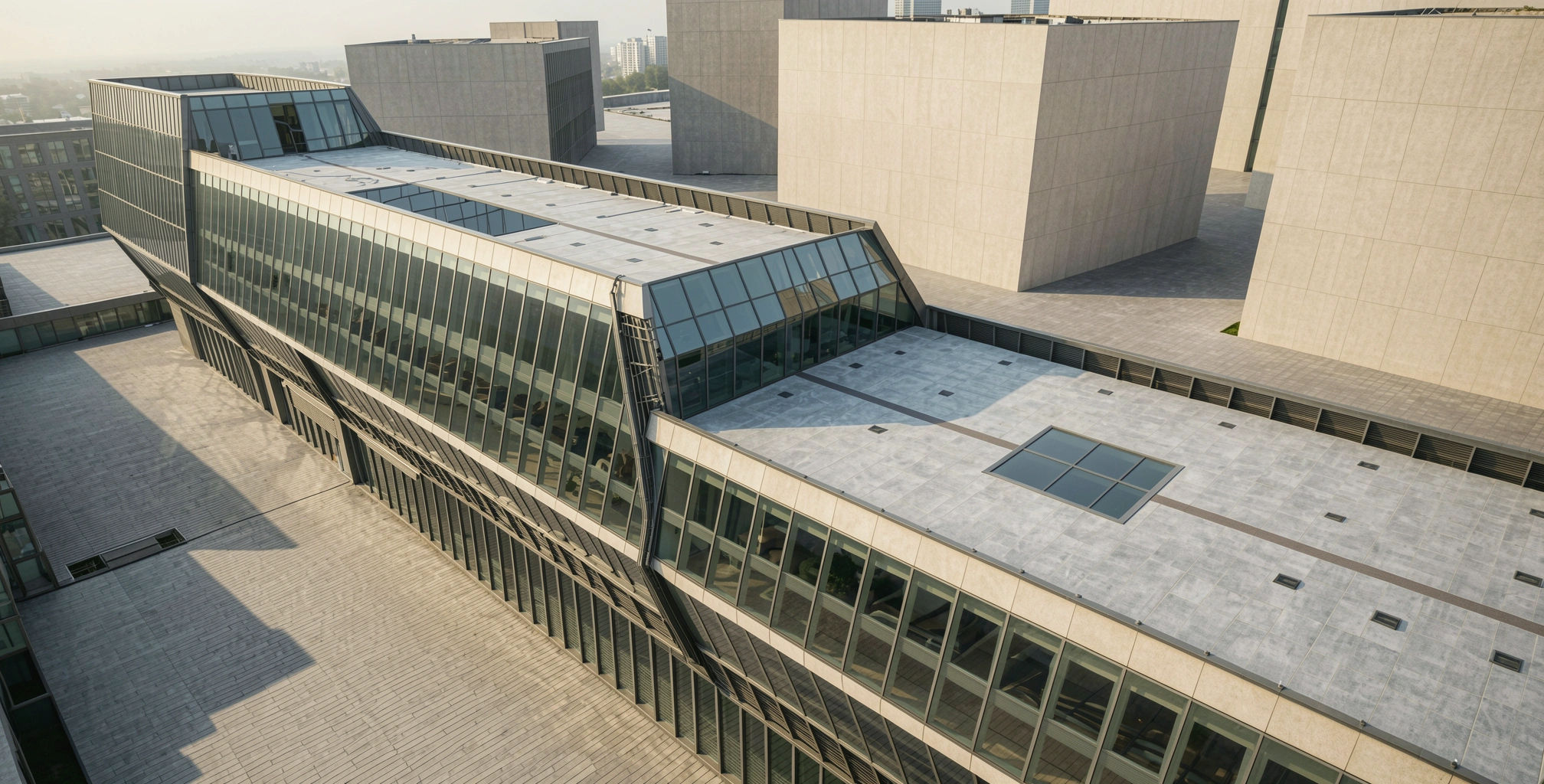
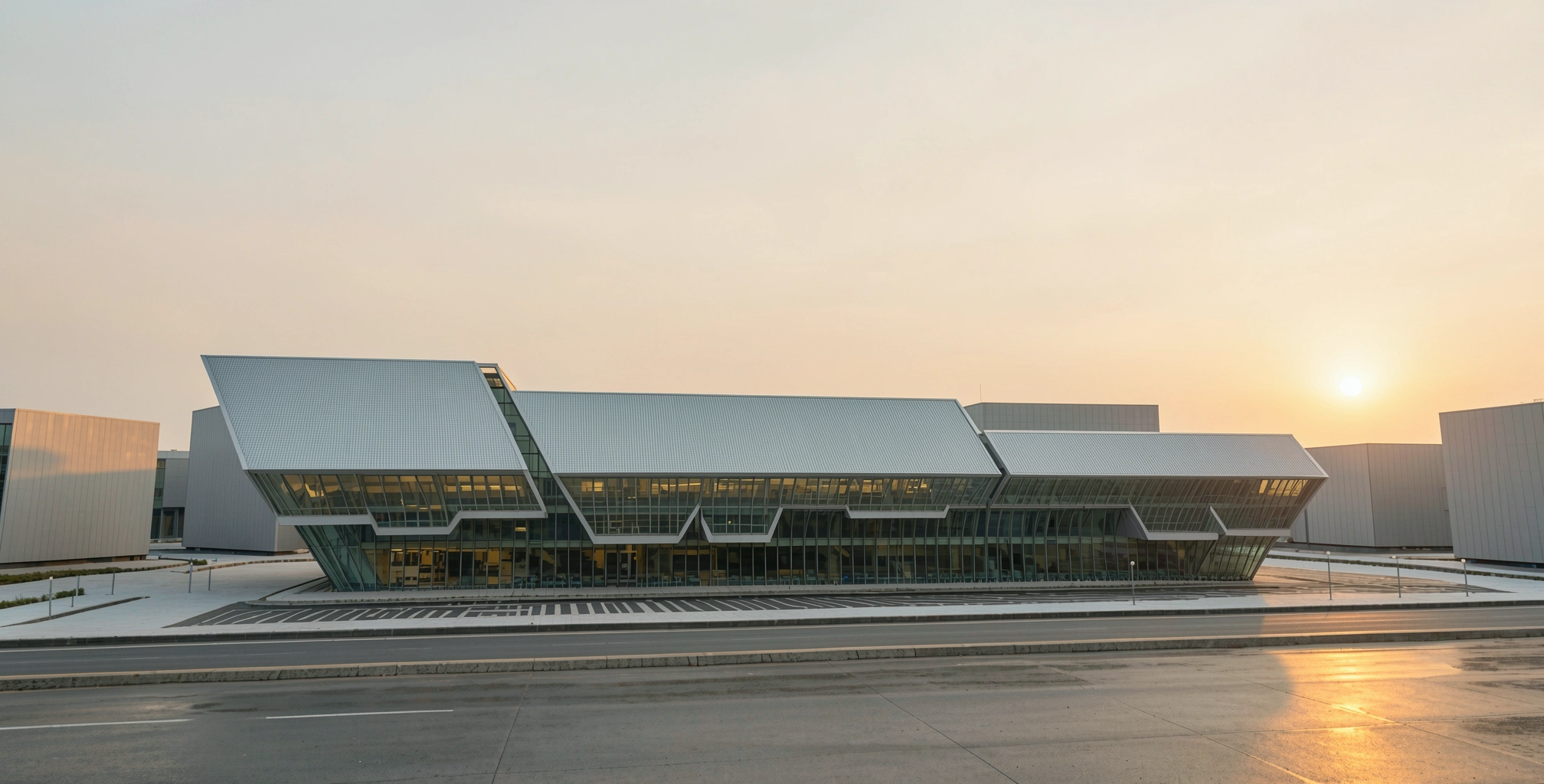
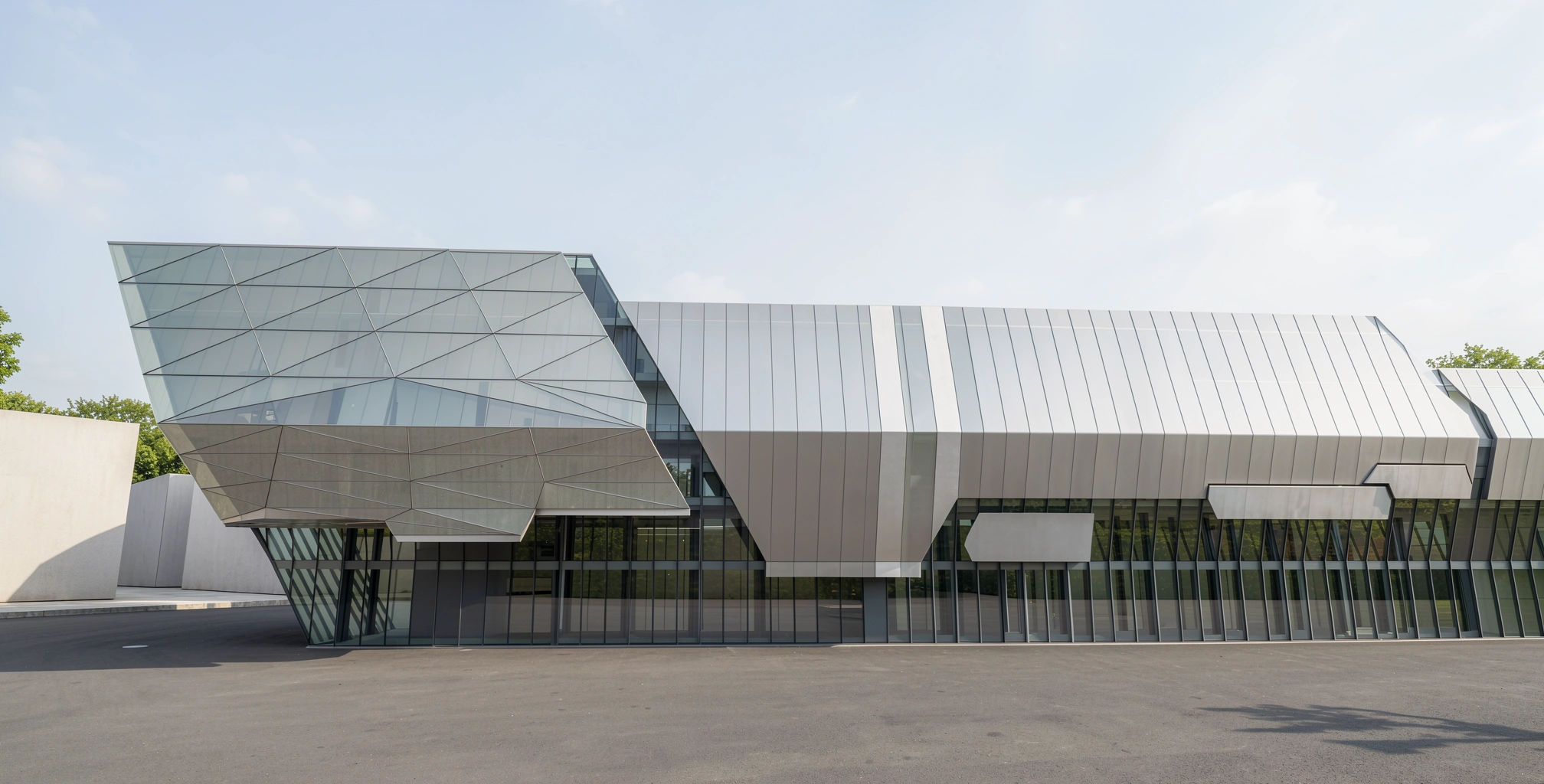
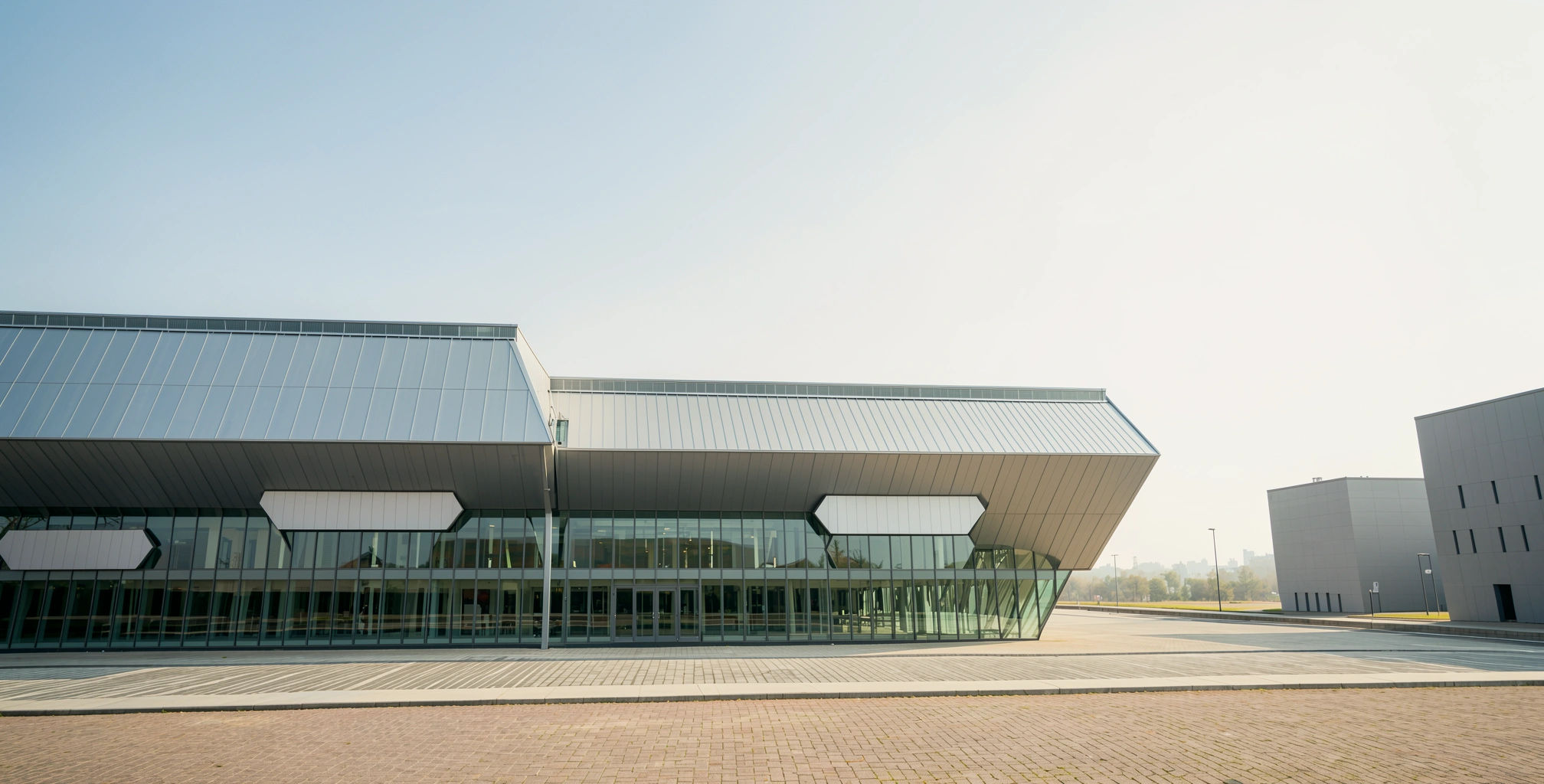
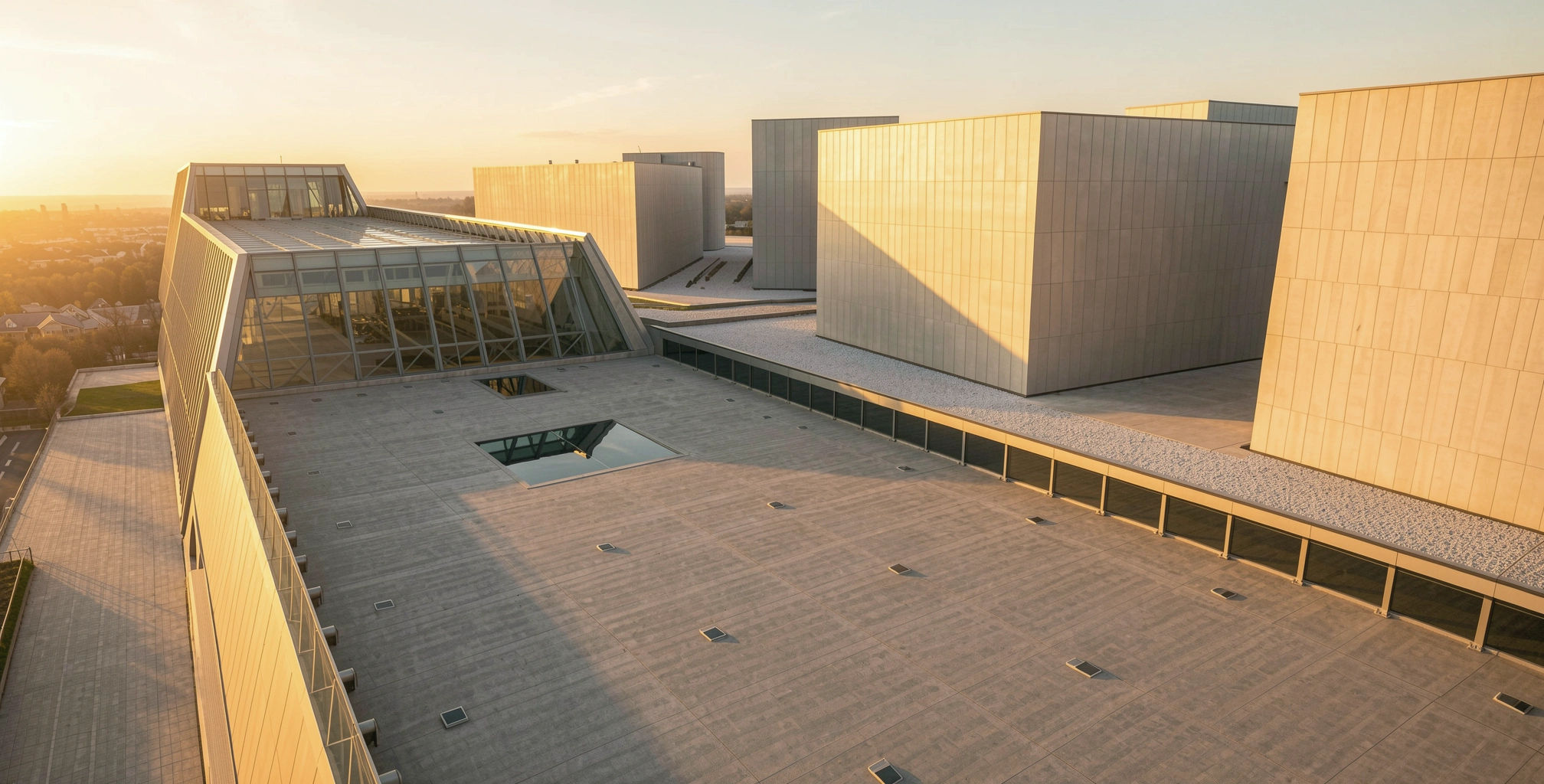
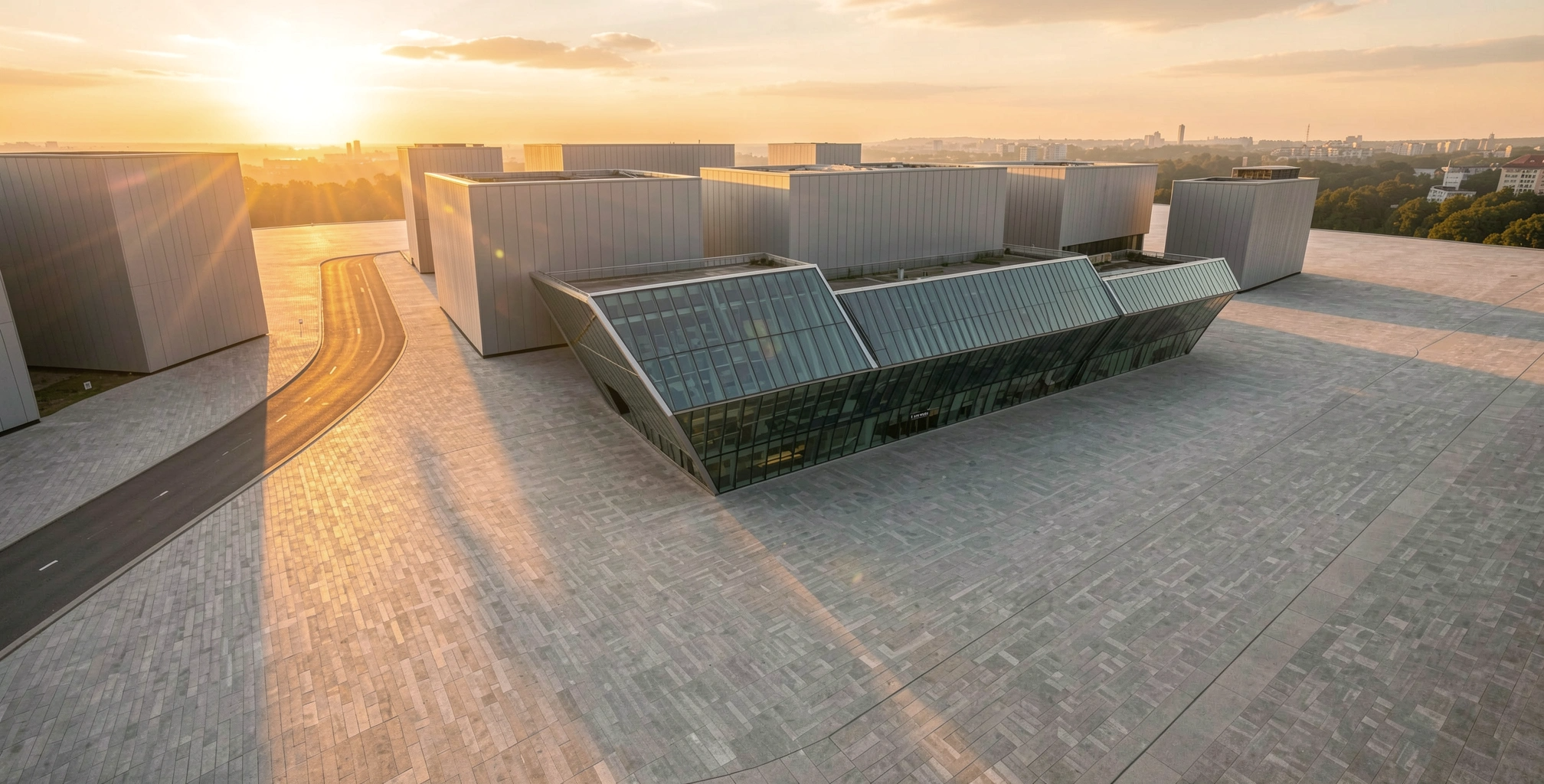
The Factory Building explores how environmental performance can become a primary generator of industrial architecture. Rather than treating the building envelope as a thin boundary separating inside from outside, the project conceives it as a thickened environmental field that mediates between production, occupation and climate. Structure, enclosure, ventilation, daylight and circulation are developed as interconnected systems, creating a workplace that is both efficient and adaptable.
The building accommodates a diverse range of activities, including manufacturing, offices, meeting spaces and communal facilities. Each of these functions requires different environmental conditions. Rather than applying a uniform approach throughout the building, the project is organised as a series of environmental zones that respond to specific patterns of occupation, equipment use and comfort requirements. Production spaces, workplaces and social areas are therefore able to operate according to their individual needs while remaining part of a coherent architectural framework.
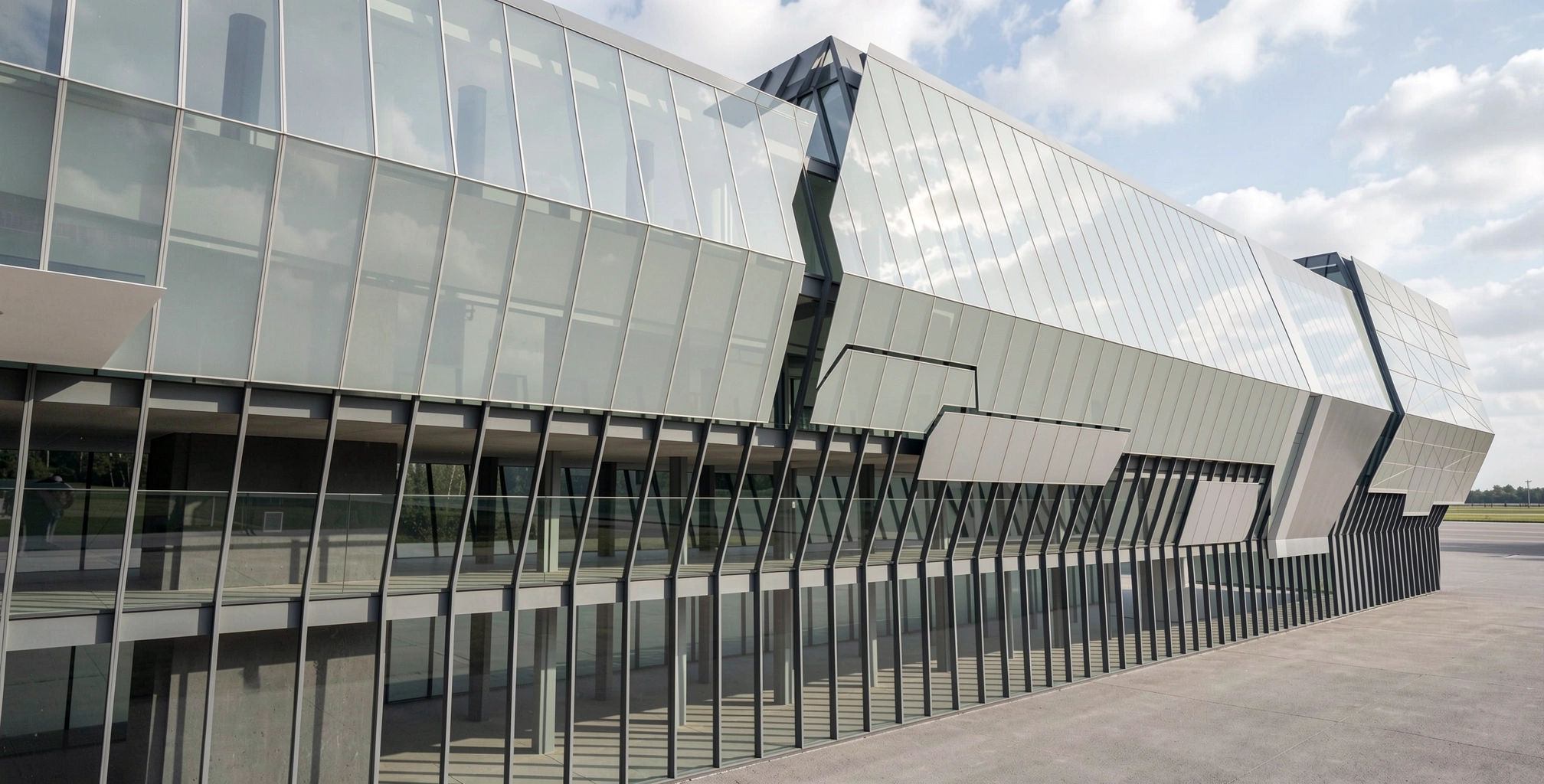
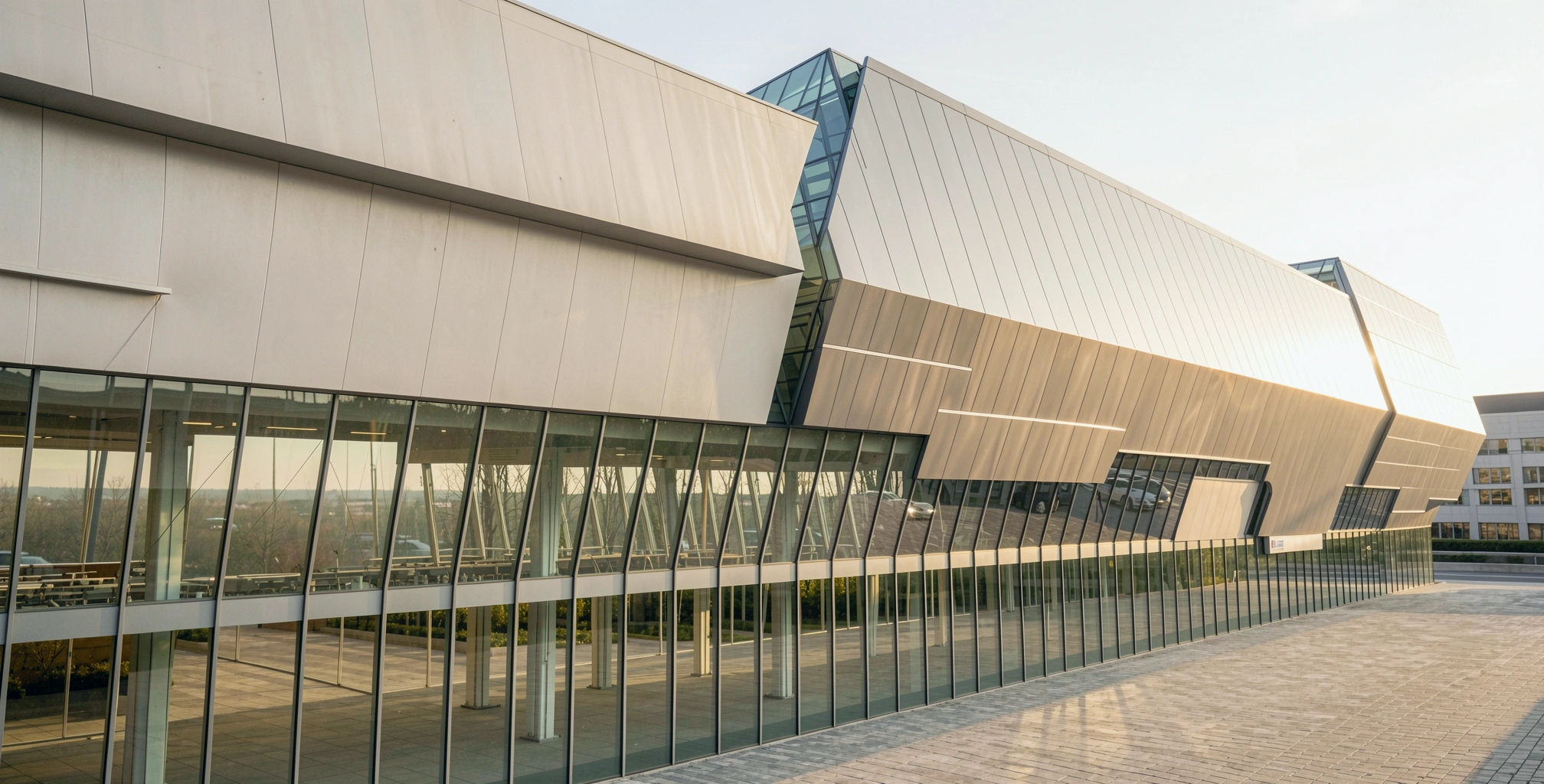
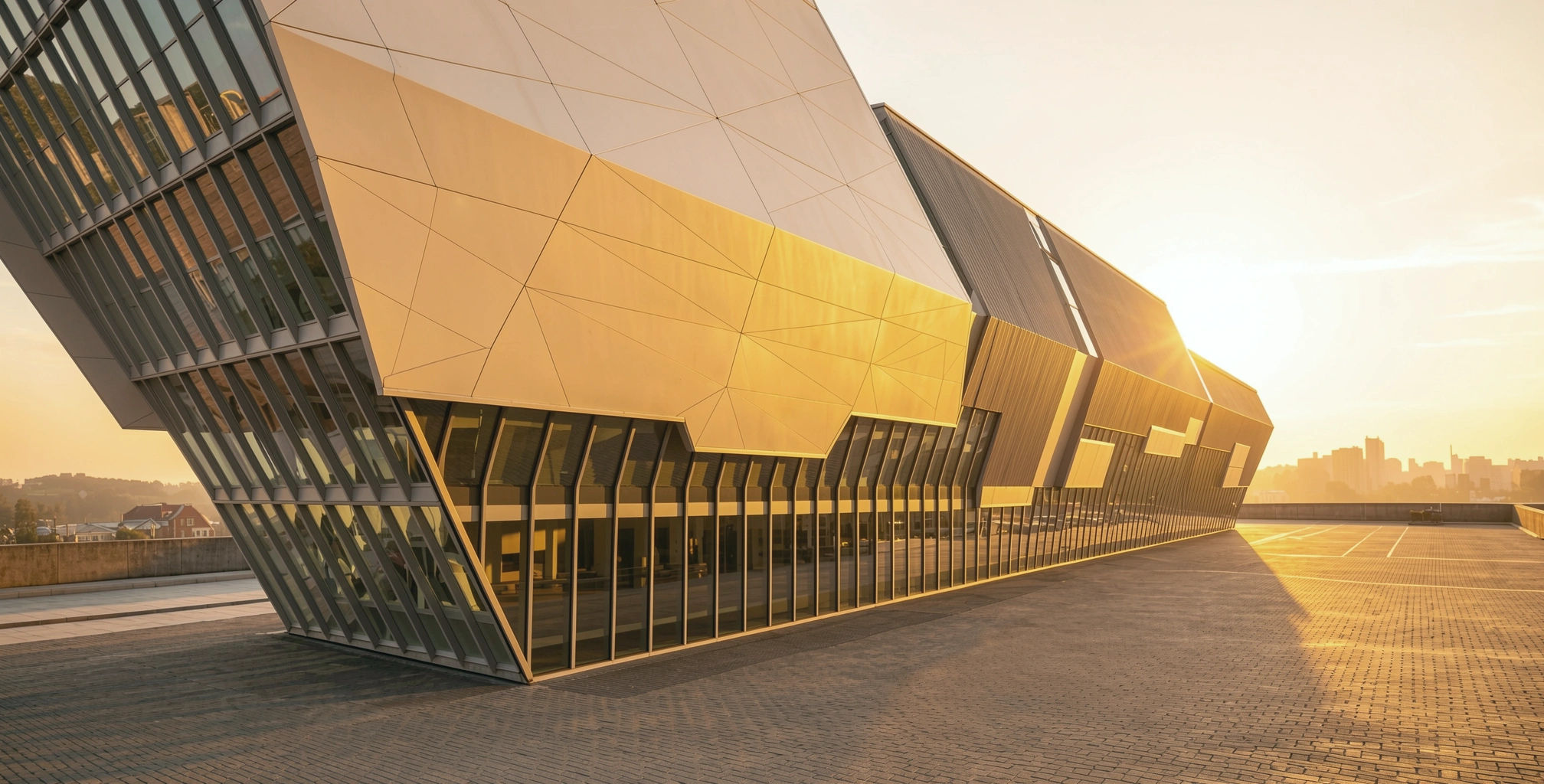
A central idea of the project is the use of the building envelope as an active environmental system. Layers of structure, enclosure, shading and ventilation are organised across the depth of the façade to moderate environmental conditions before they reach occupied spaces. Buffer zones reduce temperature variation, control solar gain and support natural air movement, allowing environmental performance to be distributed across the building rather than concentrated within mechanical systems alone.
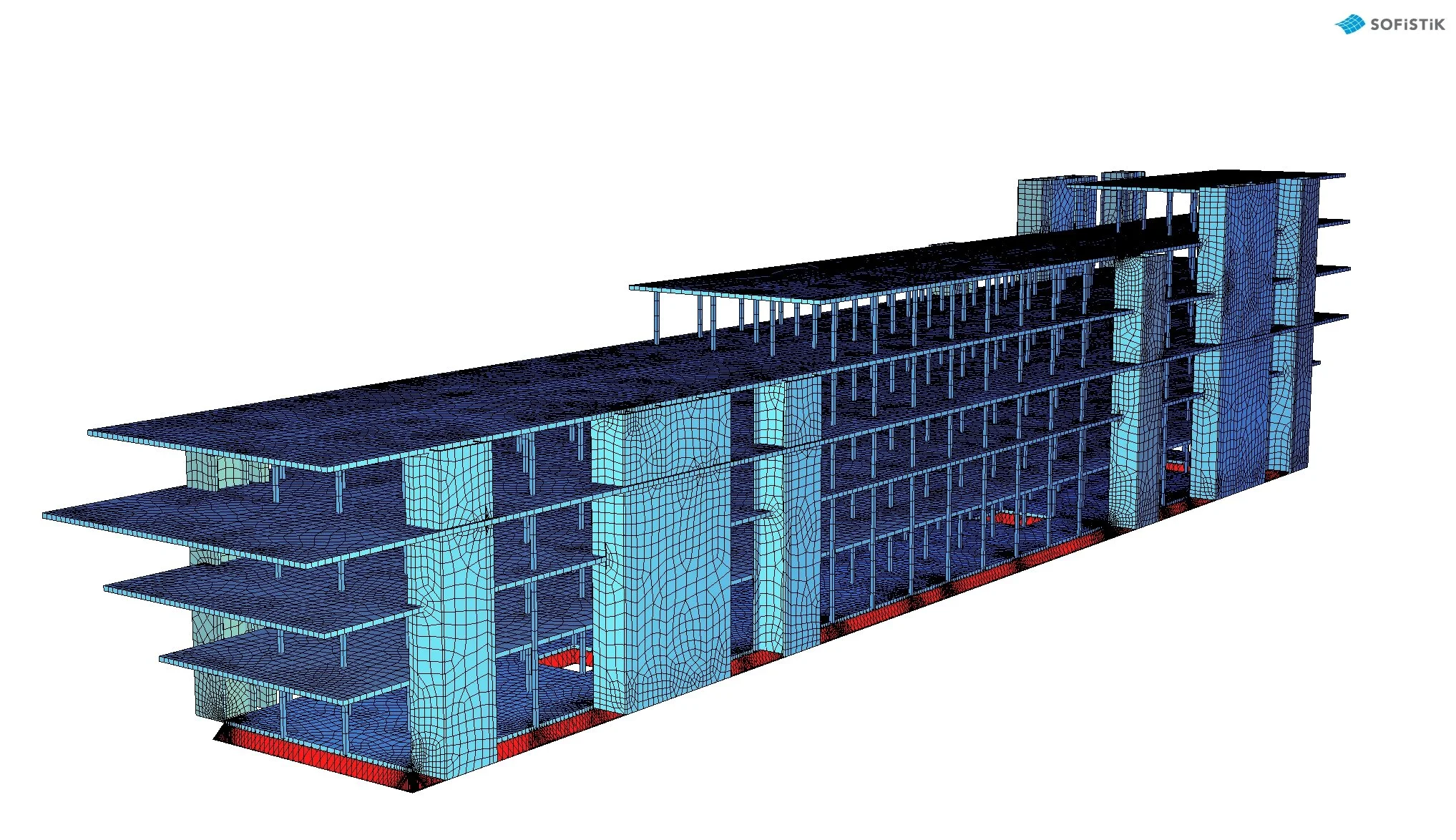
The structural frame is coordinated with the envelope from the outset. Columns and beams establish a regular order that supports both enclosure and environmental components, allowing shading devices, ventilation elements and façade panels to be integrated directly within the primary structure. This alignment reduces complexity while ensuring that environmental performance and construction logic develop together.
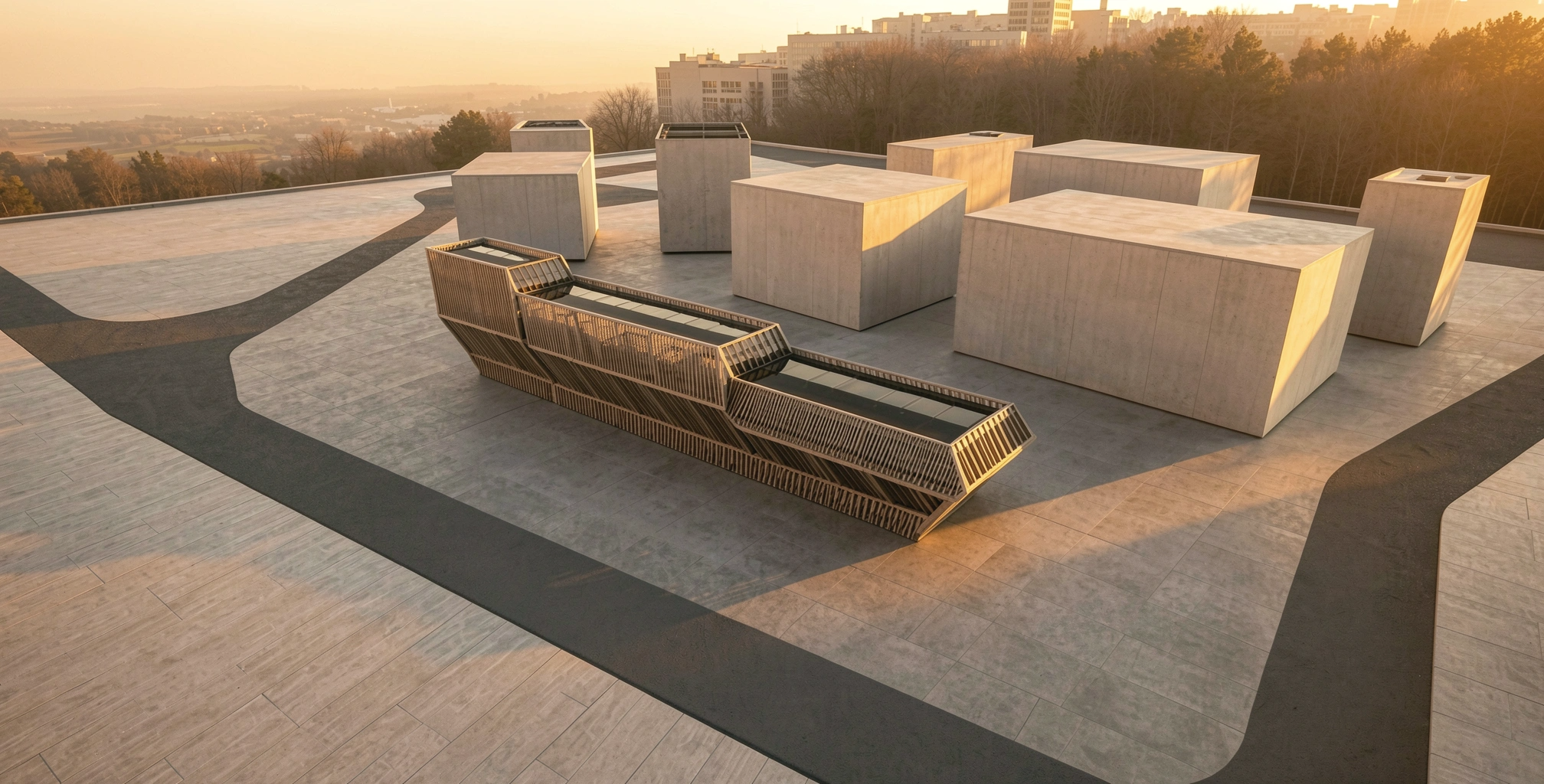
Natural ventilation plays an important role in the organisation of the building. Air is introduced and distributed through circulation zones, environmental courts and vertical service spaces that operate as pathways for movement and environmental exchange. These spaces bring daylight and fresh air deep into the building while creating more varied and comfortable working environments. Mechanical systems supplement natural ventilation where required, particularly within production areas, but the architecture itself contributes significantly to environmental regulation.
Circulation routes are conceived as more than functional connections between departments. Internal streets and shared spaces create opportunities for interaction, collaboration and informal occupation while also acting as environmental moderators. Daylight, ventilation and visual connection are brought into these spaces, reinforcing their role as social and environmental infrastructure within the workplace.
The envelope responds to changing environmental conditions through a combination of glazing, shading and insulated elements. Open and enclosed areas are arranged according to orientation, occupancy and environmental demand. Daylight is introduced where it benefits working conditions, while shading and buffering systems reduce overheating and glare. Environmental performance is therefore achieved through the careful arrangement of architectural elements rather than through technology alone.
Flexibility is embedded throughout the design. Manufacturing processes, equipment and patterns of occupation continue to evolve, and the building is designed to accommodate change over time. The separation of primary structure, environmental systems and enclosure allows individual components to be modified, upgraded or replaced without disrupting the overall organisation of the building.
The architecture derives its character from the relationship between structure, enclosure and environmental performance. The depth of the façade, the rhythm of the structural frame and the layering of environmental systems become visible aspects of the building's identity. Expression emerges directly from the way the building manages climate, supports production and accommodates occupation.
This project demonstrates how industrial architecture can move beyond the conventional model of the factory as a sealed container for production. By integrating structure, environmental performance and workplace organisation within a single architectural framework, the building creates a productive environment that is adaptable, efficient and responsive to its users. The result is a workplace in which environmental performance is not an addition to architecture but one of its primary organising principles.