
Light Industrial Building — Fabrication as Organising Principle
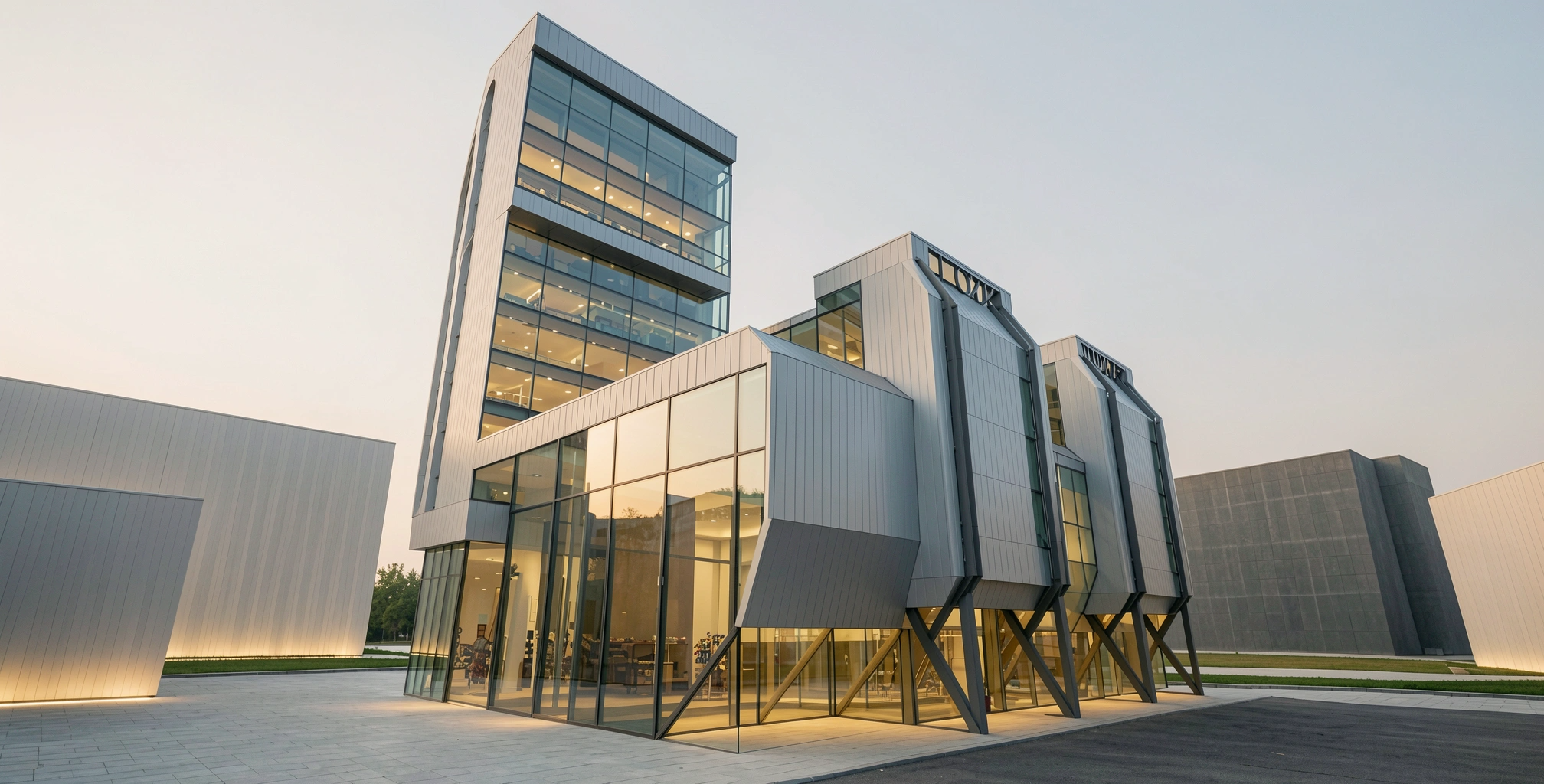
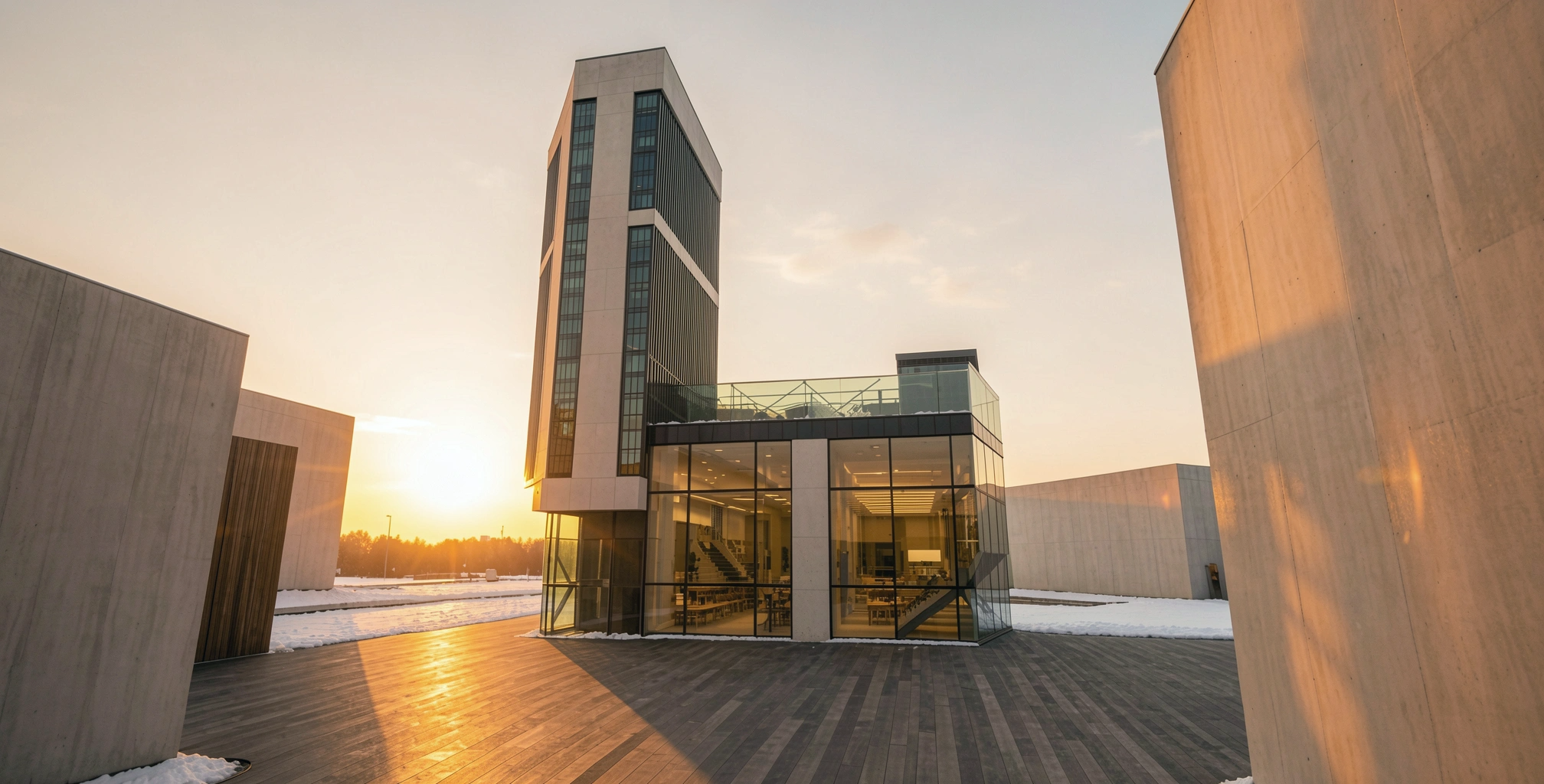
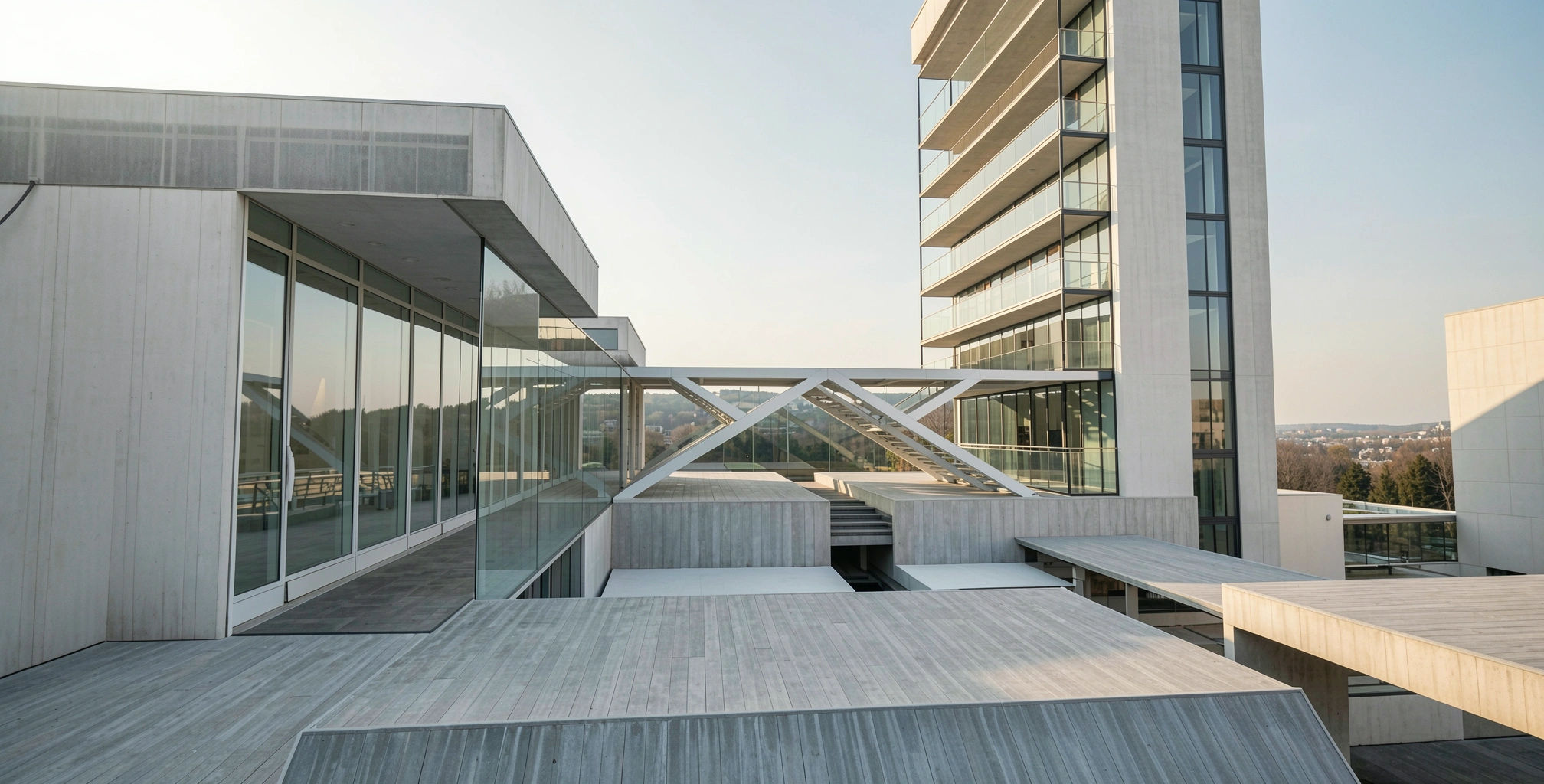
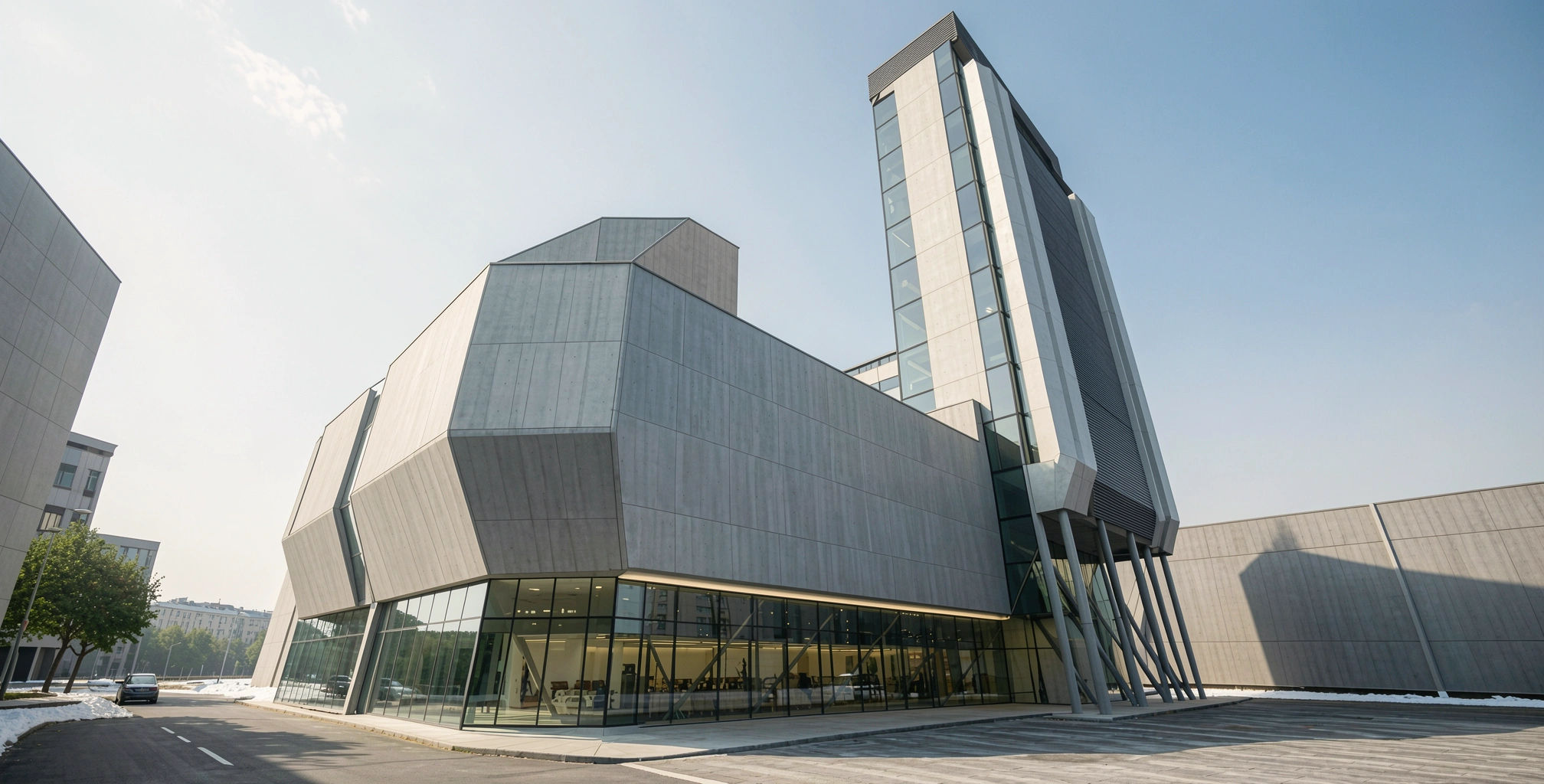
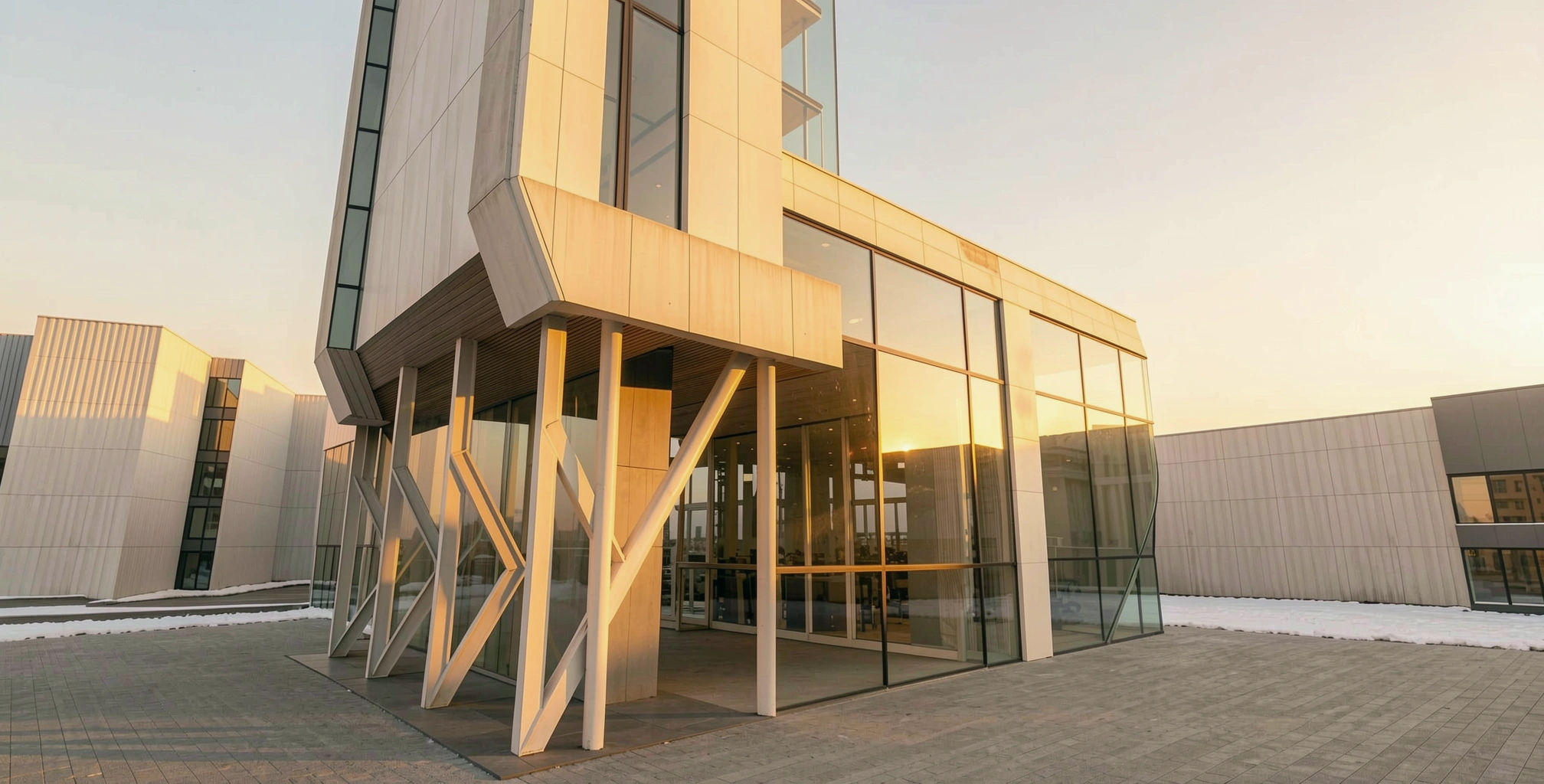
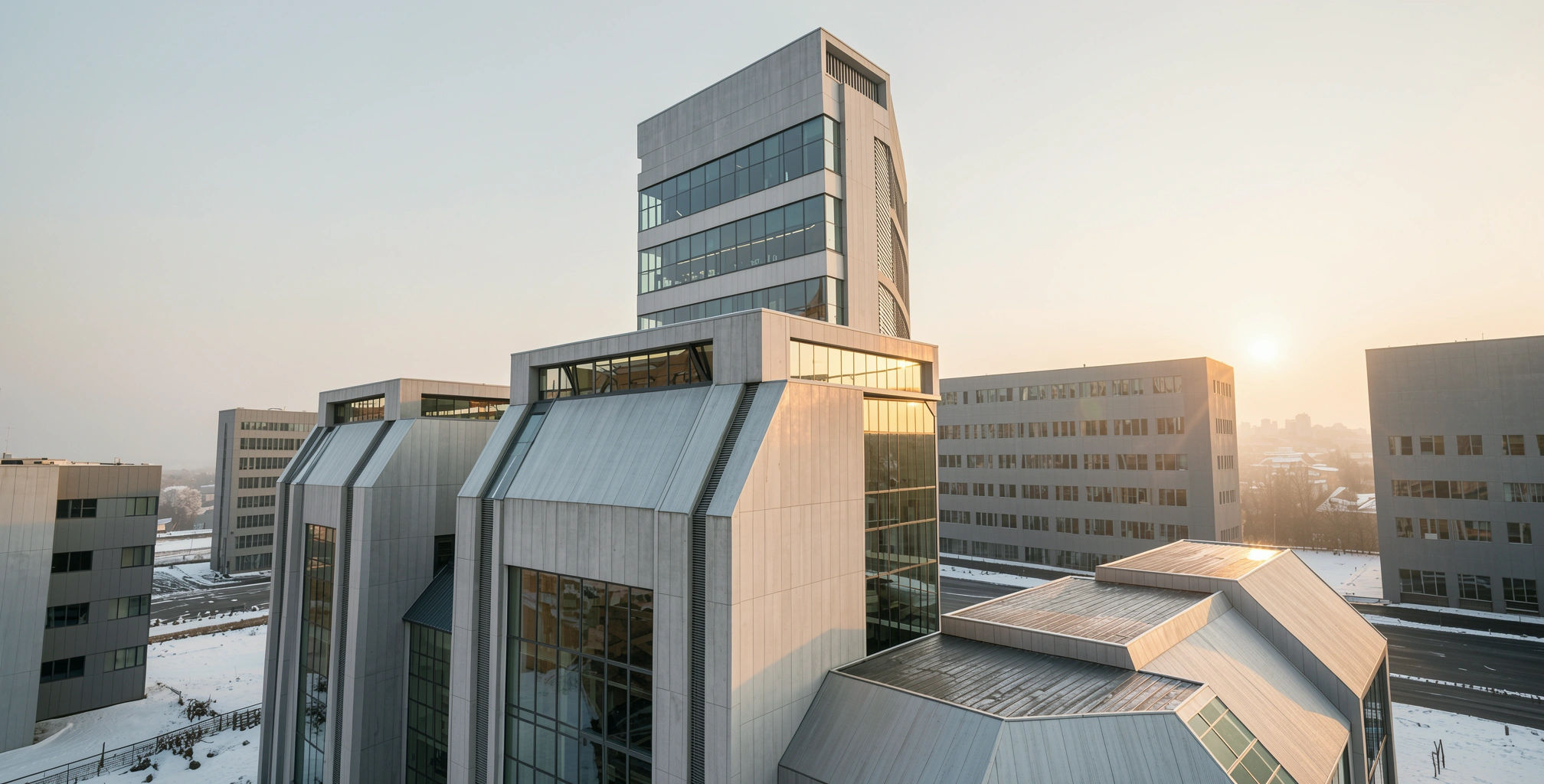
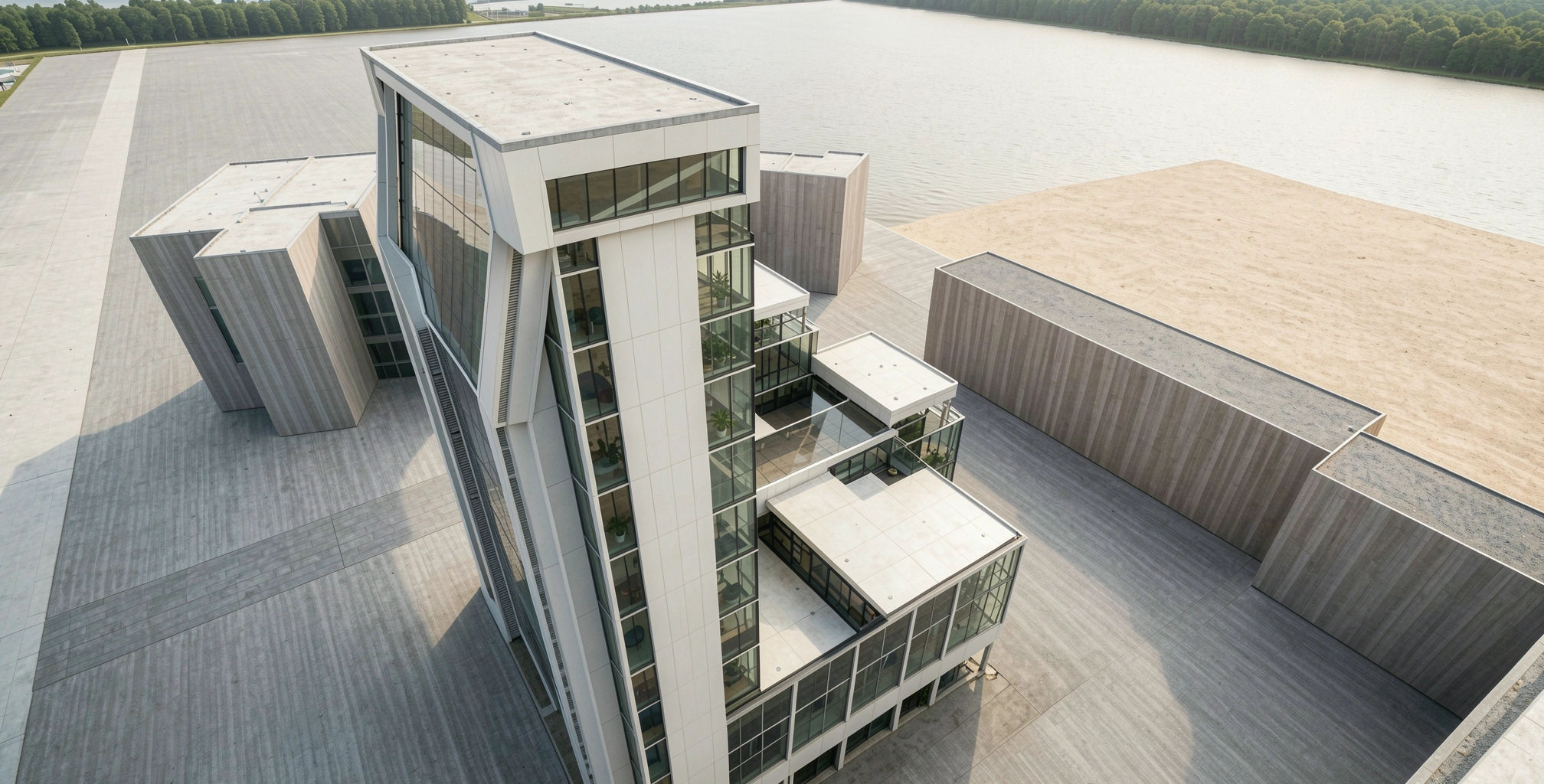
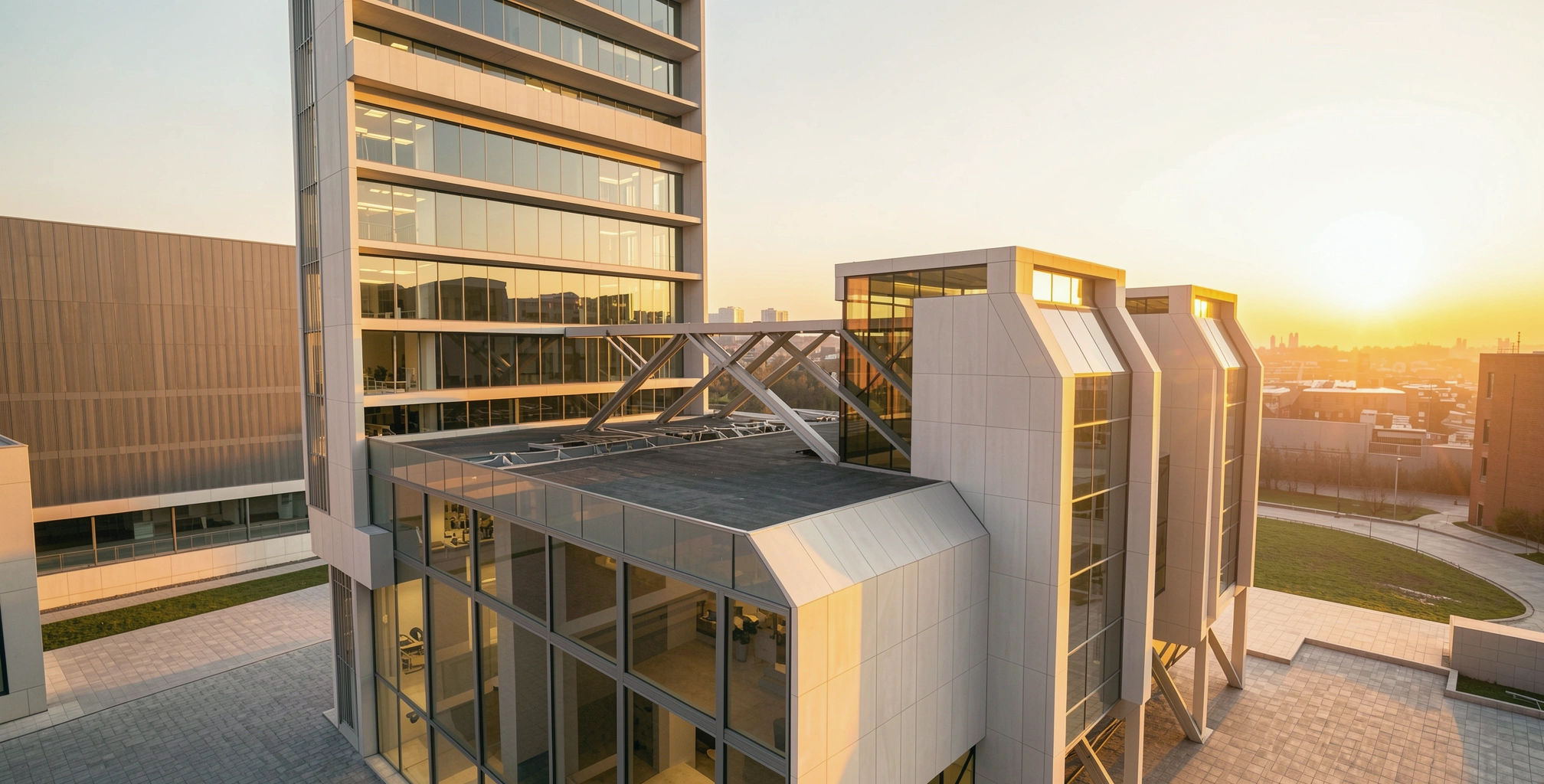
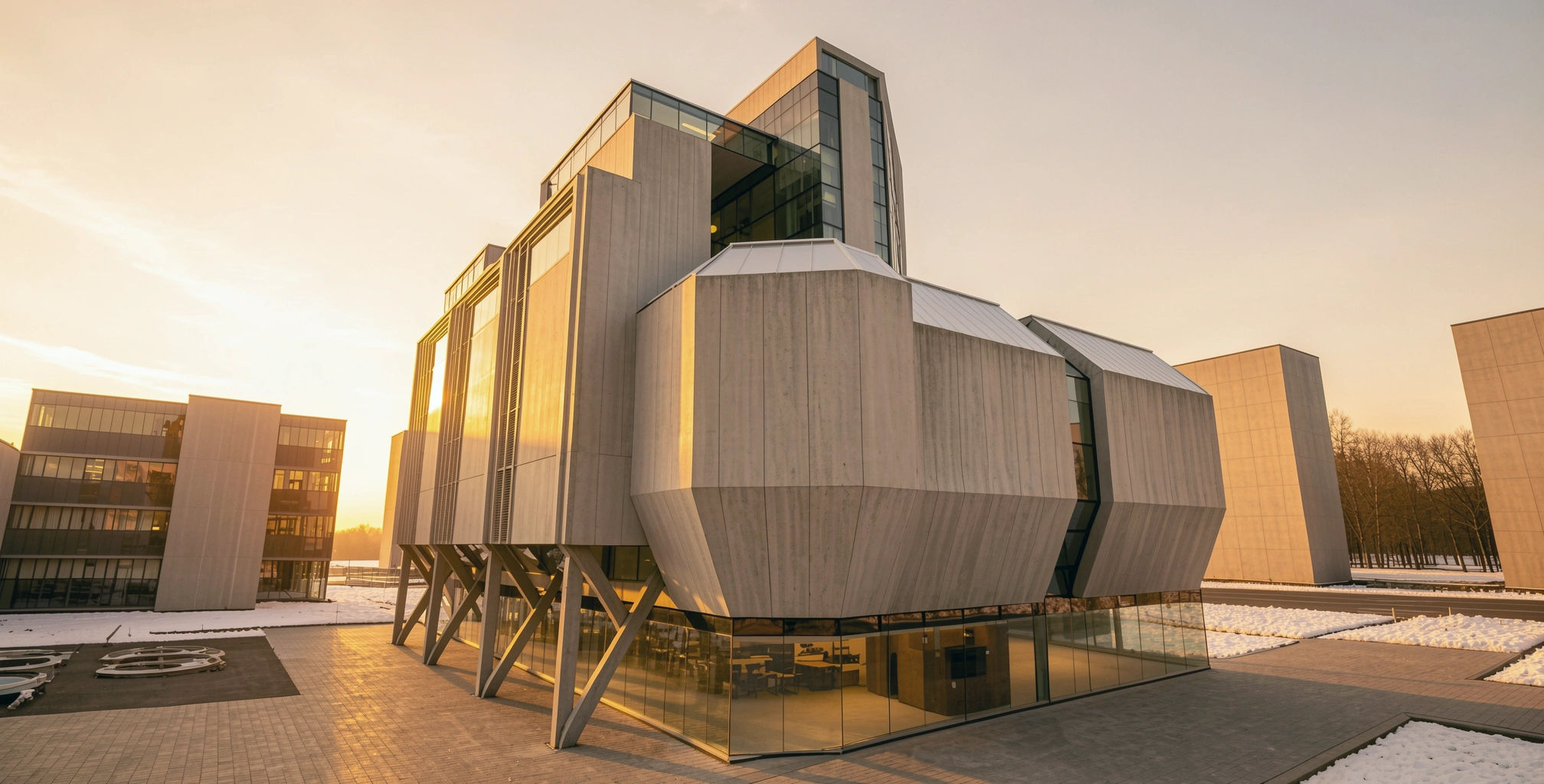
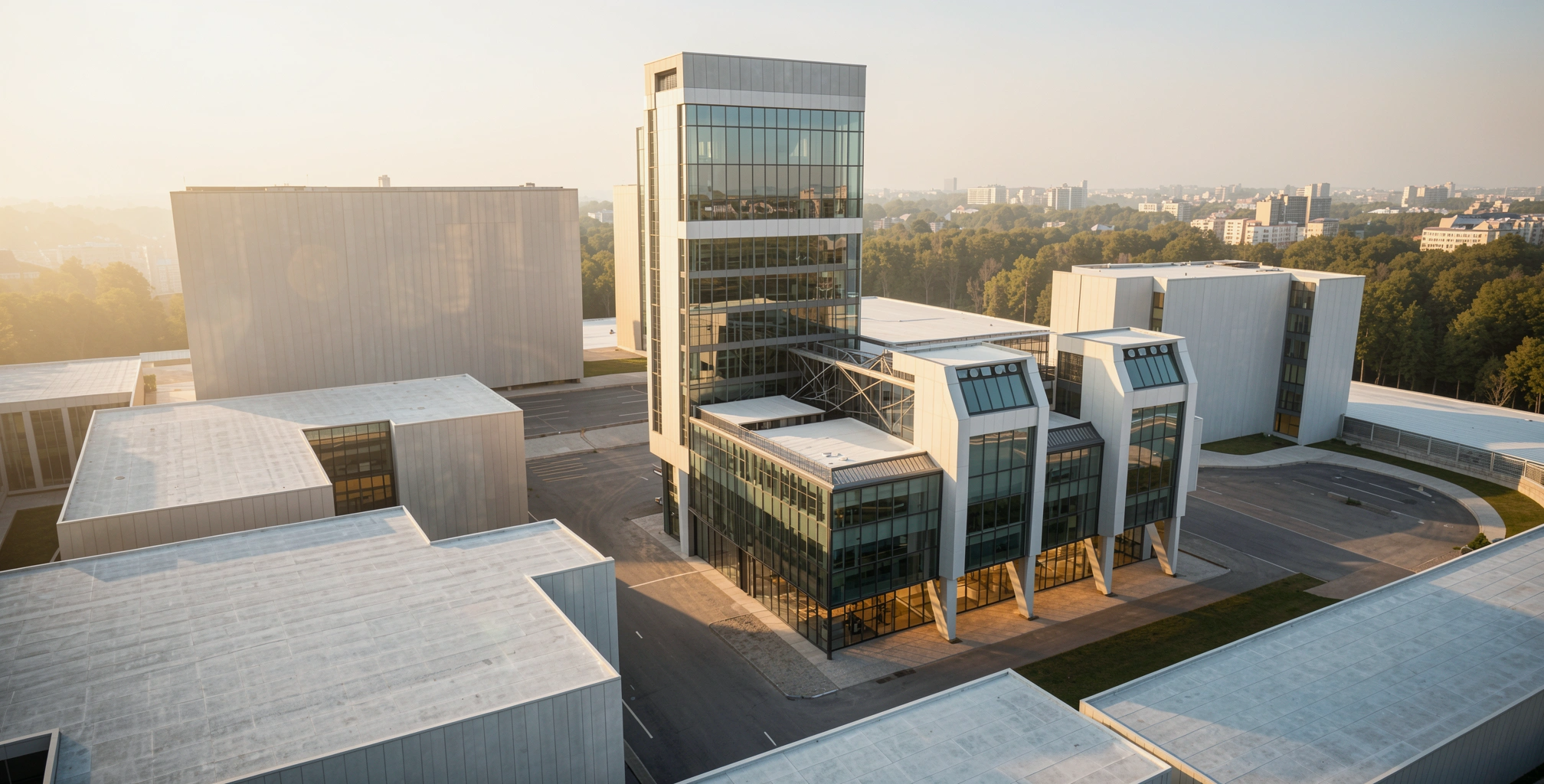
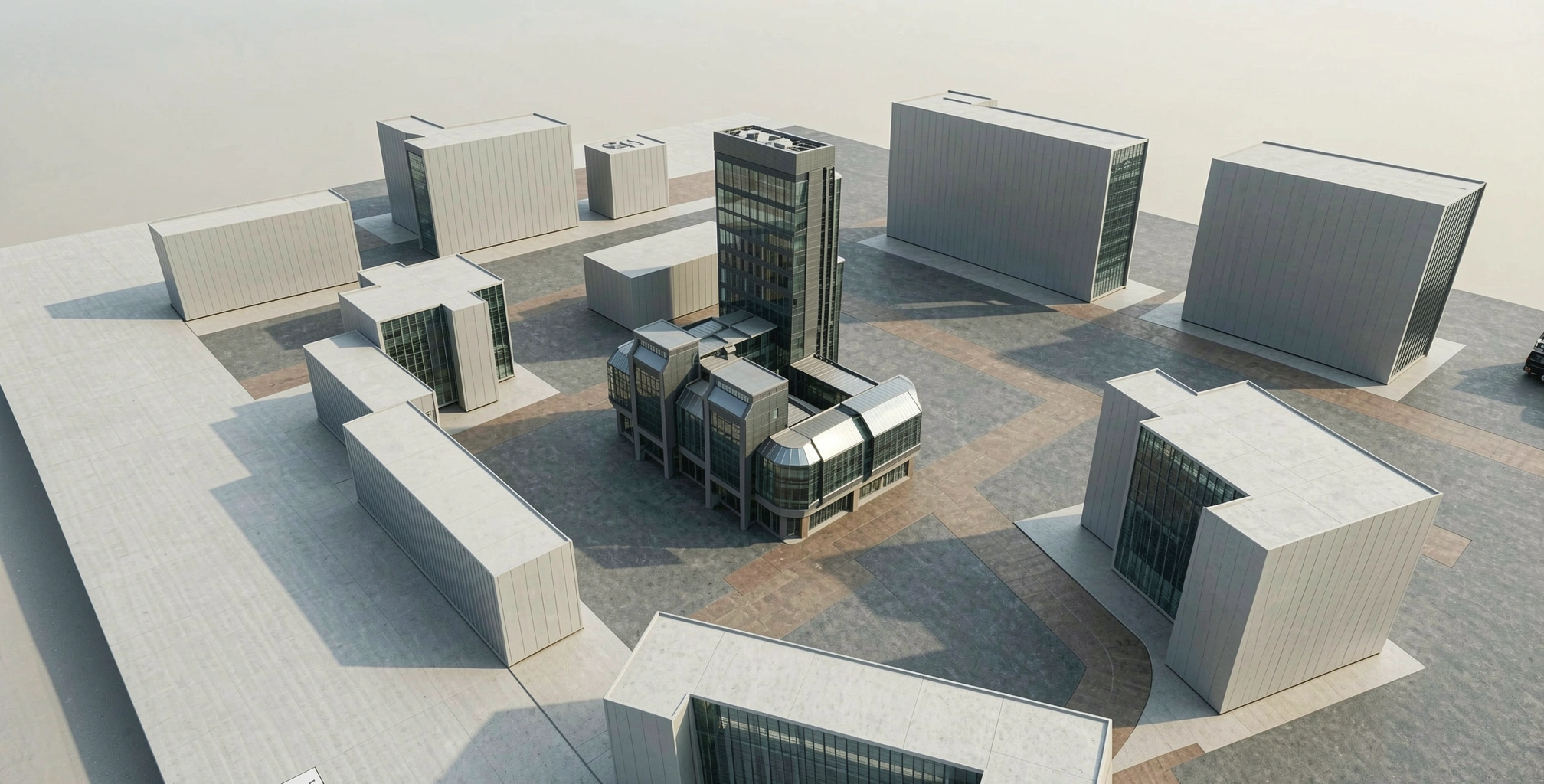
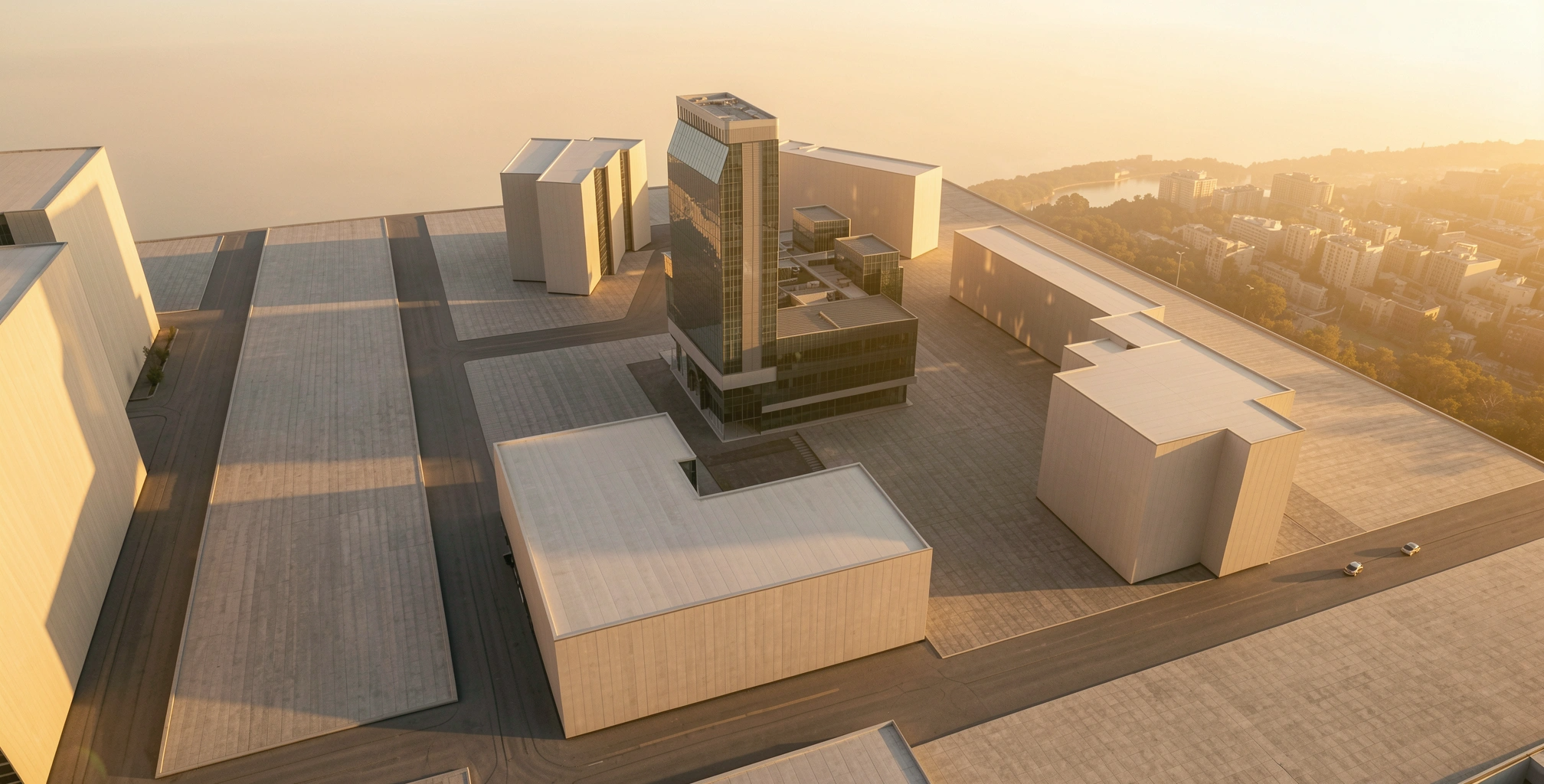
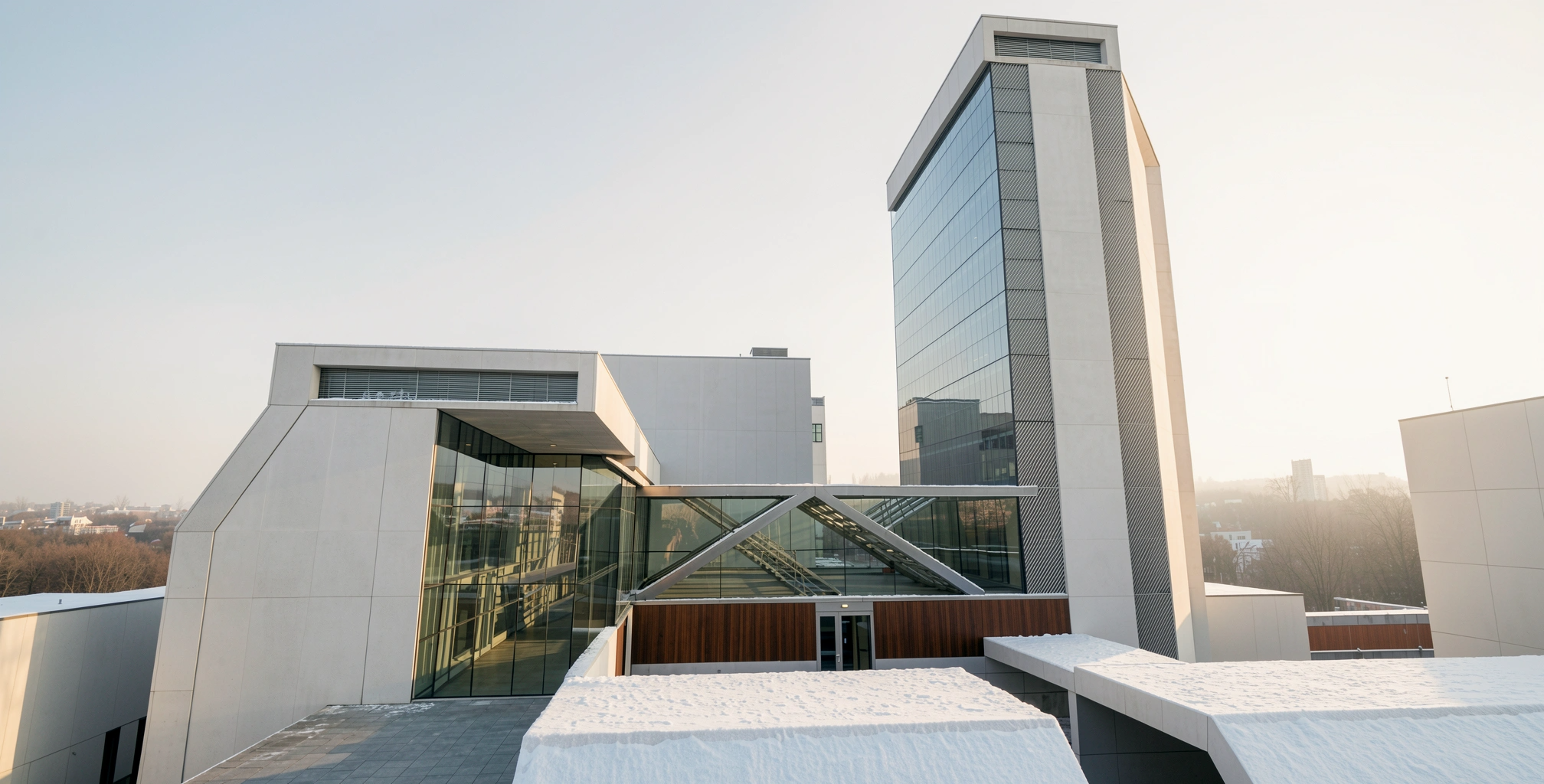
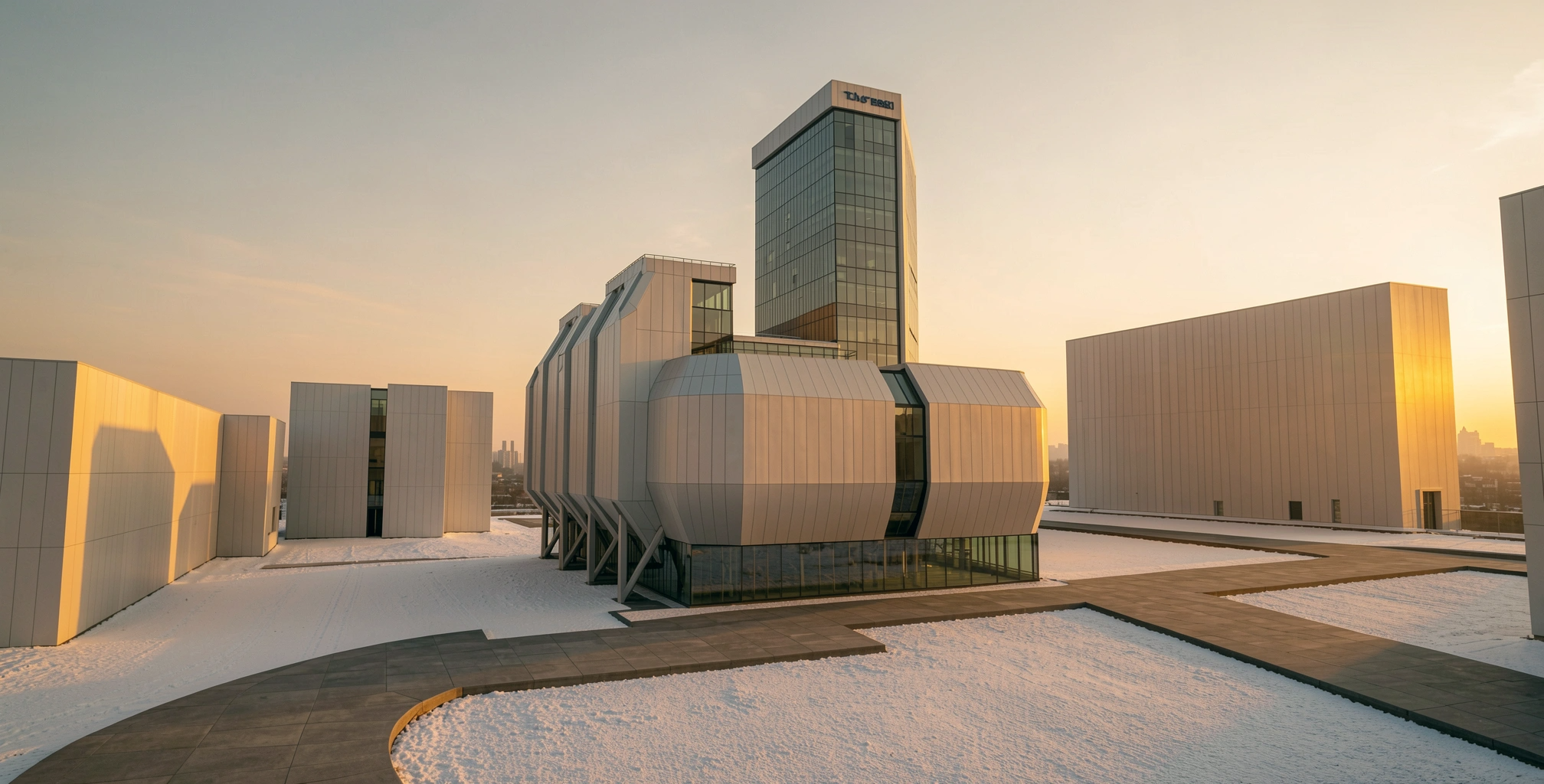
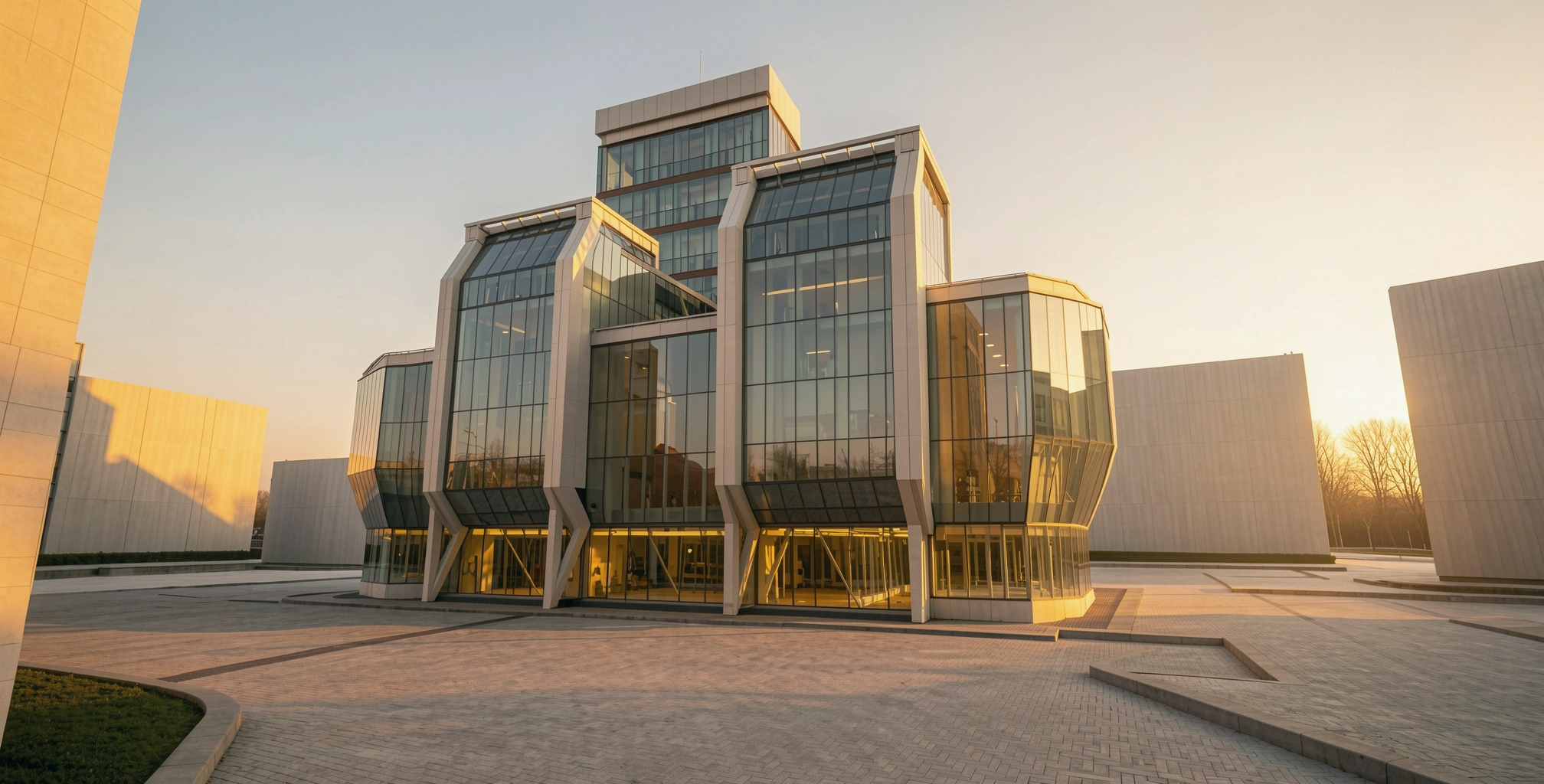
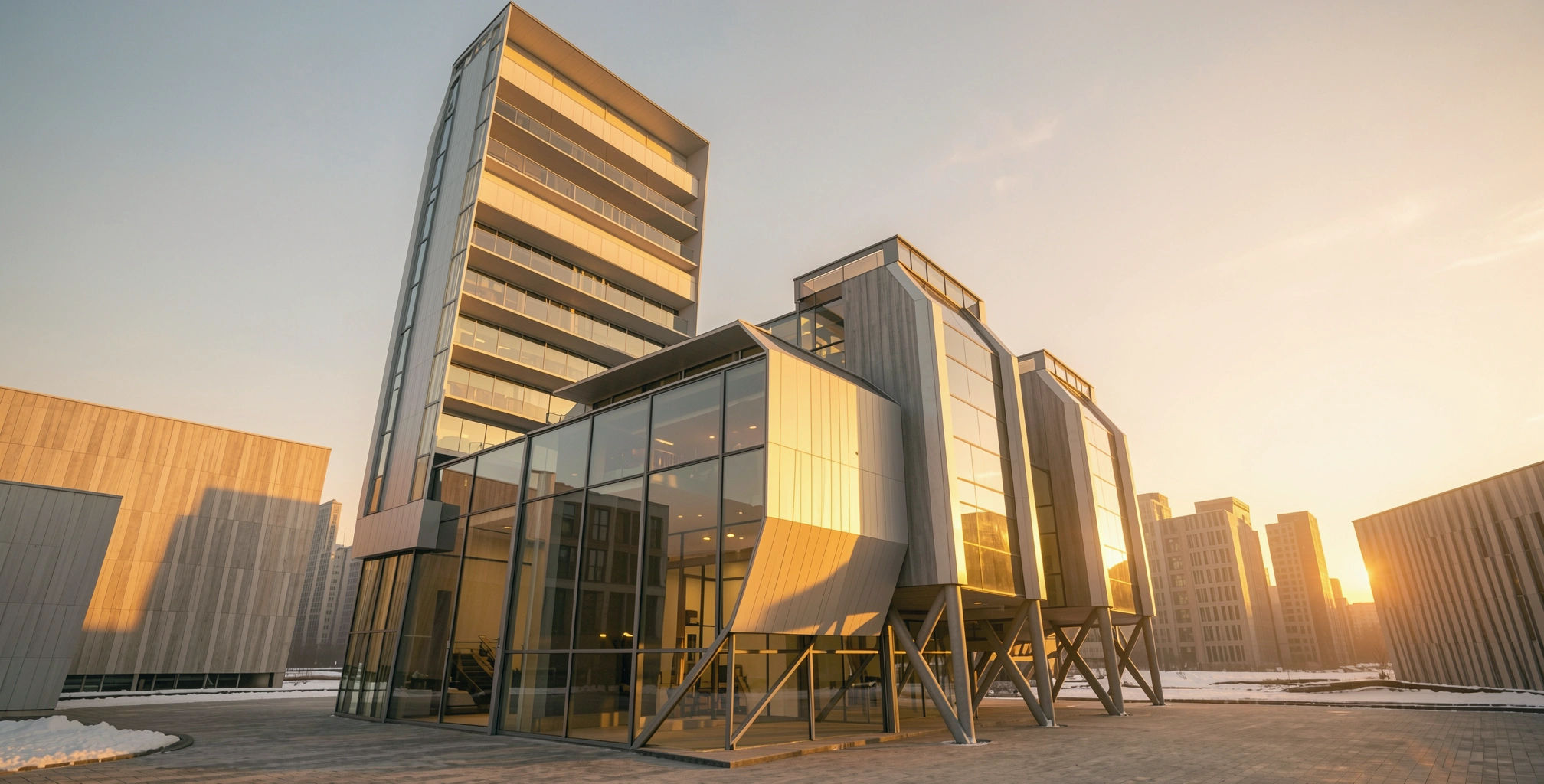
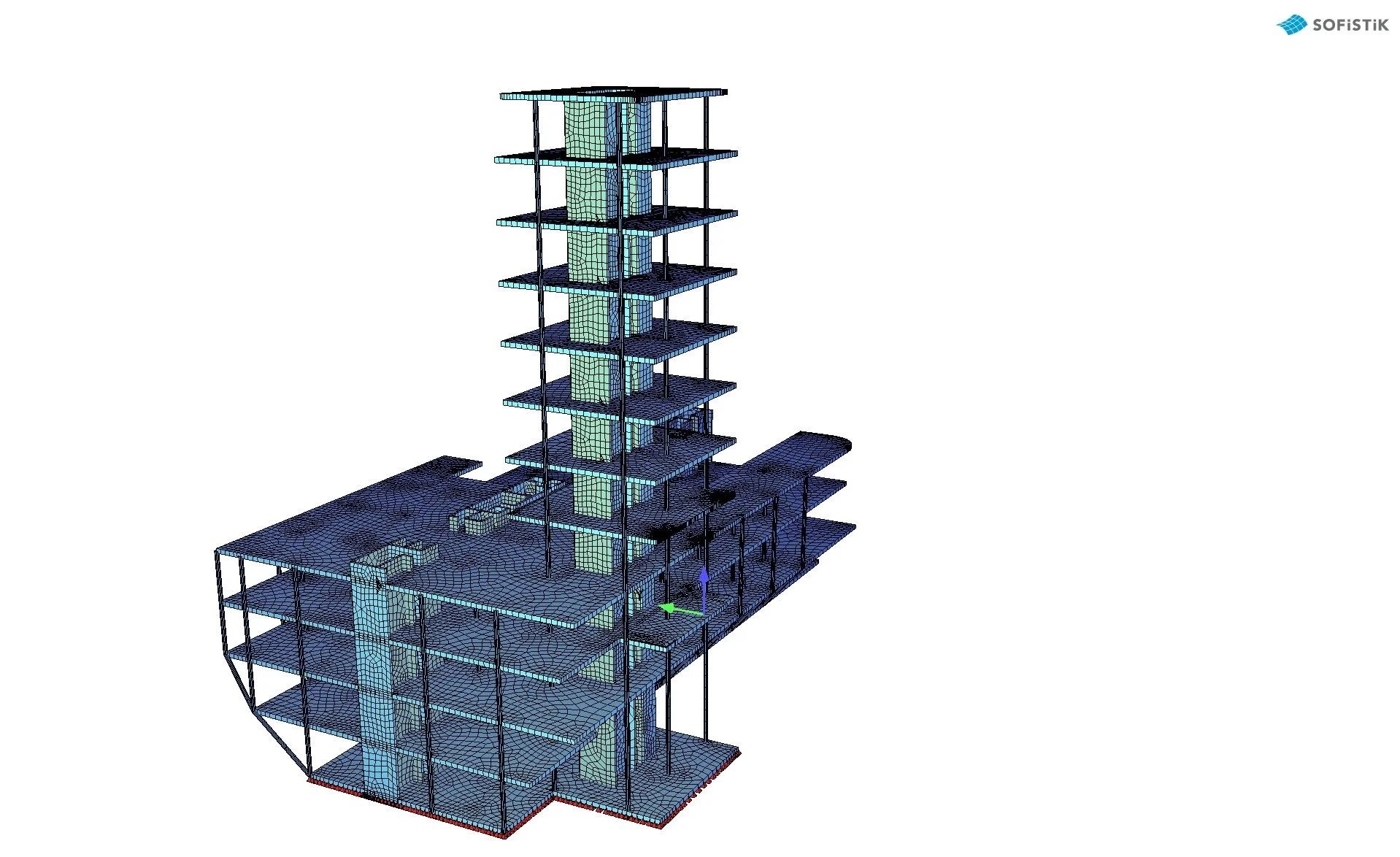
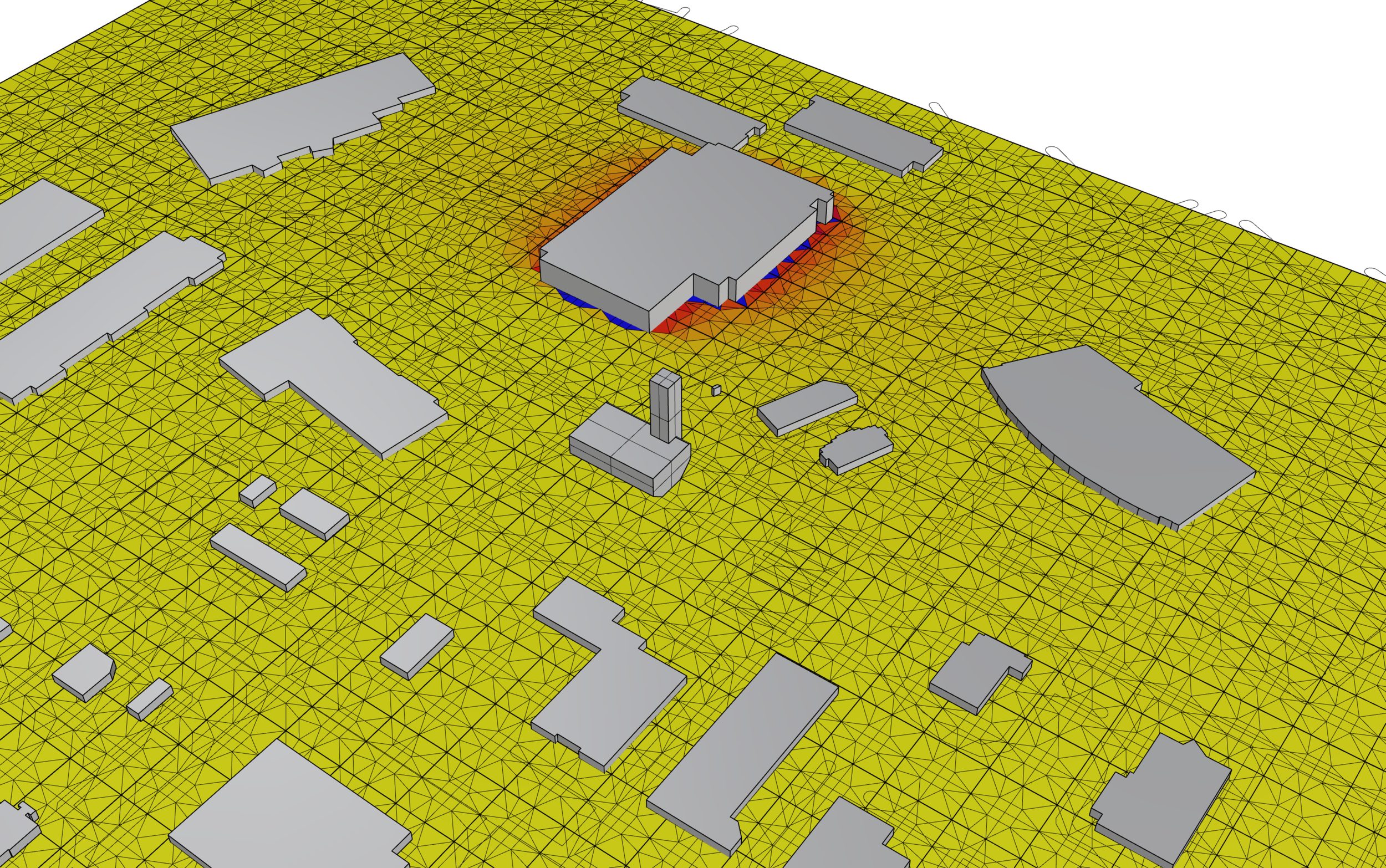
The Light Industrial Building is conceived as an architecture of fabrication and assembly, in which construction methods, manufacturing processes and logistical requirements become primary generators of architectural form. Rather than treating fabrication as a means of delivering a predetermined design, the project uses fabrication logic to organise structure, enclosure and space from the outset.
The building accommodates a range of industrial, workshop and support functions that require flexible and adaptable environments. To support this flexibility, the project is organised through a regular steel frame that establishes clear spans, predictable load paths and a coherent structural order. Column spacing and beam spans are coordinated with patterns of occupation, equipment requirements and circulation routes, creating a framework capable of accommodating changing uses over time.
Fabrication and transport considerations play a significant role in the development of the structural system. Steel members are selected and dimensioned in relation to manufacturing efficiency, transport limitations and assembly requirements. Wherever possible, standard section sizes and repeatable components are employed, allowing elements to be fabricated under controlled workshop conditions before being transported to site for installation. The architecture therefore emerges through the logic of production as much as through spatial planning.
Connections are designed as a coordinated system of repeatable assemblies. Bolted joints allow components to be manufactured accurately, assembled rapidly and modified when required. This approach reduces site complexity while supporting future adaptation and expansion. The building can therefore evolve through the addition, replacement or reconfiguration of components without disrupting the primary structural order.
The structural system is organised through a clear hierarchy. Primary columns and beams establish the principal load-bearing framework, while secondary elements support enclosure systems, environmental components and localised operational requirements. This distinction allows structure and enclosure to be developed as coordinated yet adaptable systems, improving both constructability and long-term flexibility.
Environmental performance is integrated within the structural framework rather than applied independently of it. Roof spans create opportunities for the introduction of rooflights positioned between primary members, providing balanced daylight across production areas while reducing dependence on artificial lighting. Ventilation openings are coordinated with the structural grid, allowing airflow to be distributed efficiently throughout the building. Environmental systems therefore emerge from the same organisational logic that governs structure and fabrication.
The envelope is developed as an extension of the assembly strategy. Cladding systems are fixed directly to the structural frame through coordinated fixing zones, reducing the need for secondary support systems and simplifying construction. Structure and enclosure operate together as components of a larger assembly, reinforcing the project's emphasis on integration and efficiency.
Flexibility is a fundamental objective of the design. Industrial processes, technologies and operational requirements continue to change, and the building is designed to accommodate those changes without requiring fundamental structural alteration. The regular grid, modular components and accessible connections create a framework capable of supporting future adaptation while maintaining coherence and performance.
The architectural character of the building emerges directly from its method of construction. The repetition of structural bays, the rhythm of fabricated components and the clarity of assembly create an architecture whose expression is inseparable from the way it is made. Structure, enclosure and space are aligned through a common fabrication logic, making the process of construction legible within the completed building.
This project demonstrates how industrial architecture can derive its identity from the realities of manufacture, transport and assembly. By treating fabrication as an organising principle rather than a technical afterthought, the building establishes a direct relationship between design, production and construction. The result is an architecture defined not by applied form but by the intelligence of its assembly.