Theoretical Basis of an Environmental Strategy for a University Arts Building

Log in to Modern Construction Online for project case study

Introduction: Balancing Art Conservation and Environmental Performance

Designing for daylight and ventilation in art exhibition spaces presents an inherent paradox: artworks require stable environmental conditions, while energy-efficient buildings often seek to leverage natural light and air. This project — focused on large-scale sculptures rather than more delicate works such as paintings — leverages this opportunity to prioritise environmental design strategies without compromising curatorial integrity. Located in a temperate climate, the university arts building combines architectural form, envelope articulation, and system flexibility to develop a responsive, low-energy environment for the exhibition of sculpture. Sculptural display, unlike works on canvas or paper, can tolerate broader temperature and humidity ranges, thus expanding the opportunity for passive and mixed-mode strategies (Brophy and Wylie, 2001; Cassar, 2005).

Structural Integration of Daylight: Reconceiving the Role of the Joint

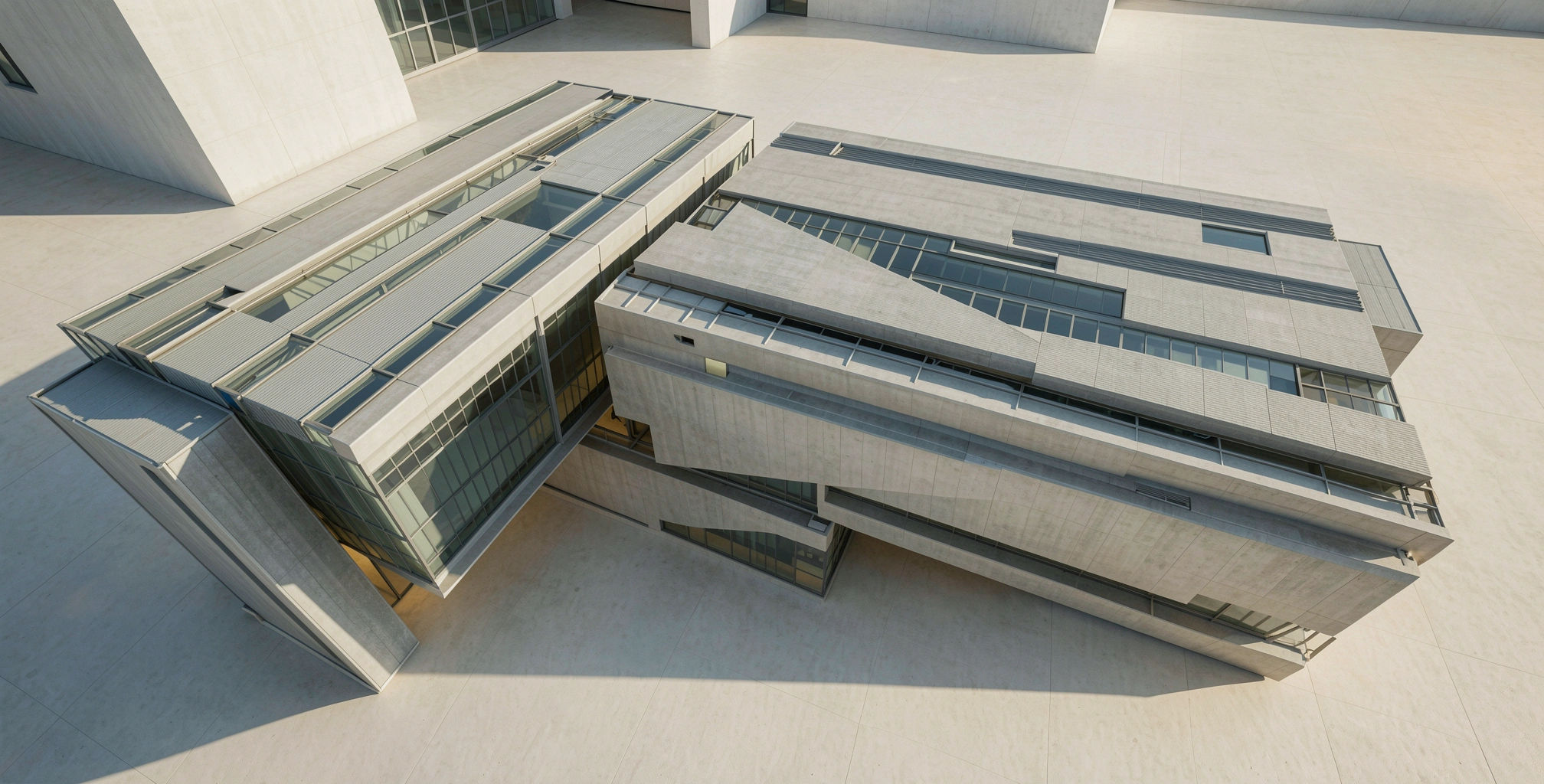
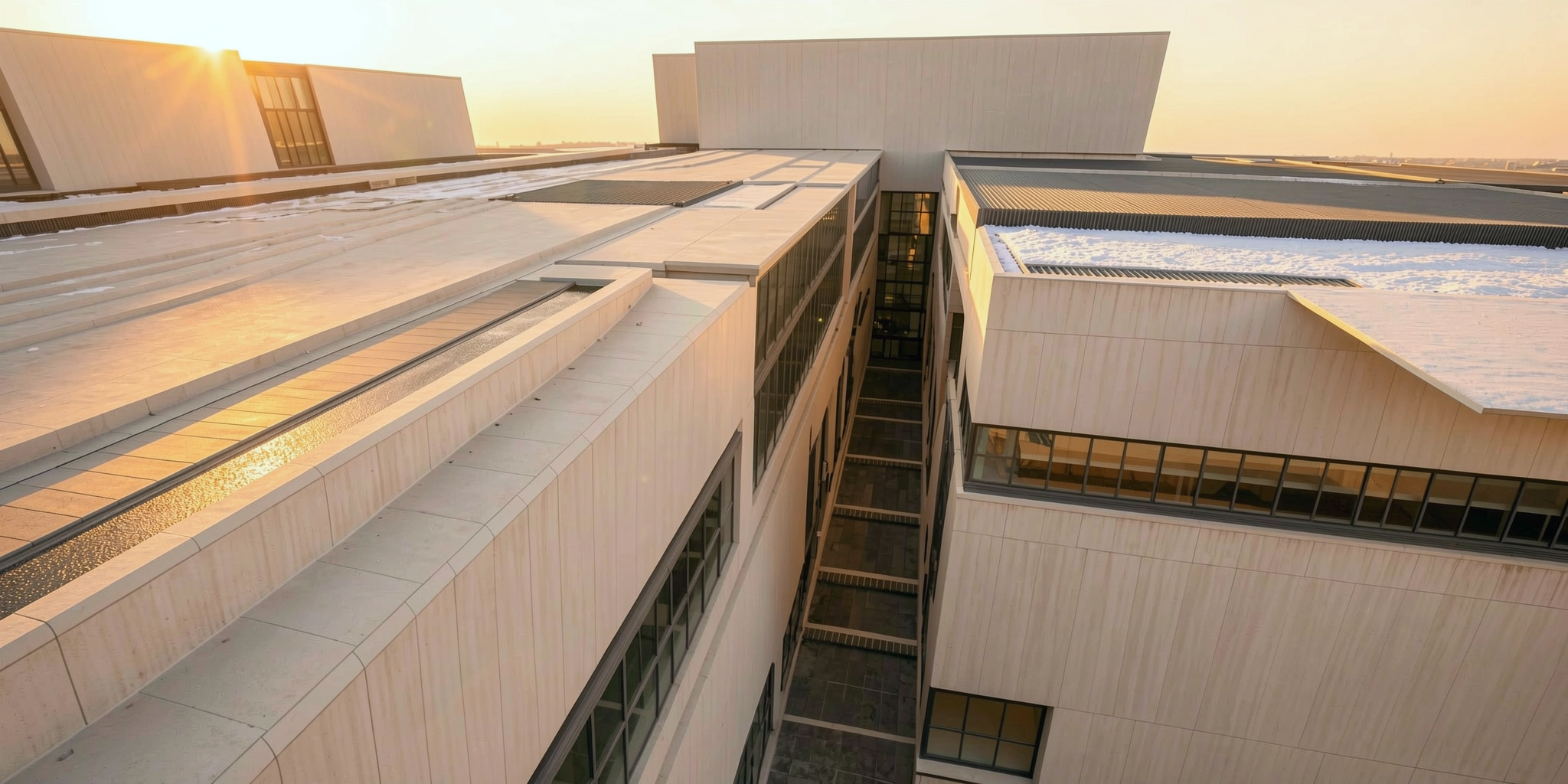
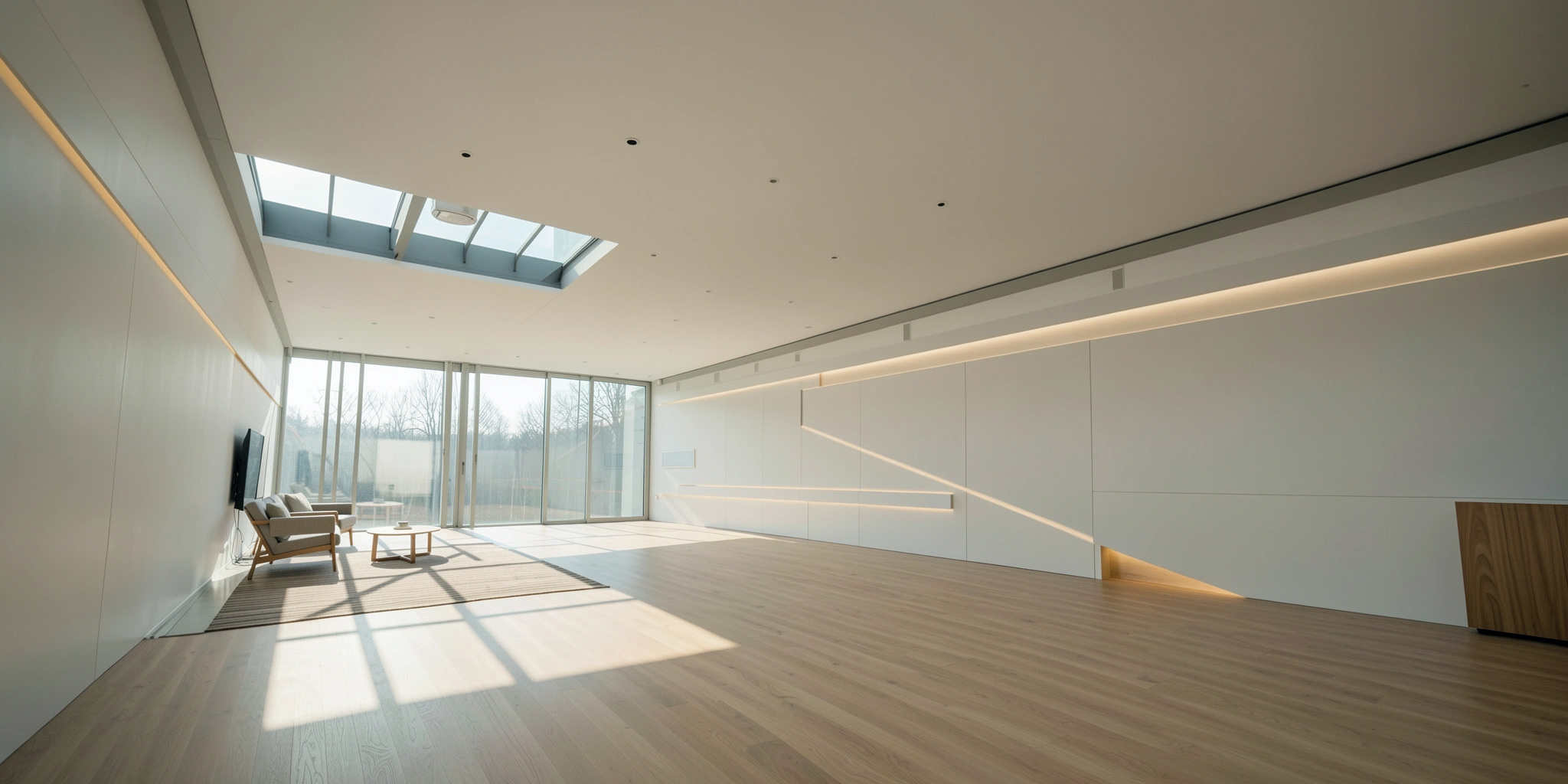
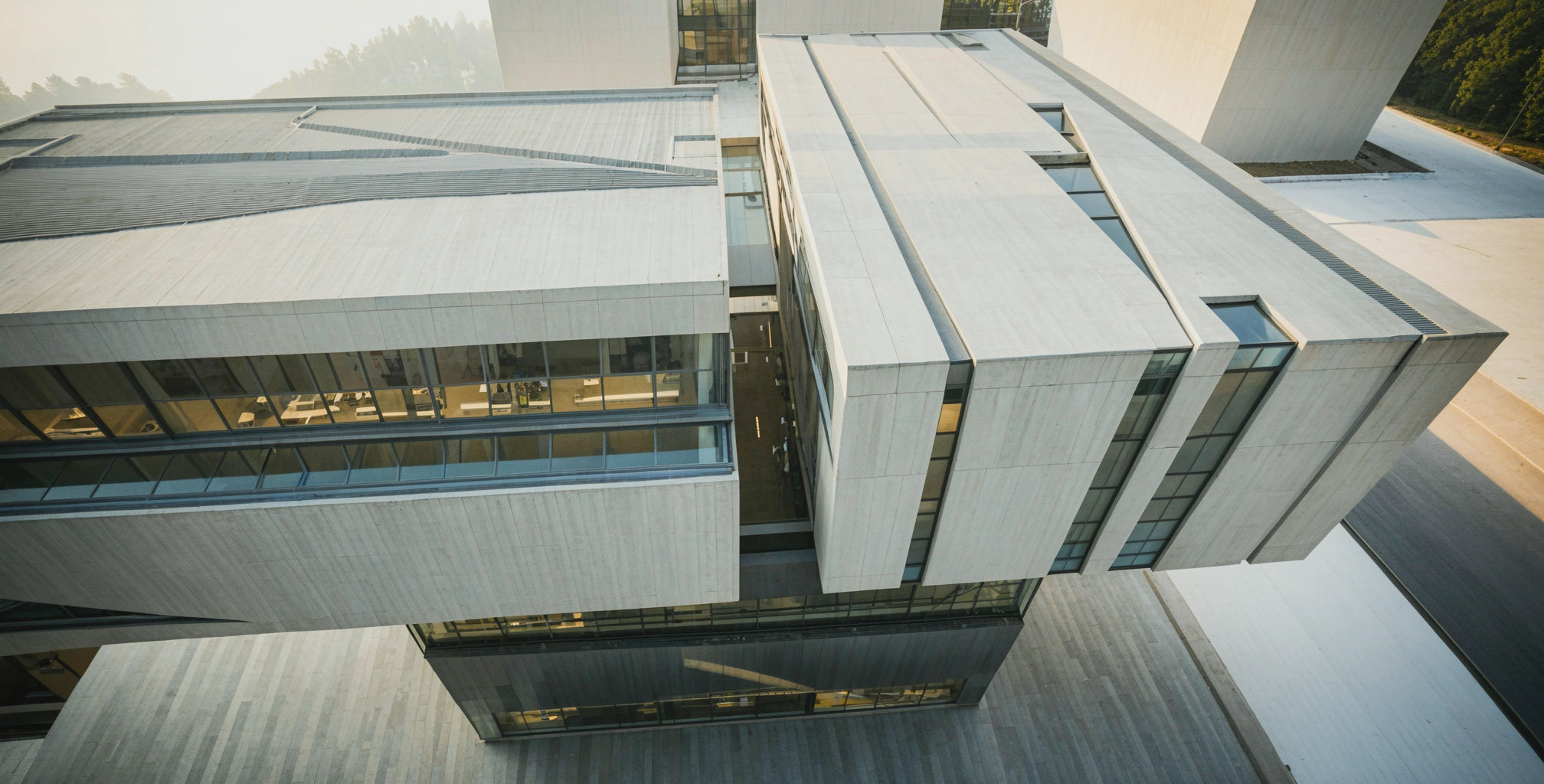
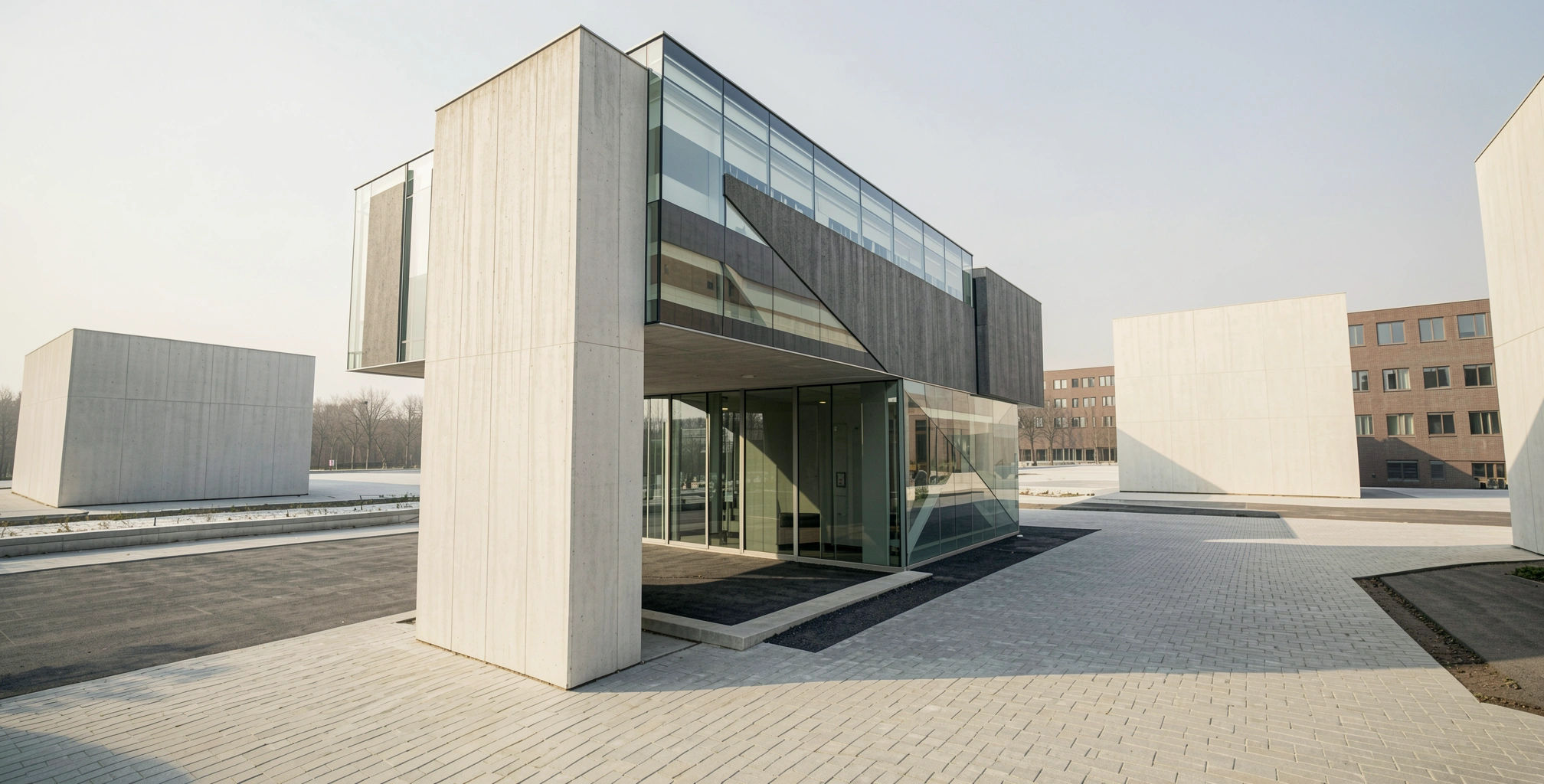
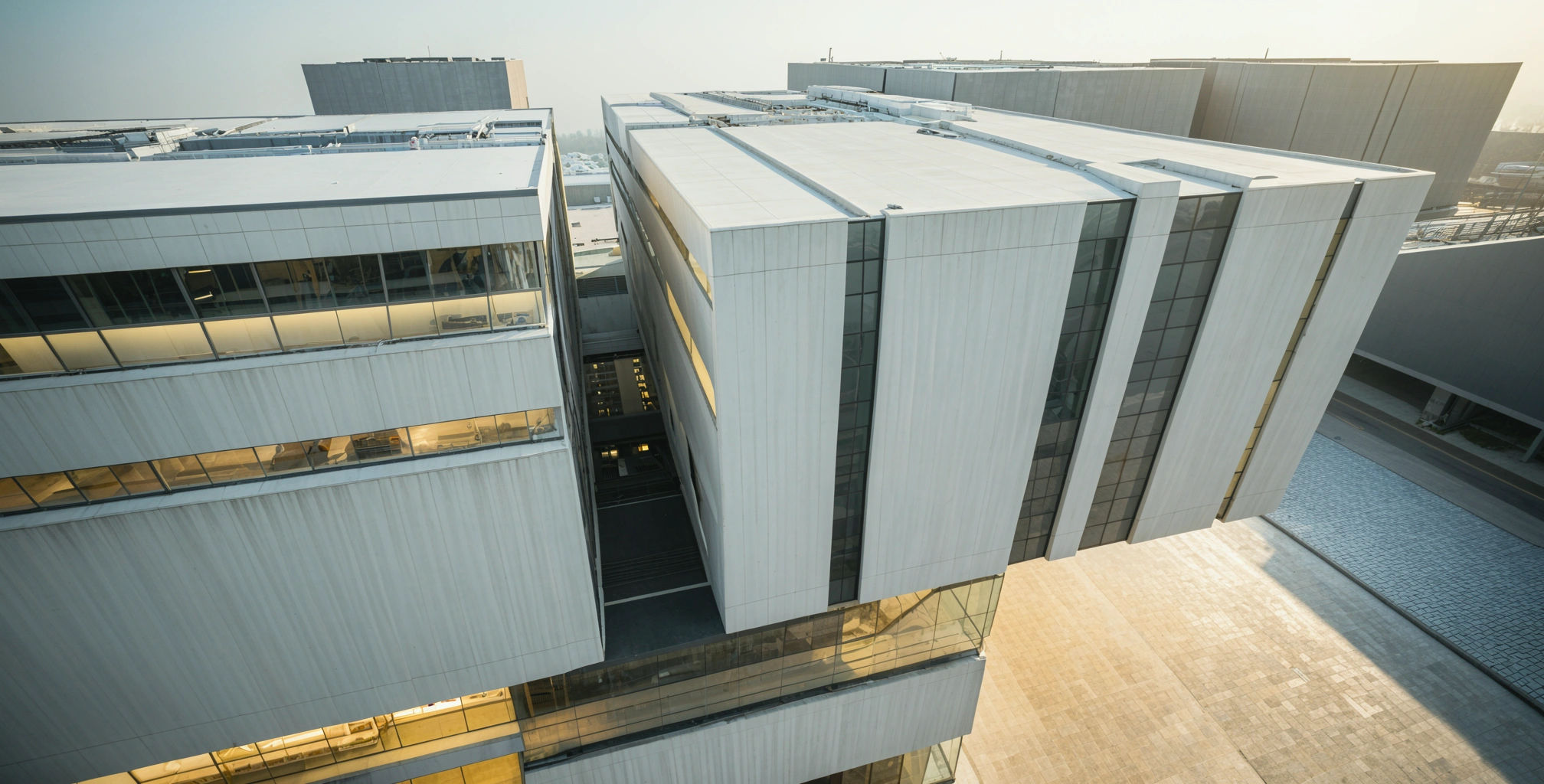
Rather than relying exclusively on top light, the building introduces daylight along structural lines, reimagining joints between façade panels as daylight admission points. These structural seams incorporate controllable flaps that allow light, fresh air, or both to enter depending on climatic and curatorial needs. This approach aligns with recent thinking in integrated envelope design, which emphasises multi-functionality and adaptability (DeKay and Brown, 2014). By embedding daylight admission mechanisms within the tectonic logic of the building, the design avoids disrupting the aesthetic clarity of the volumes while achieving controlled interior brightness without compromising environmental stability (Tregenza and Wilson, 2011). The provision of varied light sources — both lateral and overhead — further supports the sculptural subject matter. Sculptures benefit from shadows, highlights, and dynamic lighting conditions, which enhance visitor engagement and material perception (Lozanovska and Xu, 2013).

Spatial Orientation and Daylight Character

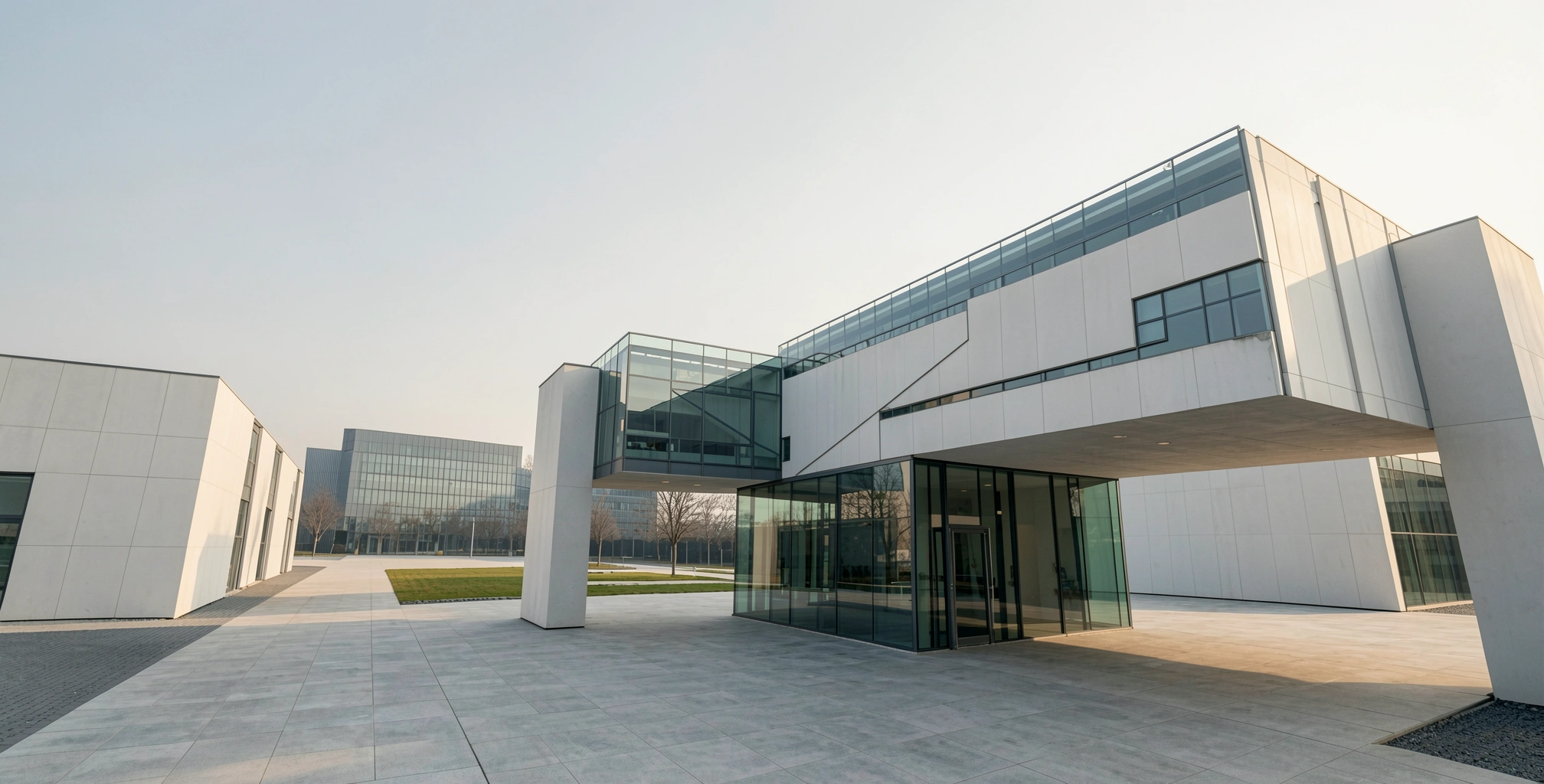
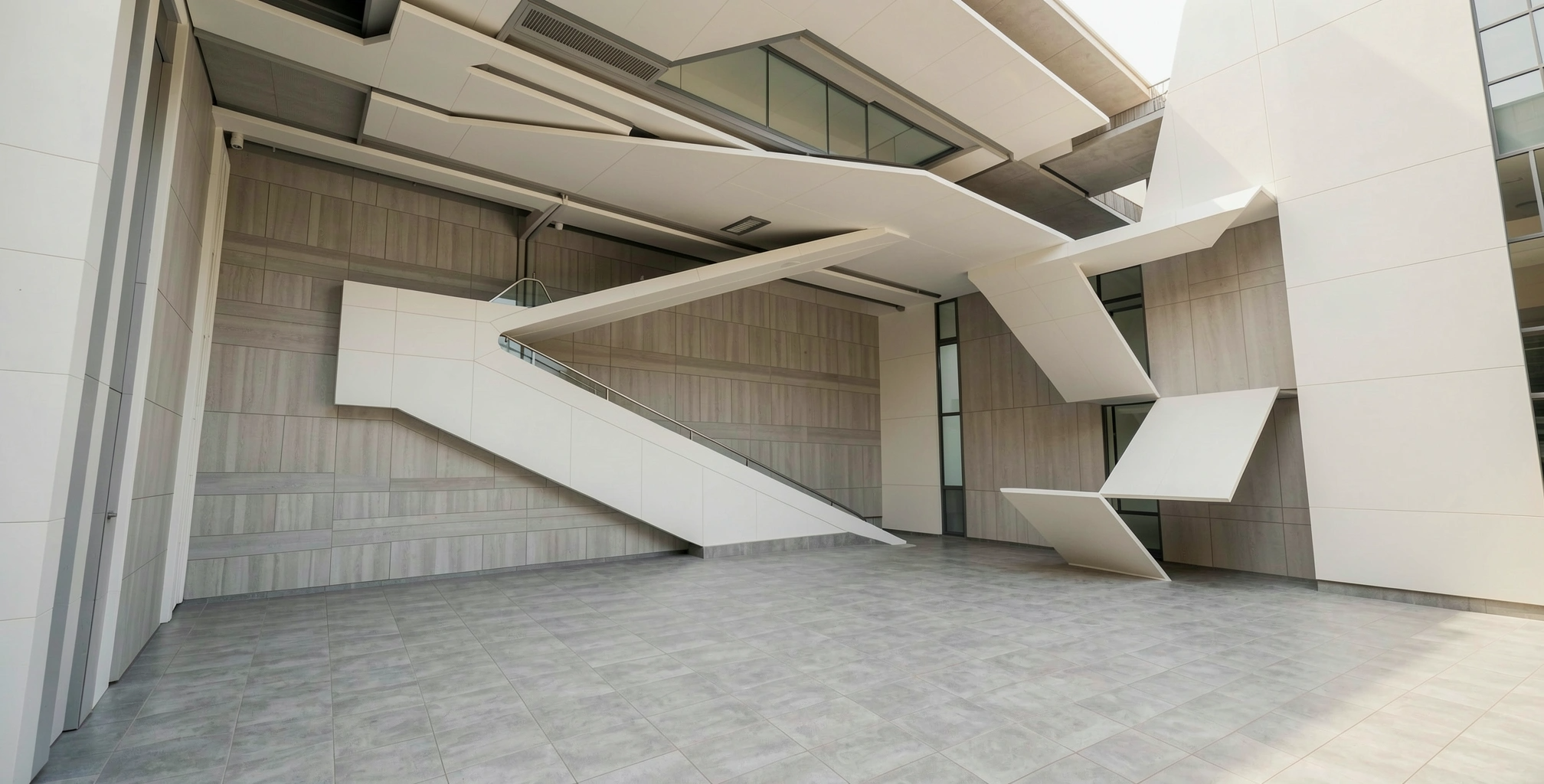
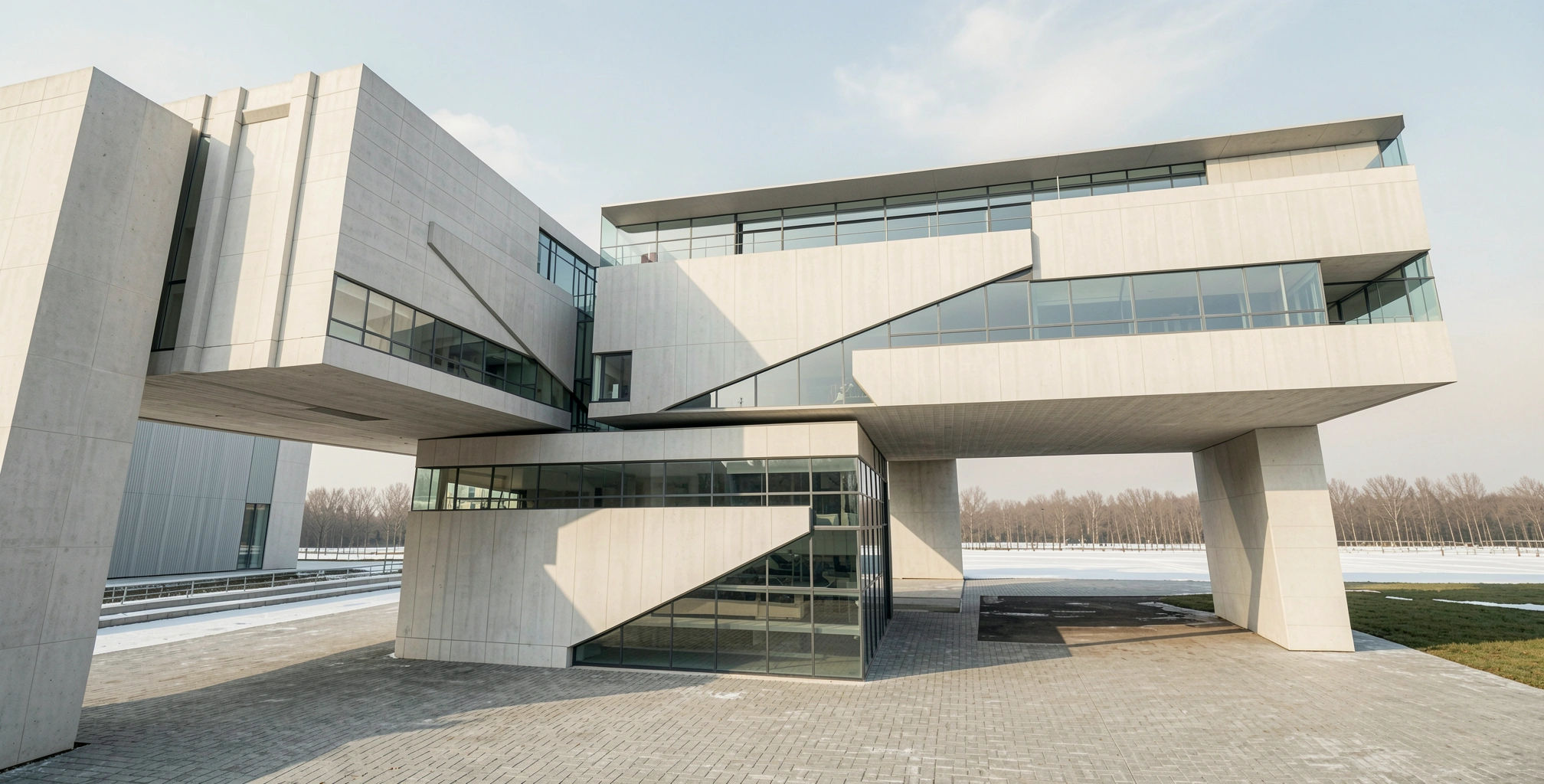
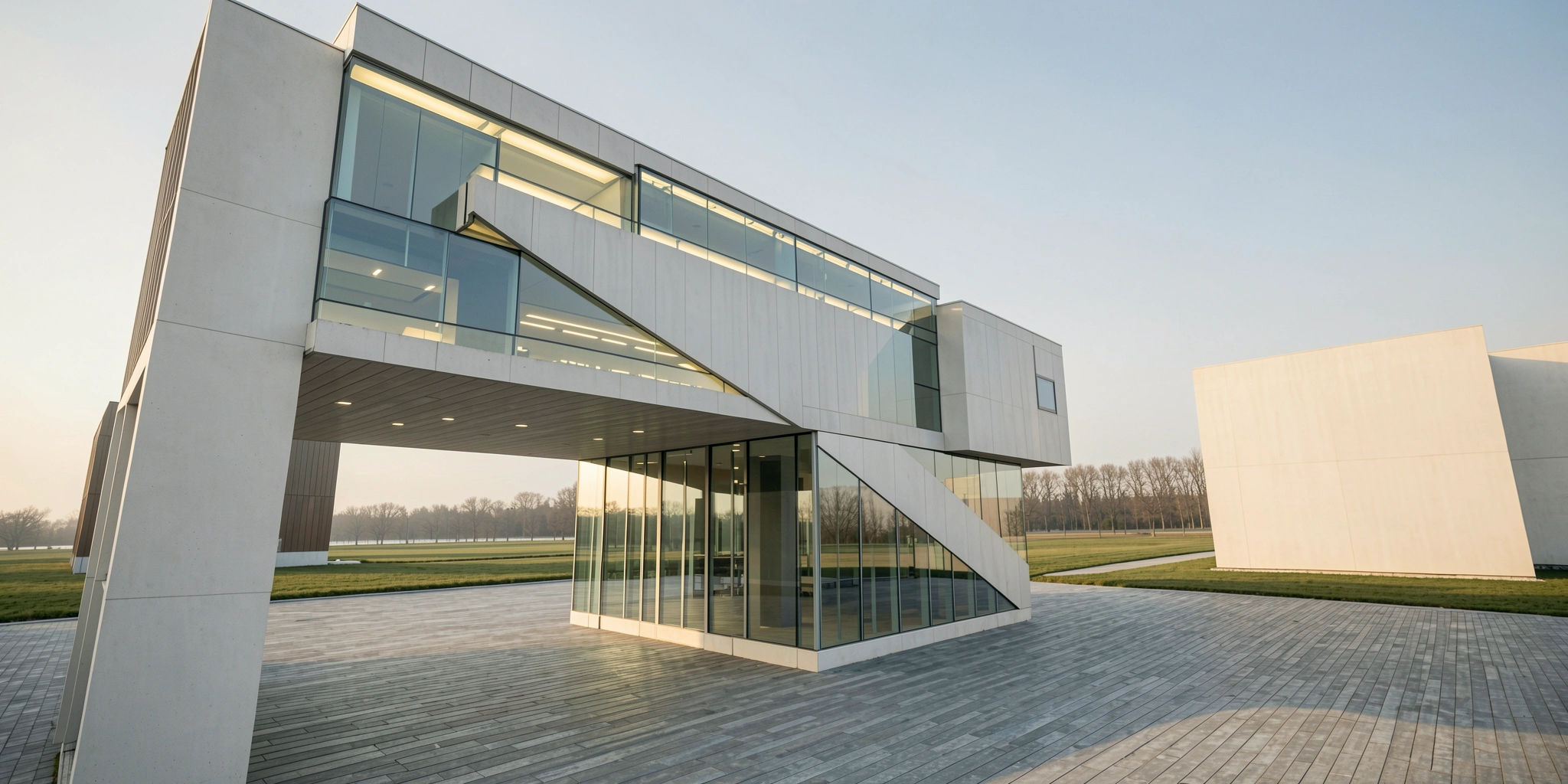
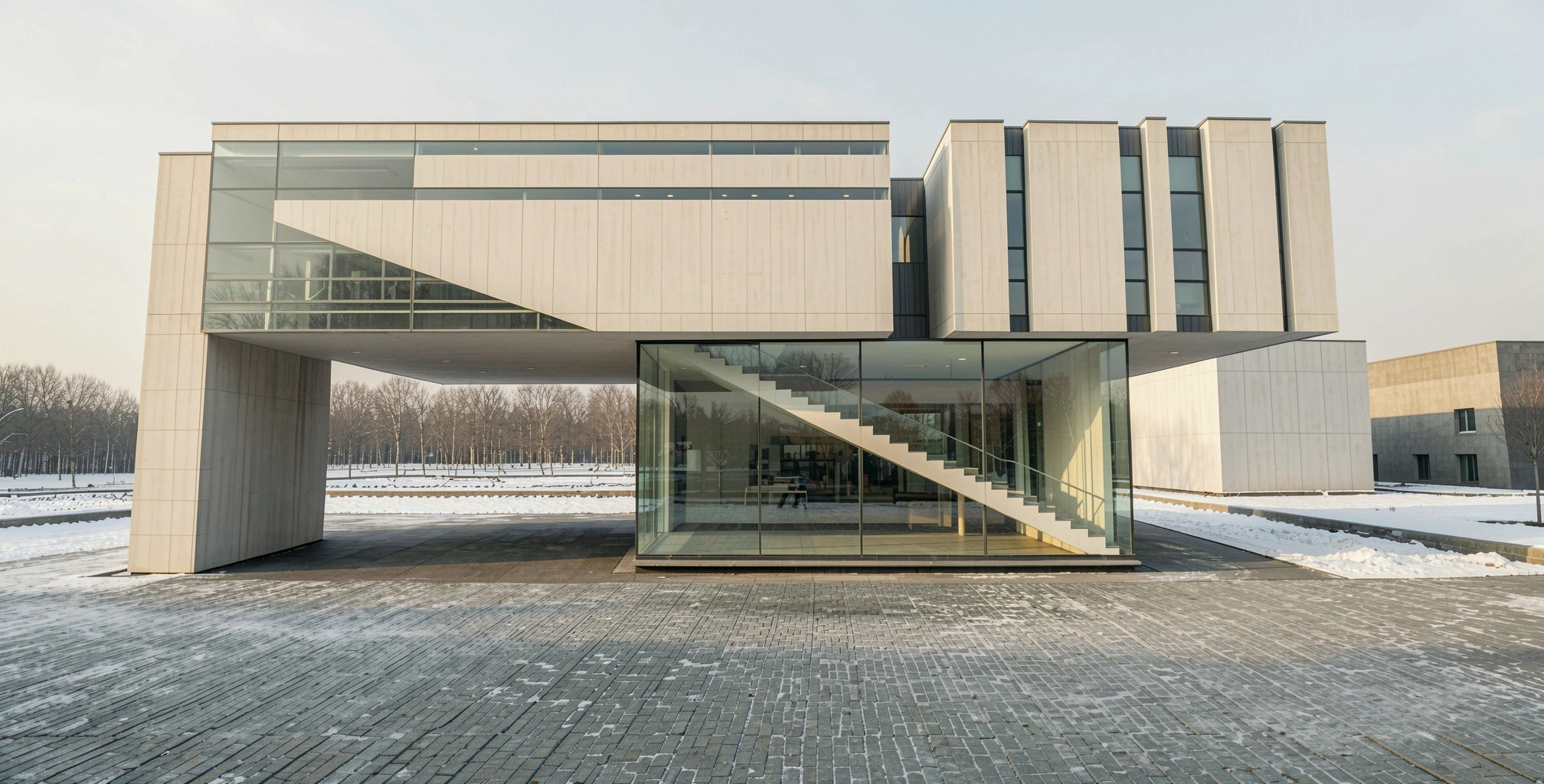
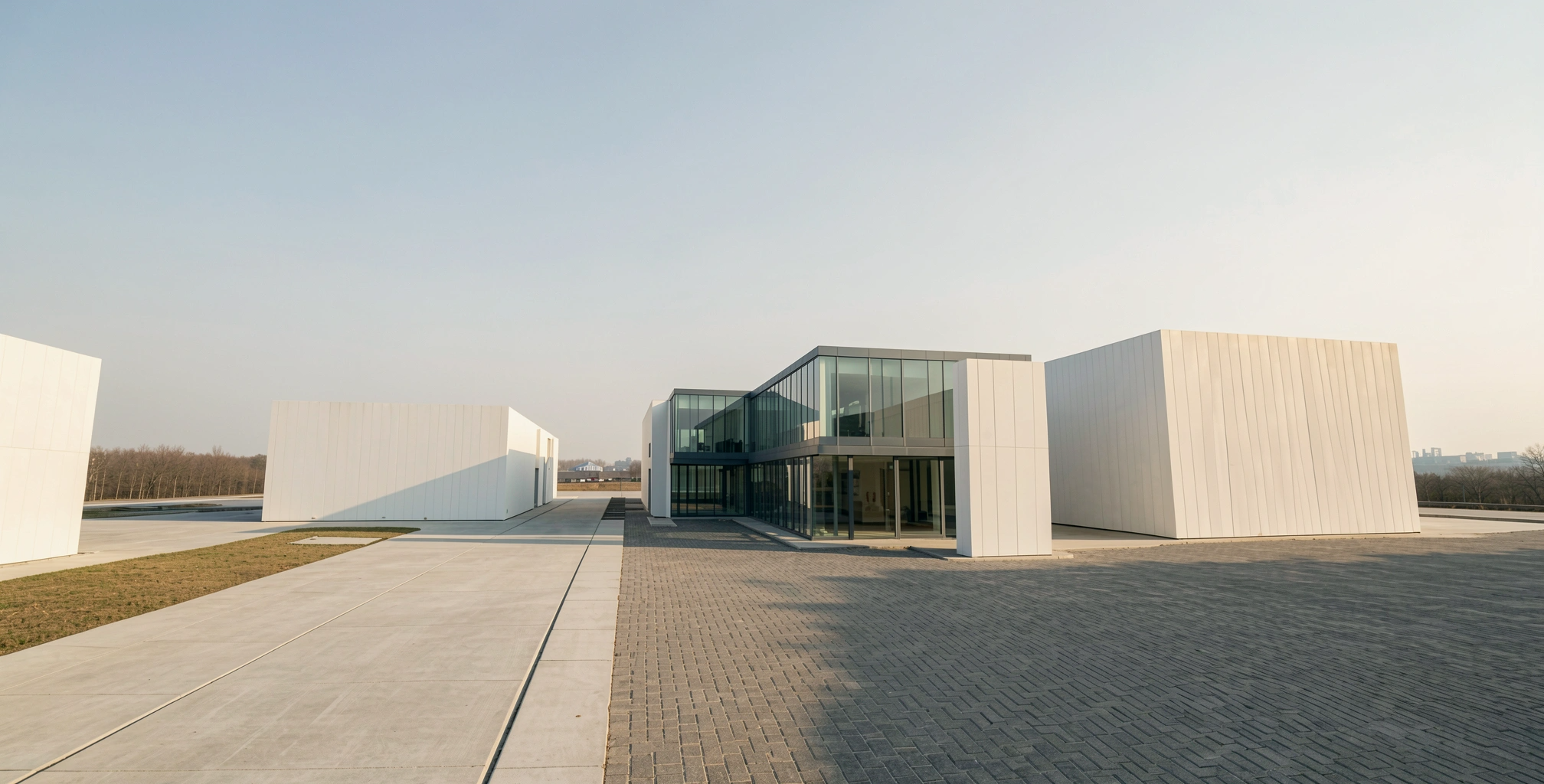
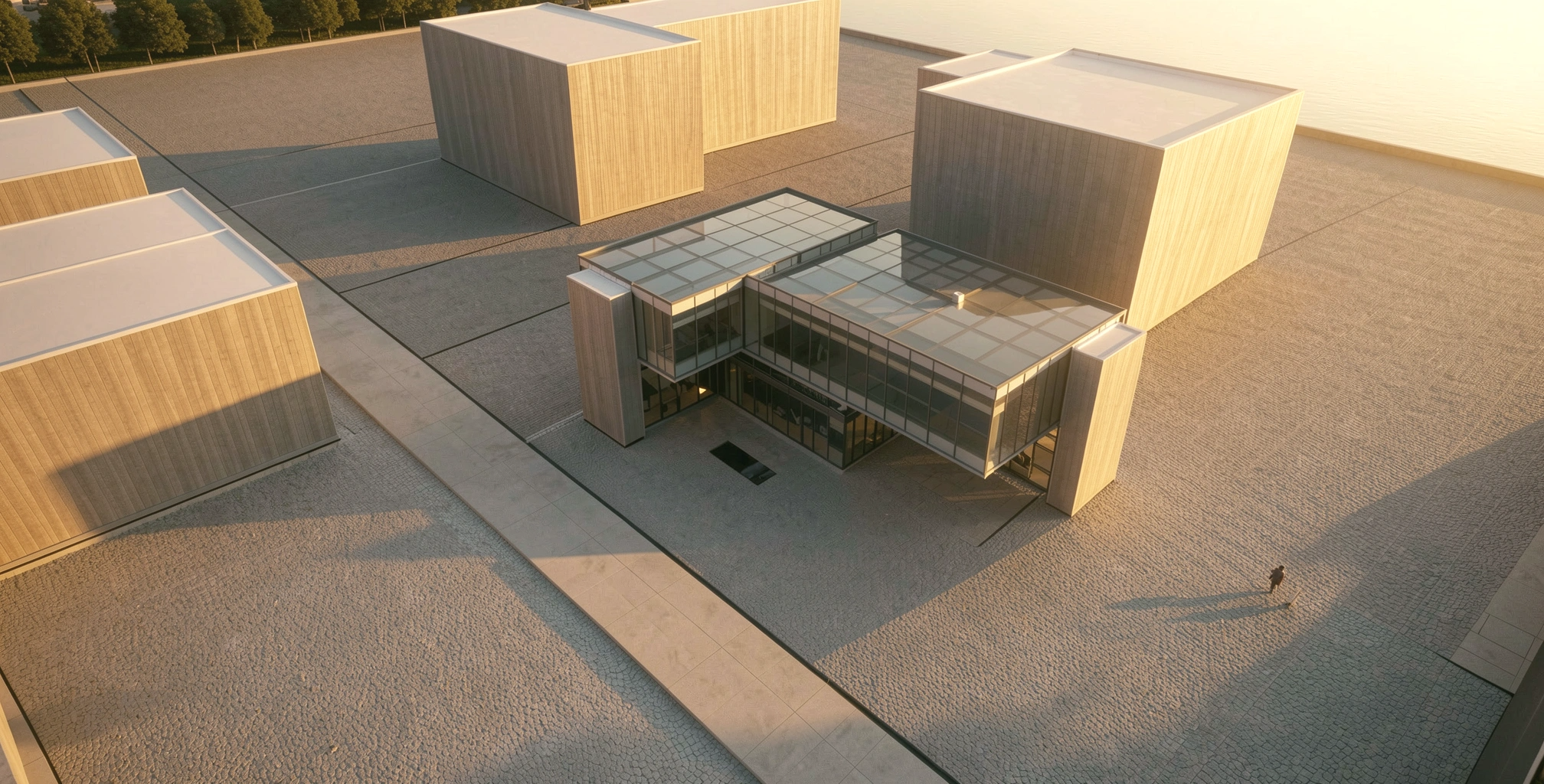
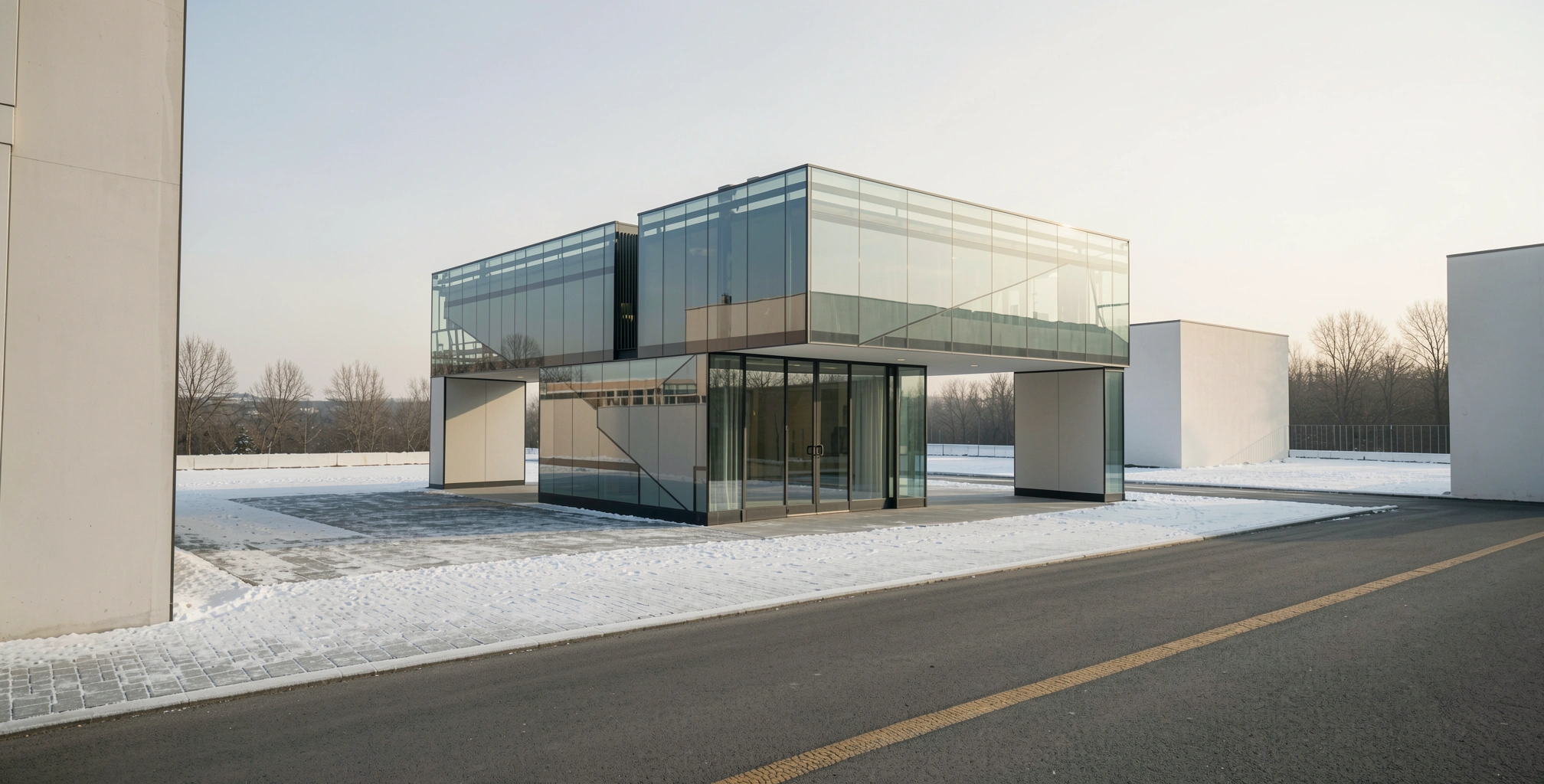
The gallery’s three primary volumes are differentiated through orientation and sectional strategy, producing varied daylighting characteristics and corresponding microclimates. The elevated blocks are lit from the edges of their enclosing walls, providing high-quality diffuse light. In contrast, the ground floor block admits daylight laterally, generating a contrasting spatial mood. This spatial choreography of light facilitates both curatorial flexibility and experiential richness for visitors. Differences in daylight quality correspond to the orientation of each block, ensuring that direct sun is mitigated by the geometry of the enclosing walls. These moves reflect principles of climate-responsive design, where building form acts as a primary mediator between internal function and external environment (Givoni, 1998; Lechner, 2014).

Semi-External Spaces and Passive Cooling Potential

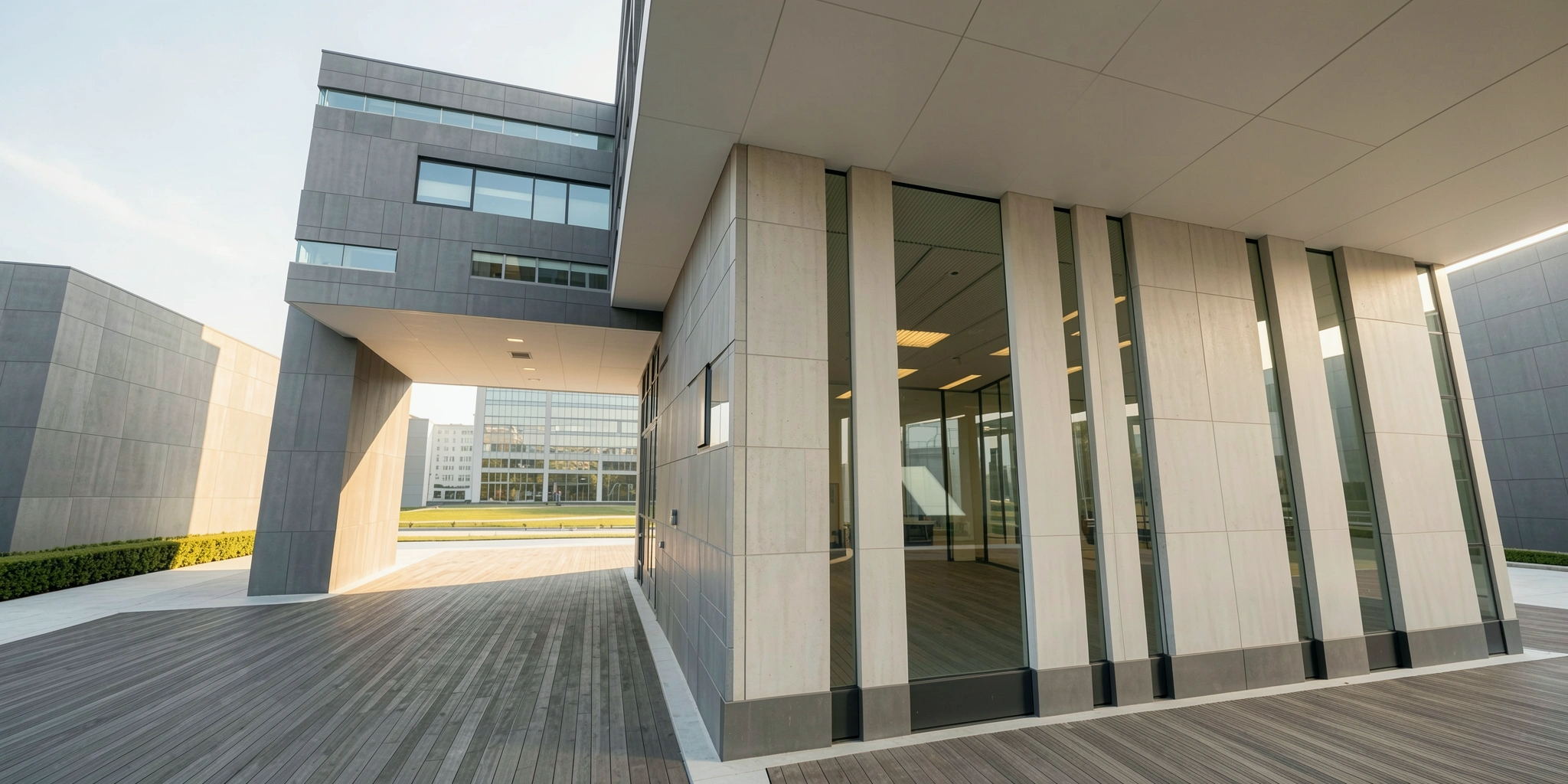
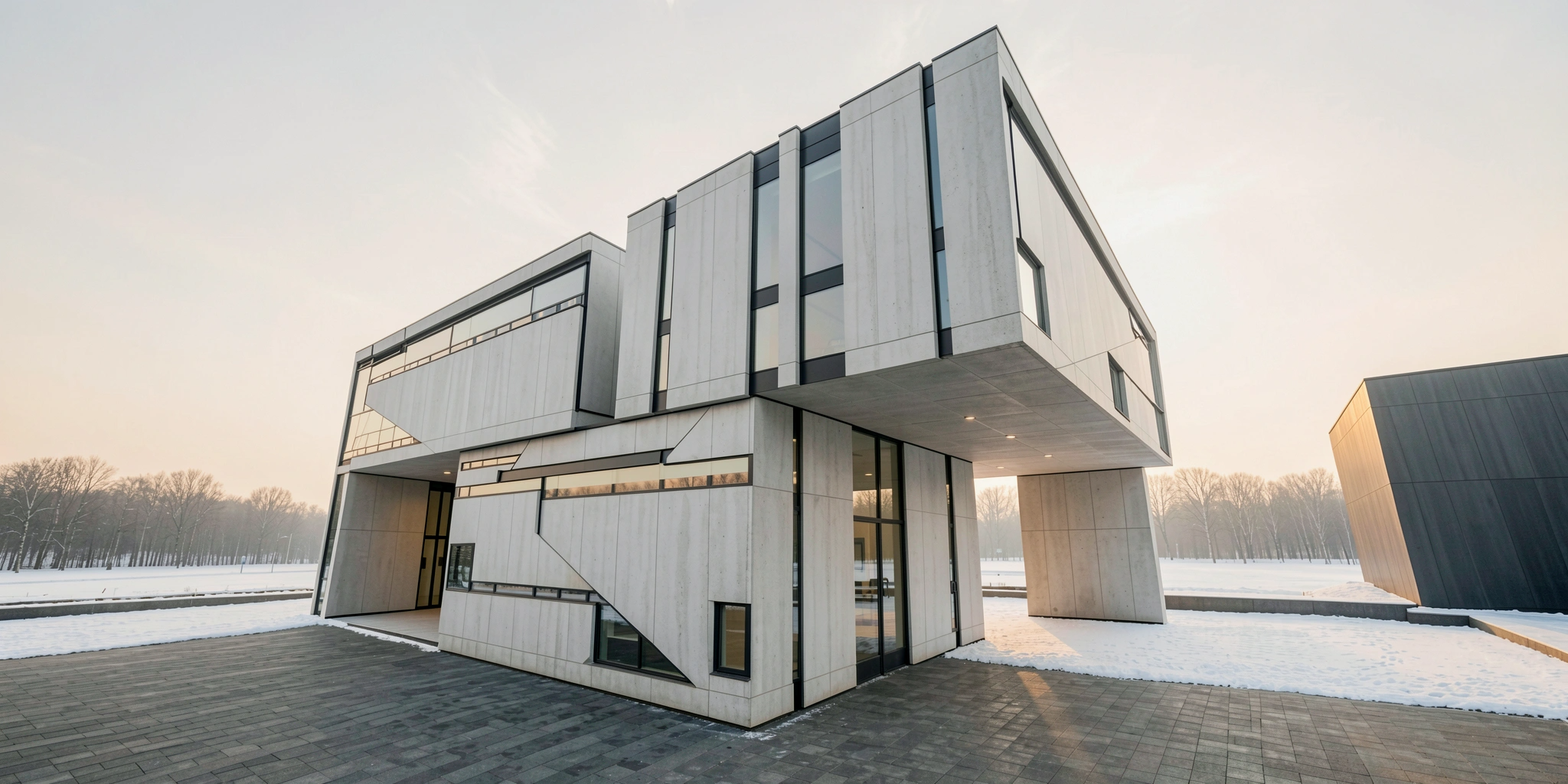
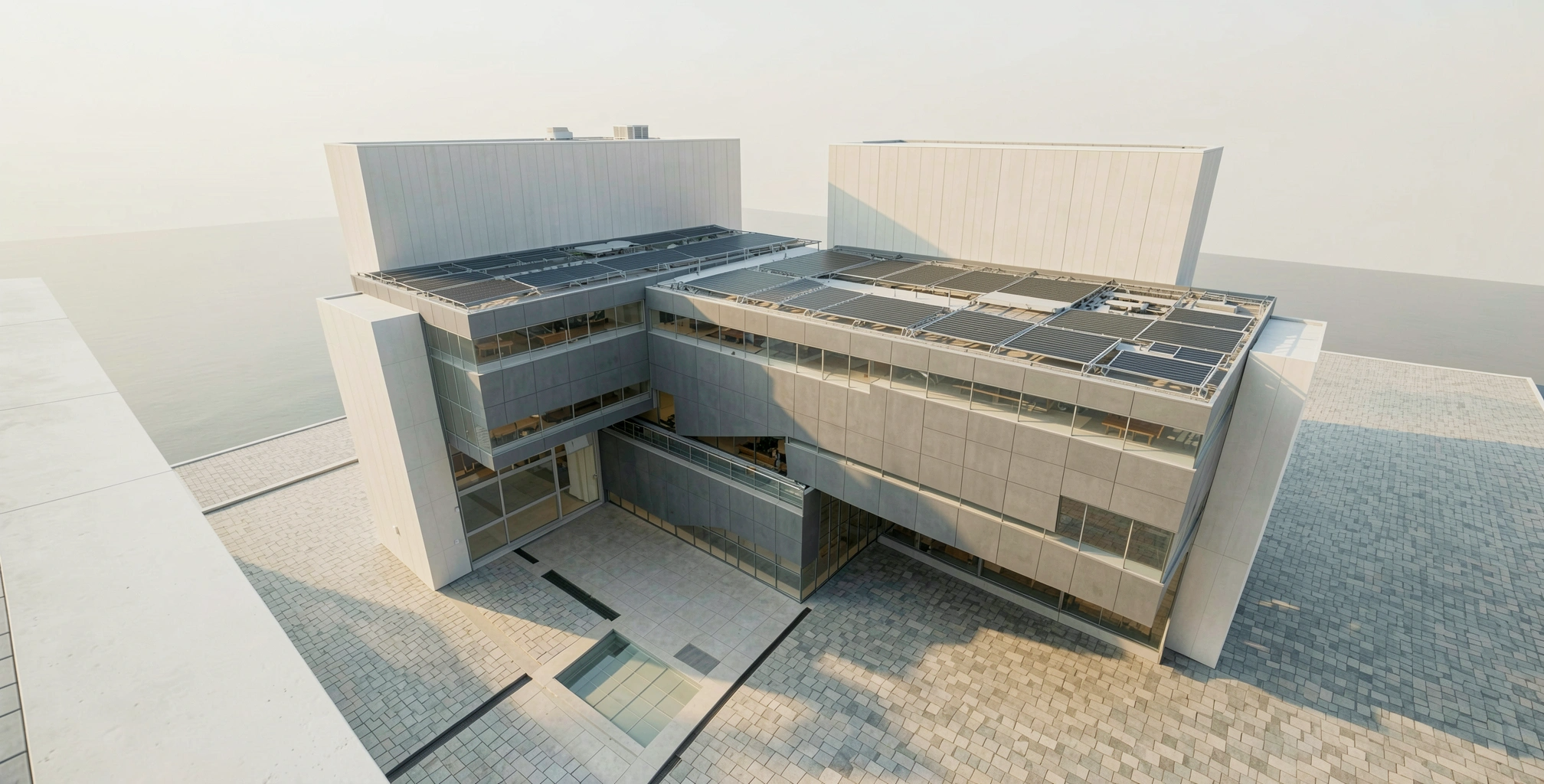
Cantilevered gallery volumes form canopies over ground-level courts, creating semi-external sculpture spaces that are shaded yet illuminated by reflected daylight. This spatial arrangement not only supports passive environmental performance but strengthens the dialogue between interior and exterior artworks. These shaded volumes act as thermal buffers, reducing heat gain in the adjacent indoor spaces while offering cool microclimates for outdoor sculpture display. Their configuration encourages cross-ventilation and interaction between indoor and outdoor airflows. Research confirms that such transitional spaces — loggias, cloisters, porticos — are effective climate mediators in temperate and Mediterranean regions (Olgyay, 2015; Brown and Farrelly, 2007).

Mixed-Mode Ventilation: Linking Airflow to Spatial Sequence

A fan-assisted natural ventilation system supports passive air circulation through the linked sequence of gallery spaces. Each gallery transitions to the next with intentional environmental variation, reinforcing a spatial narrative and visitor reorientation. This approach treats movement through space as a process of climatic as well as experiential unfolding — echoing Alexander’s (1977) concept of the “sequence of spaces” that shape human response. By decoupling the ventilation strategies for support spaces (staircases, lobbies) and gallery volumes, the building allows for selective environmental control, ensuring that passive strategies are prioritised where feasible and mechanical systems are used only where necessary. This zonal separation reduces energy use while maintaining curatorial standards (Gou, Prasad and Lau, 2013).

Adaptive Environmental Performance: From Static to Dynamic Systems

Rather than conceiving fixed combinations of systems and enclosure, the design adopts a flexible core strategy: volumes are inherently open, then enclosed and adapted according to environmental performance needs. This model anticipates changing climate conditions and evolving curatorial demands over the building’s lifespan. The adaptability is built into both the passive envelope and the active systems. Daylight can be modulated via flaps, louvers, or supplementary electric lighting; ventilation can toggle between mechanical and natural modes. In doing so, the building avoids the pitfalls of “over-optimisation,” instead pursuing resilience through flexibility (Yeang, 2006; Leaman and Bordass, 2007). This approach echoes the performance-based design philosophy, where performance is evaluated over time rather than fixed at handover — particularly relevant in academic buildings where programmatic and pedagogical shifts are frequent (CIBSE, 2015).

Concealment and Integration of Services

A final key aspect of the environmental design is the visual integration of MEP systems. Mechanical ventilation equipment is concealed within service zones integrated into façades and roof glazing systems. This prevents the common visual disruption caused by rooftop "backpacks" of plant equipment. The principle of invisible service integration enhances the building’s formal clarity while aligning with a holistic environmental strategy. Concealed units operate in tandem with the envelope, coordinating daylight admission and thermal regulation — an approach that treats mechanical systems as an extension of passive design rather than its substitute (Banham, 1984).

Spatial and Climatic Responsiveness as Design Drivers

This project demonstrates how sculptural gallery architecture can be deeply responsive to light, air, and thermal variation while maintaining curatorial and visual integrity. The environmental strategies emerge not from the imposition of technologies but from the spatial and structural logic of the building itself. Rather than treating environmental design as a layer applied post-facto, the project uses environmental considerations to shape volume, sequence, and material articulation from the outset. In doing so, it offers a model of resilient, low-energy design for cultural buildings in temperate climates, where flexibility, spatial richness, and climate adaptation must coexist.

References

Alexander, C. (1977) A Pattern Language: Towns, Buildings, Construction. New York: Oxford University Press.

Banham, R. (1984) The Architecture of the Well-Tempered Environment. 2nd ed. Chicago: University of Chicago Press.

Brophy, S. and Wylie, L. (2001) The Green Museum: A Primer on Environmental Practice. Lanham, MD: AltaMira Press.

Brown, G. and Farrelly, L. (2007) Material Strategy: Innovative Applications in Architecture. Oxford: Architectural Press.

Cassar, M. (2005) Climate Change and the Historic Environment. London: UCL Centre for Sustainable Heritage.

CIBSE (2015) Technical Memorandum TM54: Evaluating Operational Energy Performance of Buildings at the Design Stage. London: CIBSE.

DeKay, M. and Brown, G.Z. (2014) Sun, Wind, and Light: Architectural Design Strategies. 3rd ed. Hoboken, NJ: Wiley.

Givoni, B. (1998) Climate Considerations in Building and Urban Design. New York: Van Nostrand Reinhold.

Gou, Z., Prasad, D. and Lau, S.S.Y. (2013) ‘Thermal comfort and passive design’, Renewable and Sustainable Energy Reviews, 25, pp. 429–437.

Leaman, A. and Bordass, B. (2007) ‘Are users more tolerant of “green” buildings?’, Building Research & Information, 35(6), pp. 662–673.

Lechner, N. (2014) Heating, Cooling, Lighting: Sustainable Design Methods for Architects. 4th ed. Hoboken, NJ: Wiley.

Lozanovska, M. and Xu, L. (2013) ‘Light and Sculpture: Architectural Poetics and Environmental Conditions’, Architectural Research Quarterly, 17(3–4), pp. 247–260.

Olgyay, V. (2015) Design with Climate: Bioclimatic Approach to Architectural Regionalism. Reprint ed. Princeton: Princeton University Press.

Tregenza, P. and Wilson, M. (2011) Daylighting: Architecture and Lighting Design. Abingdon: Routledge.

Yeang, K. (2006) Ecodesign: A Manual for Ecological Design. London: Wiley-Academy.