
Residential Mini-Tower — Environmental Infrastructure as Architectural Expression
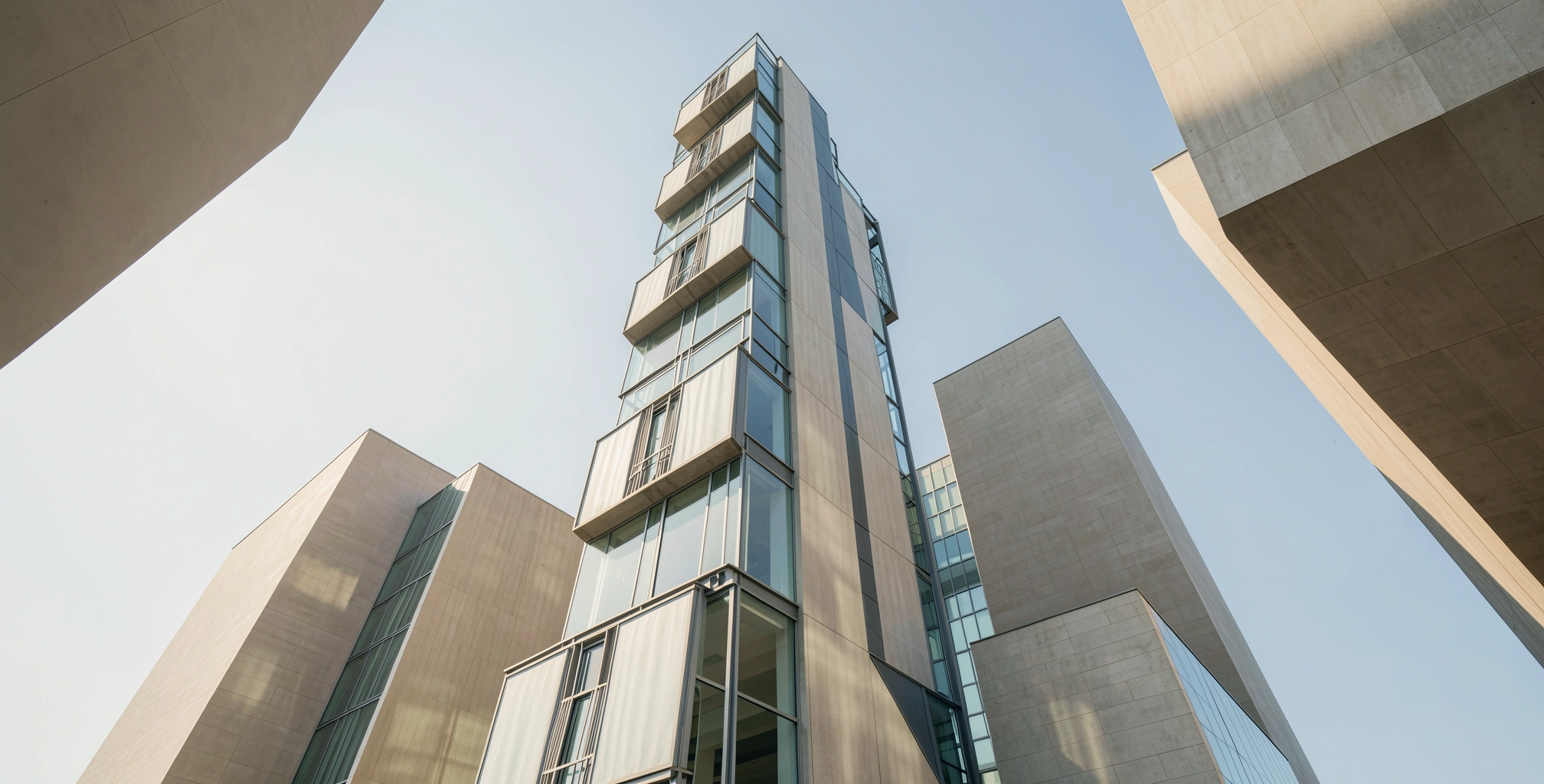
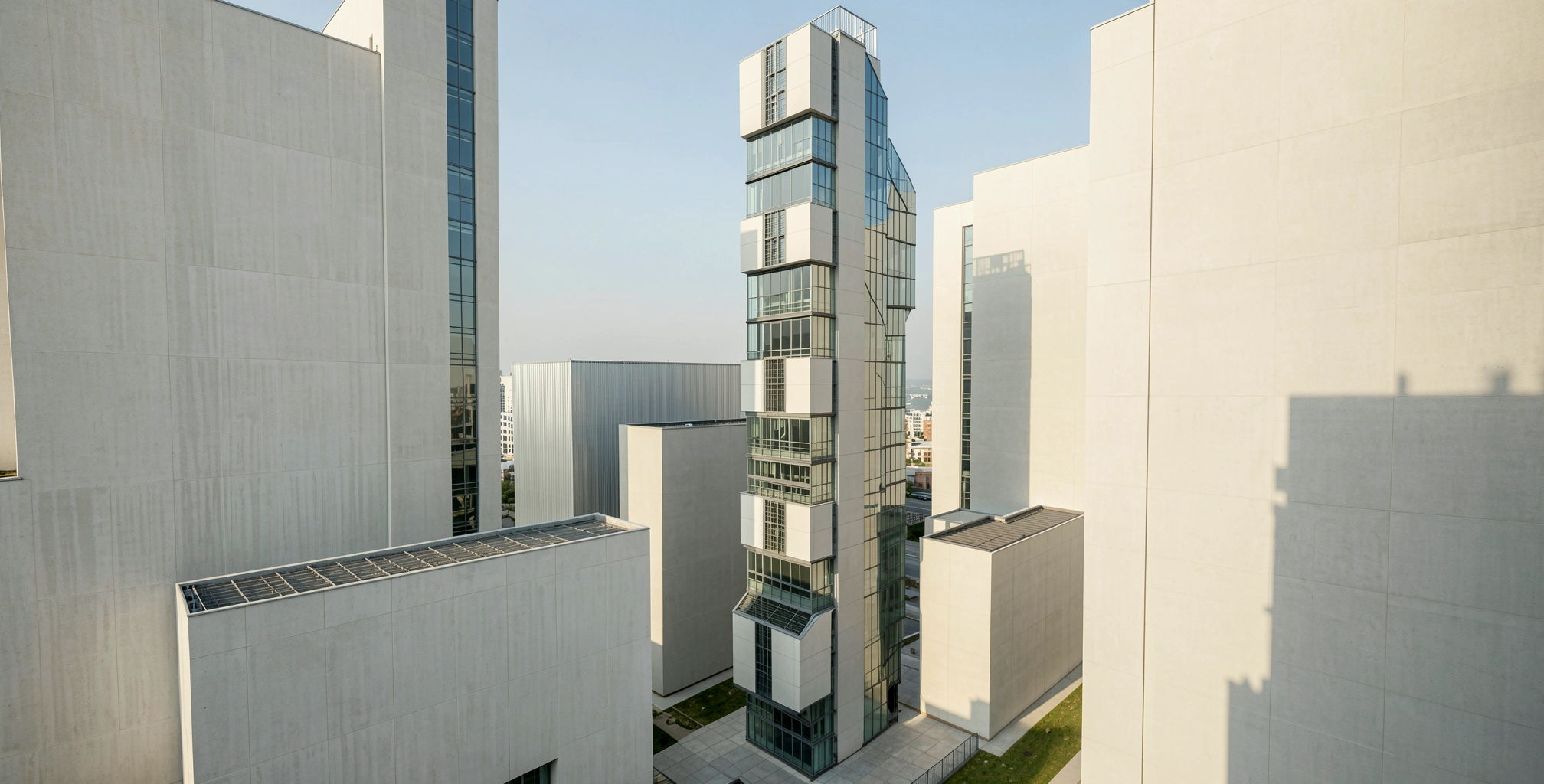
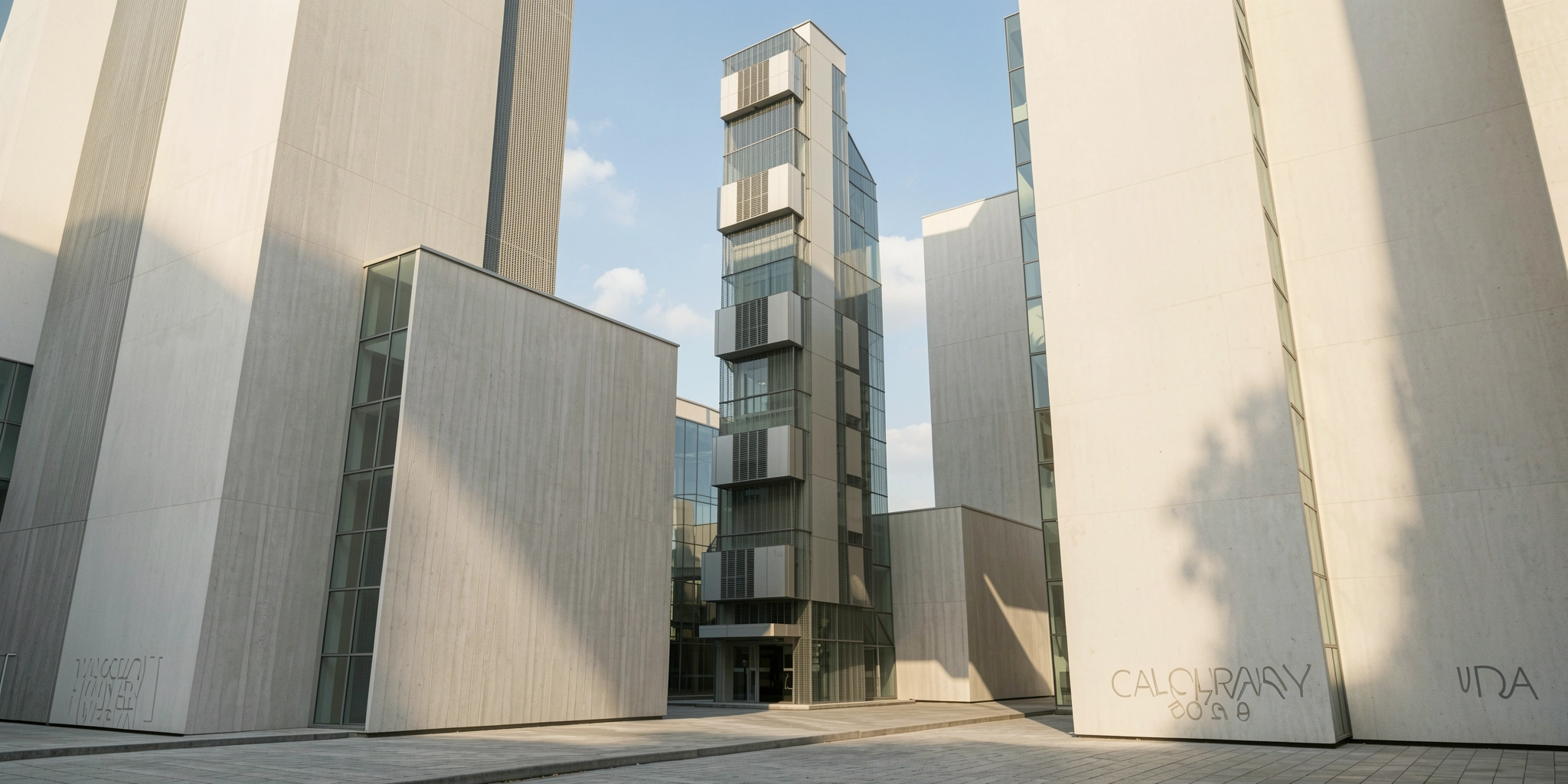
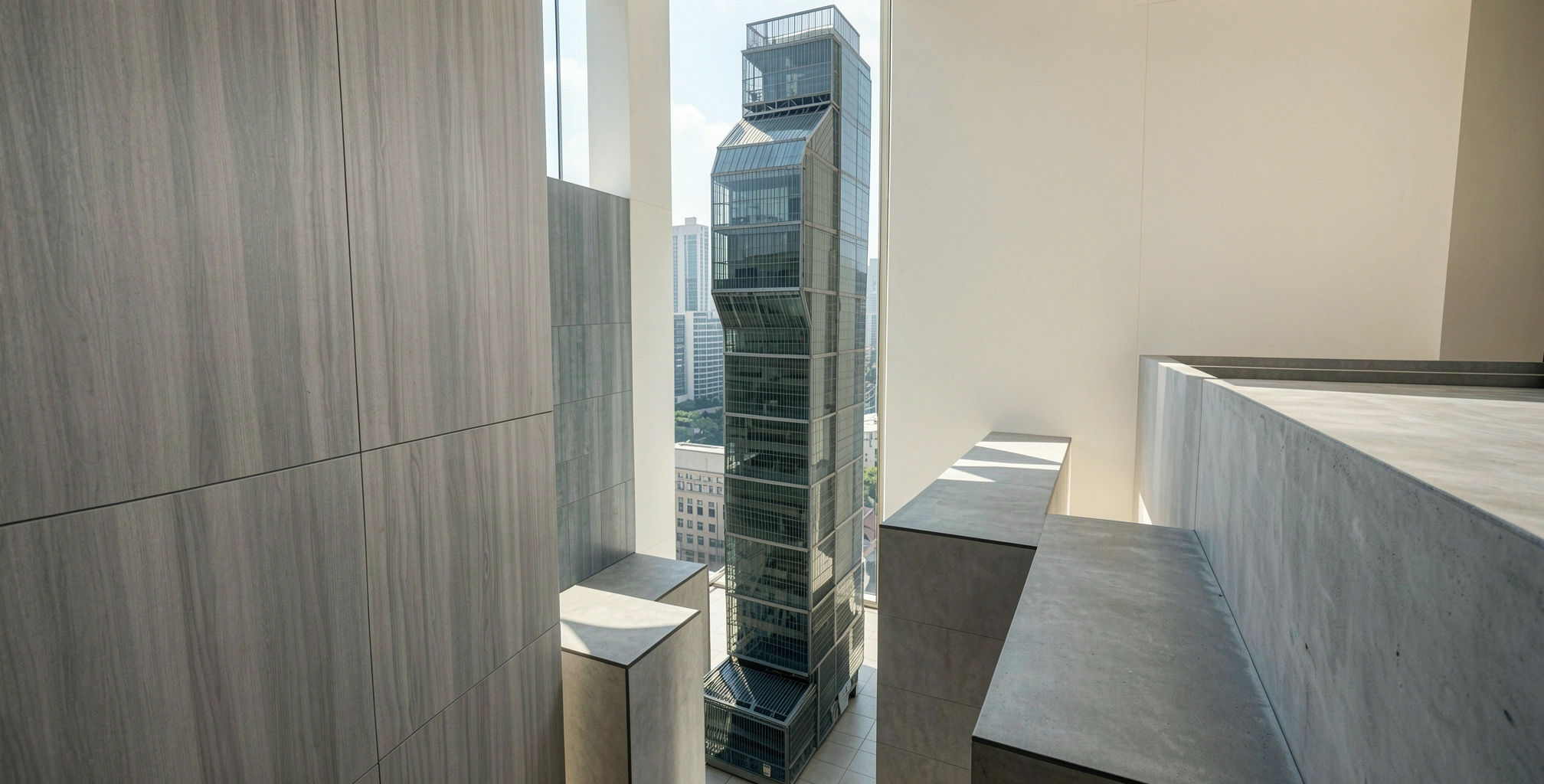
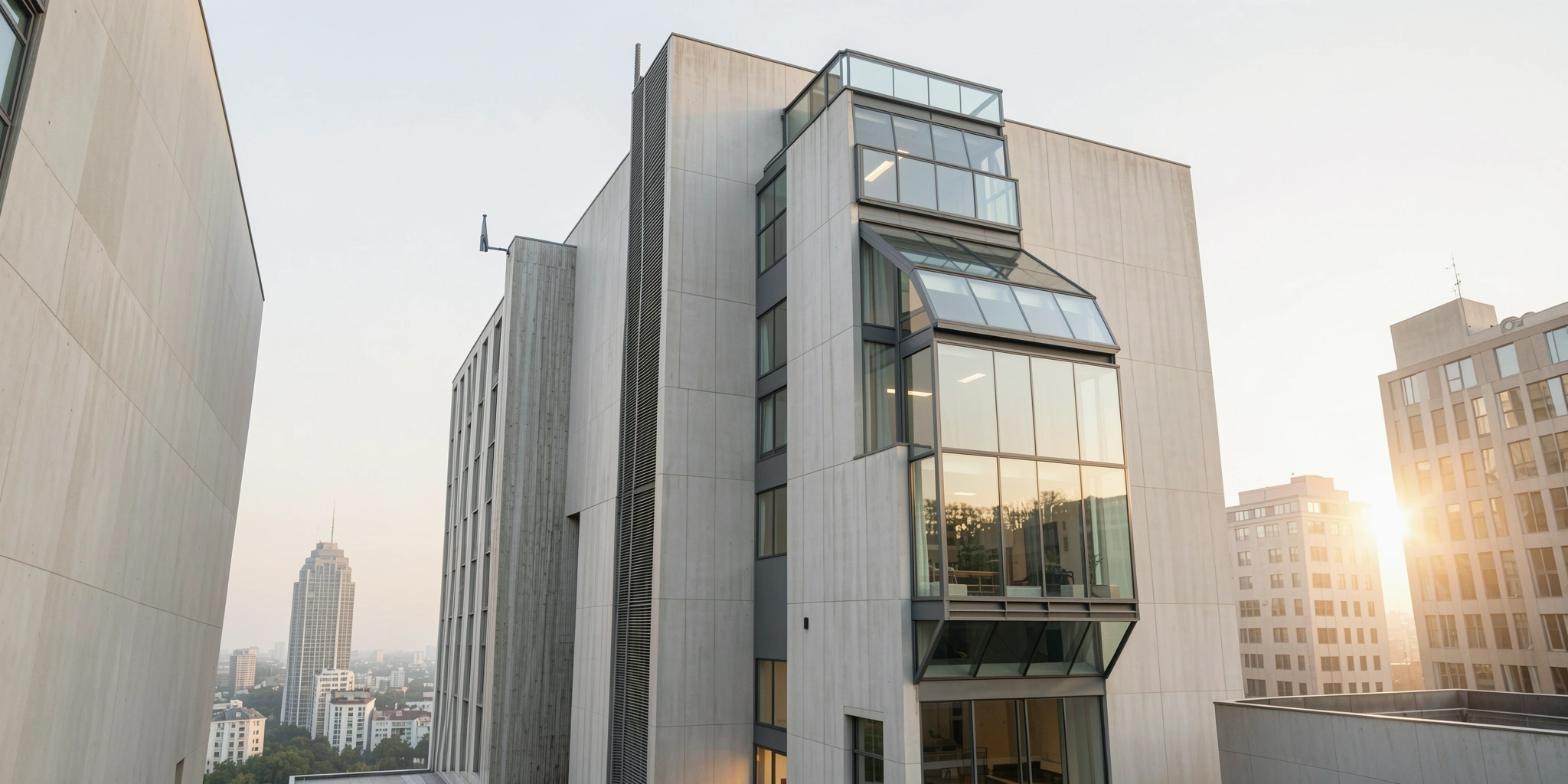
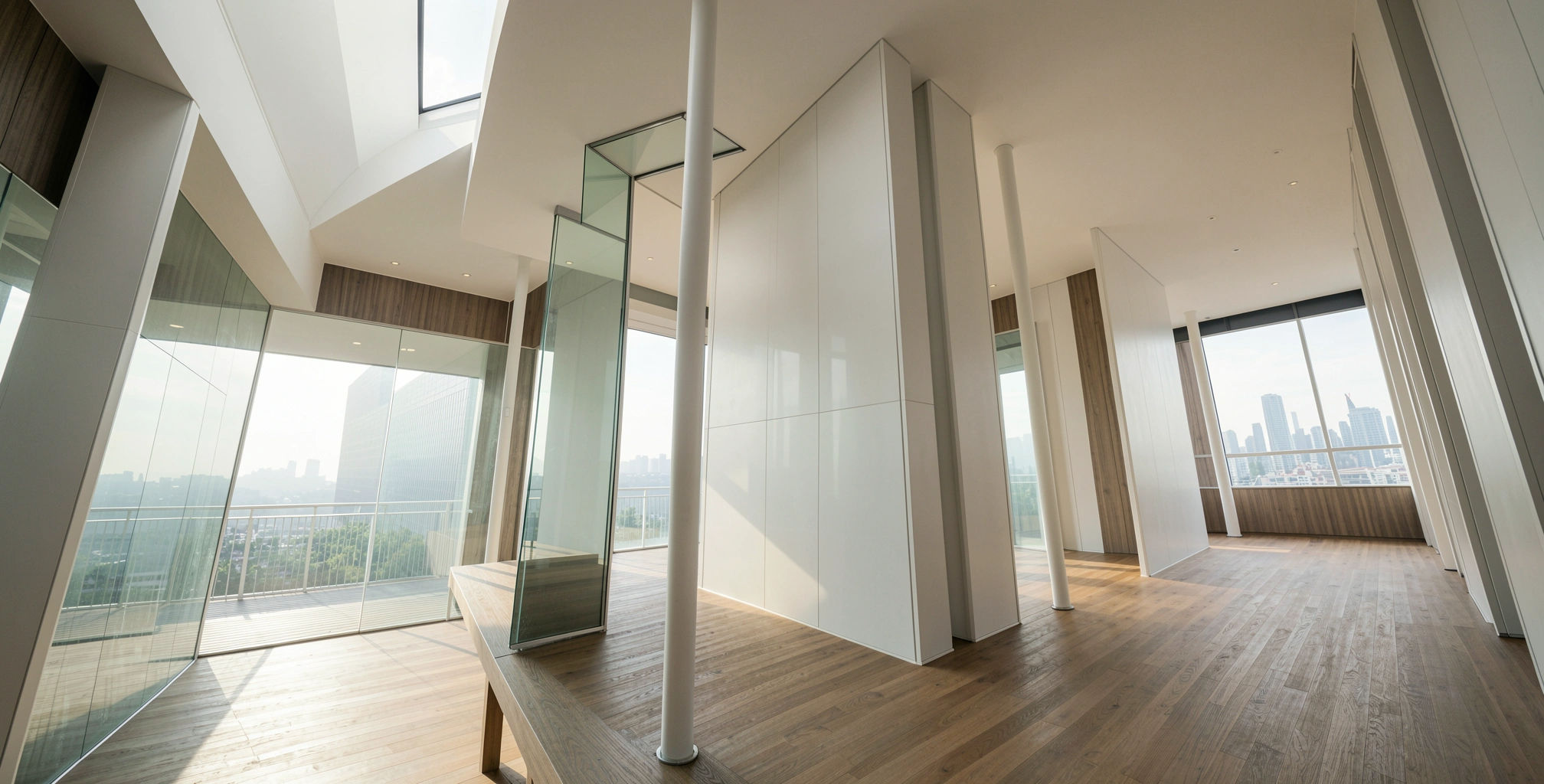
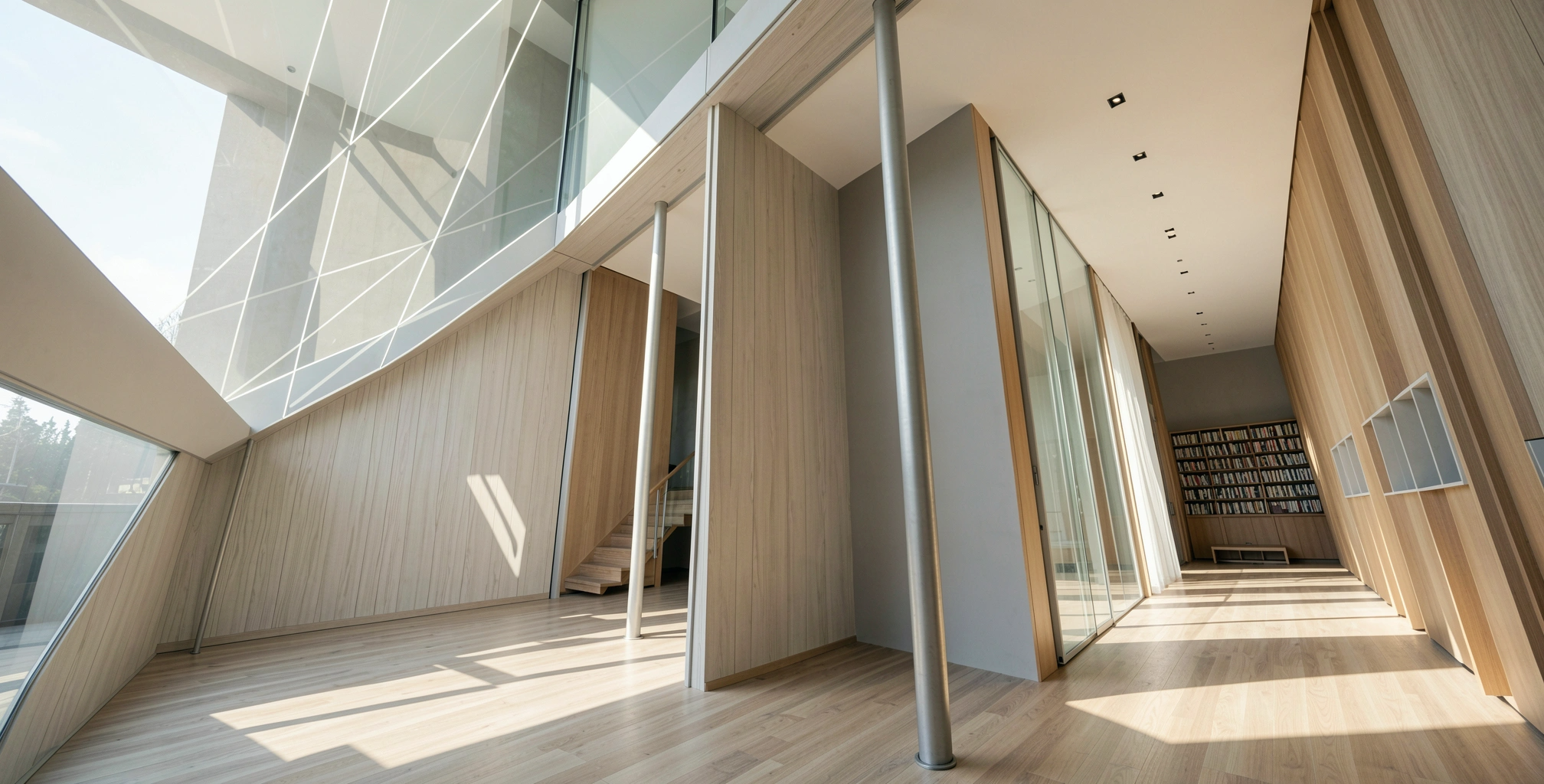
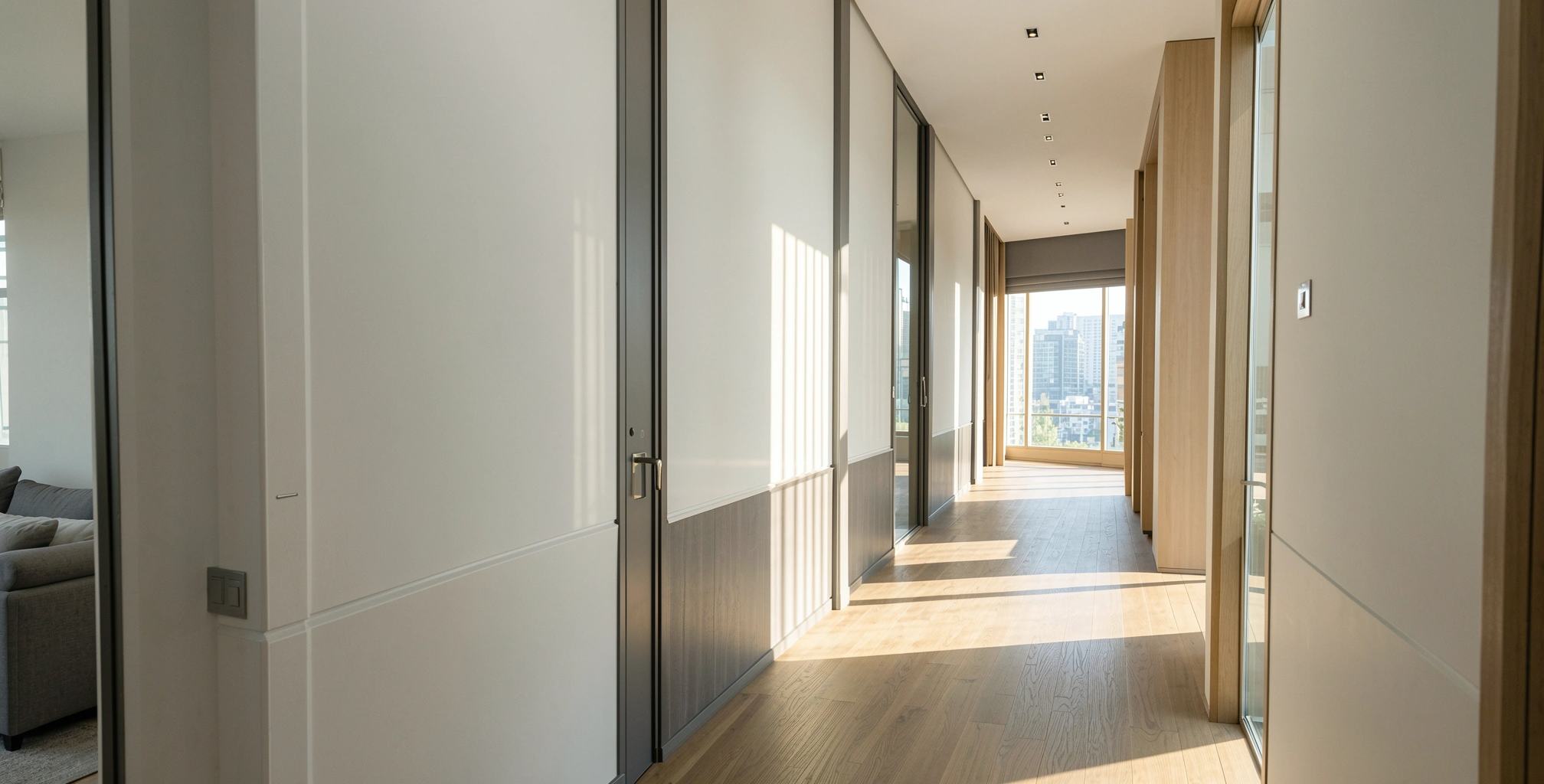
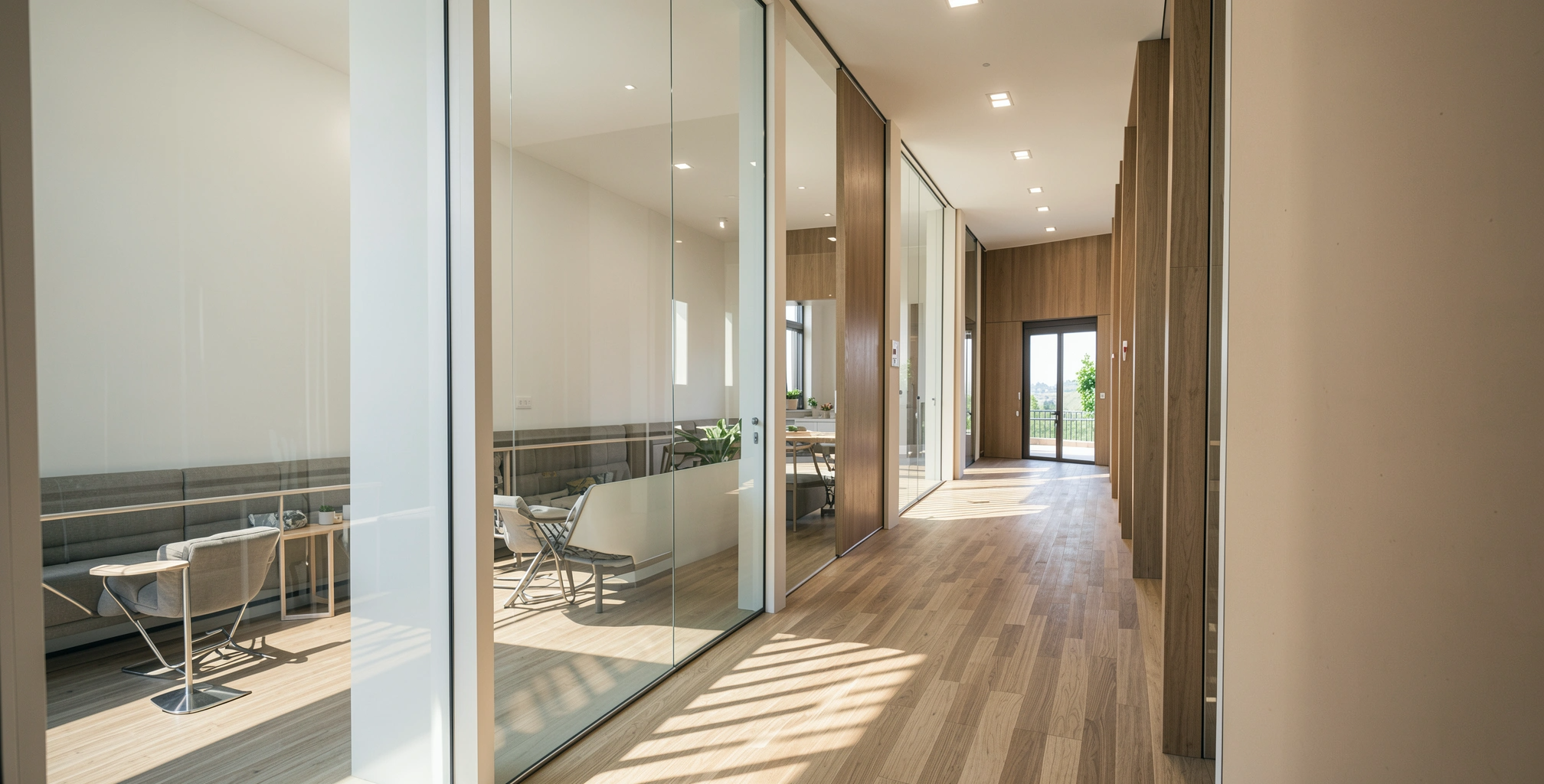
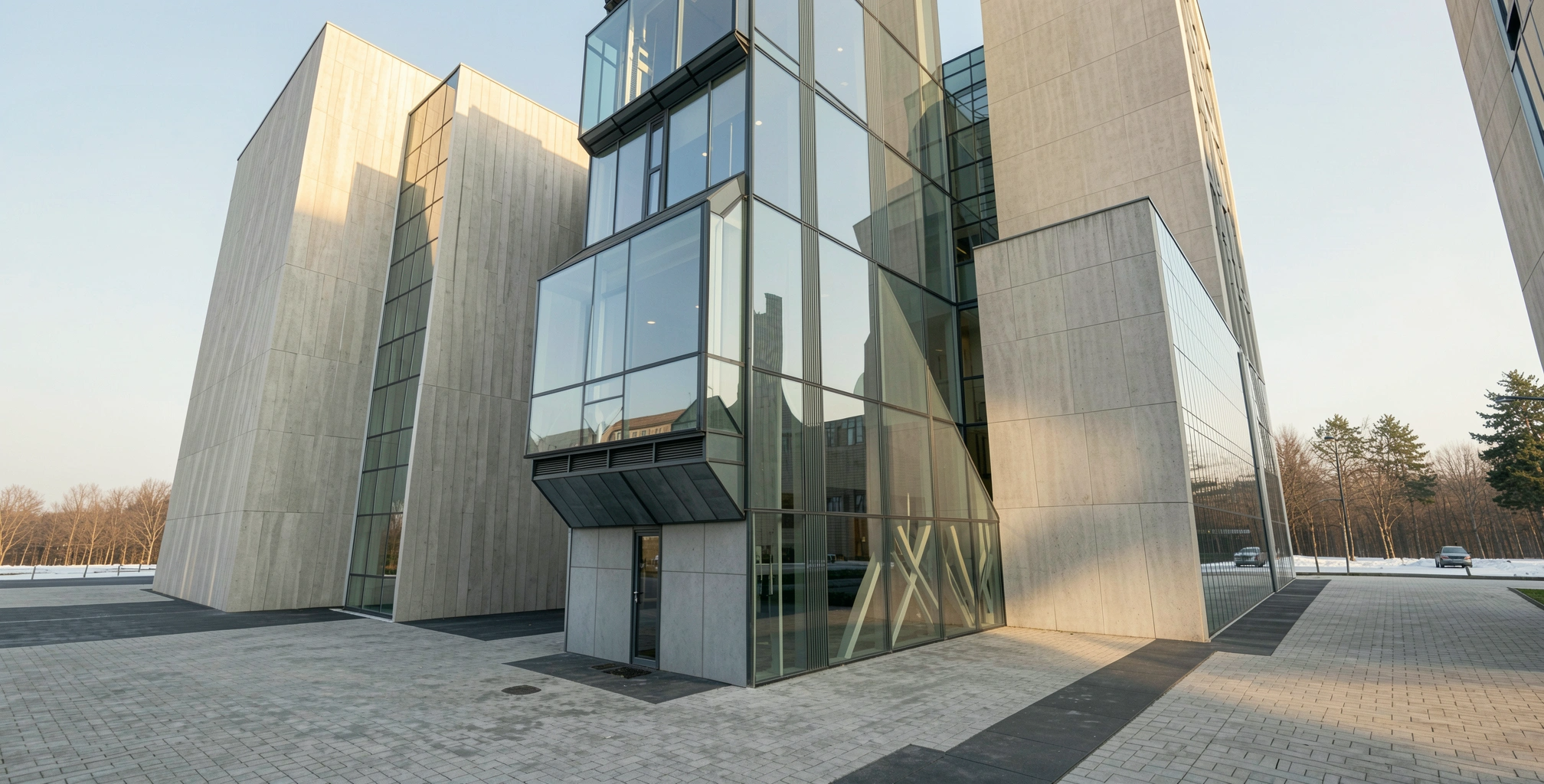
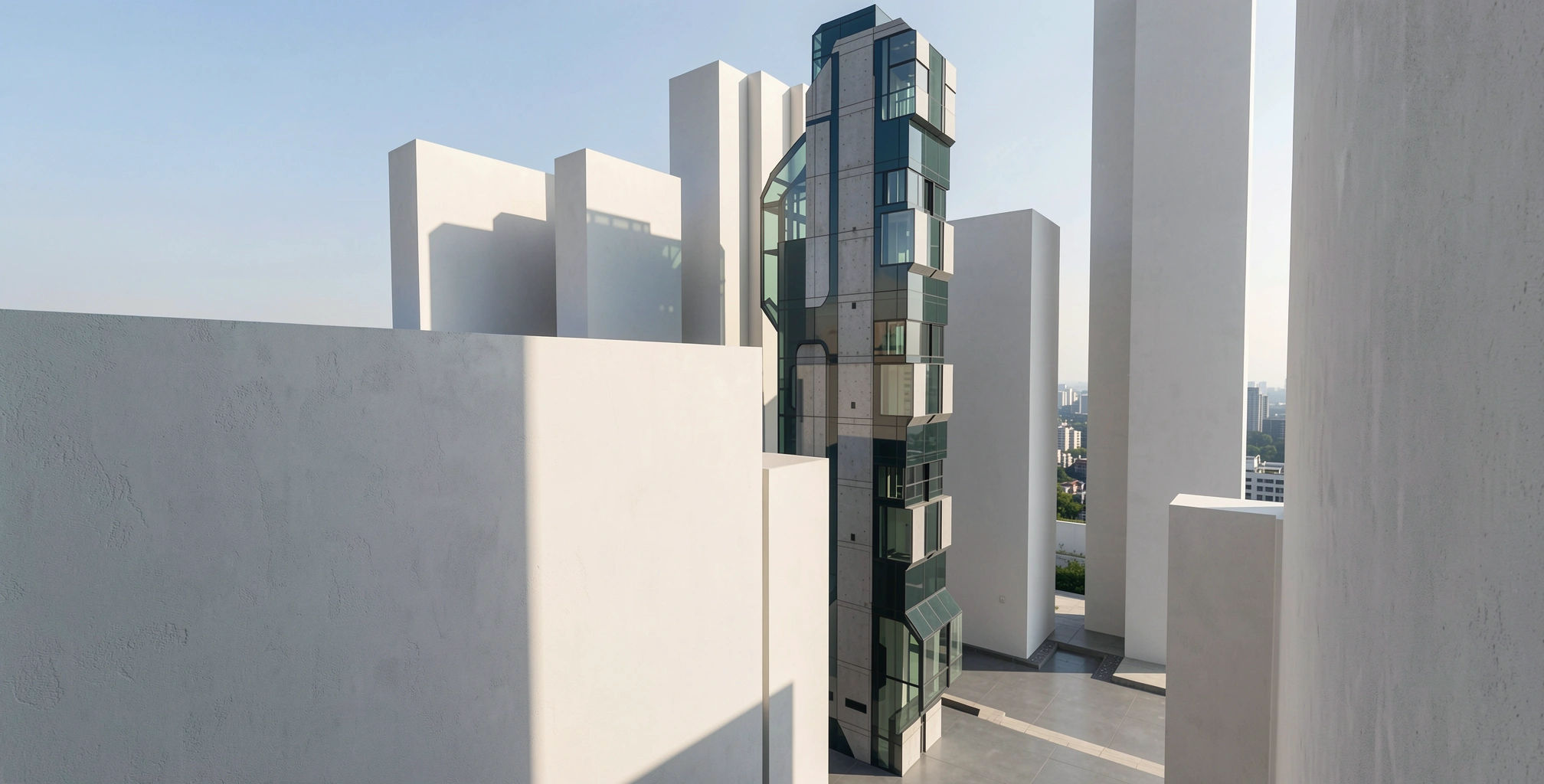
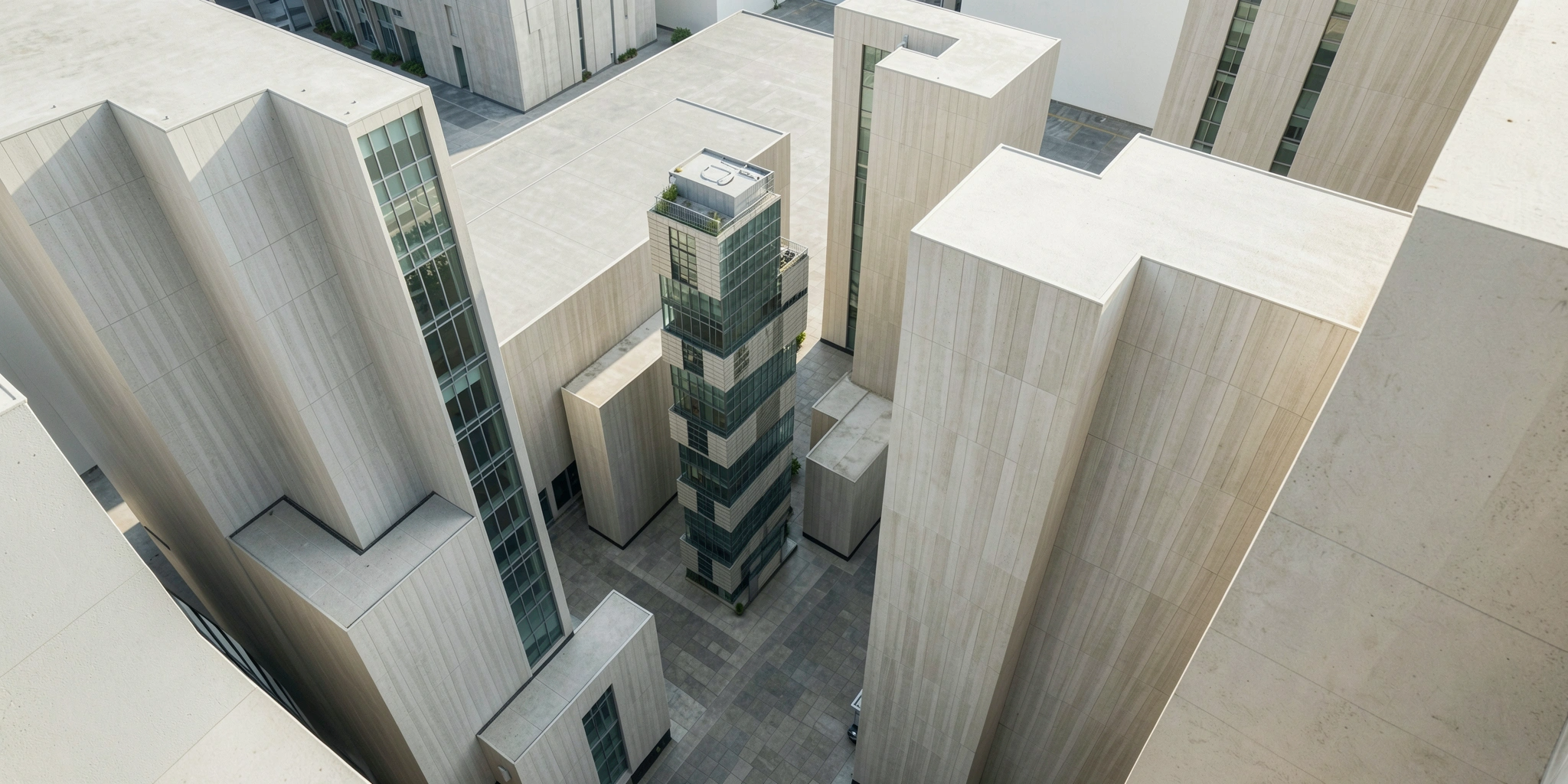
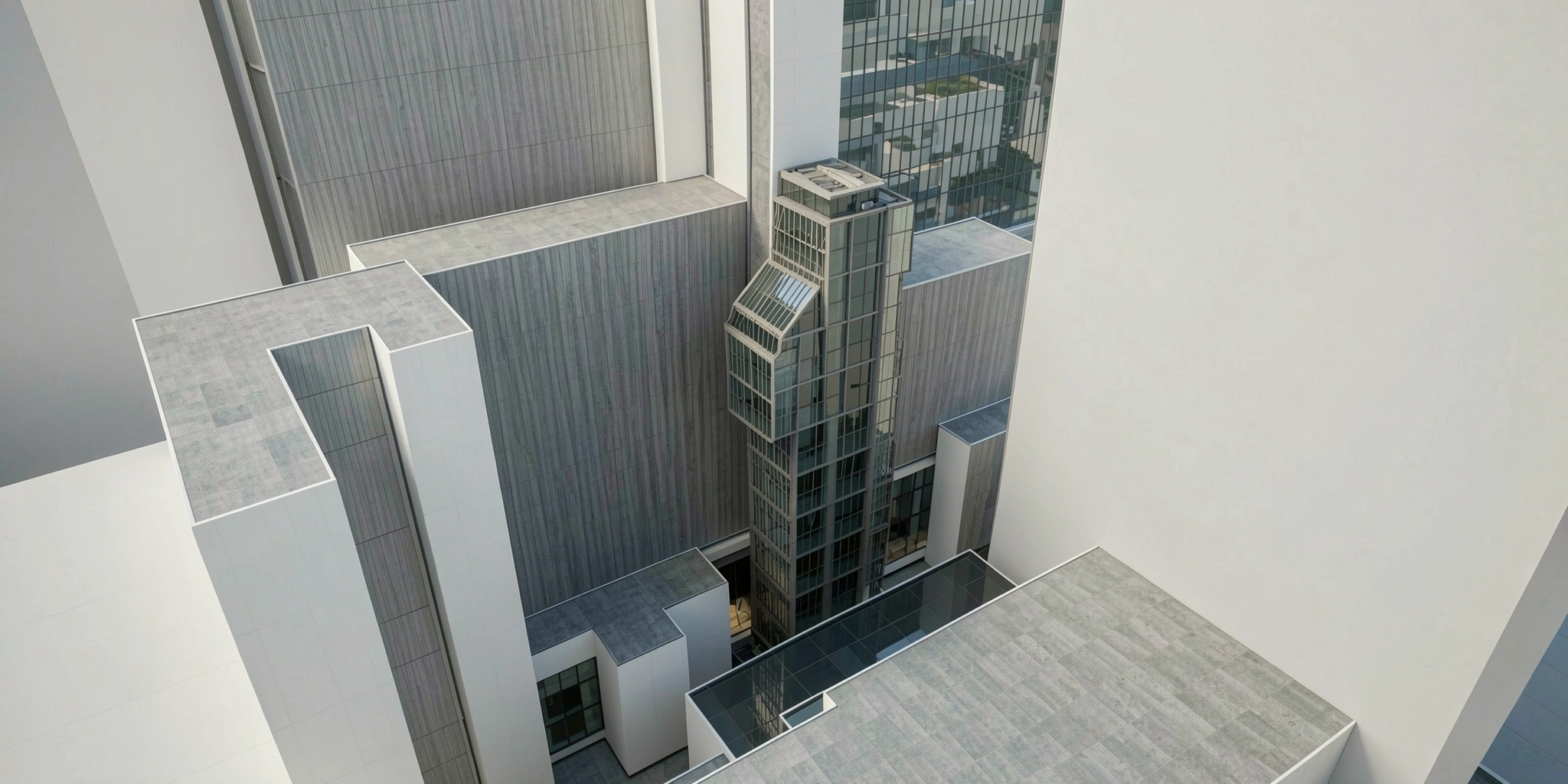
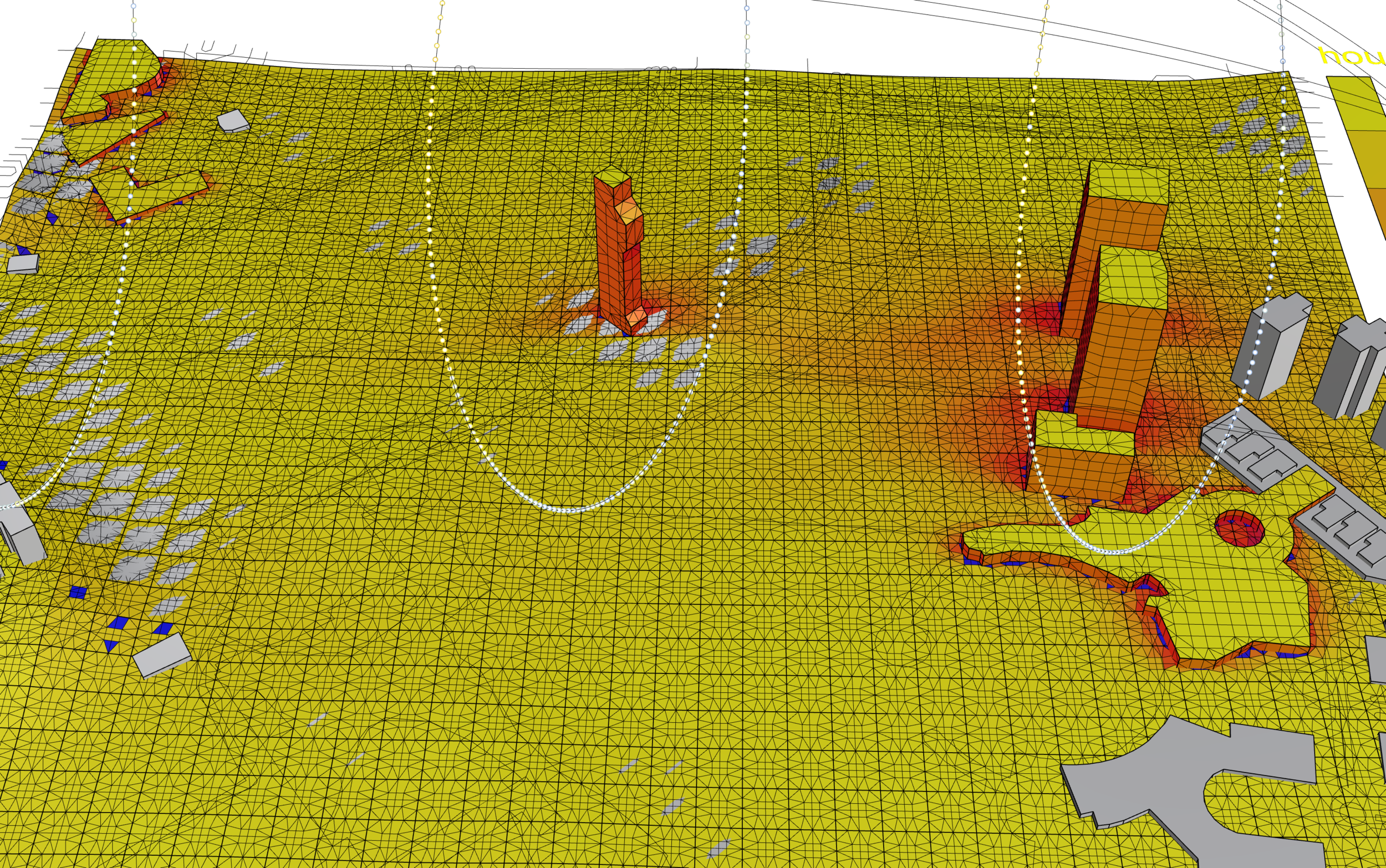
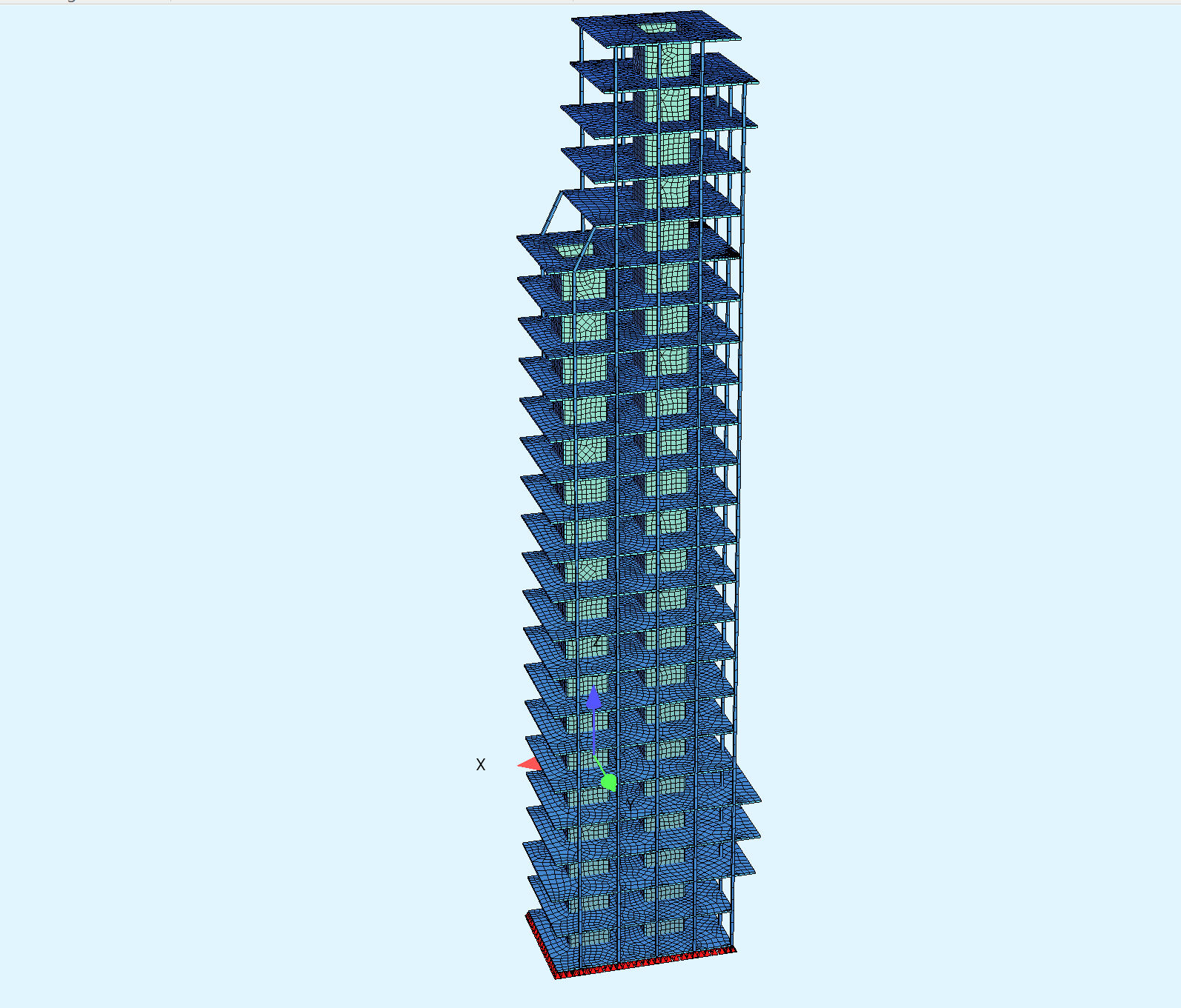
The Residential Mini-Tower is conceived as a building in which environmental systems, structure and enclosure are developed as a single coordinated framework. Rather than concealing environmental infrastructure within ceilings, risers and service voids, the project integrates many of these systems within dedicated external service zones attached to the façade. Environmental performance therefore becomes a visible and legible component of the architecture itself.
The tower is organised around a reinforced concrete structural system comprising a central core and perimeter columns. The core provides lateral stability while floor slabs span outward to the façade, establishing clear and efficient load paths throughout the building. This regular structural framework provides consistency in construction while allowing environmental systems and façade components to be integrated within a coherent architectural order.
The organisation of the building is informed by a series of environmental zones responding to orientation, solar exposure and patterns of occupation. Apartments are arranged to maximise access to daylight, natural ventilation and views while allowing environmental conditions to be adjusted according to location within the building. Areas with greater solar exposure incorporate additional shading and environmental control measures, while more protected elevations allow increased openness and daylight penetration.
A defining feature of the project is the integration of environmental services within external façade-mounted service zones, or "backpacks." These elements accommodate mechanical and electrical systems, ventilation equipment and maintenance access while preserving the flexibility and quality of internal living spaces. By relocating environmental infrastructure to the building perimeter, apartments remain adaptable and uncluttered, while maintenance and future upgrades can be undertaken with minimal disruption to occupants.
Natural and mechanical ventilation are developed as a single integrated system. Shared air pathways allow the building to take advantage of favourable external conditions through natural ventilation while providing mechanical assistance when required. Cross ventilation is encouraged through apartment layouts and façade openings, reducing dependence on active cooling systems and improving indoor environmental quality. Environmental performance is therefore achieved through the coordination of building form, orientation and servicing strategy rather than through mechanical systems alone.
Balconies, shading devices and façade projections are integrated directly with the structural framework. These elements provide solar protection, improve environmental comfort and contribute to the character of the building. Balconies extend from the primary floor structure, creating intermediate zones between interior and exterior conditions while providing shade to lower levels. The envelope consequently operates as an environmental filter rather than a simple weather barrier.
Material behaviour and long-term performance inform the design of both structure and façade. Structural members are dimensioned according to load, becoming lighter and more refined towards the upper levels as structural demands reduce. Environmental components are designed to accommodate thermal movement, maintenance access and future replacement without disrupting the primary structure. Adaptability is therefore embedded within the building from the outset.
The architectural expression of the tower emerges directly from the interaction of structure, environmental systems and enclosure. Variations in façade depth, shading devices and service zones reflect differing environmental conditions across the building, while the structural framework provides an underlying order that unifies the composition. The tower reads as a coordinated system in which environmental performance, construction and architectural identity are inseparable.
The result is a residential building that combines structural efficiency, environmental responsiveness and long-term adaptability within a single architectural strategy. By making environmental infrastructure visible and integral to the design, the project demonstrates how sustainable performance can become a generator of architectural character rather than a concealed technical operation.