Theoretical Basis of a Structural Strategy for a Rooftop Sports Centre

Log in to Modern Construction Online for project case study

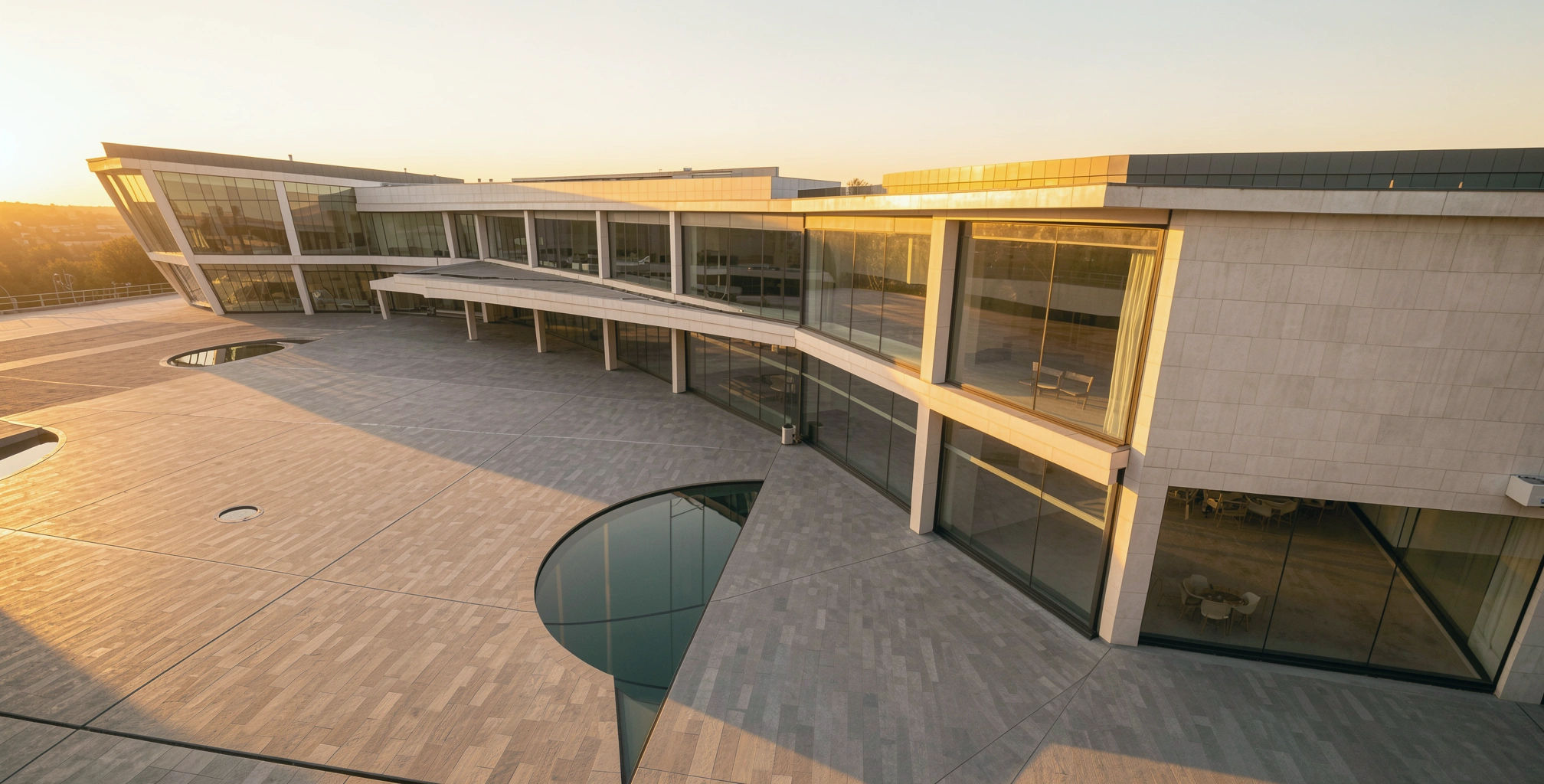
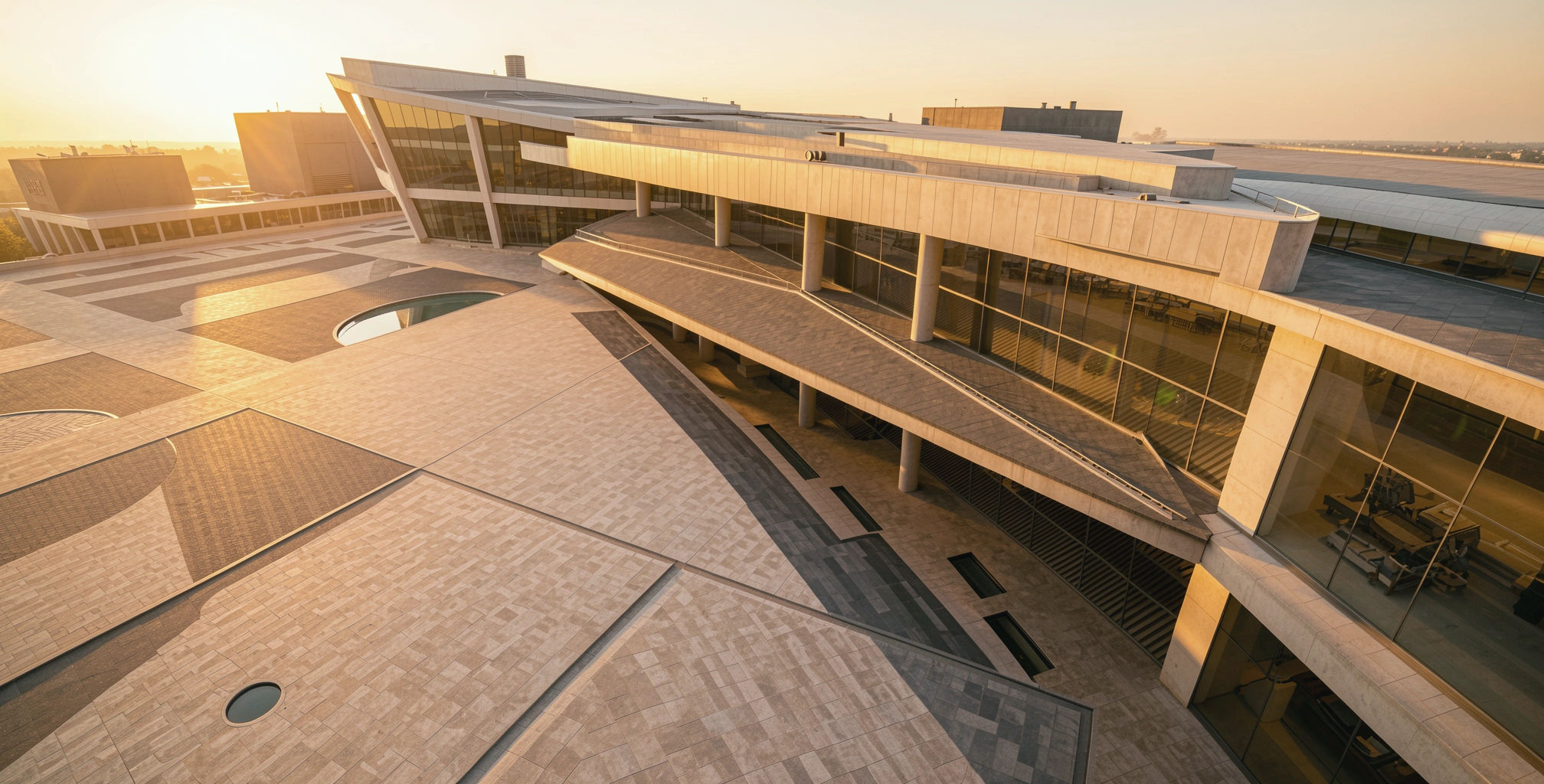
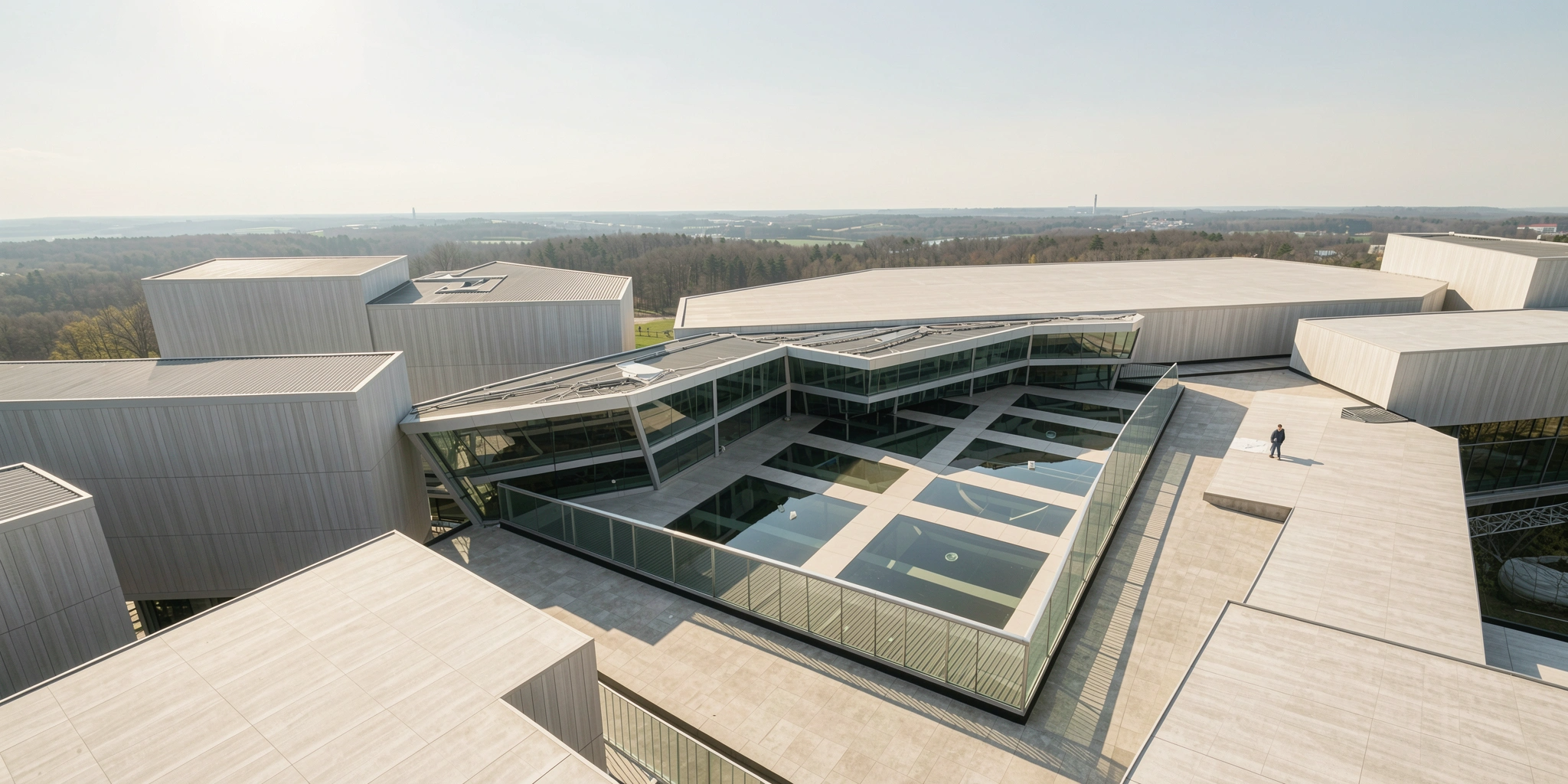
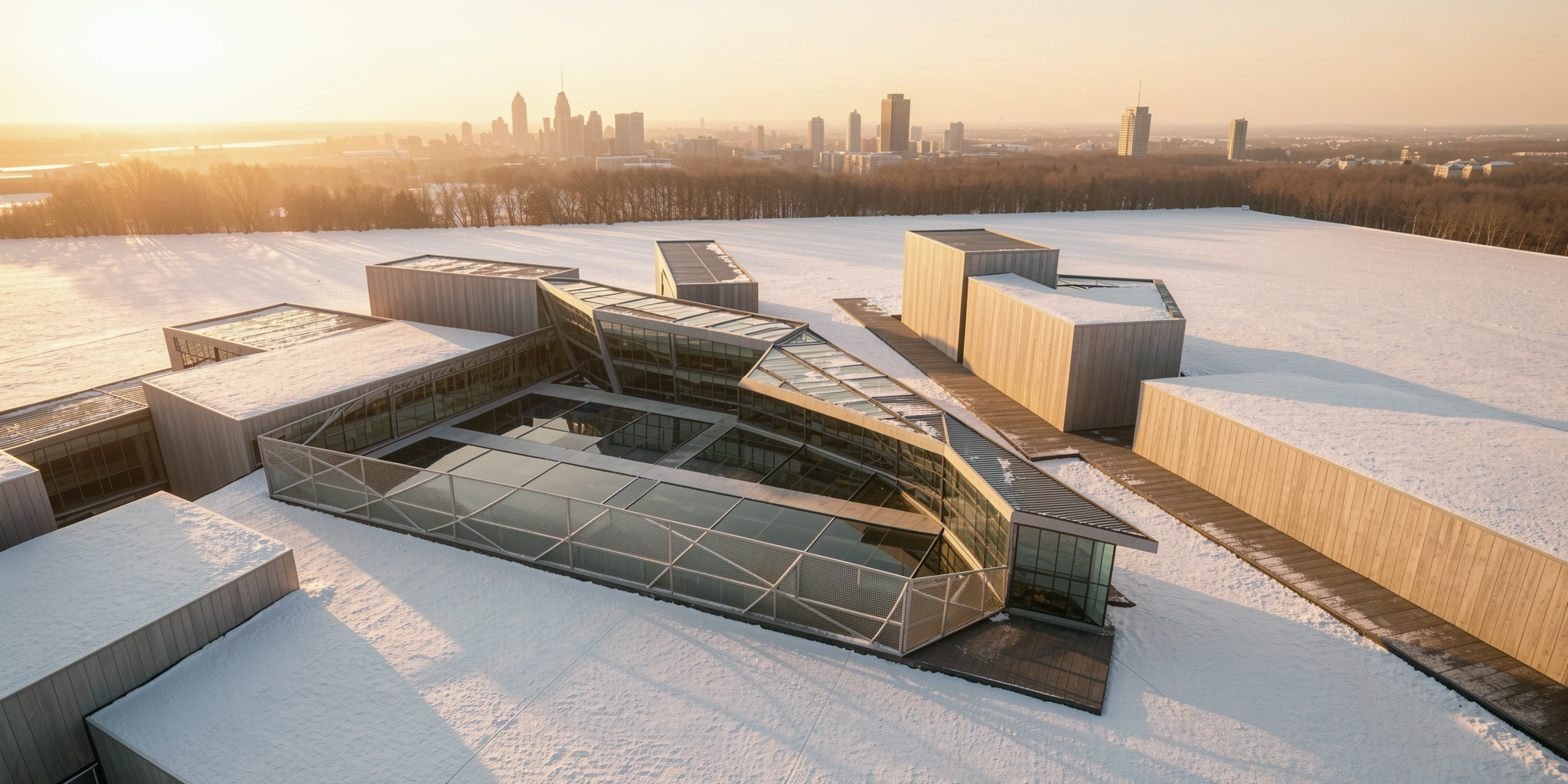
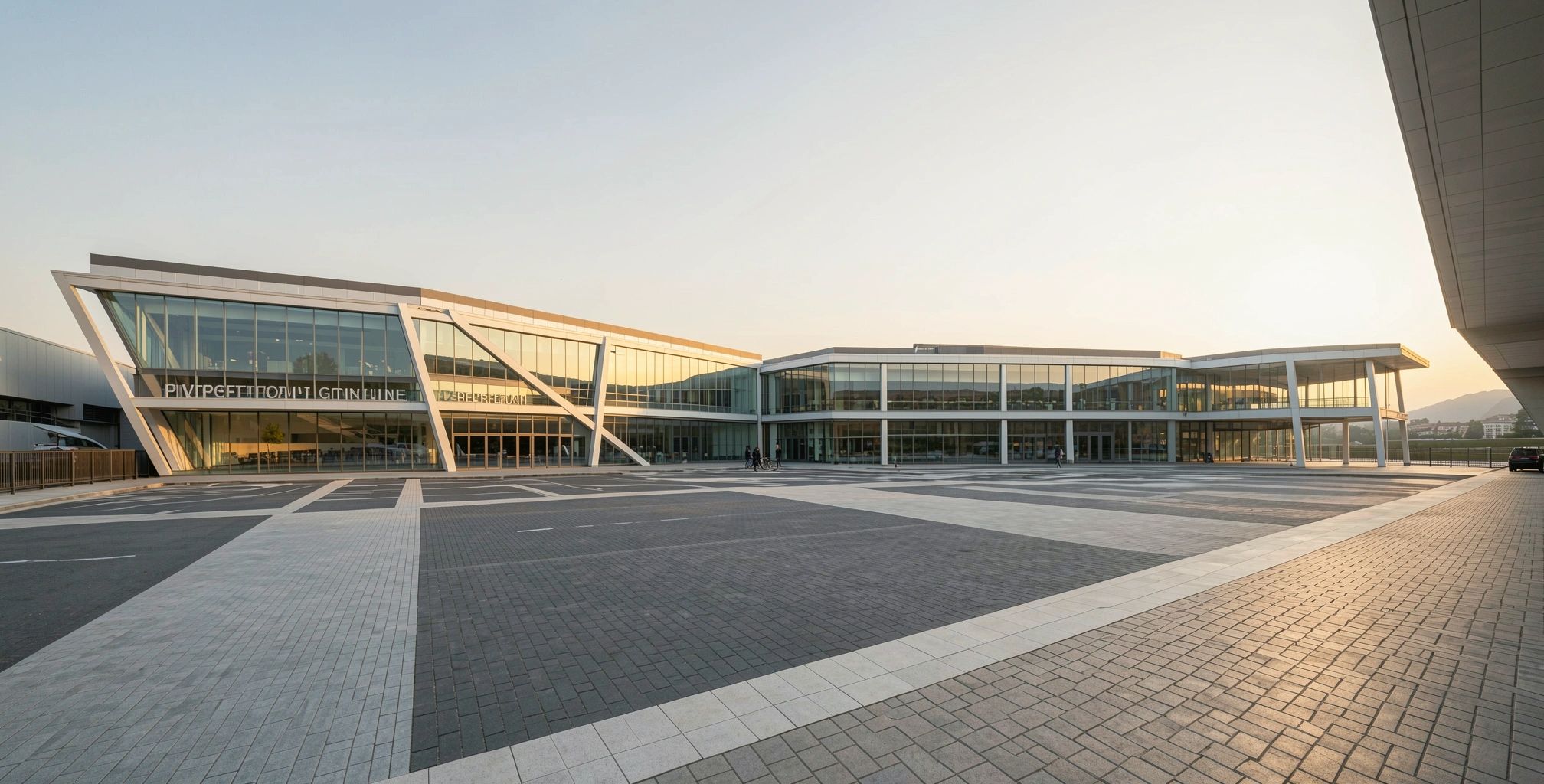
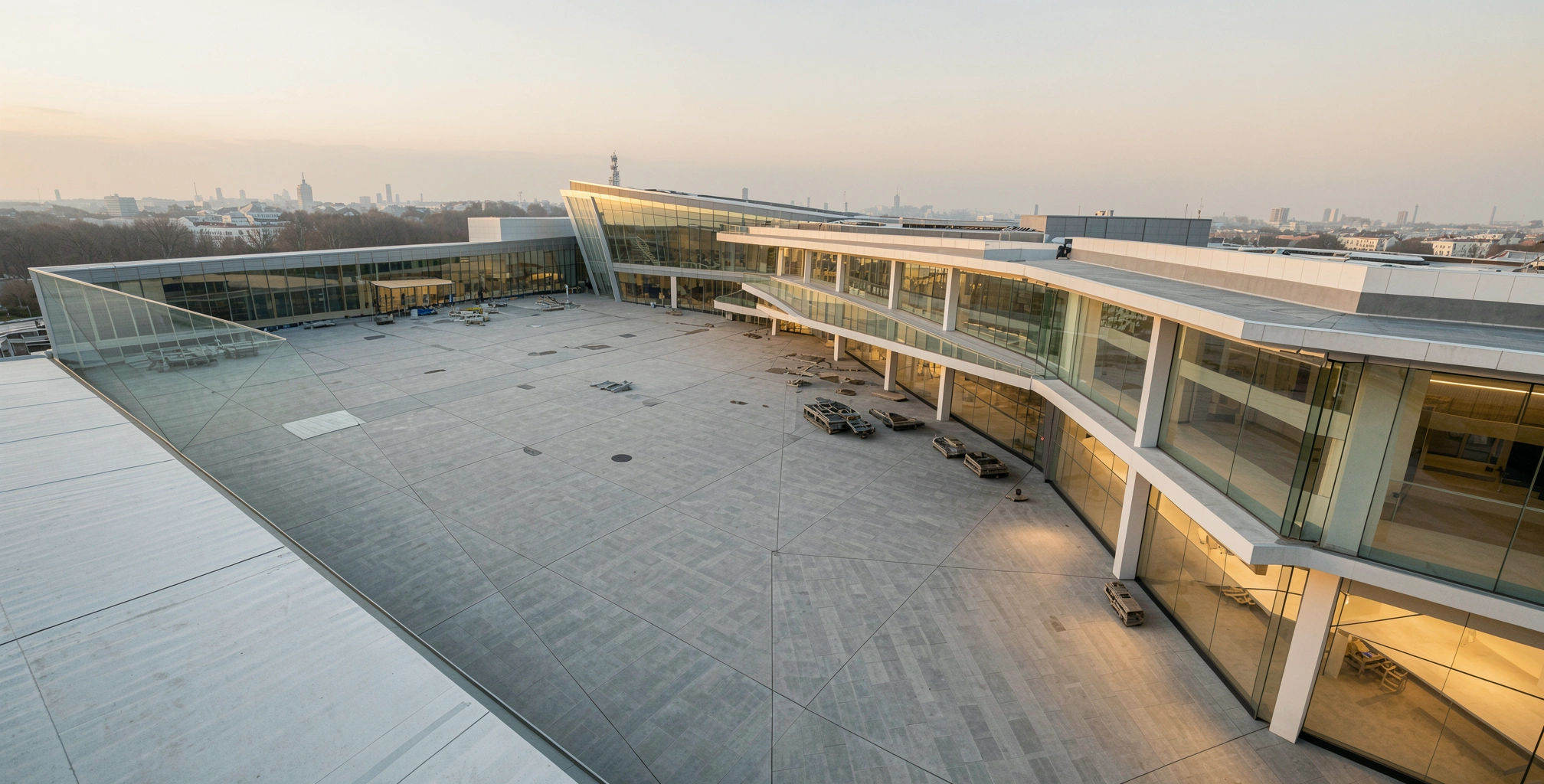
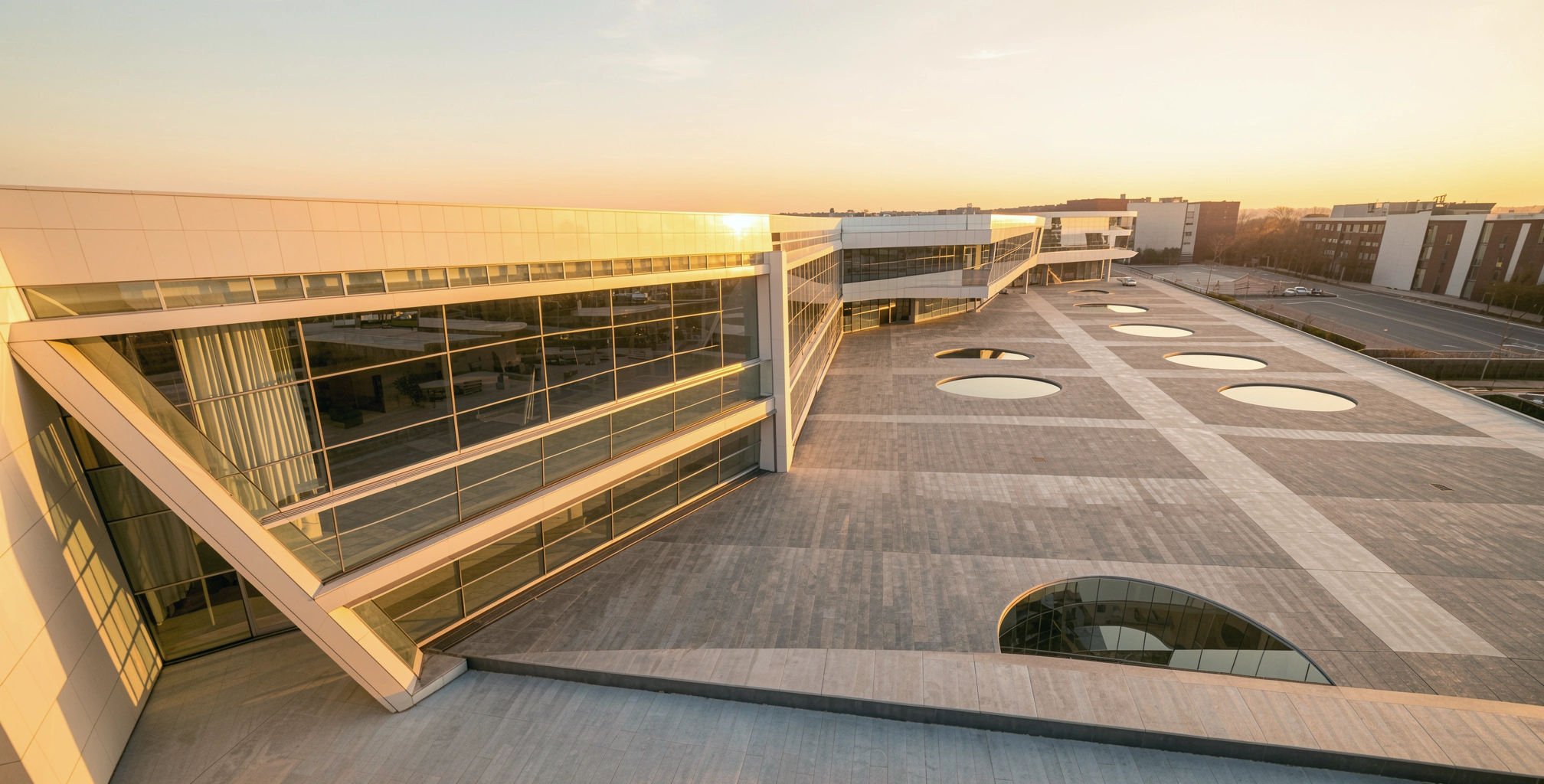
The structural strategy for a rooftop sports facility built atop multiple existing buildings presents a highly specific set of challenges and opportunities. In temperate climates—where temperature fluctuations, wind loads, and thermal expansion must be carefully managed—this complexity is further intensified by the need for minimal disruption to the buildings below, which may remain in use during construction. This context gives rise to a structural solution that prioritises movement tolerance, lightweight construction, prefabrication, and structural adaptability.

Adaptability to Differential Movement: Movement Joints and Modular Structuring

The decision to divide the structure into three component pieces, each separated by a movement joint, is a rational structural response to the reality that the new rooftop extension sits on non-uniform existing supports. The underlying buildings are likely to move independently due to differing settlement behaviour, thermal expansion, or even varying load histories (Dunne and Murray, 2013). The introduction of movement joints between distinct building volumes acknowledges this, avoiding the buildup of structural stress that could result in cracking, misalignment, or long-term fatigue (Allen and Iano, 2019). This modularity also opens opportunities for phased construction and allows for a structural articulation that supports different spatial functions and geometries. As Engel (2007) notes, the division of architectural form into structurally independent modules is one of the most robust strategies for managing risk in complex urban contexts.

Lightweight Steel Framing: Reducing Load on Existing Structures

The use of a lightweight steel frame with lightweight cladding is a direct response to the limited load-bearing capacity of existing structures. In retrofit rooftop applications, reducing self-weight is critical to avoiding costly structural reinforcement of the supporting buildings (Chudley and Greeno, 2016). Steel, with its high strength-to-weight ratio and prefabrication potential, is a natural material choice here. The perimeter steel frame in Option 1 is positioned to align with existing load-bearing walls and columns, which is an example of a top-down structural logic, where new loads are directly resolved to known support points below. This system minimises unpredictability and avoids transferring loads into fragile or unknown substrates (Macdonald, 2001). Moreover, the steel frame’s irregular geometry in response to underlying support constraints creates an opportunity to explore non-orthogonal truss arrangements, potentially expressive of interior spatial dynamics while maintaining structural coherence.

Vertical Trusses and Composite Roof Decks: Forming Rigid Enclosures

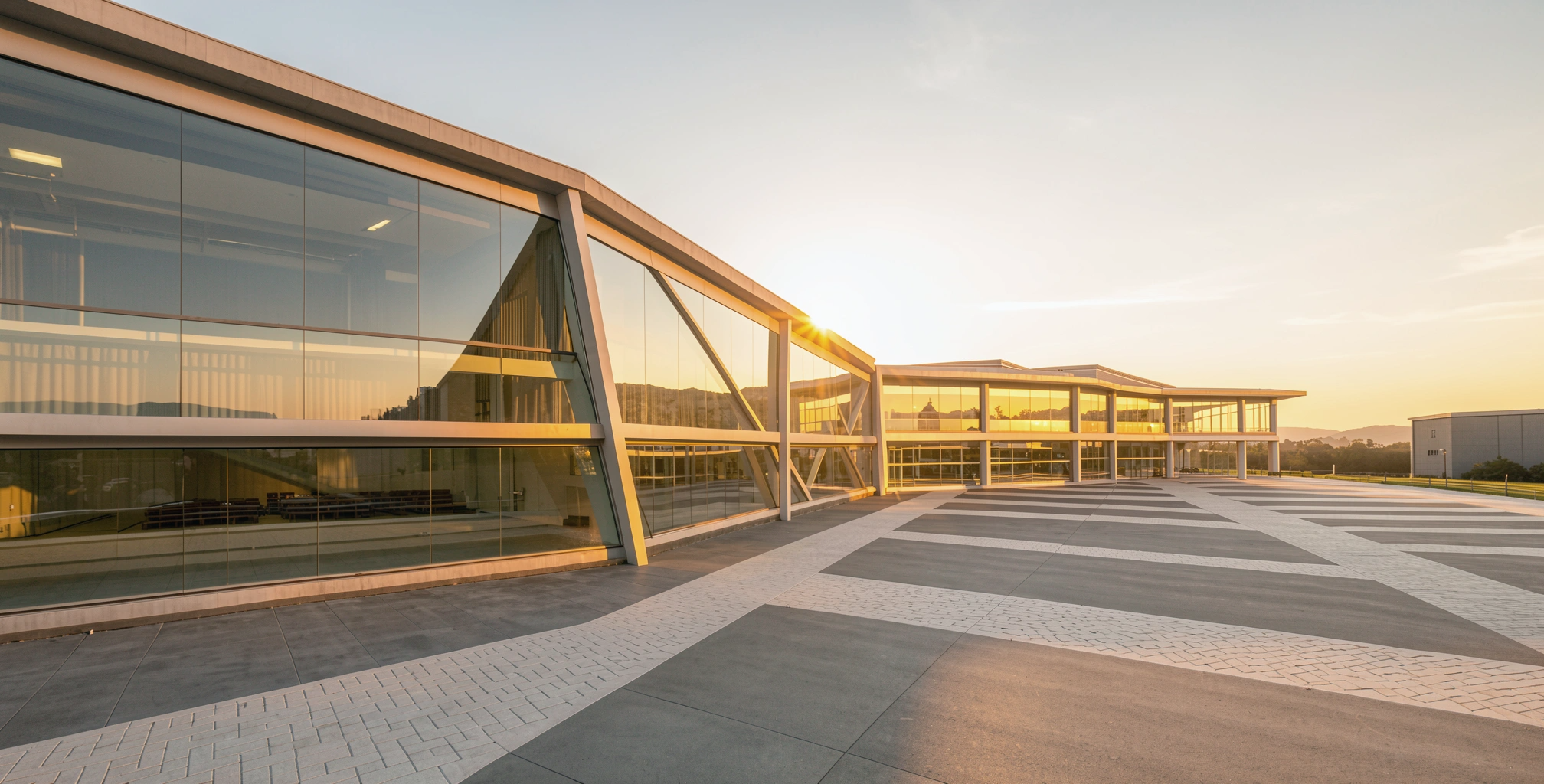
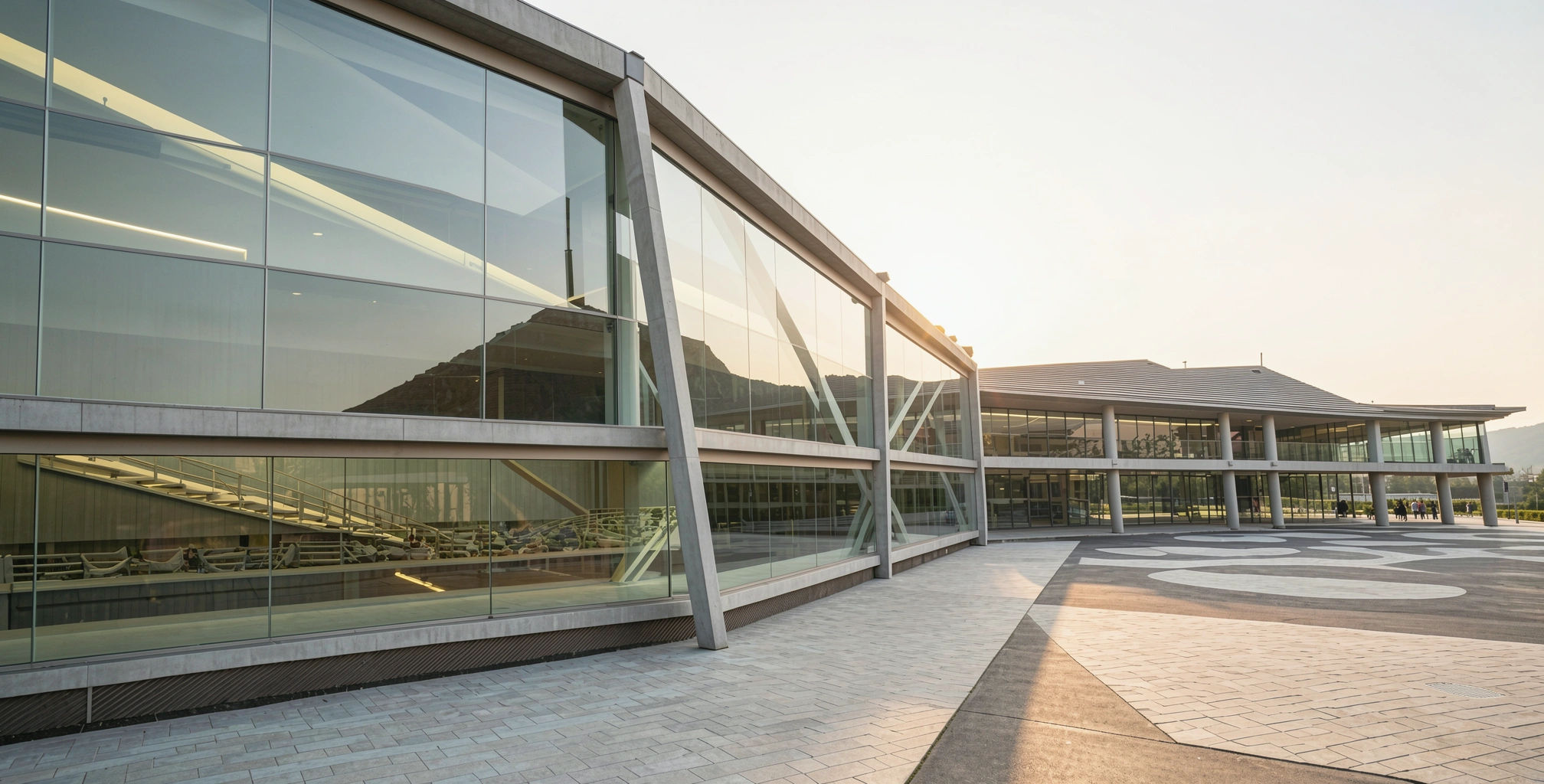
In Options 1 and 2, the integration of vertical trusses within wall planes allows the façade to act as a lateral load-resisting system, reducing the need for additional bracing in interior zones. This system also allows for large, unobstructed interior spaces essential for sports activities. As Bechthold (2008) outlines, wall-integrated trusses provide both enclosure and structure, eliminating duplication and promoting material efficiency. The roof deck, formed of composite metal floor plates, offers several advantages: they are fast to install, highly rigid under transverse loading, and provide diaphragm action to stabilise the overall structure against lateral loads (Salvadori and Heller, 2002). Such systems are particularly suitable where spans must bridge across differentially supported areas, such as the void between two rooftops.

Spatial Integration with Structural Orientation: Structural Response to Functional Layout

Option 2 adapts the orientation of structural members in line with the new spatial layout, integrating structure with architectural zoning. This evolution reflects a key principle in tectonic design: the alignment of structure with use (Frampton, 1995). Here, structural spans are optimised based on both the capacity of support points below and the functional requirements of enclosed and open areas above.The repositioning of internal walls, which double as load-bearing elements, transforms these into structural partitions, enabling a hybrid of enclosure and support. Such an approach fosters spatial legibility and material efficiency—each wall serves multiple roles: organising space, supporting loads, and sometimes housing services.

Option 3 and the Opportunity of Prefabrication

Option 3's increase in the frequency of framing members is a direct strategy to eliminate the need for secondary steelwork, simplifying detailing, reducing structural depth, and enabling the use of standardised prefabricated deck and roof elements. Prefabrication offers major benefits, particularly in constrained, populated urban environments: Speed of construction reduces disruption to occupants of the host buildings, precision manufacturing ensures high quality with lower tolerances, safer construction with minimal on-site welding and finishing (Lawson, Ogden and Bergin, 2012). In this context, bolted connections are prioritised over welded ones due to safety, ease of assembly, and the reduced need for hot works in sensitive environments—especially important when rooftop work occurs over occupied dwellings. The strategy aligns closely with Design for Manufacture and Assembly (DfMA) principles, which encourage modular construction, repeatable details, and systematised logistics (Kieran and Timberlake, 2004).

Rooftop Decking and Structural Spanning over Voids

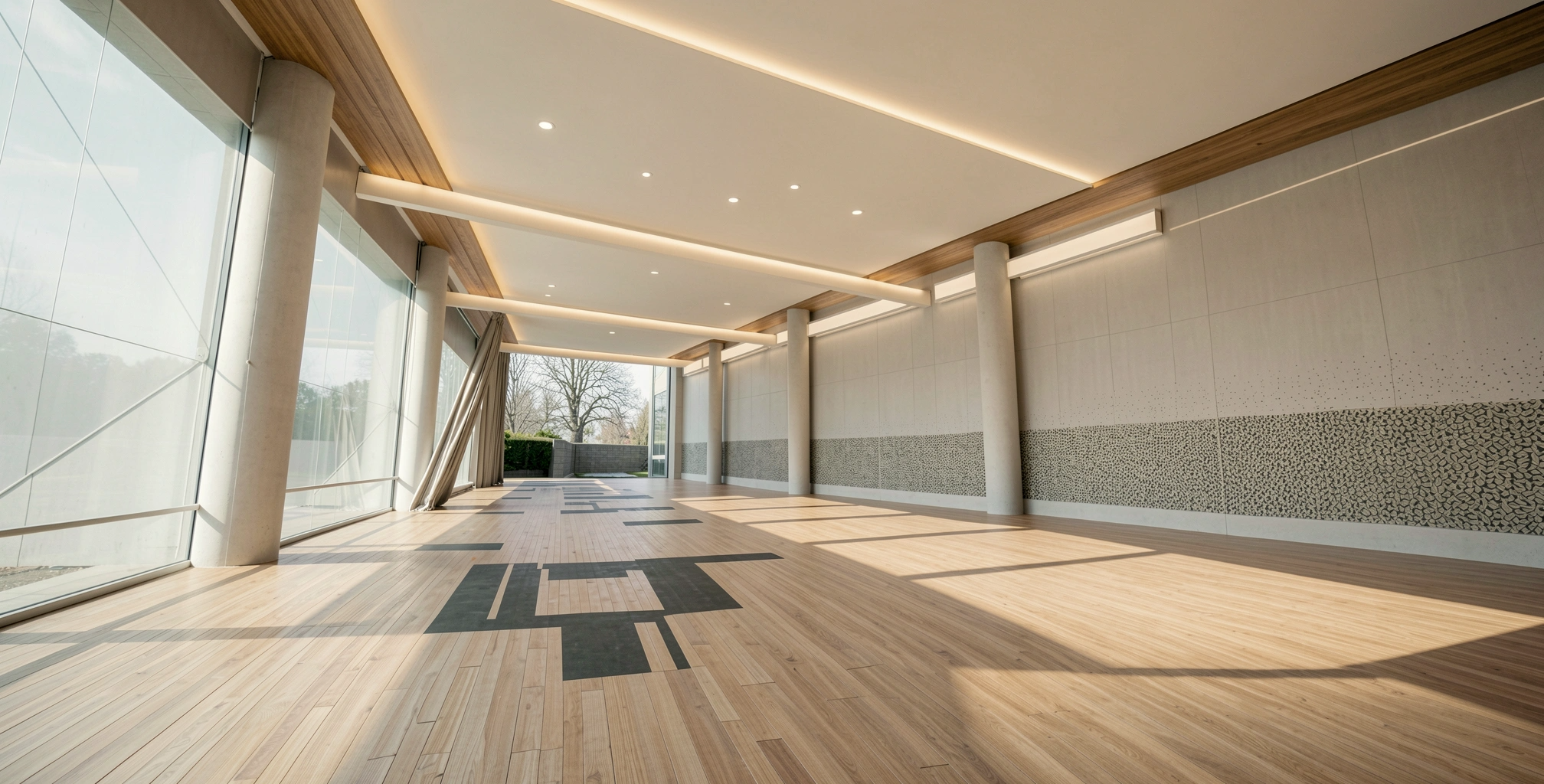
One of the most structurally ambitious components is the sports deck spanning between buildings. This involves framing over voids—essentially bridging two independent structures. The structural solution employs space frames beneath the playing surface, which are ideally suited for long-span applications requiring minimal deflection and high in-plane stiffness (Addis, 2007). Space frames are particularly useful in this application for the following reasons: Multi-directional load distribution: useful when load paths to supports are irregular. High strength-to-weight efficiency: especially beneficial where imposed dead loads must be limited. Ease of prefabrication and modularity: supporting a construction method where large assemblies can be craned into place. The build-up of the court includes interlocking fire-resistant panels, an acoustic dampening layer, and a high-performance sports floor finish—making the entire system multi-functional, addressing not only structure but acoustics, fire safety, and playability.

Structural Logic and Construction Logistics

Across all options, a key theme is the use of repetitive, modular assemblies that are prefabricated, pre-finished, and craned into position. This significantly reduces site time, environmental nuisance (noise, dust, emissions), and improves safety—particularly crucial when construction occurs over occupied commercial or residential spaces. The sequencing of prefabricated assemblies—designed to match the lift capacity of cranes and the size of permissible deliveries—represents a logistics-driven structural design process, where the structure is also the delivery mechanism. As Arup (2015) notes in their work on off-site construction, such integration of design and logistics is essential for rooftop or infill urban development.

Overview

The rooftop sports facility’s structural design is a synthesis of performance, prefabrication, and adaptability. The project’s architectural ambition is realised through a responsive structural system that negotiates the complexity of existing conditions while leveraging modularity, lightweight materials, and careful detailing. It demonstrates the possibilities of integrated rooftop architecture—where spatial, structural, and logistical intelligence converge to deliver high-performance, low-disruption urban additions.

References

Addis, B. (2007). Building: 3000 Years of Design, Engineering and Construction. London: Phaidon.Allen, E. and Iano, J. (2019). Fundamentals of Building Construction: Materials and Methods. 7th ed. Hoboken: Wiley.

Arup. (2015). Rethinking Construction: Offsite Fabrication. Arup Publication.

Bechthold, M. (2008). Innovative Surface Structures: Technologies and Applications. London: Taylor & Francis.

Chudley, R. and Greeno, R. (2016). Building Construction Handbook. 11th ed. Oxford: Routledge.

Dunne, B. and Murray, M. (2013). Structural Renovation of Buildings: Methods, Details, and Design Examples. New York: McGraw-Hill.

Engel, H. (2007). Structure Systems. Basel: Birkhäuser.

Frampton, K. (1995). Studies in Tectonic Culture: The Poetics of Construction in Nineteenth and Twentieth Century Architecture. Cambridge, MA: MIT Press.

Kieran, S. and Timberlake, J. (2004). Refabricating Architecture: How Manufacturing Methodologies are Poised to Transform Building Construction. New York: McGraw-Hill.

Lawson, R.M., Ogden, R.G. and Bergin, R. (2012). Application of Modular Construction in High-Rise Buildings. Journal of Architectural Engineering, 18(2), pp.148–154.

Macdonald, A.J. (2001). Structure and Architecture. 2nd ed. Oxford: Architectural Press.

Salvadori, M. and Heller, R. (2002). Structure in Architecture: The Building of Buildings. 3rd ed. New Jersey: Prentice Hall.