Theoretical Basis for an Environmental Strategy for a Residential Building

Log in to Modern Construction Online for project case study

Embodied Energy and Lifecycle Considerations

The environmental strategy for this project begins with a strong emphasis on reducing embodied energy—the energy required to extract, manufacture, transport, and assemble building materials. In temperate climates, where operational energy may be reduced through seasonal passive strategies, embodied energy becomes a critical part of the building's overall life cycle carbon footprint (Dixit et al., 2010; Pomponi and Moncaster, 2017). A material-efficient approach, as described in the project, seeks to reduce high-carbon construction inputs by optimizing the design for prefabrication, modularity, and local manufacturing. The use of pre-assembled environmental control panels, which integrate shading, ventilation, and service access, is consistent with design-for-manufacture-and-assembly (DfMA) principles and contributes to minimized waste, streamlined logistics, and improved quality control (Gibb and Isack, 2003; Moncaster et al., 2018).

Passive Thermal Design and Seasonal Performance

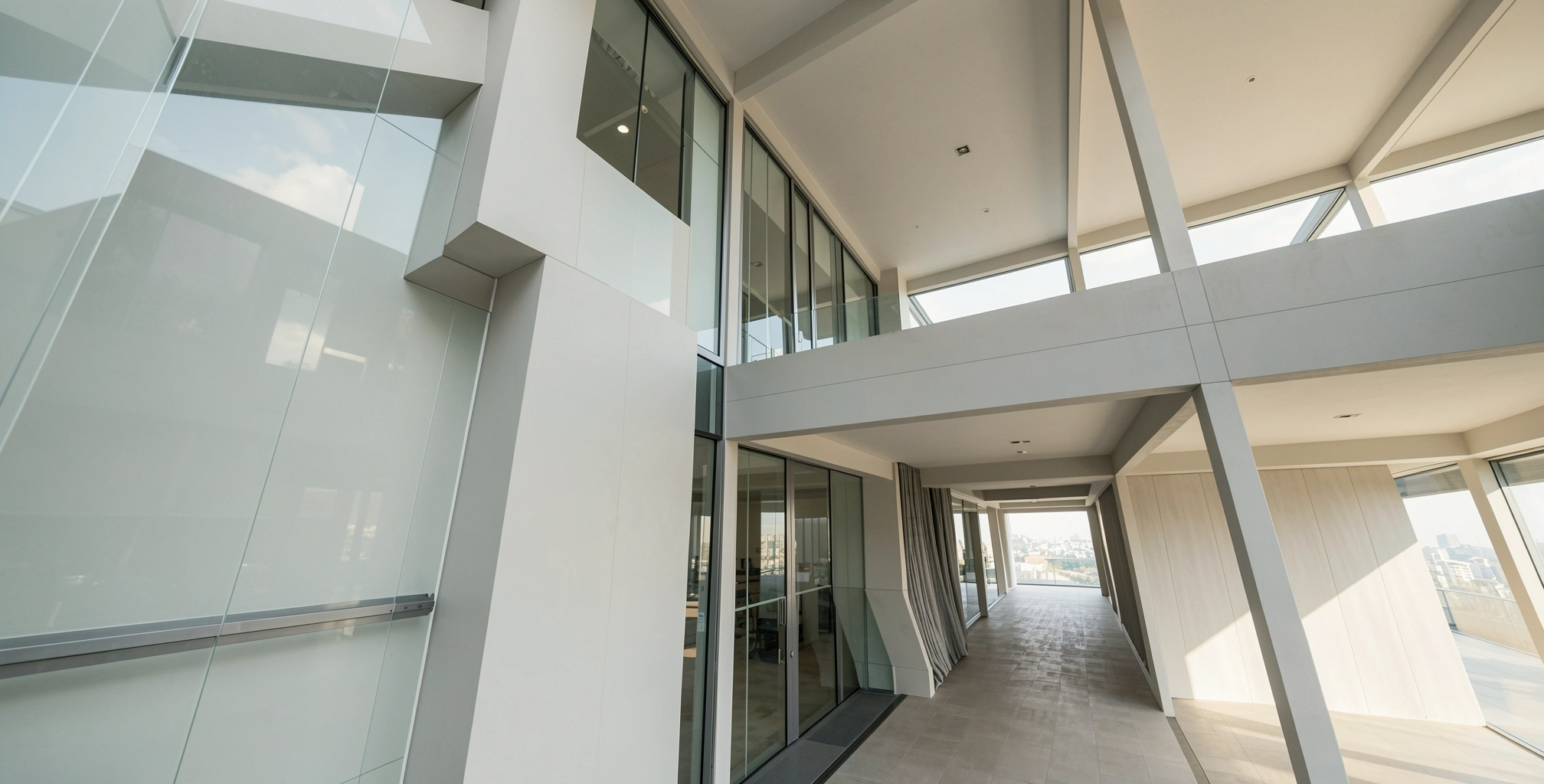
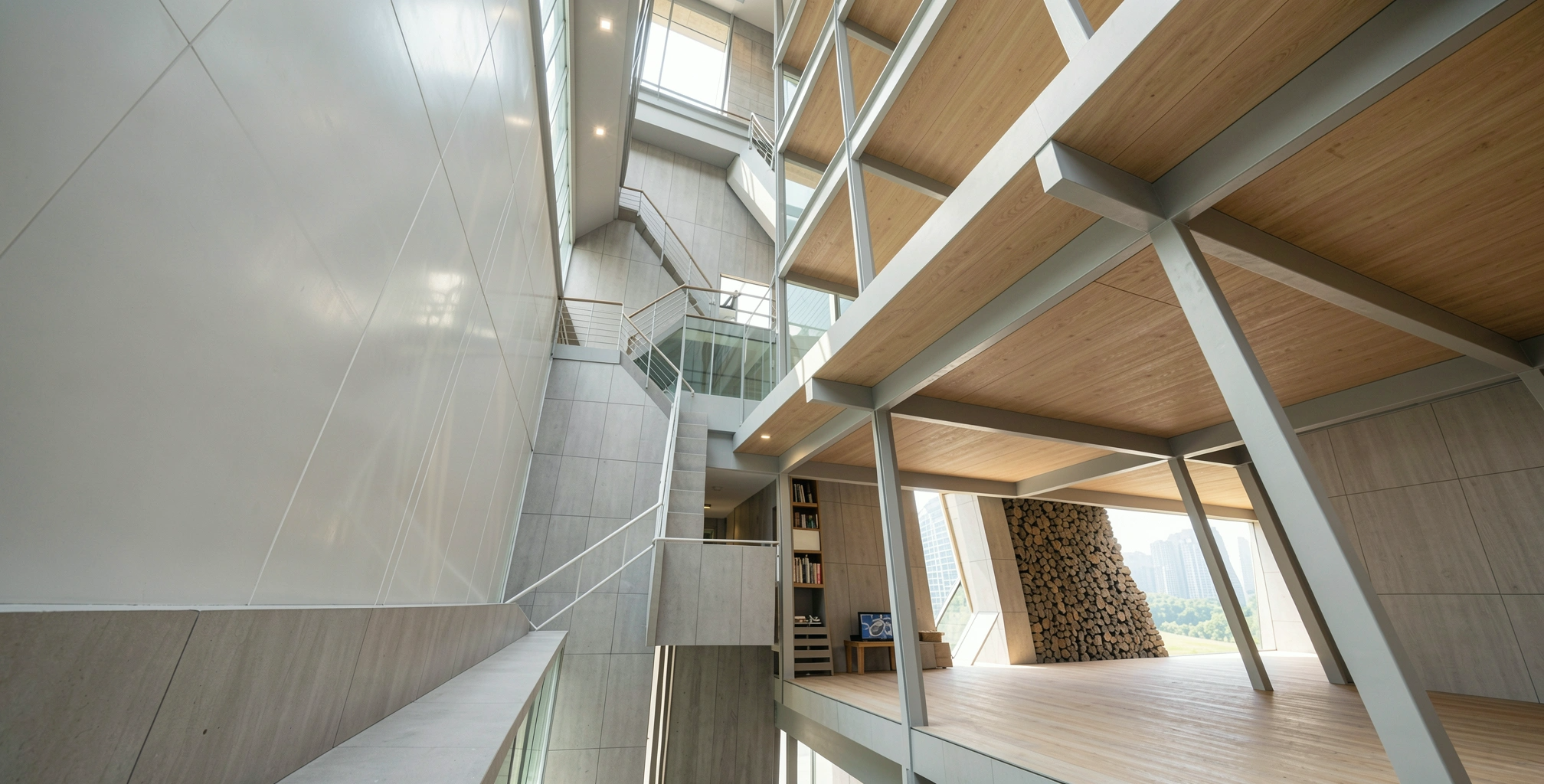
In temperate climates characterized by mild summers and cold winters, passive design strategies are especially effective. The project capitalizes on this by combining thermal insulation for winter resilience with passive ventilation and shading for summer comfort. The orientation and zoning of the building into distinct environmental zones (e.g., central atrium, exposed blocks, shaded cores) supports seasonal adaptability and localized thermal responses, reducing energy use throughout the year (Szokolay, 2008; Lechner, 2014). The natural ventilation of circulation spaces, except during seasonal extremes, supports hybrid ventilation models that reduce reliance on mechanical systems while preserving occupant comfort. Passive cooling is further enhanced by integrating voids and shaded atria, which enable stack ventilation and air movement across vertical spaces (Hyde, 2000; Givoni, 1998).

Zoning and Thermal Regulation Across Building Volumes

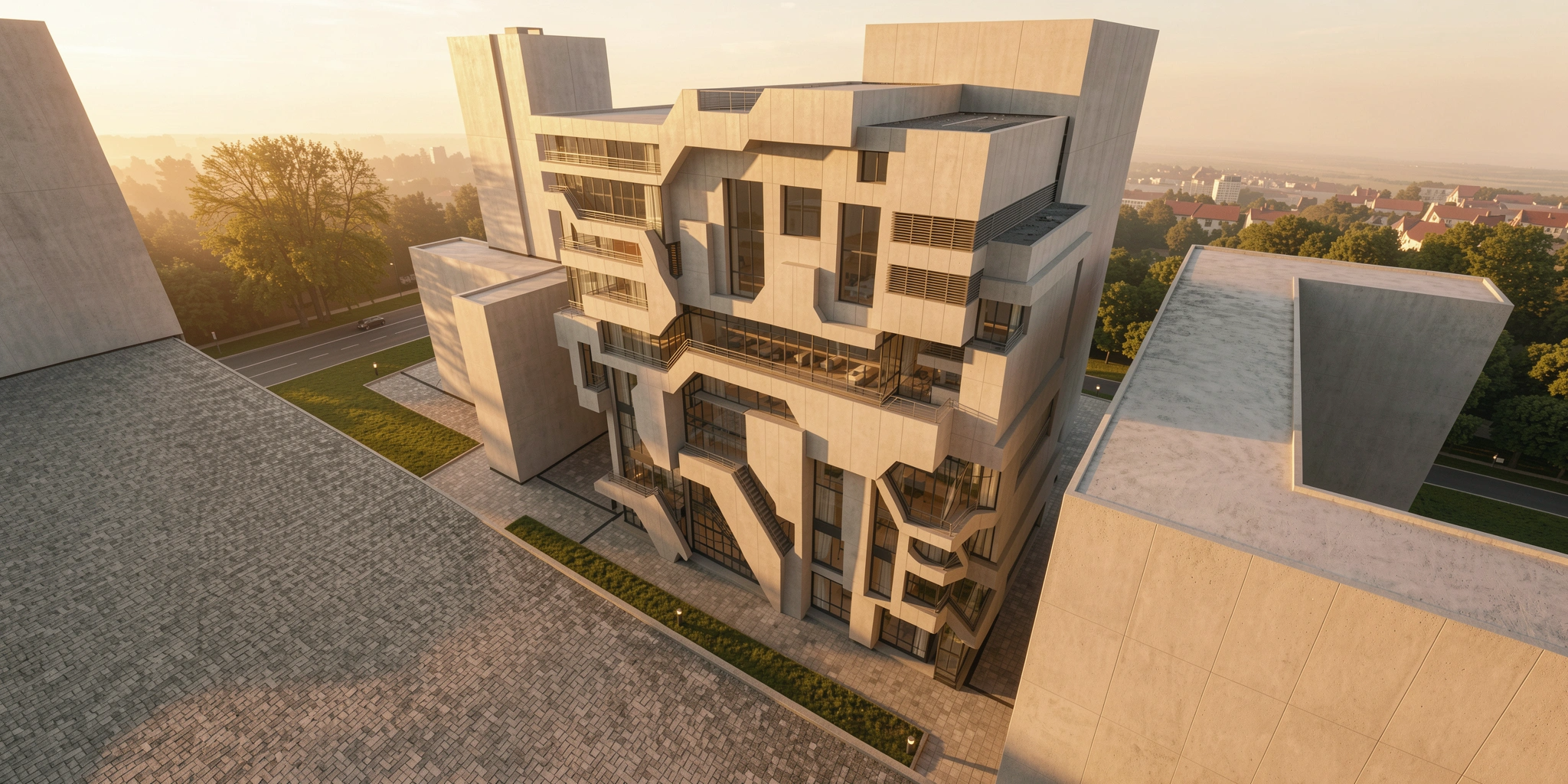
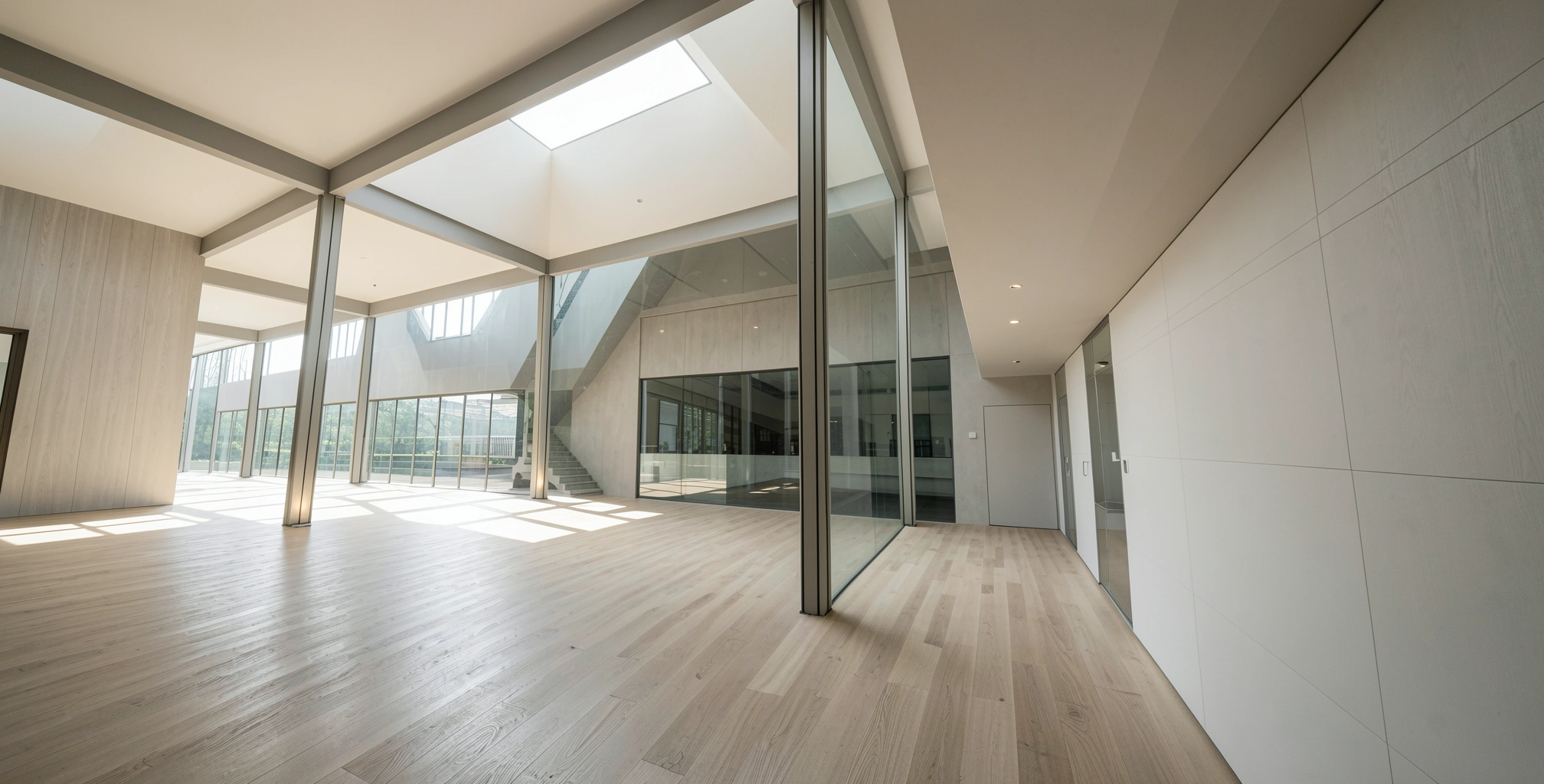
Each option demonstrates a nuanced application of environmental zoning: Option 1 separates long and short blocks, with solar exposure and protection tailored to each block’s orientation and functional needs. This strategy supports thermal mass balancing, solar gain control, and airflow optimization between units and shared areas. Option 2 emphasizes individual control, allowing occupants to modulate thermal comfort, lighting, and ventilation according to personal preference—a core tenet of adaptive thermal comfort theory (Nicol et al., 2012). Additionally, the reuse of waste heat through shared atria highlights a form of energy cascading, which contributes to overall building efficiency (Fong et al., 2010). Option 3 centralizes environmental control by leveraging a large, top-lit atrium that creates a thermal chimney effect and fosters microclimatic stability within the shared void. This zone also acts as a communal space, benefiting from tempered air, solar access, and visual connectivity (Brown and DeKay, 2014).

Facade as an Environmental Control Layer

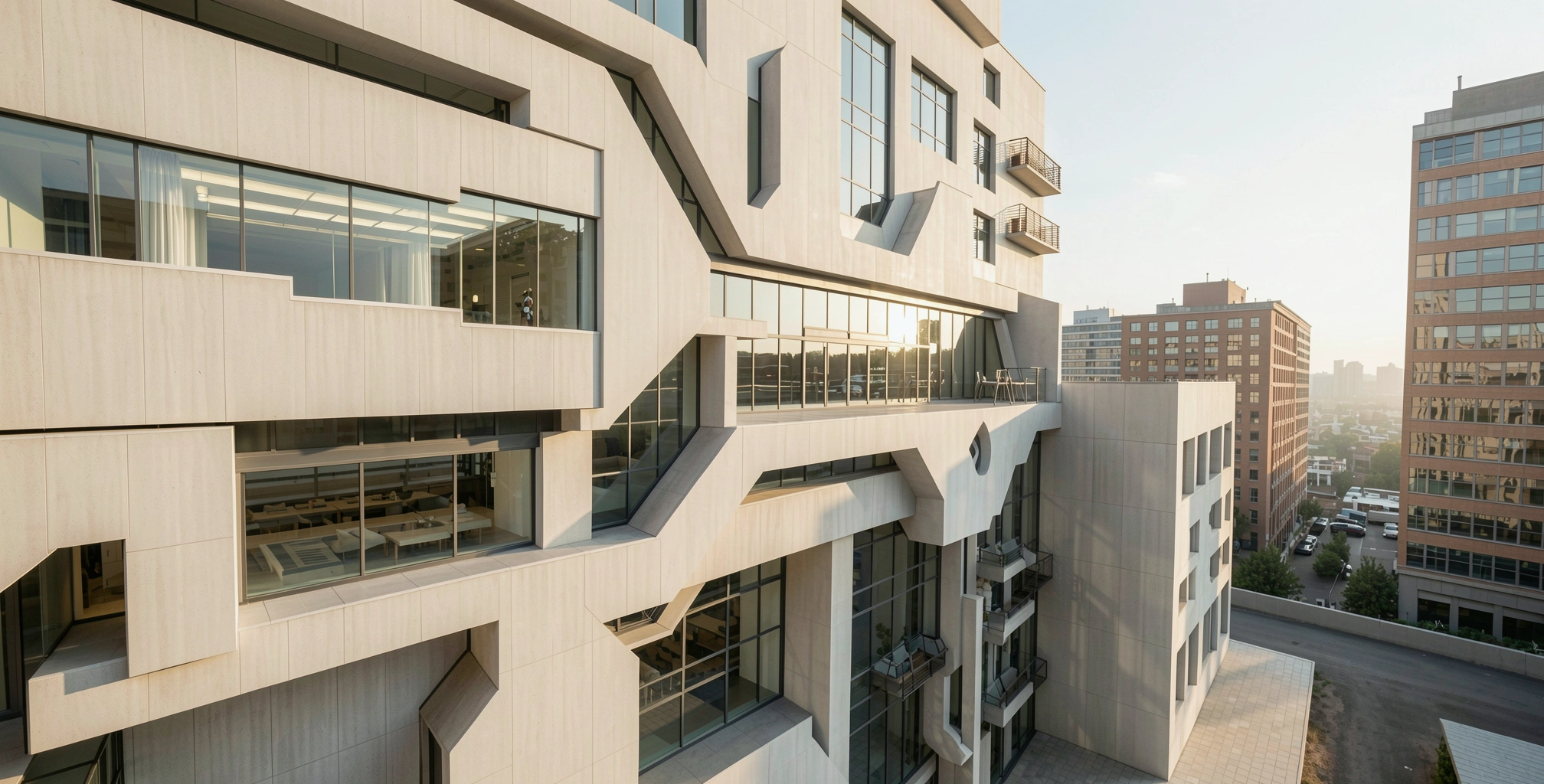
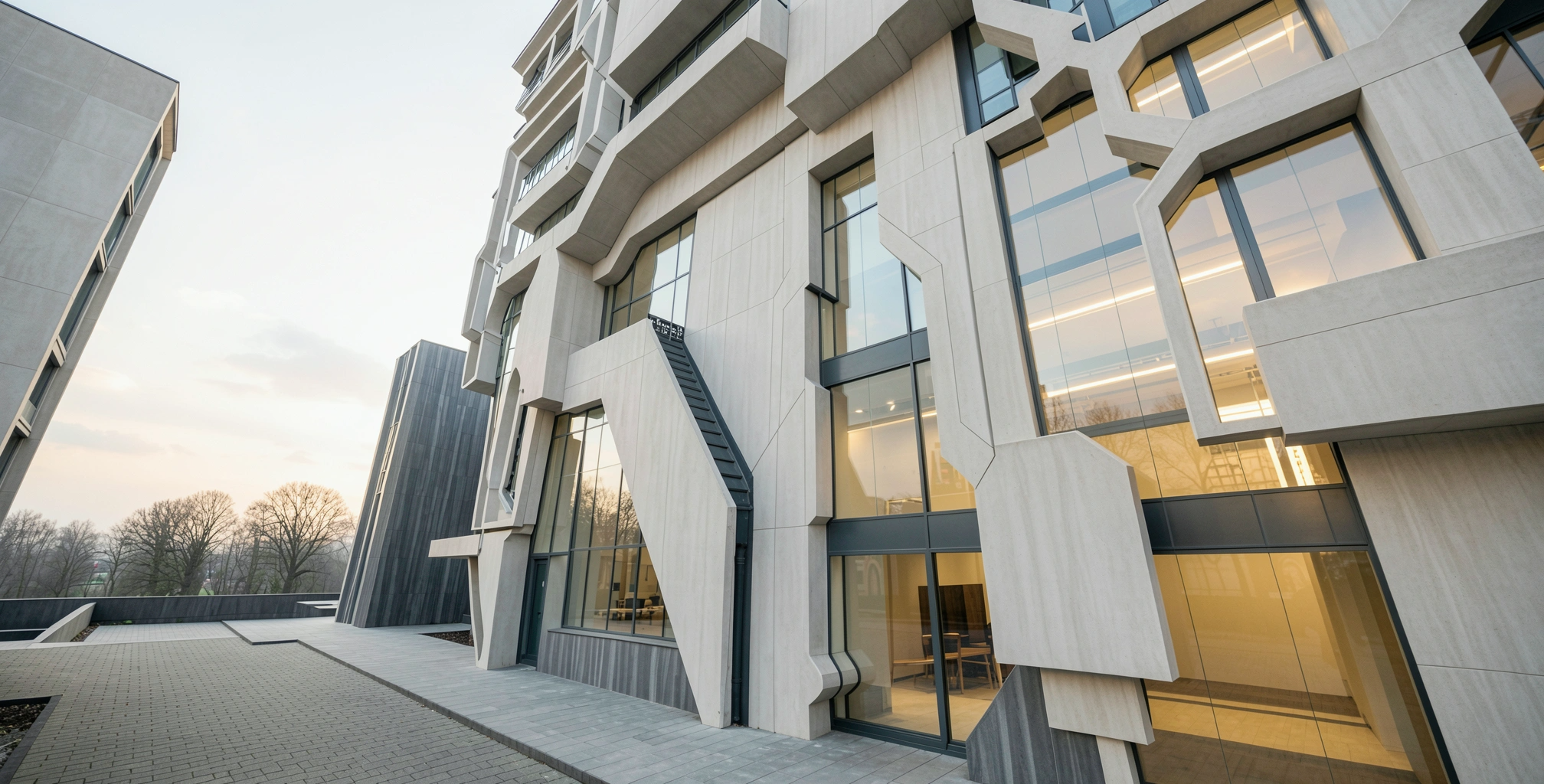
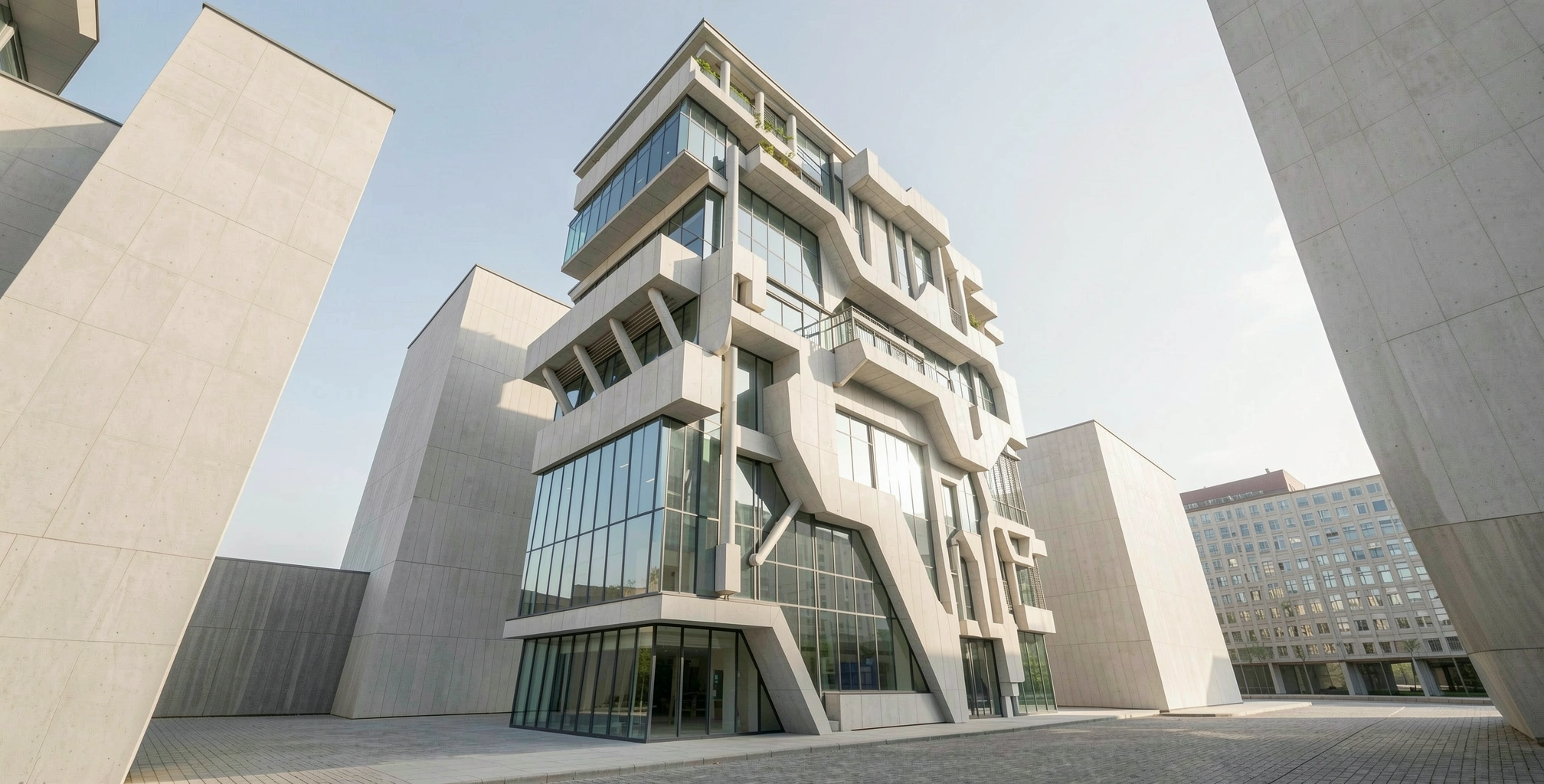
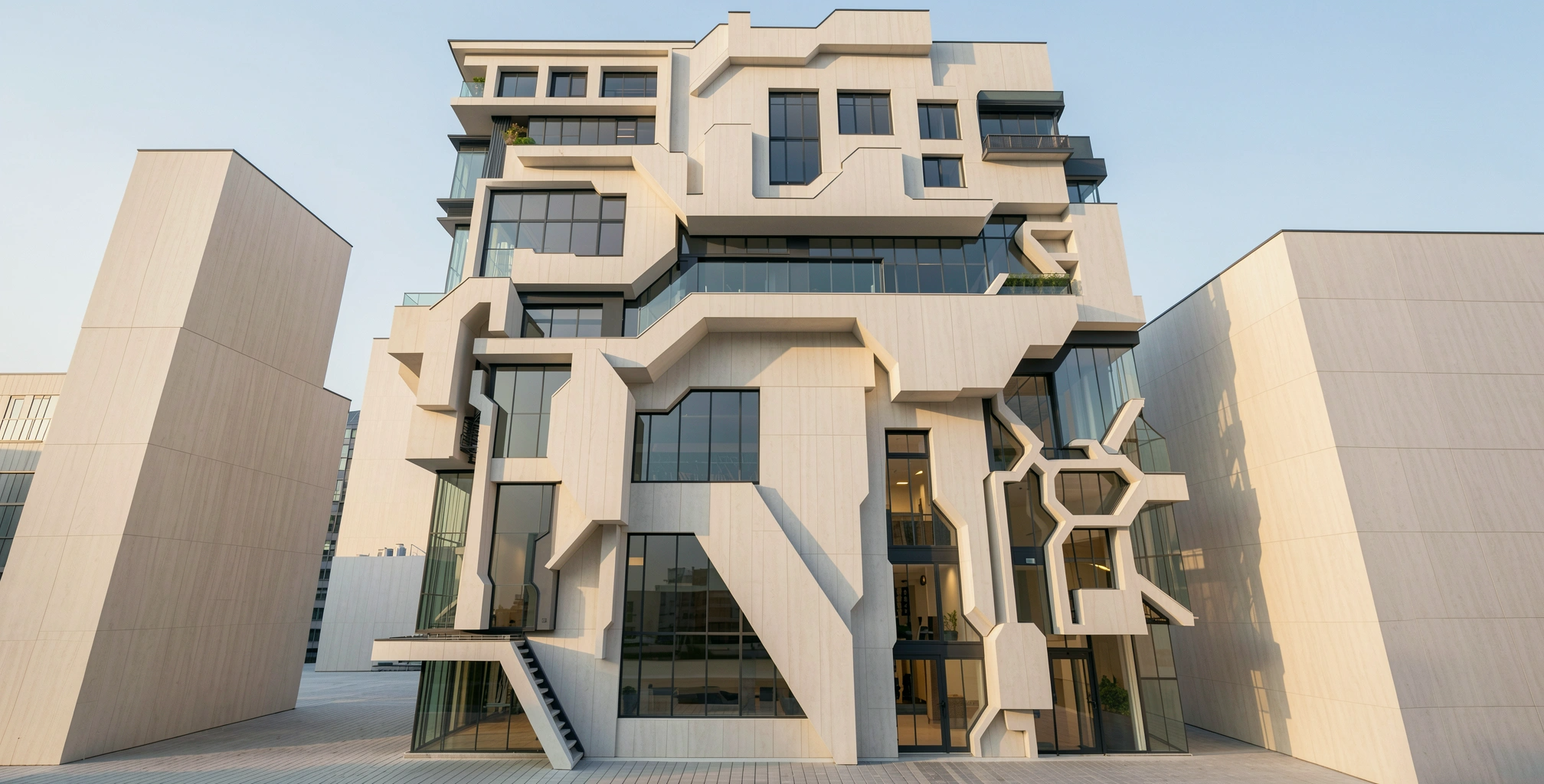
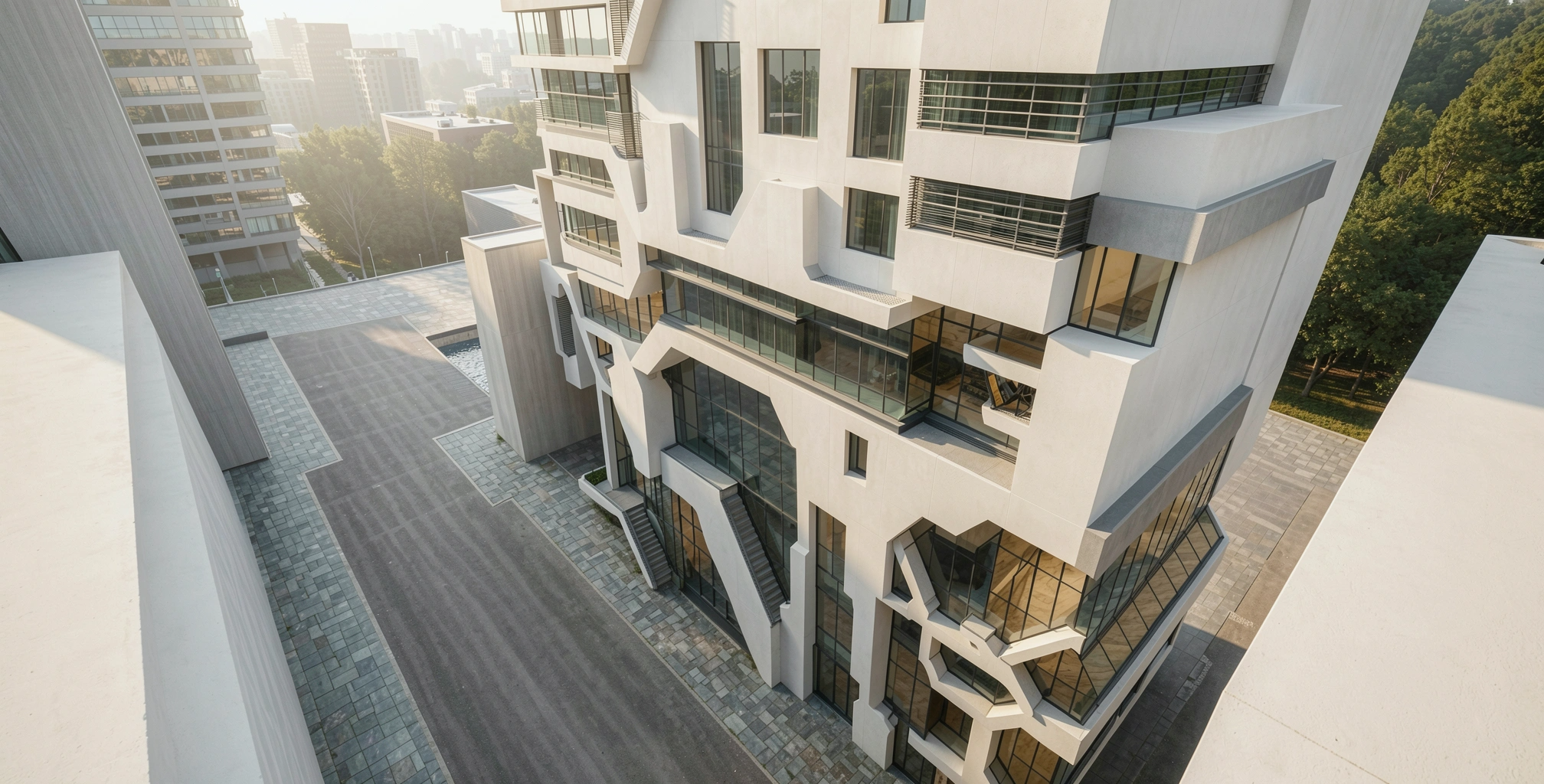
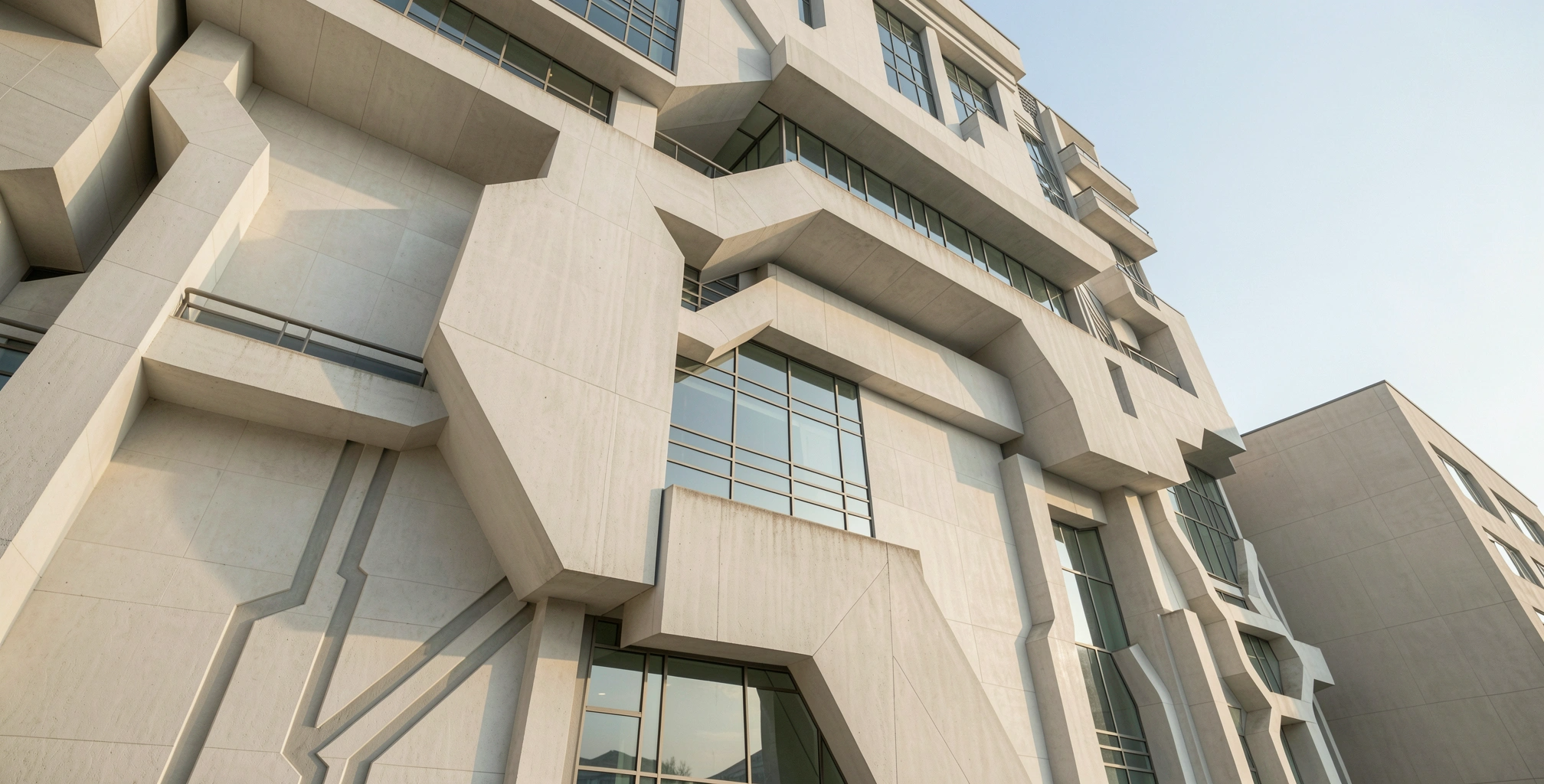
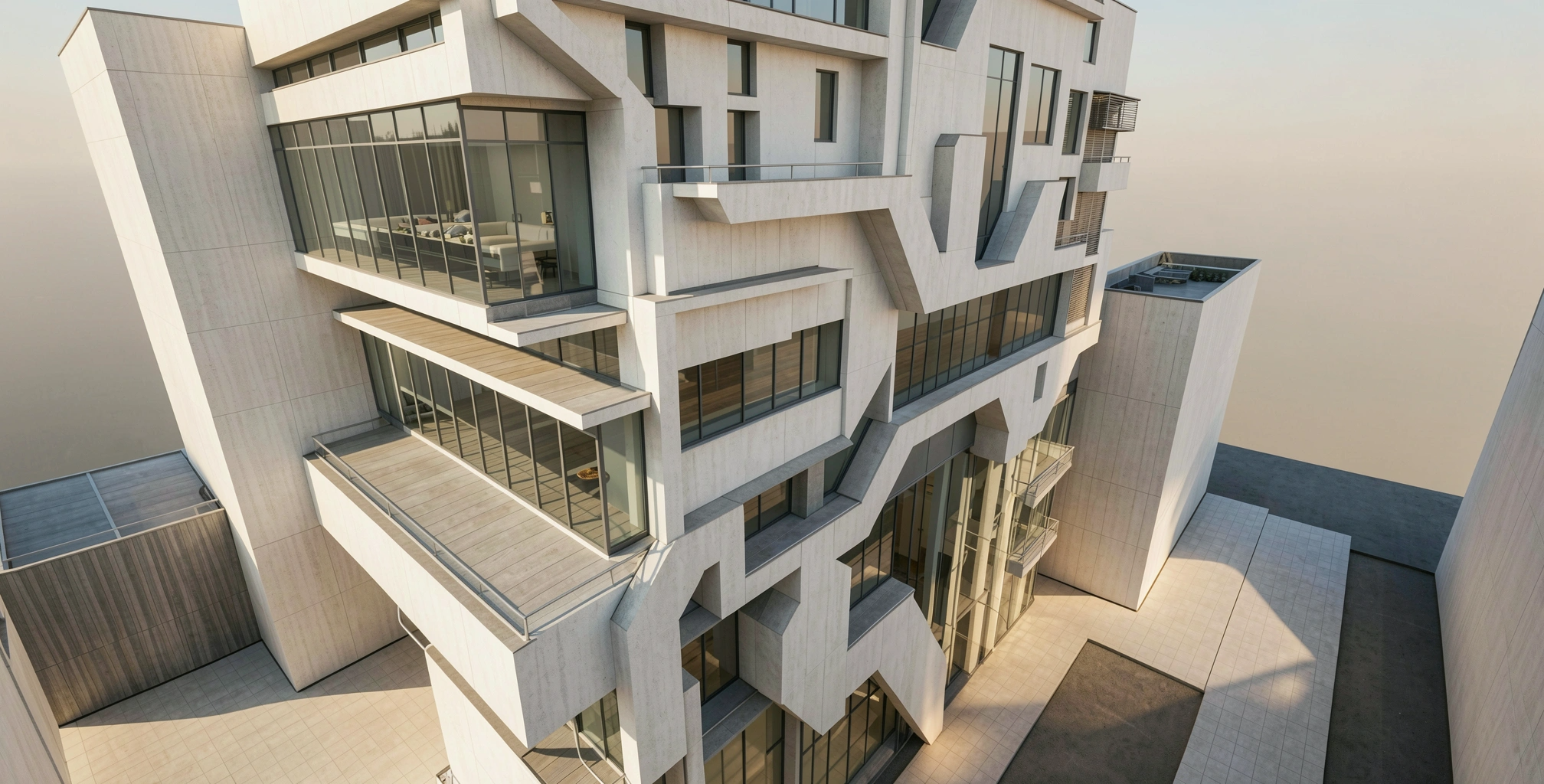
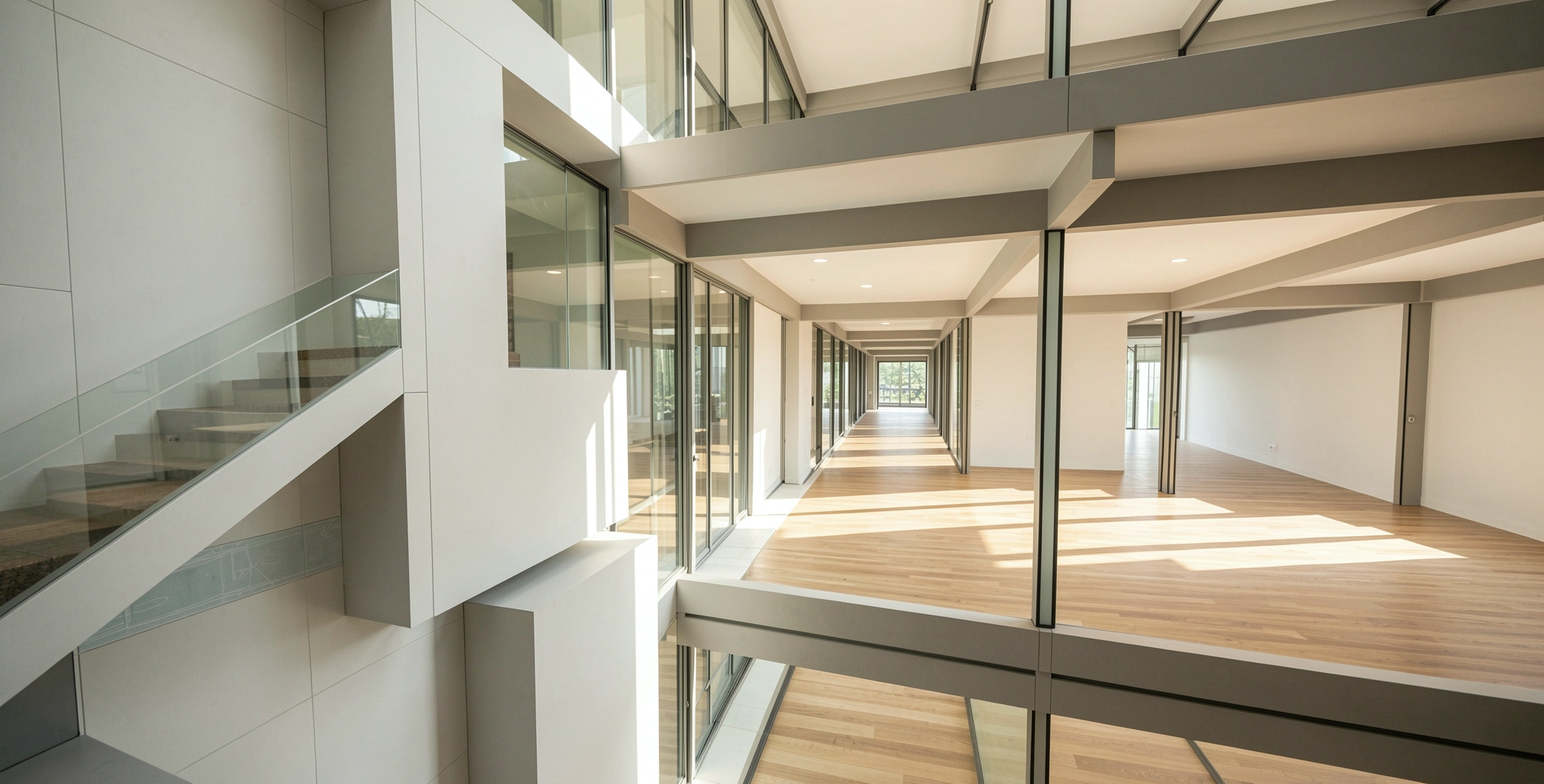
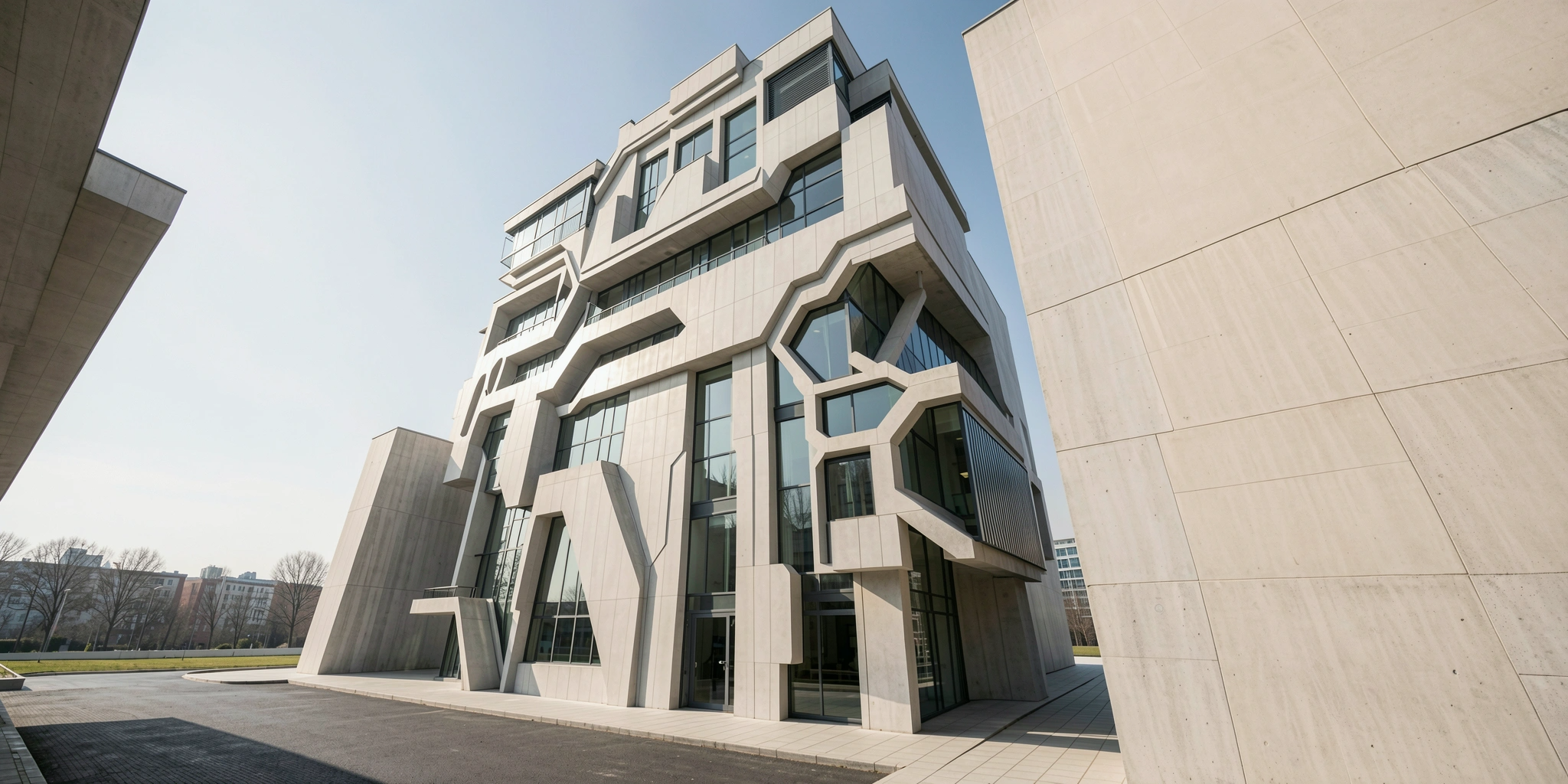
A key environmental design opportunity lies in the deep façade zone which integrates services, shading devices, vertical circulation, and access to environmental control systems. This multifunctional façade acts as a bioclimatic skin, mediating between internal spaces and external conditions. By combining opaque and transparent panels, the design manages the balance between daylight, privacy, solar gain, and ventilation (Steemers and Yannas, 2005; Baker and Steemers, 2000). Staircases and services placed on sun-exposed facades serve as thermal buffers, protecting habitable spaces while using opaque materials to reduce overheating and glare. The incorporation of louvers, shading fins, and double-skin facades aligns with contemporary strategies in high-performance building envelopes, especially effective in temperate climates with variable solar angles (Compagnon, 2004; Olgyay, 2015).

Service Integration and Decentralization

The strategy to distribute mechanical services and vertical circulation along the outer periphery of the building allows for clear spatial zoning while promoting modular servicing. Decentralized systems (e.g., facade-mounted mechanical units, plug-in ventilation pods) provide flexibility, user control, and ease of maintenance, eliminating the need for large rooftop plant areas and extensive ducting (Lützkendorf and Lorenz, 2005). By grouping services within the building envelope in stacked vertical zones, the design maintains clean floor plans internally while enabling easy access for maintenance staff via solar-shaded work corridors. The integration of maintenance access within shaded, ventilated service corridors addresses both operational efficiency and occupant comfort, as maintenance is moved away from living spaces (Gorgolewski, 2005).

Prefabrication and Environmental Modularity

The use of one- and two-storey environmental control panels, pre-assembled and locally manufactured, speaks to the growing relevance of prefabrication in sustainable architecture. Prefabricated systems reduce construction time, onsite waste, and embodied carbon, while improving precision and performance (Pan and Gibb, 2009). These systems allow building envelopes to function as climatic devices, integrating insulation, solar control, mechanical services, and structural elements within unified modules (Knaack et al., 2007). The inclusion of metal grating decks within environmental zones also improves airflow, light permeability, and heat dissipation, contributing to the performance of external service corridors and reducing the risk of overheating in temperate summer months.

Conclusion

The environmental strategy described demonstrates how multifunctional envelope design, environmental zoning, and modular services integration can work together to produce climate-responsive architecture in temperate regions. Through a combination of passive and active systems, locally prefabricated components, and distributed services, the project achieves both energy efficiency and resilience. The building's layered environmental logic—where structure, circulation, servicing, and climate mediation co-exist in tightly integrated zones—serves as a robust model for sustainable mid-rise housing in varied temperate contexts.

References

Baker, N. and Steemers, K. (2000) Energy and Environment in Architecture: A Technical Design Guide. London: E & FN Spon.

Brown, G.Z. and DeKay, M. (2014) Sun, Wind & Light: Architectural Design Strategies. 3rd ed. Hoboken, NJ: Wiley.

Compagnon, R. (2004) ‘Solar and daylight availability in the urban fabric’, Energy and Buildings, 36(4), pp. 321–328.

Dixit, M.K., Fernández-Solís, J.L., Lavy, S. and Culp, C.H. (2010) ‘Identification of parameters for embodied energy measurement: A literature review’, Energy and Buildings, 42(8), pp. 1238–1247.

Fong, K.F., Lee, C.K. and Chow, T.T. (2010) ‘Towards net zero energy design of green building: A modeling approach’, Energy, 35(10), pp. 3957–3964.

Gibb, A.G.F. and Isack, F. (2003) ‘Re-engineering through pre-assembly: Client expectations and drivers’, Building Research & Information, 31(2), pp. 146–160.

Givoni, B. (1998) Climate Considerations in Building and Urban Design. New York: Wiley.

Gorgolewski, M. (2005) ‘Designing with reused building components’, Building Research & Information, 33(2), pp. 180–186.

Hyde, R. (2000) Climate Responsive Design: A Study of Buildings in Moderate and Hot Humid Climates. London: E & FN Spon.

Knaack, U., Klein, T., Bilow, M. and Auer, T. (2007) Façades: Principles of Construction. Basel: Birkhäuser.

Lechner, N. (2014) Heating, Cooling, Lighting: Sustainable Design Methods for Architects. 4th ed. Hoboken, NJ: Wiley.

Lützkendorf, T. and Lorenz, D. (2005) ‘Sustainable property investment: valuing sustainable buildings through property performance assessment’, Building Research & Information, 33(3), pp. 212–234.

Moncaster, A.M., Symons, K.E., Taylor, Z. and Adams, K.T. (2018) ‘Evaluating embodied carbon and energy for building construction’, Journal of Building Performance, 9(1), pp. 21–36.

Nicol, F., Humphreys, M., and Roaf, S. (2012) Adaptive Thermal Comfort: Principles and Practice. London: Routledge.

Olgyay, V. (2015) Design with Climate: Bioclimatic Approach to Architectural Regionalism. Princeton, NJ: Princeton University Press.

Pan, W. and Gibb, A. (2009) ‘Modelling of constraints influencing prefabrication and integration in construction’, Architectural Engineering and Design Management, 5(1–2), pp. 45–61.

Pomponi, F. and Moncaster, A. (2017) ‘Embodied carbon mitigation and reduction in the built environment – What does the evidence say?’, Journal of Environmental Management, 181, pp. 687–700.

Steemers, K. and Yannas, S. (2005) Architecture and Climate: An Environmental History of British Architecture. London: Routledge.

Szokolay, S.V. (2008) Introduction to Architectural Science: The Basis of Sustainable Design. 2nd ed. Oxford: Architectural Press.