Theoretical Basis of a Structural Strategy for a Light Industrial Building

Log in to Modern Construction Online for project case study

Introduction: Structural Strategy as Architectural Generator

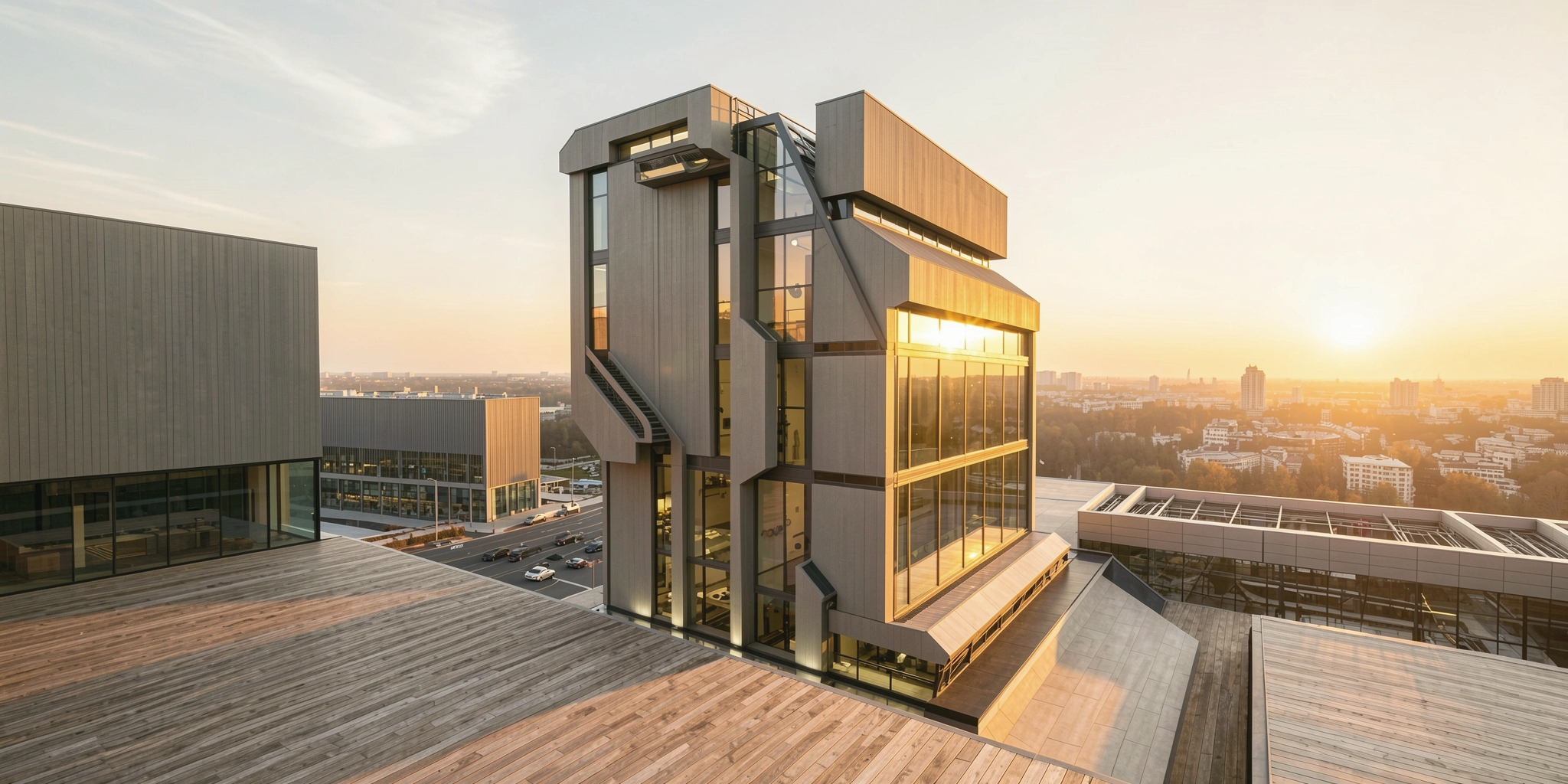
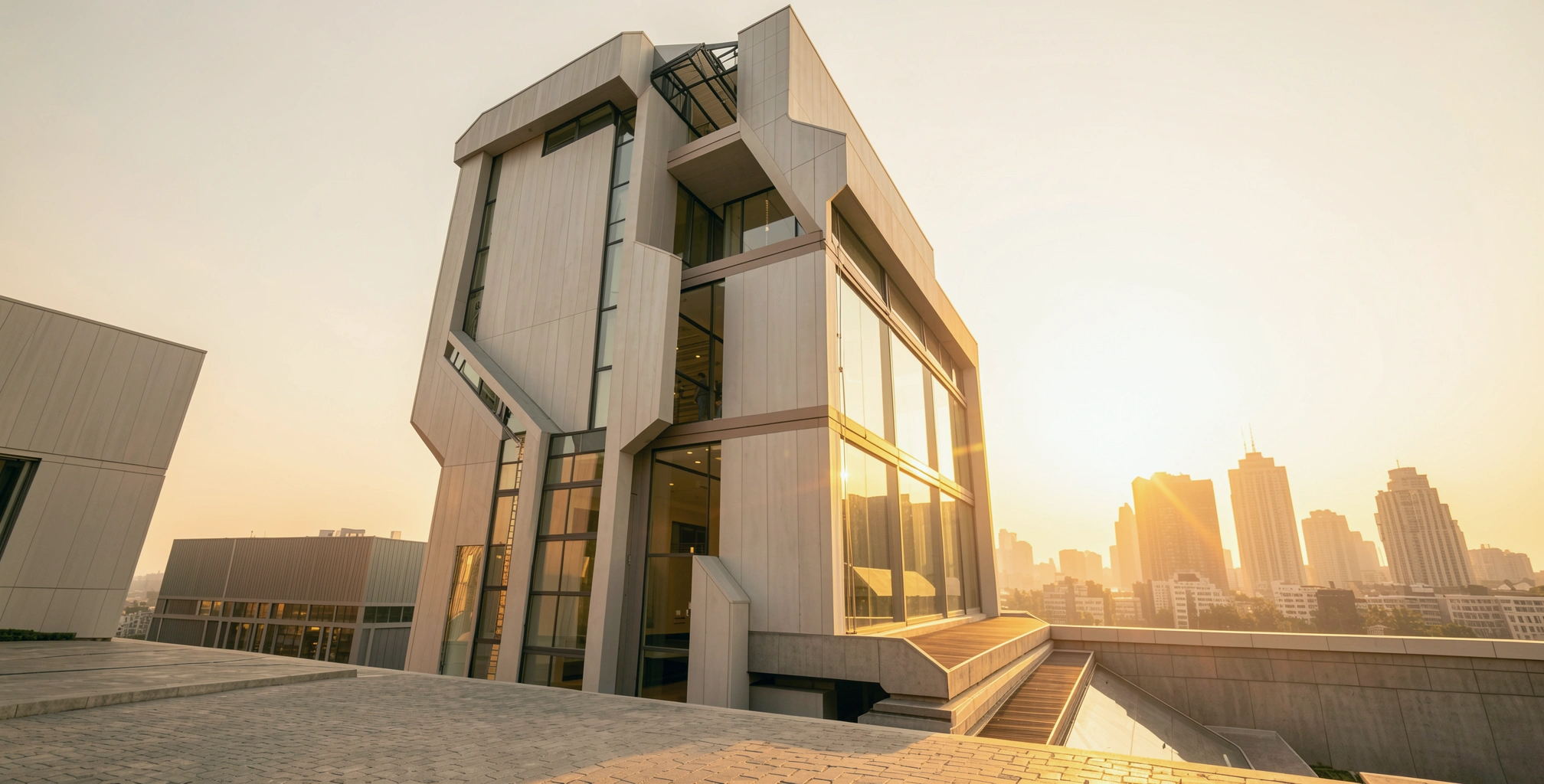
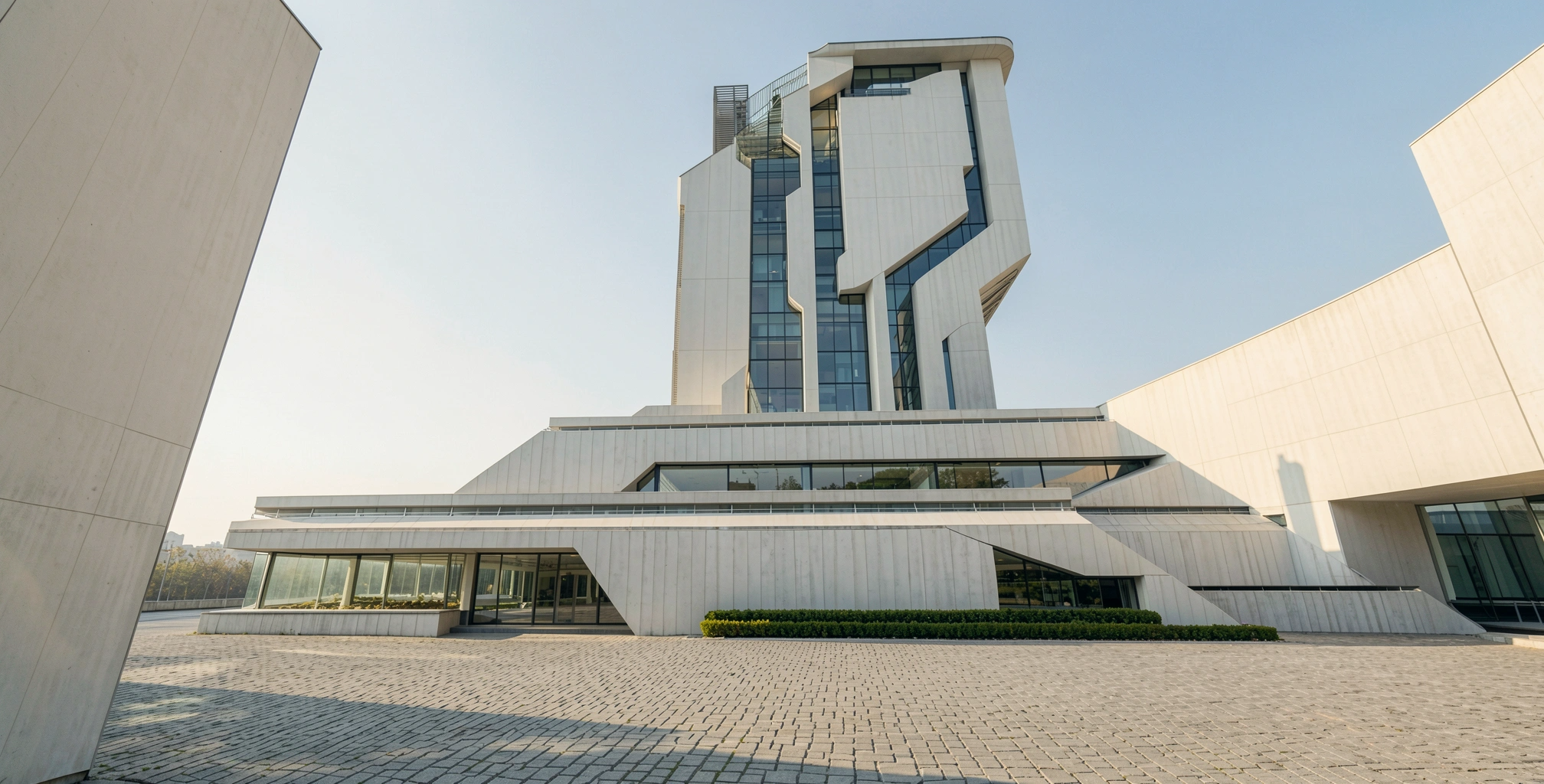
The structural design for this light industrial building demonstrates how material choice and structural configuration can act as central drivers of both form and function. Located in a temperate climate, the use of reinforced concrete enables the building to meet the rigorous demands of industrial activity—mechanical loadings, acoustic separation, vibration isolation—while also providing architectural flexibility. As a result, structure is not simply a background element, but a responsive and expressive framework that directly informs spatial planning, environmental control, and long-term adaptability (Frampton, 1995; Allen and Iano, 2017).

Reinforced Concrete: Functional, Acoustic, and Formal Versatility

The choice of reinforced concrete as the primary structural material reflects its proven performance in industrial environments where durability, fire resistance, and vibration isolation are critical (Nilson et al., 2011). Concrete's mass and stiffness make it uniquely suitable for:

Sound insulation: Mass Law principles suggest that heavier and denser materials are more effective at reducing airborne sound transmission (Long, 2006). In this case, concrete slabs and walls help contain industrial noise within workshop areas, supporting the cohabitation of sensitive design studios and noisy production zones.

Vibration control: Structure-borne vibration from machinery is mitigated by concrete's inherent damping capacity, reducing transmission between vertically stacked functions (Elliott, 2012).

Thermal inertia: In temperate climates, concrete's thermal mass contributes to passive regulation of indoor temperatures, reducing energy demand (Lechner, 2015).

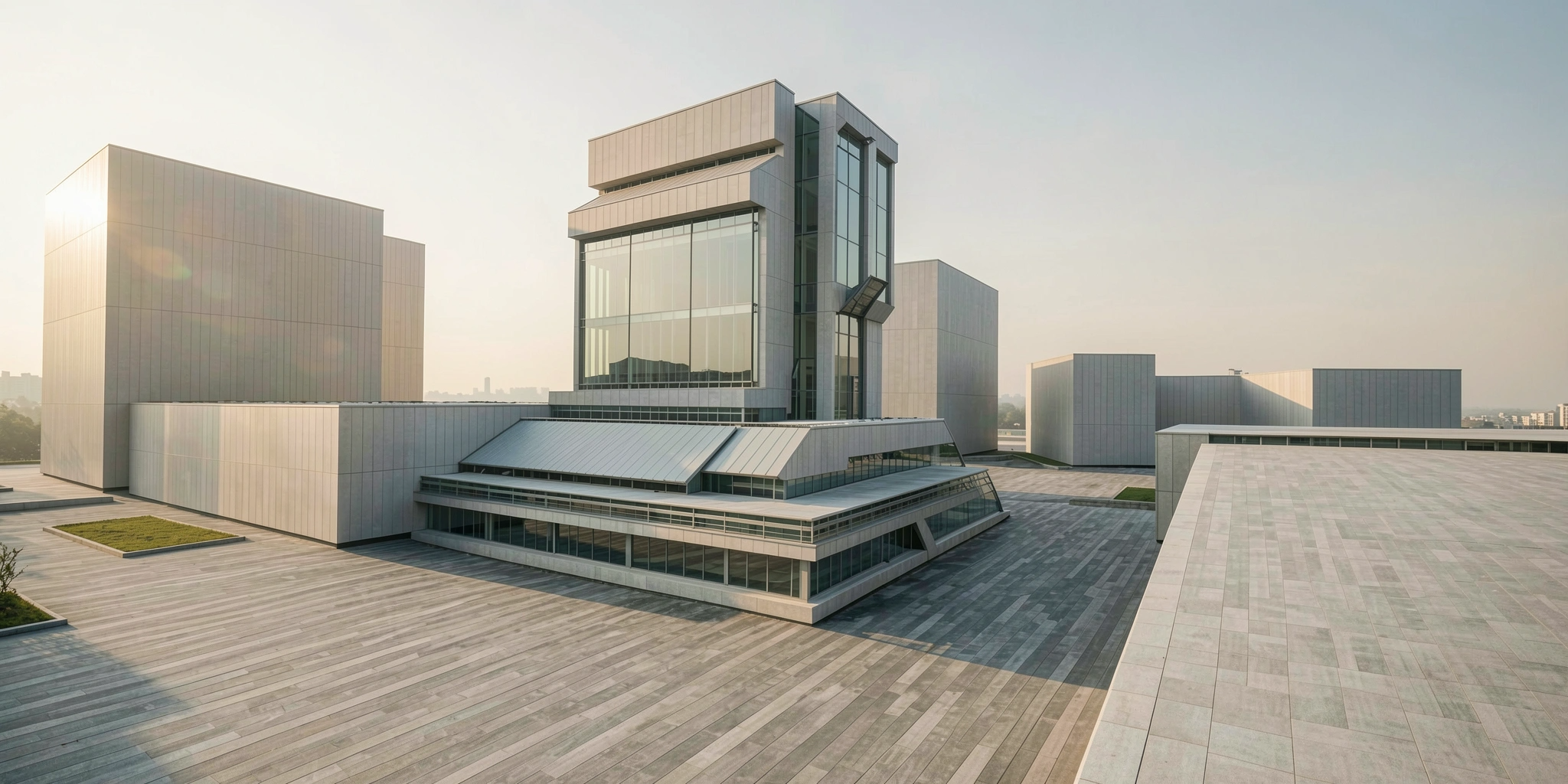
Reinforced concrete also allows for geometric adaptability, supporting the development of sculpted volumes (Option 2) and large cantilevers (Option 3), while offering economic benefits through repetitive modularity (Option 1).

Structural Integration with Functional Zoning

Each of the three design options reveals opportunities for integrating structure with programmatic zoning:

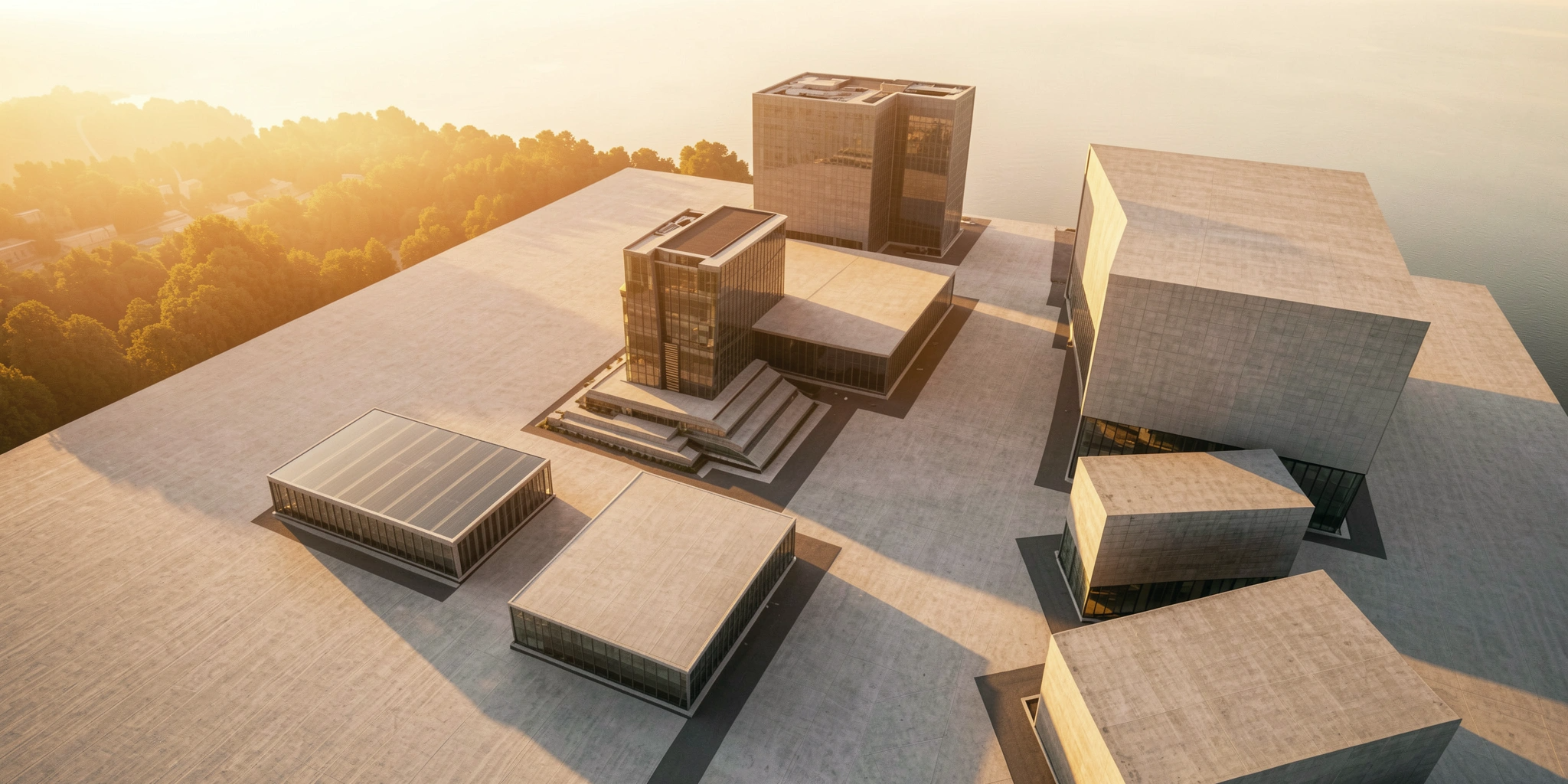
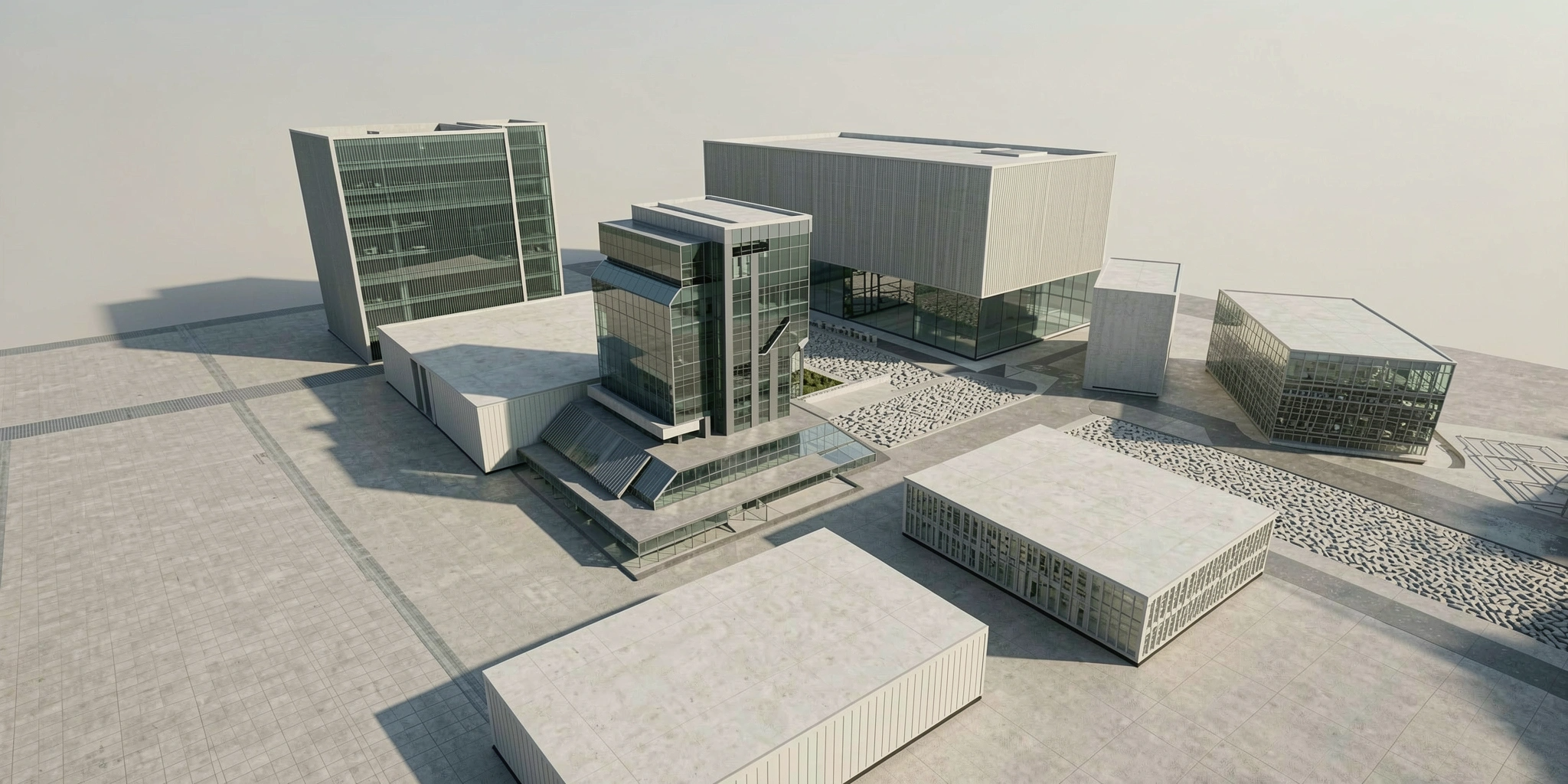
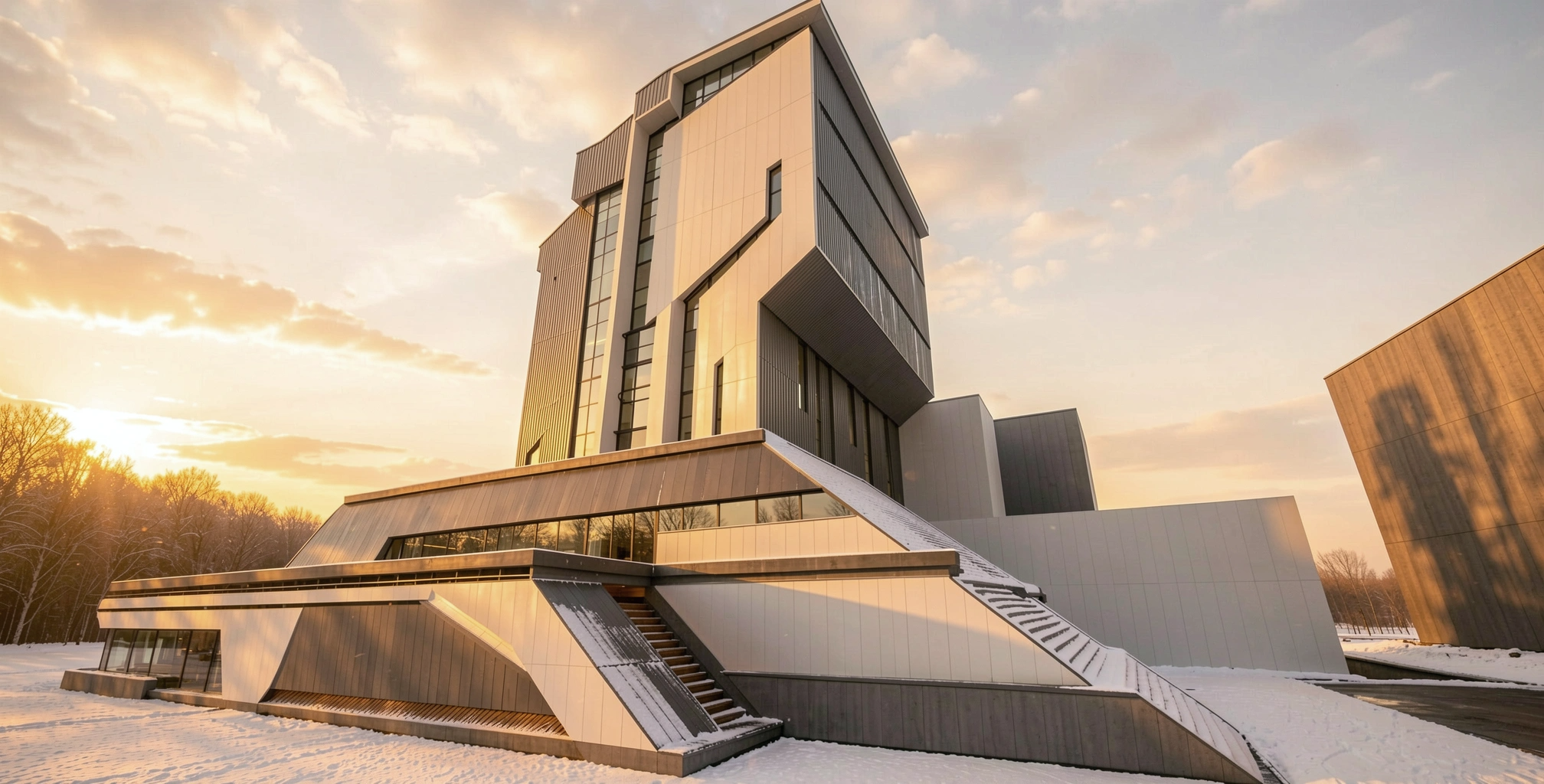
Option 1: Rectilinear Simplicity. Option 1 uses a regular, orthogonal grid of reinforced concrete columns and slabs, offering ease of construction and rational load paths. This structural simplicity, however, limits spatial flexibility and results in adjacency between design studios and workshop zones—raising potential acoustic and operational conflicts. The projecting ground-level block and inclined concrete roof enhance sound containment by forming an acoustically isolated shell, capitalising on concrete's density (Ross, 2004). The monolithic nature of the frame makes it ideal for accommodating high point loads from machinery and gantries, with minimal deformation.

Option 2: Sculpted Form and Horizontal Programmatic Blending. Here, the sculpted form of the building is enabled by the plasticity of concrete, which allows for continuous surfaces and fewer structural interruptions. Reinforced concrete facilitates the creation of long-span open areas for workshops, unifying design and production functions on the same floor while maintaining high load-bearing capacity. This approach supports spatial fluidity, but requires more complex structural modelling to ensure vibration control and differential loading accommodation (Salvadori and Heller, 1975). Thicker floor slabs or embedded steel reinforcement may be used locally to deal with uneven live loads from production machinery (MacGinley and Choo, 1990).

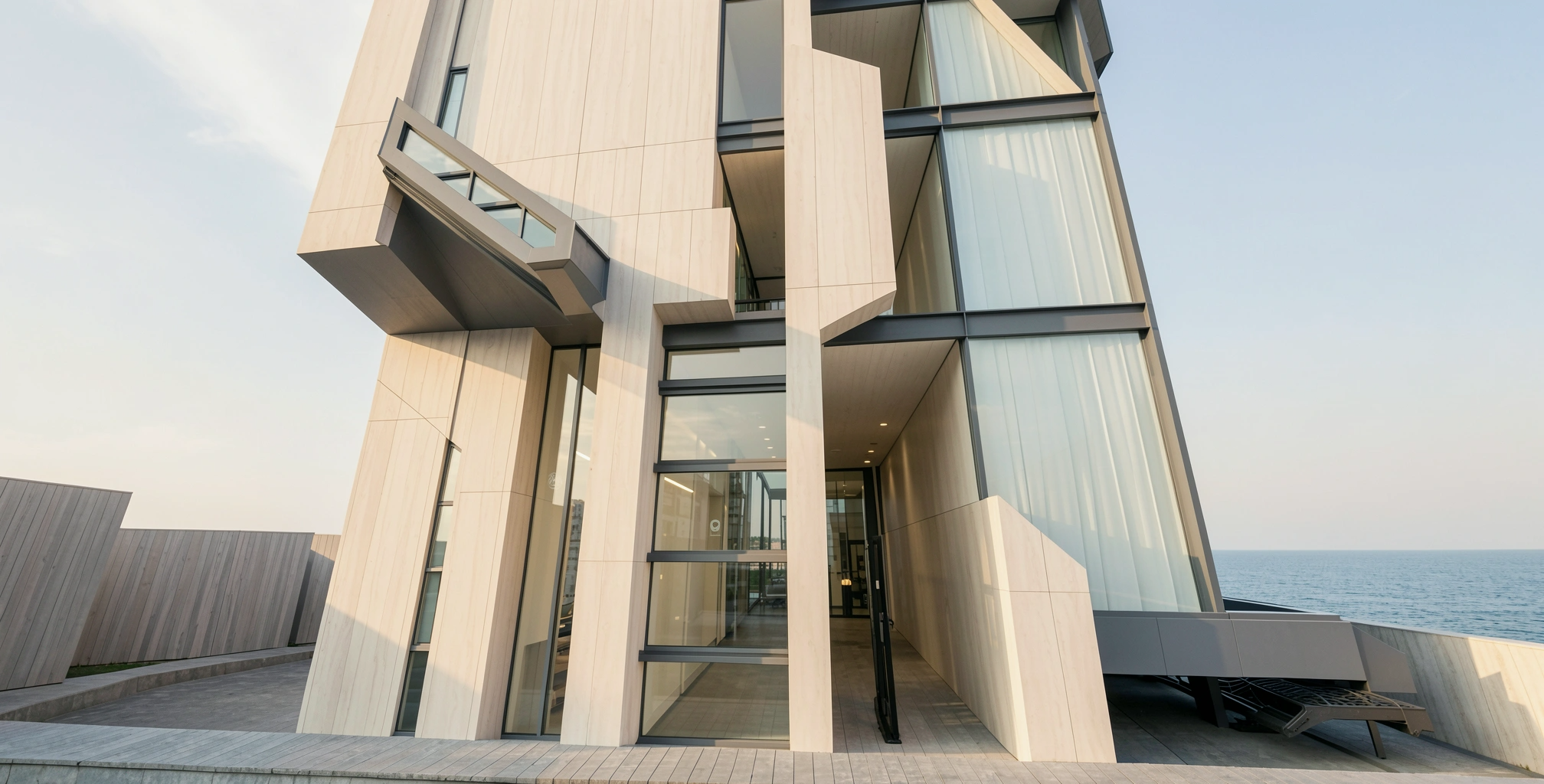
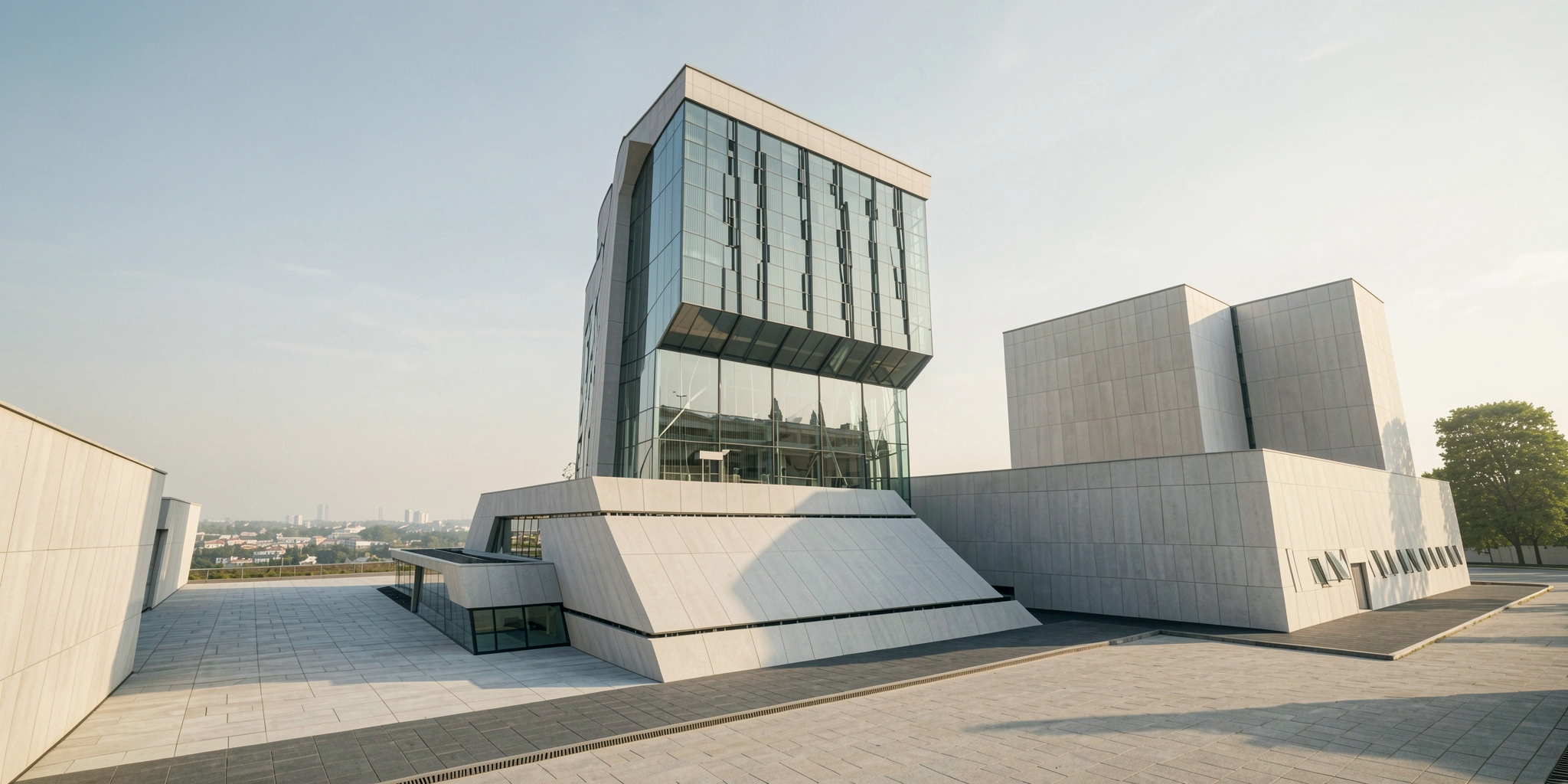
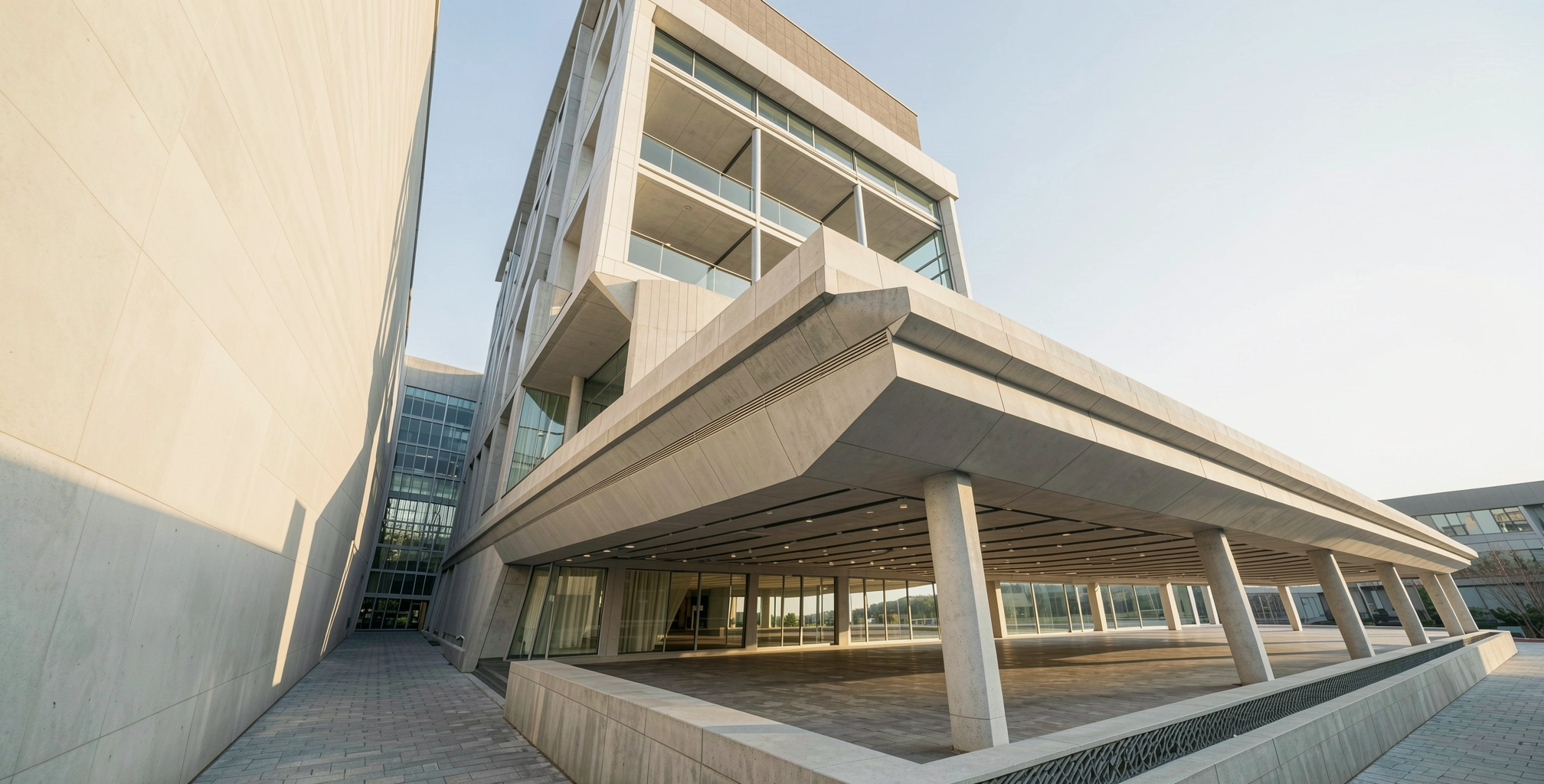
Option 3: Cantilevered Innovation and Vertical Zoning. Option 3 presents the greatest structural challenge—and opportunity—through a cantilevered upper workshop volume that floats above the podium. This cantilever strategy enhances functional zoning, keeping noisy, vibration-producing activities physically separate from more sensitive programs, in line with best practices for industrial workspace design (Alexander et al., 1977). The absence of columns beneath the cantilevered workshop supports unobstructed vertical movement of materials and equipment, functioning similarly to a warehouse gantry zone or service court (Emmitt and Gorse, 2018). Structurally, this requires deep concrete transfer beams, post-tensioned slabs, or triangulated shear walls to resist torsion and bending moments from the cantilevered mass (Taranath, 2011).

Integration of Structure and Circulation

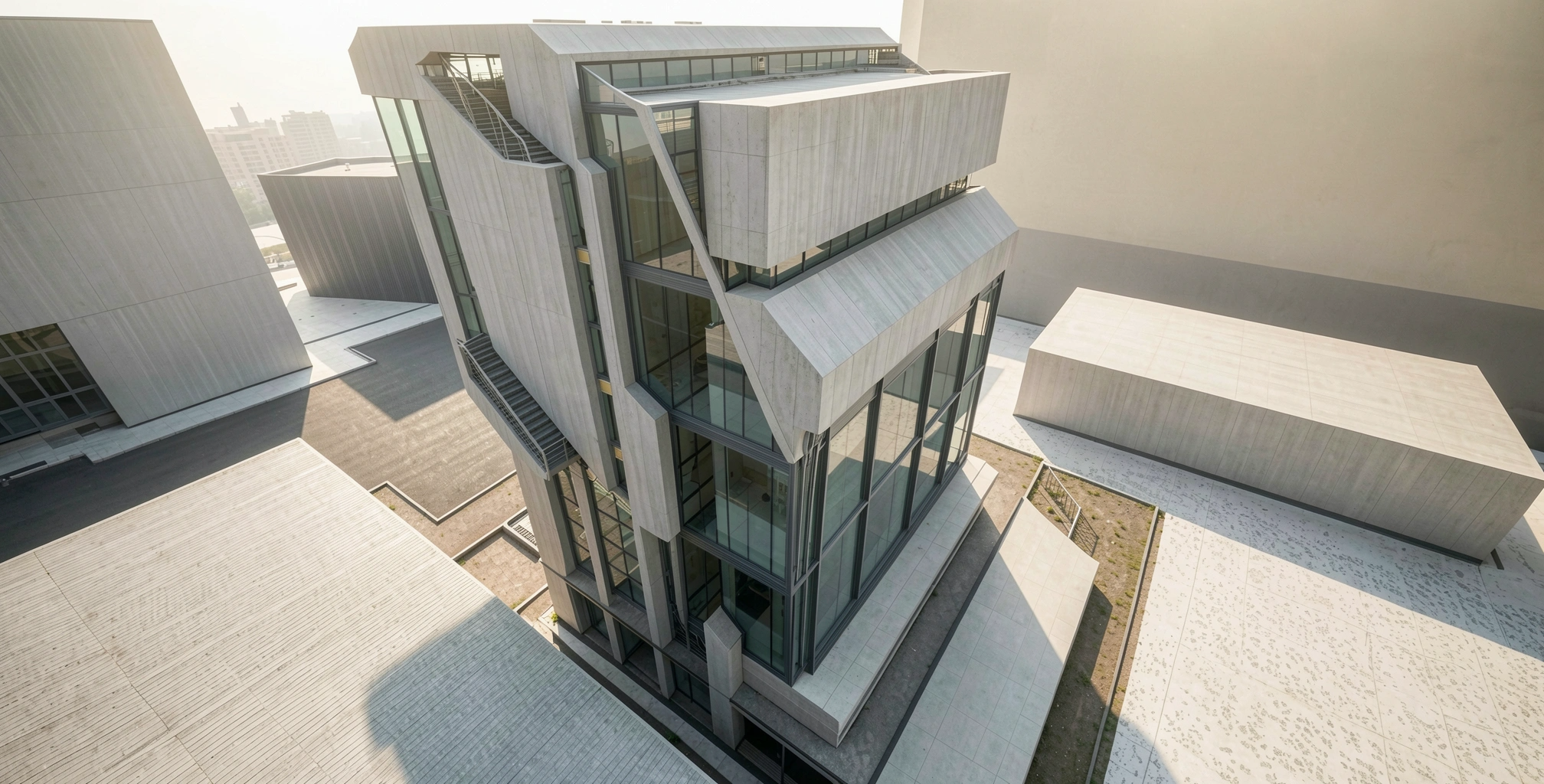
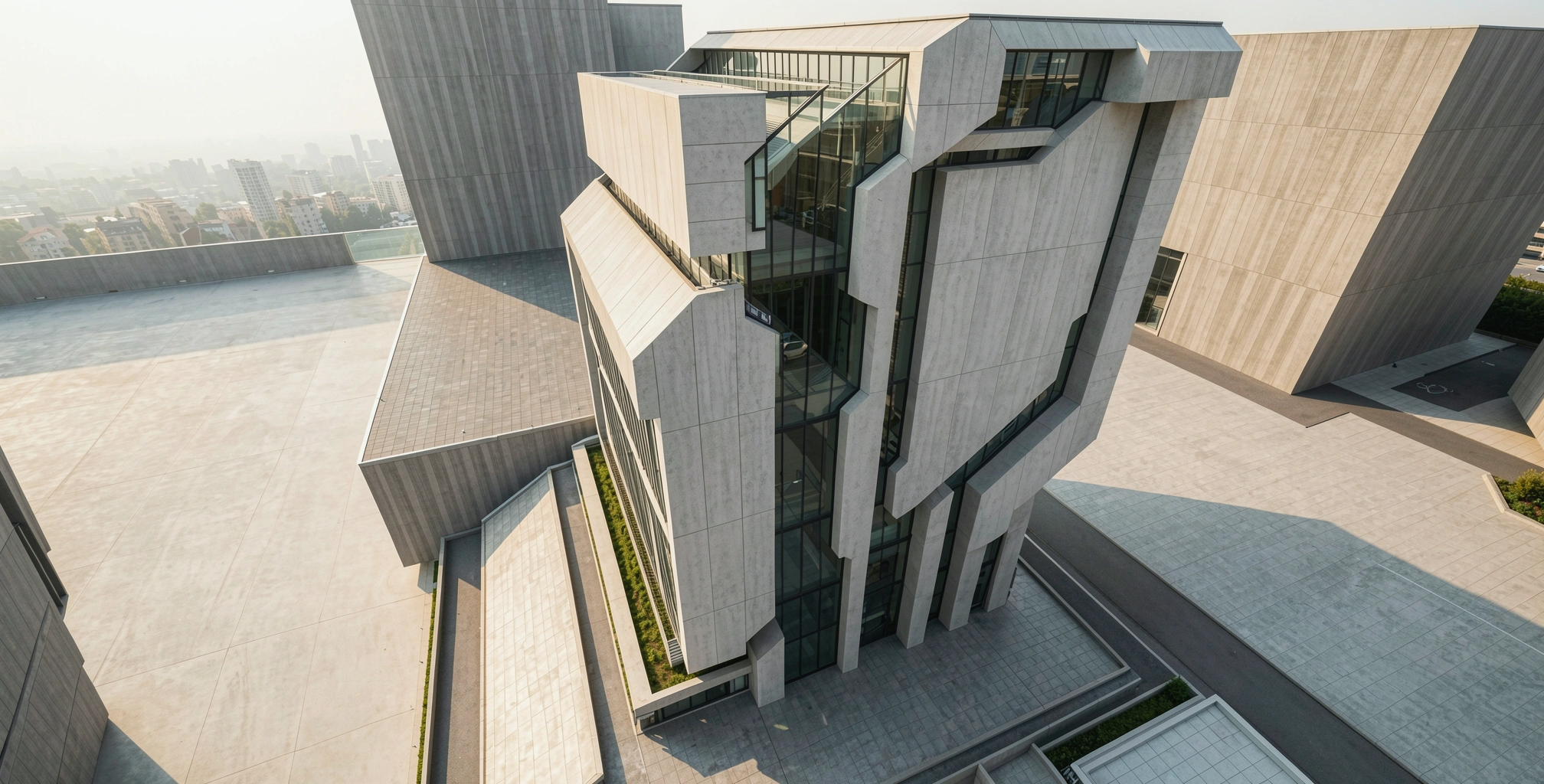
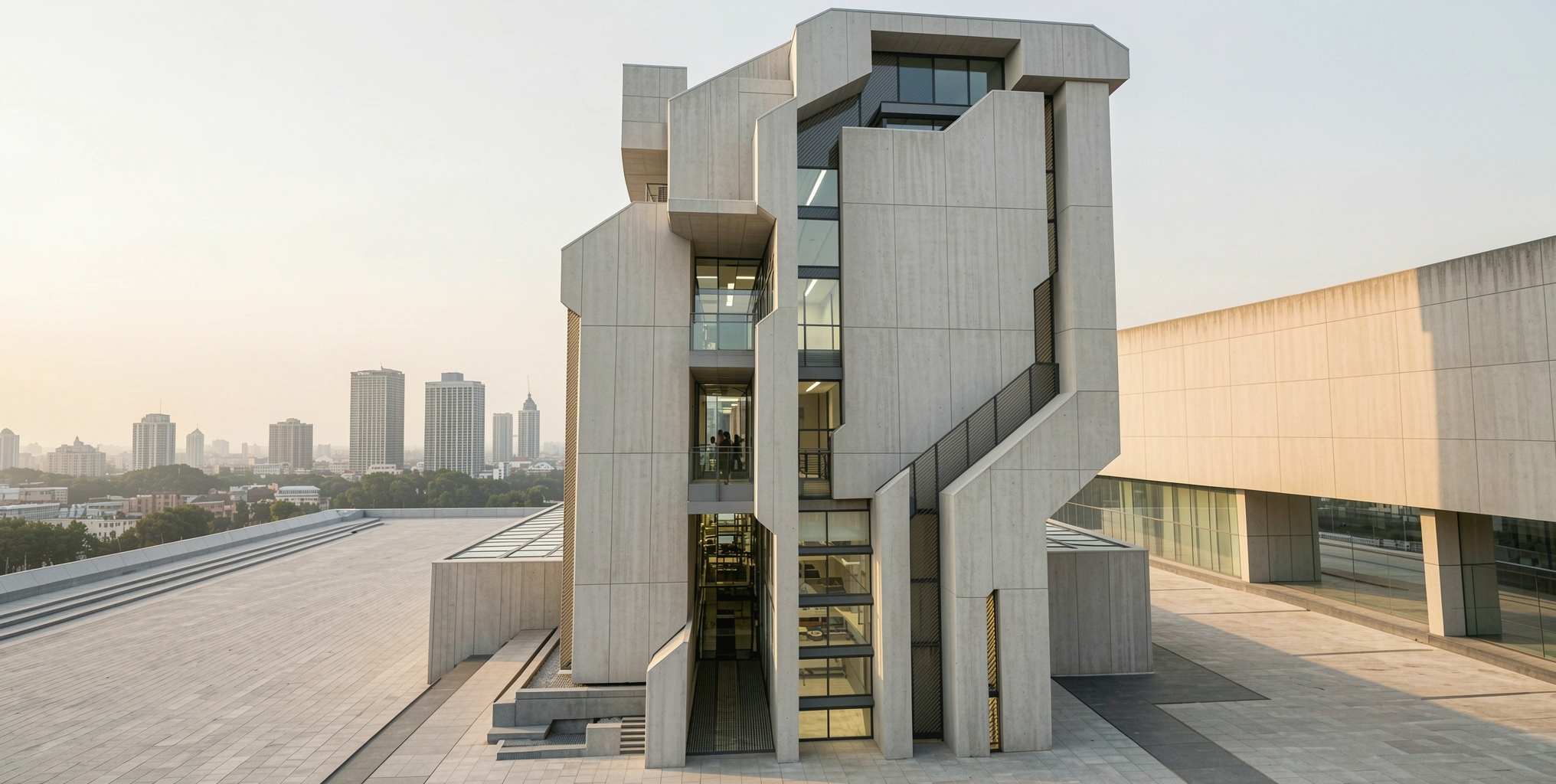
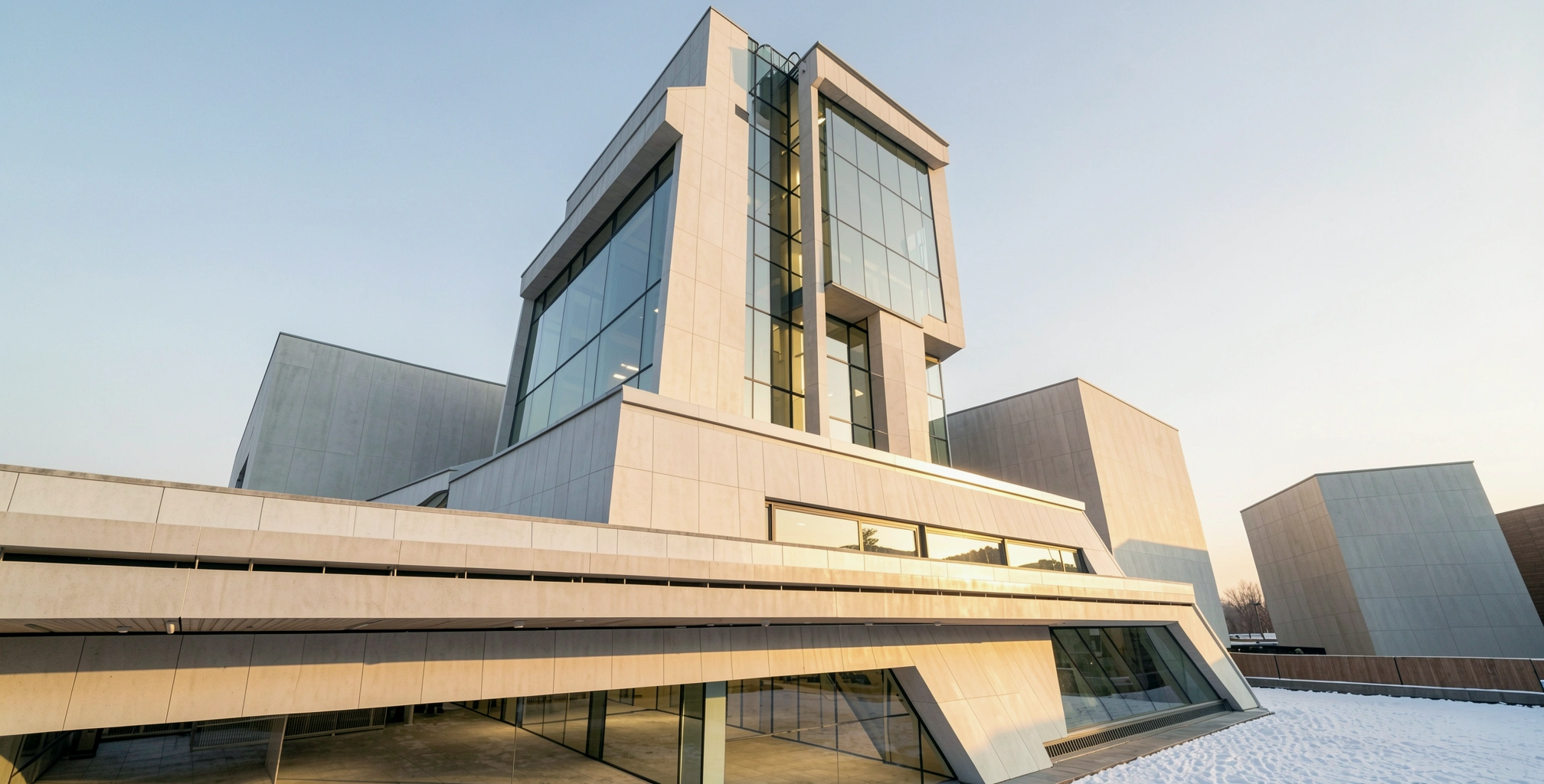
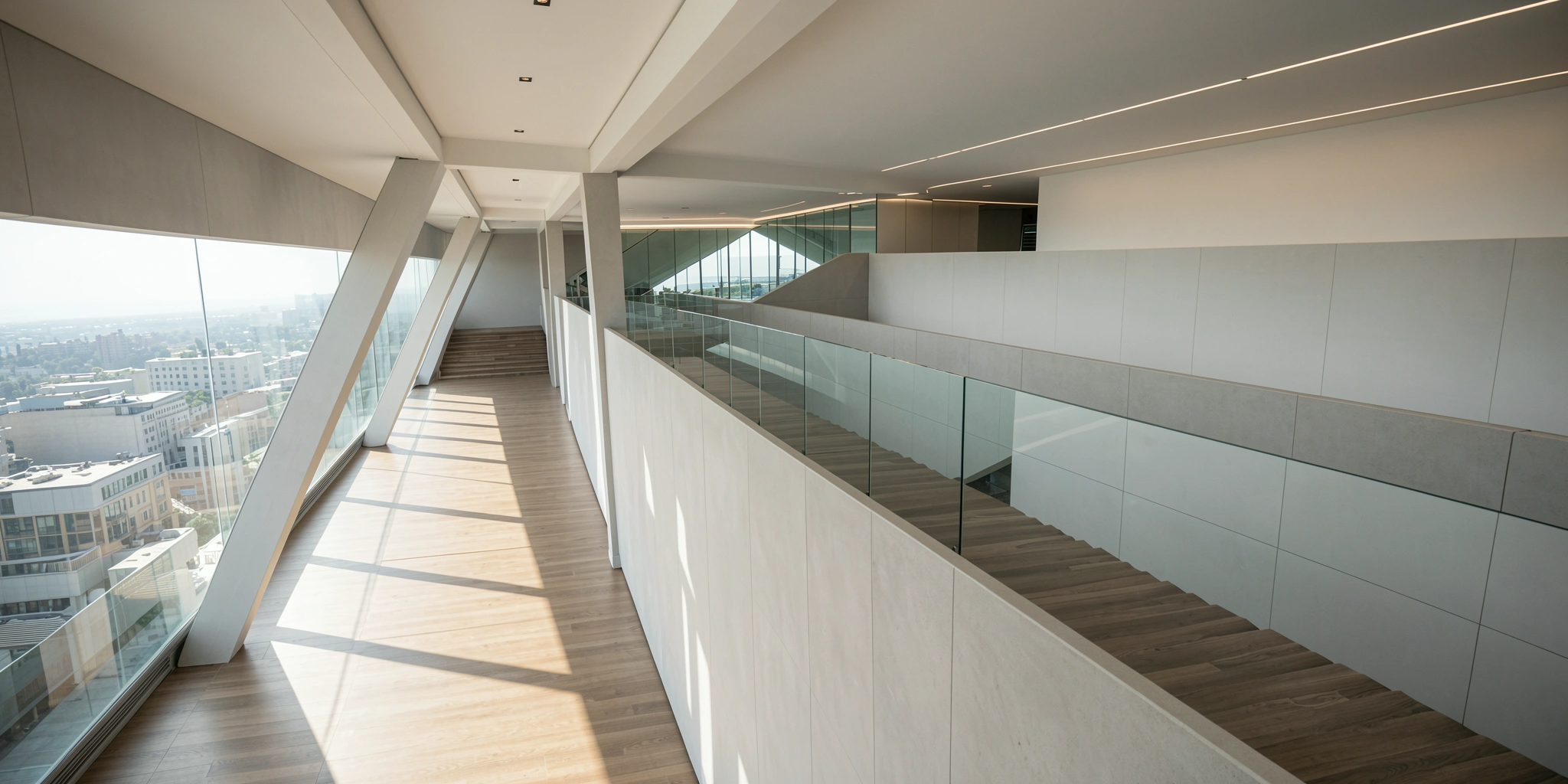
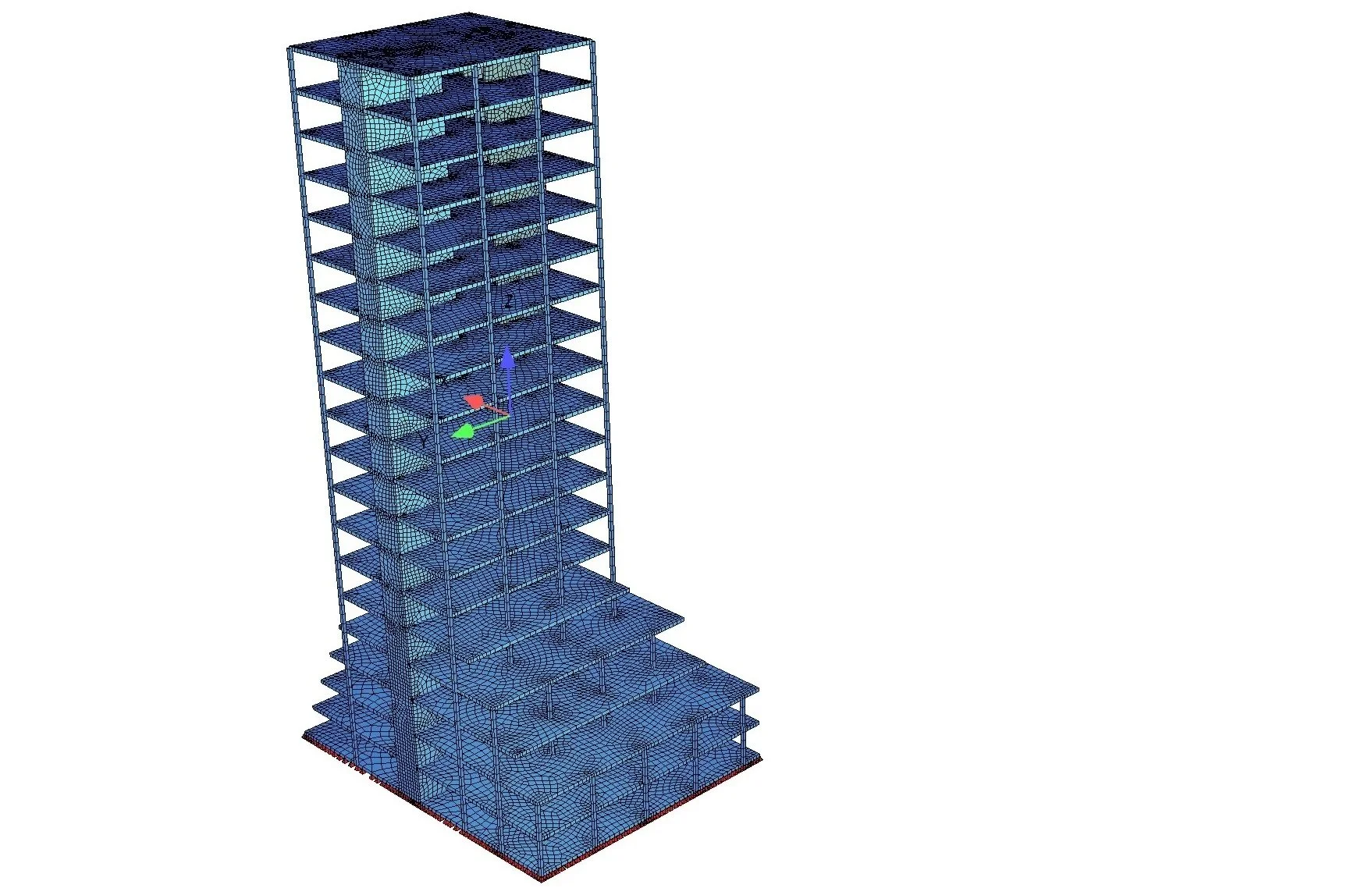
The building’s vertical circulation logic, combined with the stacking of program zones, is directly enabled by reinforced concrete's ability to form integrated structural cores. These lift and stair cores not only provide vertical access but act as stabilising elements, resisting lateral forces from wind and potential seismic action (Lawson et al., 2014). The configuration of repeated bays side by side, joined structurally but designed as discrete volumes, creates a rhythm of cores and voids that enables both stability and architectural articulation.

Constructability and Repetition

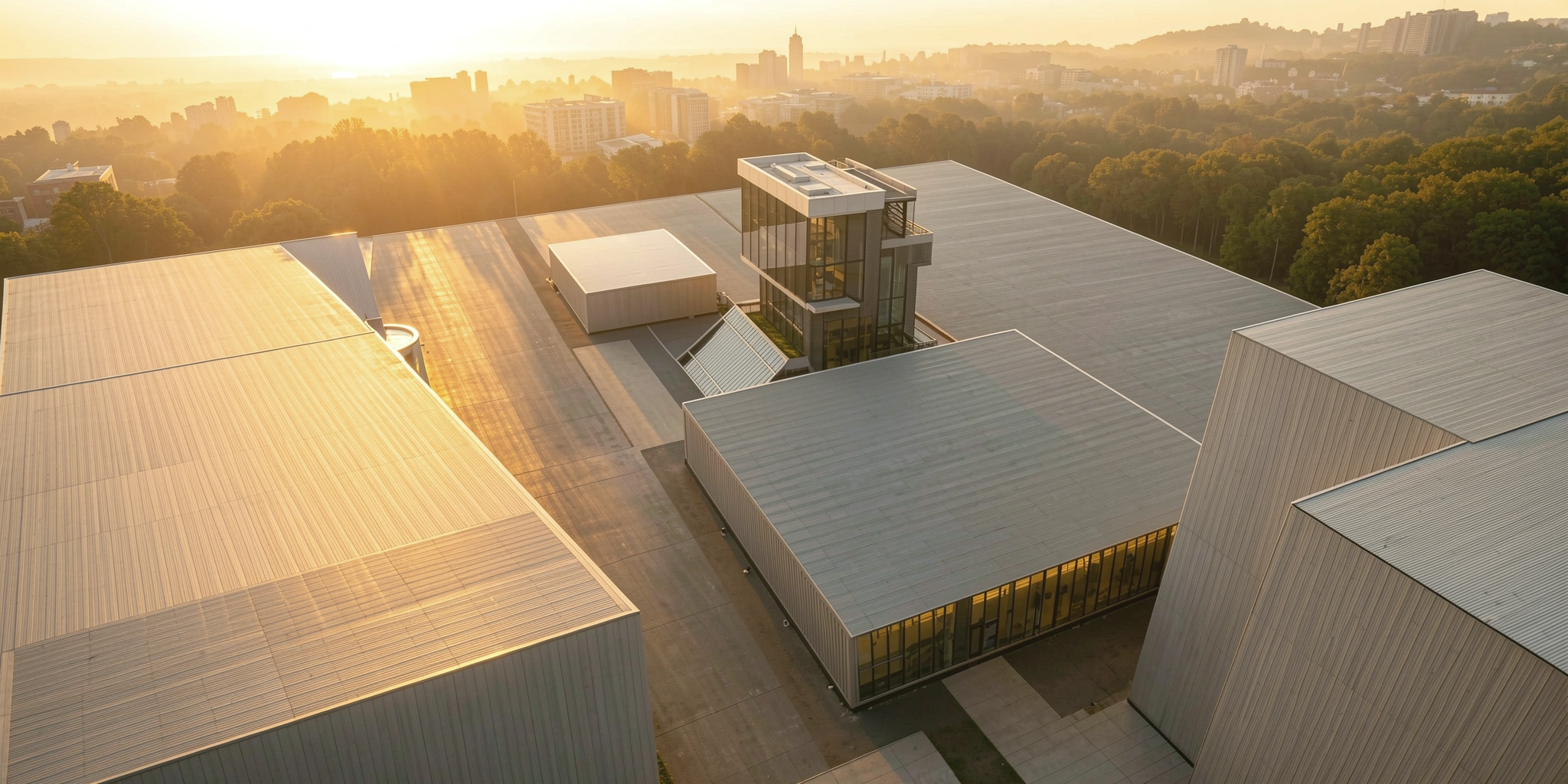
The use of four repeated structural bays is a rational response to the competing demands of economy, flexibility, and architectural expression. This strategy supports prefabrication or slipform construction of reinforced concrete columns and slabs, allowing cost-effective repetition (Brand, 1994). The decision to maintain structural continuity across bays while enabling visual and spatial differentiation reflects a hybrid logic of modular repetition and bespoke enclosure, common in advanced industrial design (Till and Schneider, 2007). The podium structure, which includes a cantilevered concrete roof acting as a canopy, is a further example of structure supporting architectural expression, defining thresholds and protecting circulation routes—particularly important in temperate climates where year-round outdoor usability is valued.

Structural Response to Programmatic and Safety Requirements

The positioning of manufacturing activity at upper levels is an unconventional strategy, demanding particular structural attention: While not supporting heavyweight equipment, the slabs must resist concentrated live loads from small machinery, with appropriate design according to Eurocode 2 or ACI 318 standards (EN 1992-1-1, 2004). The elevated location of machinery also enhances security and safety, distancing visitors from operational zones—a spatial strategy supported by the building’s vertical zoning and made feasible by concrete’s capacity to carry point loads and accommodate vibration isolation measures. The separation of machinery from ground level enables the ground floor to function more flexibly, integrating logistics, circulation, and interface with adjacent facilities.

Overview

The structural design of this light industrial building leverages the versatility of reinforced concrete to enable programmatic separation, acoustic isolation, sculptural form, and efficient construction. Across all three design options, the structure is not merely a passive system but an active participant in spatial, environmental, and functional performance. By aligning structural logic with circulation, zoning, and environmental response, this building exemplifies the integration of structure and architecture in the service of a complex industrial brief. Reinforced concrete emerges as the optimal medium for achieving this synthesis—combining robustness, adaptability, and expressive potential within the temperate climatic context.

References

Alexander, C., Ishikawa, S. and Silverstein, M. (1977) A Pattern Language: Towns, Buildings, Construction. New York: Oxford University Press.

Allen, E. and Iano, J. (2017) Fundamentals of Building Construction: Materials and Methods. 6th ed. Hoboken: Wiley.

Brand, S. (1994) How Buildings Learn: What Happens After They're Built. New York: Viking Press.

Elliott, N. (2012) Architectural Acoustics: Principles and Practice. Abingdon: Routledge.

Emmitt, S. and Gorse, C. (2018) Barry’s Introduction to Construction of Buildings. 4th ed. Chichester: Wiley-Blackwell.

EN 1992-1-1 (2004) Eurocode 2: Design of Concrete Structures – Part 1-1: General Rules and Rules for Buildings. Brussels: CEN.

Frampton, K. (1995) Studies in Tectonic Culture: The Poetics of Construction in Nineteenth and Twentieth Century Architecture. Cambridge, MA: MIT Press.

Lawson, R., Ogden, R. and Goodier, C. (2014) Design in Modular Construction. Abingdon: Routledge.

Lechner, N. (2015) Heating, Cooling, Lighting: Sustainable Design Methods for Architects. 4th ed. Hoboken: John Wiley & Sons.

Long, M. (2006) Architectural Acoustics. San Diego: Elsevier.

MacGinley, T.J. and Choo, B.S. (1990) Reinforced Concrete: Design Theory and Examples. London: E & FN Spon.

Nilson, A.H., Darwin, D. and Dolan, C.W. (2011) Design of Concrete Structures. 14th ed. New York: McGraw-Hill.

Ross, A. (2004) Concrete Architecture. Basel: Birkhäuser.

Salvadori, M. and Heller, R. (1975) Structure in Architecture: The Building of Buildings. Englewood Cliffs, NJ: Prentice Hall.

Taranath, B.S. (2011) Structural Analysis and Design of Tall Buildings: Steel and Composite Construction. Boca Raton: CRC Press.

Till, J. and Schneider, T. (2007) Flexible Housing. Oxford: Architectural Press.