
Resort Hotel — Environmental Infrastructure and Lifecycle Adaptation
Structural Reasoning
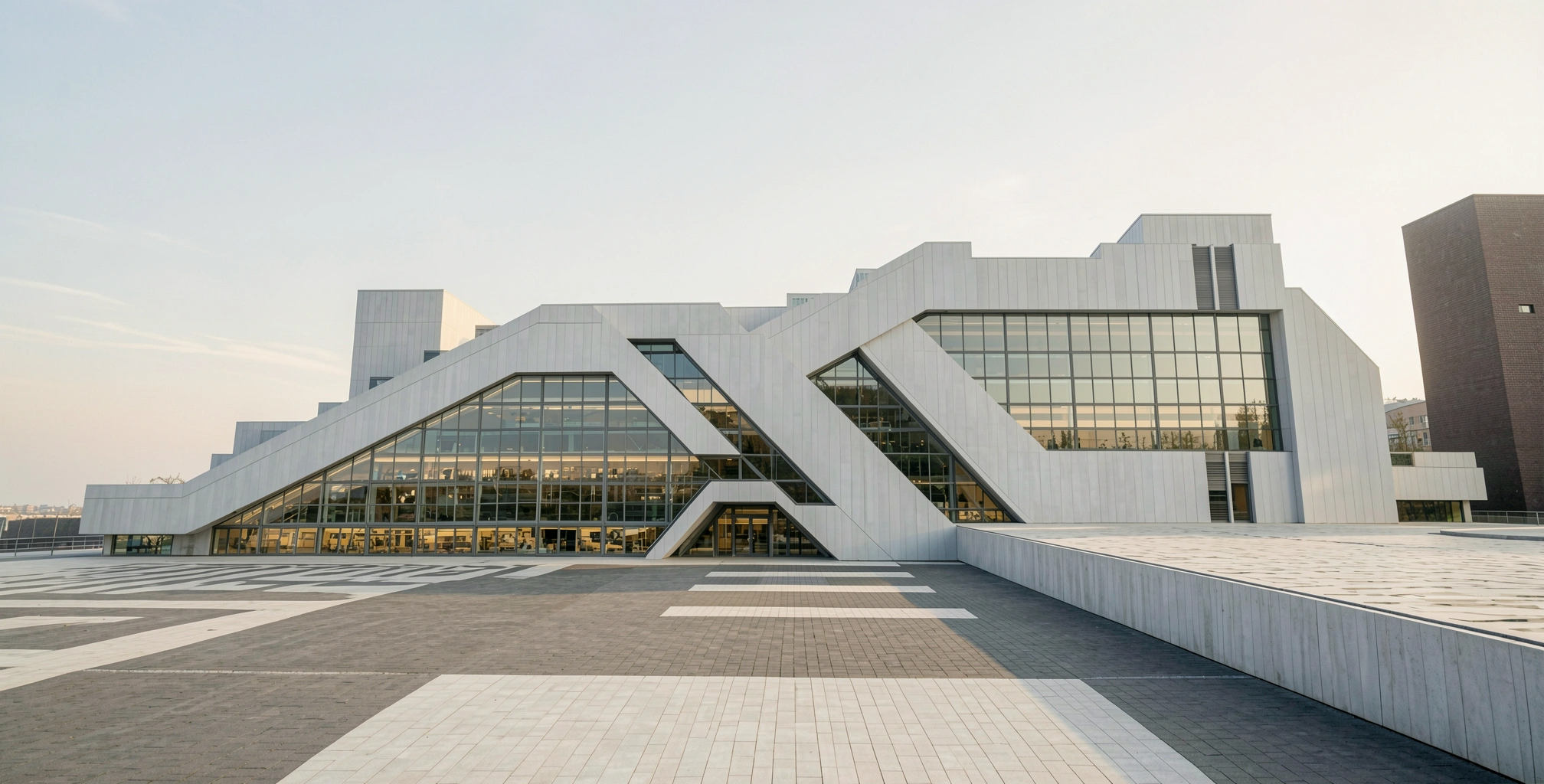
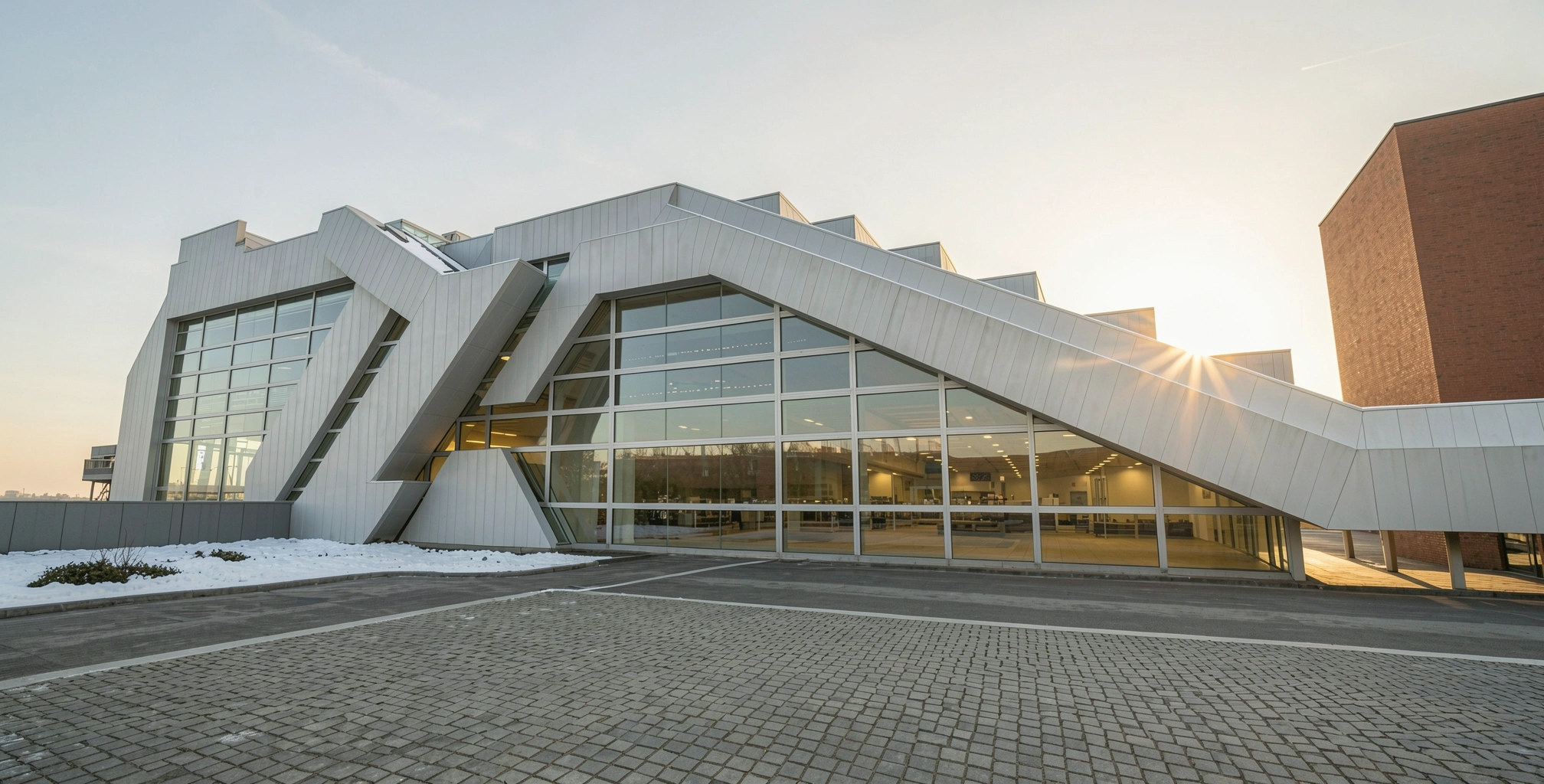
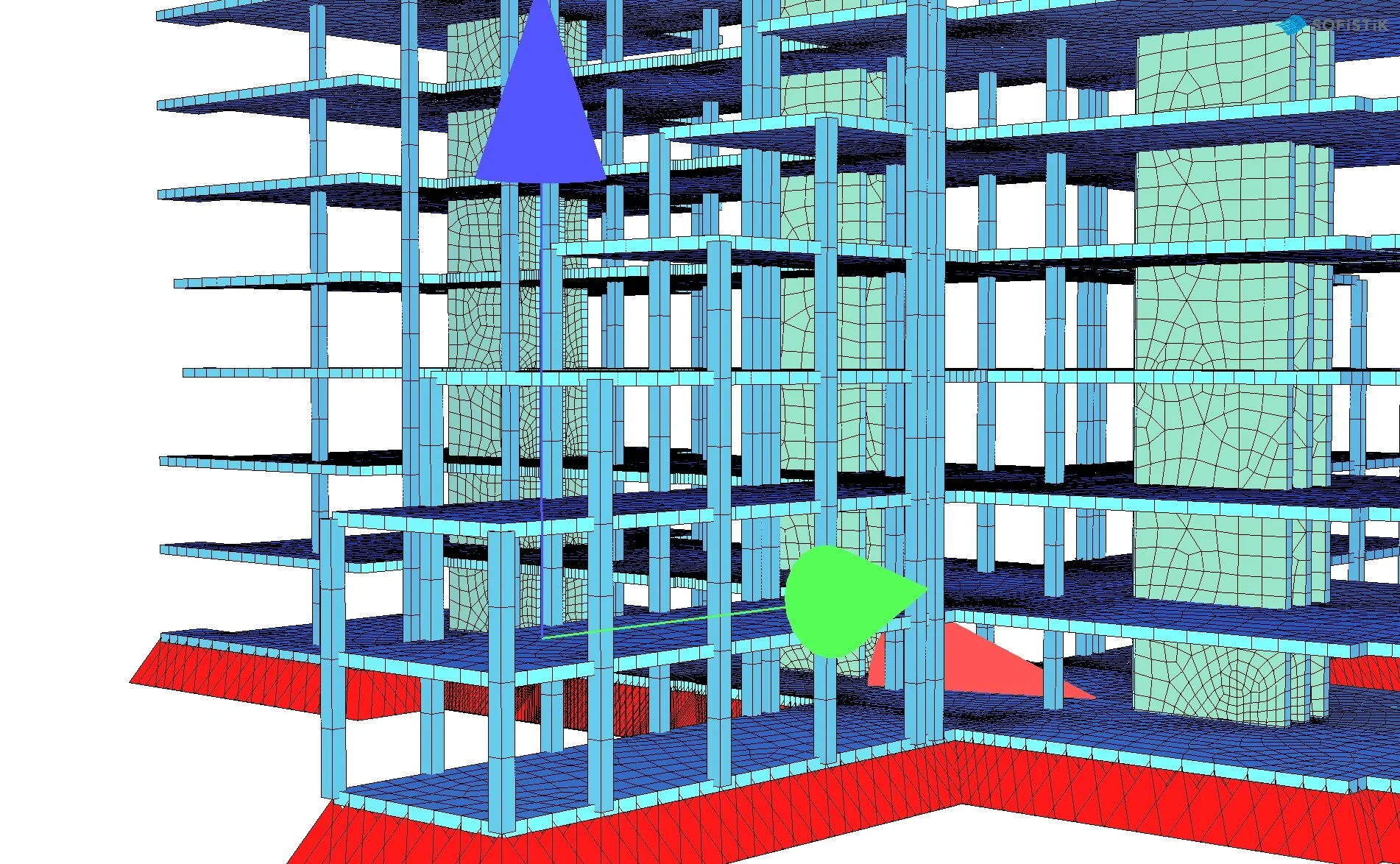
The Resort Hotel is organised through a primary structural framework designed to support environmental systems, circulation infrastructure, and a series of independent façade assemblies. Floor slabs span between columns and beams arranged to transfer loads directly to the foundations, establishing a durable structural order capable of accommodating changing environmental technologies throughout the building's life.
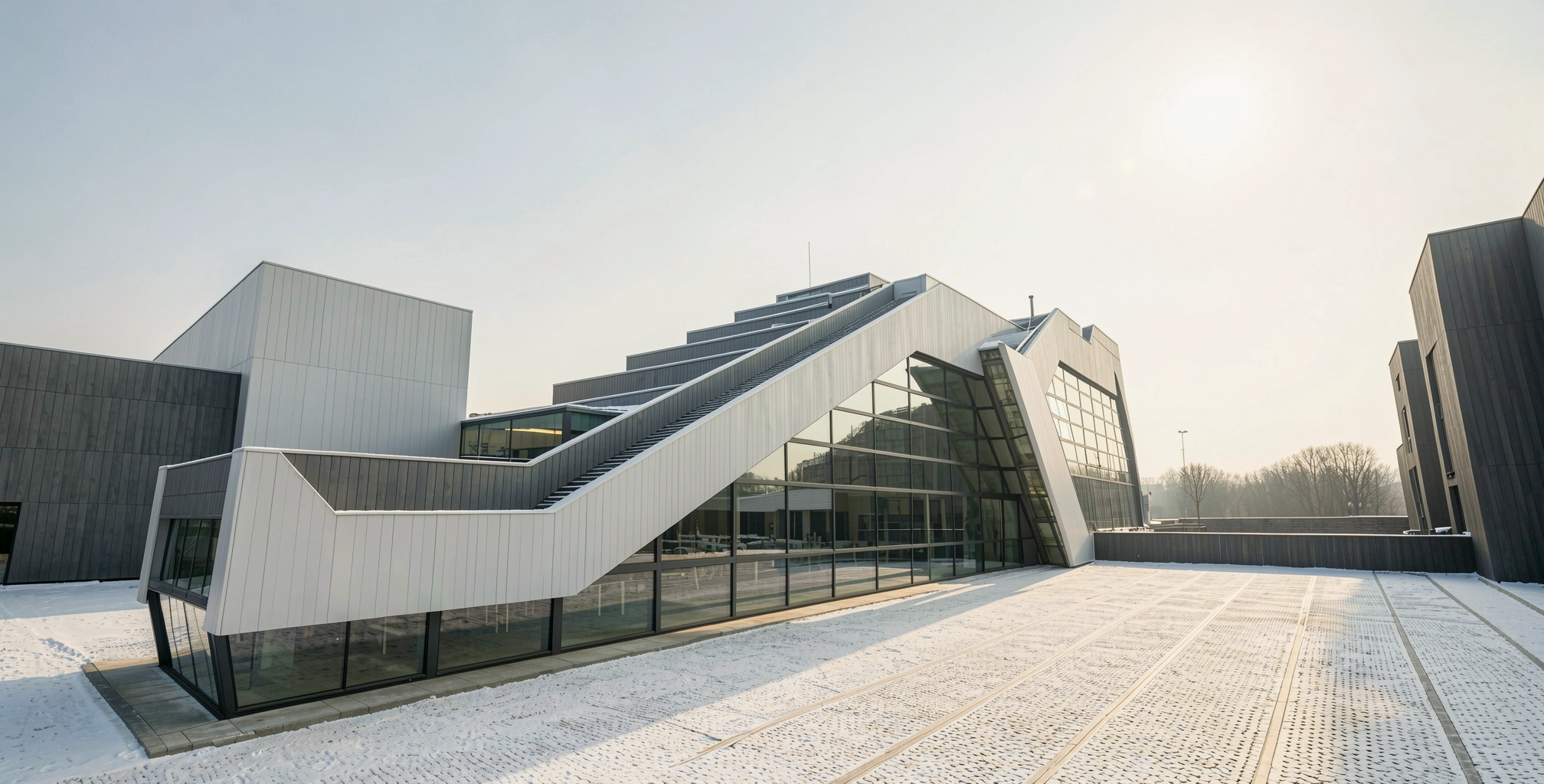
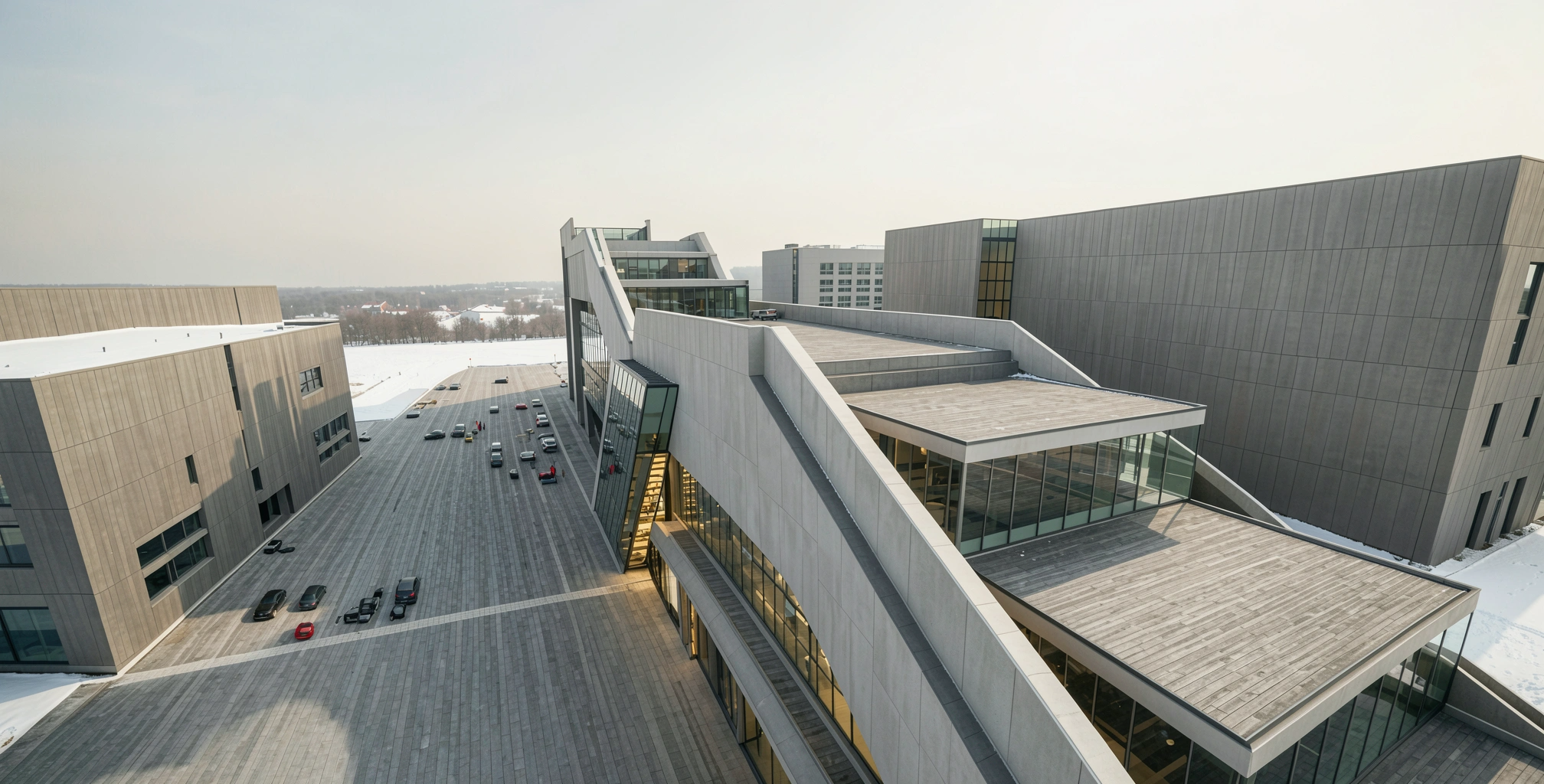
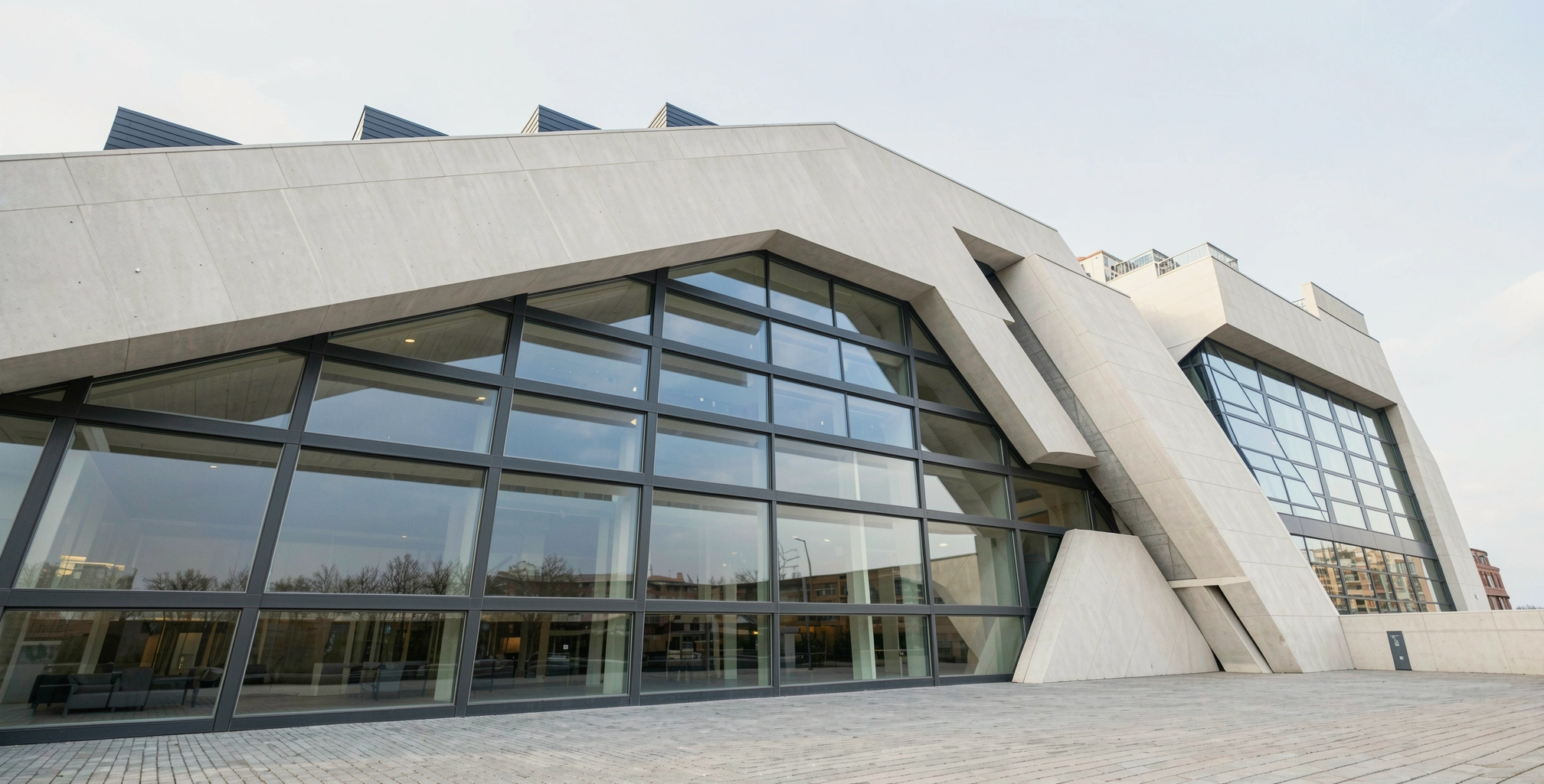
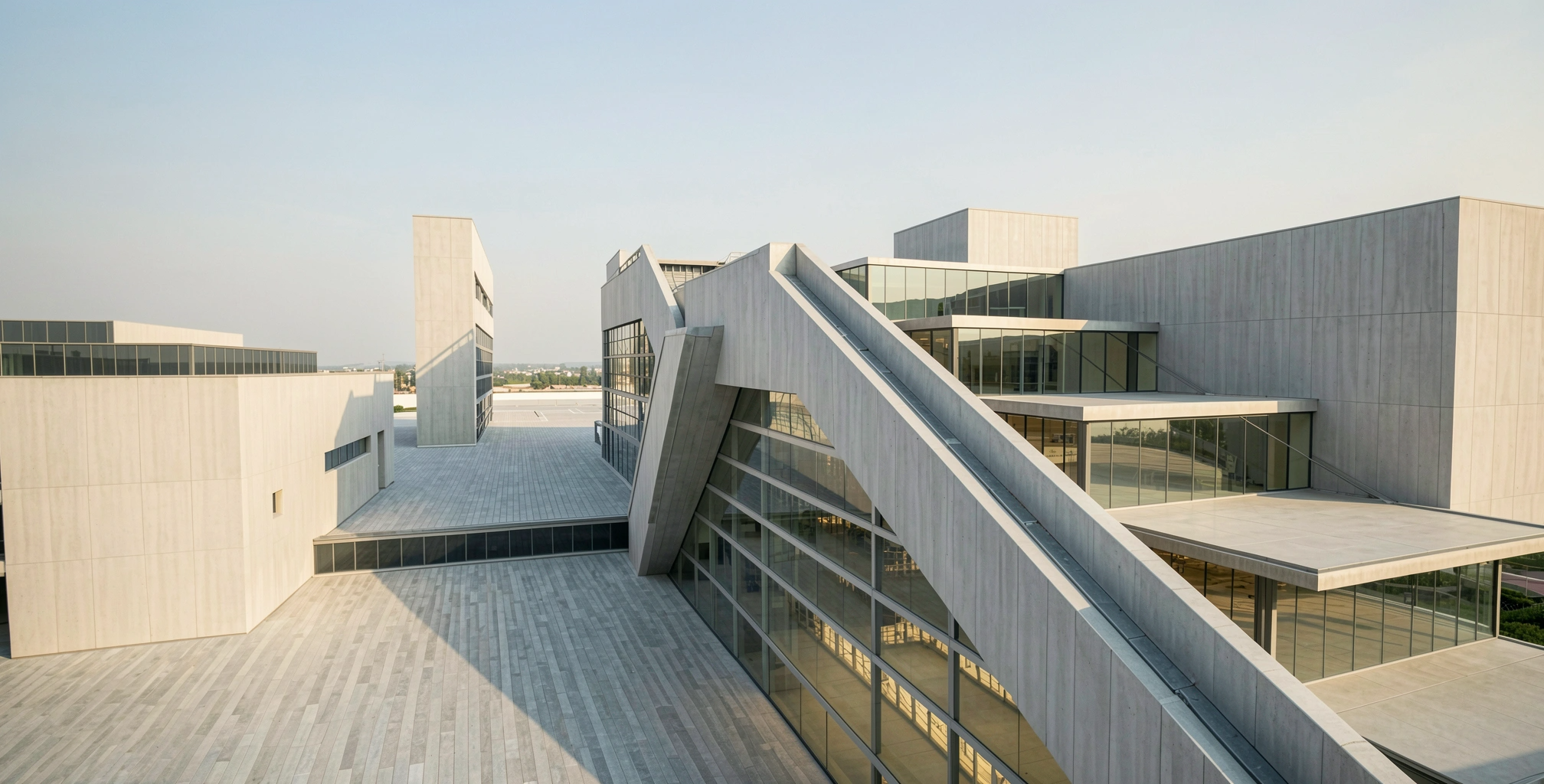
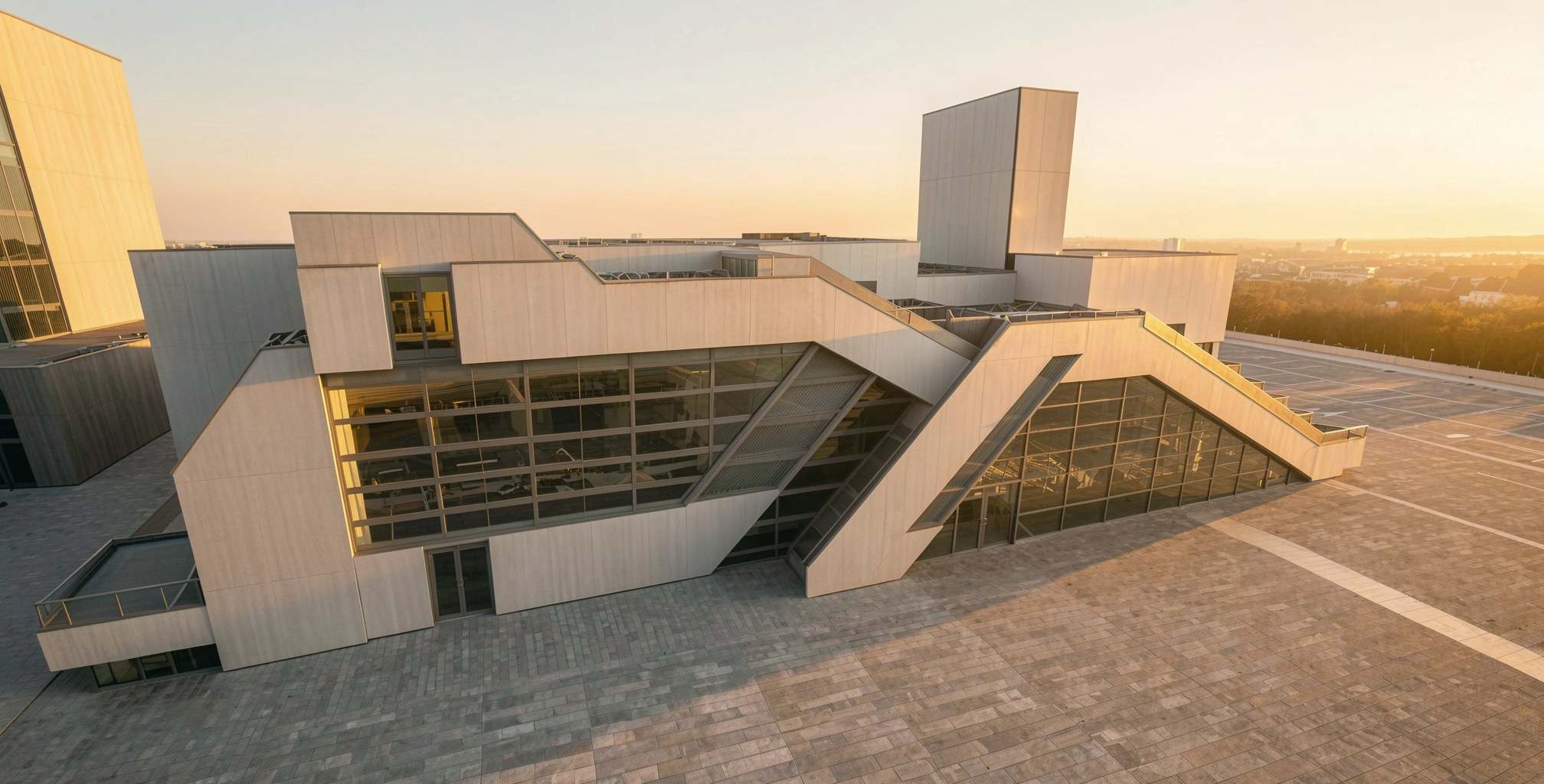
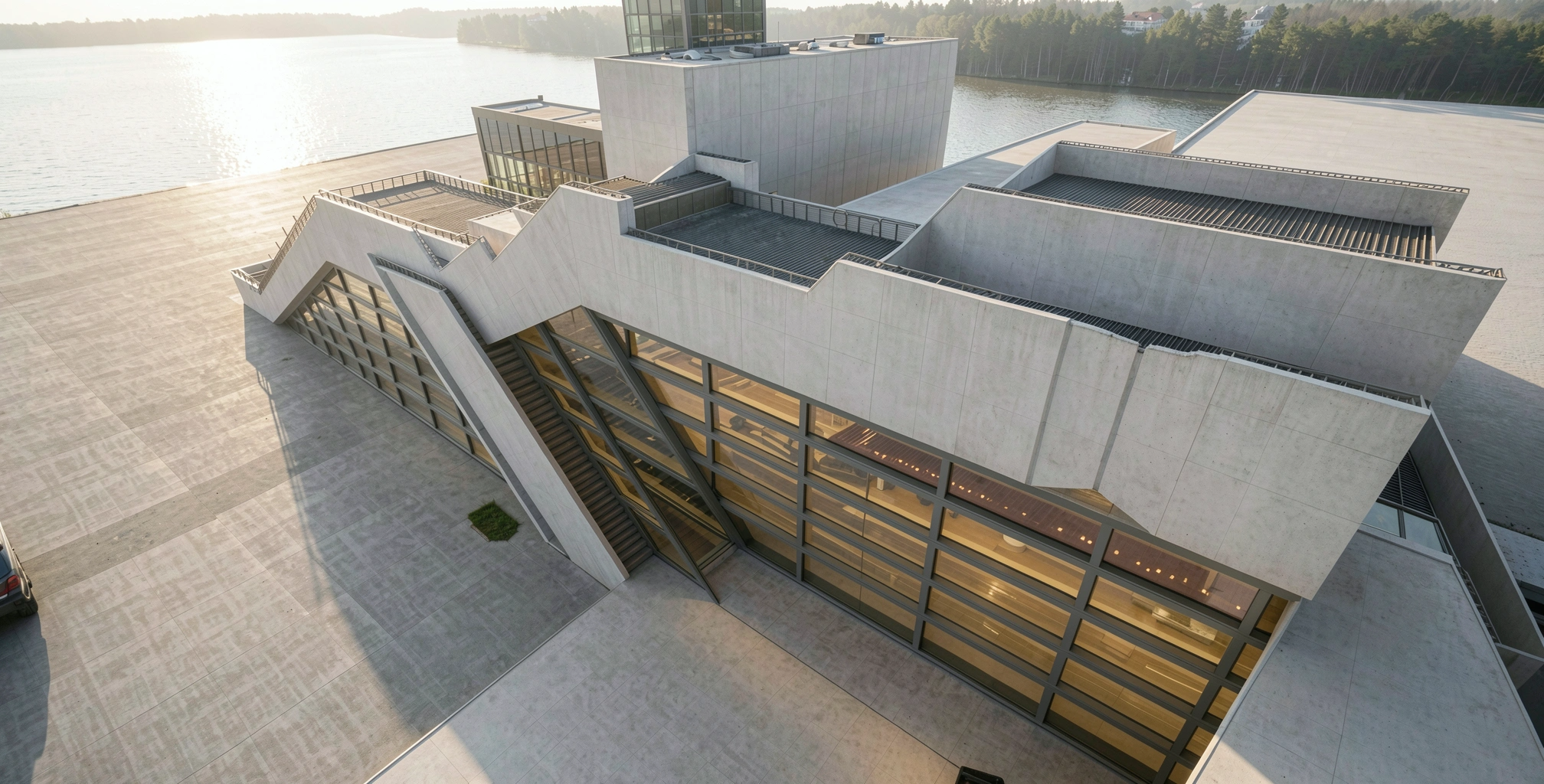
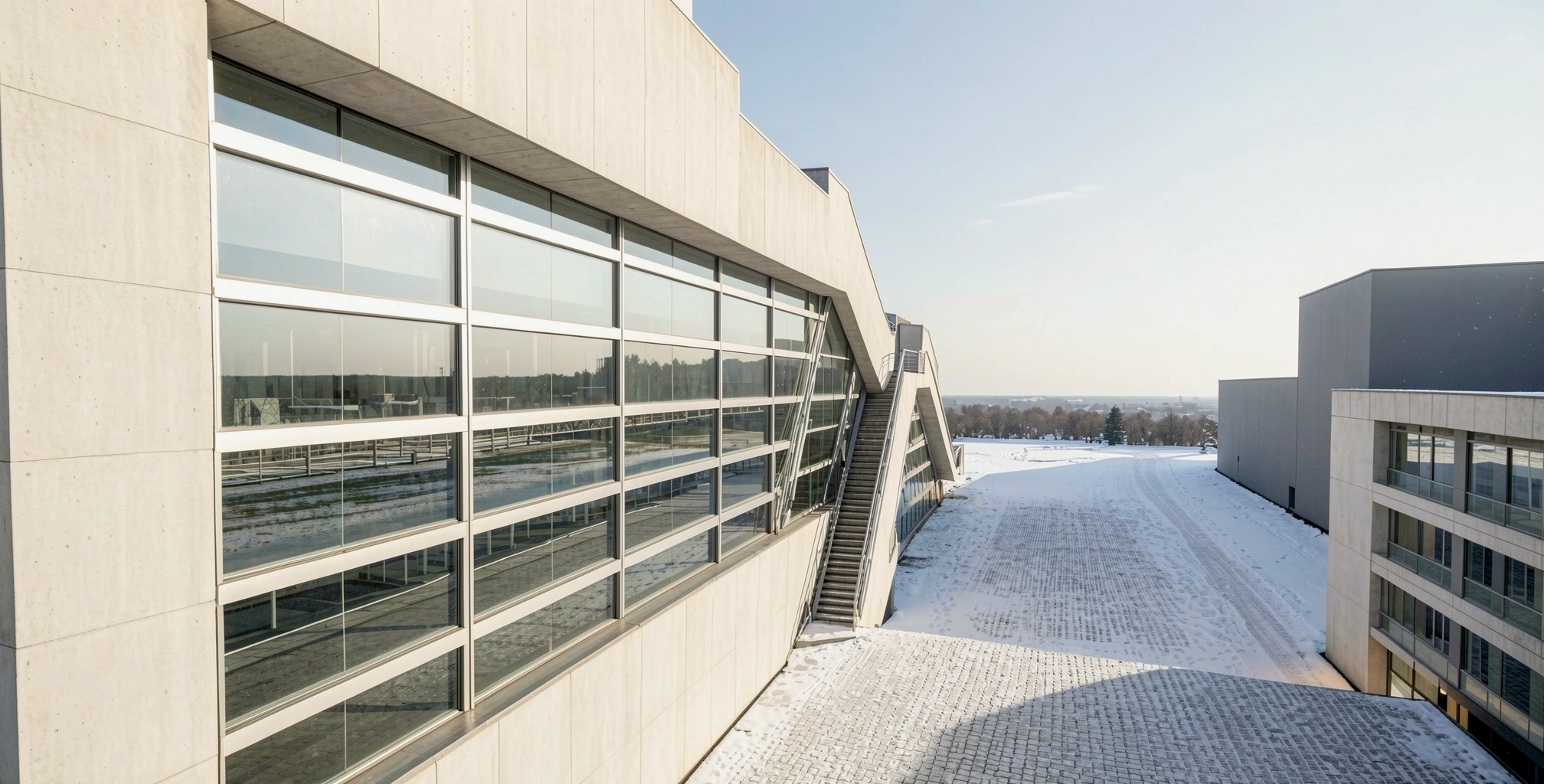
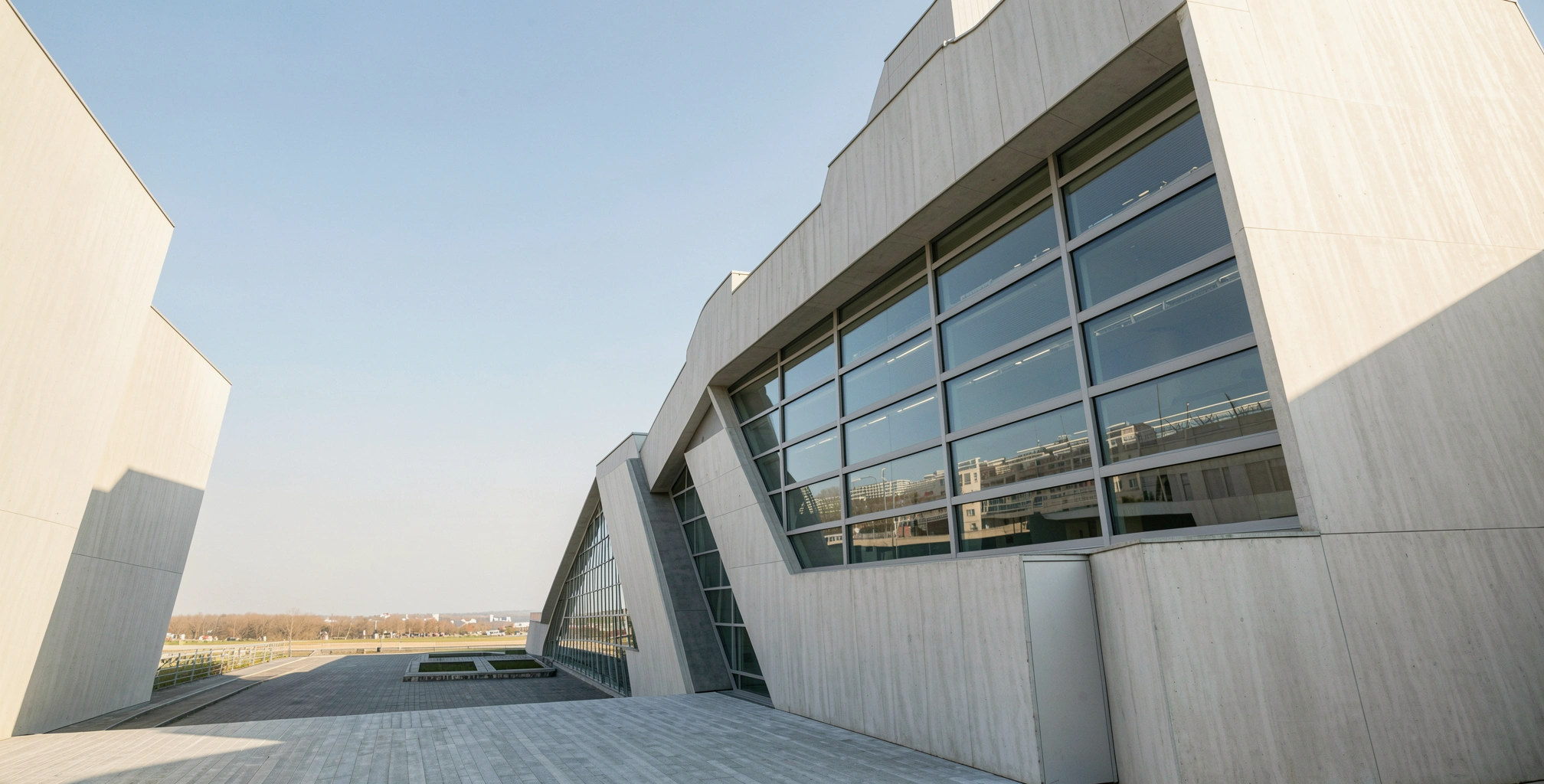
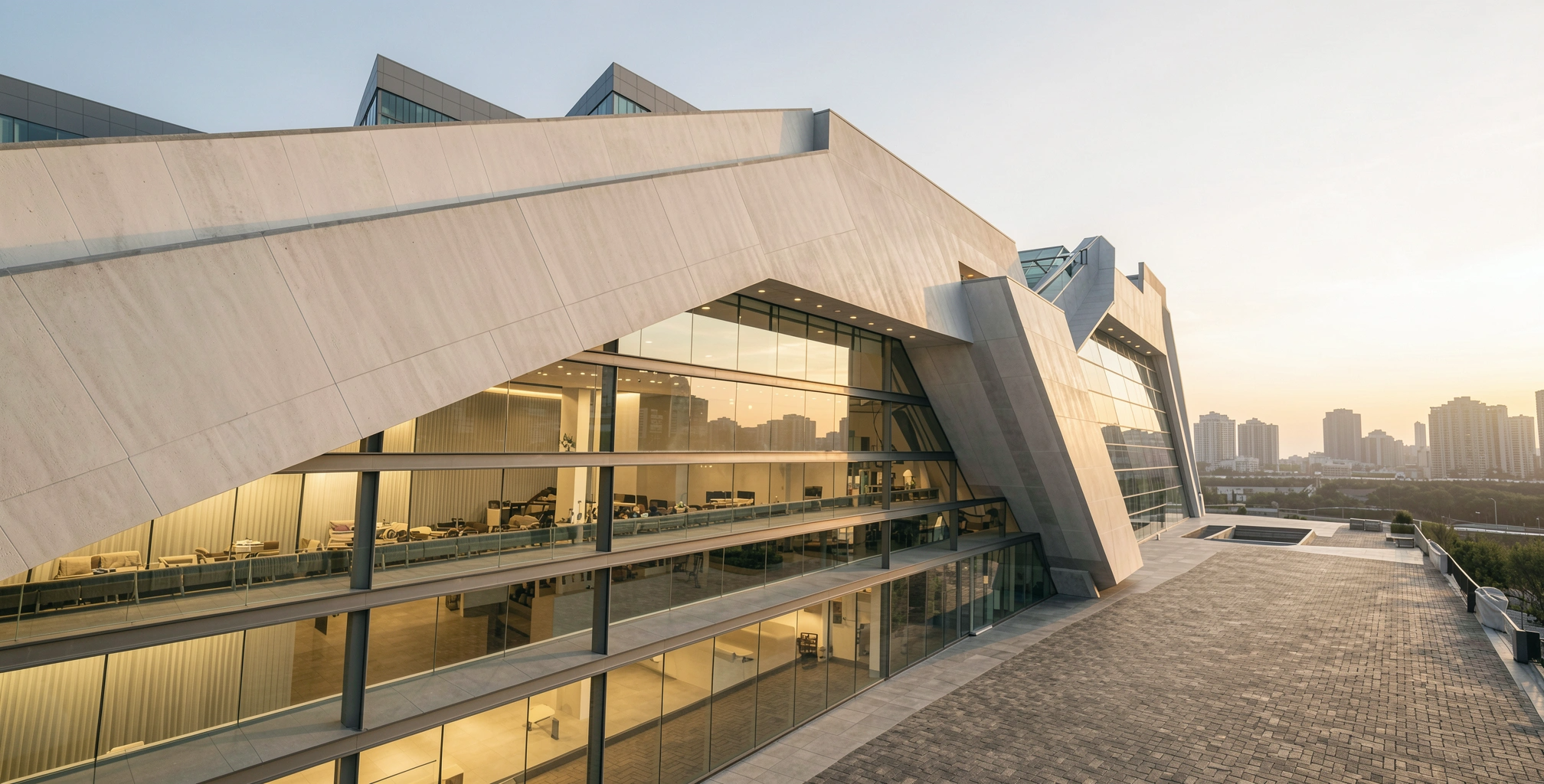
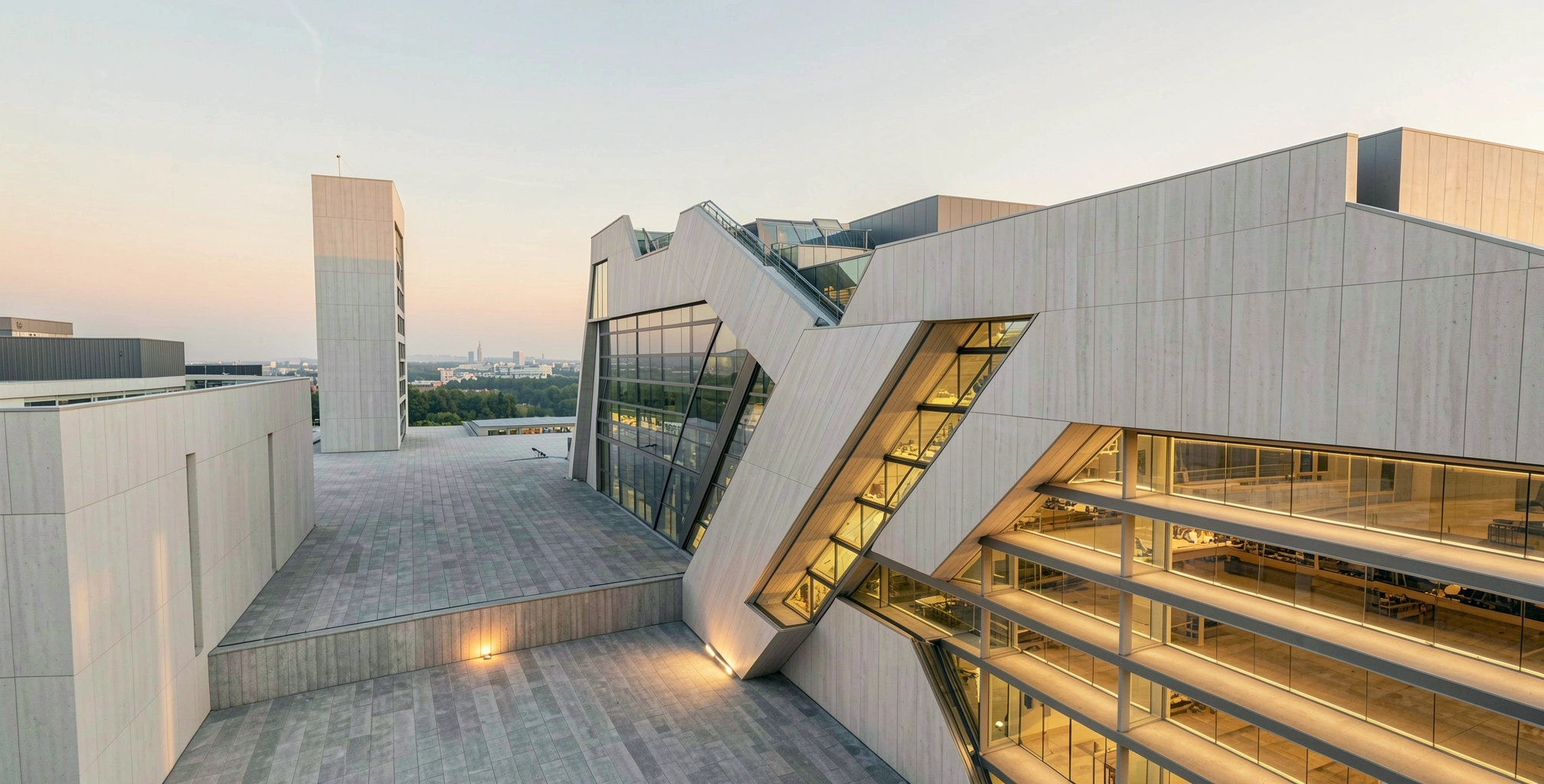
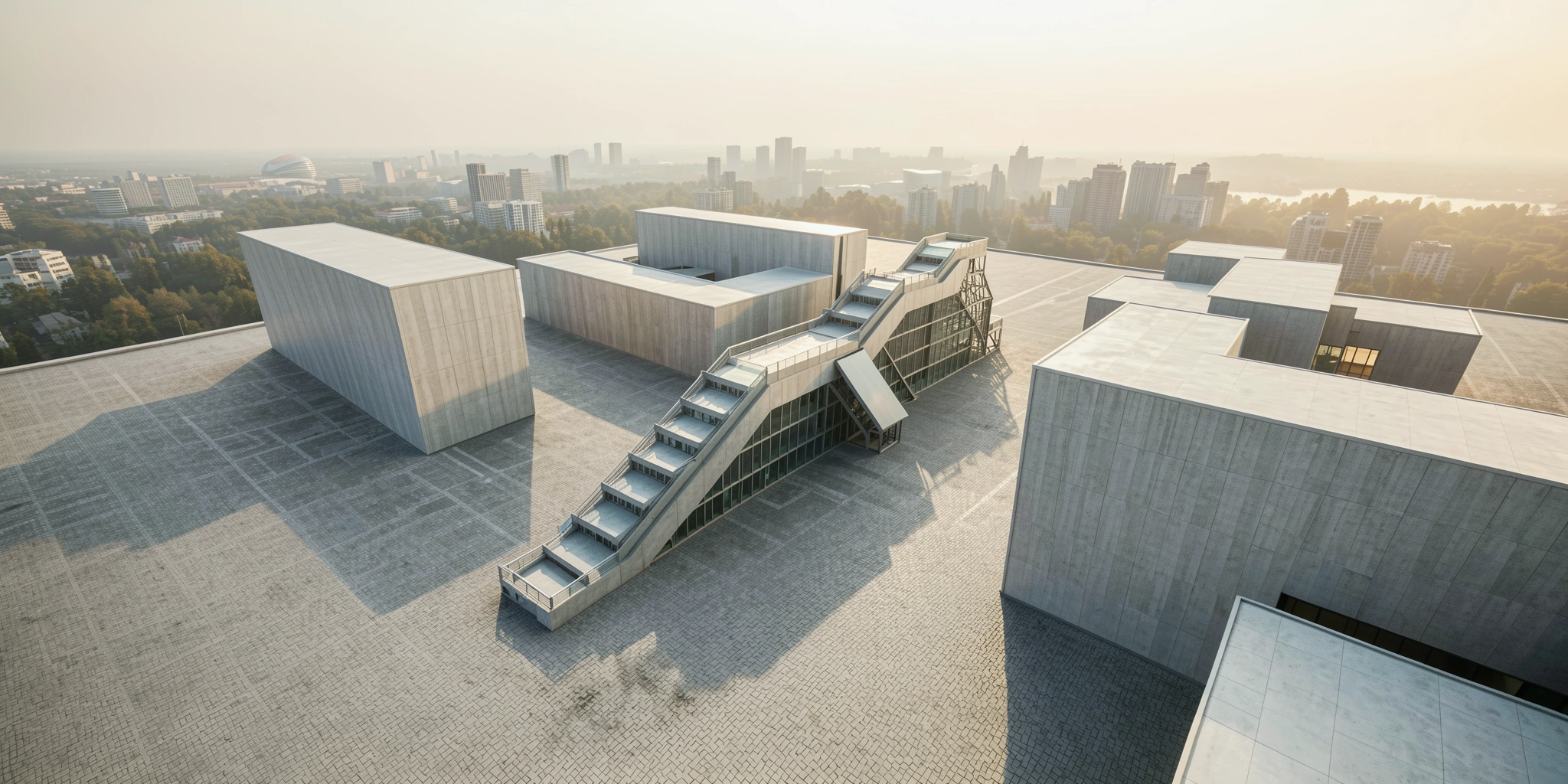
A defining characteristic of the project is the separation of long-life structural systems from shorter-life environmental components. Mechanical services, shading devices, façade panels, glazing systems, and maintenance infrastructure are integrated within the depth of the external envelope rather than concentrated on the roof. This approach preserves roof areas for occupation and amenity while allowing environmental systems to be maintained, upgraded, and replaced without disruption to the primary structure or hotel operations.
The structural framework therefore operates not only as a load-bearing system but also as an infrastructural support for environmental performance and long-term adaptation.
Material Behaviour
Materials are selected in response to the demanding environmental conditions typically associated with resort environments, including high levels of solar radiation, humidity, salt exposure, and continual occupation. While the primary structure is designed for long-term durability, external environmental components are recognised as elements with shorter operational lifecycles.
Façade panels, shading devices, glazing systems, ventilation equipment, and service modules are therefore conceived as replaceable assemblies attached to the primary structure through accessible fixing systems. Connections accommodate thermal movement, environmental exposure, and maintenance access while allowing components to be removed and upgraded as technologies evolve.
This distinction between permanent and replaceable elements enables the building to maintain environmental performance throughout its life while avoiding unnecessary intervention to the structural framework itself.
Environmental Response
Environmental performance is achieved through the integration of passive and active systems within the architectural organisation of the building. Service cores located along the building perimeter establish clear environmental zones that support flexible mechanical distribution while allowing hotel accommodation to remain adaptable over time.
Mechanical ventilation systems are integrated within the structural façade depth, creating an environmental layer that combines servicing, shading, maintenance access, and climatic buffering. By locating ventilation routes and environmental equipment within the façade zone, roof areas remain available for guest use while services remain accessible for inspection and replacement.
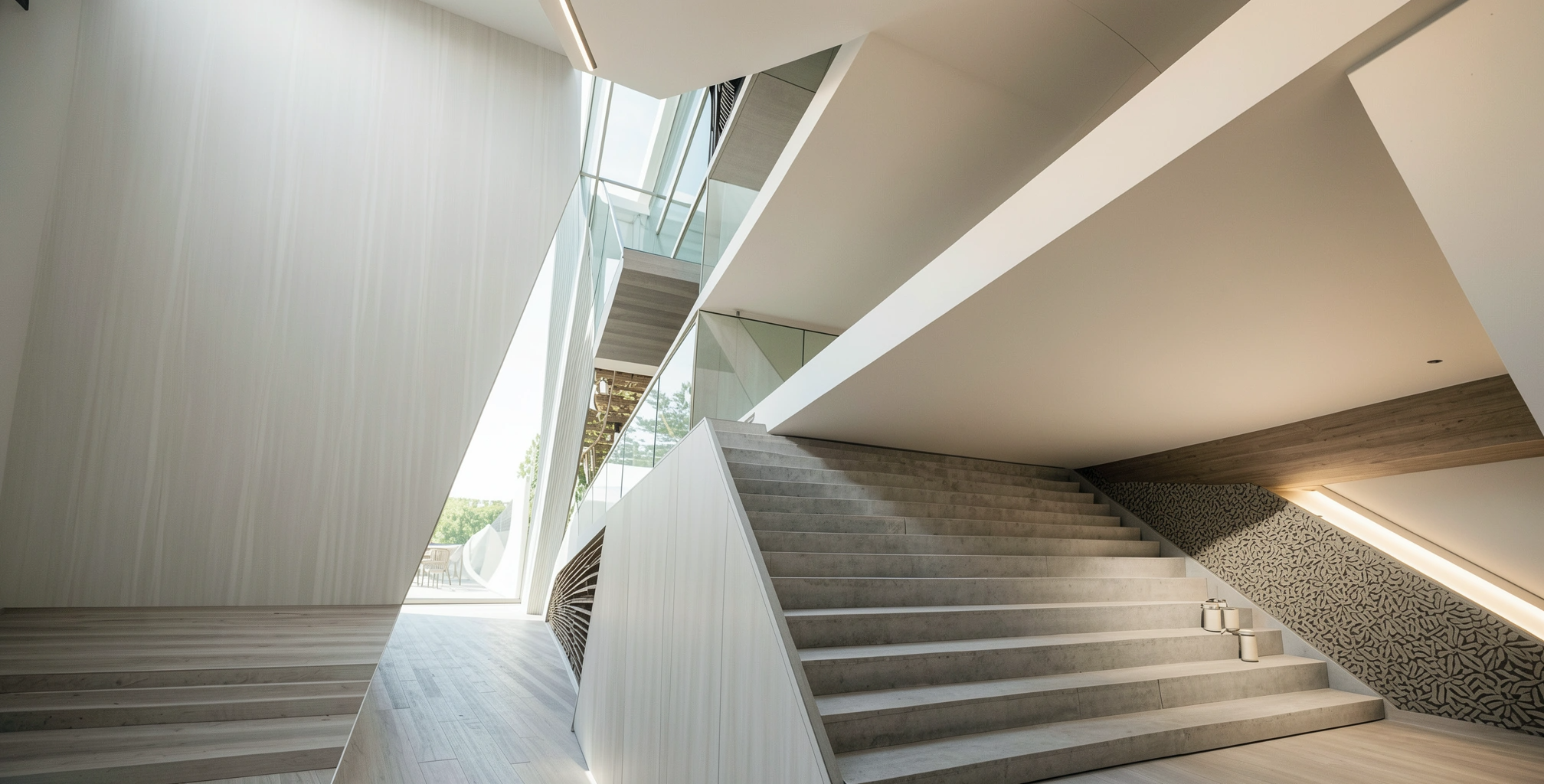
The environmental strategy combines mechanical systems with passive climatic moderation. Shading devices reduce solar gain on exposed elevations, while deep façade zones moderate heat transfer and protect occupied spaces from direct solar exposure. The spatial organisation of accommodation, circulation routes, and internal streets promotes opportunities for natural air movement and daylight penetration, reducing dependence on fully mechanical conditioning.
Swimming pools and associated water bodies operate as environmental moderators within the wider resort landscape. Their thermal mass contributes to the regulation of local microclimatic conditions while supporting broader cooling strategies across the development.
Environmental performance therefore emerges through the coordinated interaction of structure, servicing, enclosure, landscape, and occupation rather than through isolated mechanical systems.
Constructive Expression
The architectural character of the hotel emerges from the organisation of its environmental infrastructure. Shading devices, service zones, maintenance corridors, façade assemblies, and structural elements operate together as visible components of a coherent environmental system.
Differences in façade depth, shading density, and environmental exposure generate variation across the building envelope while the primary structural order remains consistent. The relationship between permanent structure and replaceable environmental systems becomes legible through the organisation of panels, service zones, and environmental control elements.
Expression therefore arises from the building's capacity to accommodate environmental change through maintenance, replacement, and adaptation. The architecture is understood not as a fixed object but as a durable framework supporting continual environmental recalibration throughout its operational life.