
Hotel — Environmental Performance Through Layered Construction
Environmental Organisation
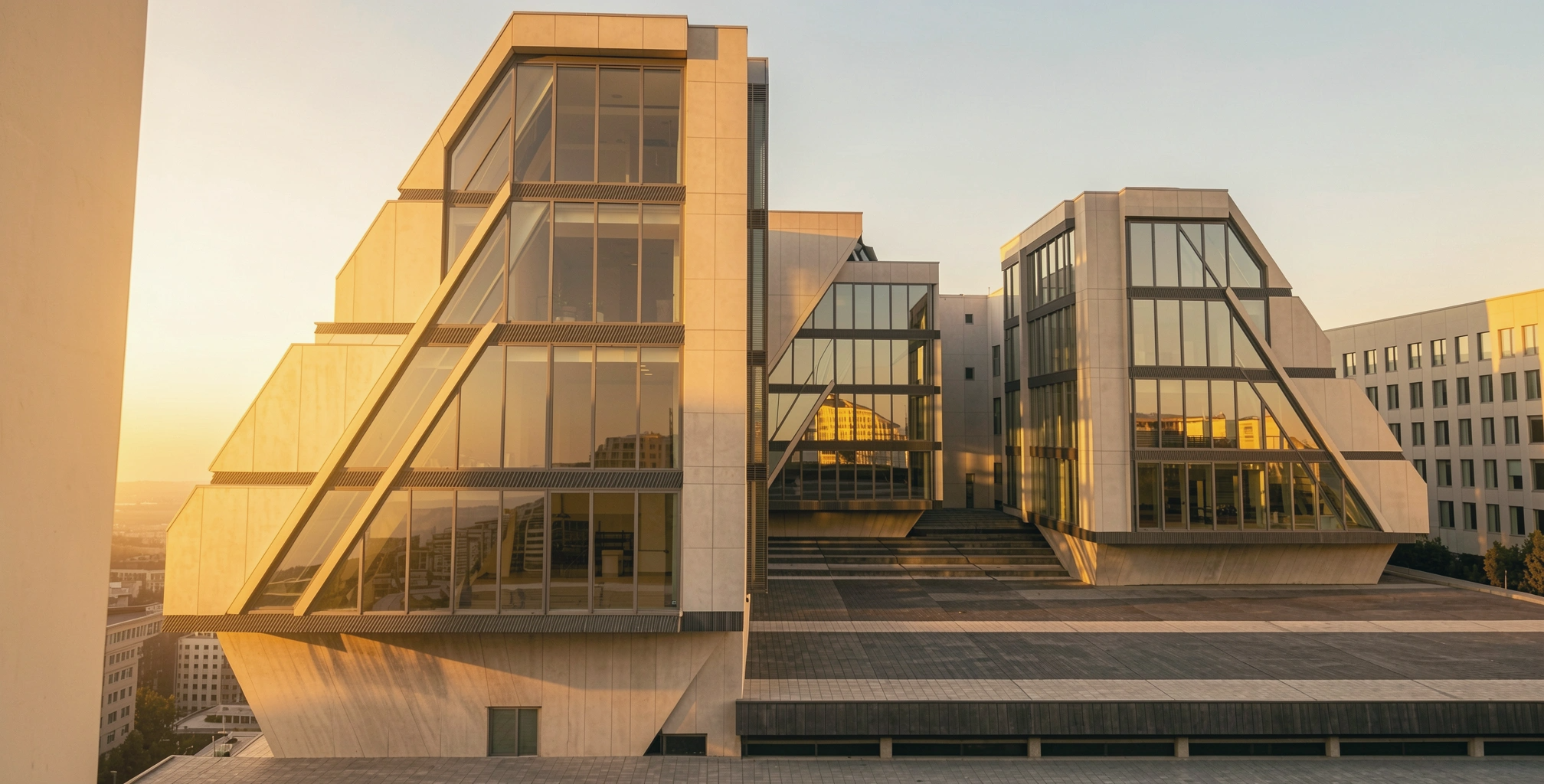
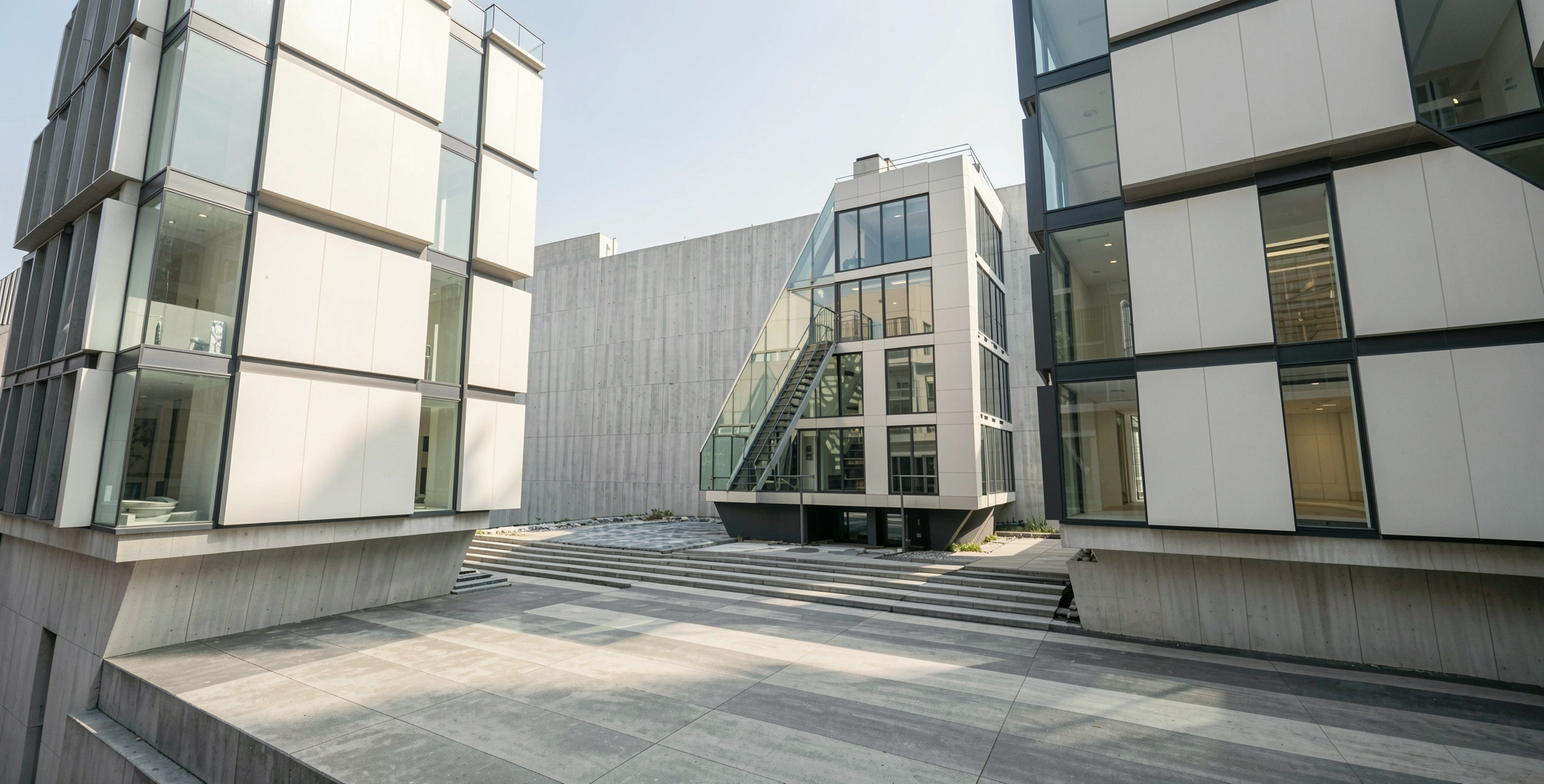
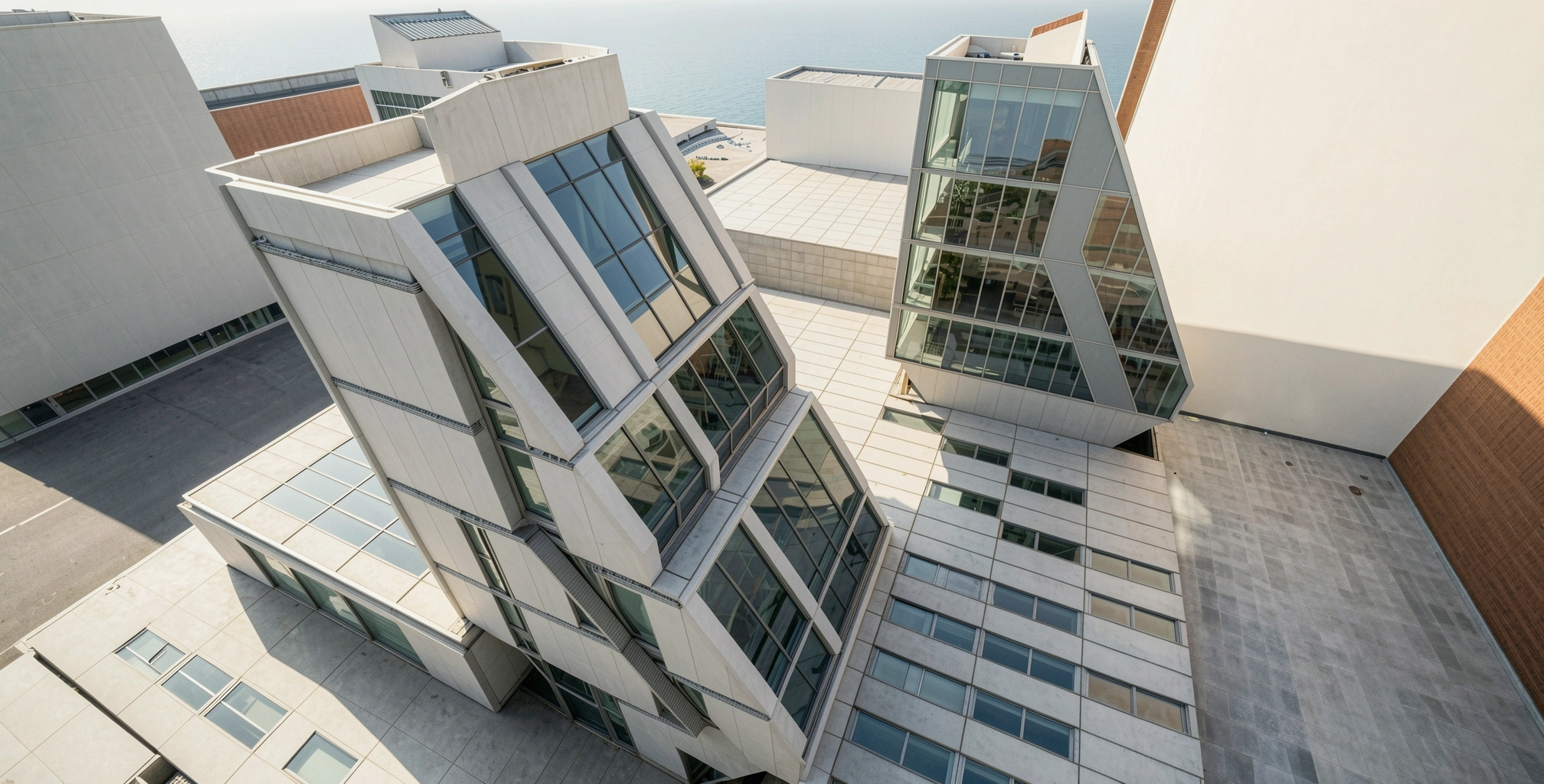
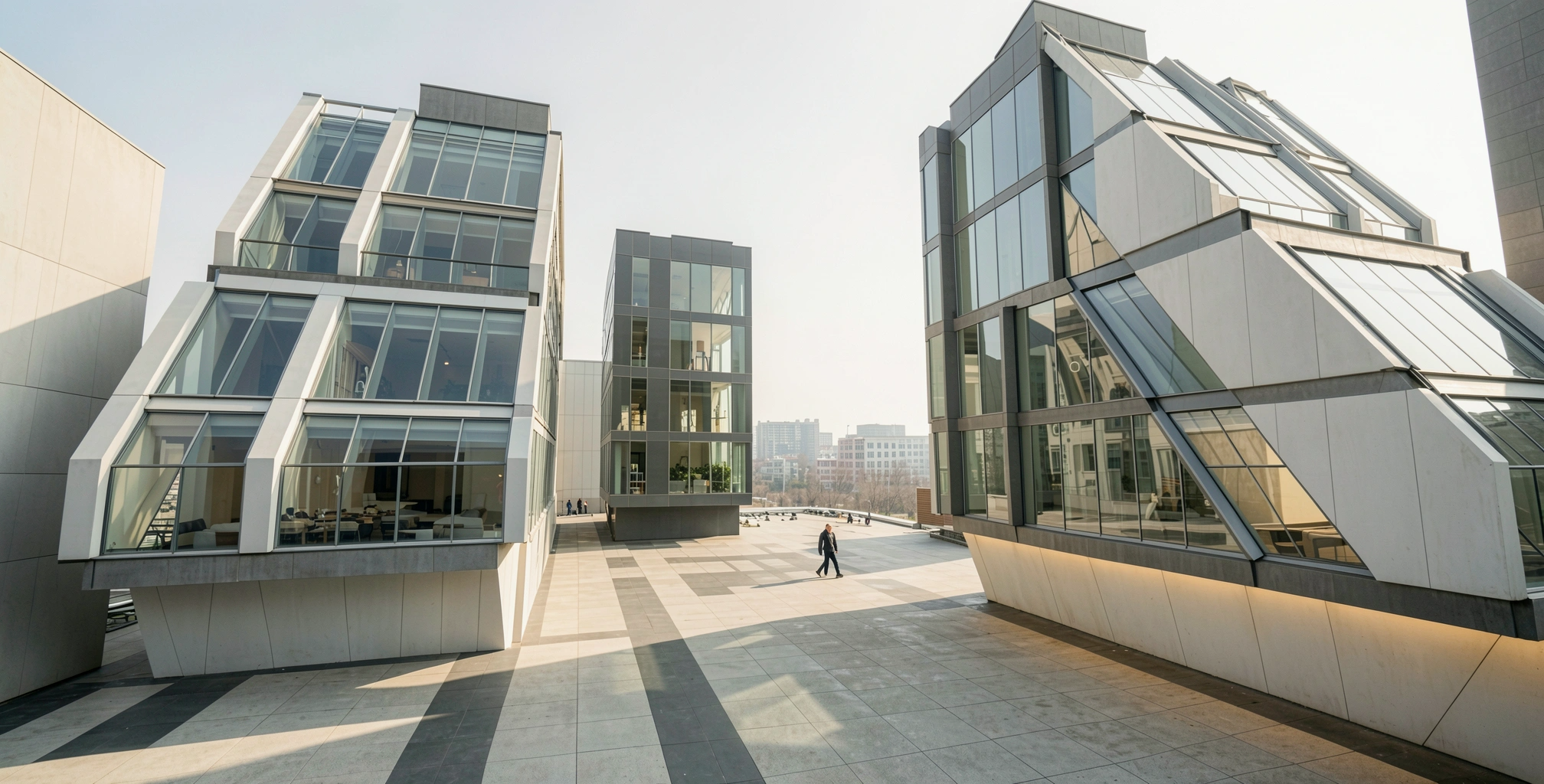
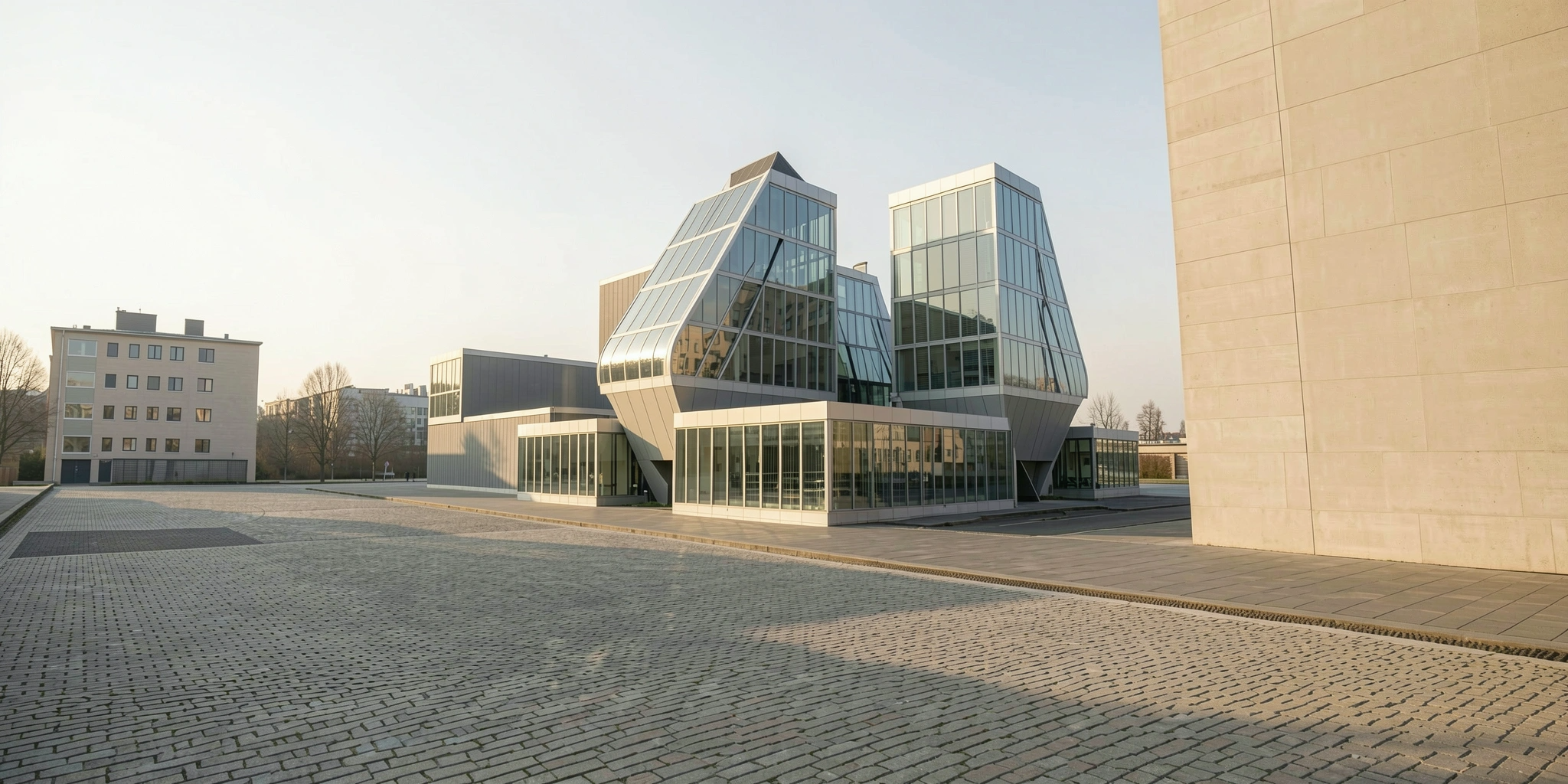
The Hotel is organised as a series of discrete environmental zones designed to respond to varying patterns of occupation, seasonal use, and climatic conditions. Individual accommodation units operate as independent environmental cells, allowing heating, ventilation, and environmental control to respond directly to occupancy rather than conditioning the building uniformly. Circulation spaces, shared facilities, and support areas are organised as separate environmental zones, reducing unnecessary energy consumption while improving operational flexibility.
This approach recognises that environmental performance depends not only upon the efficiency of individual systems but upon the organisation of space itself. The arrangement of accommodation, circulation, and shared facilities therefore establishes the environmental framework through which comfort, energy use, and adaptability are managed over time.
Layered Environmental Construction
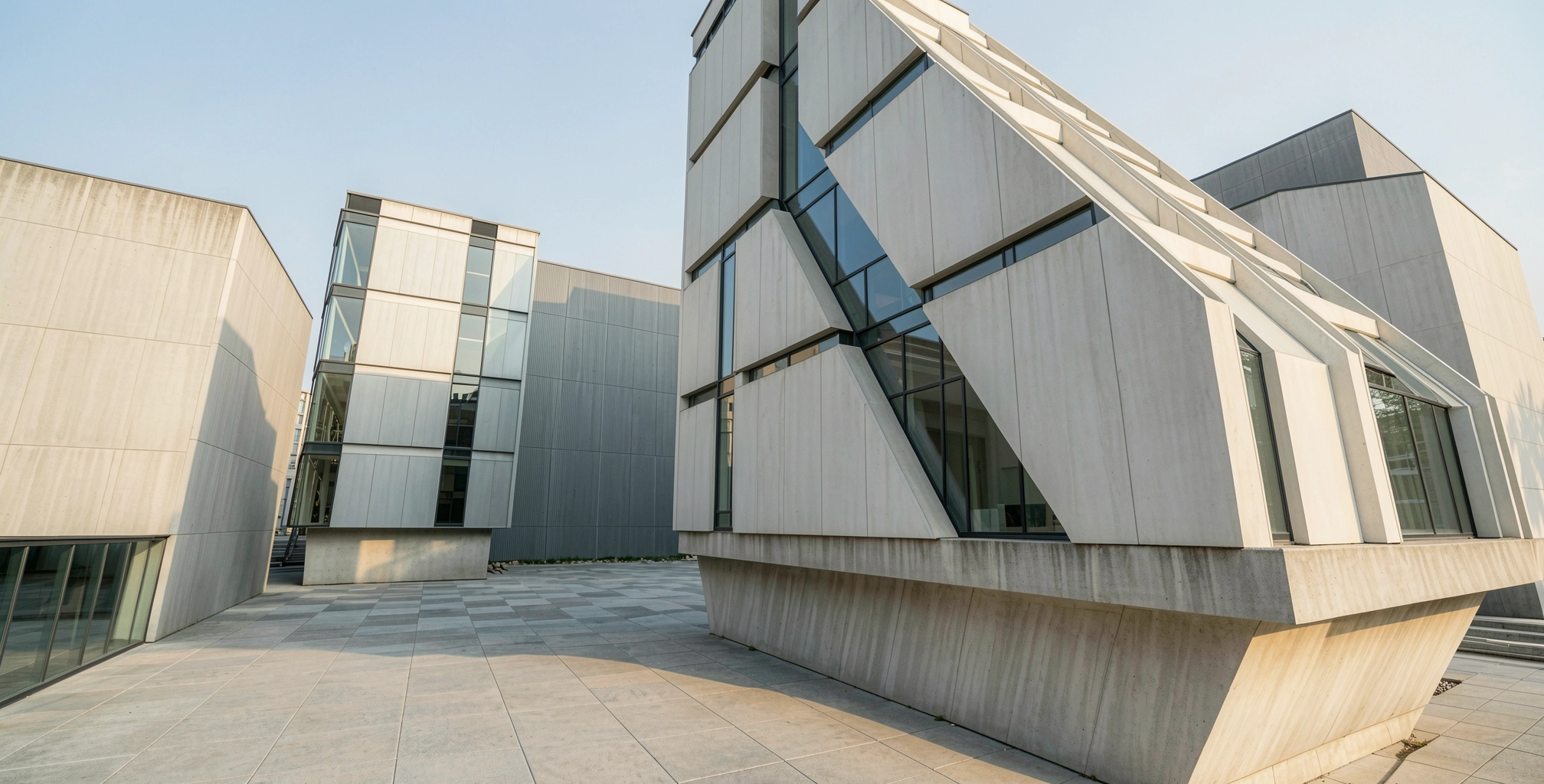
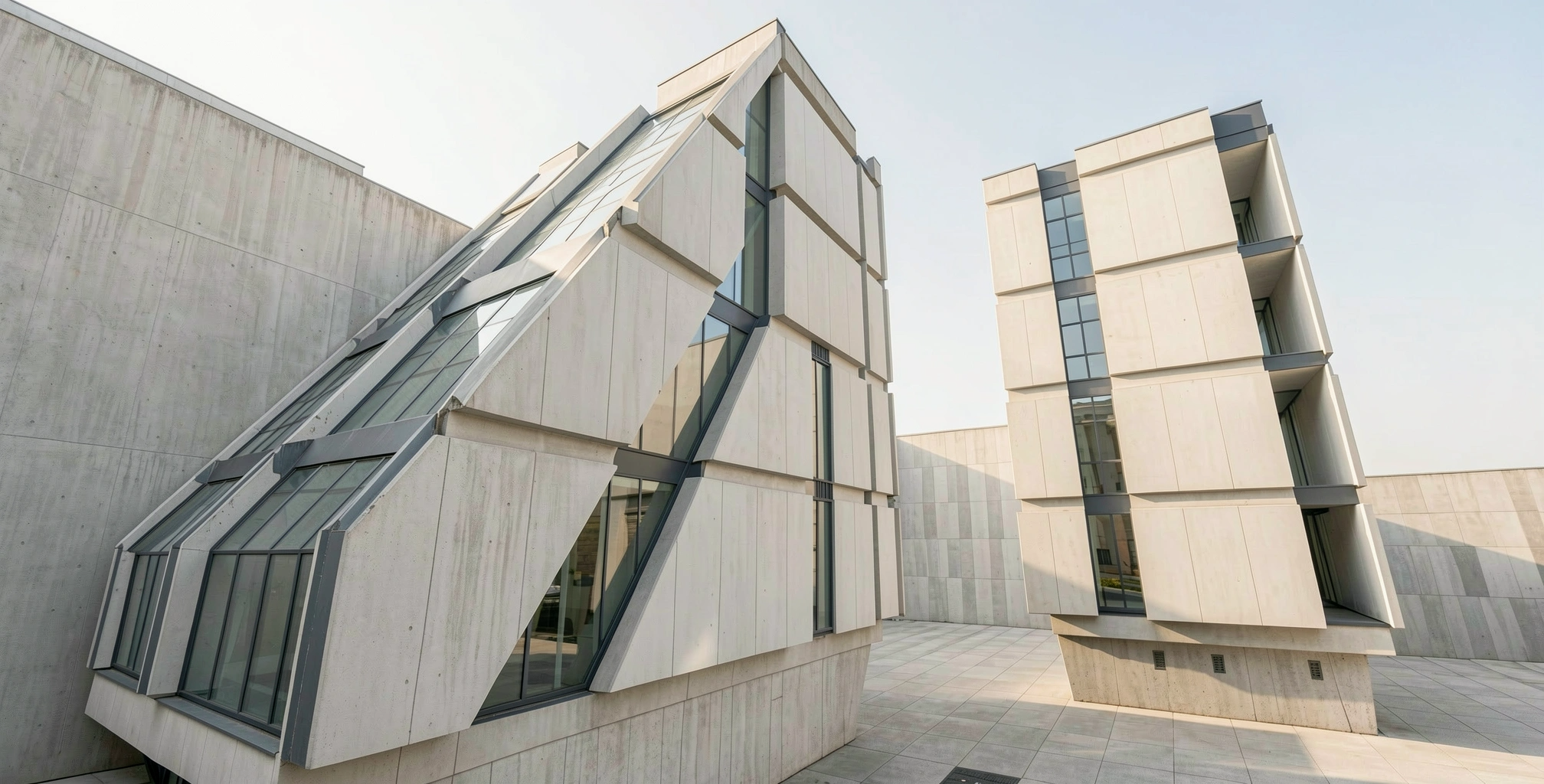
Environmental performance is achieved through the coordinated arrangement of material layers within the building envelope. Structure, insulation, air barriers, ventilation zones, waterproofing, cladding, and environmental control systems operate together as a layered assembly rather than as isolated components.
Each layer performs a specific role within the environmental strategy. Structural elements provide support and durability, insulation reduces heat transfer, ventilation cavities manage moisture and temperature, and external cladding protects the assembly from environmental exposure. The sequence of these layers is determined by their environmental function, ensuring that heat, air, moisture, and weather are managed progressively as they pass through the building envelope.
Performance therefore emerges from the coordination of the entire assembly rather than from any individual material or system.
Thermal Performance and Ventilation
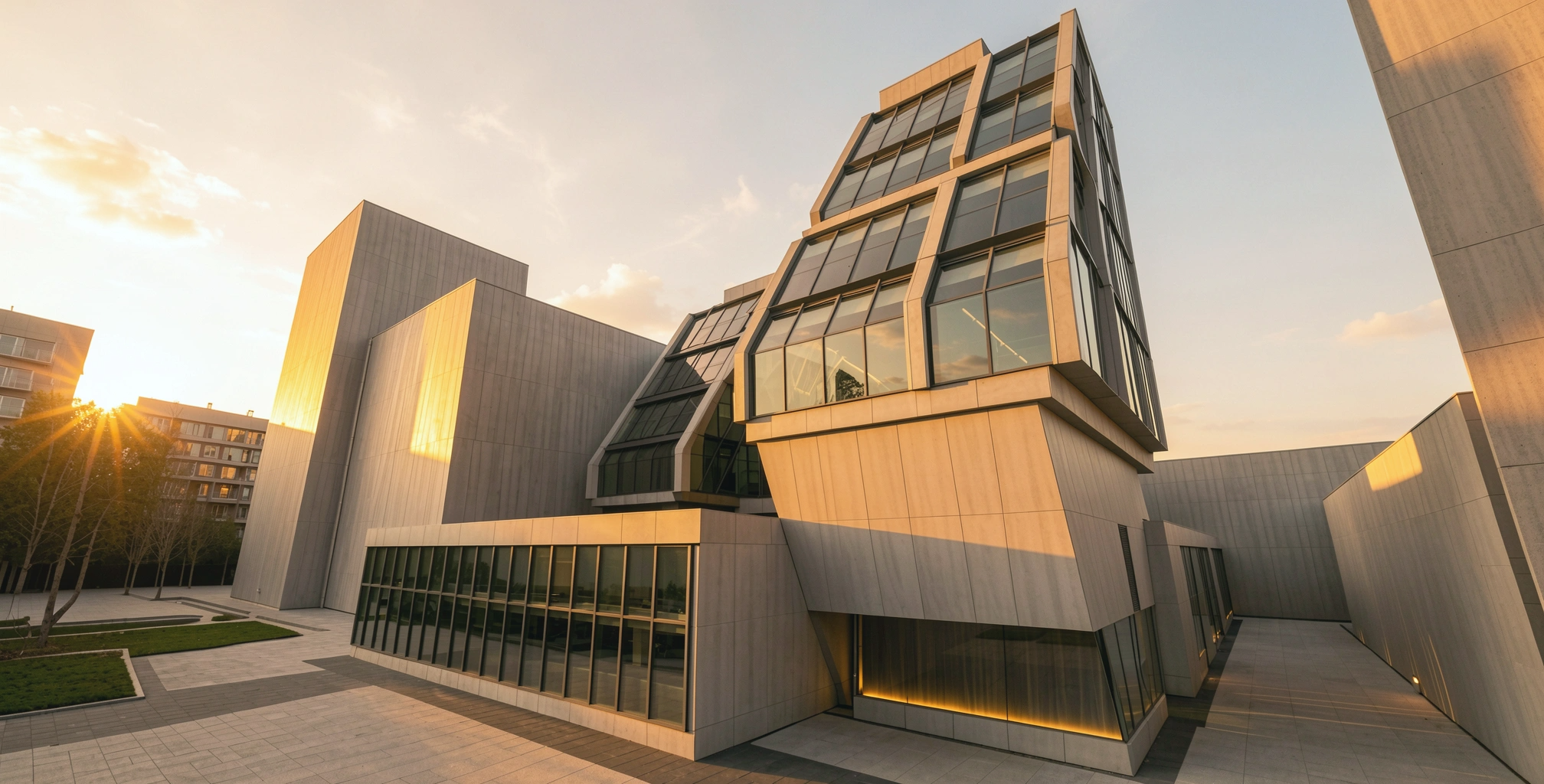
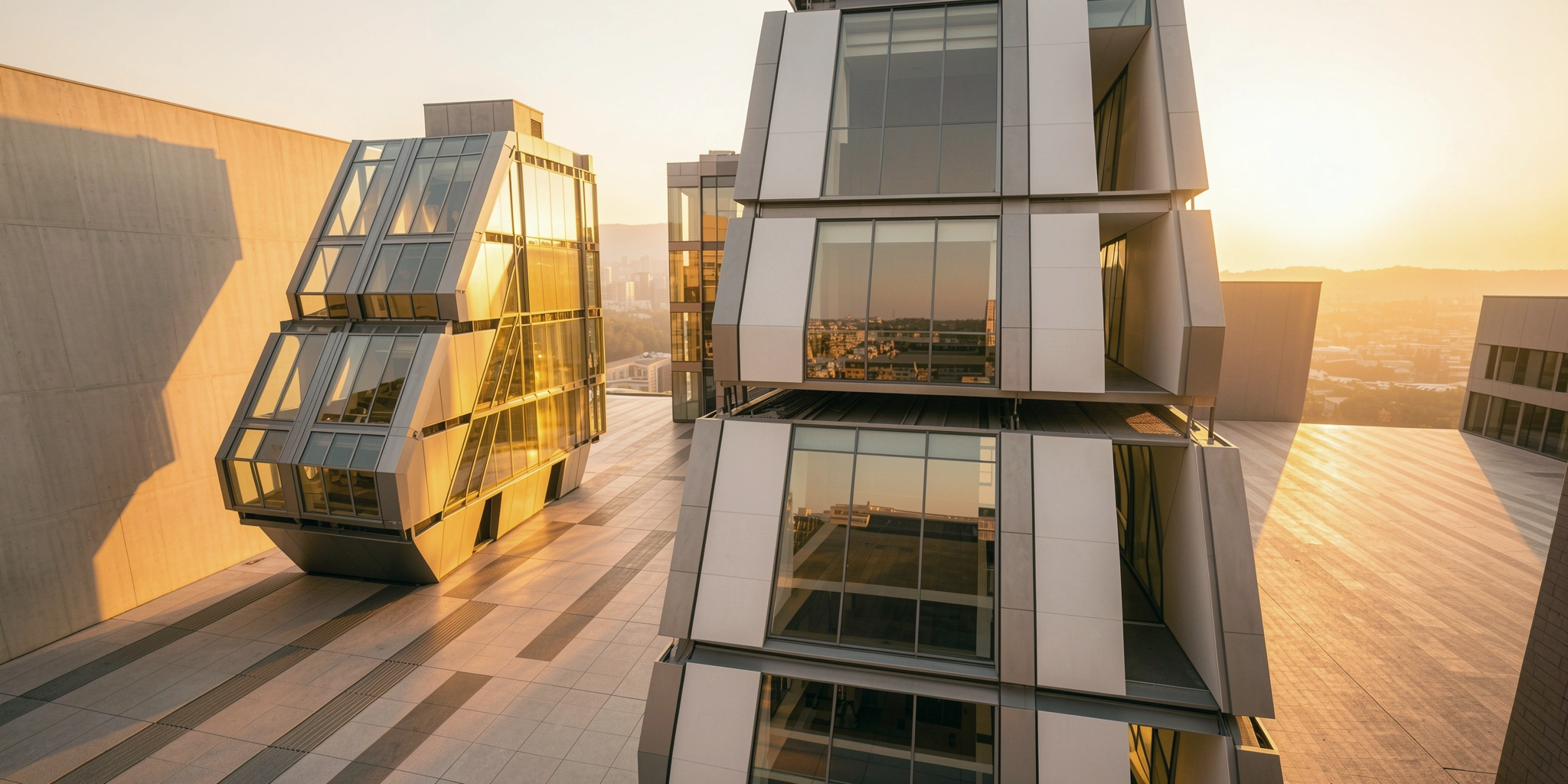
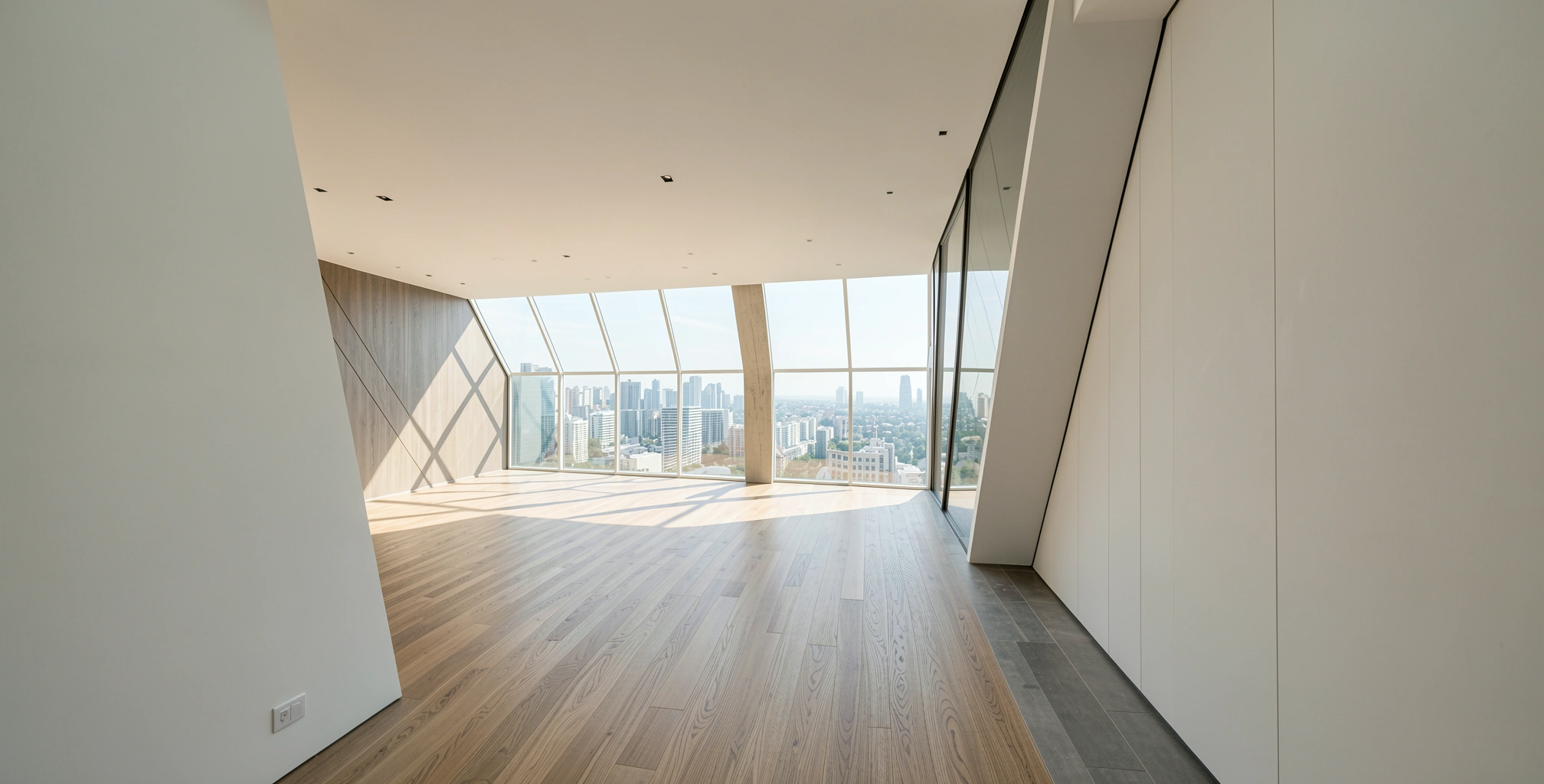
The highly insulated envelope allows the building to operate with low energy demand throughout much of the year. Carefully controlled glazing introduces daylight while limiting unwanted heat loss and summer overheating. Window geometry, balcony projections, and external environmental elements are coordinated to balance daylight access, views, thermal performance, and occupant comfort.
Natural ventilation is used whenever external conditions permit. Operable openings support passive cooling during warmer periods, while mechanical ventilation with heat recovery maintains air quality and energy efficiency during colder seasons. Rather than functioning as separate systems, natural and mechanical ventilation operate as complementary components within a single environmental strategy.
This hybrid approach allows the building to adapt to seasonal variation while maintaining stable internal conditions and reducing operational energy demand.
Modularity and Environmental Adaptation
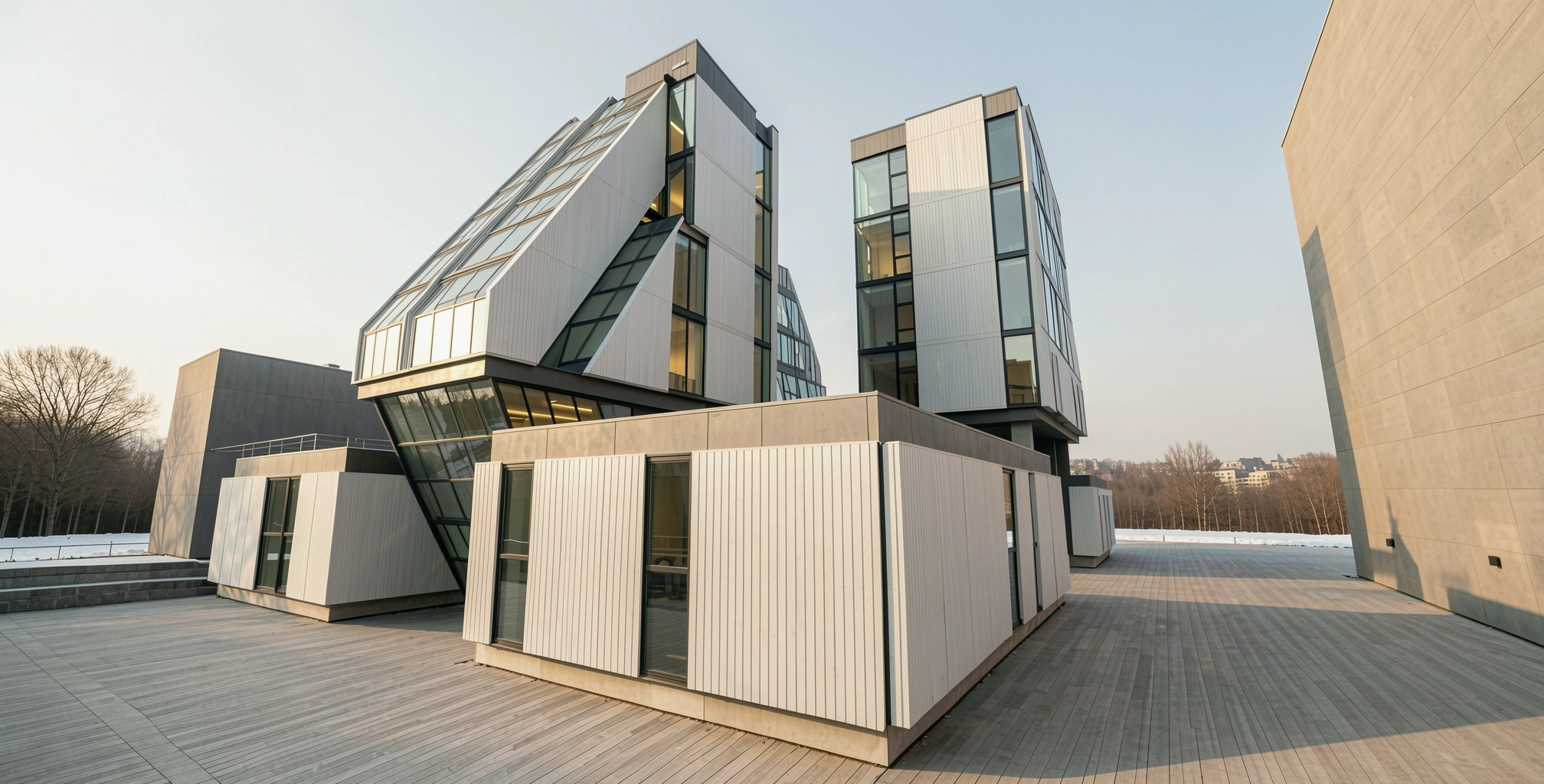
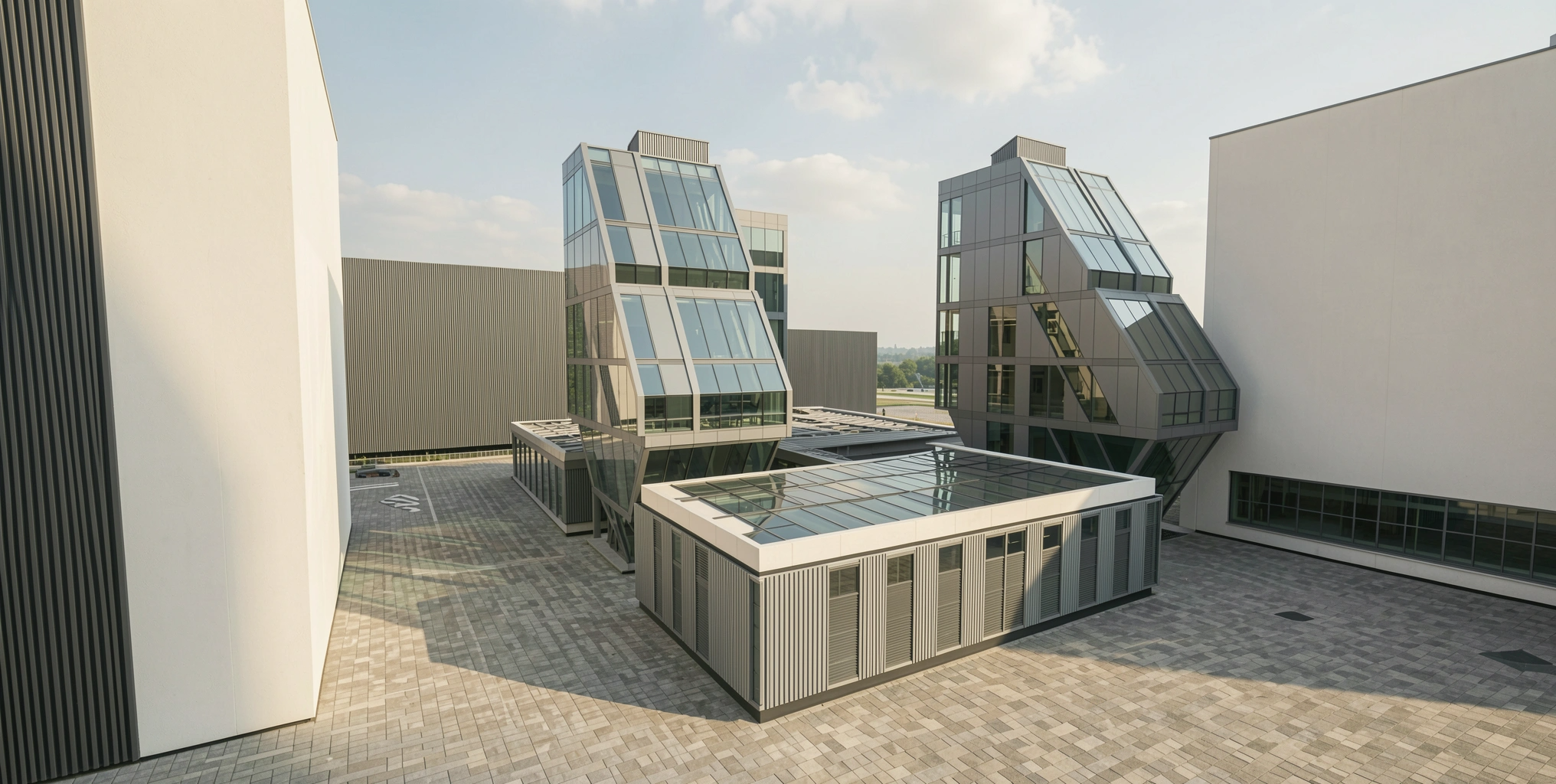
The project employs modular construction as both a construction methodology and an environmental strategy. Prefabricated elements integrate enclosure, environmental control, and servicing within coordinated assemblies that can be manufactured, transported, and installed efficiently.
The modular organisation allows units to be configured according to orientation, exposure, and occupancy requirements. Environmental performance can therefore be adjusted through the arrangement of modules rather than through extensive modifications to the primary structure. This provides long-term adaptability while maintaining consistent construction quality and environmental performance.
The ability to rotate, invert, or reconfigure modules allows the building to respond to differing site conditions and changing operational requirements over time.
Occupancy and Environmental Autonomy
The environmental strategy is particularly suited to remote or intermittently occupied accommodation. Individual environmental control allows units to operate independently, reducing energy use during periods of vacancy while maintaining comfort during occupation.
This approach acknowledges that environmental performance is inseparable from patterns of use. Rather than assuming constant occupation, the building is designed to respond dynamically to changing occupancy levels, seasonal variation, and user preference. Environmental control therefore becomes adaptive rather than fixed, supporting both energy efficiency and occupant wellbeing.
Constructive Expression
The architectural character of the building emerges from the organisation of its environmental systems. The depth of the envelope, the arrangement of balconies and environmental buffers, the articulation of openings, and the visible layering of enclosure elements all reflect the environmental logic of the project.
Expression arises not from applied form but from the coordination of structure, enclosure, servicing, and environmental control. The building demonstrates how environmental performance can be embedded within construction itself, making climate response and material organisation visible through the architecture.