
Theoretical Basis of an Environmental Strategy for a Research and Development Facility
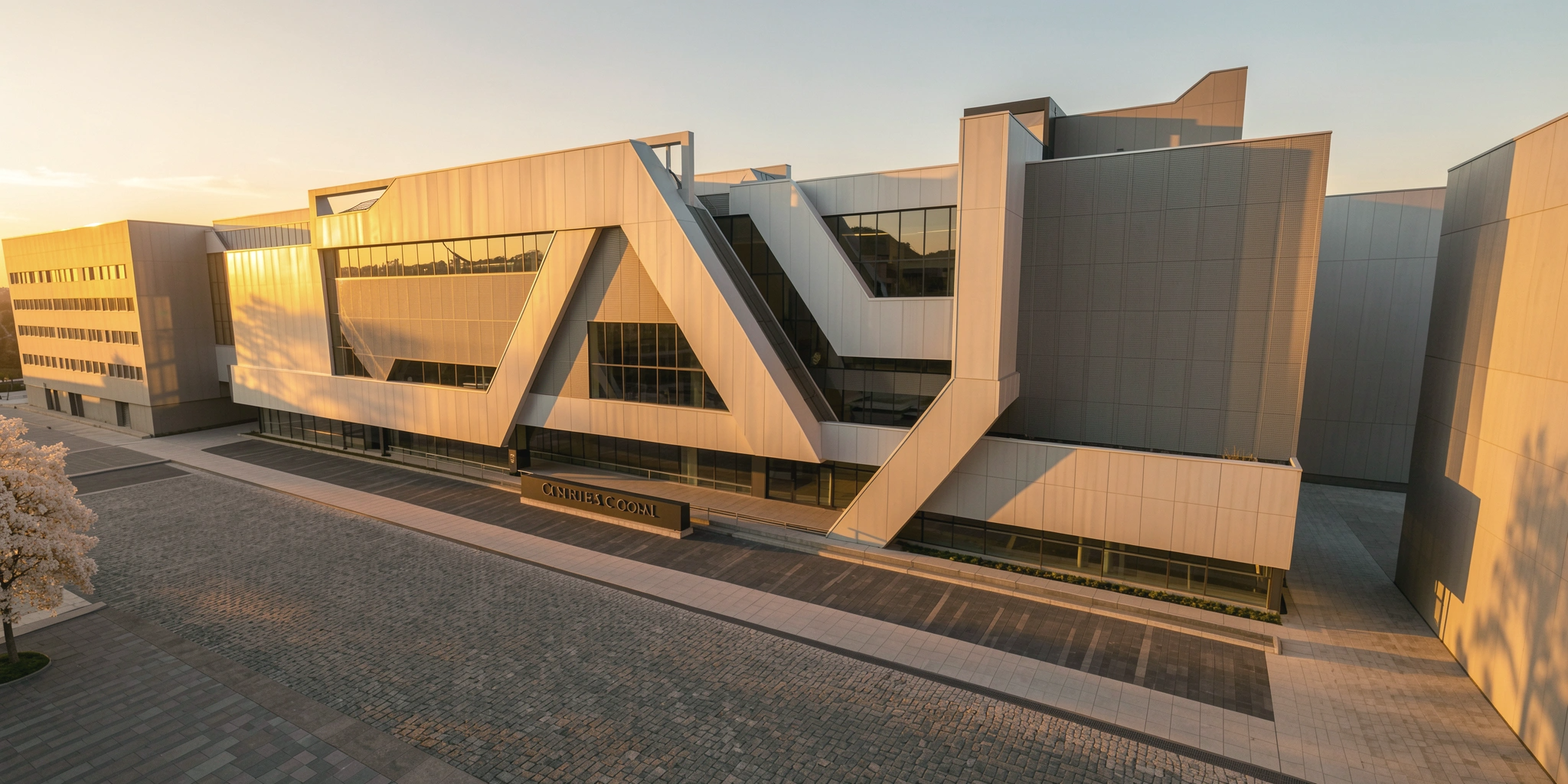
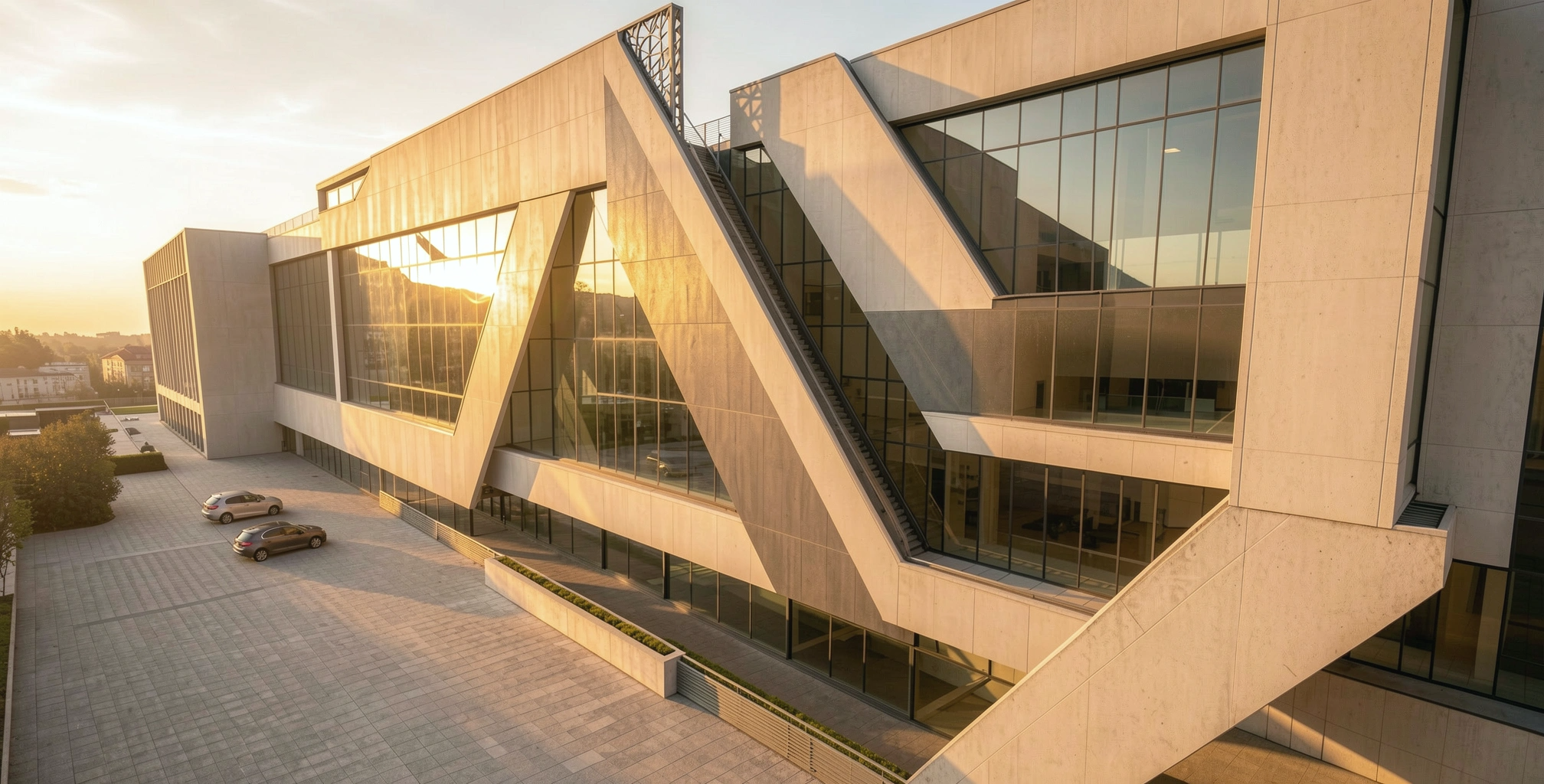
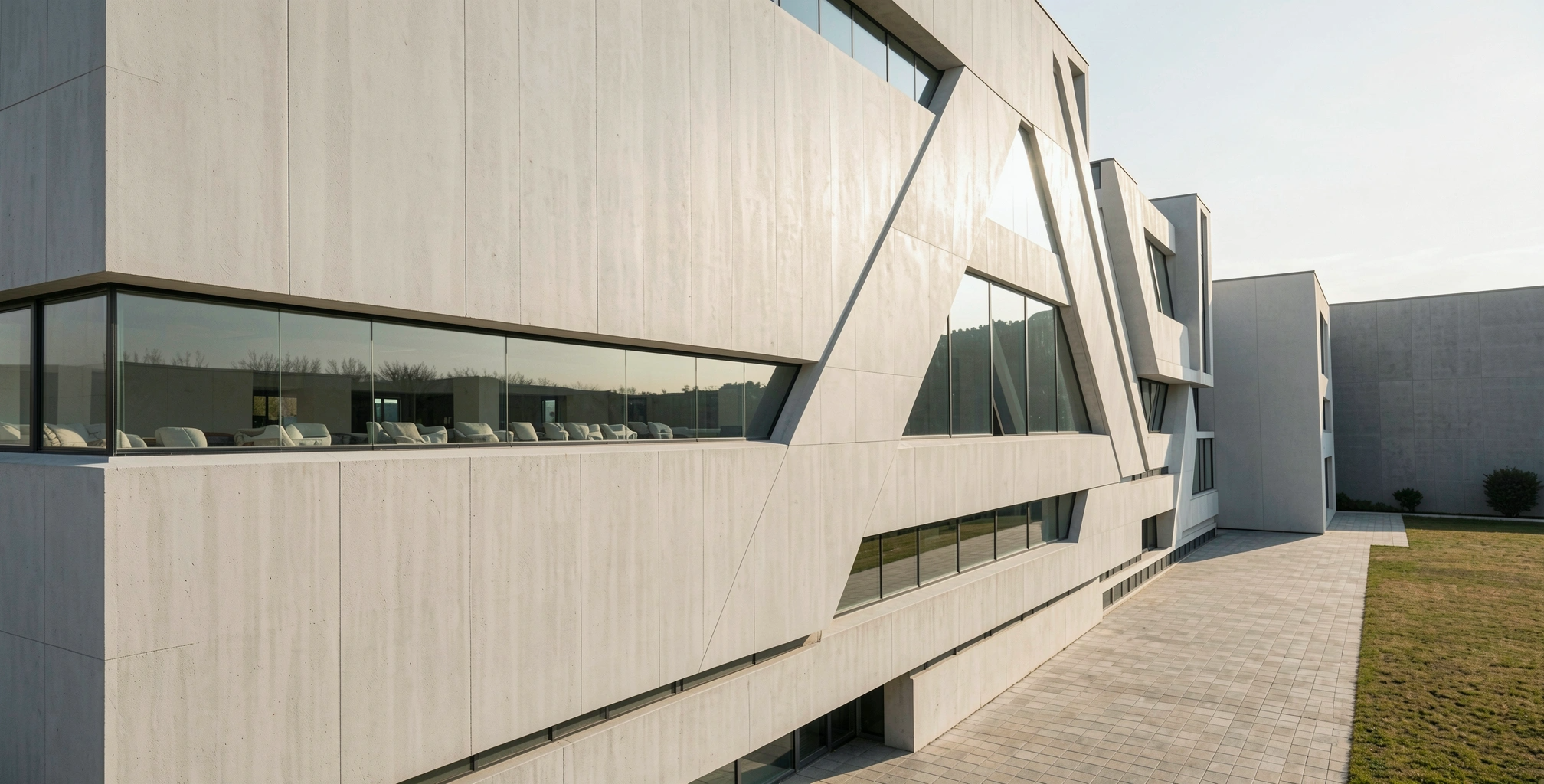
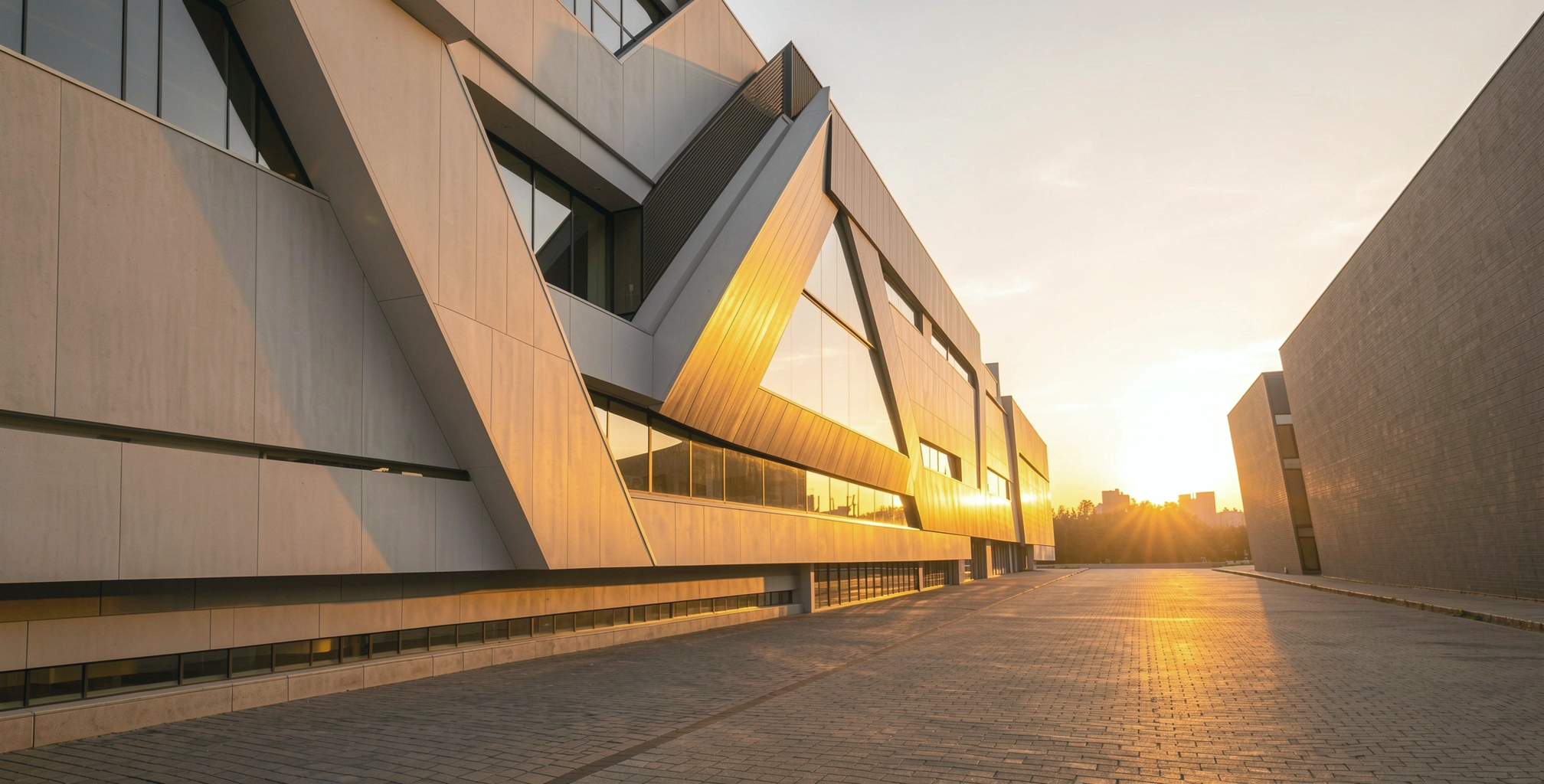
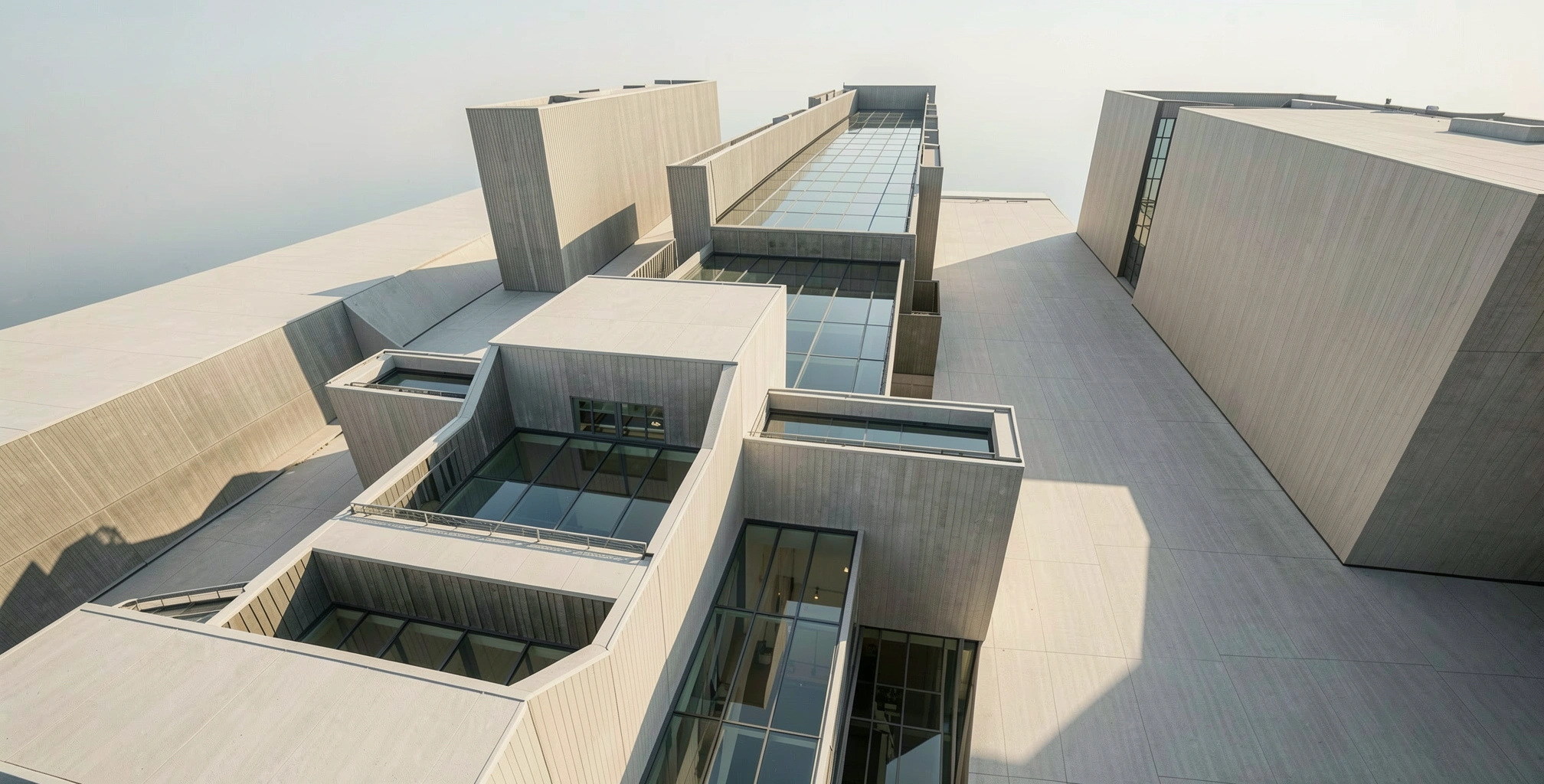
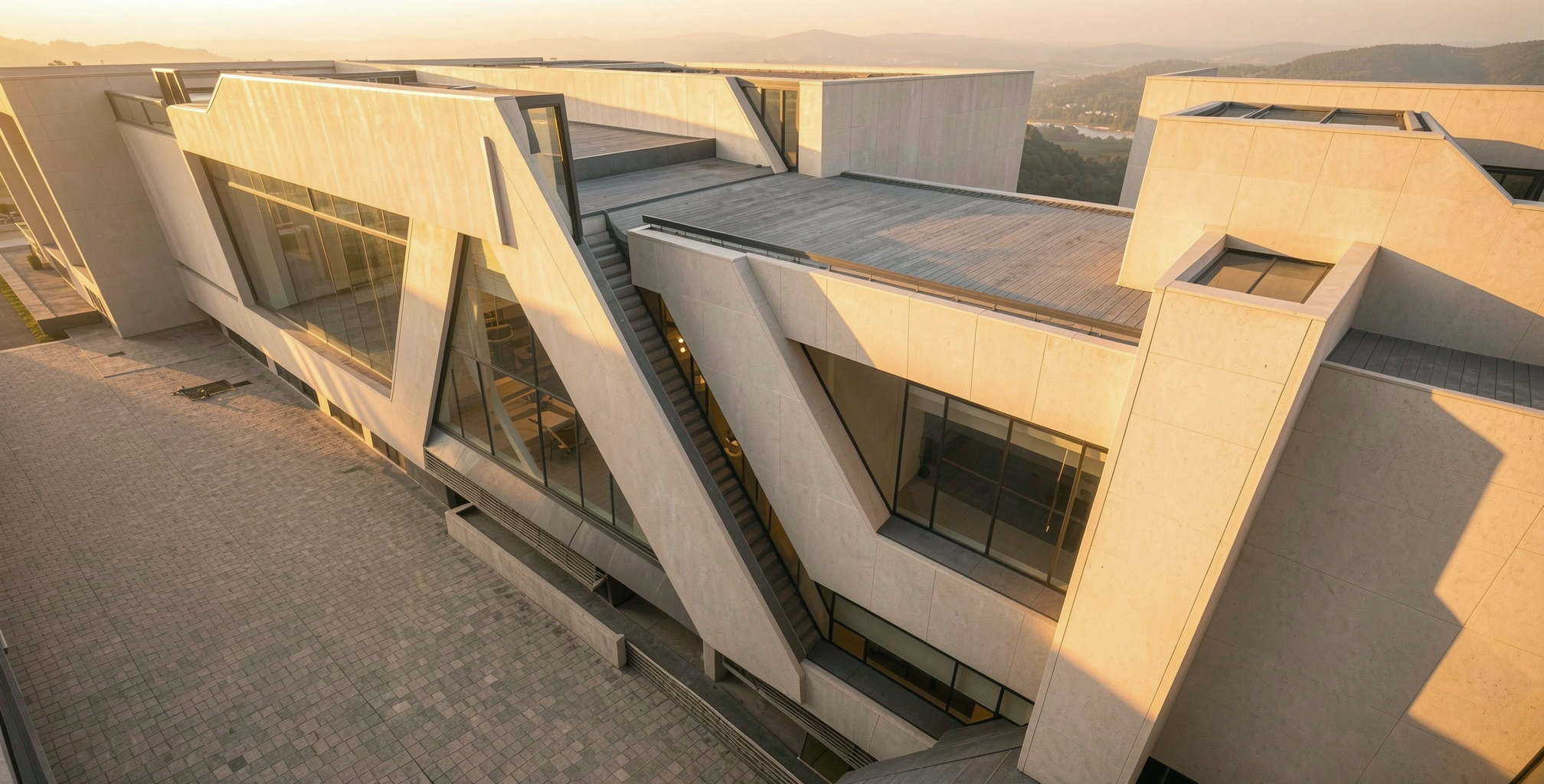
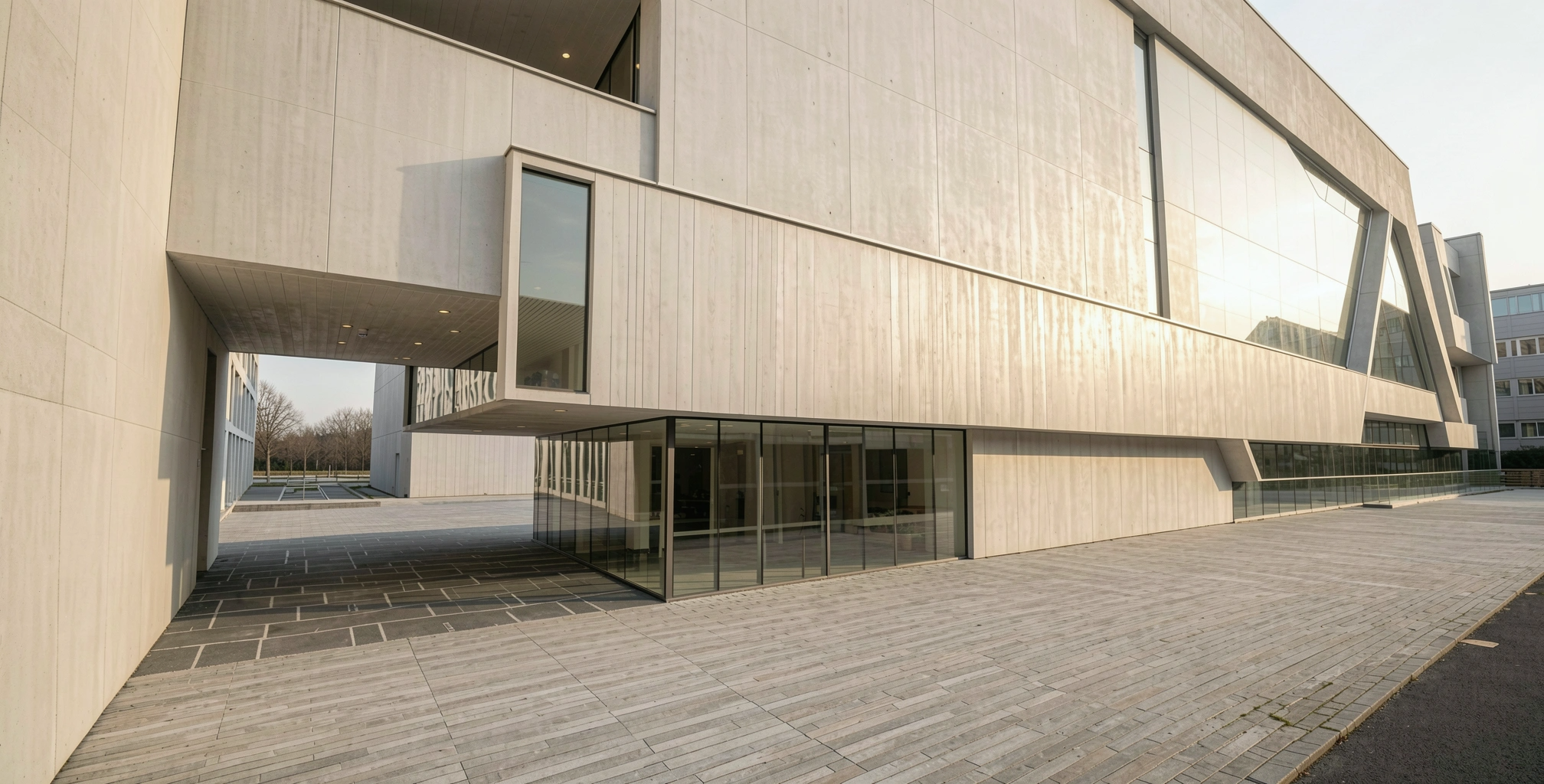
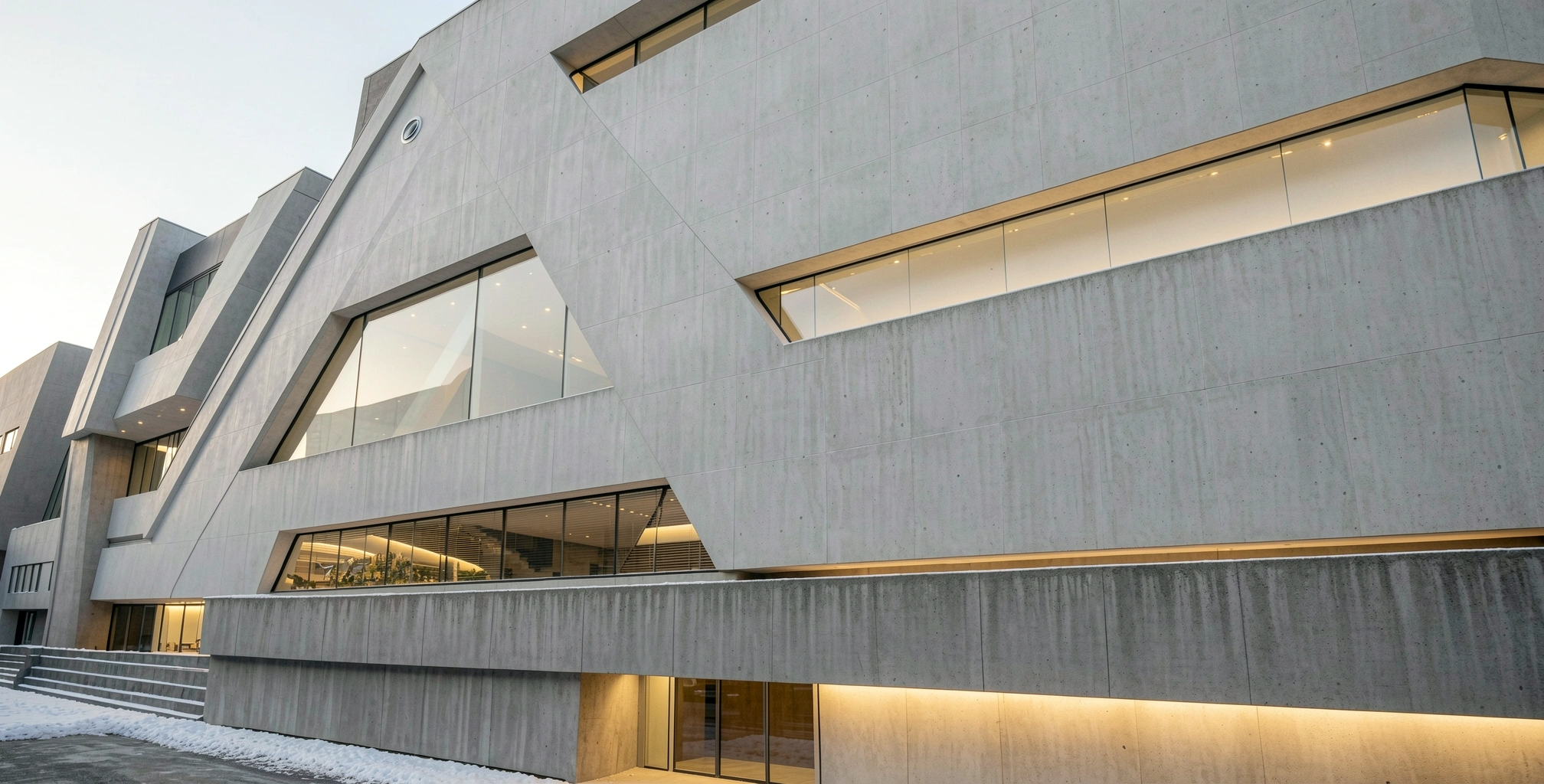
Blade Forms and Externalized Air-Handling Systems
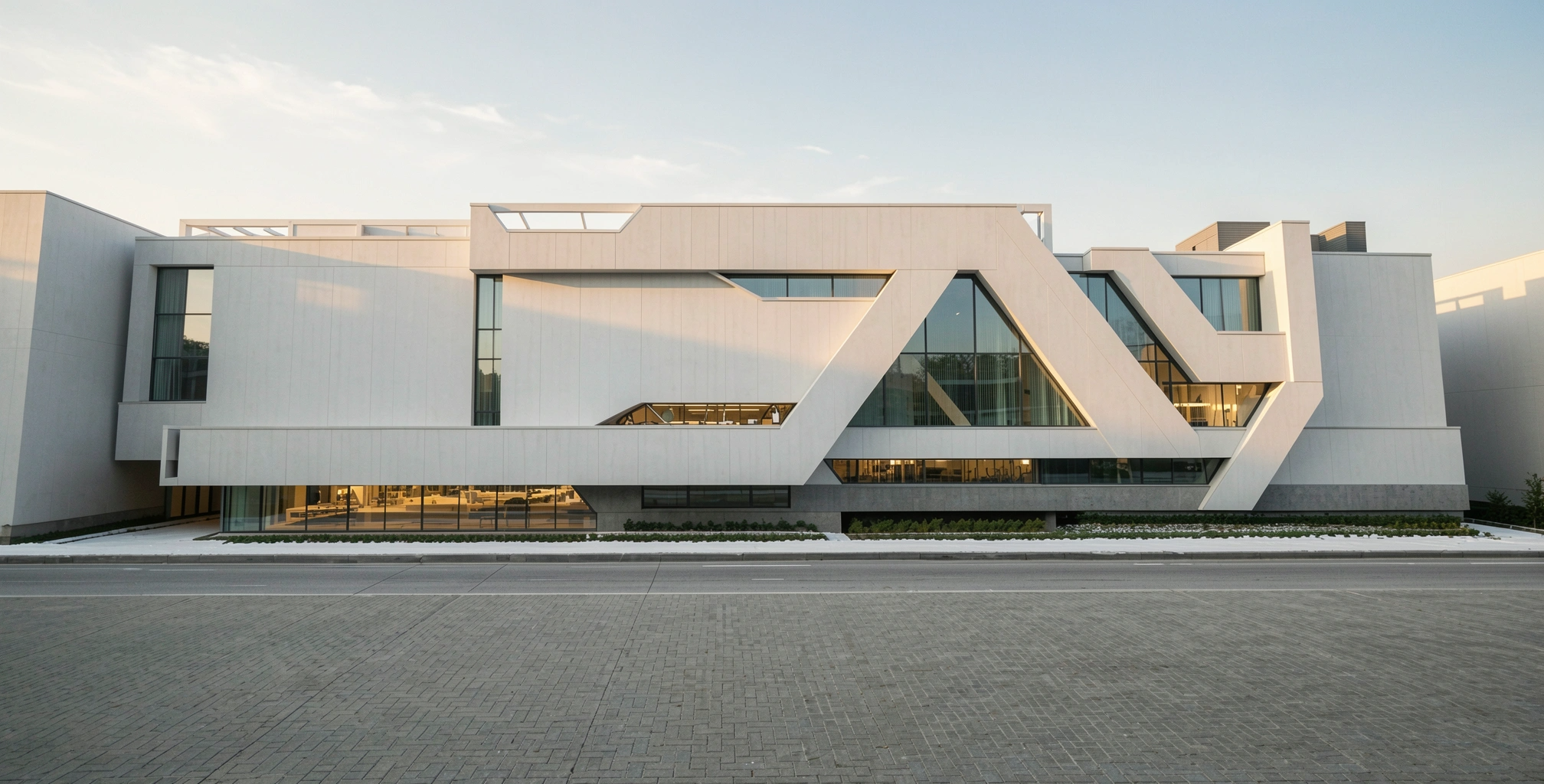
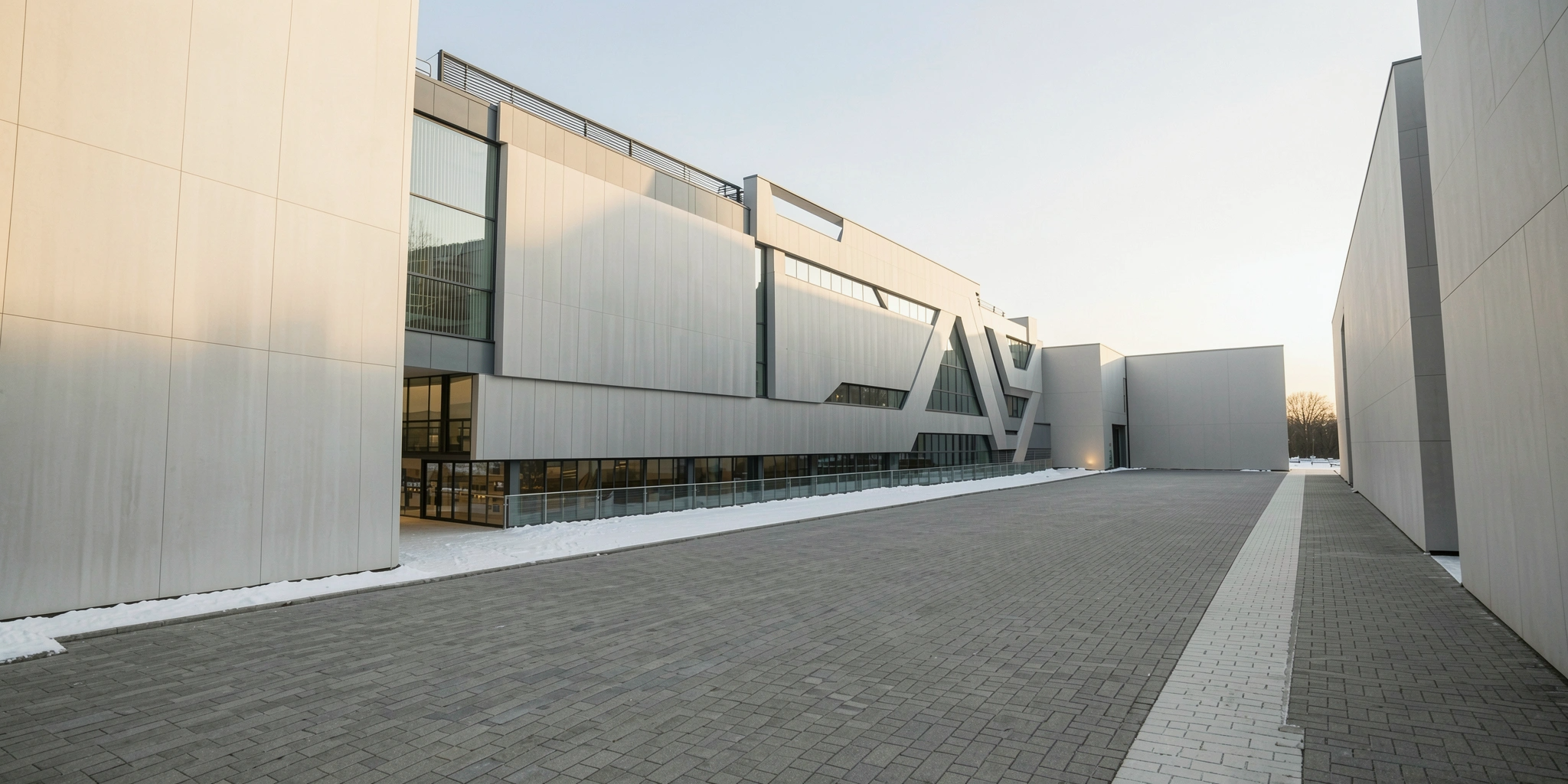
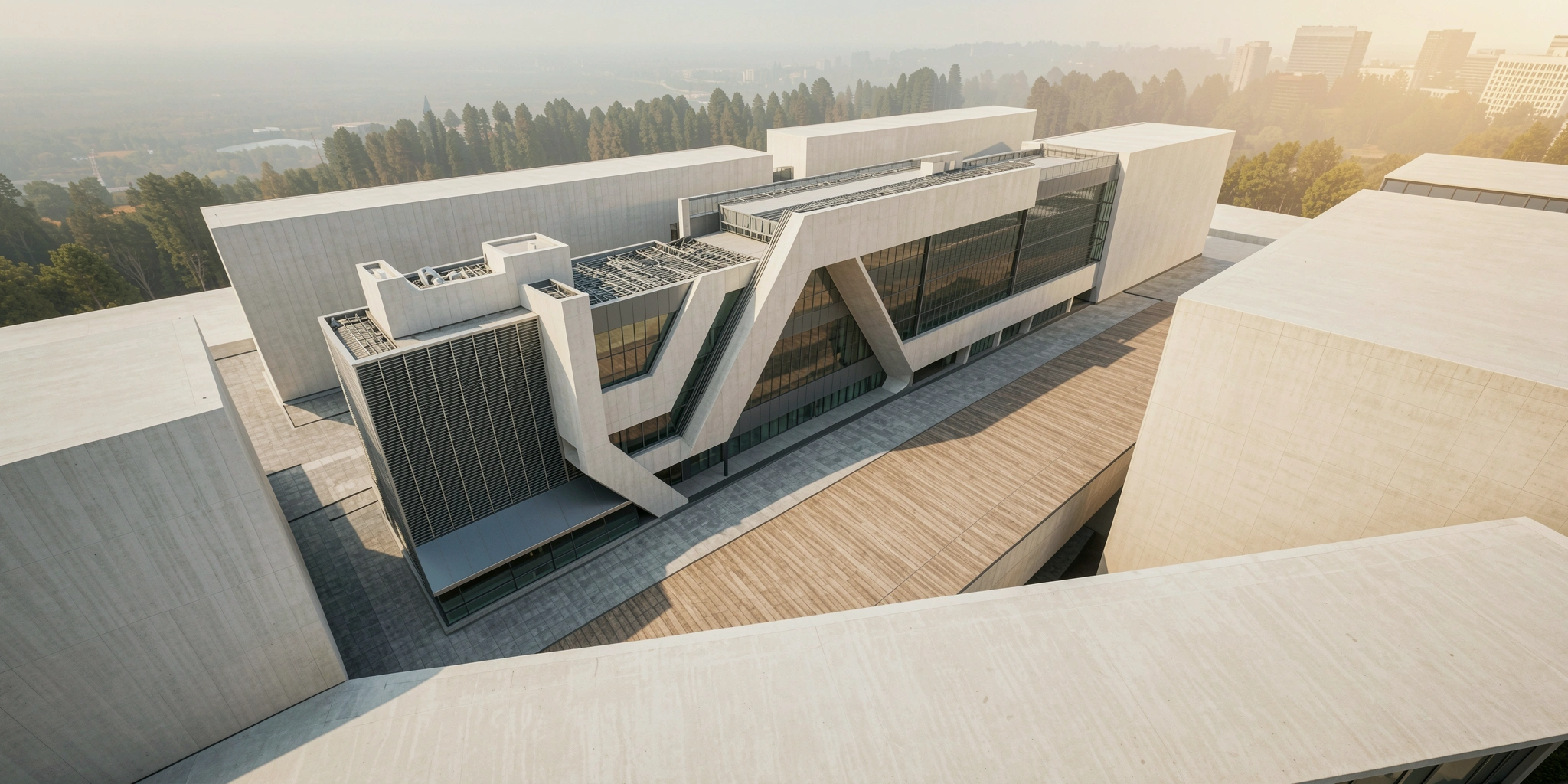
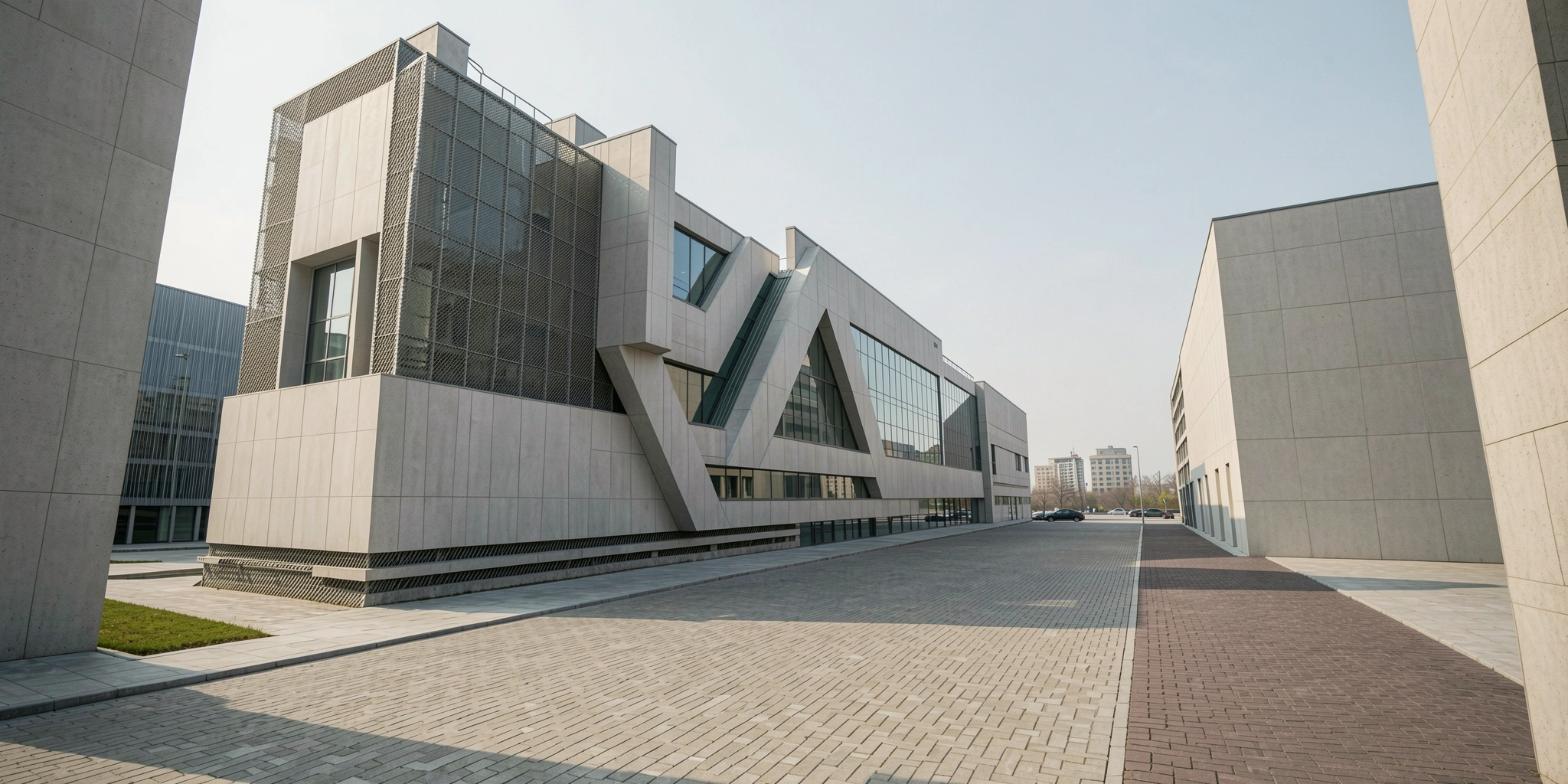
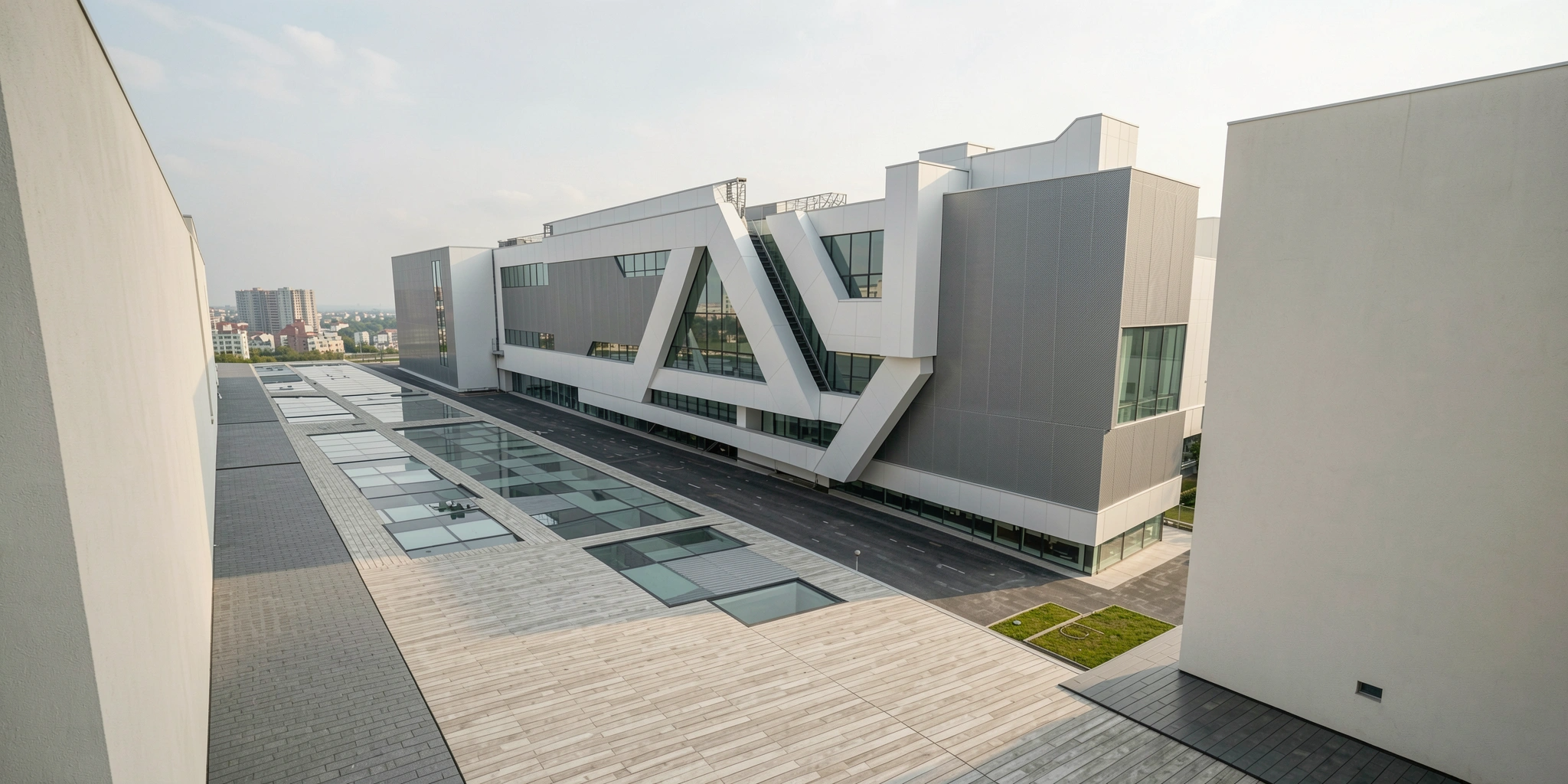
The use of two large ‘blade’ forms housing externally mounted air-handling units (AHUs) and chillers reflects a strategic architectural and environmental integration that separates mechanical services from interior floor area. This approach aligns with the principle of service segregation, improving building flexibility and minimizing interruptions to occupiable spaces during maintenance or system upgrades (Neufert et al., 2012). Externally mounted ducts allow for direct air supply and return on opposite facades, optimizing airflow paths and reducing ductwork complexity within occupied zones (Kumar and Samanta, 2017). Such externalization supports ease of maintenance access through dedicated walkways and ladders, promoting operational efficiency while maintaining uninterrupted building function (Guy and Farmer, 2001).
Environmental Zoning and Buffer Spaces
The differentiation of environmental zones into distinct blocks or volumes, separated by buffer zones such as entrance spaces or link blocks, embodies key concepts from zonal HVAC design and thermal buffering (Givoni, 1998). Buffer zones act as transitional spaces that reduce heat loss or gain by tempering external air before it reaches the main conditioned areas, thus enhancing overall energy efficiency (Santamouris, 2013). In Option 3, the use of inhabited facades or circulation zones as environmental buffer spaces, functioning as interstitial zones between exterior walls and internal spaces, introduces a double-skin façade concept. This approach improves thermal insulation, enables natural ventilation, and creates adaptable microclimates that contribute to occupant comfort (Klems, 1994; Olgyay, 2015).
Mixed-Mode Ventilation and Air Recirculation
The strategy incorporates mixed-mode ventilation, where natural ventilation is supported during mild mid-season conditions and supplemented by mechanical fans to maintain air quality and thermal comfort. Such systems allow the building to leverage passive cooling while ensuring reliable ventilation, reducing mechanical energy use during shoulder seasons (Lehmann, 2010). The recirculation of air through circulation zones with lower occupancy serves dual purposes: maintaining indoor air quality and maximizing heat recovery from exhaust air before expulsion (Santamouris, 2013). The use of heat exchangers to recover thermal energy from outgoing air reflects best practice in energy-efficient HVAC design, crucial in temperate climates with variable heating and cooling demands (Kumar and Samanta, 2017).
Phased Implementation and Future-Proofing
A central theme in the environmental strategy is future-proofing through phased system installation. Designing building components—such as facades and air-handling ducts—to accommodate future upgrades in passive controls (e.g., solar shading, enhanced natural ventilation) without major retrofits aligns with the concept of loose-fit construction and adaptive design (Brand, 1995; Guy and Farmer, 2001). This phased approach reduces upfront capital expenditure and environmental impact while enabling integration of emerging technologies and regulatory compliance over the building lifecycle (Lehmann, 2010). It encourages incremental enhancement of building performance, supporting evolving sustainability goals and occupant needs (Olgyay, 2015).
Integration of Circulation Spaces in Environmental Control
Locating circulation spaces adjacent to facades and integrating them into the environmental buffer zone leverages passive design strategies to moderate internal environments. These zones serve as thermal moderators, mitigating temperature swings between exterior conditions and interior workspaces (Givoni, 1998). The distribution of services at ceiling level within these circulation spaces allows for concealed yet accessible environmental control installations, facilitating efficient distribution of conditioned air while maintaining architectural aesthetics and occupant comfort (Neufert et al., 2012).
Overview
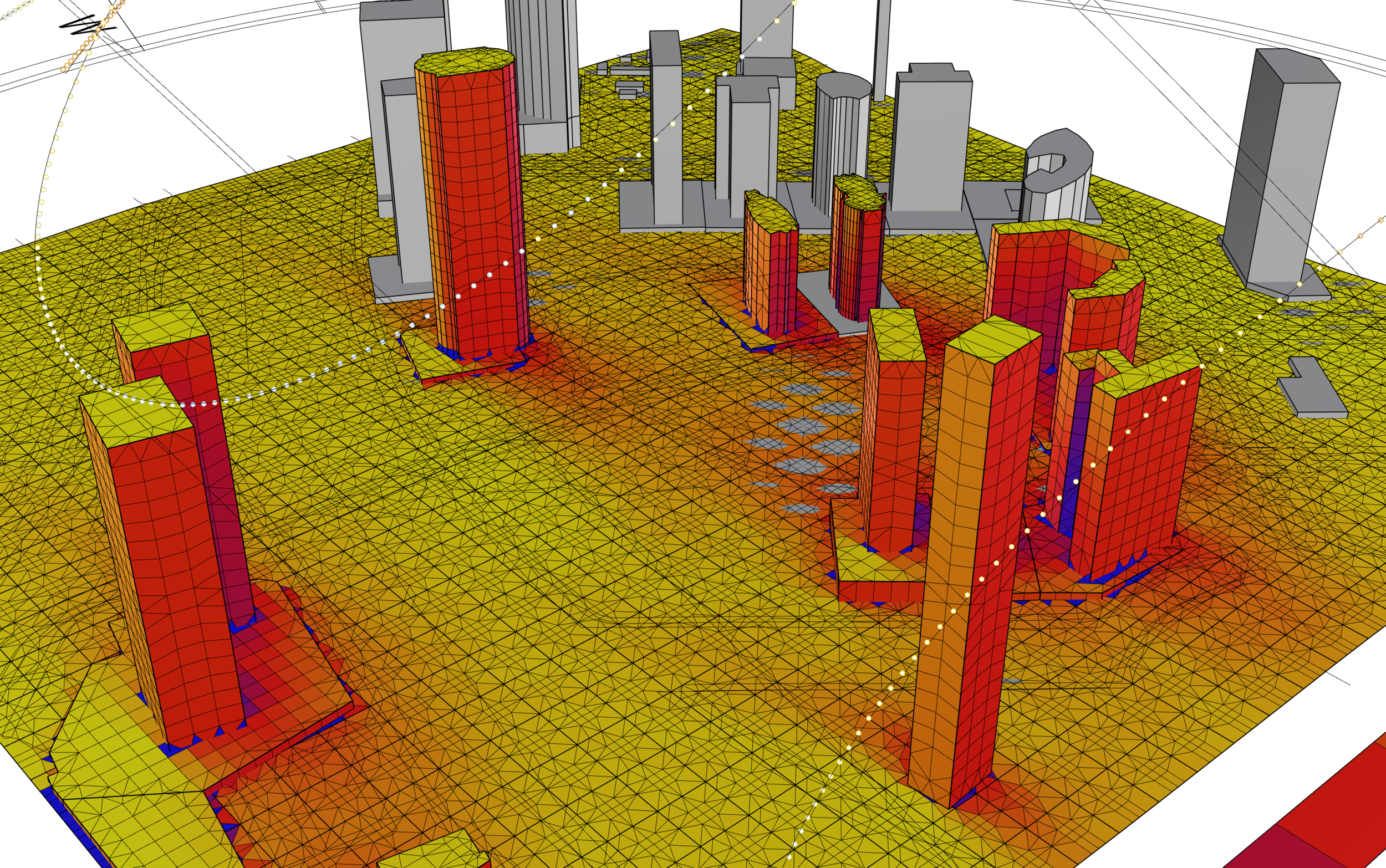
The environmental strategy exemplifies a holistic and adaptable approach to environmental design in a temperate climate, balancing mechanical systems with passive strategies and future flexibility. Through externalized services, zoned environmental control, buffer spaces, and phased implementation, the facility optimizes energy efficiency, occupant comfort, and operational resilience while remaining responsive to changing technologies and sustainability standards.
References
Brand, S. (1995) How Buildings Learn: What Happens After They're Built. New York: Viking.
Givoni, B. (1998) Climate Considerations in Building and Urban Design. New York: Wiley.
Guy, S. and Farmer, G. (2001) ‘Reinterpreting sustainable architecture: the place of technology,’ Journal of Architectural Education, 54(3), pp. 140–148.
Klems, J.H. (1994) ‘Double-skin façade systems: A state-of-the-art review,’ ASHRAE Transactions, 100(2), pp. 1063–1072.
Kumar, S. and Samanta, S. (2017) ‘Energy and environmental implications of building function and occupancy patterns,’ Energy and Buildings, 141, pp. 139–148.
Lehmann, S. (2010) Low Carbon Cities: Transforming Urban Systems. London: Earthscan.
Neufert, E., Neufert, P. and Kühn, G. (2012) Architects’ Data. 4th ed. Oxford: Wiley-Blackwell.
Olgyay, V. (2015) Design with Climate: Bioclimatic Approach to Architectural Regionalism. Princeton: Princeton University Press.
Santamouris, M. (2013) ‘Using cool pavements as a mitigation strategy to fight urban heat island—a review of the actual developments,’ Renewable and Sustainable Energy Reviews, 26, pp. 224–240.