
Istanbul City Museum, Turkey
Further information and case study for this project can be found at the De Gruyter Birkhäuser Modern Construction Online database
The following text is not available at Modern Construction Online
Geometry, Structure and Architectural Identity
The Museum of Istanbul explores how a building envelope can contribute simultaneously to architectural expression, environmental performance and structural behaviour. Developed as a major cultural institution within one of the world's most historically layered cities, the project uses a folded metal façade to create a distinctive architectural identity while responding to climatic, technical and construction requirements.
Newtecnic provided façade engineering for the project, developing an integrated envelope system that combines environmental control, structural efficiency and precision fabrication within a coherent architectural framework.
The project is significant because it demonstrates how geometry can operate as a constructive resource rather than merely as a formal device. The folded façade does not simply shape the appearance of the building. It contributes directly to structural performance, environmental control, fabrication logic and architectural identity simultaneously.
The building therefore exemplifies a contemporary approach to architecture in which form emerges through the coordination of multiple requirements rather than through independent aesthetic decisions.
Architecture Through Folding
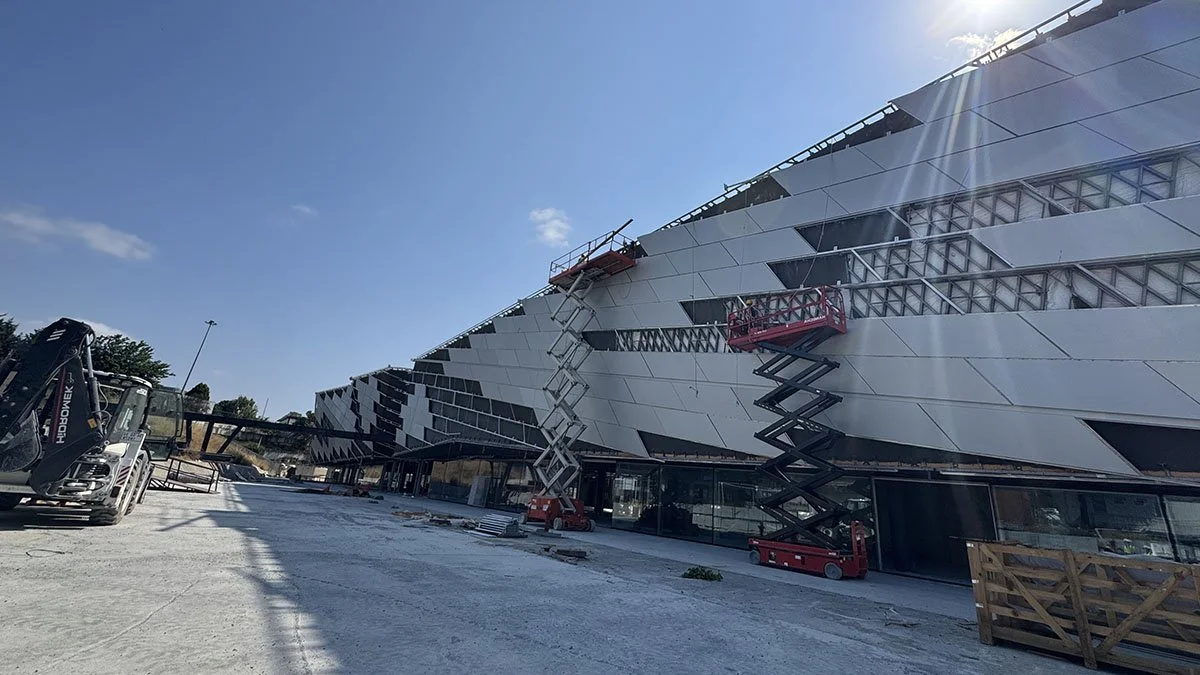
The defining characteristic of the museum is its folded façade geometry.
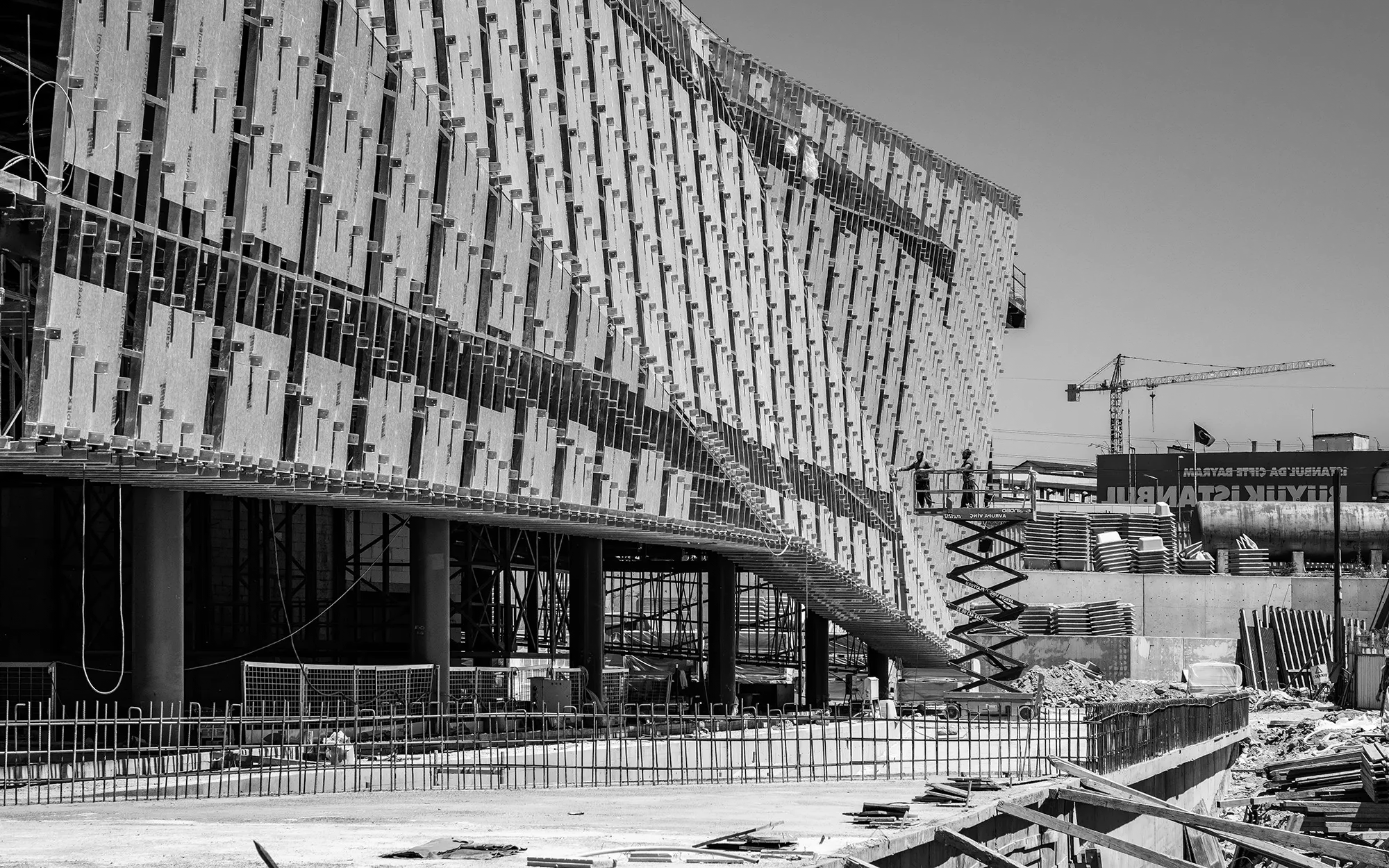
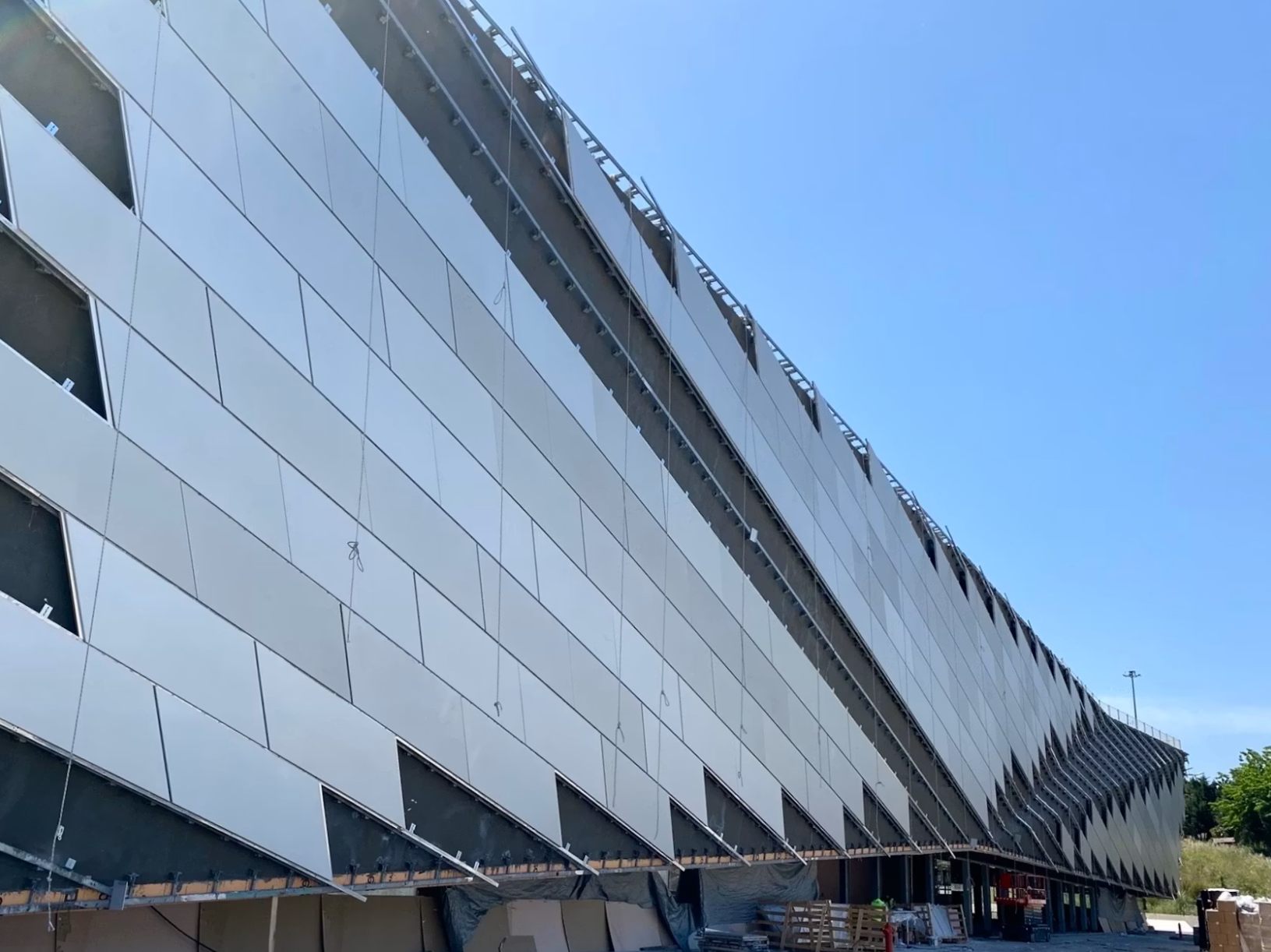
Rather than functioning as an applied skin attached to a completed building, the envelope participates directly in the architectural organisation of the project. The folded surfaces establish the visual identity of the museum while simultaneously influencing structural behaviour, environmental performance and construction methodology.
This approach transforms geometry from representation into performance.
The folds create depth, shadow and material articulation while generating a more robust and efficient architectural system. Architectural expression consequently emerges from the way the building is organised and constructed rather than from applied ornament or symbolic form.
The result is an architecture in which appearance and performance become inseparable.
Geometry as Constructive Intelligence
The project demonstrates a principle that recurs throughout contemporary construction: geometry can perform work.
In conventional construction, performance is often achieved by adding layers, increasing material thickness or introducing additional structural systems. The Museum of Istanbul pursues a different strategy. Performance is generated through geometric organisation.
The folded surfaces increase stiffness, improve environmental response and strengthen visual coherence without requiring substantial increases in material consumption.
The façade therefore illustrates how carefully organised geometry can replace complexity elsewhere within the building.
Shape becomes a form of intelligence embedded within the construction itself.
Environmental Performance Through Form
Istanbul experiences considerable seasonal variation, requiring buildings to respond to both summer heat and winter conditions.
The façade geometry contributes directly to this environmental moderation. Different fold orientations create varying relationships with sunlight throughout the day and across the seasons. Some surfaces receive direct exposure while others remain shaded, creating a constantly changing environmental profile across the building envelope.
This variation reduces excessive solar gain during warmer periods while maintaining useful levels of daylight within the museum.
The geometry therefore acts as an environmental regulator rather than simply a visual composition.
Climate response becomes embedded within form itself.
Daylight, Shadow and Experience
The folded surfaces create a rich interaction between architecture and natural light.
As daylight conditions change, different facets of the façade become visually prominent. Shadow lines deepen and recede, surfaces alternately emerge and dissolve, and the perception of scale shifts throughout the day.
This continual transformation introduces a temporal dimension to the architecture.
The building appears dynamic without requiring mechanical movement or technological display. Light itself becomes an active component of the architectural experience.
For a cultural institution, this relationship is particularly important. The museum becomes a building that engages visitors before they enter, communicating through material, light and geometry rather than through imagery or signage.
Structure and Form
One of the most important aspects of the project is the relationship between geometry and structural behaviour.
The folded façade achieves greater stiffness than a comparable flat surface. The geometry distributes loads more efficiently and reduces susceptibility to deformation under wind pressure and thermal movement.
Digital structural analysis informed the development of fold depths, panel dimensions and support locations. The geometry was refined not only for visual reasons but also to improve performance under real operating conditions.
This approach reflects a broader shift within contemporary architecture where structural behaviour is increasingly understood as a design opportunity rather than simply a technical constraint.
The project demonstrates that geometry can become a structural strategy in its own right.
The Envelope as a Layered System
Behind the visible metal surface lies a highly coordinated environmental assembly.
Insulation, weatherproofing, vapour control, acoustic separation and structural support are integrated within a layered construction system designed to meet the demanding requirements of a museum environment.
The external folds provide the visible architectural language, while the concealed layers ensure stable internal environmental conditions suitable for the protection of artefacts and the comfort of visitors.
Rather than operating independently, these layers function as a coordinated whole.
The façade consequently becomes both architectural surface and environmental machine.
Prefabrication and Precision
The complexity of the geometry required a fabrication strategy capable of maintaining precision while remaining economically viable.
The façade was therefore developed as a prefabricated system composed of repeatable component families. Cold-formed steel elements were manufactured off-site and assembled into coordinated modules incorporating insulation, weatherproofing and cladding.
This approach improved quality control and reduced installation time while ensuring consistency across the building.
The project demonstrates that complexity need not require bespoke solutions everywhere. Through careful rationalisation, sophisticated geometry can be delivered through disciplined construction methods.
The architecture appears highly customised while remaining grounded in repeatable manufacturing logic.
Digital Continuity
Digital modelling played a central role throughout the project.
Environmental analysis, structural modelling and fabrication development were undertaken simultaneously, allowing design decisions to be evaluated against multiple performance criteria. Geometry, structure and construction were therefore developed together rather than sequentially.
The same digital information informed analysis, detailing, fabrication and installation.
This continuity reduced opportunities for error and strengthened the relationship between design intent and constructed reality.
Digital tools were valuable not because they enabled complex form, but because they enabled integration across multiple systems and disciplines.
Materiality and Tectonic Expression
The architectural character of the museum emerges through the interaction of geometry, light and material.
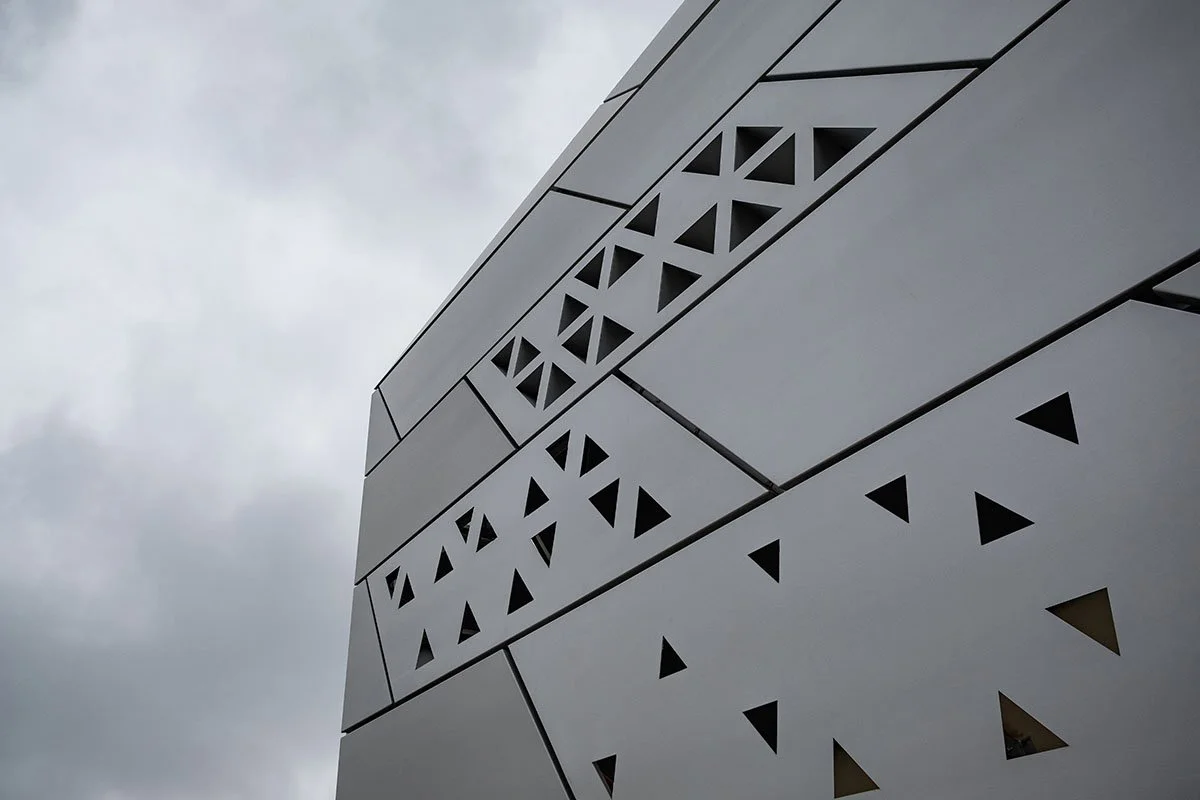
The metal surface provides precision, durability and visual clarity while allowing the folds to be read sharply across the building. Material restraint allows geometry and light to become the primary means of architectural expression.
The façade therefore achieves richness through performance rather than decoration.
Its visual complexity arises from the behaviour of light across constructed surfaces rather than from applied imagery or symbolic references.
This gives the building a quality of permanence and clarity appropriate to a major cultural institution.
Architecture and the City
Located within a city defined by centuries of architectural accumulation, the museum establishes a contemporary identity without relying on historical imitation.
Its civic presence derives from scale, geometry and material coherence rather than from direct reference to historical forms. The building contributes a new architectural layer to Istanbul while respecting the city's tradition of monumentality and public presence.
The façade plays a central role in this relationship.
Through its folded surfaces and changing interaction with light, the building establishes a strong urban identity while remaining rooted in constructive and environmental logic.
Project Significance
The Museum of Istanbul demonstrates how contemporary façade engineering can contribute directly to architectural quality. Through the integration of geometry, structure, environmental performance and fabrication, the envelope becomes a primary generator of architectural form rather than a secondary enclosure system.
The project illustrates a broader evolution in contemporary architecture in which building envelopes are expected to perform multiple roles simultaneously. Structure, climate control, construction efficiency and civic identity are coordinated within a single architectural framework.
For Newtecnic, the project exemplifies an approach to façade engineering in which geometry is understood not as an aesthetic objective but as a means of achieving integration across disciplines. Architectural expression emerges through the alignment of performance, construction and form.
The result is a museum whose identity is inseparable from the way it is built. Geometry performs environmental work, structure contributes to architectural expression and construction logic generates visual coherence. The building therefore demonstrates how contemporary architecture can achieve complexity through integration rather than complication, establishing a model for cultural buildings in which performance and expression emerge from the same constructive idea.