
School Building — Structural Differentiation and Environmental Gradient
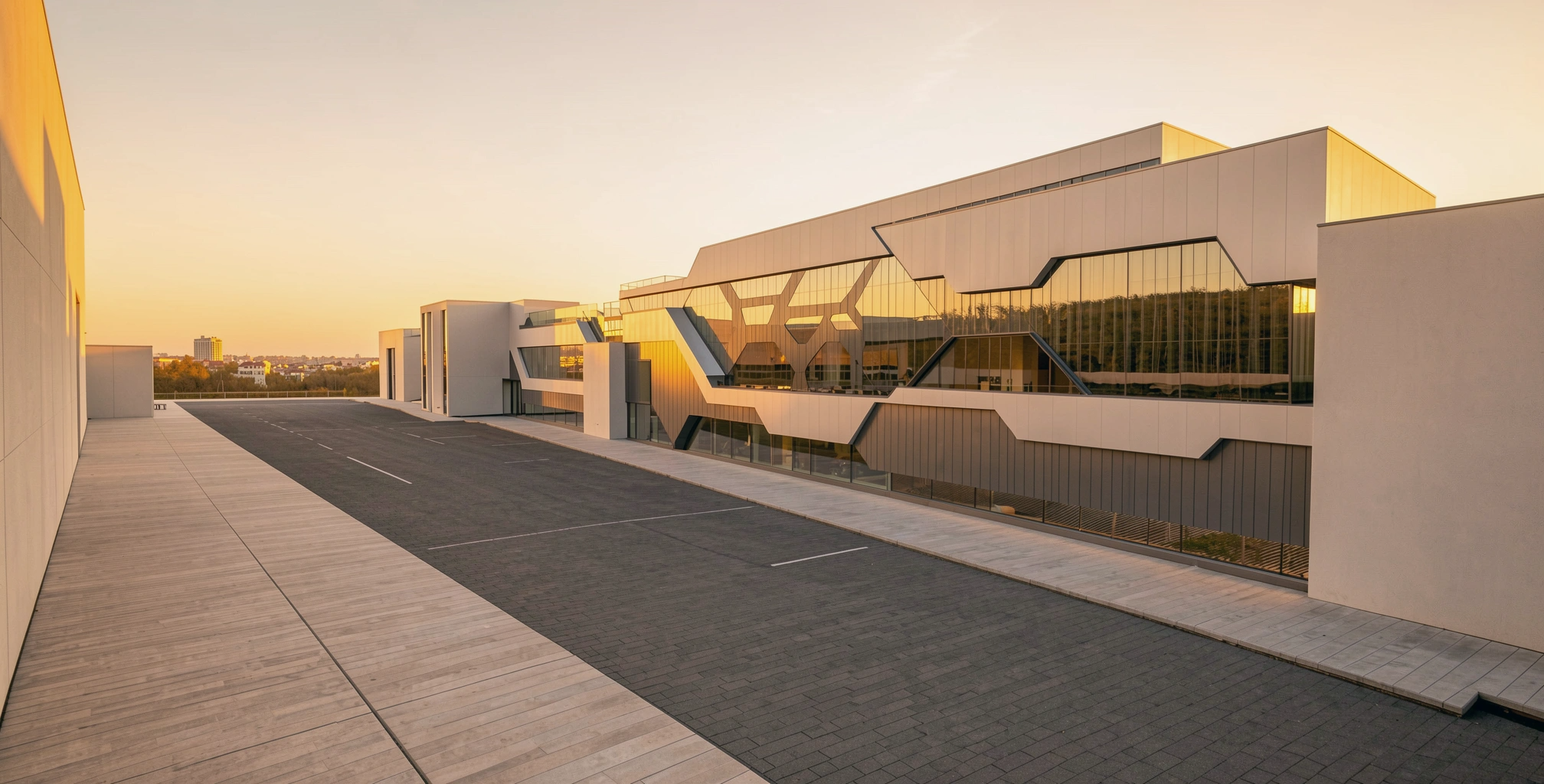
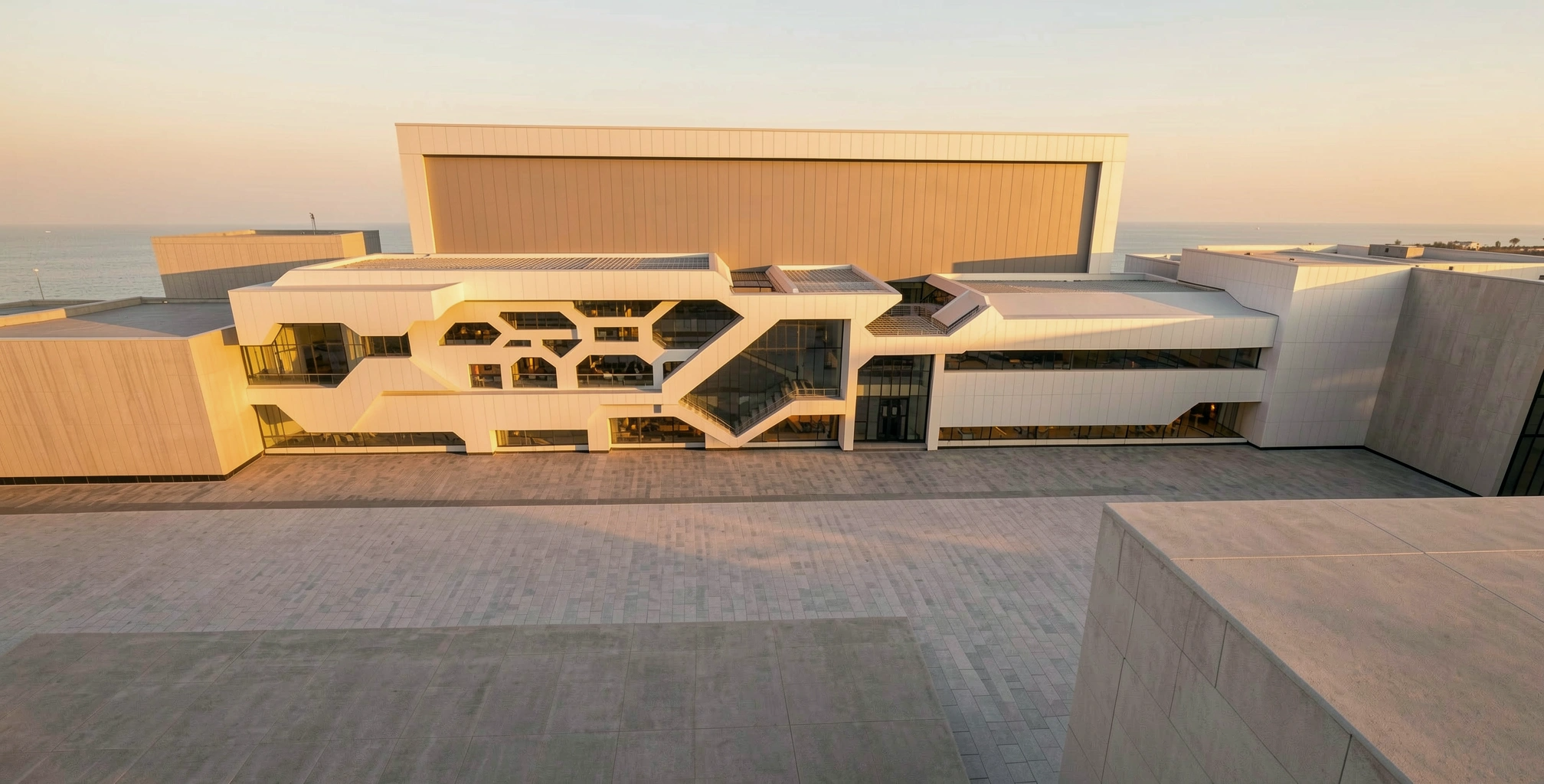
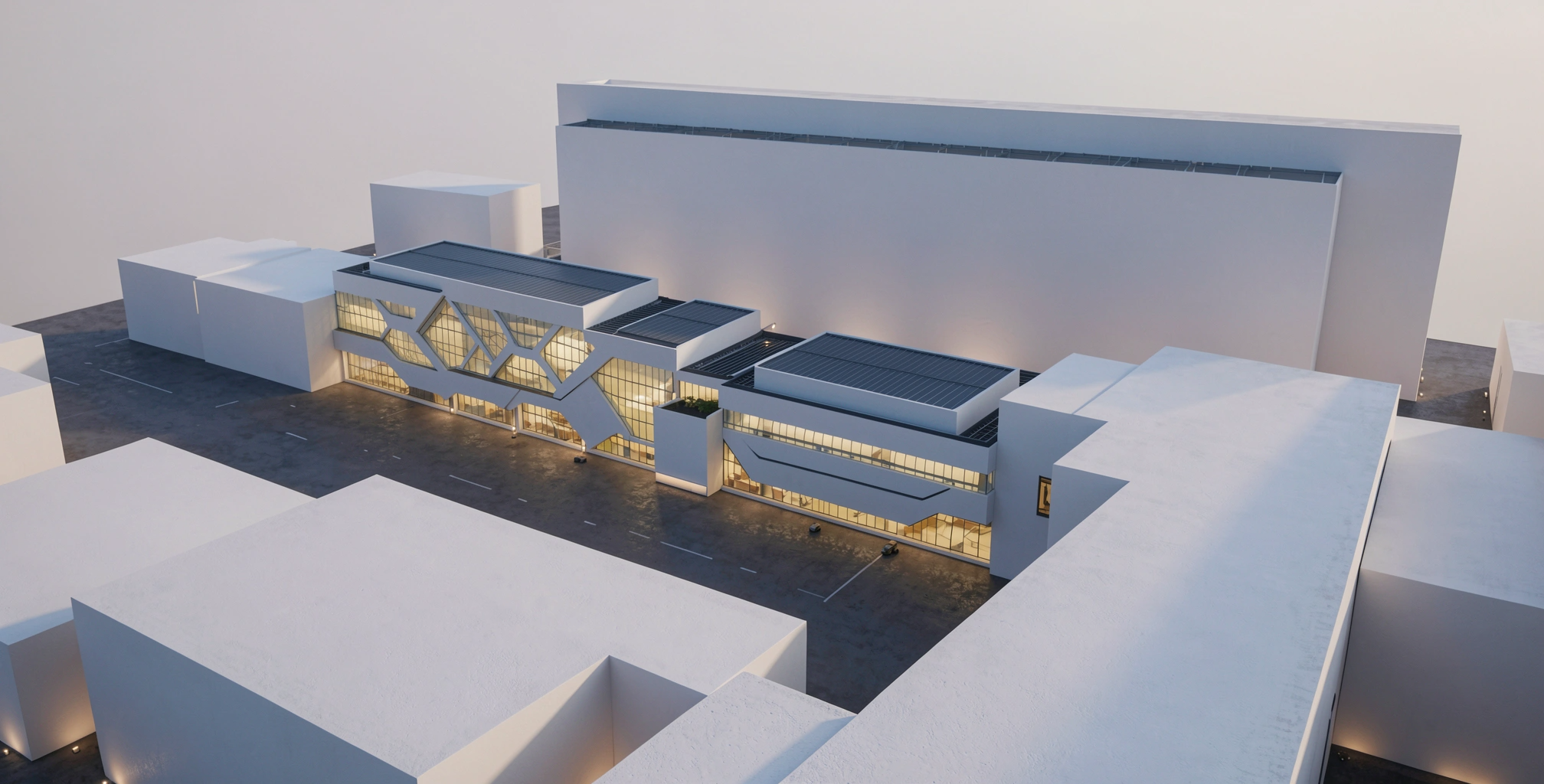
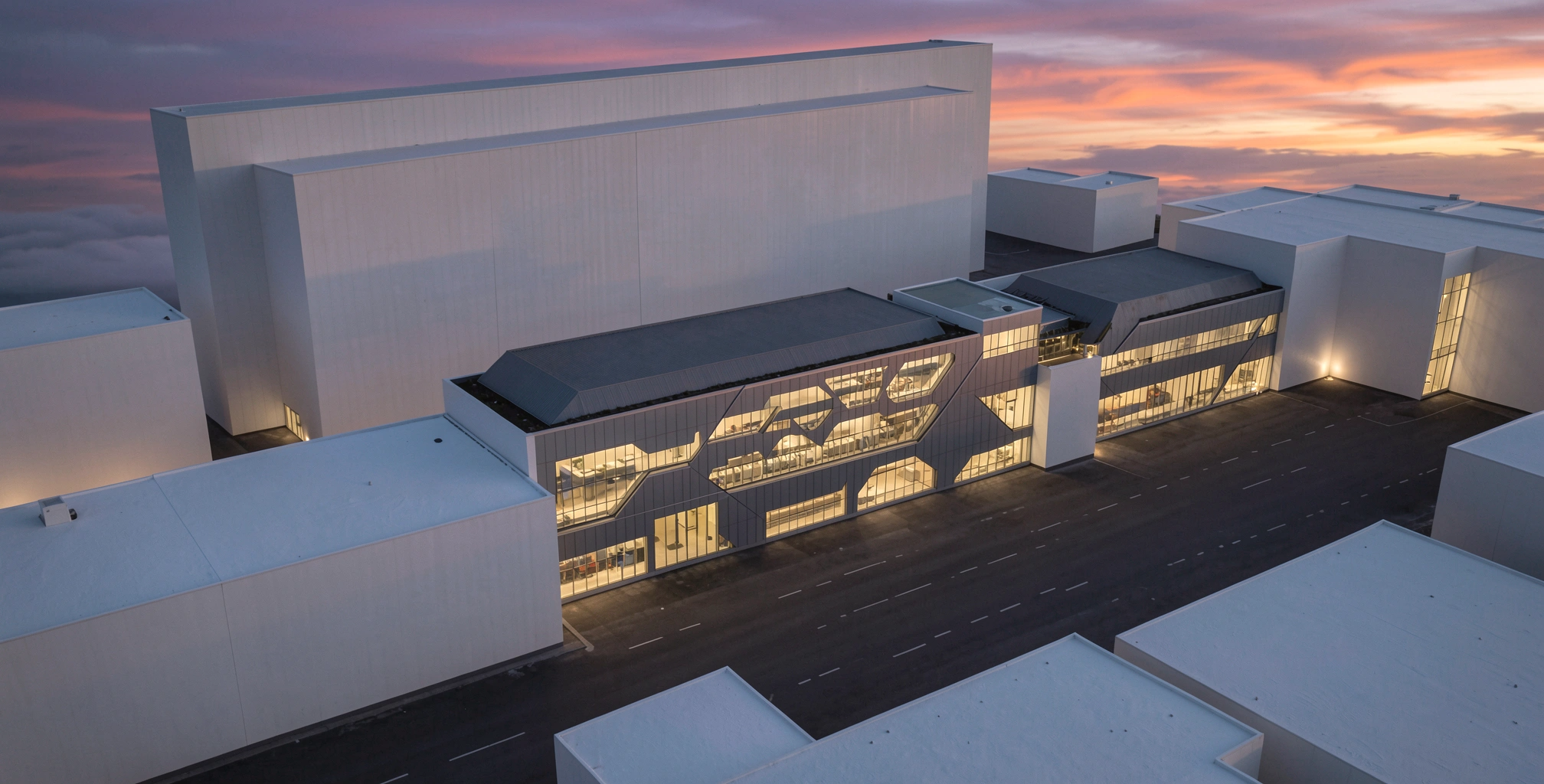
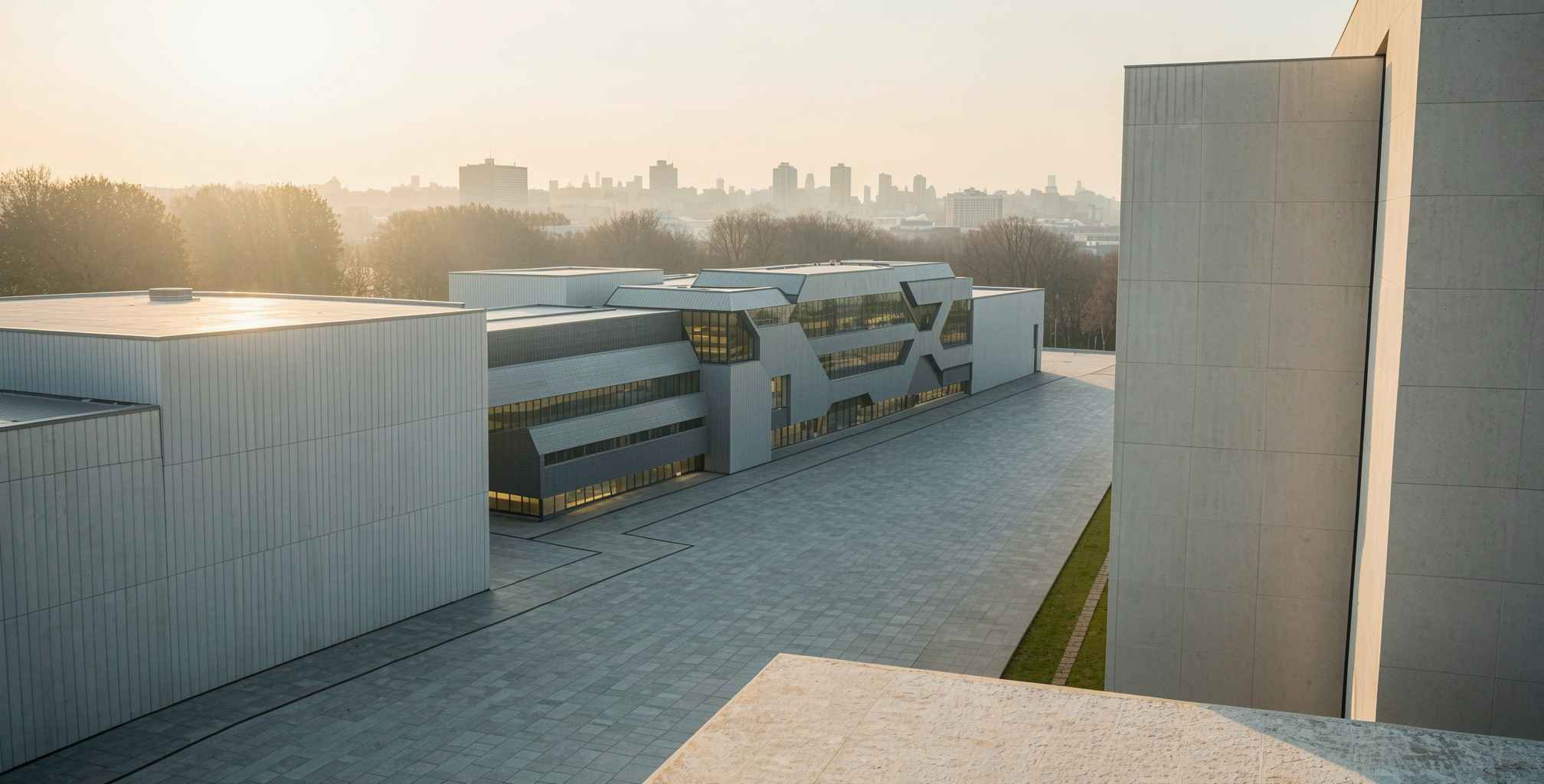
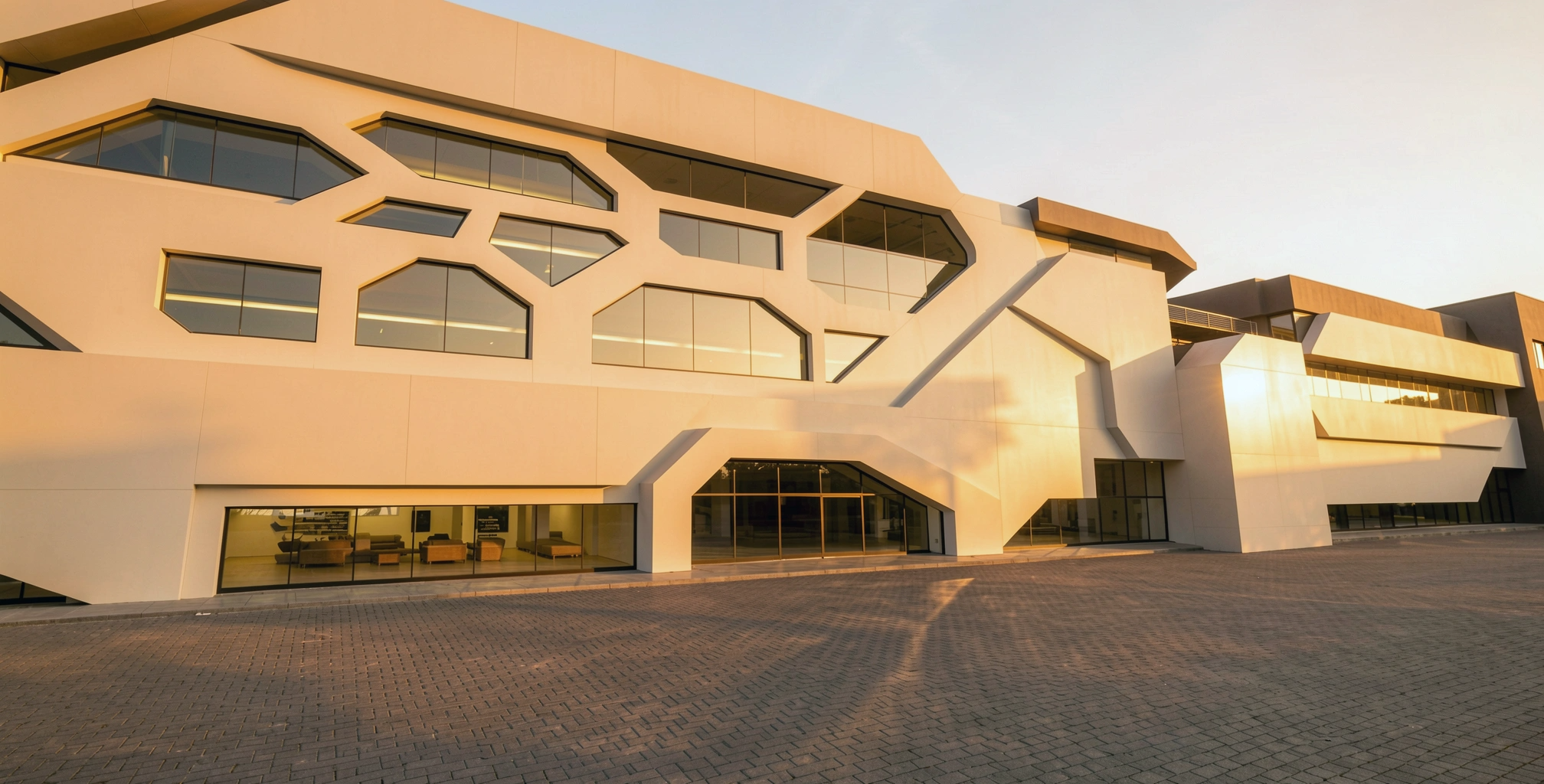
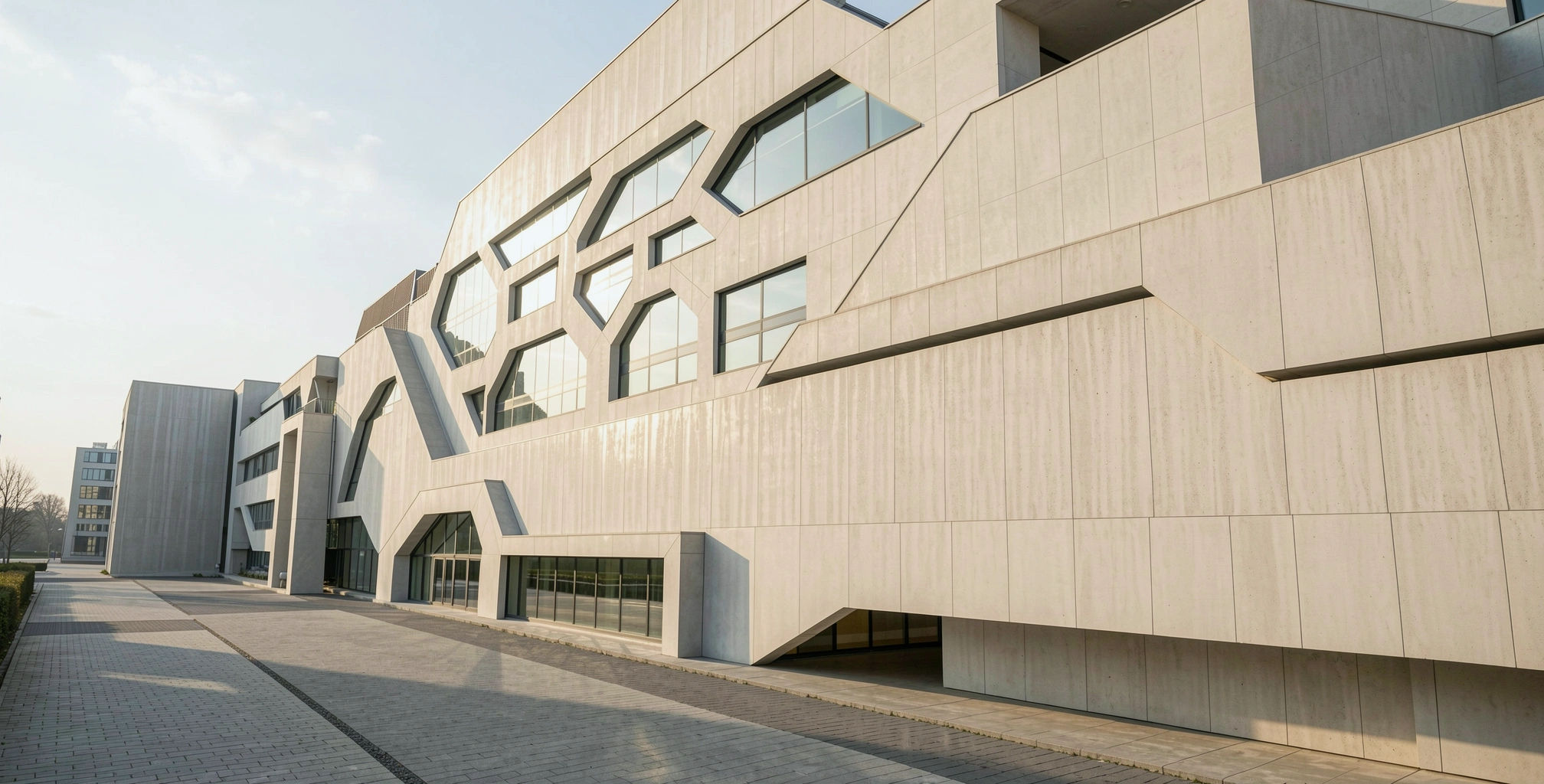
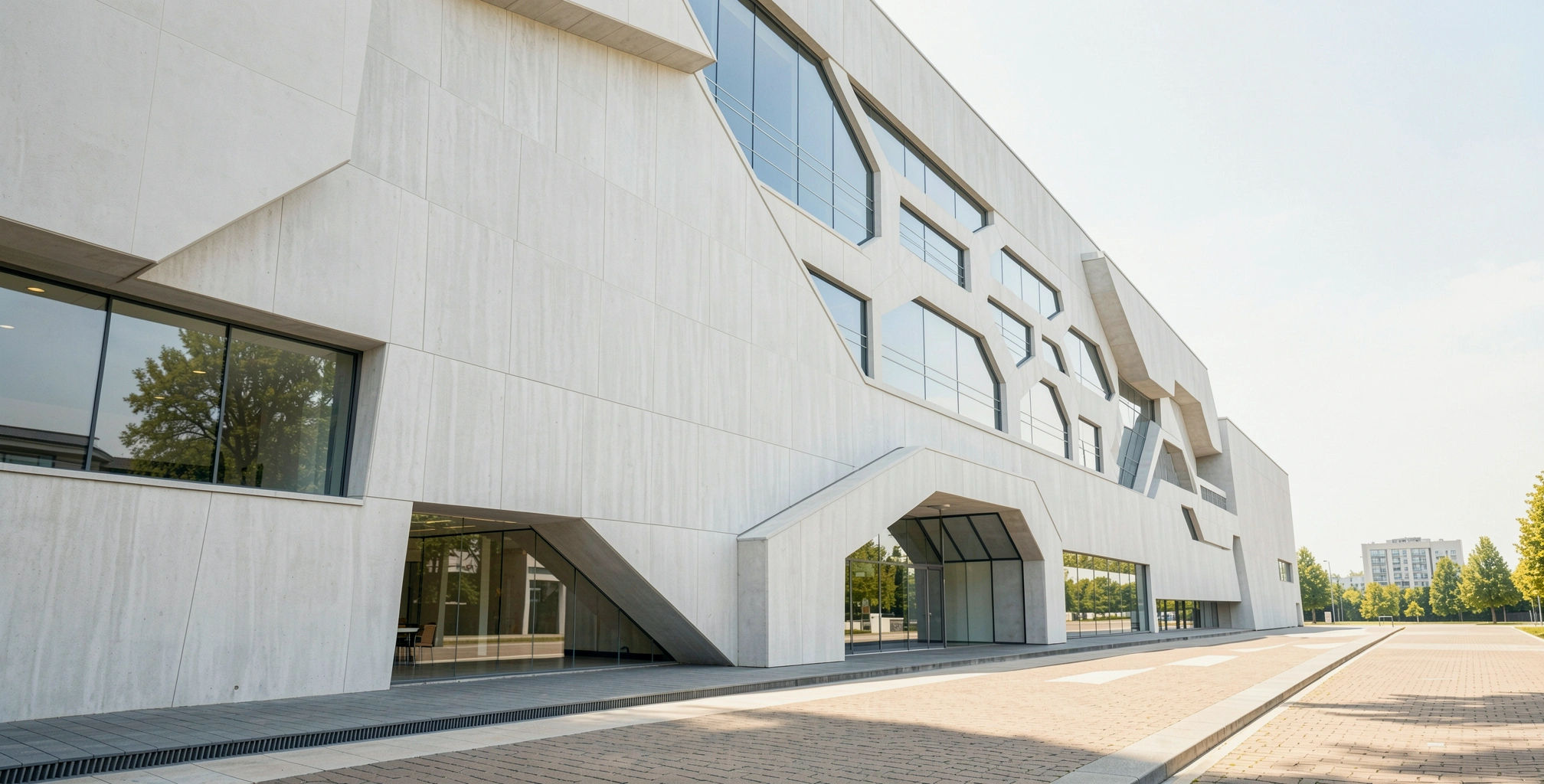
This project explores how structure can support different forms of learning while contributing directly to environmental performance and architectural expression. Designed as a secondary school, the building accommodates a diverse range of activities, including classrooms, lecture spaces, workshops, circulation areas and shared social environments. Rather than imposing a uniform structural order across all spaces, the project develops a series of interconnected structural systems whose scale and organisation respond directly to programme, occupation and climate.
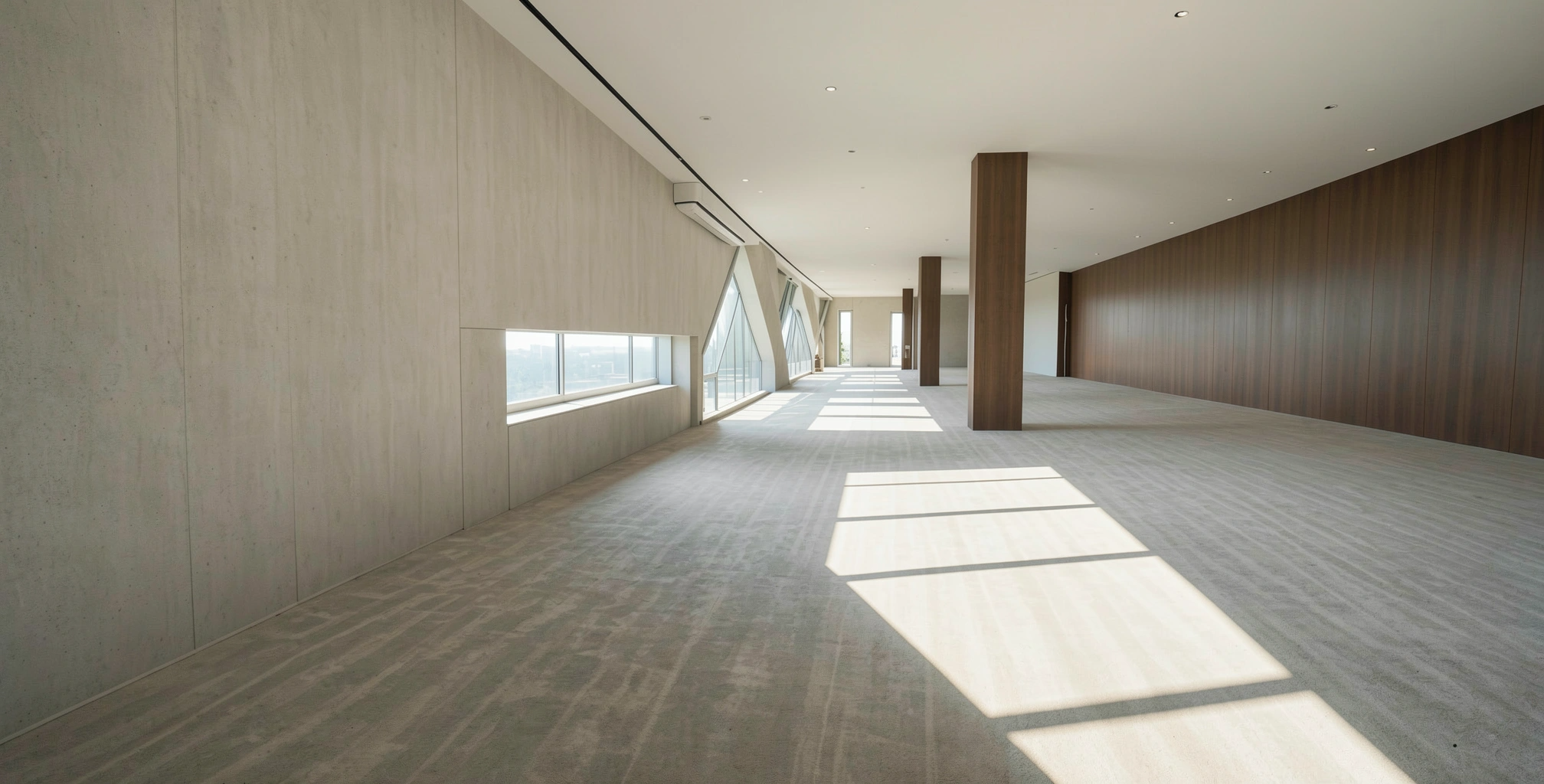
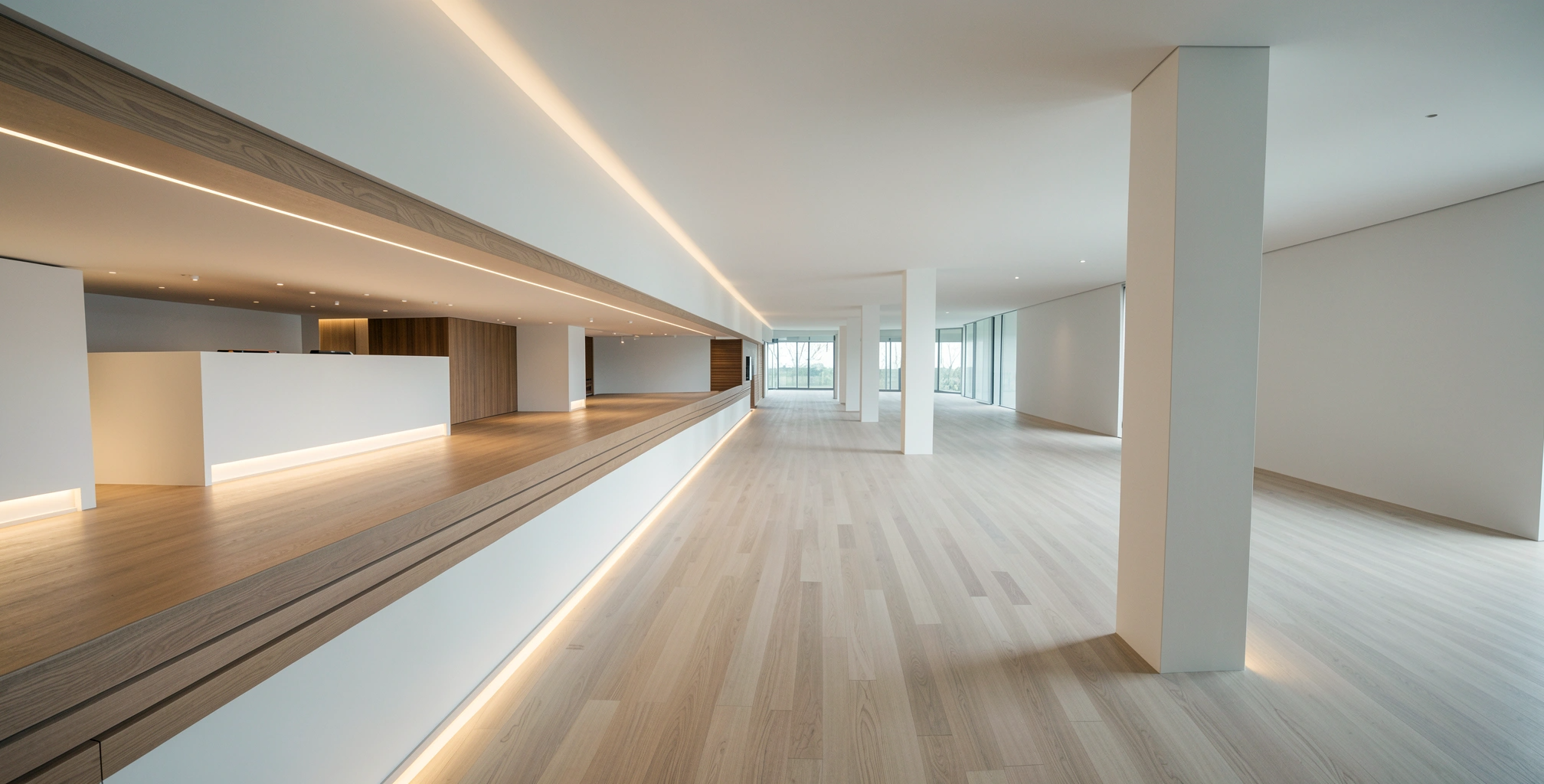
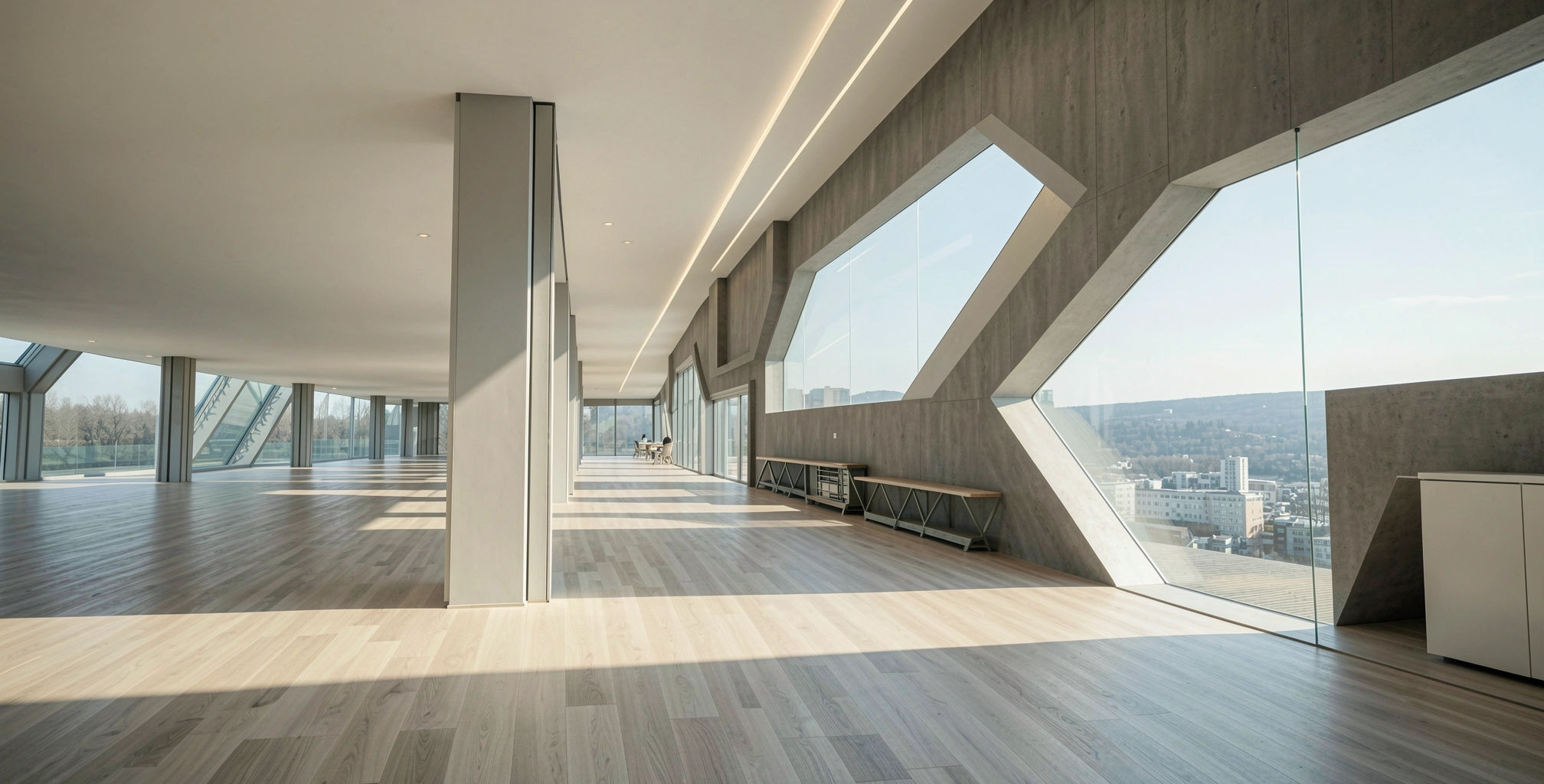
The building is organised through a primary structural framework in which spans, member sizes and structural spacing vary according to use. Larger spans are employed in assembly spaces, lecture areas and communal environments where openness and flexibility are required. Smaller teaching rooms and more cellular spaces are organised around shorter spans and more frequent supports, allowing structural depth and material use to be reduced where demand is lower. The resulting structural hierarchy creates a direct relationship between programme and construction, allowing different forms of learning to be accommodated within a coherent architectural framework.
This variation in structural scale establishes a sequence of spaces with distinct spatial and environmental characteristics. Larger-span spaces support collective activities and shared learning, while smaller-scale structural zones provide environments suited to focused study and classroom teaching. Structure therefore becomes an active participant in the organisation of educational life rather than a neutral framework concealed behind finishes and partitions.
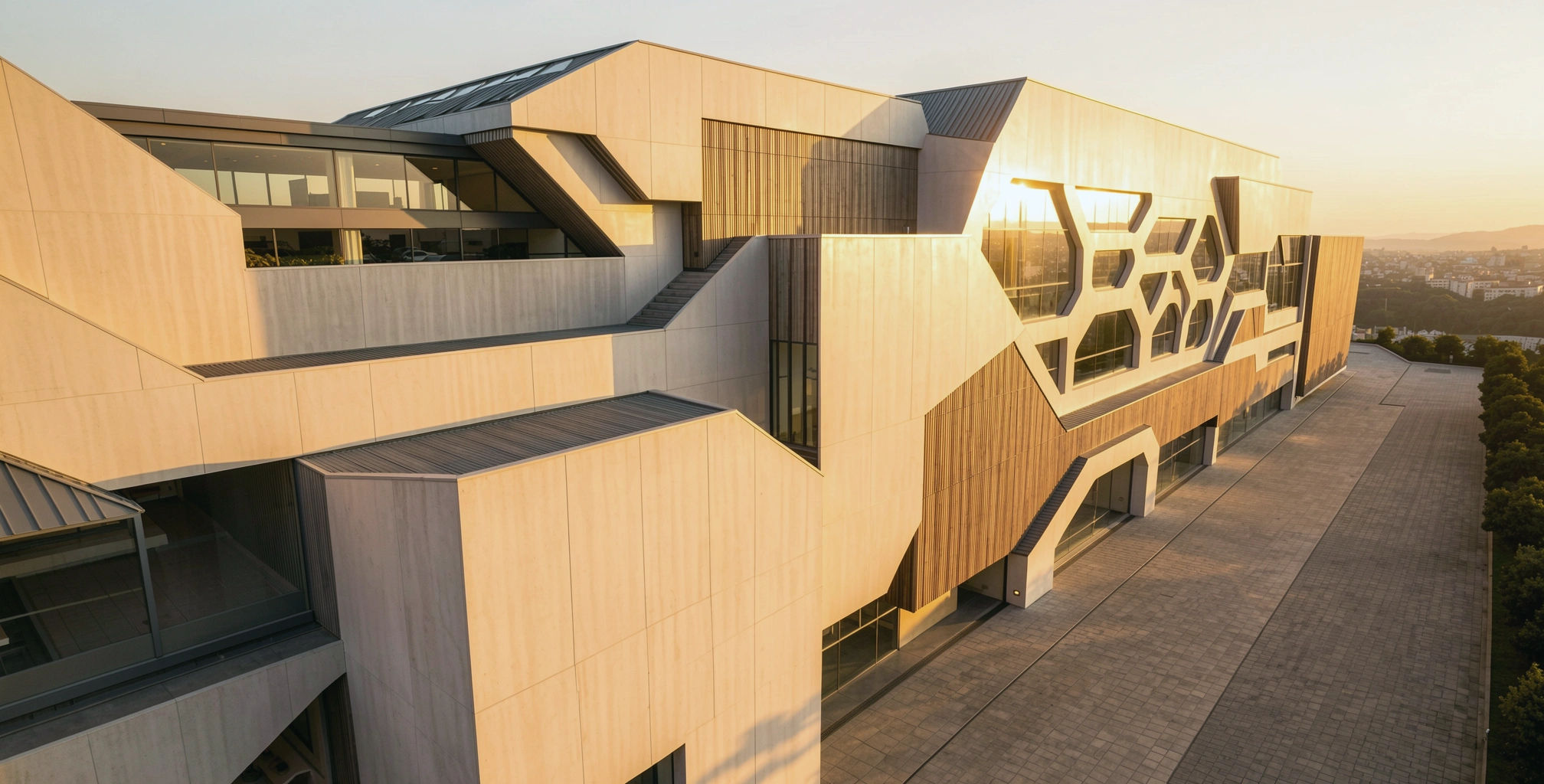
The project employs a combination of concrete and steel systems, each selected according to the requirements of particular spaces. Concrete provides robustness, thermal stability and acoustic separation where more controlled environments are required, while steel allows longer spans and greater flexibility within larger communal areas. These systems are coordinated to maintain clarity of load transfer while allowing each part of the building to respond appropriately to its specific function. Material choice is therefore determined by performance rather than by uniformity.
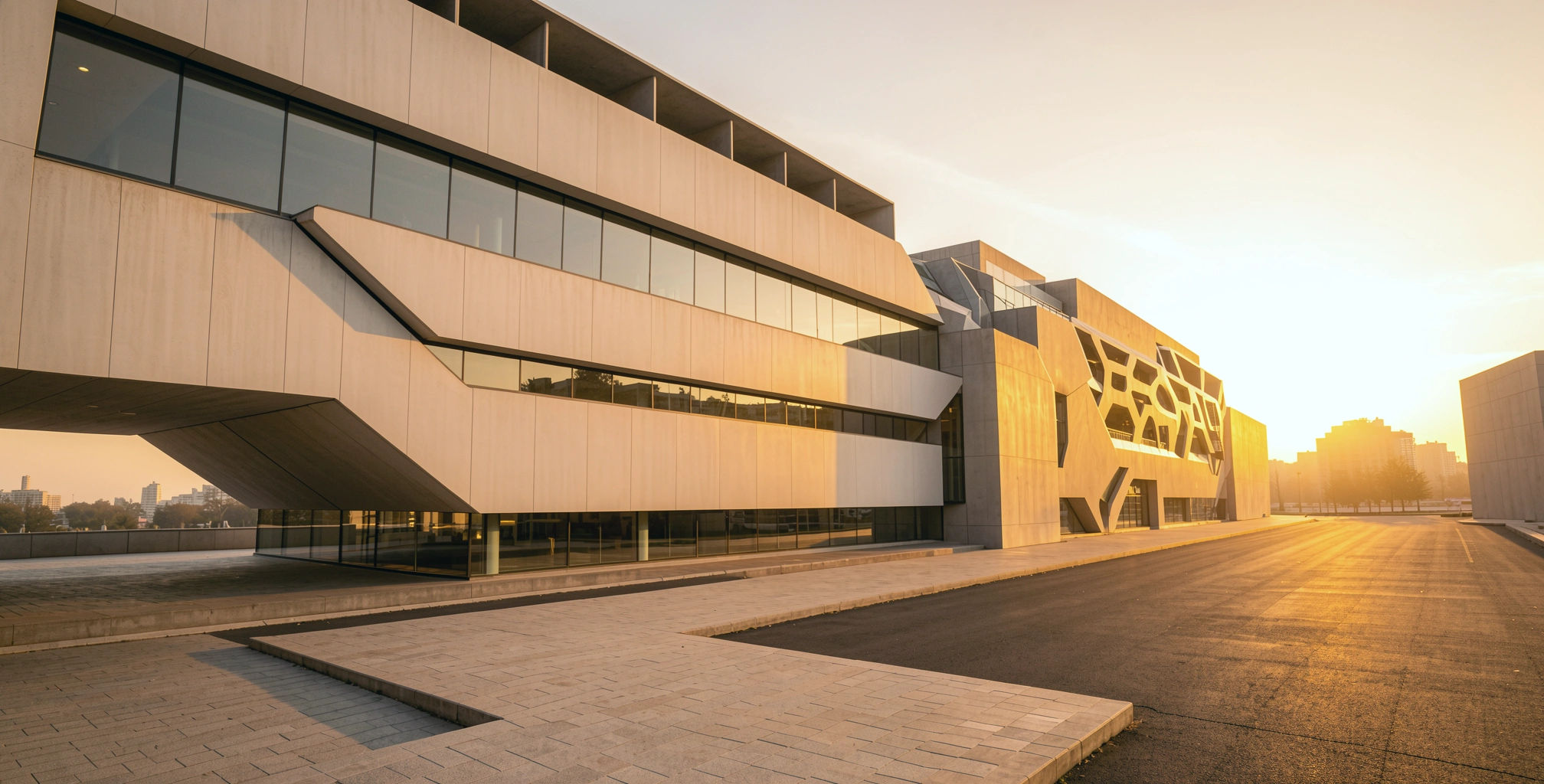
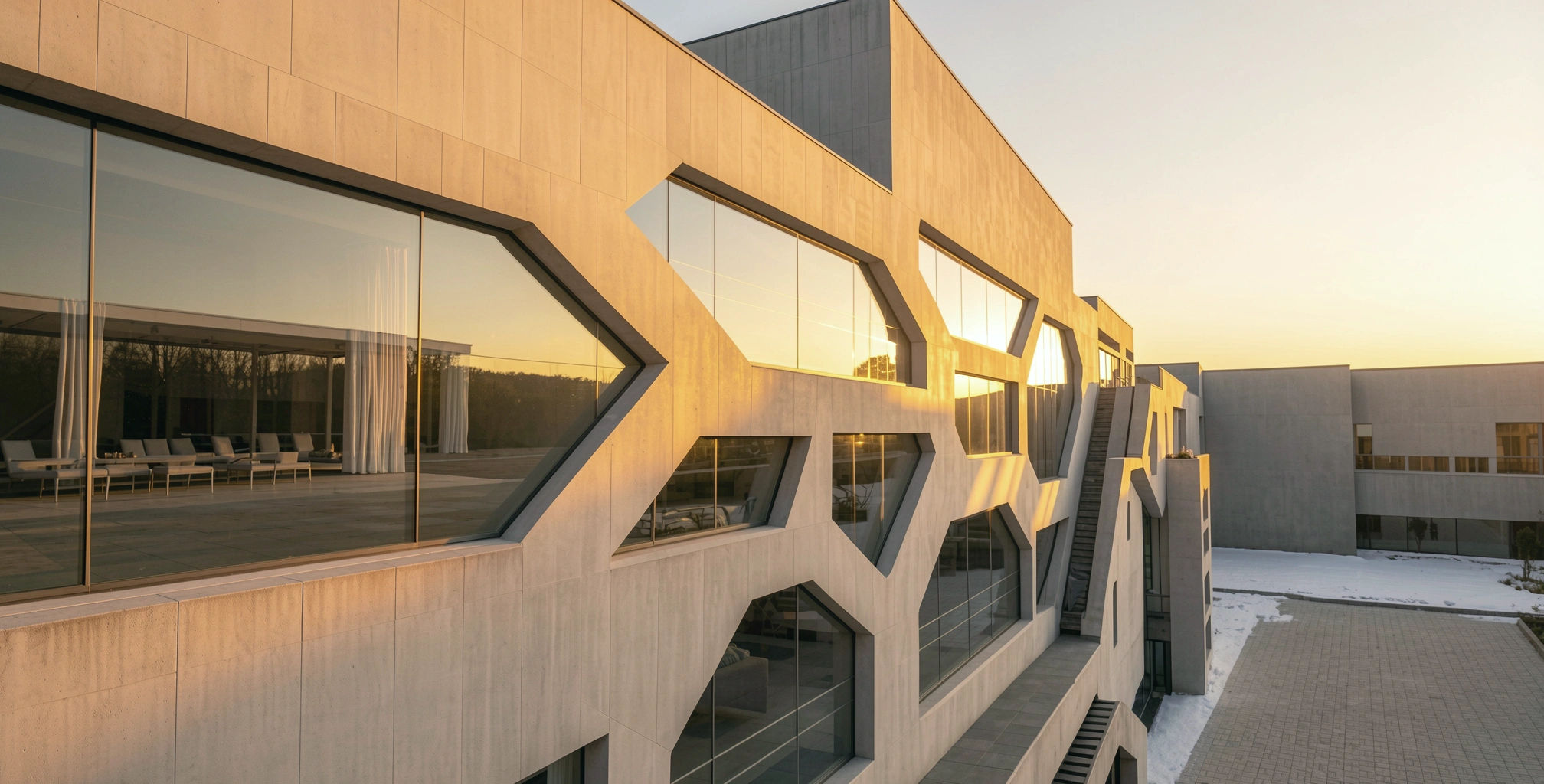
Environmental performance emerges directly from the organisation of the structure. Structural depth extends beyond enclosed spaces to create covered external areas, circulation routes and intermediate environments that provide protection from sun and rain while remaining naturally ventilated. These shaded zones act as environmental buffers between interior and exterior conditions, moderating temperature and reducing direct solar gain before it reaches occupied spaces.
A series of winter gardens and environmental transition spaces further strengthen this relationship between structure and climate. Positioned between teaching areas and the external environment, these spaces provide opportunities for informal learning, gathering and circulation while contributing to natural ventilation and seasonal environmental control. Rather than treating environmental systems as separate technical installations, the project integrates climatic moderation within the organisation of space itself.
Circulation routes are positioned within these intermediate environmental zones, creating gradual transitions between enclosed and open conditions. Movement through the school becomes an experience of changing light, temperature and spatial scale rather than passage through a sequence of sealed corridors. Environmental performance is therefore achieved through spatial organisation as much as through building technology.
The variation in structural systems also contributes to the legibility of the building. Larger structural elements identify collective spaces and shared facilities, while smaller structural rhythms correspond to classrooms and more intimate environments. Structure assists orientation by making differences in programme visible through construction. Students and visitors are able to understand the organisation of the building through its structural and spatial order.
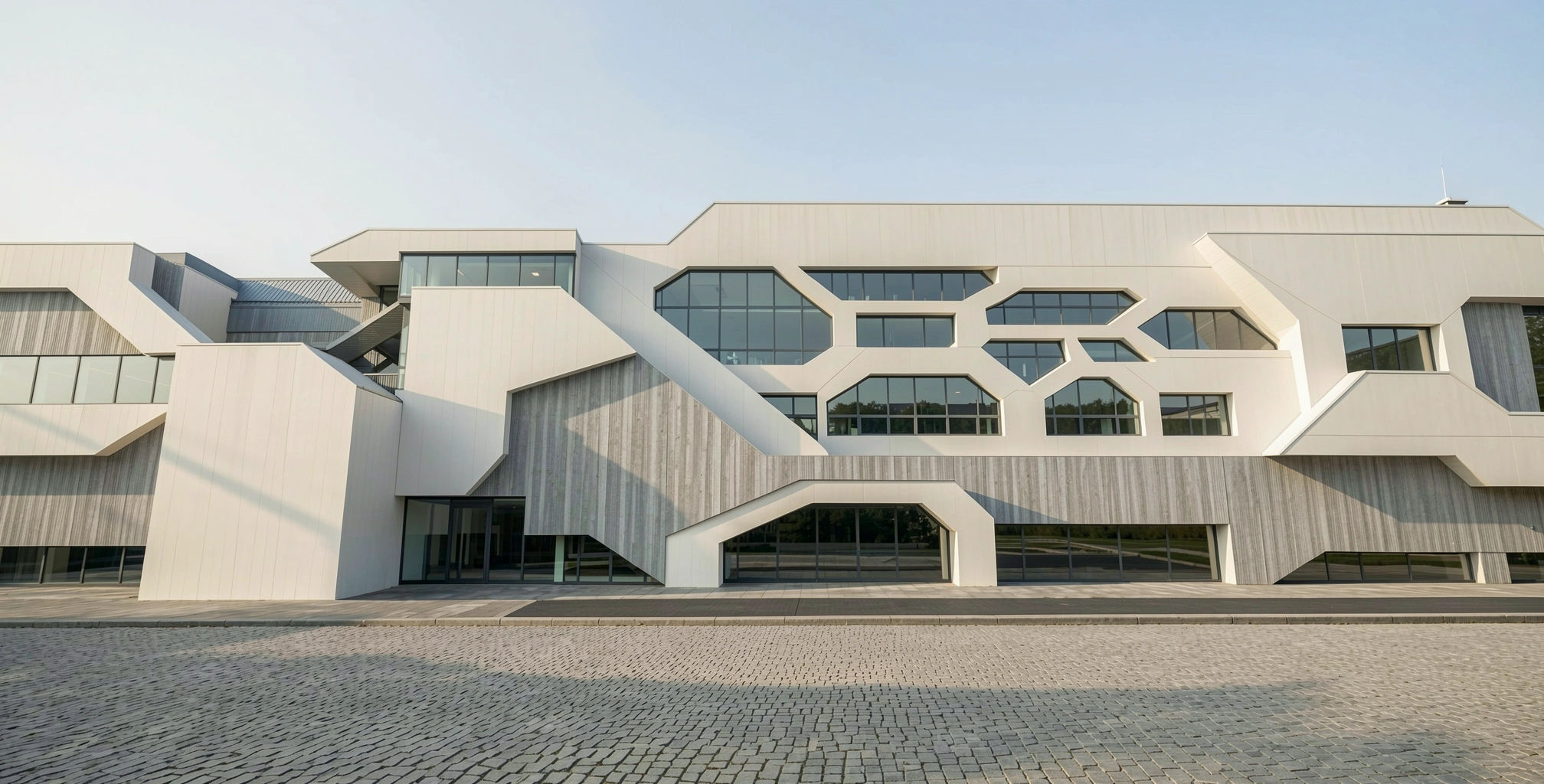
Architectural expression emerges directly from these relationships. The depth, spacing and scale of structural elements correspond to patterns of occupation, environmental requirement and programme. Structure, enclosure and environmental moderation operate together as parts of a single system. Expression is therefore not applied to the building as a separate layer but arises from the way the building is constructed and performs.
This project demonstrates how educational architecture can be organised through the coordinated development of structure, climate and learning. By allowing structural systems to respond directly to programme while contributing to environmental performance, the building creates a rich sequence of learning environments that remain adaptable, legible and responsive over time. Architecture emerges through the alignment of structural reasoning, environmental moderation and educational purpose.