
Science Center, NV
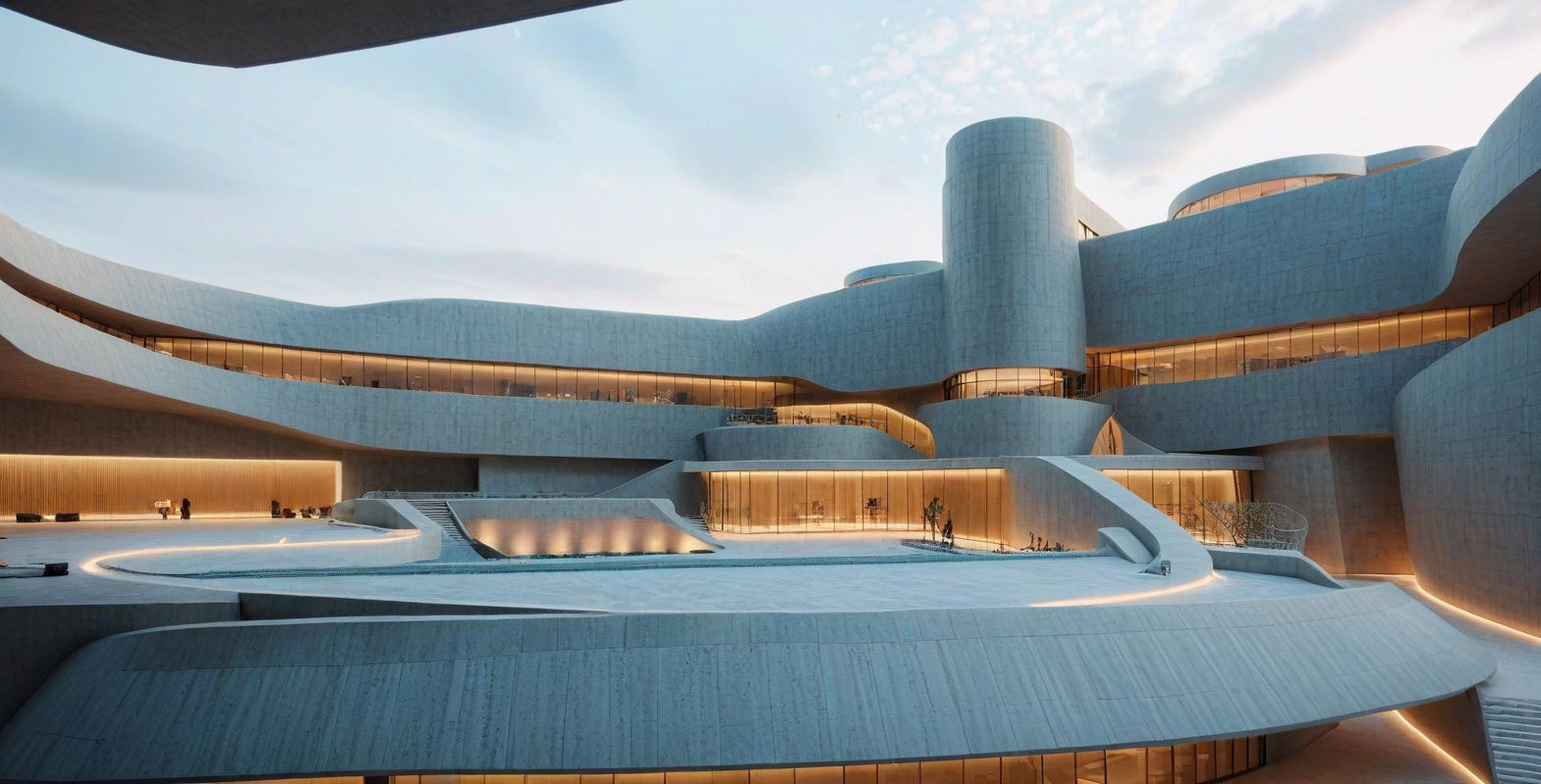
Science Visitor Centre — Discovery Through Descent
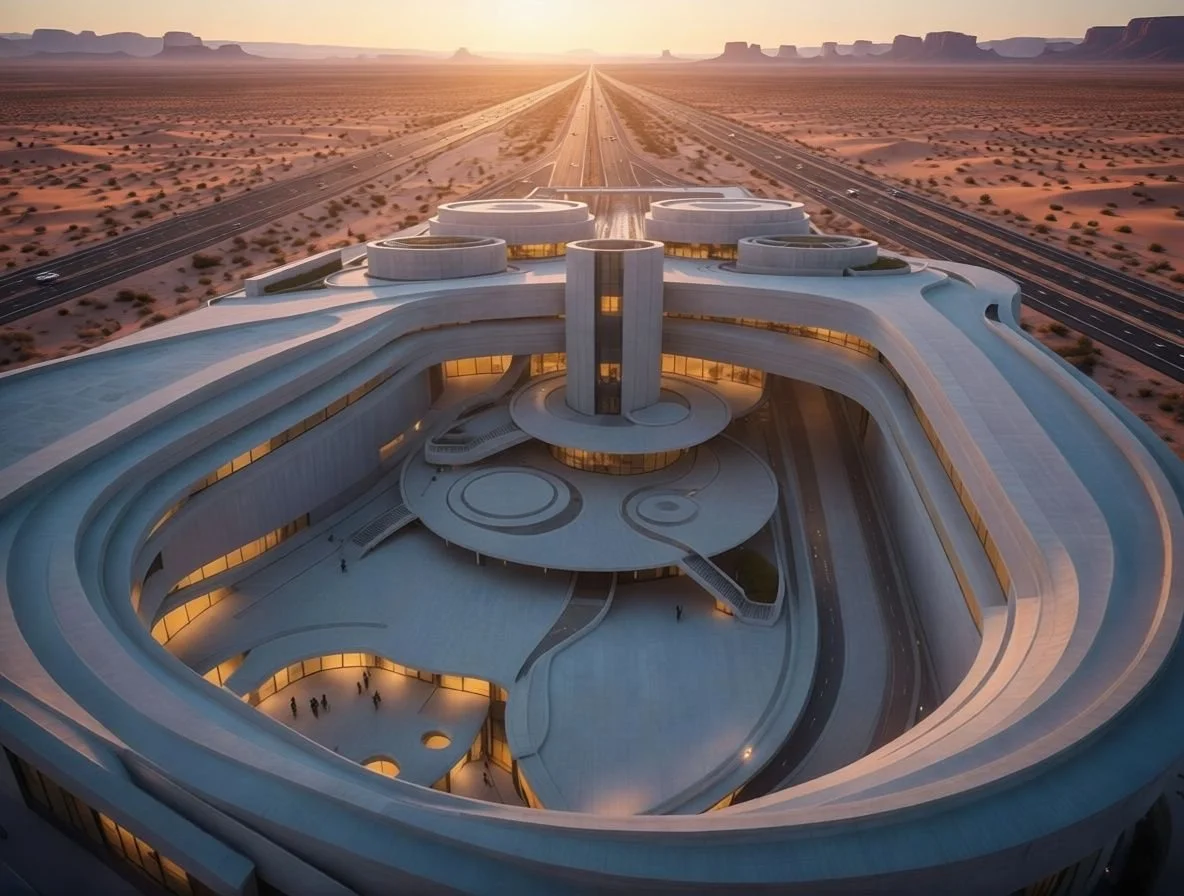
This project explores an alternative relationship between architecture and landscape. Located within the Nevada desert, the Science Visitor Centre is conceived not as an object placed upon the landscape but as an inhabitable excavation formed within it. Rather than competing with the scale and openness of the desert, the project preserves the continuity of the terrain, allowing the landscape itself to remain the dominant experience.
From a distance, the building is barely visible. The vast horizon, expansive skies and geological scale of the desert remain uninterrupted. Only a series of carefully positioned elements emerge above ground, providing orientation and access while maintaining the visual integrity of the site. The project deliberately resists the creation of a monumental object, choosing instead to embed architecture within the landscape.
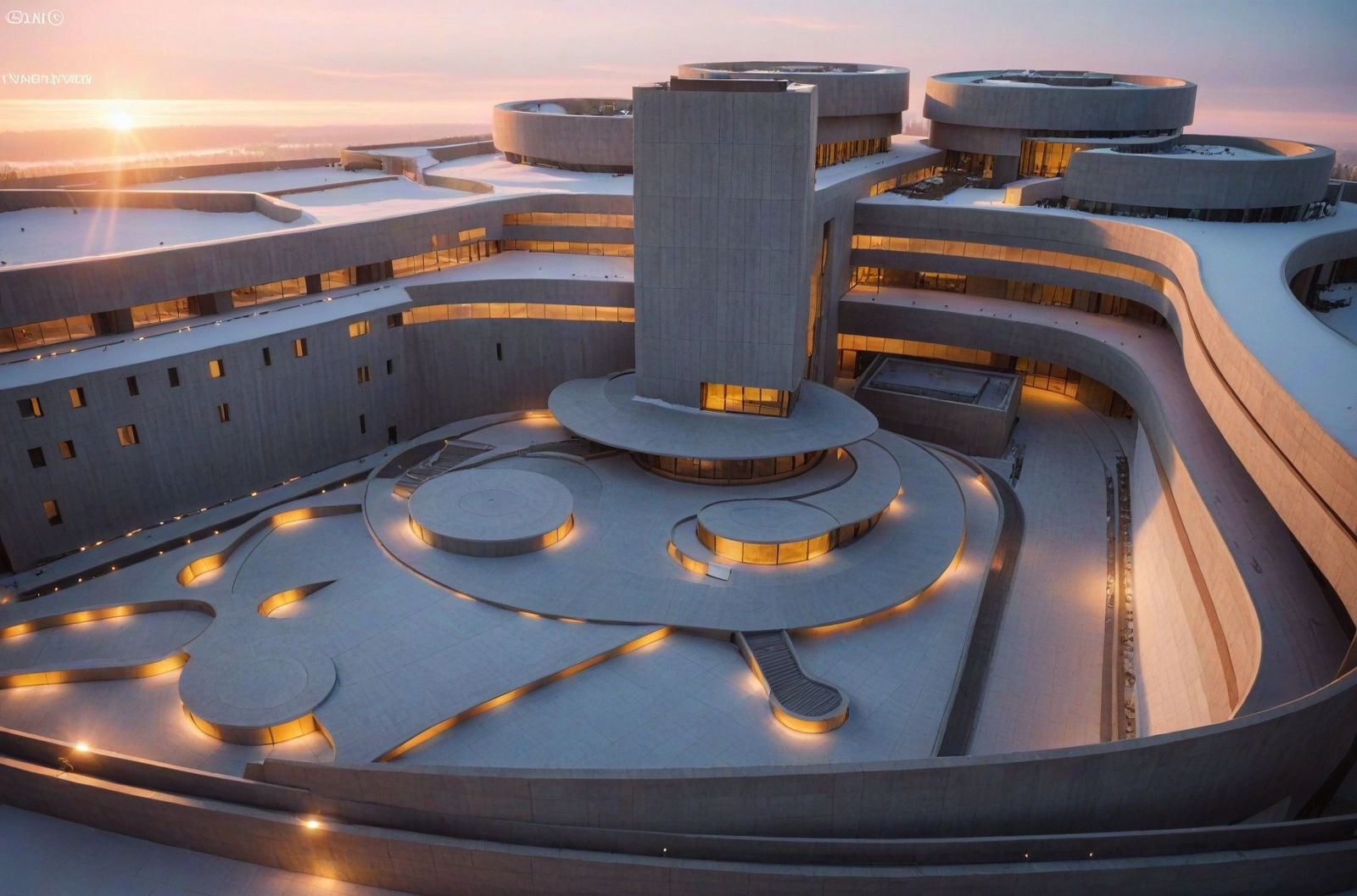
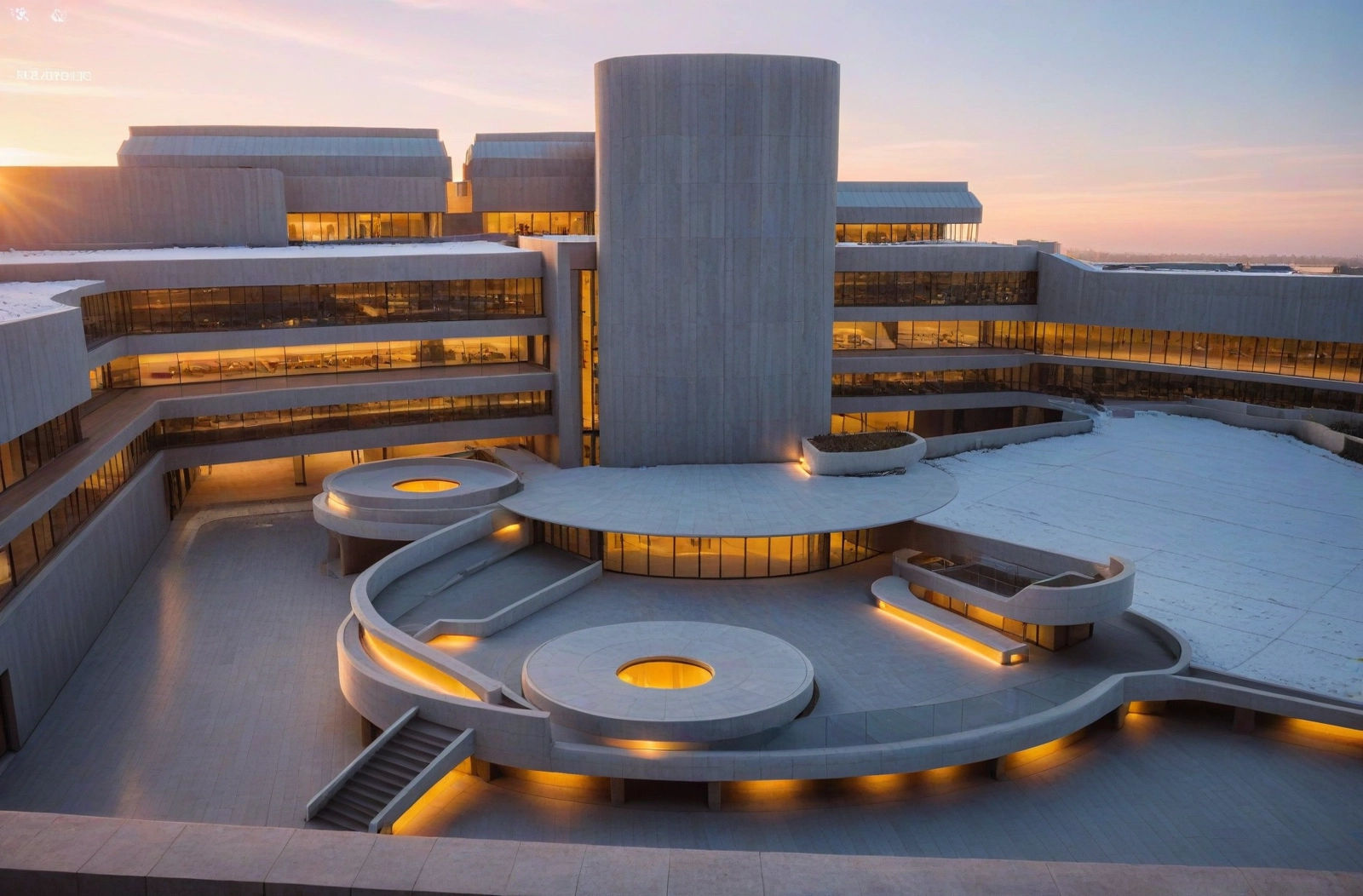
The visitor experience begins with descent. Arrival occurs at the level of the desert surface before gradually moving downward into a series of interconnected spaces organised around a central courtyard and observation tower. As visitors descend, the scale and character of the architecture are revealed progressively, creating a sequence of discoveries that contrasts with the immediate visibility typical of many public buildings.
At the heart of the project is a large sunken civic space that functions as both gathering place and orientation point. Around this central volume, exhibition spaces, learning environments, research facilities and public amenities are arranged within a continuous architectural framework. The organisation encourages exploration while maintaining clear visual connections between different parts of the building.
The surrounding earth becomes an active component of the architecture. The excavated landscape provides environmental moderation, thermal stability and protection from the extremes of the desert climate. Architecture and terrain operate together as a single environmental system, reducing exposure while creating comfortable internal conditions.
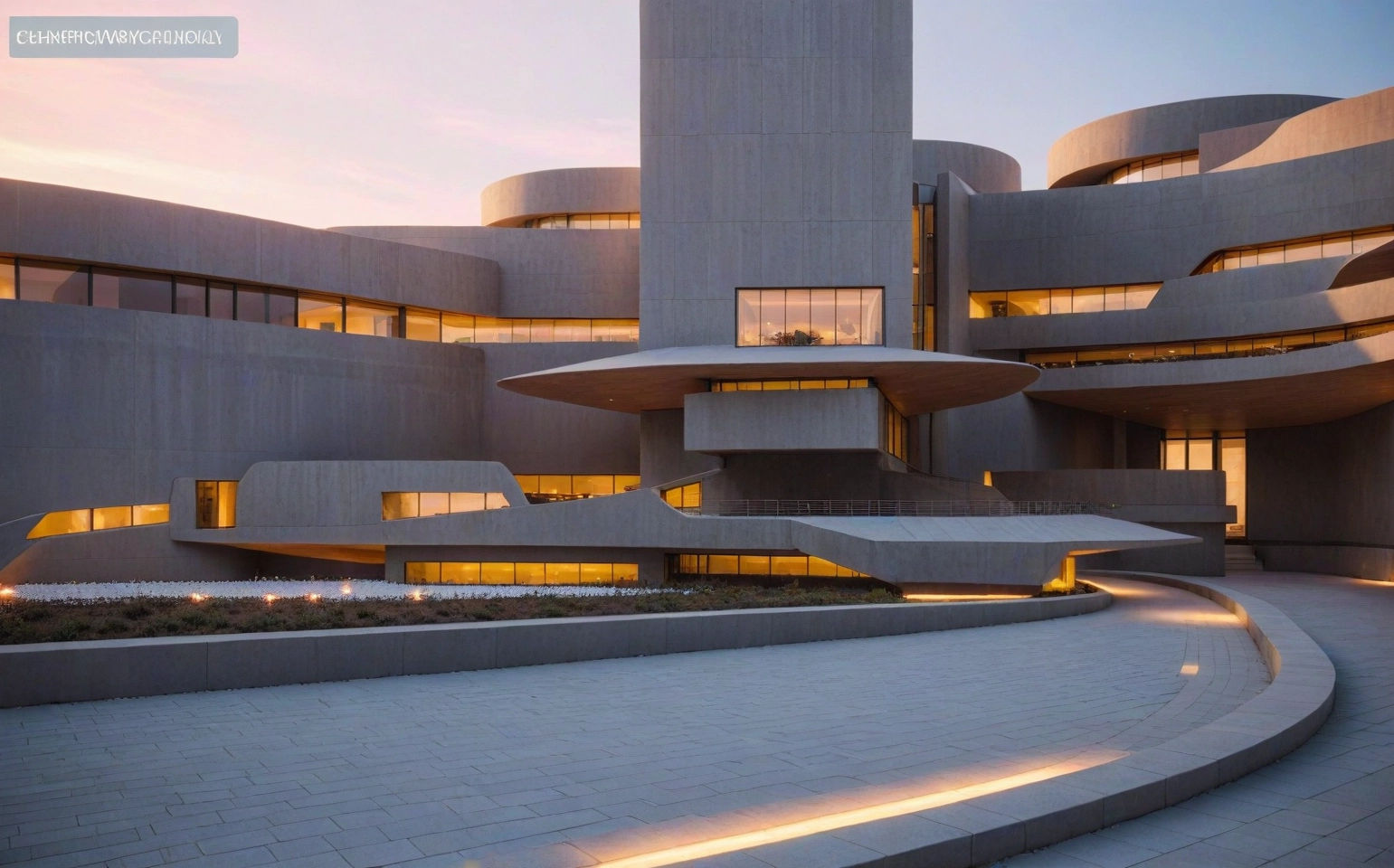
Natural light is carefully introduced throughout the project through courtyards, light wells and glazed openings. The contrast between the brightness of the desert and the controlled illumination of the interior creates a constantly changing spatial experience. Light becomes a primary architectural material, connecting occupants to the passage of time and the conditions of the landscape above.
The project is organised around the idea that discovery is a process rather than an event. Visitors do not encounter the building all at once. Instead, spaces unfold gradually through movement, revealing new relationships between landscape, structure, light and occupation. The architecture therefore mirrors the scientific process itself, where understanding emerges through exploration, observation and investigation.
Structure, environmental performance and spatial organisation are developed as interconnected systems. The geometry of the excavation, the organisation of circulation routes, the introduction of daylight and the moderation of climate all contribute to a unified architectural strategy. Construction is understood not as the insertion of a building into a site but as the careful transformation of the site into architecture.
The Science Visitor Centre demonstrates how architecture can achieve a strong public presence without dominating its surroundings. By working with the landscape rather than against it, the project creates a destination that is both dramatic and restrained, transforming the experience of the desert into an integral part of the architecture itself.
The result is a building that is discovered rather than seen, experienced rather than displayed, and whose identity emerges through the relationship between landscape, light, space and exploration.