
Space Port, NV
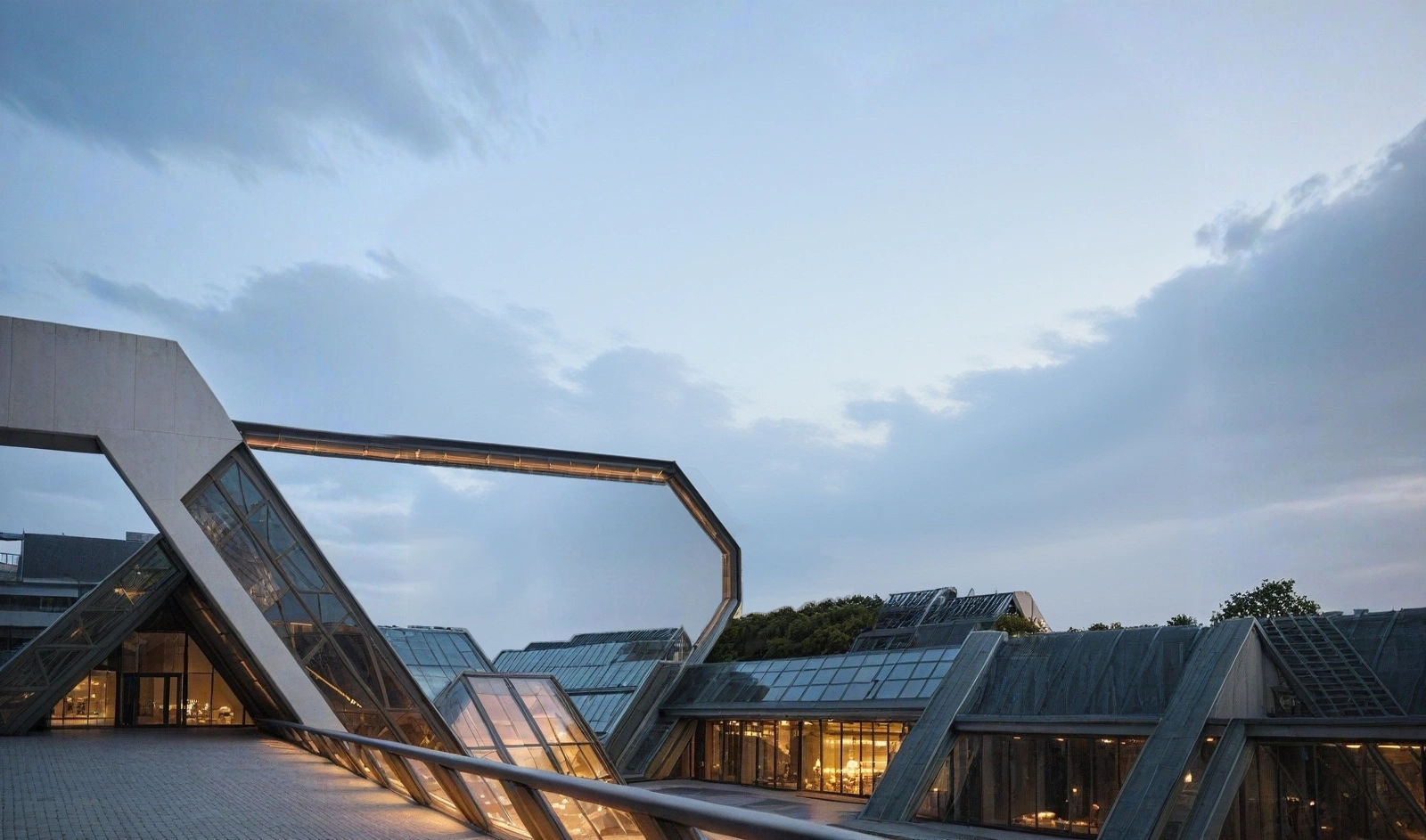
Space Exploration Centre — Learning Through Technology
This project is a space exploration centre dedicated to the public understanding of science, engineering and technological innovation. Designed as a destination for education, exhibition and discovery, the building brings together space vehicle components, research exhibits, learning environments and public events within a single integrated architectural framework.
At its core is the belief that science is best understood through direct engagement with the technologies that shape it. Rather than presenting space exploration as a distant or abstract subject, the project allows visitors to encounter the physical systems, structures and engineering achievements that make exploration possible. Rockets, spacecraft components, experimental technologies and research artefacts become central elements of the architectural experience.
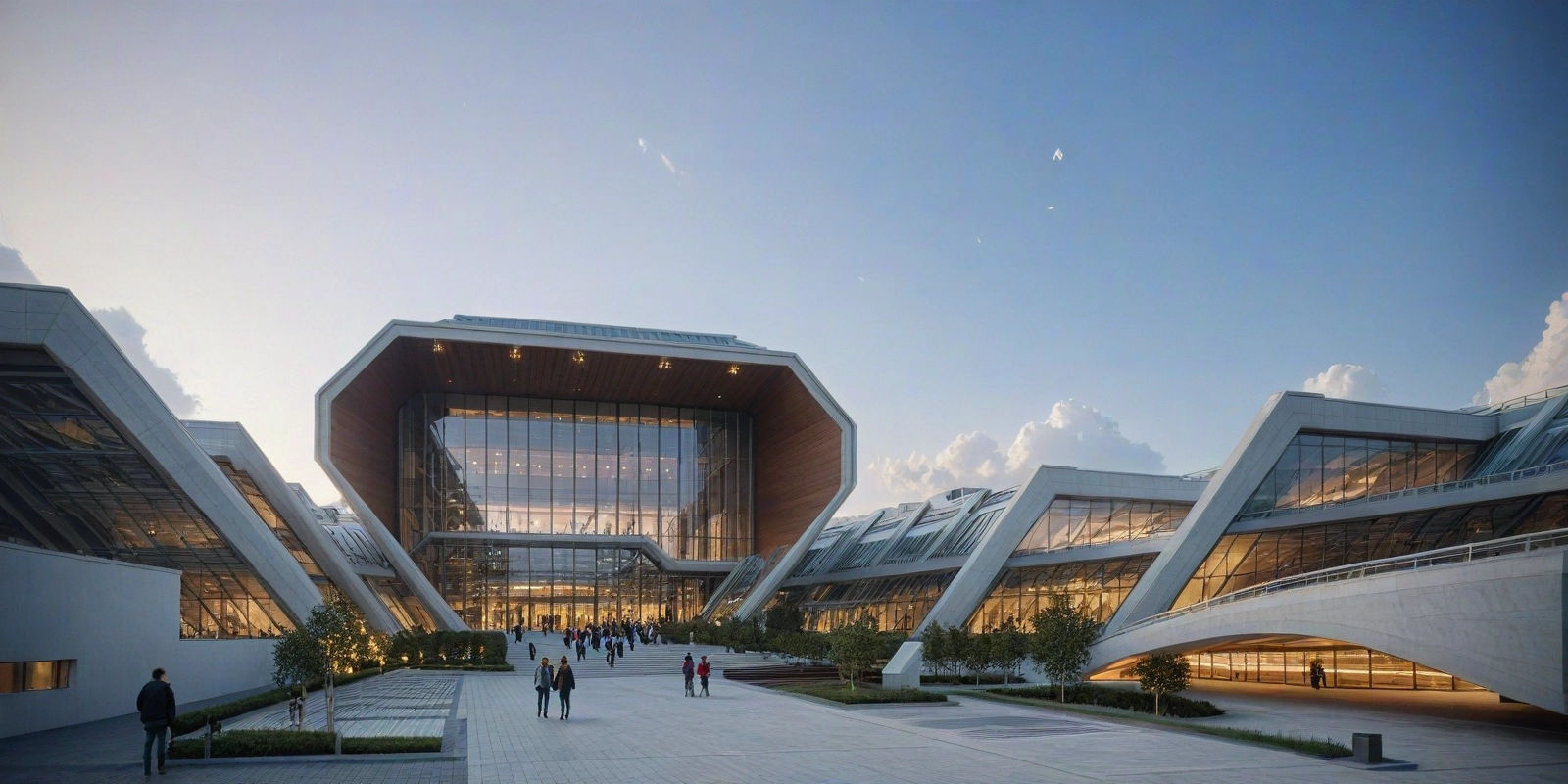
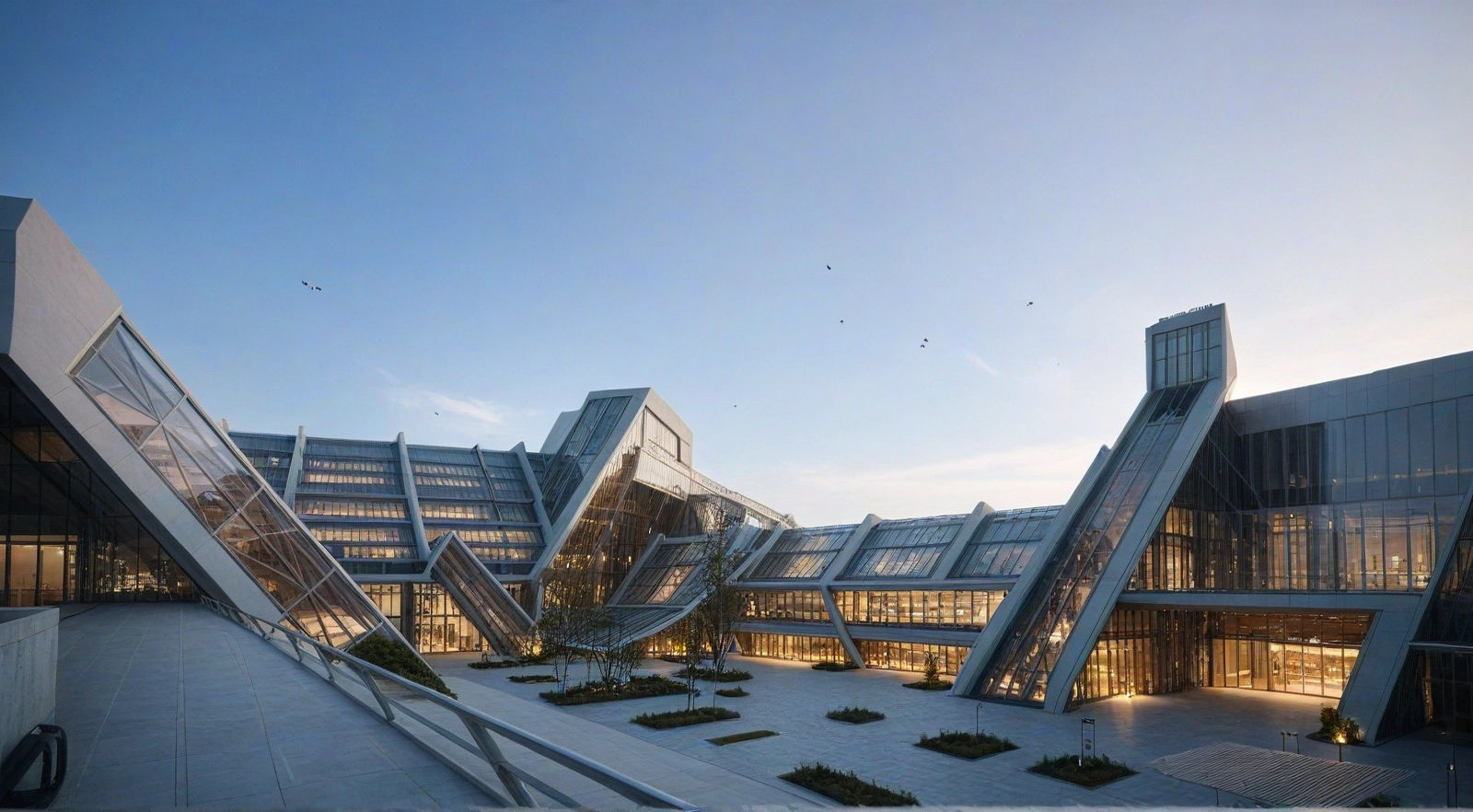
The building is organised as a series of interconnected exhibition halls, learning environments and public gathering spaces arranged around a highly legible circulation framework. Visitors move through the project as they might explore a research campus or technological landscape, discovering relationships between different fields of science, engineering and exploration. The architecture encourages curiosity through movement and exploration rather than through a predetermined sequence of displays.
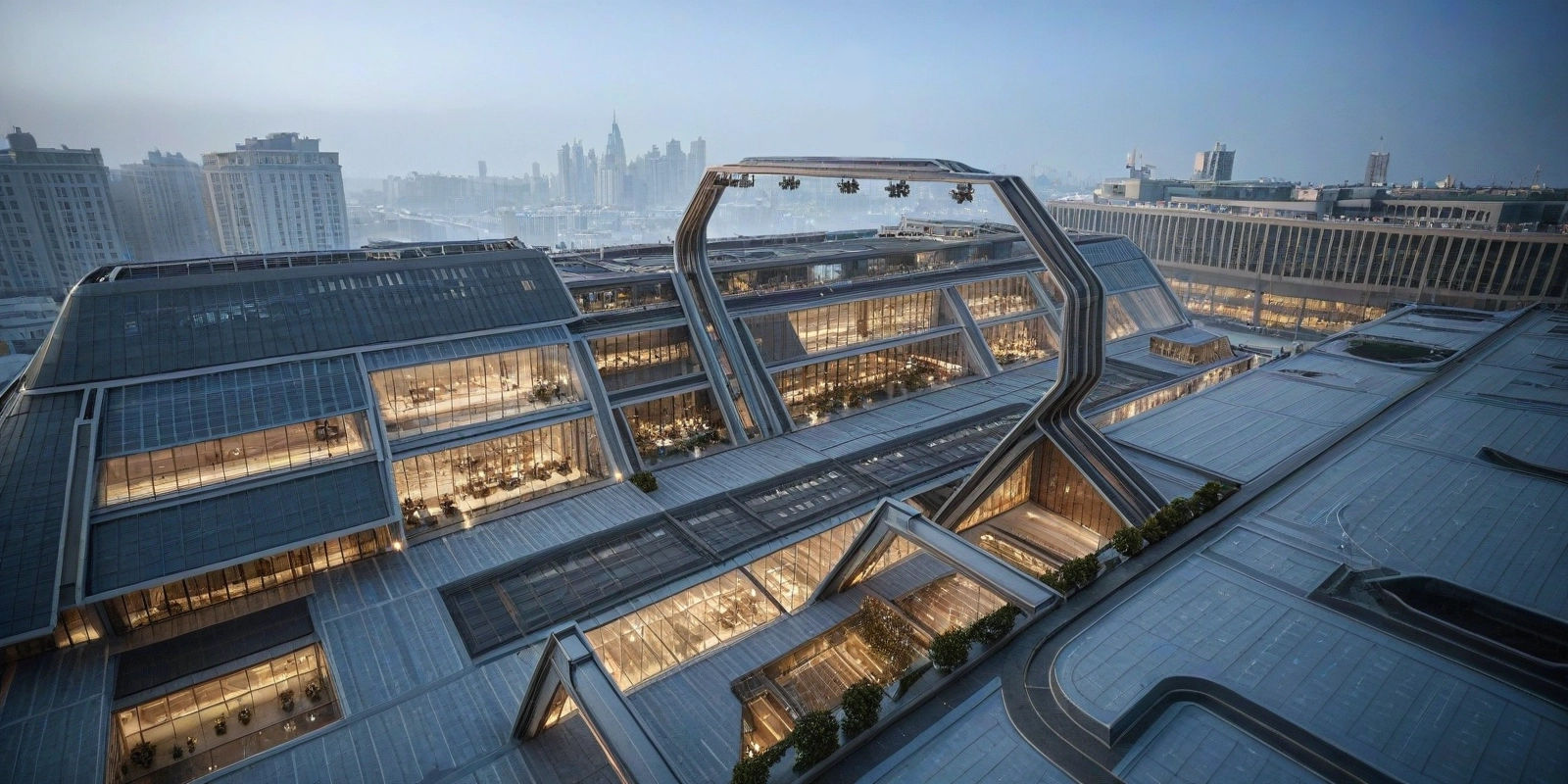
Large-span structural systems create flexible exhibition environments capable of accommodating artefacts of widely differing scales, from individual components and experimental devices to complete aerospace vehicles. These spaces are designed to evolve over time, allowing new technologies, exhibitions and educational programmes to be incorporated without altering the overall organisational framework of the building.
Transparency is fundamental to the architectural concept. Extensive glazed areas reveal activities occurring throughout the centre, creating visual connections between exhibitions, workshops, research spaces and public circulation routes. Learning becomes a visible activity rather than one confined to dedicated educational environments. Visitors remain aware of the wider community of exploration, research and innovation taking place around them.
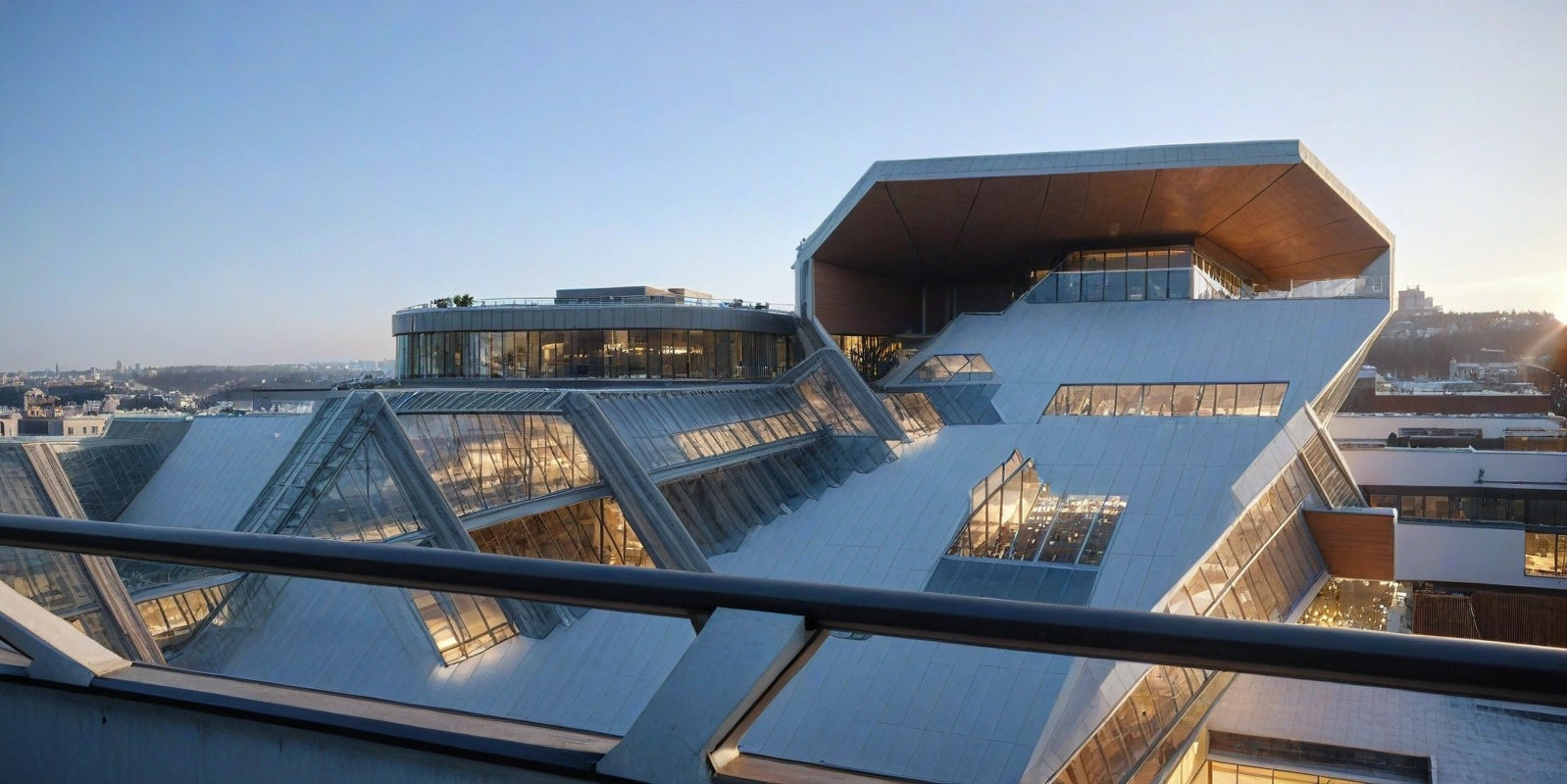
The architecture itself reflects the themes explored within the centre. Structure, environmental systems and construction are expressed as coordinated components of a larger technological system. Rather than concealing how the building works, the project makes its organisation understandable, allowing architecture to become part of the educational experience.
Natural light is introduced deep into the building through large roof lights, atria and glazed circulation spaces. Daylight animates the exhibition environments while reducing reliance on artificial lighting and strengthening the connection between interior activity and the wider environment. The changing qualities of light reinforce the themes of observation, discovery and exploration that underpin the project.
The centre is also conceived as a place of collective learning. Lecture facilities, collaborative workspaces, educational laboratories and event venues are integrated throughout the complex, supporting engagement between students, researchers, industry specialists and the wider public. The project therefore operates not only as a museum but as a platform for ongoing scientific education and public participation.
Flexibility is embedded throughout the design. Scientific knowledge, technologies and methods of communication continue to evolve, and the architecture is designed to evolve with them. Modular exhibition systems, adaptable infrastructure and generous circulation spaces allow the centre to accommodate future developments while maintaining a coherent architectural identity.
This project proposes a contemporary model for STEM education in which architecture, technology and learning operate together. By combining exhibition, education, research and public engagement within a single integrated environment, the centre transforms the experience of science from passive observation into active exploration.
The result is a building that celebrates human ingenuity and technological achievement while inspiring future generations to engage with science, engineering and the possibilities of exploration beyond Earth.