
Newtecnic Constructive Intelligence Framework
The Newtecnic Constructive Intelligence Framework is supported by published books, project experience and technical research developed across a wide range of building types, climates and locations.
Newtecnic operates through an integrated framework that connects research, design, engineering, construction knowledge and project experience. Developed over more than three decades of professional practice, the framework provides continuity between architectural design, technical development, construction and long-term learning.
Rather than treating projects as isolated commissions, the framework allows knowledge developed through one project to inform future work. Experience gained through design, fabrication, construction and operation becomes part of an evolving body of constructive intelligence that supports successive projects.
Framework
The framework captures the methods, technical guidance and organisational knowledge used in project delivery. It provides a structured environment through which architecture, structure, façades, environmental systems and construction can be developed as interdependent parts of a single process.
The framework supports the integration of design and engineering, allowing knowledge developed in one area to inform decisions in another. It provides continuity across different project types, scales and locations while maintaining a consistent approach to technical development and project delivery.
Projects
Projects are the primary means through which knowledge is tested and developed. Each project provides an opportunity to explore the relationship between spatial organisation, structural reasoning, environmental performance, material behaviour, fabrication and construction under real conditions.
Experience gained through design, technical development, construction and operation contributes to a growing body of practical knowledge. Projects therefore function not only as individual commissions but as continuing investigations into the relationship between design and realisation.
Publications
Newtecnic-authored publications organise and communicate knowledge developed through practice. They document design methodologies, construction systems, environmental strategies, structural approaches and project case studies.
The publications form part of the same continuous process through which knowledge is developed, tested, refined and shared. By translating project experience into transferable methods and principles, they establish a bridge between individual projects and the wider discipline of architecture.
Constructive Intelligence
Constructive intelligence emerges through the relationship between framework, projects and publications.
The framework informs projects. Projects generate experience. Publications organise and communicate knowledge. Each contributes to the development of an evolving body of constructive intelligence that supports successive work.
Architecture is therefore understood not as a sequence of isolated projects but as a cumulative discipline whose advancement depends upon the continuous alignment of design, engineering, construction and learning.
The Newtecnic Constructive Intelligence Framework provides the organisational structure through which this process is sustained across successive projects, publications and research activities.
Primary readling list for the Newtecnic Knowledge System
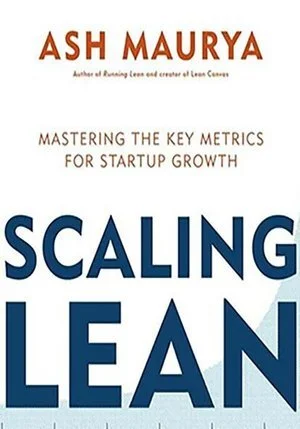
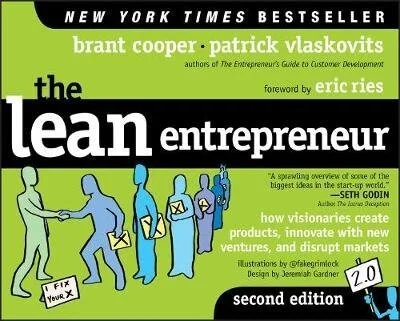
Entrepreneurship Practice
Entrepreneurial process


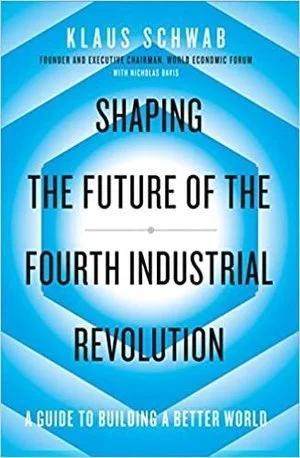
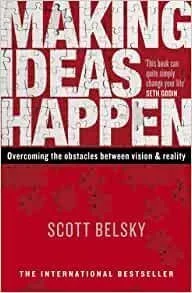

Entrepreneurial product

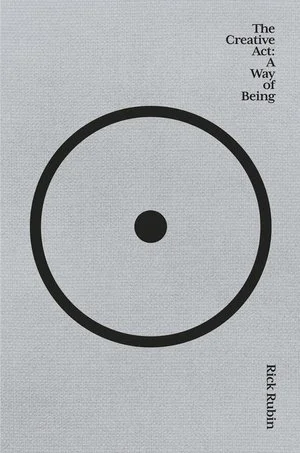

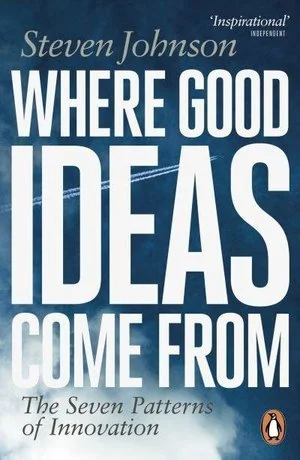

Leadership Practice


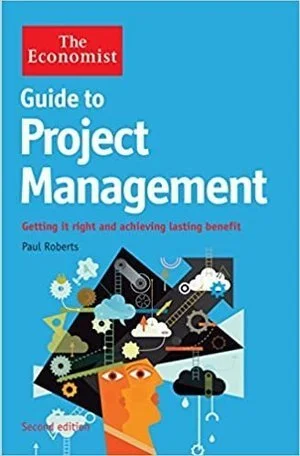
Management Practice
Management guides




Management thinking
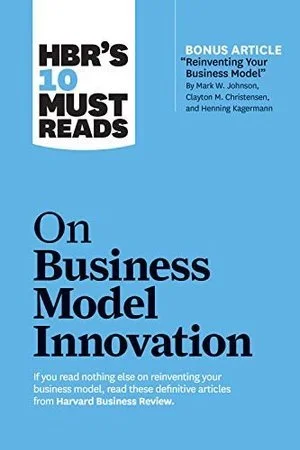
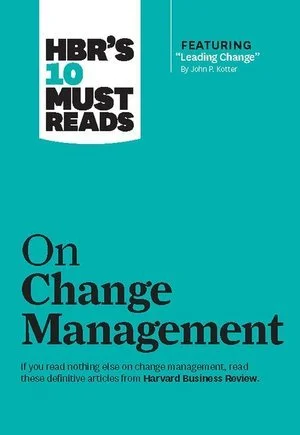

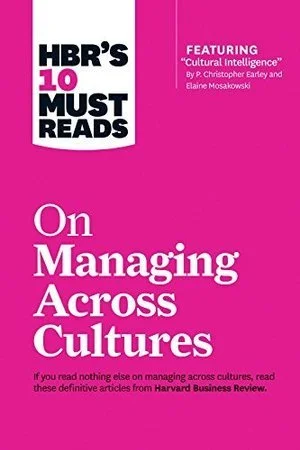
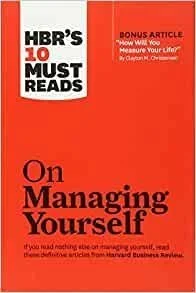


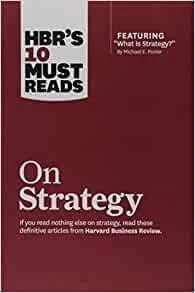
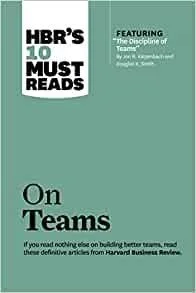

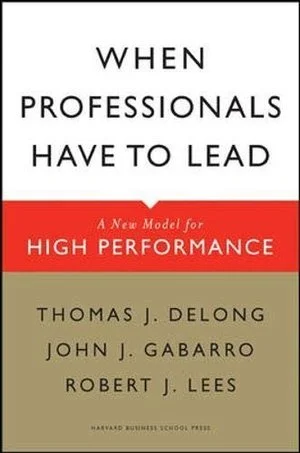

Strategy Practice



Business Practice
Culture


Competition
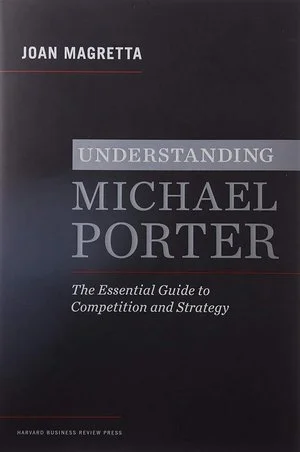



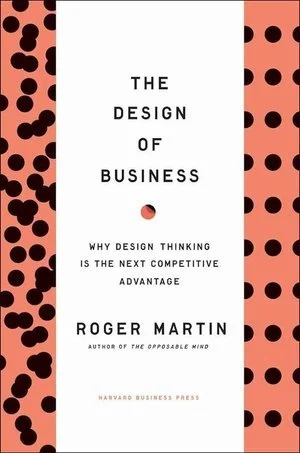
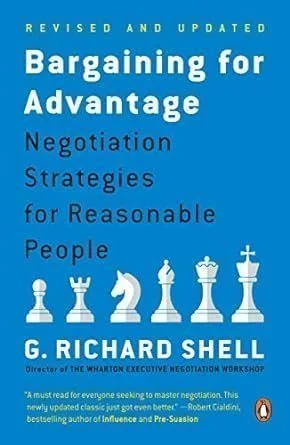
Innovation Practice


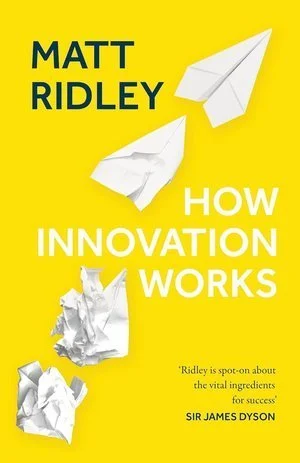
Teamwork Practice
Team conduct




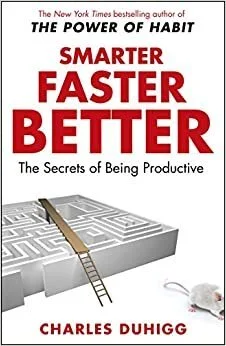
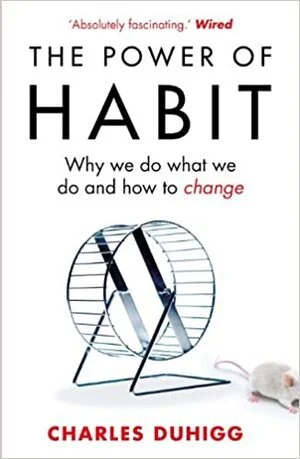

Team discipline





Team productivity
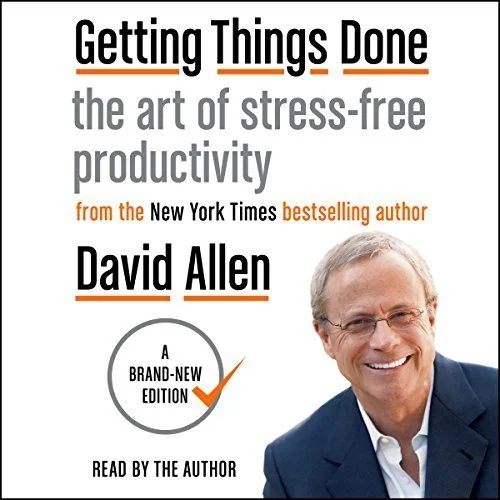


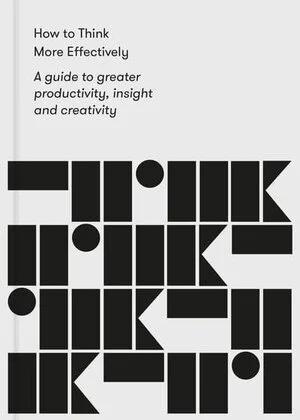

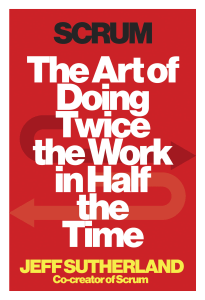

Team leverage
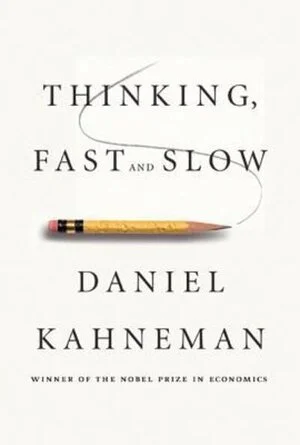






Making Practice


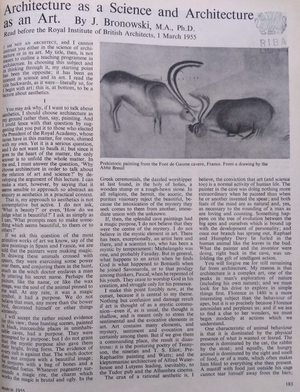
Interdisciplinary project management

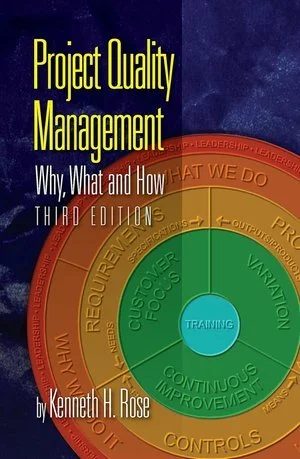
Design quality management based on ISO 9001

Newtecnic Policies
Anti-Bribery and Corruption Policy
Anti-Facilitation of Tax Evasion Policy
Anti-Slavery and Human Trafficking Policy
Building Information Modelling (BIM) Policy
Corporate Social Responsibility Policy
Health and Safety Policy and Arrangements
Policy for coordination of architectural and engineering design